Table of Contents
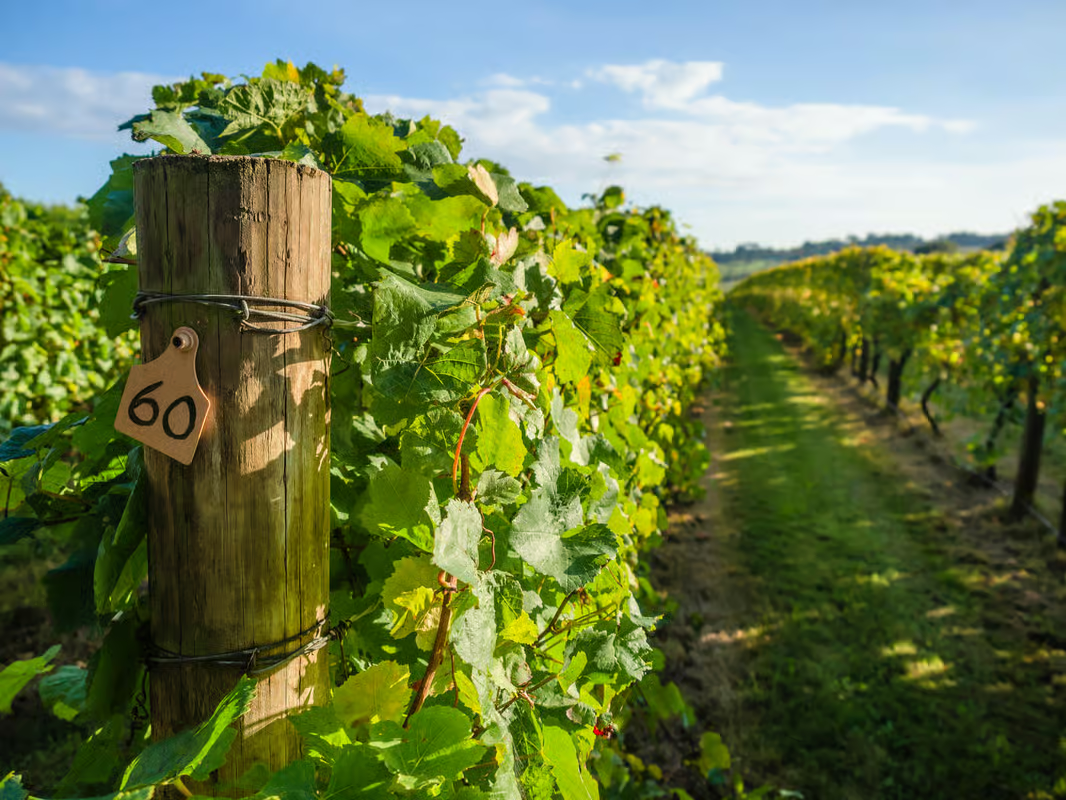
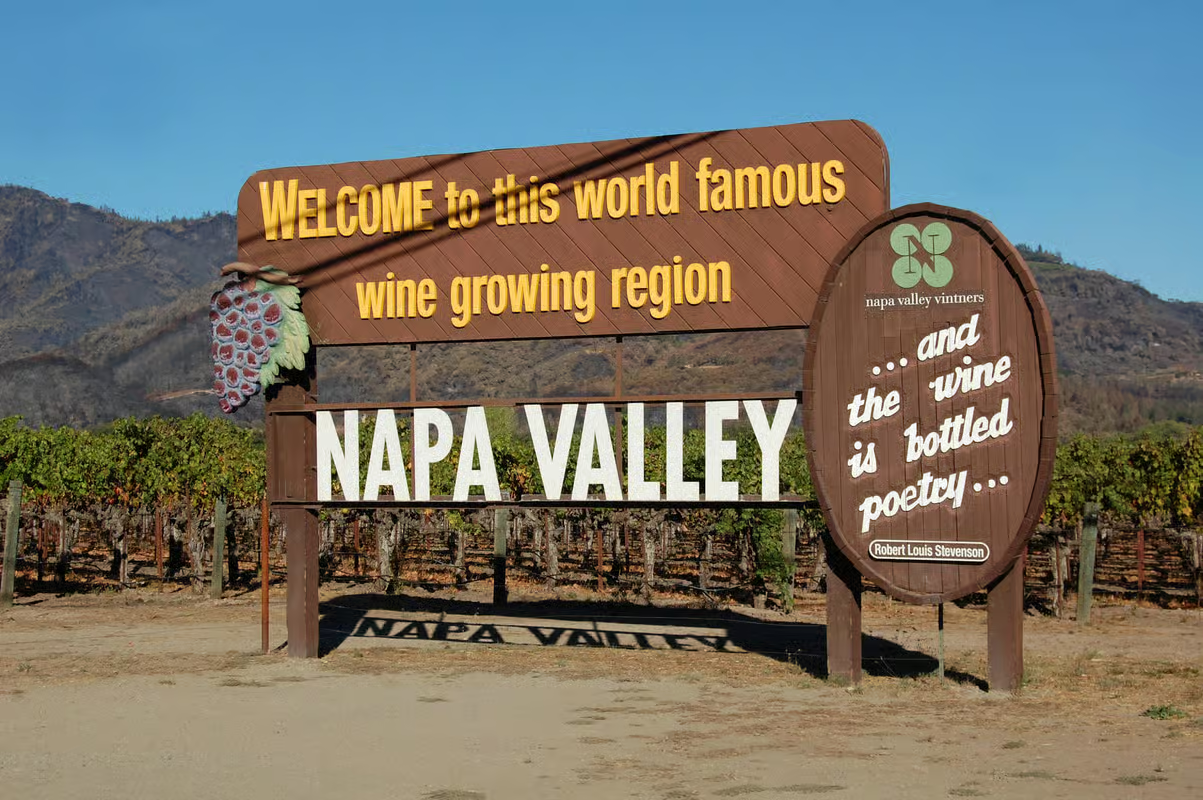
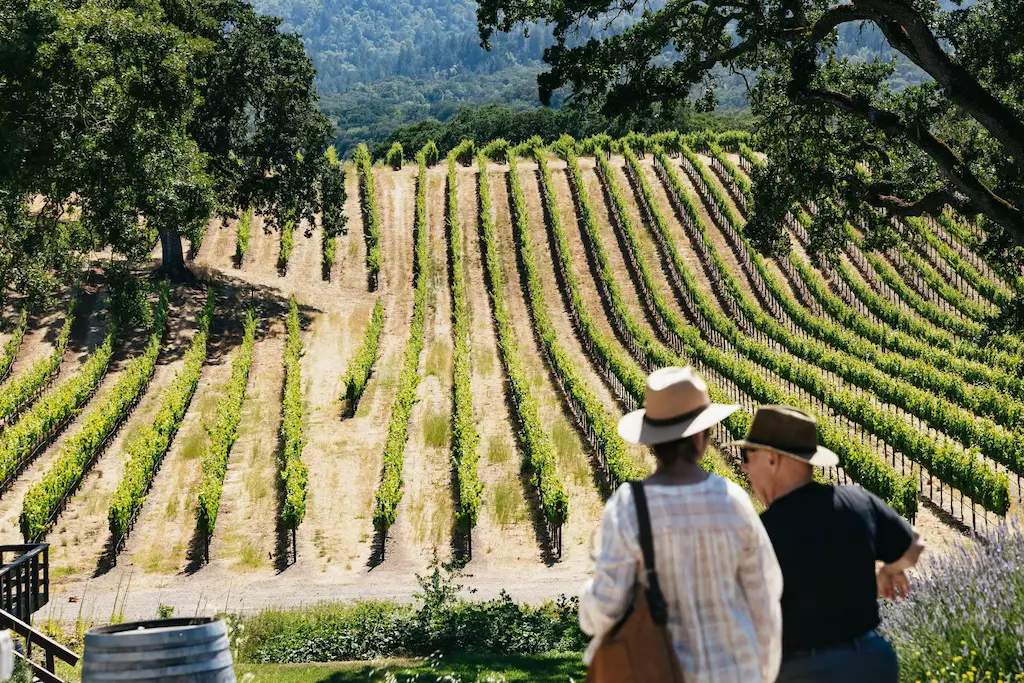
There is a specific kind of magic that settles over Northern California when the morning fog begins to peel back from the vines, revealing the golden, rolling hills of Napa and Sonoma. As a long-time wine traveler, I’ve found that while the Old World has its deep-rooted history,
California has an infectious, sun-drenched energy that invites you to pull up a chair and stay a while. My first trip here felt like a sensory overload—the scent of toasted oak in the barrel rooms, the crunch of volcanic soil beneath my boots, and that first, bold sip of a classic Rutherford Cabernet that tasted of dark fruit and “dust.” It is a place that feels both approachable and aspirational, where you can find a world-class Estate hidden behind a simple farmhouse gate or a high-tech tasting room overlooking a sea of green.
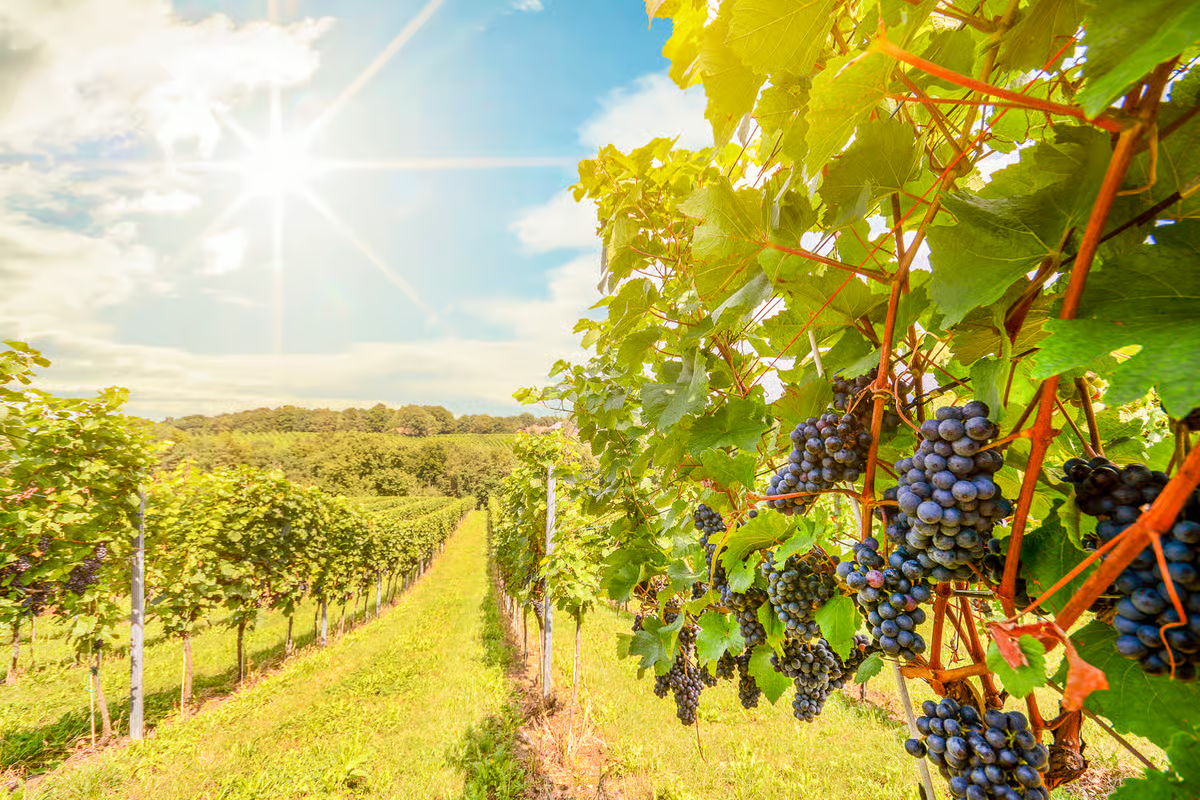
The air here carries the scent of wild rosemary and eucalyptus, mixed with the sweet, heavy aroma of grapes ripening under a relentless Pacific sun. What makes California truly special is the staggering diversity of the landscape within such a concentrated area. You can spend a morning in the cool, maritime breeze of the Russian River Valley, watching the mist dance over rows of elegant Pinot Noir, and by afternoon, be basking in the intense heat of Calistoga, surrounded by rugged mountains and powerful, century-old Zinfandels.
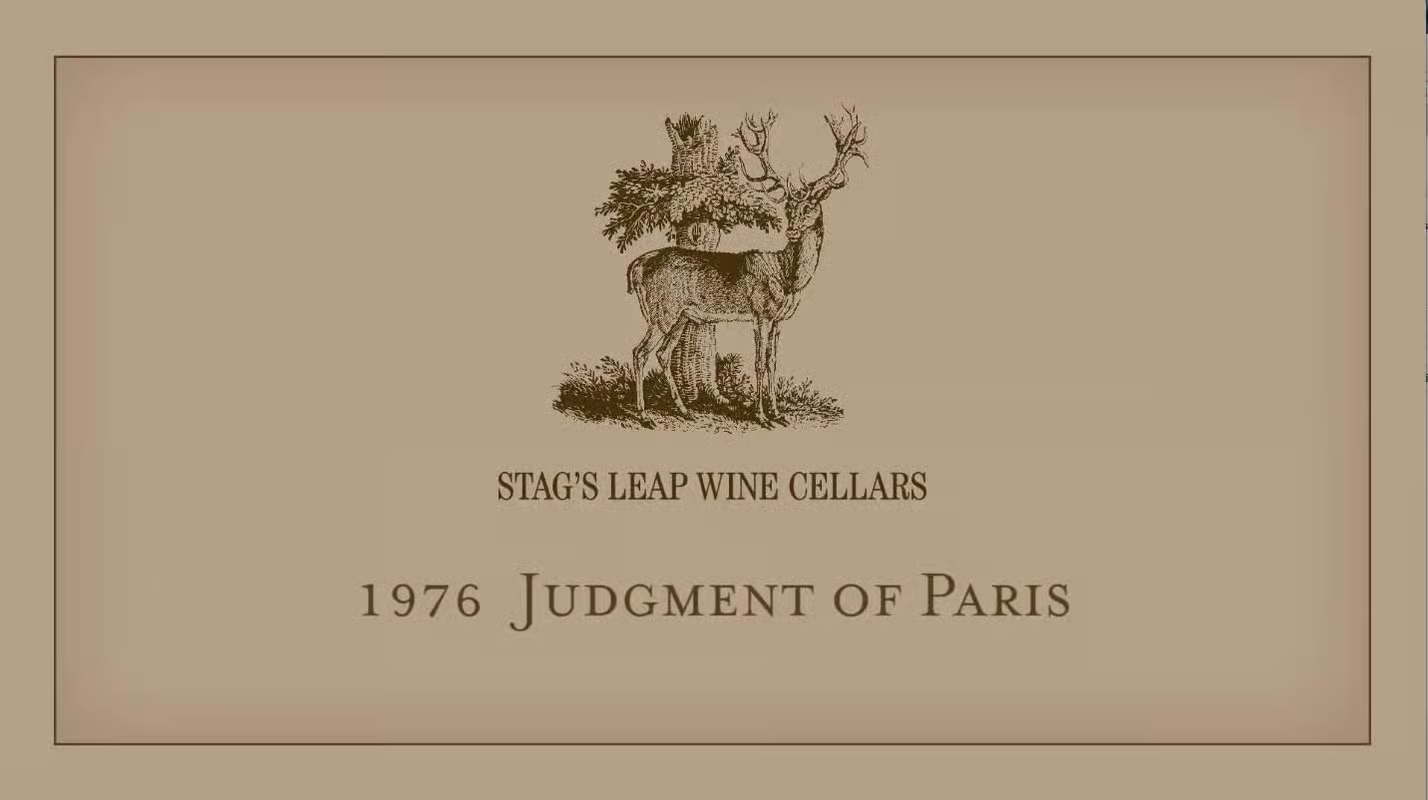
It’s a place where high-tech viticulture meets a laid-back, farm-to-table lifestyle. Whether you are wandering through the historic stone cellars of Buena Vista or enjoying a wood-fired pizza overlooking the Silverado Trail, every corner of this region tells a story of innovation, resilience, and a deep-rooted love for the land. To visit is to understand why the “Judgment of Paris” wasn’t a fluke—it was a declaration that California’s terroir is among the finest on Earth.
It is a region that constantly evolves, blending the glamour of luxury hospitality with the grit of the farmers who have tended these soils for generations. From the coastal ridges of the True Sonoma Coast to the volcanic slopes of Howell Mountain, this California wine country travel guide is designed to help you navigate one of the most complex and rewarding wine destinations on the planet.
Beyond the Valley
Planning a wine tour or Winery in California How to go there
Navigating the gateway to wine country is straightforward, with several hubs serving the region:
-
San Francisco International Airport (SFO): The primary international gateway. It is approximately 58 miles (93 km) from downtown Napa. While it offers the most flight options, traffic across the Golden Gate or Bay Bridge can significantly impact travel time. It is the best choice if you are starting your trip with a stay in the city.
-
Oakland International Airport (OAK): Often overlooked but highly efficient, OAK is 51 miles from Napa and frequently easier to navigate than SFO. It’s a favorite for domestic travelers who want to avoid the congestion of downtown San Francisco.
-
Sonoma County Airport (STS): Located in Santa Rosa, this is the “insider” choice. It allows you to fly directly into the heart of wine country, often just minutes away from major Wine tasting rooms in Healdsburg and the Russian River Valley. It is small, charming, and remarkably convenient.
-
Sacramento International Airport (SMF): A great alternative for those heading to the northern reaches of Napa or the Sierra Foothills, located about 63 miles from Napa. It offers a very easy, flat drive through the agricultural heart of the state.
- San Jose International (SJC): The best hub for the Santa Cruz Mountains and Santa Clara Valley. It is also an alternative for those driving north to Napa (approx. 83 miles).
- San Diego International (SAN): Ideally located just 60 miles south of the Temecula Valley and close to San Diego’s urban winery scene.
- Los Angeles International (LAX): The main entry for Southern California. It’s a 1.5-hour drive to the Malibu Coast or a 2-hour drive to Santa Barbara.
Book your Flight Ticket to California
Rent a Car in California
Distances from California Main Cities to Key Wine Regions
Navigating the Golden State requires a deep understanding of its vast geography and legendary traffic patterns. To ensure your California wine country travel guide itinerary remains seamless, you must account for “rush hour” windows (7 AM–10 AM and 3 PM–7 PM), which can easily double these estimates. Here is a comprehensive breakdown of travel times from California’s four major urban powerhouses to their respective premier wine sub-appellations:
From San Francisco: The Gateway to the North Coast
-
San Francisco to Napa Valley (Stags Leap District): ~1 hour 15 mins (55 miles / 88 km). Crossing the Bay Bridge or Golden Gate is your first step; once on Highway 29, you enter the heart of Cabernet territory.
-
San Francisco to Sonoma Valley (Moon Mountain): ~1 hour 20 mins (48 miles / 77 km). A scenic drive through Marin County brings you to these high-altitude hillside vineyards.
-
San Francisco to Anderson Valley: ~2 hours 45 mins (120 miles / 193 km). A longer trek north into Mendocino County, famous for its world-class sparkling wine and Alsace varietals.
From San Jose: The Silicon Valley & Santa Cruz Access
-
San Jose to Santa Cruz Mountains (Monte Bello Ridge): ~35–50 mins (22 miles / 35 km). A winding, high-elevation ascent via Highway 17 into the redwoods, home to some of California’s most balanced Chardonnays.
-
San Jose to Paso Robles (Willow Creek District): ~2 hours 45 mins (162 miles / 260 km). Heading south on Highway 101, this route takes you through the Salinas Valley into the “Cowboy Wine Country” of the Central Coast.
-
San Jose to Carmel Valley: ~1 hour 30 mins (75 miles / 120 km). A beautiful drive south toward the Monterey Peninsula’s rugged, sun-drenched inland canyons.
From Los Angeles: The Southern & Central Coast Connector
-
Los Angeles to Santa Ynez Valley (Ballard Canyon): ~2 hours 30 mins (135 miles / 217 km). Driving the iconic Pacific Coast Highway (Hwy 1) or the 101, you pass through Santa Barbara before heading inland to “Sideways” country.
-
Los Angeles to Malibu Coast (Saddle Rock): ~50 mins to 1 hour 15 mins (35 miles / 56 km). Depending on the 405 traffic, this quick escape leads to steep, ocean-view vineyards tucked into the Santa Monica Mountains.
-
Los Angeles to Temecula Valley: ~1 hour 45 mins (95 miles / 153 km). A southern trek inland where the high desert air meets the cooling “Rainbow Gap” ocean breezes.
From San Diego: The South Coast & Inland Empire
-
San Diego to Temecula Valley (De Portola Trail): ~1 hour (60 miles / 96 km). A direct shot north on I-15 into the heart of Southern California’s premier wine destination.
-
San Diego to Ramona Valley: ~45–55 mins (38 miles / 61 km). A rugged drive into the San Diego County foothills, known for bold, heat-loving varietals.
-
San Diego to Valle de Guadalupe (Mexico): ~1 hour 45 mins (85 miles / 137 km). For the adventurous traveler, crossing the border into Mexico’s premier wine region is a common extension of a San Diego wine trip.
Budgeting Your California wine tour experience
California offers a broad spectrum of pricing, but it is generally considered a premium destination. Understanding the nuances of the “Wine Country Premium” is key to budgeting:
-
Accommodation:
-
Budget/Mid-range: $300 – $550 per night. In this bracket, you can find charming bed and breakfasts, boutique motels in Santa Rosa or Paso Robles, and business-class hotels in downtown Napa or San Jose. Prices fluctuate wildly between mid-week and weekends.
-
Luxury: $900 – $2,500+ per night. This includes world-renowned resorts such as Auberge du Soleil, Meadowood, or the Four Seasons Calistoga. Expect 24-hour concierge service, Michelin-starred on-site dining, and private vineyard views.
-
-
Dining:
-
Casual: $35 – $65 per person. This covers gourmet deli picnics (a wine country staple), artisanal wood-fired pizza spots, and upscale gastropubs. Includes a main course and perhaps a local beer or glass of “house” wine.
-
Fine Dining: $200 – $500+ per person. California is home to iconic dining temples. A tasting menu at The French Laundry or SingleThread will sit at the top of this range, often excluding wine pairings which can add another $150–$300 per person.
-
-
Wine Tasting:
-
Standard Tasting: $40 – $125 per person. Most Estates now require reservations. A standard flight usually includes 4 to 5 current release wines. In Napa, prices lean toward the $75–$100 mark, while Sonoma and Paso Robles offer more options in the $40–$60 range.
-
Private/Library Experiences: $150 – $400+ per person. These often include a Private tour of the production facility, barrel tastings, or vertical flights of older “Library” vintages, often paired with artisanal cheese or charcuterie.
-
Find the Best Places to Stay in California
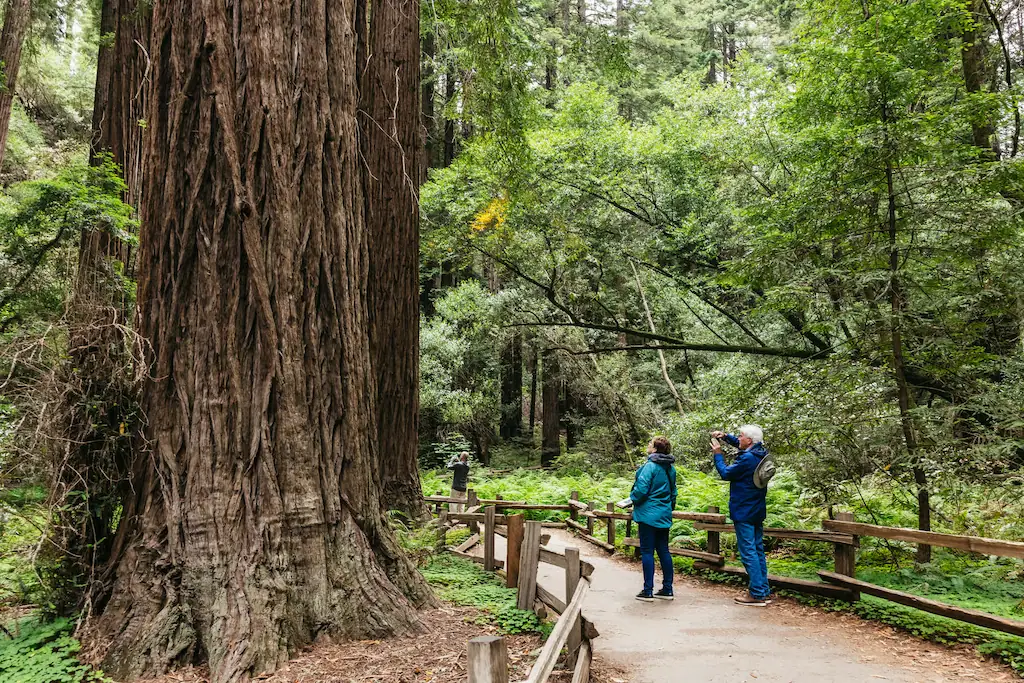
Muir Woods
Best Period to visit California
-
Spring (March–May): Rebirth. This is perhaps the most visually stunning time for a wine trip. As the region wakes from its winter slumber, the vineyard floors are blanketed in a vibrant, neon-yellow carpet of wild mustard flowers. The weather is crisp and invigorating, with daytime temperatures ranging from 60°F to 75°F (15°C–24°C). This is the season of “bud break,” where the first tiny green shoots appear on the vines, signaling the start of the growing cycle. For the traveler, Spring offers the perfect balance: the heavy summer crowds have yet to arrive, and wineries are more likely to offer a Private tour or longer conversations at the tasting bar. It is also the peak season for local flora; the air is heavy with the scent of blooming jasmine and citrus blossoms, making outdoor terrace tastings an absolute delight.
-
Summer (June–August): Peak. Summer in California wine country is characterized by golden, sun-drenched days and the famous cooling Pacific fog that rolls in during the evenings. Expect temperatures to soar between 85°F and 100°F (29°C–38°C) in inland areas like Calistoga and St. Helena, while coastal regions remain temperate. This is the busiest time of year; the valleys are bustling with energy, outdoor concert series, and high-profile food and wine festivals. The vines are lush, deep green, and heavy with ripening clusters. Because this is “Peak” season, you must book your Wine tasting reservations and luxury accommodations months in advance. The long daylight hours allow for leisurely evening strolls through the vineyard rows and spectacular sunsets over the mountain ridges.
-
Autumn (September–November): Harvest. Commonly referred to as “The Crush,” Autumn is the most high-octane period to visit. This is when the hard work of the year culminates in a 24-hour cycle of picking and pressing. The atmosphere is electric; you’ll see tractors moving through the night and smell the intoxicating, sweet aroma of fermenting grape must in the air. As the season progresses into late October and November, the landscape undergoes a dramatic transformation: the vineyard leaves turn from green to brilliant shades of burnt orange, fiery red, and shimmering gold. Temperatures are comfortable, cooling down from the summer heat, but the thrill of seeing a working winery in action is the real draw. This is the ultimate time for a Wine tasting enthusiast to witness the birth of a vintage.
-
Winter (December–February): Quiet. Often called the “Secret Season,” Winter is for the traveler who seeks intimacy and serenity. While it is the rainy season, the rains bring a lush, emerald-green hue back to the hills that were parched by summer. Temperatures are cool, often requiring a heavy coat for morning walks (40°F–60°F / 4°C–15°C), but the region’s hospitality shines in a different way. Imagine roaring stone fireplaces, hearty slow-cooked meals, and nearly empty tasting rooms where winemakers often step out from the cellar to pour your glass themselves. Hotel rates are at their lowest, and the frantic pace of the rest of the year gives way to a contemplative, slow-living vibe. It is the perfect time for a romantic getaway focused on deep cellar dives and cozy, candlelit dinners.
Main towns and places in California Sanctuaries of Stone: The Towns That Guard the Vines
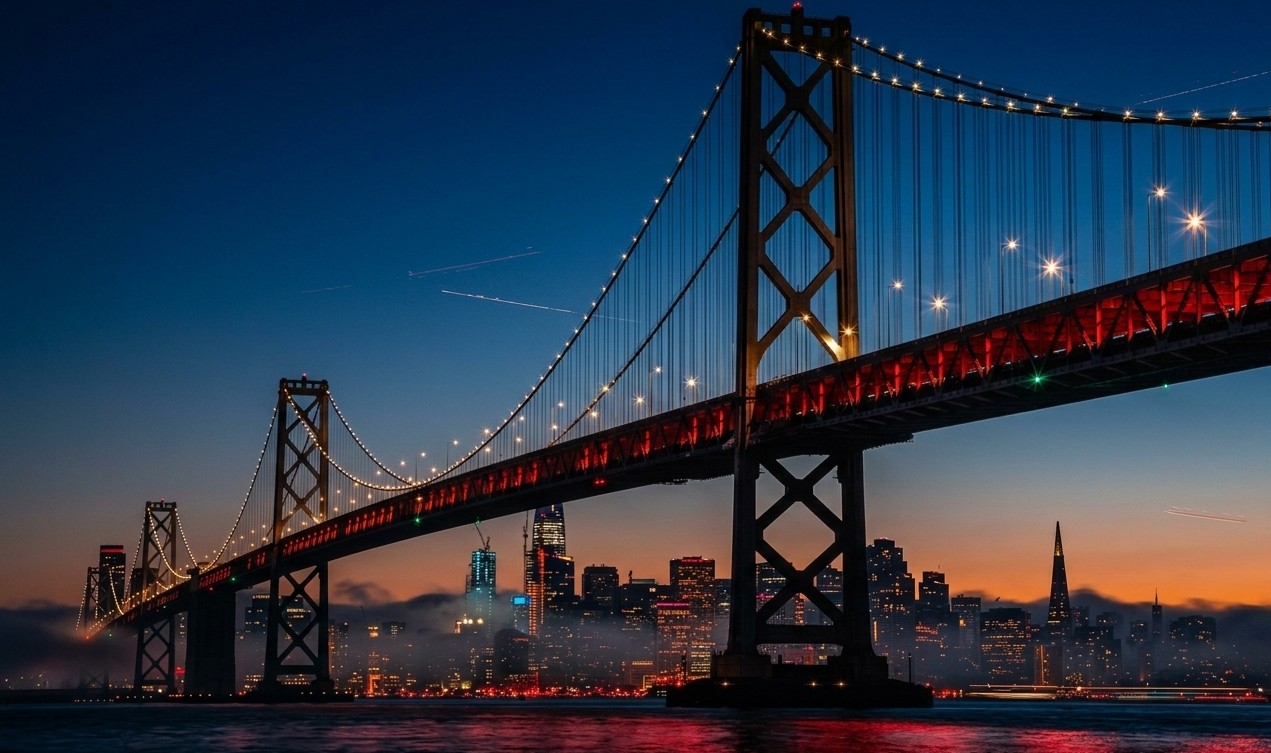
San Francisco by Night
-
San Francisco: The cultural gateway. Visitors should head to the Ferry Building for local tastings or explore the urban wineries in the Dogpatch district. It serves as the staging ground for day trips to Napa and Sonoma, offering a blend of world-class gastronomy and the fog-laden atmosphere that helps define the nearby coastal terroirs.
-
San Jose: The heart of Silicon Valley and the gateway to the Santa Cruz Mountains. This tech hub is surrounded by some of the state’s oldest vines. Visit the historic J. Lohr Wine Center in the city, then drive 20 minutes to explore the high-altitude, fog-cooled vineyards of Ridge and Mount Eden. San Jose offers a more industrial-chic wine vibe with easy access to rugged mountain Estates.
-
Los Angeles: A surprising wine destination where the Malibu Coast meets urban innovation. LA is home to a thriving “Urban Winery” scene in the Arts District. Just a short drive north takes you to the steep, sun-drenched canyons of Malibu where Cabernet thrives. LA serves as the primary base for exploring the diverse AVAs of the South Coast and is the luxury starting point for Santa Barbara.
-
San Diego: The “birthplace of California wine.” Today, it’s a hub for Mediterranean-style wines. Visit the historic Bernardo Winery or the urban tasting rooms in Seaport Village. It is the gateway to the Ramona Valley and Temecula Valley, where heat-loving Rhône and Italian varietals like Syrah and Sangiovese flourish under the Southern California sun.
-
Healdsburg: This is the jewel of Sonoma County, offering a sophisticated but unpretentious vibe. Centered around a historic, tree-lined plaza, it is the intersection of the Russian River, Dry Creek, and Alexander Valleys. This makes it the ultimate hub for those who love variety—from crisp Chardonnays to robust Cabernets. The town is famous for Michelin-rated restaurants and luxury boutiques.
Places to visit in California Not to miss
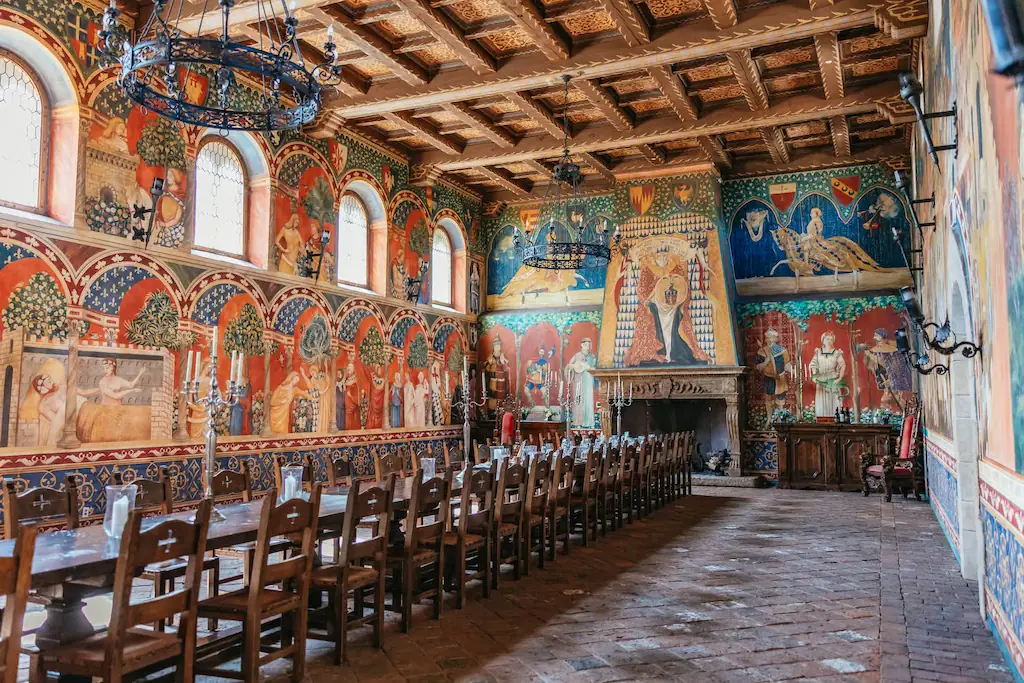
Castello di Amorosa Book your tour
-
Sunrise Hot Air Ballooning: Floating over the Napa Valley floor as the sun crests the Vaca Mountains is the quintessential wine country experience. From 2,000 feet, the perfectly manicured rows of vines look like a velvet carpet. Most flights depart from Yountville and conclude with a high-end champagne brunch.
-
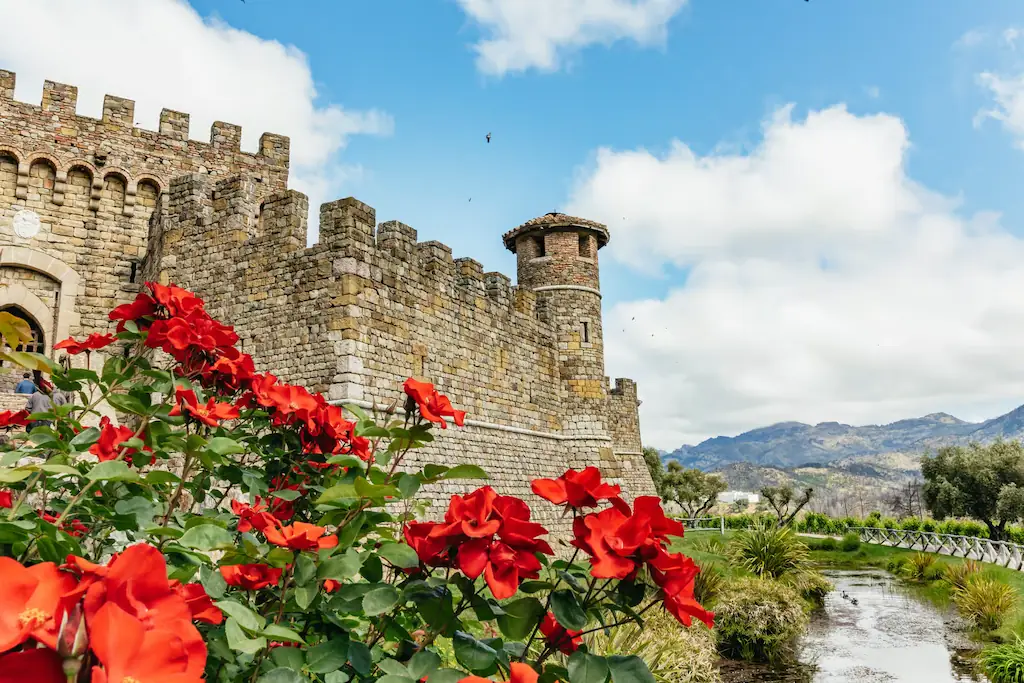
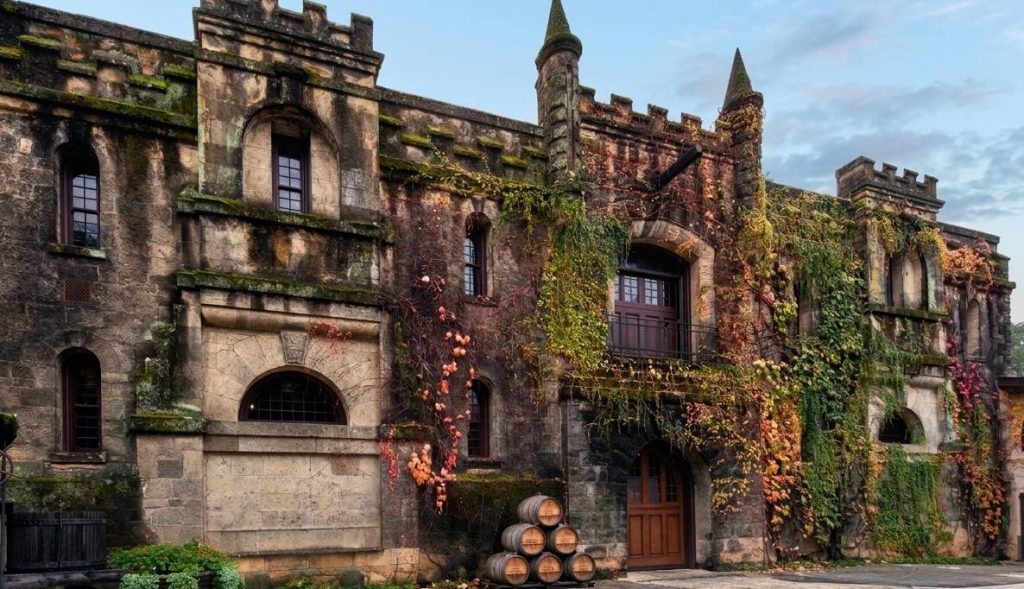
Castello di Amorosa (Calistoga): This isn’t just a winery; it’s a meticulously built 13th-century style Tuscan castle. You can explore eight levels (four underground), featuring a moat, drawbridge, towers, a Great Hall with Italian frescoes, and even a medieval torture chamber. It’s an architectural marvel built with authentic European materials.
-
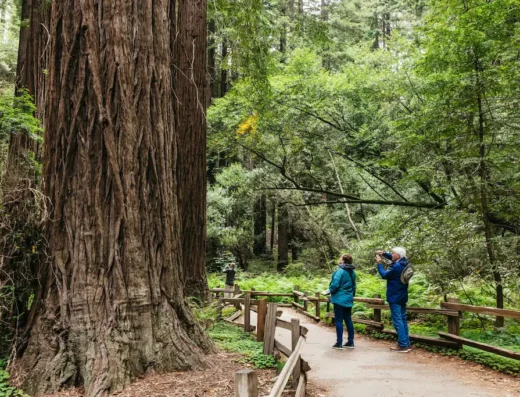
Armstrong Redwoods State Natural Reserve: To understand the “cool climate” of Sonoma, you must visit these ancient giants. Walking through the silent, fog-shrouded groves of Sequoias—some over 1,400 years old—provides a spiritual contrast to the bustling tasting rooms. It’s the best place to feel the raw, natural power of the Northern California coast.
-
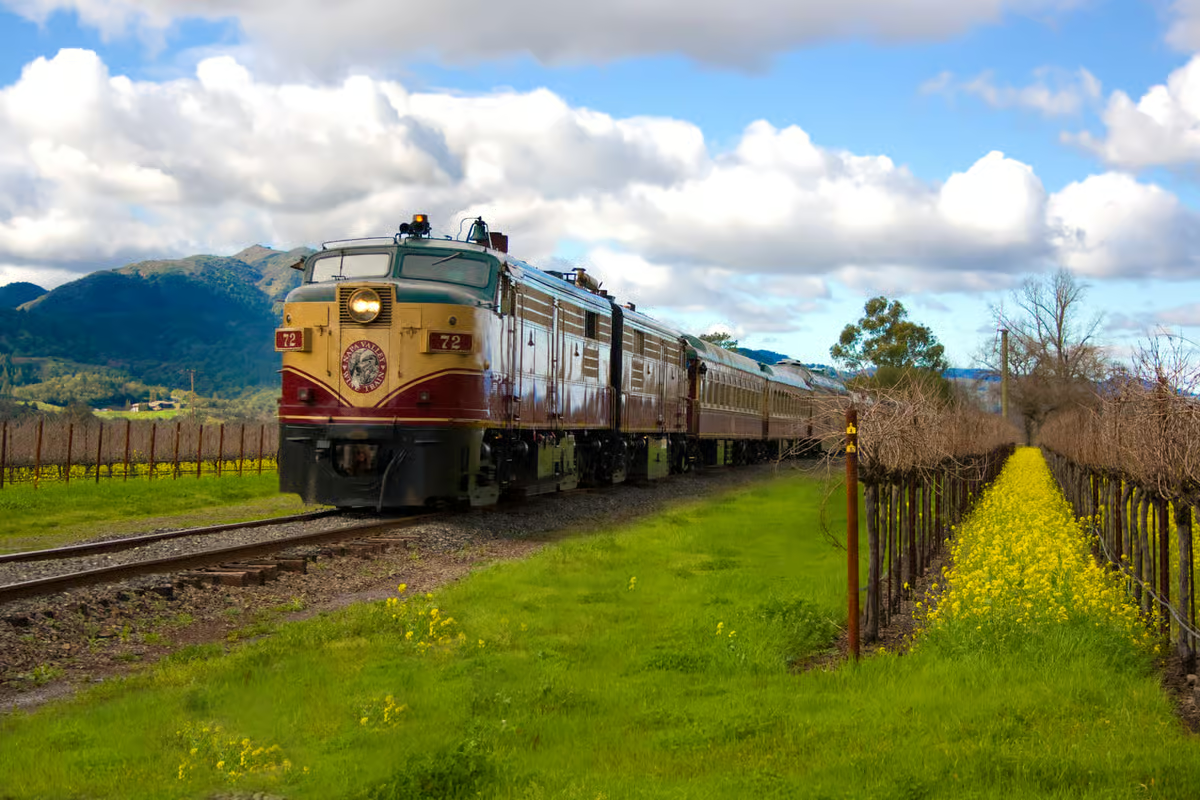
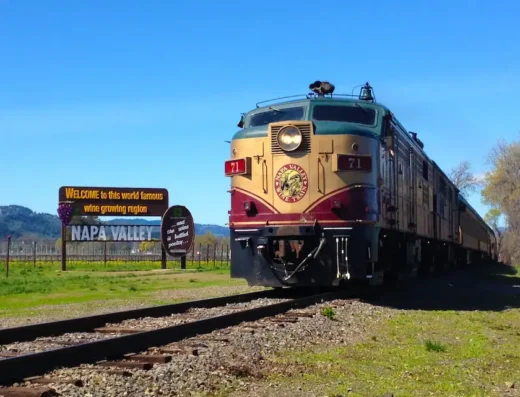
The Napa Valley Wine Train: Step back into the Gilded Age on this three-hour round trip from Napa to St. Helena. You’ll dine on multi-course gourmet meals in expertly restored 1915 Pullman cars. The “Vista Dome” car offers 360-degree views of the most famous vineyards in the world while you sip local reserves.
-
Safari West (Sonoma Serengeti): A 400-acre wildlife preserve that feels worlds away from the vines. You can take an open-air jeep tour to see giraffes, zebras, cheetahs, and rhinos roaming through the golden California foothills. It’s the perfect mid-trip break for families or wildlife lovers.
-
Calistoga’s Geothermal Mud Baths: Calistoga is built on an active geothermal zone. A “Not to Miss” treatment involves being submerged in a warm mixture of volcanic ash, peat, and mineral water. This ancient wellness ritual, practiced at spots like Indian Springs, is the ultimate way to detox after a day of heavy Cabernets.
-
Di Rosa Center for Contemporary Art: Located in the Carneros region, this sprawling 217-acre property is an indoor-outdoor art gallery. Giant, provocative sculptures are scattered across the hills and around a serene lake. It represents the “eccentric” side of Napa that many tourists miss.
-
Old Faithful Geyser of California: One of only three “faithful” geysers in the world. It erupts at regular intervals, shooting a plume of boiling water 60 feet into the air. The site also features a herd of Tennessee Fainting Goats and a geological museum, making it a charmingly quirky stop in Calistoga.
-
Kayaking the Russian River: For a different perspective on Sonoma, rent a kayak in Healdsburg or Guerneville. Paddling down the gentle, emerald-green river takes you past redwood forests and the edges of high-end Pinot Noir vineyards, offering a peaceful, active escape from the crowds.
-
Hess Persson Art Museum: Located on Mount Veeder, this mountain Estate houses one of the world’s premier private contemporary art collections. Viewing massive, world-class installations before a tasting of high-altitude Cabernet is a sophisticated “only-in-Napa” experience.
Local Gastronomy: What to Taste Absolutely The California Foodie experience
Santa Maria Style Tri-Tip
-
Dungeness Crab: If you are visiting between November and June, this is the ultimate local delicacy. The meat is sweeter and more delicate than Blue or King crab. Look for it served “cracked and cleaned” with drawn butter or in a rich “Louis” salad. It is the perfect gastronomic partner for a crisp, oaky Carneros Chardonnay.
-
Meyer Lemons: These are not your average lemons; they are a cross between a regular lemon and a mandarin orange. Their thin skins and floral, sweet acidity define the local palate. You’ll find them in everything from lemon-infused olive oils and botanical cocktails to the world-famous tarts served at local bistros.
-
Artisanal Charcuterie (Journeyman Meat Co.): California’s “salumi” scene is world-class, led by the Seghesio family in Healdsburg. Their wild boar salami, fennel-scented Finocchiona, and locally cured hams are crafted using traditional Italian techniques but with local California livestock. A platter of these meats is the essential companion to a bold Dry Creek Zinfandel.
-
The “California Breakfast”: While San Francisco claims sourdough, Wine Country perfected the “Avocado Toast.” Expect thick-cut, toasted sourdough topped with mashed Hass avocados, a perfectly poached farm egg from a nearby coop, sea salt, and radish microgreens. It’s the fresh, produce-forward fuel of the valley.
-
Point Reyes Oysters: Harvested in the cold, nutrient-rich waters of Tomales Bay. Whether eaten raw on the half-shell with a Meyer lemon mignonette or grilled with chipotle butter, they are a quintessential Northern California experience. Pair them with a glass of local sparkling wine for the ultimate coastal lunch.
-
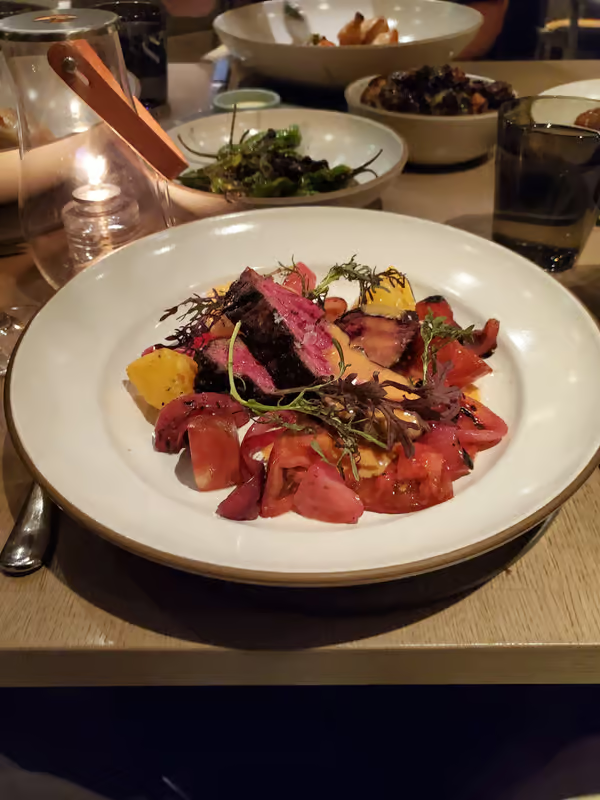
Liberty Duck: PRIZED by Michelin-starred chefs throughout the region, this Sonoma-raised duck is known for its incredible flavor and tenderness. Often served as a succulent confit or pan-seared breast with a reduction of local cherries or figs, it is a staple of the “farm-to-table” movement.
-
Model Bakery English Muffins: These are legendary (and on Oprah’s “Favorite Things” list). Unlike grocery store muffins, these are deep-fried in butter on a griddle, resulting in a fluffy, golden-brown exterior that is life-changing. There is often a line out the door at their St. Helena location.
-
Artisan Cheese Trail: Sonoma and Marin counties are the “Wisconsin of the West.” You must try the Triple Cream Brie from Marin French Cheese Co. (the oldest in the US) or the sharp, cloth-bound Dry Jack from Vella Cheese Company. Many wineries offer curated pairings that highlight the interplay between dairy fats and wine tannins.
-
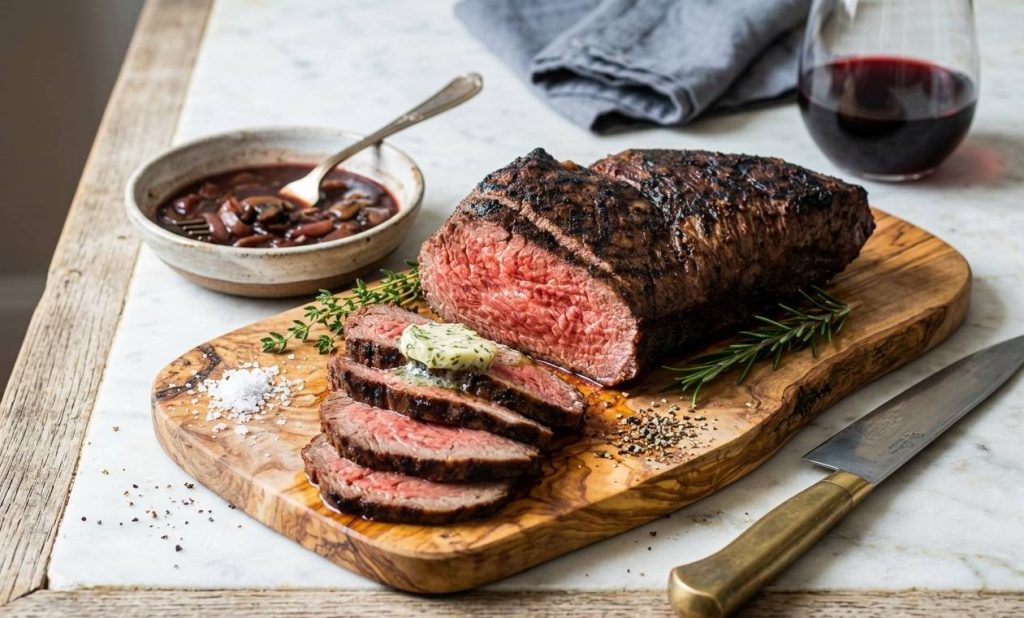
Santa Maria Style Tri-Tip: A Central Coast classic that has migrated north. This cut of beef is seasoned heavily with garlic, salt, and pepper, then grilled over red oak wood. It’s smoky, savory, and usually served with pinquito beans and fresh salsa—the perfect meal for a red-wine lover.
-
Wild Foraged Chanterelles: During the winter rainy season, local menus are flooded with these golden, apricot-scented mushrooms. Foraged from the redwood and oak forests of Sonoma, they are often sautéed with local garlic and thyme, providing an earthy, umami-rich pairing for aged Pinot Noir.
Plan your Transportation Planning Your Pilgrimage in California
Navigating California Wine Country requires more than just a GPS; it requires a strategy that balances luxury, safety, and the logistics of the state’s massive scale. Here is how to master your movement through the vines:
-
Professional Private Tour & Chauffeur Services: This is the gold standard for a reason. Hiring a private driver allows you to fully engage in the Wine tasting experience without the legal or safety risks of driving. High-end services like Beau Wine Tours or Napa Valley Tours & Transportation provide luxury SUVs or Sprinter vans equipped with chilled water and Wi-Fi. Many drivers are certified sommeliers who can provide deep commentary on the terroir as you move between Estates. For a more cost-effective version, look into “Designated Drivers” who will drive your own rental car for you.
-
The Napa Valley Wine Train: For those who want to combine transport with a world-class culinary event, this is a “Not to Miss.” The train runs on a 36-mile round-trip track through the heart of the valley. It offers various “journeys,” such as the Legacy Tour, which includes stops at legendary wineries like Charles Krug and V. Sattui. You dine in 100-year-old Pullman cars, moving slowly enough to capture perfect photos of the Silverado Trail.
-
Luxury Car Rentals: If you prefer the freedom of the open road, renting a convertible (perfect for the sun-drenched 101 or Highway 29) is a popular choice. High-end rentals are available at SFO, LAX, and SJC. However, be aware that parking at popular Wine tasting rooms can be tight, and valet service is common at luxury Estates.
-
Rideshare (Uber/Lyft): While highly convenient in urban centers like downtown Napa, San Francisco, or San Diego, rideshare becomes notoriously unreliable as you move into the mountain AVAs (like Howell Mountain or the Santa Cruz Mountains). Cell service can be spotty in the canyons, making it difficult to summon a return ride. Always pre-arrange a pick-up if you are heading to a remote Estate.
-
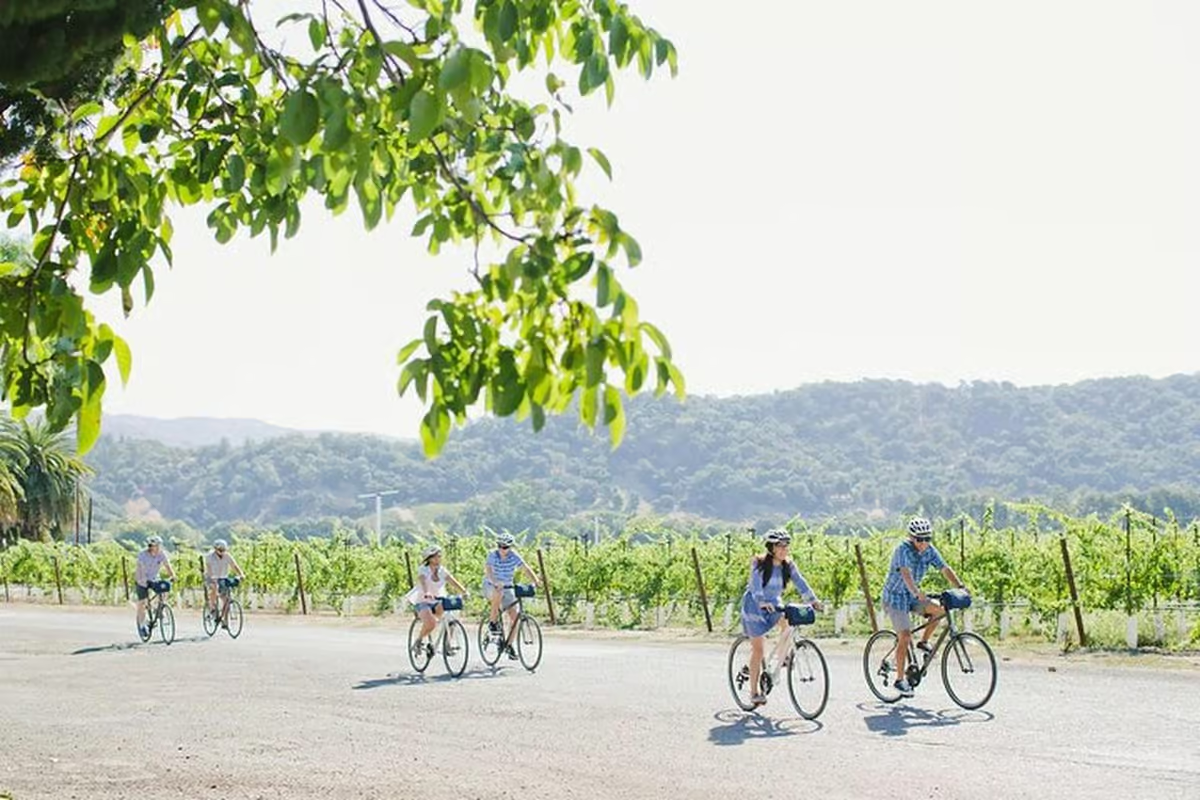
Biking & The Napa Valley Vine Trail: For the active traveler, cycling is a sublime way to see the valley floor. The Napa Valley Vine Trail is a developing project that currently offers a beautiful, flat, car-free path between the City of Napa and Yountville. Many luxury hotels, like Solage or Bardessono, provide complimentary cruiser bikes for guests to explore nearby tasting rooms.
-
Hot Air Balloons: While not a practical way to get from Point A to Point B, it is the ultimate “vertical transportation.” Companies like Napa Valley Aloft offer sunrise flights that provide a 360-degree topographical lesson on the valley’s layout before you start your ground-level tours.
-
Walking (The Urban Hubs): If you wish to avoid vehicles altogether for a day, stay in a walkable hub like Yountville, downtown Healdsburg, or Sonoma Plaza. These areas feature dozens of high-end tasting rooms and Michelin-starred restaurants within a 5-block radius.
Shipping Costs, Payments modes How to Bring Your Favorite Wines Home
-
Acquiring a collection of world-class wines is only half the battle; getting them home safely is the other. Shipping wine is a highly regulated and complex logistical feat. Here is everything you need to know about the costs and laws involved:
-
Domestic Shipping (Within the USA): Domestic logistics are relatively straightforward but vary by state due to “Direct-to-Consumer” (DTC) shipping laws.
-
Cost: Expect to pay between $50 – $95 per case (12 bottles) for ground shipping. Overnight or 2-day air can spike costs to $150 – $250 per case.
-
Wine Clubs: This is the secret to saving. Almost every Estate offers “Penny Shipping” or flat-rate $20 shipping for members. If you plan to buy more than 6 bottles, joining the club often pays for itself in shipping savings alone.
-
Weather Holds: During peak Summer (heat) or Winter (freeze), wineries will place “Weather Holds” on your shipment to protect the wine. If you need it immediately, you must pay for refrigerated “Cold Chain” transport, which adds a $30 – $50 premium per box.
-
-
European Union & United Kingdom: Shipping to Europe is expensive due to the weight of the glass and air-freight requirements.
-
Cost: Logistics providers like Buffalo Shipping or Wine-Searcher partners typically charge $180 – $320 per case.
-
Duties & Taxes: You are responsible for VAT (usually 20%) plus excise duties upon arrival. Some high-end Estates can facilitate “all-in” pricing where duties are pre-paid, but this is rare. Expect the final cost per bottle to increase by roughly $15 – $25 after all fees.
-
-
Canada: Canada has some of the strictest wine import laws in the world.
-
Cost: Shipping typically costs $150 – $250 per case.
-
Logistics: Shipments must often go through provincial liquor boards (LCBO in Ontario, SAQ in Quebec). The “Landed Cost” is the real shock—between provincial markups, GST, and luxury taxes, you may end up paying 60% to 100% of the wine’s original retail value just to clear customs.
-
-
Asia (Hong Kong, Japan, Singapore):
-
Hong Kong: A wine lover’s paradise. HK has 0% wine tax, meaning you only pay for the freight (approx. $200 – $350 per case for temperature-controlled air).
-
Japan/Singapore: High excise taxes apply. Shipping remains in the $250+ per case range, with duties calculated based on alcohol content.
-
-
Pro-Tip (The Wine Check): For those who want to avoid shipping fees, consider a Wine Check—a specialized, padded luggage piece that holds 12 bottles. Most airlines allow this as a checked bag. Even with an “Oversize” or “Extra Bag” fee of $50 – $100, it is often the cheapest way to transport your Wine tasting finds.
-
Payment Methods
Visa, Mastercard, and American Express are universally accepted at every Estate and restaurant. Most tasting rooms are now fully equipped for “contactless” payments via Apple Pay or Google Pay. It is advisable to keep a small amount of cash ($10–$20 bills) for tipping valets, tour drivers, or housekeeping at luxury resorts.
-