Table of Contents
The Essence of Elegance: An Introduction to Côte de Beaune Wine Appellations
The Côte de Beaune represents the beating heart of Burgundy’s white wine production and the pinnacle of refined Pinot Noir. Stretching approximately 25 kilometers from the hill of Corton in the north to the rolling slopes of Maranges in the south, this sub-region of the Côte d’Or is a masterclass in geological diversity. Unlike its northern neighbor, the Côte de Nuits, which is synonymous with red wine, the Côte de Beaune is a dual-threat powerhouse. It is home to the most expensive and prestigious dry white wines in the world—crafted from Chardonnay grown in legendary soils—while also producing red wines of extraordinary grace, perfume, and structural longevity.
At the core of this region lies the concept of climat: the precise mosaic of vineyard parcels that define the Burgundy hierarchy. Here, the slope is everything. The Grand Crus occupy the perfect “mid-slope” sweet spot, where the drainage is optimal and the limestone content is highest. Below them, the Village AOCs offer the distinct personality of their respective communes, providing a more accessible but no less profound expression of the region’s spirit. From the muscular, age-worthy reds of Pommard to the ethereal, silk-textured wines of Volnay, and the opulent, “buttery” Chardonnays of Meursault to the laser-focused minerals of Puligny-Montrachet, the Côte de Beaune is a landscape of endless discovery. Understanding these appellations is not just about learning a list of names; it is about unlocking the secrets of how soil, sun, and history converge to create some of the most sought-after bottles in a collector’s cellar.
Dive into the Heart of Burgundy
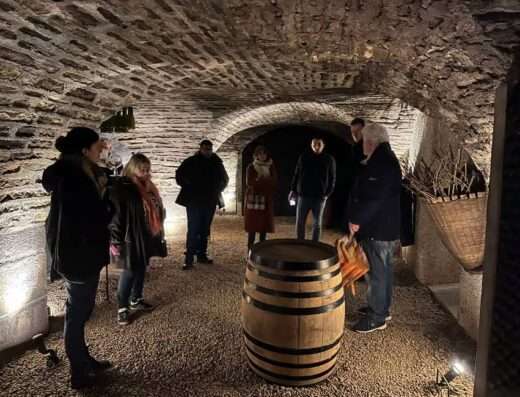
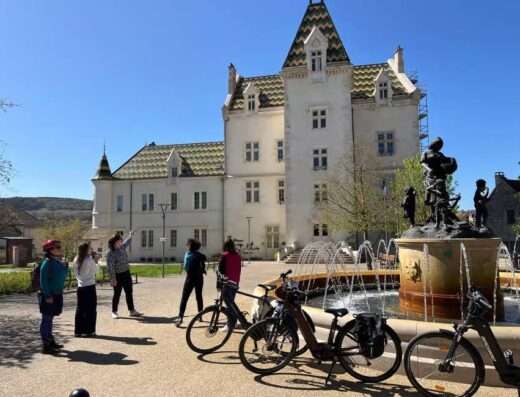
Côte de Beaune Grand Cru AOC The Apex of Cote de Beaune
The Grand Crus represent the apex of the Côte de Beaune, where history, geology, and climate align perfectly. These eight standalone AOCs are the ultimate expressions of their specific plots, designated as the “top-tier” vineyards due to their unique ability to produce wines of unparalleled complexity and legendary aging potential.
Corton
The Corton Grand Cru is a geological anomaly and a titan of the Côte de Beaune, standing as the only site in the region authorized to produce Grand Cru red wines from Pinot Noir, while also offering rare, powerful whites. Spanning the vast, dome-shaped Hill of Corton, this vineyard is shared between the communes of Aloxe-Corton, Ladoix-Serrigny, and Pernand-Vergelesses.
The terroir is a complex mosaic; the lower sections of the slope feature iron-rich, reddish-brown soils on a base of hard limestone, which is where the most profound reds originate. These wines are celebrated for their intense, velvety crimson color and a structural density that distinguishes them from any other wine in the Côte d’Or. In their youth, Corton reds are famously “closed,” exhibiting a tightly coiled core of blueberry, kirsch, and wild violet.
As they mature, the tannins—which are notably more robust and rustic than those of the Côte de Nuits—begin to integrate, giving way to a sophisticated secondary and tertiary profile of leather, truffle, forest floor, and licorice. These are among the longest-lived reds in Burgundy, often requiring a full decade to even begin to reveal their depth, with top vintages peaking between 15 and 30 years.
The rare white Corton, produced in much smaller quantities than the red, offers a “chewy” and broad-shouldered Chardonnay experience. It is characterized by its high extract and mineral persistence, often showing a more savory, nutty profile than the citrus-driven whites further south. Cellaring for 10 to 15 years is standard for these monumental wines.
Corton-Charlemagne
Corton-Charlemagne represents the pinnacle of Chardonnay’s ability to marry raw power with surgical mineral precision. Named after the Emperor Charlemagne, who allegedly ordered white vines to be planted here to avoid staining his white beard with red wine, the vineyard occupies the highest, steepest sections of the Corton hill. Here, the altitude reaches up to 330 meters, and the soil is dominated by light-colored “Pernand Marl”—a mixture of limestone and clay that is exceptionally rich in calcium.
This specific geology confers a legendary “steely” or “gun-flint” character to the wine that is unmistakable. In its youth, Corton-Charlemagne is a wine of incredible tension and austerity; it does not offer easy fruit, instead presenting a bouquet of green apple, crushed stone, and fresh citrus zest. However, with 10 to 20 years of bottle age, the wine undergoes a majestic transformation. The high acidity acts as a preservative, allowing the palate to expand into a rich, multi-dimensional nectar of toasted hazelnuts, honeyed brioche, dried apricots, and exotic spices, all while maintaining a laser-like mineral backbone.
The finish of a top-tier Corton-Charlemagne can last for several minutes, vibrating with a saline intensity that is the hallmark of the hill’s upper slopes. For the serious collector, this is a cornerstone wine that demands patient cellaring; opening one before its tenth birthday is often considered a missed opportunity to witness its full aromatic spectrum.
Charlemagne
The Charlemagne AOC is a fascinating, smaller historic designation today largely absorbed into Corton-Charlemagne, yet it retains its own unique identity for those who study the Hill of Corton. Technically, the name Charlemagne is reserved for the portion of the Grand Cru that sits specifically within the communes of Aloxe-Corton and Pernand-Vergelesses.
The style here is virtually indistinguishable from its more famous neighbor, yet some purists argue that the Charlemagne sector, with its slightly more western exposure in certain parcels, produces a wine with even higher levels of vibrating acidity and “vertical” energy. The soil remains a high-calcium marl, forcing the vines to dig deep into the bedrock, resulting in a Chardonnay of immense concentration.
Aromatically, it mirrors the classic profile of white flowers, lemon curd, and toasted almond, but it often possesses an even more pronounced saline finish. The aging potential is identical to Corton-Charlemagne, with the best examples evolving gracefully for 20 to 25 years. These wines are almost always fermented and aged in oak barrels—typically with 30% to 50% new wood—to provide the structural scaffolding necessary to support the wine’s massive fruit extract and high natural acidity.
It is a wine of intellectual depth, requiring the taster to peel back layers of stone and salt to find the honeyed fruit hidden within.
Montrachet
Universally acknowledged as the greatest dry white wine vineyard on Earth, Montrachet is a 7.9-hectare plot straddling the border between Puligny and Chassagne. The name translates to “bald mountain,” a reference to the thin, stony, and nutrient-poor soils that prevent anything but the hardiest vines from thriving.
The geology here is perfect: a base of Bajocian limestone covered by a thin layer of reddish soil high in manganese. This allows for a Chardonnay that is a paradox of nature—possessing the weight and viscosity of a heavy oil while maintaining an ethereal, weightless elegance. The flavor profile is an explosion of acacia honey, overripe yellow peaches, and melted butter, backed by a persistent, chalky minerality.
Unlike other Grand Crus that might lean toward either fruit or mineral, Montrachet is the perfect synthesis of both. Its aging potential is legendary; while a village wine might fade after 10 years, a Montrachet is often just entering its prime at that stage. In top vintages, it can age for 30 to 50 years, developing a “rancio” complexity with notes of white truffle, candied ginger, and toasted brioche. It is the ultimate expression of the “Golden Triangle,” offering a finish that is so long and complex that it is described as a spiritual experience.
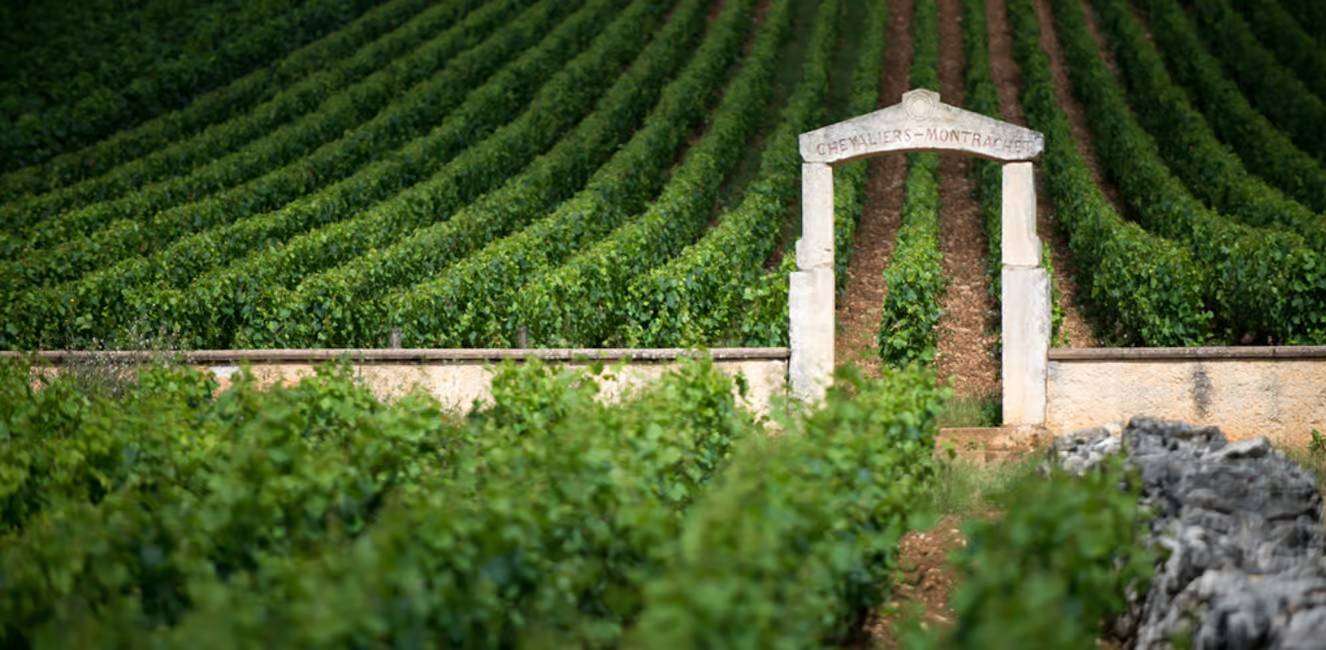
Chevalier-Montrachet
Chevalier-Montrachet sits immediately above the Montrachet vineyard on a steeper, more precarious section of the slope. Because it is higher up the hill, the soil is even thinner and stonier, with the limestone bedrock often visible at the surface. This elevation creates a wine that is frequently described as the most “elegant,” “airy,” and “sophisticated” of the Montrachet family. If Montrachet is the King, Chevalier is the refined aristocrat.
The style is defined by a laser-like focus and a vibrating mineral tension that is more pronounced than in the broader, richer wines lower on the slope. The aromatics are high-toned, featuring white flowers, lime zest, and a distinct flinty note. On the palate, the wine is vertical rather than horizontal, slicing across the tongue with a saline intensity and finesse. It lacks the sheer muscularity of Montrachet but compensates with unparalleled purity.
This is a wine built for the long haul; it requires at least 12 to 15 years to reveal its complex core of honeyed almonds and white truffles. In the cellar, it is practically immortal, with the best vintages reaching their 30th anniversary with freshness still intact.
Bâtard-Montrachet
Bâtard-Montrachet lies just below the Montrachet vineyard on flatter ground, where the soil is deeper and contains a higher proportion of clay. This change in geology is immediately apparent in the glass. Bâtard is the most powerful, hedonistic, and voluptuous of the Grand Crus in this sector. It is a wine of immense scale, characterized by a massive body and a rich, creamy texture that coats the palate.
The aromatic profile is often more exotic than its neighbors, showing notes of pineapple, ripe mango, and buttered toast, alongside the classic Burgundian toasted hazelnut. Because of the deeper soils and higher clay content, Bâtard often feels more approachable in its youth than the “tighter” Chevalier-Montrachet, yet it possesses the structural density to age for 20 to 25 years.
It is a blockbuster Chardonnay that demands rich cuisine—lobster with truffle butter or cream-based poultry—to match its significant weight. For many collectors, Bâtard represents the ultimate in white wine indulgence, offering a sensory experience that is as broad as it is deep.
Bienvenues-Bâtard-Montrachet
This small, 3.7-hectare Grand Cru is tucked into the northern corner of the Bâtard-Montrachet vineyard, specifically within the Puligny-Montrachet commune. As its name (“Welcome”) suggests, this wine is often the most seductive and aromatic of the group. While it shares the richness and power of its larger neighbor, Bâtard, it possesses a unique floral delicacy and a silkier texture that sets it apart.
The style is defined by notes of honeysuckle, linden flowers, and ripe pear, with a subtle spicy oak influence that is always well-integrated. On the palate, the wine is round and harmonious, showing a “friendly” character that makes it slightly more accessible than the austere Chevalier-Montrachet.
However, do not mistake its approachability for a lack of longevity. Bienvenues-Bâtard-Montrachet has a stellar aging potential of 15 to 20 years, during which it develops a beautiful buttery complexity and a long, persistent finish of toasted nuts and preserved lemon. It is a connoisseur’s Grand Cru, prized for its balance and refined, “well-bred” personality.
Criots-Bâtard-Montrachet
Criots-Bâtard-Montrachet holds the distinction of being the southernmost white Grand Cru in the Côte d’Or and also one of the smallest. Located entirely within the commune of Chassagne-Montrachet, its name comes from “criot,” a local term for the small white stones that litter the vineyard. This stony terroir is the defining factor of the wine’s style.
Criots is often the most mineral and “upright” of the southern Grand Crus, leaning toward a profile of citrus, white peach, and crushed stones rather than tropical fruit. It is a rare gem, produced in tiny quantities, making it one of the most difficult Burgundy wines to source. The style is one of high tension and saline energy, with a vertical structure that rewards long-term cellaring. While it possesses the power expected of a Bâtard sibling, it delivers that power with a leaner, more focused frame.
Expect this wine to age gracefully for 12 to 18 years, during which it transforms into a sophisticated masterpiece of honeyed brioche and sea salt. It is a wine for those who appreciate the subtle interplay of rock and fruit.
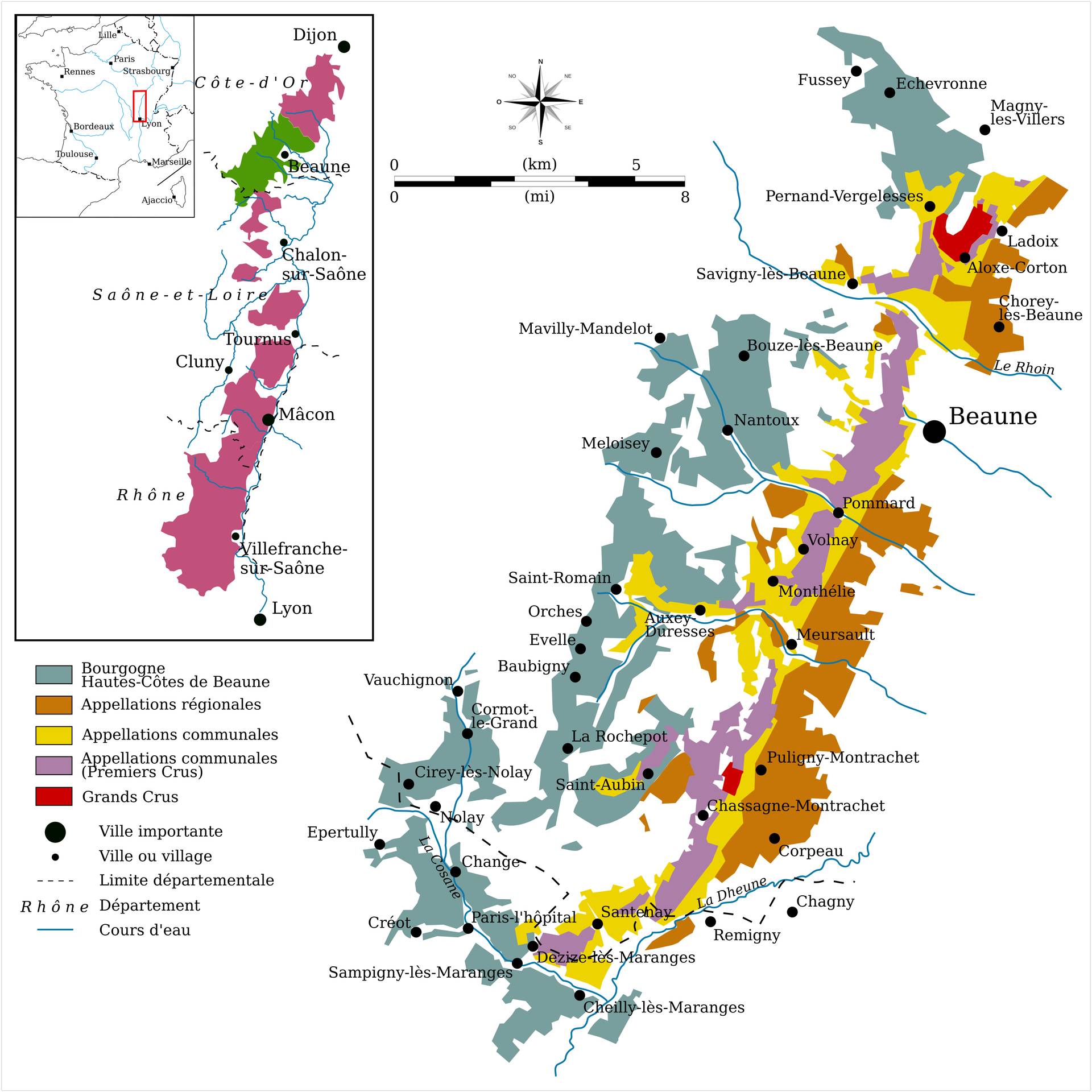
Map of Côte de Beaune Wine Appellations. Source Wikipedia
Côte de Beaune Village AOCs The 20 Village AOCs form the backbone of the region's identity
The Village AOCs form the backbone of the region’s identity. These 20 appellations represent the specific character of their respective communes, where subtle shifts in soil composition and exposure create vastly different wine styles—from the robust reds of the north to the crystalline whites of the south.
Aloxe-Corton:
A powerhouse of the northern Côte de Beaune, Aloxe-Corton is primarily a red wine village that sits at the foot of the Hill of Corton. The style of these wines is unapologetically robust, reflecting a terroir of iron-rich limestone. Unlike the softer reds found further south, Aloxe-Corton produces Pinot Noirs with firm, rustic tannins and a deep, earthy core of black cherry and licorice.
In their youth, they can be somewhat austere, requiring 5 to 10 years of cellar time to soften their muscular edges. As they age, they develop fascinating secondary aromas of forest floor and wild game. These are wines for the dinner table, pairing perfectly with braised meats. While 98% of production is red, the rare whites are equally sturdy and age-worthy.
Auxey-Duresses
Tucked away in a side valley behind Meursault, Auxey-Duresses is one of the Côte de Beaune’s best-kept secrets for value-seeking enthusiasts. The village produces both white and red wines that are characterized by their freshness and high-toned acidity. The whites are often crisp and mineral-driven, showing notes of green apple and almond that make them excellent alternatives to Meursault.
The reds are light-bodied and vibrant, emphasizing bright raspberry and red currant flavors with a spicy, peppery finish. Because of their elevated, cooler vineyard sites, these wines possess a “crunchy” texture and are usually at their best between 3 and 7 years of age. They represent the “cool-climate” side of Burgundy, offering elegance without the heavy price tag of the major villages.
Beaune (Major AOC): As the historic capital of the Burgundy wine trade, the Beaune AOC is one of the most significant appellations in the region. The vineyards of Beaune are unique because they consist almost entirely of Premier Cru sites, with no Grand Crus but an exceptionally high standard across the board.
The red wines are the quintessential “balanced” Burgundy; they sit perfectly between the power of Pommard and the elegance of Volnay. Offering a fragrant bouquet of wild strawberries and rose petals, the tannins are generally soft and integrated, making them accessible within 5 to 8 years. However, top-tier Premier Crus like Grèves possess the structural integrity to age for 15 to 20 years, evolving into silky masterpieces with notes of truffle. The whites are broad and rich, providing a fascinating middle ground between Puligny and Meursault. Beaune consistently expresses the harmony and history of the Côte de Beaune.
Blagny
Blagny is a unique hamlet situated high on the ridge above Meursault and Puligny-Montrachet. Because of its high altitude and stony soils, the AOC is strictly for red wines, while the whites from the same vineyards are sold under the more famous Meursault or Puligny names.
The red wines of Blagny are a departure from the norm; they are lean, high-acid, and remarkably fresh, often showing notes of black pepper and a distinct mineral “grip.” They are the perfect expression of high-altitude viticulture. In their youth, they can be tight and energetic, but with 5 to 10 years of aging, they develop a silky, ethereal quality. These are wines for those who prefer finesse over power, offering a cooling, saline finish that is incredibly refreshing.
Chassagne-Montrachet
Chassagne-Montrachet is a legendary name that commands respect globally. While it shares Grand Crus with Puligny, Chassagne has a personality all its own. Historically a red wine village, it is now a world-class white wine powerhouse. The style is “masculine” and “opulent”—broader and more fleshy on the palate than Puligny, showing flavors of hawthorn, toasted hazelnut, and acacia honey.
There is a weight and persistence to Chassagne that is unparalleled, often backed by a creamy texture from high-quality oak. These whites are built for the cellar; even village wines benefit from 5 to 8 years, while Premier Crus like Morgeot can easily evolve for 15 years. The reds remain robust and “earthy,” with deep colors and solid tannic structure, maturing beautifully into supple, spicy wines. Chassagne-Montrachet represents the warm, sun-drenched heart of the southern Côte.
Chorey-les-Beaune
Located on the flatlands just east of the main slope, Chorey-les-Beaune is the gateway to accessible Burgundy. The wines are almost exclusively red and prized for their supple nature. Because the soils contain more alluvial wash, the tannins are naturally soft, making Chorey enjoyable in its youth. The flavor profile is dominated by bright, crunchy red fruits—raspberry, red currant, and cherry—with a light floral touch.
It is an “honest” wine that doesn’t demand decades of cellaring, though it comfortably improves for 3 to 7 years. For many, Chorey-les-Beaune is the perfect “bistro” Burgundy, offering aromatic charm without the aggressive tannins or high price tag of its neighbors.
Côte de Beaune
The Côte de Beaune AOC is a tiny, specific appellation reserved for wines grown on the very top of the hill above the city of Beaune. This is a “boutique” AOC that produces both red and white wines in limited quantities. Because of the elevation, these wines are typically lighter in body and higher in acidity than the standard Beaune AOC wines found lower on the slope.
The reds are elegant and fragrant, with a focus on red floral notes and spice, while the whites are zesty and mineral-forward. These are wines of great charm and precision, meant for medium-term drinking (usually 5 to 10 years). They offer a unique, high-altitude perspective on the Beaune terroir.
Côte de Beaune-Villages
This is a broad, regional-plus AOC that allows producers to blend red wines from several different villages within the Côte de Beaune. The goal is to create a consistent and approachable style of Pinot Noir that represents the general character of the region.
The wines are typically light to medium-bodied, with soft tannins and an emphasis on fresh red fruit flavors. Because they are blends, they often lack the hyper-specific terroir focus of a single-village AOC, but they gain in balance and early-drinking appeal. These are the perfect “entry-level” wines for those looking to explore the region, generally peaking within 2 to 5 years of the vintage.
Ladoix
Ladoix is the northernmost village of the Côte de Beaune, sitting at the edge of the Côte de Nuits. Its vineyards wrap around the eastern side of the Corton hill, giving the wines a character similar to Aloxe-Corton but often at a more attractive price. Ladoix produces both red and white wines of merit. The reds are earthy and firm, requiring a few years of cellaring to fully harmonize.
The whites are a revelation—rich, buttery, and powerful, mirroring the style of the nearby Corton-Charlemagne. With an aging potential of 5 to 10 years, Ladoix is a favorite among insiders who know it as one of the best sources for Grand Cru-adjacent quality in all of Burgundy.
Maranges
Maranges is the southernmost outpost of the Côte de Beaune, consisting of three small villages. The wines here are almost entirely red and are known for their rustic, “honest” character. The Pinot Noir from Maranges often has a deeper color than the wines from further north, with a flavor profile of blackcurrant, spice, and bramble.
The tannins can be quite firm in their youth, reflecting the high clay content, so these wines benefit from 4 to 8 years of cellaring. Maranges is a sturdy and dependable Burgundy, providing a fascinating, slightly wilder conclusion to the journey down the Côte de Beaune.
Meursault
Meursault is the spiritual home of “indulgent” white Burgundy. While it famously has no Grand Cru vineyards, its top-tier Premier Crus—Perrières, Genevrières, and Charmes—are widely considered Grand Cru in quality. The “Meursault style” is rich, buttery, and “nutty.” Aromatically, it offers a bouquet of toasted almonds, hazelnuts, and ripe yellow apples, balanced by a surprisingly vibrant acidity.
This balance is key; it is a heavy wine that never feels heavy. The aging potential is significant; even basic village wines can improve for a decade, while Premier Crus are at their best between 10 and 20 years. As they age, they gain incredible depth, moving into the realm of white truffles. It remains the global benchmark for opulent Chardonnay.
Monthélie
Monthélie sits on the hill between Meursault and Volnay, producing excellent examples of both red and white wines. The reds are in the Volnay mold—elegant and light-framed—but with a firmer tannic grip that gives them rusticity.
The whites are crisp and nutty, often showing more mineral tension than a typical Meursault. Monthélie wines are prized for their early-drinking appeal; they are usually ready to enjoy within 3 to 7 years. They offer a fantastic “insider” alternative for those who love the elegance of the Côte de Beaune but want to avoid the high prices of the more famous neighboring villages.
Pernand-Vergelesses: Hidden in a scenic valley carbing into the Hill of Corton, Pernand-Vergelesses is a village of immense diversity. Because many vineyards face north or east, the wines are defined by their “coolness.” The white wines are “steely” and vertical, with a piercing minerality that can rival Puligny-Montrachet.
They age beautifully for 5 to 12 years. The reds are distinctive, offering a spicy Pinot Noir profile with notes of red currant and earth. Because of the cooler microclimate, these wines possess great aromatic complexity and a “crunchy” texture. It is a village for those who value freshness and structure over ripeness.
Pommard
:Pommard is the titan of red wine in the Côte de Beaune, standing as the direct stylistic opposite to Volnay. This village produces only red wines, famous for being the most “masculine” and structured Pinot Noirs in the region. The soil is rich in iron-heavy clay, resulting in deep colors and significant tannic grip. A young Pommard is formidable, showing aromas of black cherry, plum, and leather.
It requires years of bottle age to soften; after 10 to 15 years, the tannins melt away to reveal a wine of incredible depth and silky power. Premier Crus like “Les Rugiens” offer structural longevity that can easily exceed 20 or 30 years. Pommard is a sturdy, reliable, and deeply expressive Pinot Noir.
Puligny-Montrachet
Puligny-Montrachet is the source of the most precise and mineral-driven white wines in the world. While Meursault is about richness, Puligny is about “clarity.” The high water table forces vines to stay in the upper, mineral-rich limestone, resulting in wines with laser-like focus. The aromatics are high-toned, featuring green apple, lemon-grass, and flinty minerality.
On the palate, the wine is concentrated but light on its feet, with a vibrating acidity. Village wines are typically at their peak between 5 and 10 years, while legendary Premier Crus like “Les Pucelles” age gracefully for 15 to 25 years. For anyone seeking the absolute pinnacle of white wine finesse, Puligny is the destination.
Saint-Aubin
Saint-Aubin is the “rising star” of the Côte de Beaune. Situated in a steep valley behind the Grand Crus of Montrachet, its cooler, high-altitude sites have become some of the most desirable in the region. The village produces exceptional white wines that bridge the gap between Chassagne and Puligny.
They are lean, high-energy Chardonnays with a beautiful floral aromatic profile. The reds are equally charming, showing a light fruit profile. Saint-Aubin offers incredible technical quality for the price, with Premier Crus that age beautifully for 5 to 12 years. It is a village that rewards the curious taster with high-level terroir expression.
Saint-Romain
Saint-Romain is one of the highest and coolest villages, located in a dramatic valley surrounded by high cliffs. Today it produces some of the most vibrant wines in Burgundy. The whites are characterized by a piercing acidity and a sense of “crushed stone” minerality, making them refreshing. The reds are light-bodied, translucent, and peppery.
These are “vertical” wines that prioritize tension and energy over ripeness. They are perfect for early to medium-term drinking (3 to 8 years) and are highly prized by sommeliers for their incredible food-pairing versatility.
Santenay
Santenay is a prolific village at the southern end of the Côte. It produces mostly red wines known for their “rustic charm” and firm structure. Pinot Noir from Santenay often shows a distinct note of violet and peony, followed by a palate of dark strawberry and earth.
The tannins can be a bit grainy, so a few years of cellaring is recommended. The white wines are a burgeoning category—surprisingly dynamic and saline, offering a different expression of Chardonnay. With an aging potential of 5 to 10 years, Santenay is a fantastic source for authentic, terroir-driven Burgundy.
Savigny-lès-Beaune
Savigny-lès-Beaune is a large village just north of Beaune, a favorite for its consistent quality. The red wines are stars—exceptionally fragrant, showing red and black fruits with a touch of “forest floor.” They possess a silky texture that makes them seductive even when young.
The whites are equally impressive, showing a balanced floral profile. Savigny is a village of great value, with a wide range of Premier Crus that can age gracefully for 7 to 12 years. It is the perfect entry point for those who want to understand the “soul” of the Côte de Beaune.
Volnay
Volnay is the undisputed “Queen” of the Côte de Beaune, producing the most elegant and ethereal red wines in all of Burgundy. While neighboring Pommard is defined by muscle, Volnay is defined by finesse. The high-calcium slope results in a Pinot Noir of translucent beauty, with a bouquet of violets, rose petals, and wild raspberries.
On the palate, the wine is weightless and graceful, slicing through with vibrant acidity. However, Volnay has an incredible ability to age; Premier Crus like “Taillepieds” can evolve for 15 to 25 years, transforming floral notes into a complex array of spice and undergrowth. It is the ultimate expression of Pinot Noir’s aromatic power.
Regional DGC Dénomination Géographique Complémentaire
The Regional DGC (Dénomination Géographique Complémentaire) represents the future of the region. These wines come from the higher plateaus above the main slope, where cooler temperatures produce high-energy wines that offer a distinct “mountain” character compared to the valley floor.
Bourgogne Hautes Côtes de Beaune
The Bourgogne Hautes Côtes de Beaune is one of the most exciting and strategically important appellations in modern Burgundy. These vineyards are located in the “High Hills” situated just behind and above the main Côte de Beaune escarpment at altitudes between 280 and 450 meters. In the era of climate change, these high-altitude sites have become the new frontier for freshness and precision. The style of the wines here is defined by their “vertical” energy. The reds offer a “crystalline” profile of wild raspberries and sour cherries; they are vibrant and high-toned, with moderate alcohol that makes them incredibly easy to drink. However, the best producers achieve a level of aromatic complexity—white pepper, hibiscus, and stone—that rivals village-level AOCs. The whites are equally impressive, focusing on citrus zest and a lean, saline texture. These wines are generally meant to be enjoyed within 3 to 6 years, though the best can surprise you after a decade. The Hautes Côtes represents the “fresh” future of Burgundy, speaking of wind, altitude, and limestone.
Côte de Beaune wine appelations in a nutshell
- Grand Cru AOCs
The elite “top-tier” vineyards. Each vineyard is its own standalone AOC.
- Corton
- Corton-Charlemagne
- Charlemagne
- Montrachet
- Chevalier-Montrachet
- Bâtard-Montrachet
- Bienvenues-Bâtard-Montrachet
- Criots-Bâtard-Montrachet
2. Village AOCs (20)
The heart of the region. These names appear on the label as the primary appellation.
- Aloxe-Corton
- Auxey-Duresses
- Beaune
- Blagny
- Chassagne-Montrachet
- Chorey-les-Beaune
- Côte de Beaune
- Côte de Beaune-Villages
- Ladoix
- Maranges
- Meursault
- Monthélie
- Pernand-Vergelesses
- Pommard
- Puligny-Montrachet
- Saint-Aubin
- Saint-Romain
- Santenay
- Savigny-lès-Beaune
- Volnay
3. Regional DGC (1)
The “sub-regional” level that sits higher than a basic Bourgogne but isn’t a single village.
Bourgogne Hautes Côtes de Beaune