Table of Contents
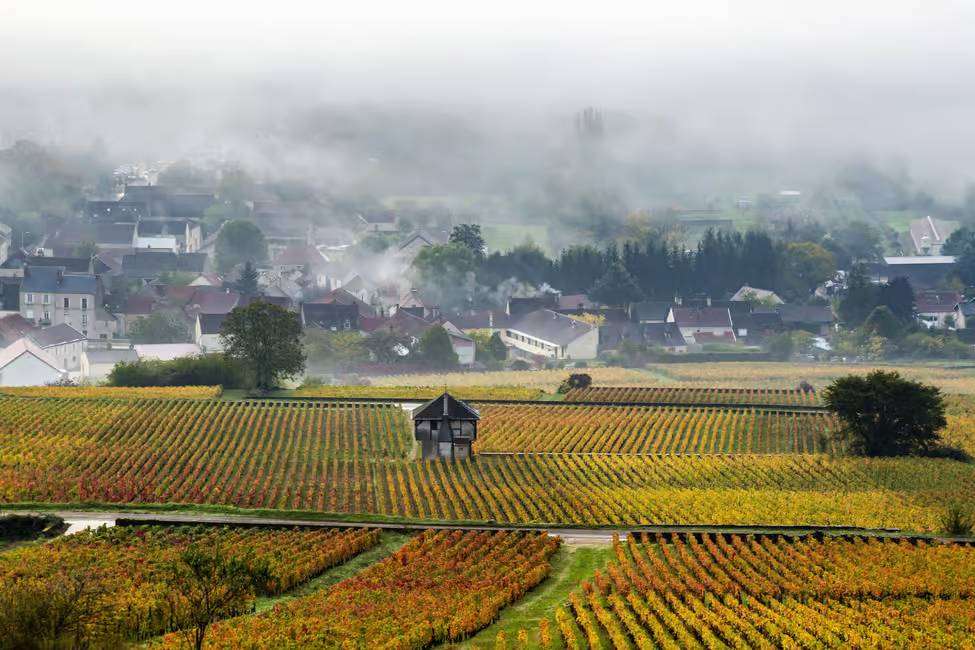
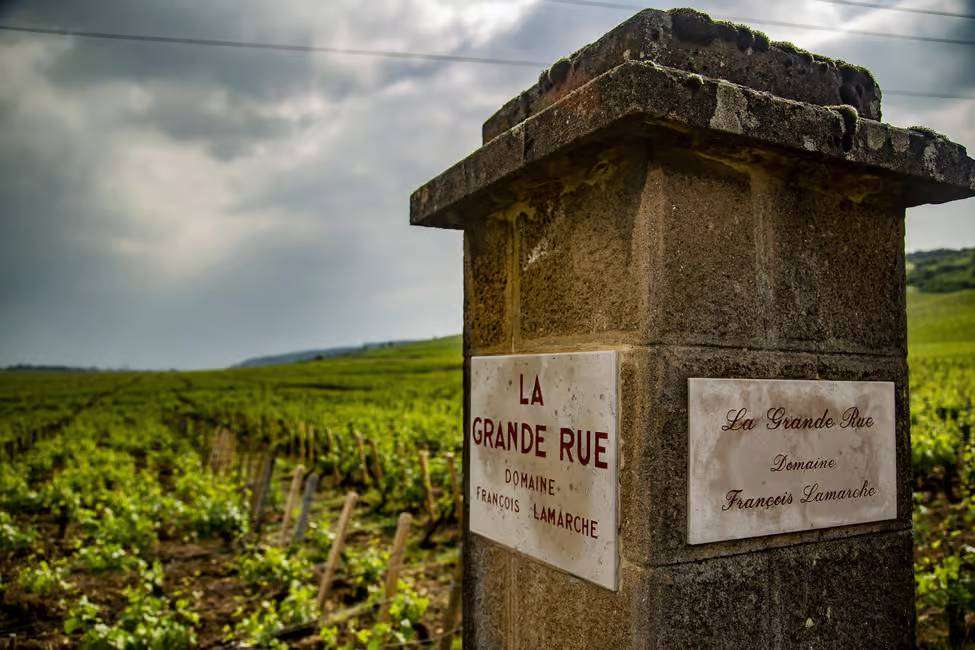
The name Côte de Beaune instantly evokes the sensory elegance of a golden-hued Chardonnay and the ethereal, silken perfume of a world-class Pinot Noir. It is a landscape defined by the “Golden Slope,” where the scent of damp limestone, toasted hazelnut, and wild strawberries hangs heavy in the morning mist. This is not merely a wine region; it is a living museum of viticulture.
Step of the History Book
The Gallic Dawn: Ancient Foundations and the Roman Vignoble (100 BC – 500 AD)
Long before the world recognized the specific boundaries of an Appellation, the indigenous Celts and Gauls cultivated wild vines along these limestone slopes. However, it was the Roman occupation that transformed the Côte de Beaune into a structured viticultural hub. The Romans recognized that the south-eastern exposure of the hills provided the ideal héliotropisme for ripening grapes in a cool climate.
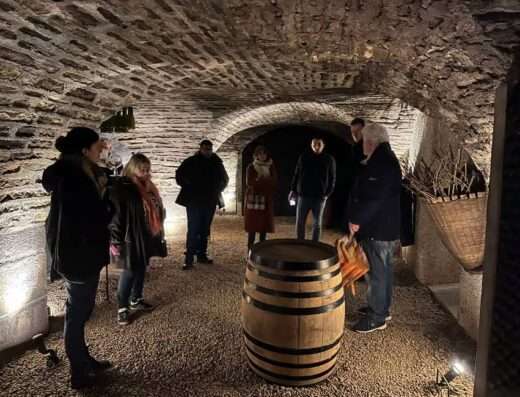
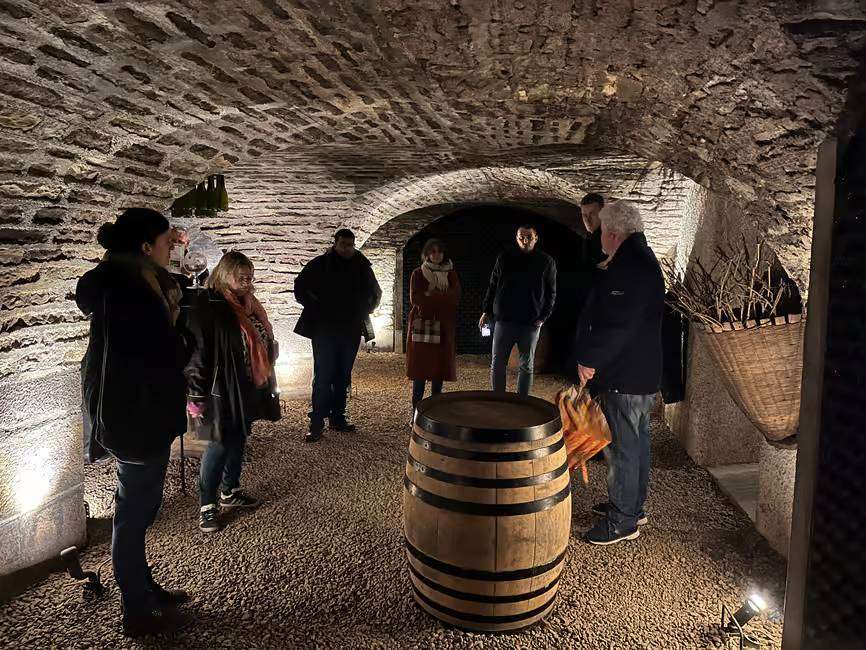
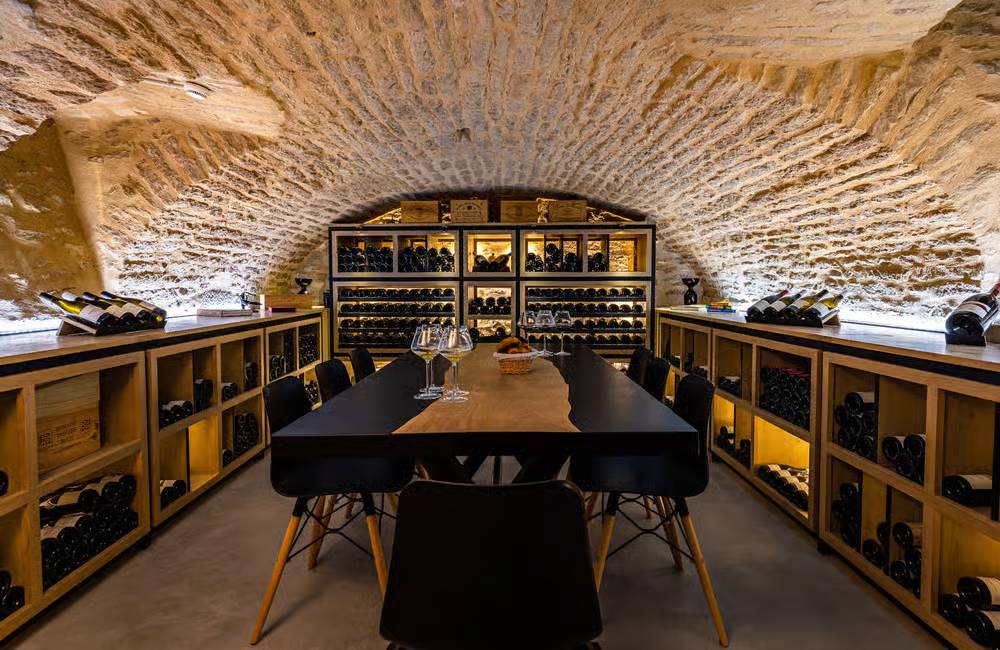
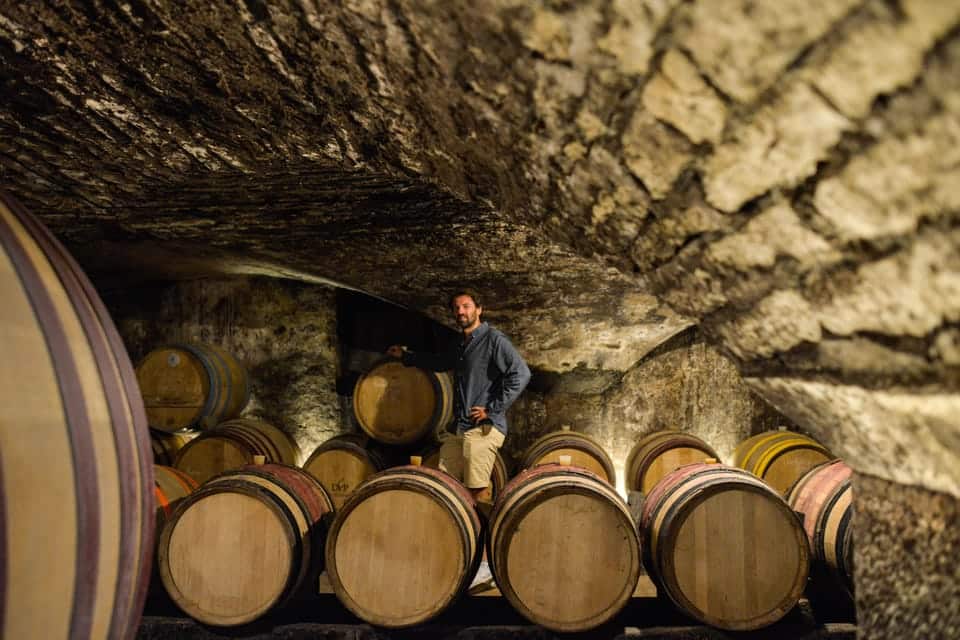
Archaeological evidence suggests that the Roman villa system established the first formal domaines in the region. During this era, technical evolution was marked by the introduction of wooden barrels—a Gallic innovation—which replaced the fragile clay amphorae for aging and transport. The foundations of the modern Côte de Beaune were literally laid in the stone of Roman cellars, creating a legacy of stone-walled enclosures that would later define the region.
By the end of the Roman era, the vineyards of Beaune were already noted in historical texts for their superior quality compared to the surrounding plains. This period established the “Pillar of Origin,” proving that the unique limestone-marl soils were destined for greatness.
The Cross and the Vine: Monastic Influence and the Rise of the Climats (1100–1400)
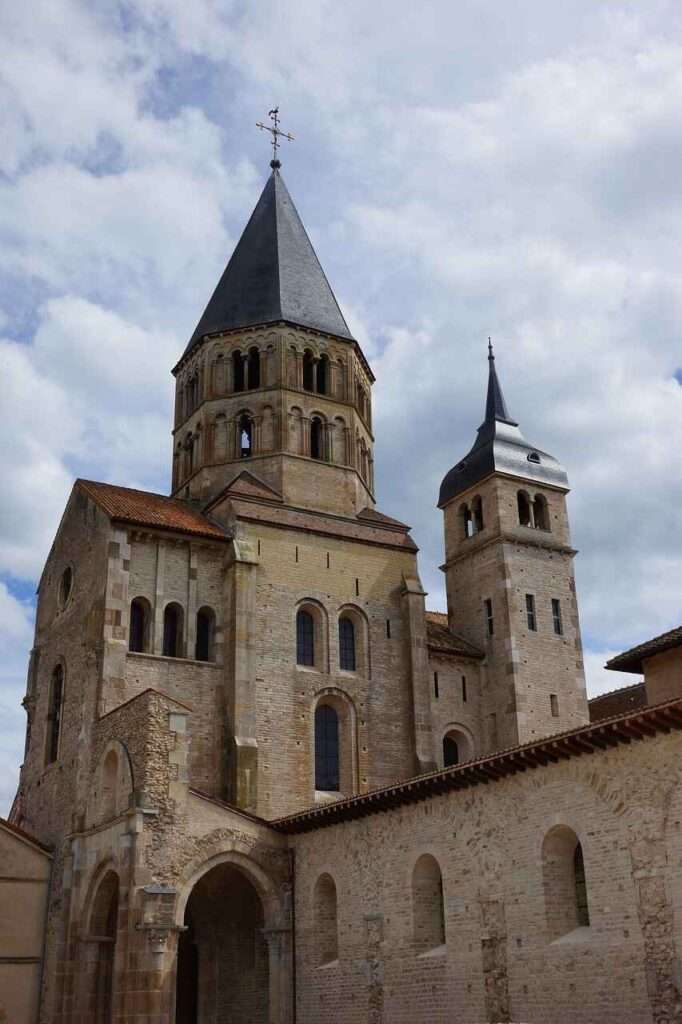
Cluny Abbey
During the Middle Ages, the history of the region was written by the tonsured monks of the Cistercian and Cluniac orders. These “Monk-Scientists” treated viticulture as a form of prayer, meticulously observing how small variations in soil and slope affected the finished wine. It was during this era that the concept of the Climat—a precise, named plot of land with its own micro-climate and geological soul—was born.
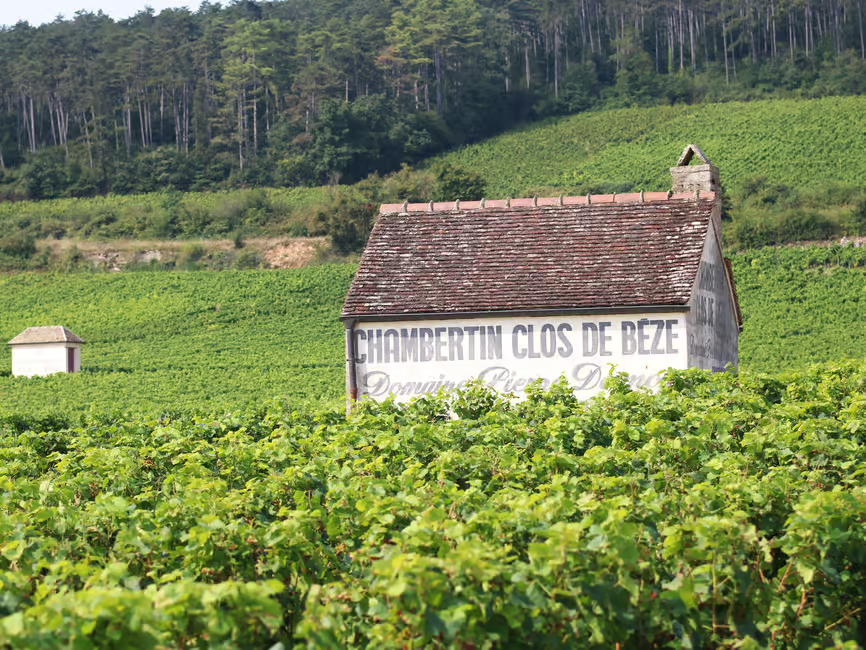
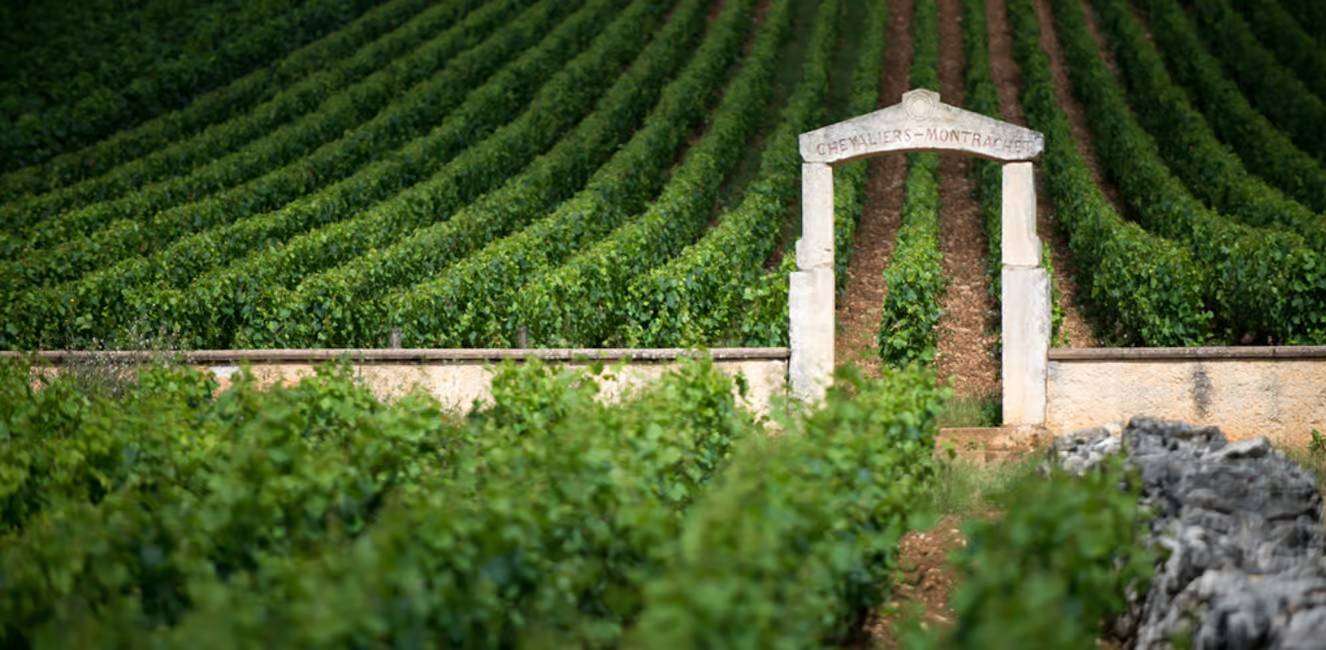
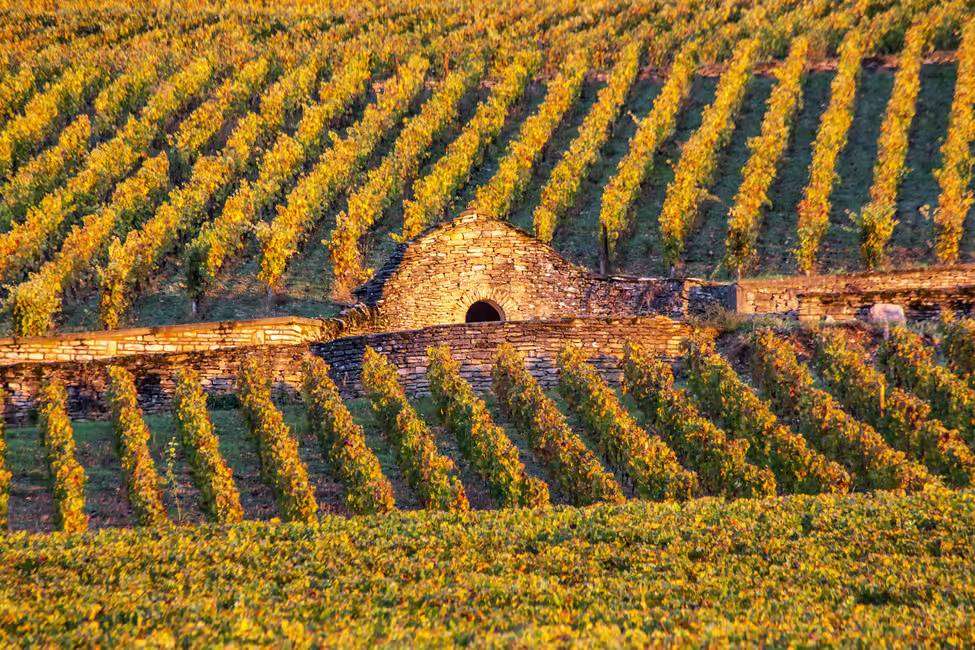
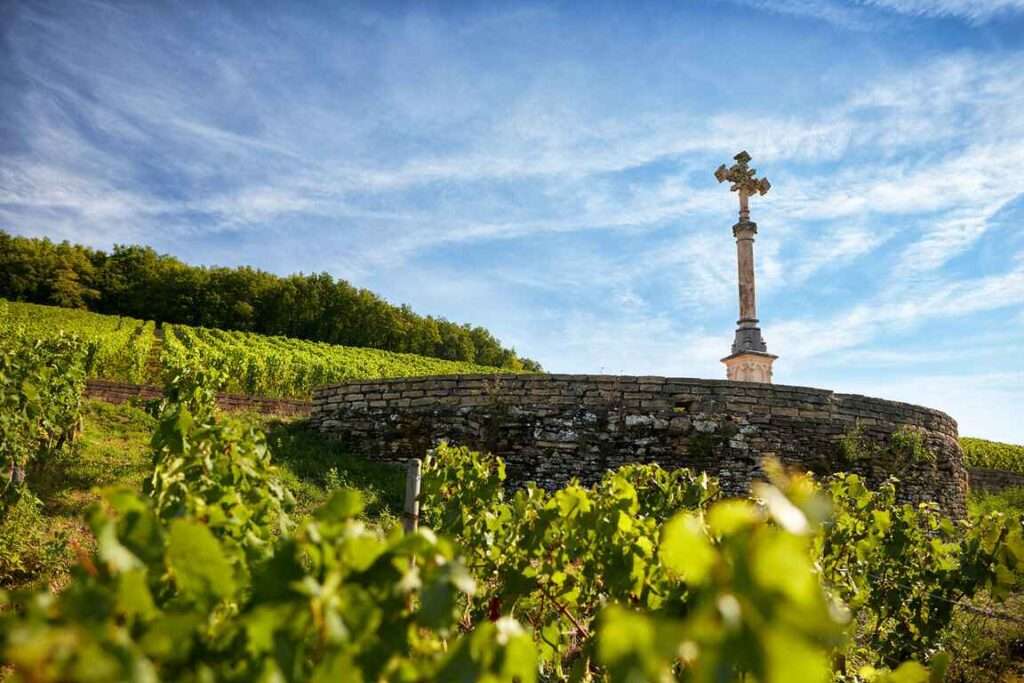
The Cistercians, in particular, were instrumental in the technical evolution of the region, perfecting the art of stone-wall construction to create Clos. These walls protected the vines from wind and theft, but more importantly, they demarcated the specific boundaries of superior terroir. The monks realized that the Bathonian limestone of the Côte de Beaune produced whites of unparalleled tension and reds of floral elegance.
The political power of the Ducs de Bourgogne (Dukes of Burgundy) further elevated the region. The Dukes used the wines of Beaune as a diplomatic tool, serving them at the royal courts of Europe to assert their status as “Lords of the Best Wines in Christendom”. This era solidified the region’s reputation as a luxury commodity rather than a mere agricultural product.
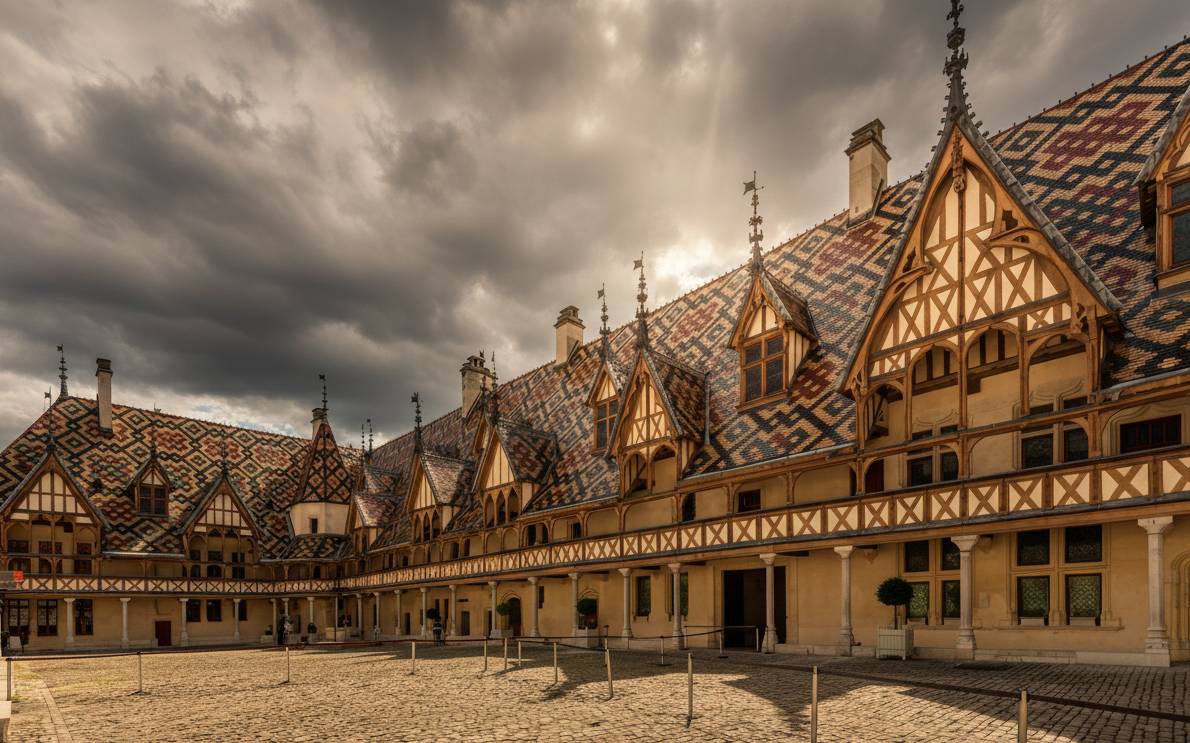
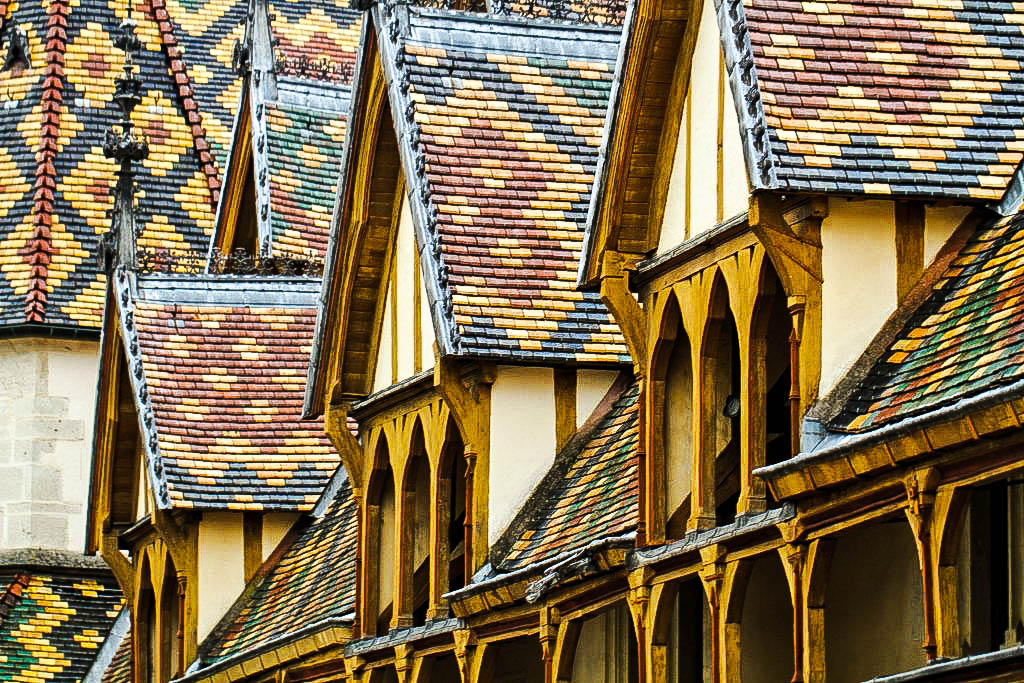
Hospices of Beaune
The Power of the Négociant: Trade, Treaties, and the Enlightenment (1700 – 1850)
The 18th century marked a shift from monastic control to the rise of the great Négociant-Éleveurs (merchant-producers). As the French Revolution redistributed church lands to the citizenry, the Négociants stepped in to bridge the gap between the small-scale farmer and the international market. Names like Bouchard Père & Fils and Maison Louis Jadot began to assemble significant holdings across the Côte de Beaune.
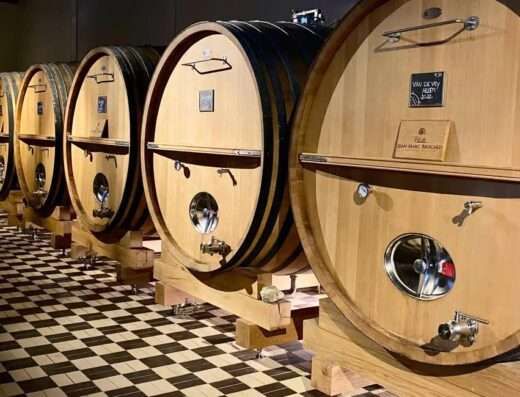
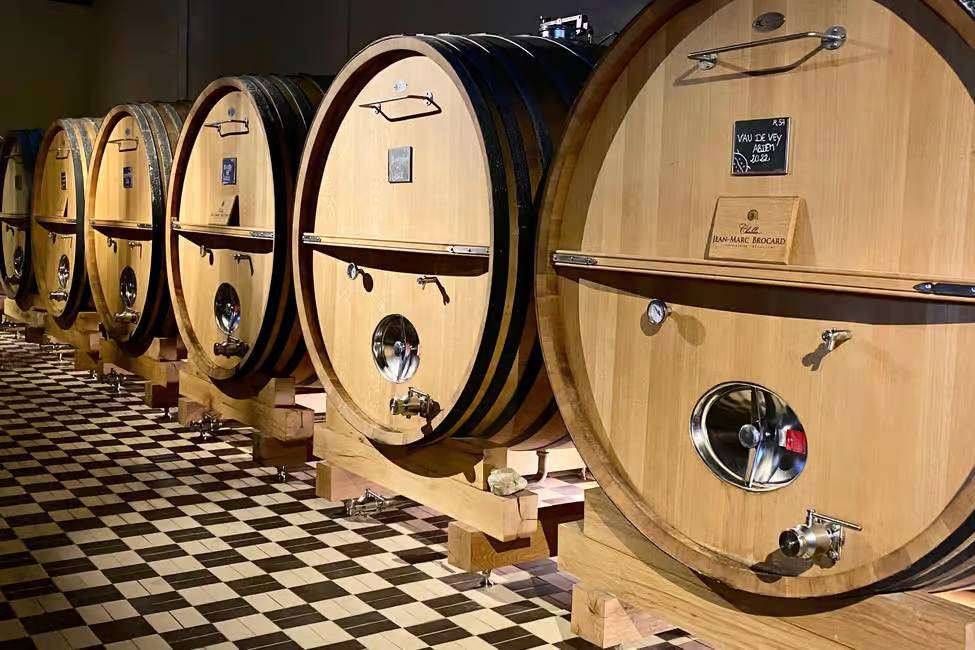
Technical evolution during this period focused on the cellar. The refinement of glass bottle production and the use of high-quality corks allowed the wines of Meursault, Puligny-Montrachet, and Volnay to be aged and shipped globally. This era also saw the first informal classifications, as experts began to rank the “First Growths” of the region, laying the groundwork for future legal milestones.
Political turmoil, including the Napoleonic Code, had a lasting impact on the region’s structure. The laws of equal inheritance led to the extreme fragmentation of the vineyards, where a single Climat might be shared by dozens of different owners—a defining characteristic of the Côte de Beaune that persists today.
The Birth of the Appellation: Legal Milestones and the Great Phylloxera (1860 – 1940)
The late 19th century brought the greatest threat in the region’s history: Phylloxera vastatrix. This microscopic pest decimated the vineyards, forcing a total technical evolution of the vignoble. The solution—grafting traditional French vines onto American rootstocks—was a traumatic but necessary adaptation that saved the industry.
In the wake of this recovery, the need for legal protection against fraud became paramount. This led to the creation of the Appellation d’Origine Contrôlée (AOC) system in the 1930s. The Côte de Beaune was at the forefront of this movement, legally defining the boundaries and production standards for world-renowned villages like Chassagne-Montrachet and Pommard.
This era also saw the formalization of the hierarchy we recognize today: Régionale, Village, Premier Cru, and the prestigious Grand Cru. These legal milestones ensured that the “Lore” of the land was protected by French law, guaranteeing the authenticity of every bottle bearing the region’s name
The Modern Renaissance: Sustainability, Biodynamics, and the Future (1990 – Present)
Today, the Côte de Beaune is experiencing a Modern Renaissance focused on the health of the soil and the purity of the fruit. After decades of conventional farming, a new generation of vignerons is returning to the ancestral wisdom of the monks, embracing Biodynamics and organic viticulture. Producers like Domaine Leflaive have pioneered these methods, proving that a sustainable approach leads to a more profound expression of terroir.
Climate adaptation has become the primary technical challenge of the 21st century. With rising temperatures, growers are adjusting canopy management and harvest dates to maintain the hallmark acidity and balance of Burgundy wine. There is also a renewed focus on “Selection Massale”—replanting with a diverse array of old-vine cuttings rather than modern clones—to preserve genetic diversity.
As the Côte de Beaune looks to the future, it remains the ultimate benchmark for elegance. While the world around it changes, the commitment to the Climat remains unshakable, ensuring that the history written in these stones will continue for centuries to come.
Future Horizons: Challenges and Prospective Adaptation Next chapter in Côte de Beaune wine history
Challenges and Prospective Adaptation
As we move further into the 21st century, the Côte de Beaune faces its most complex challenge since Phylloxera: climate change. Rising average temperatures and increasingly volatile weather patterns, such as late-spring frosts and intense hail, are forcing producers to rethink centuries of tradition.
Prospective strategies now include adjusting canopy management to shade the grapes from intense sun and experimenting with higher-altitude plantings where the air remains cooler. Furthermore, the economic pressure of global demand has driven land prices to unprecedented heights, making it difficult for the next generation of family-owned domaines to retain their ancestral plots. The challenge for the future is to maintain the soul of the artisan grower amidst a market that treats these vineyards as high-stakes investments.
Côte de Beaune wine history in short: An Eternal Legacy
The history of Côte de Beaune wine is a testament to the enduring relationship between human stewardship and the earth. From the Roman stone-workers to the Cistercian monks and the modern-day biodynamic pioneers, each era has added a layer to the region’s profound “Lore.”
This journey from ancient foundations to its current icon status proves that while techniques evolve, the essence of the Golden Slope remains unchanged. Whether it is the mineral tension of a Montrachet or the velvet structure of a Pommard, these wines continue to tell the story of their specific terroir, inviting us to taste a history that is as vibrant today as it was a thousand years ago