Table of Contents
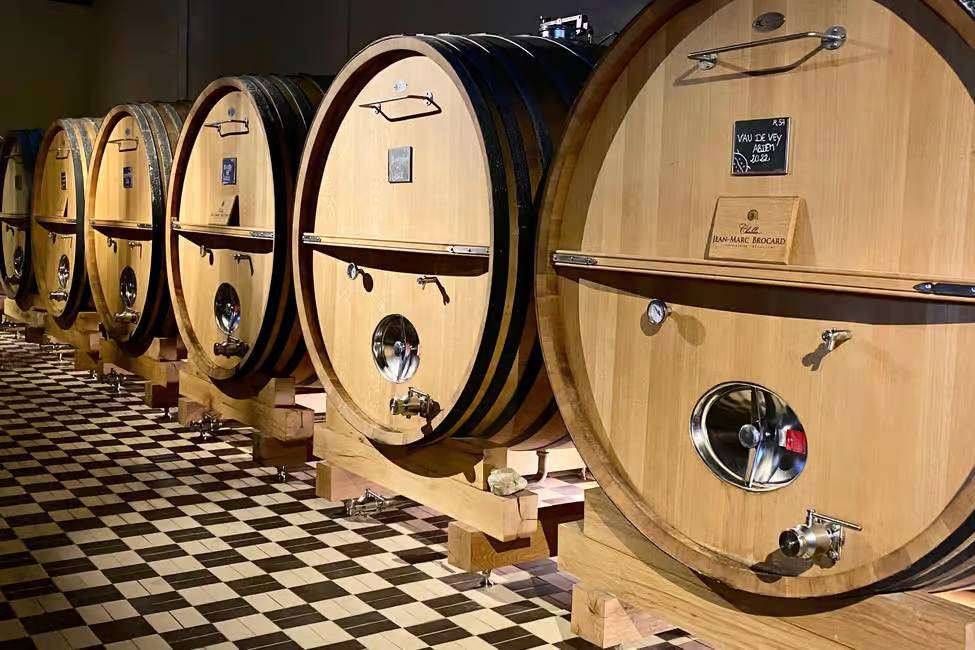
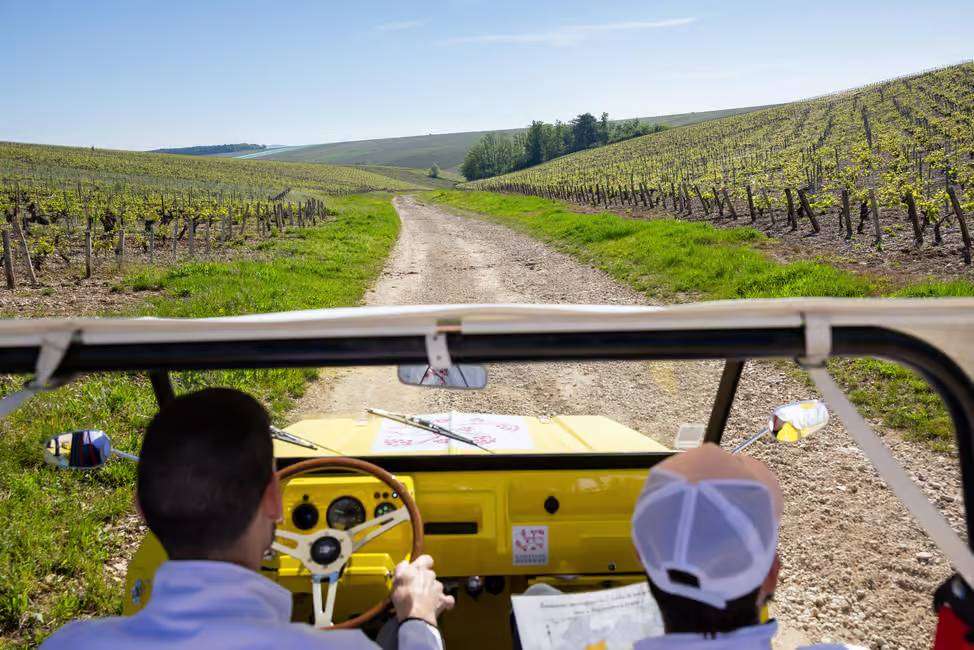
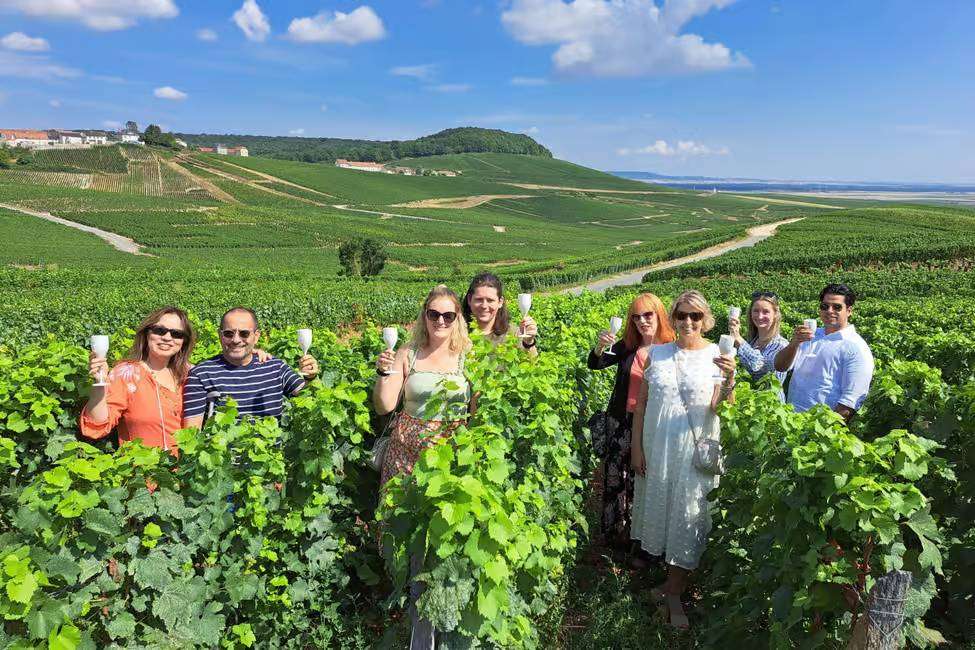
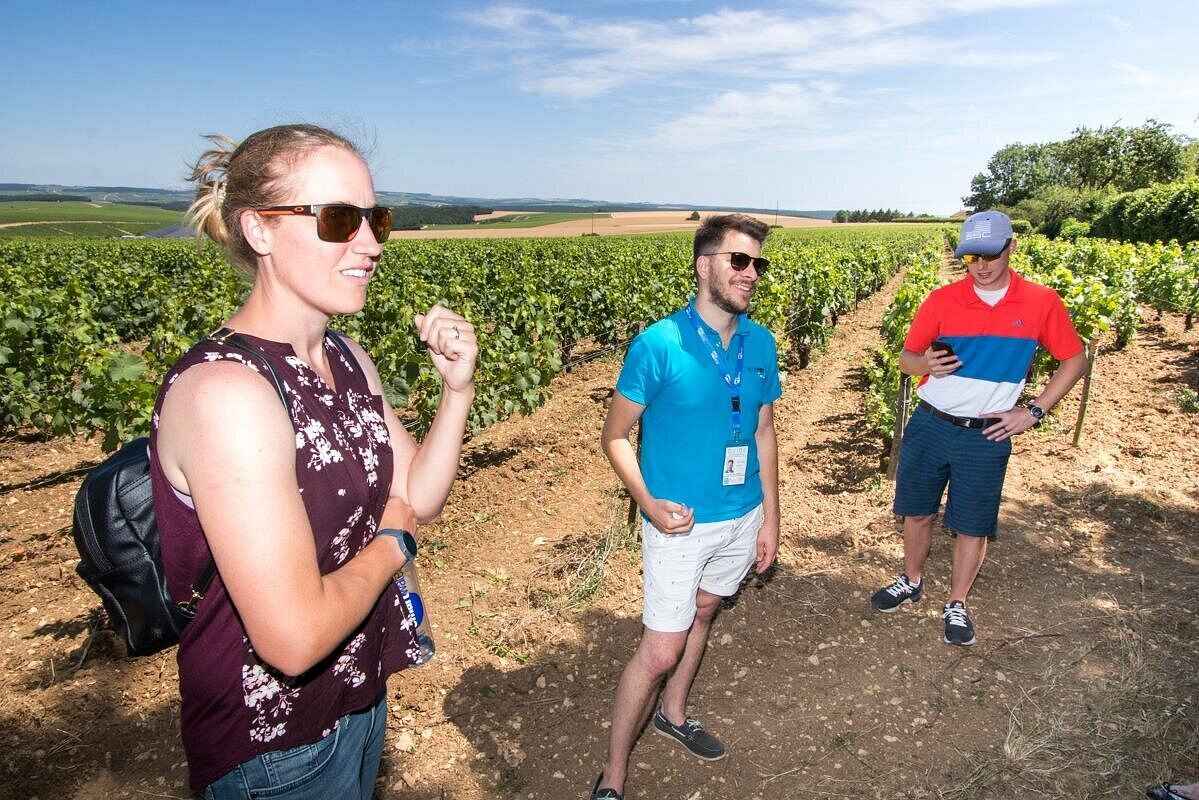
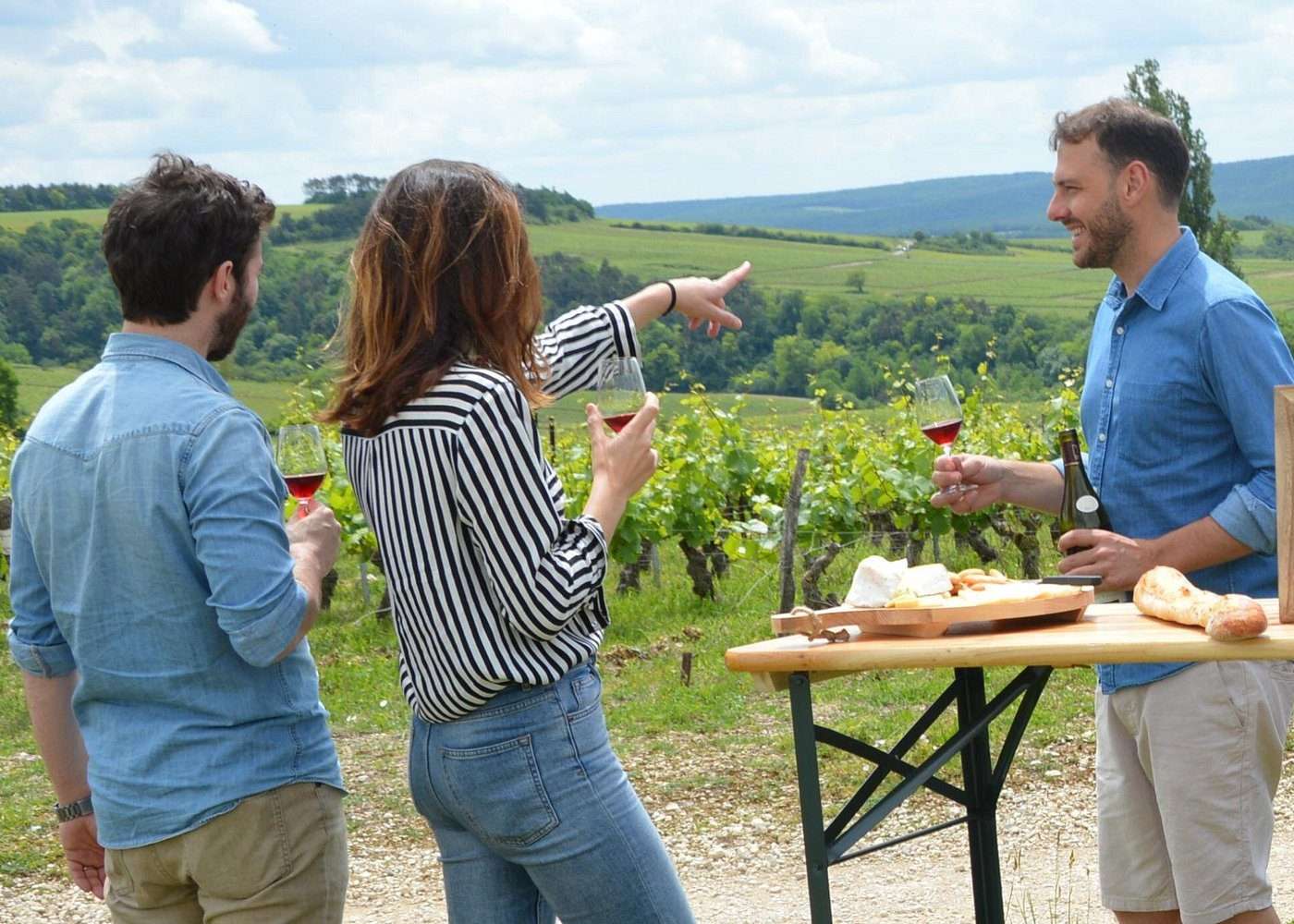
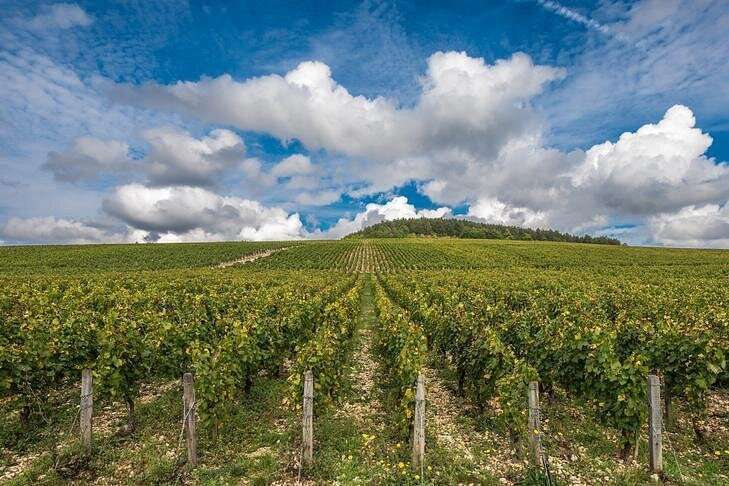
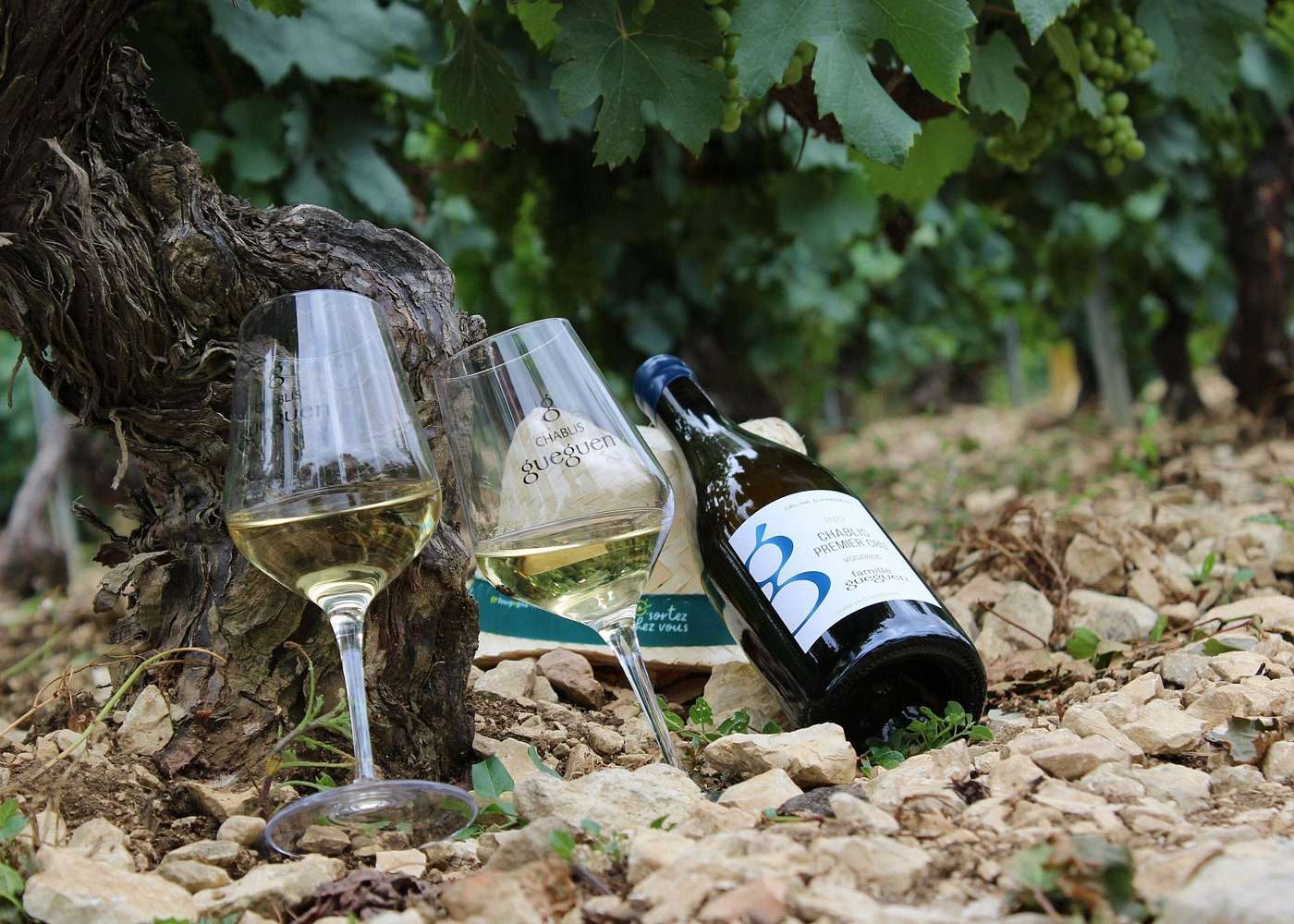
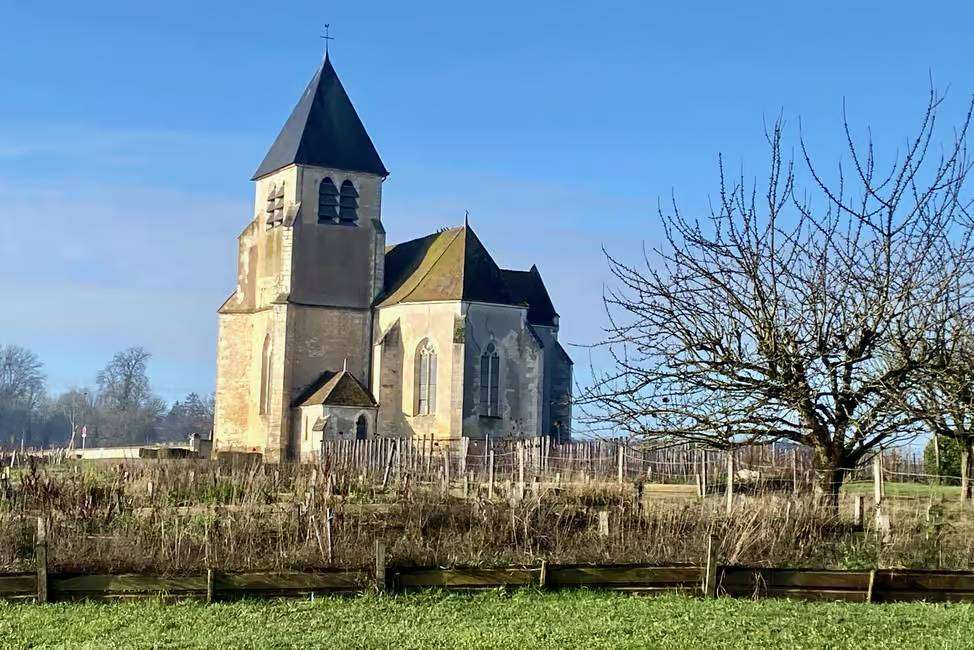
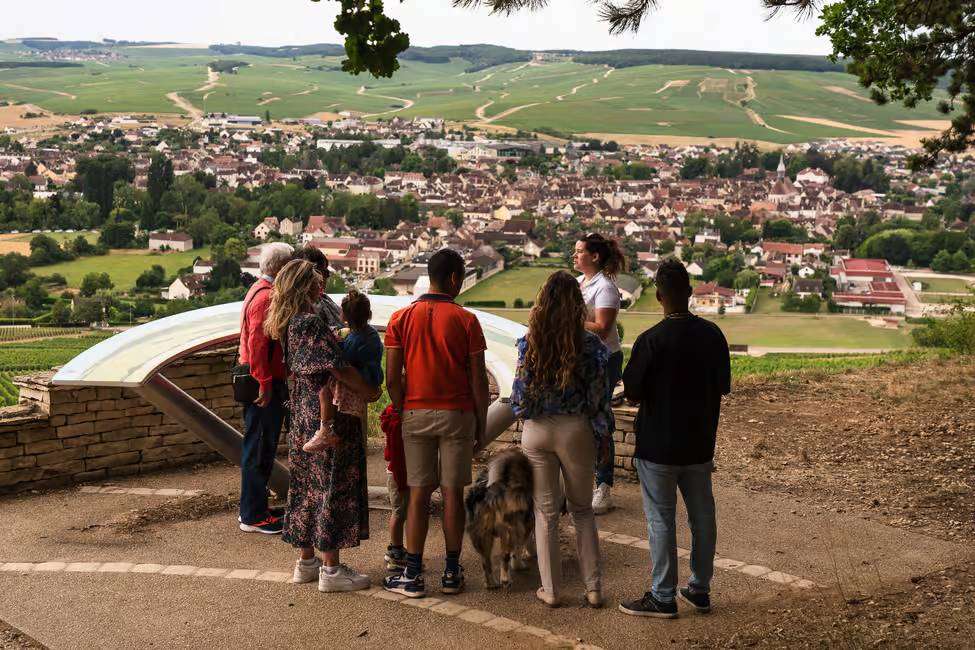
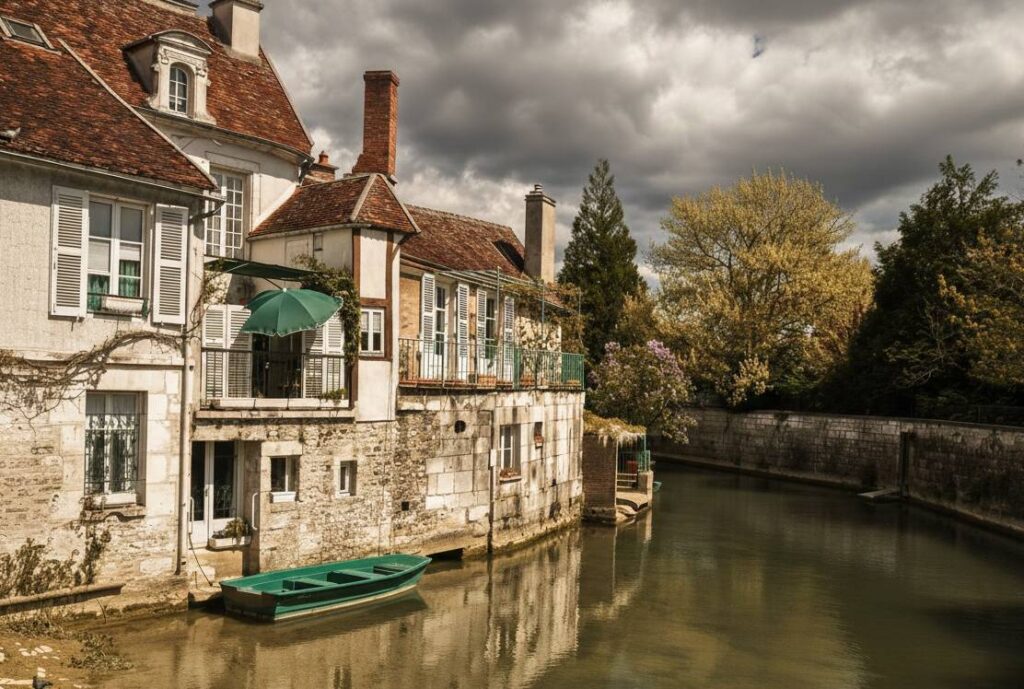
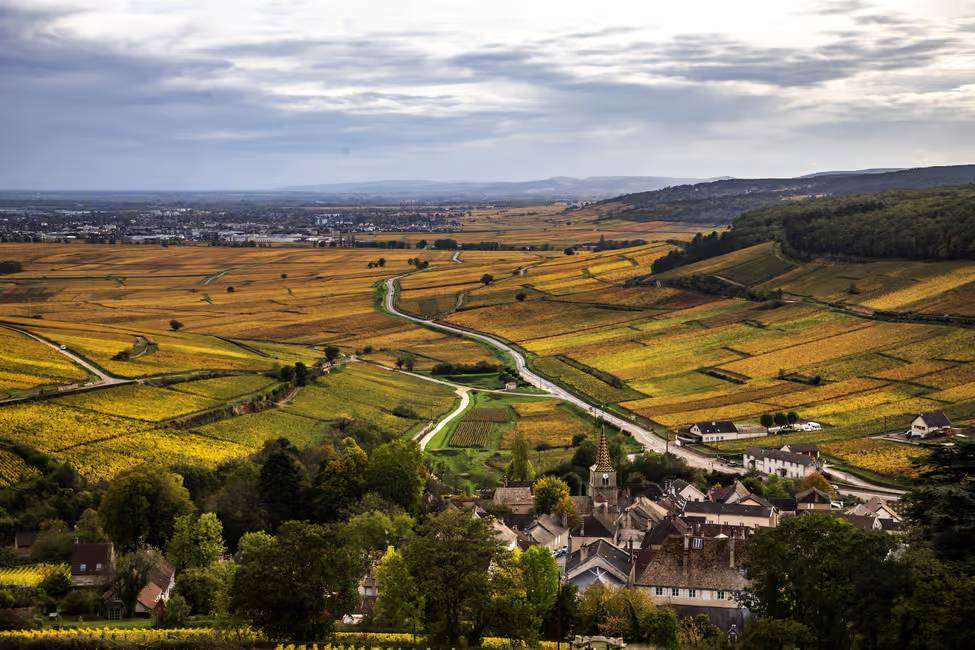
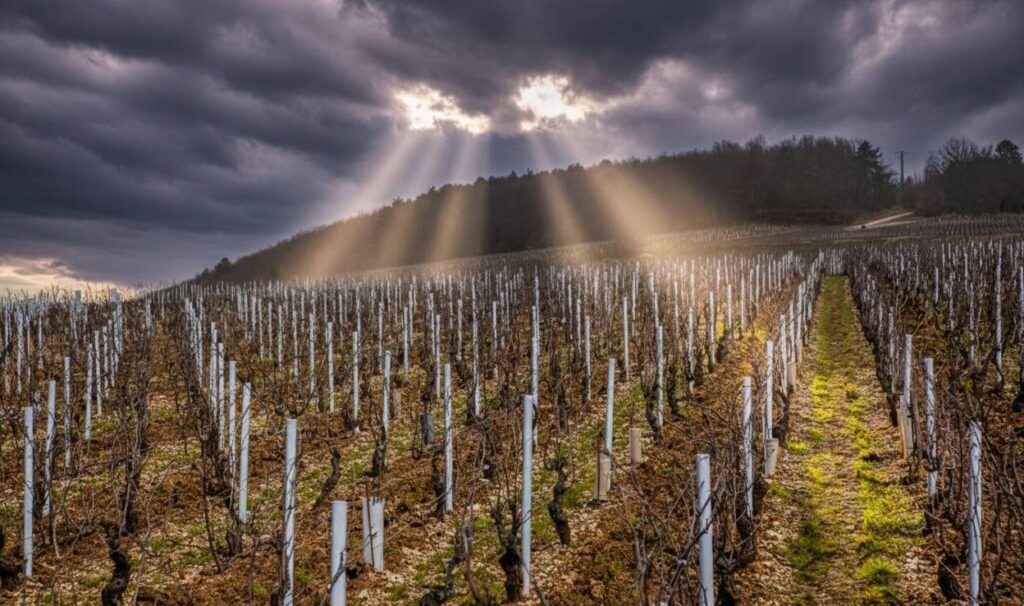
The profound relationship between the soil, or terroir, and the local plate is perhaps nowhere more evident than in the rolling hills of Chablis and the Yonne department in France. The essence of Chablis is inextricably linked to its Kimmeridgian limestone, a unique geological formation composed of fossilized oyster shells from the Jurassic period.
This ancient seabed provides a distinct mineral backbone that defines the structural characteristics of the Chardonnay grape grown here. When we speak of balance in this context, we are referring to the delicate equilibrium between the high natural acidity of the wine and the textural richness of the food it accompanies.
The primary chemical driver in Chablis is its low pH, which translates to a crisp, refreshing acidity that acts as a structural laser. This acidity serves a critical culinary function: it cuts through the density of fats and oils, effectively cleansing the palate. For instance, when a Chablis meets a dish rich in lipids, the tartaric acid breaks down the fat molecules, preventing them from coating the tongue and dulling the senses.
Simultaneously, the subtle phenolic structure and mineral extracts of the wine interact with proteins, particularly those found in delicate seafood and poultry. This interaction is not merely flavor-based but molecular; the saline quality derived from the soil enhances the inherent umami of the dish without overpowering it.
Achieving balance means the wine never eclipses the food, nor does the food diminish the wine’s vibrancy. Instead, they exist in a symbiotic state where the crispness of the wine elevates the succulence of the meal, creating a gastronomic experience that is both intellectually stimulating and deeply satisfying to the senses.

The Local Terroir
Chablis and Petit Chablis: The Vibrant Entry Pairings with local cuisine
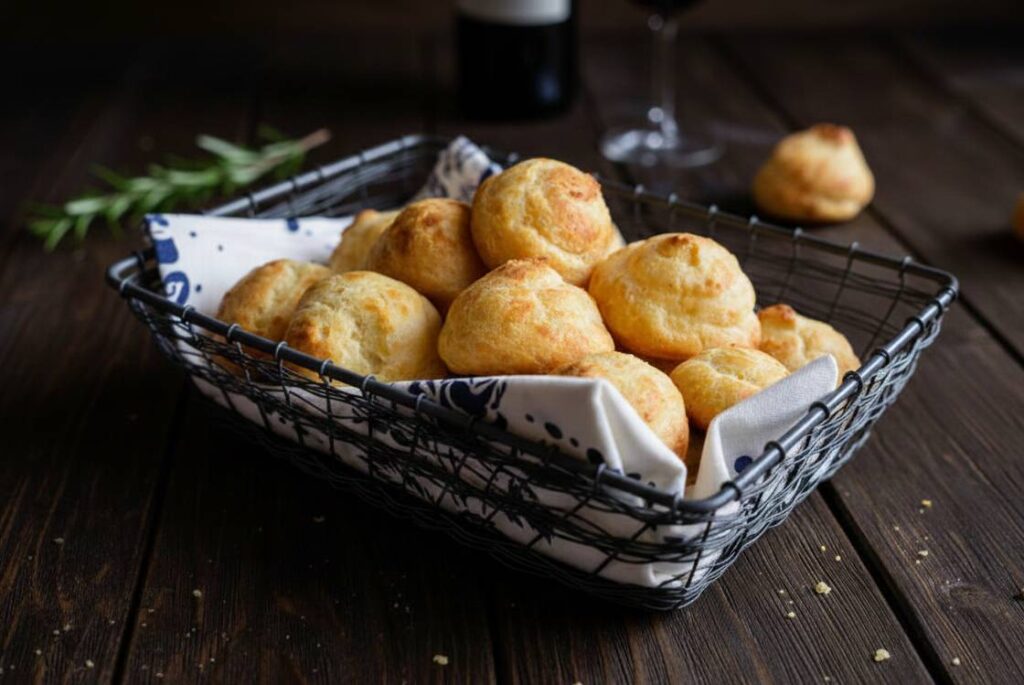
Gougères and Petit Chablis. These savory choux pastry puffs made with Gruyère or Comté cheese find a perfect partner in Petit Chablis
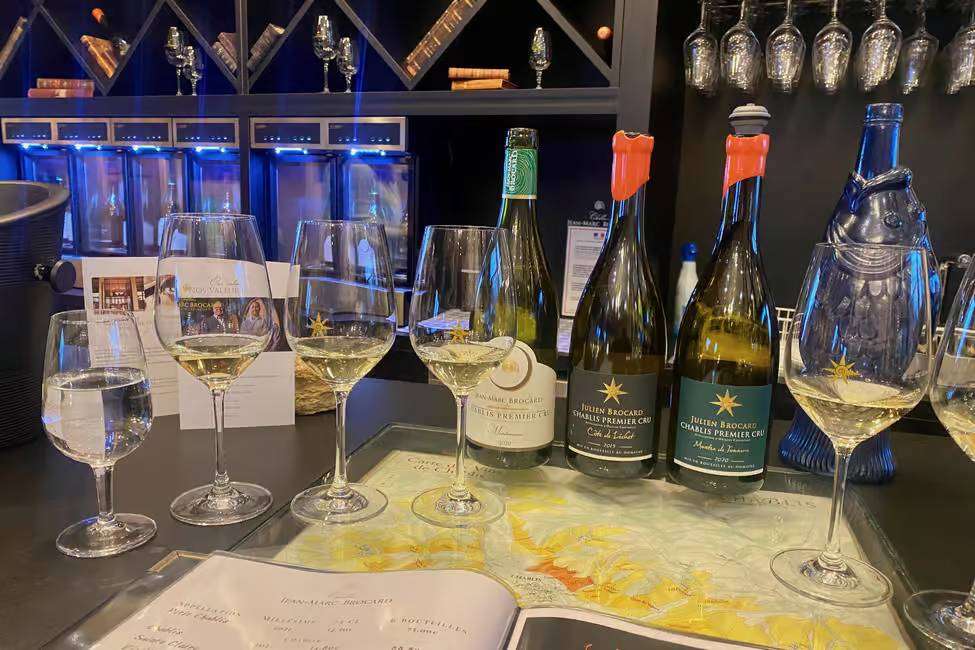
These wines represent the quintessential expression of freshness and purity. Characterized by a pale straw color and aromas of citrus, green apple, and white flowers, they are defined by their electric acidity and bracing minerality. On the palate, they offer a lean, linear structure that feels remarkably clean. These wines are typically fermented in stainless steel to preserve their primary fruit characteristics and the sharp, flinty edge that comes from the limestone soil. They are designed to be enjoyed young, offering a refreshing burst of energy that prepares the digestive system for the meal ahead.
Escargots de Bourgogne and Petit Chablis The earthy, herbal qualities of Burgundy snails prepared with garlic and parsley require a wine that can offer a sharp contrast to the buttery richness of the sauce. Petit Chablis provides a high concentration of malic and tartaric acids that slice through the butter, while its citrus notes brighten the herbaceous flavors of the parsley. This pairing works because the wine’s light body does not overwhelm the delicate texture of the snails, ensuring that the mineral finish of the wine lingers alongside the savory depth of the dish.
Andouillette de Troyes and Chablis Appellation The local Andouillette sausage is known for its intense flavor and distinct texture. Pairing it with a standard Chablis appellation creates a structural bridge where the wine’s high acidity manages the heavy protein and fat content of the sausage. The molecular interaction involves the wine’s low pH environment acting as a palate cleanser, stripping away the richness of the tripe and allowing the subtle spicy notes of the meat to emerge. The flinty minerality of the Chablis complements the rustic, earthy profile of this traditional local specialty perfectly.
Gougères and Petit Chablis These savory choux pastry puffs made with Gruyère or Comté cheese find a perfect partner in Petit Chablis. The wine’s sharp acidity cuts through the dairy fat and the aerated protein of the pastry, providing a crisp counterpoint to the saltiness of the cheese. The scientific interaction relies on the wine’s carbon dioxide remnants from fermentation, which lift the heavy notes of the cheese from the tongue, ensuring each bite remains as light and flavorful as the first.
Jambon Persillé and Chablis This classic Burgundian terrine of ham and parsley jelly demands the mineral tension found in a standard Chablis. The wine’s acidity interacts with the gelatinous texture of the dish, preventing a cloying sensation on the palate. Furthermore, the saline notes of the wine highlight the curing salts in the ham, while the green apple aromatics of the Chardonnay grape complement the fresh parsley, creating a balanced and refreshing flavor profile
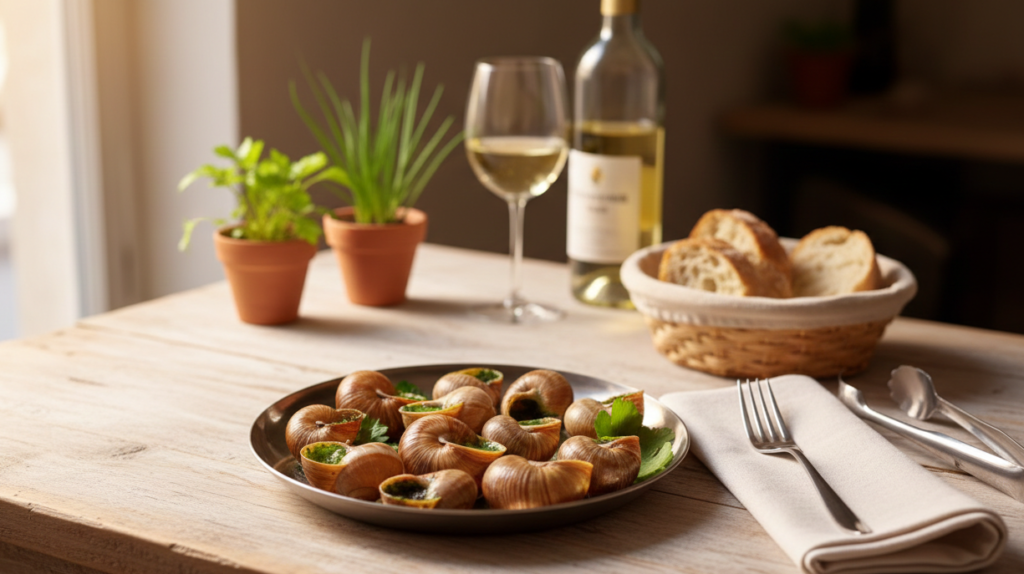
Buttery sauce of Escargot de Bourgogne match with acidity of Petit-Chablis
Chablis Premier Cru and Grand Cru: The Complex Evolution Pairings with local cuisine
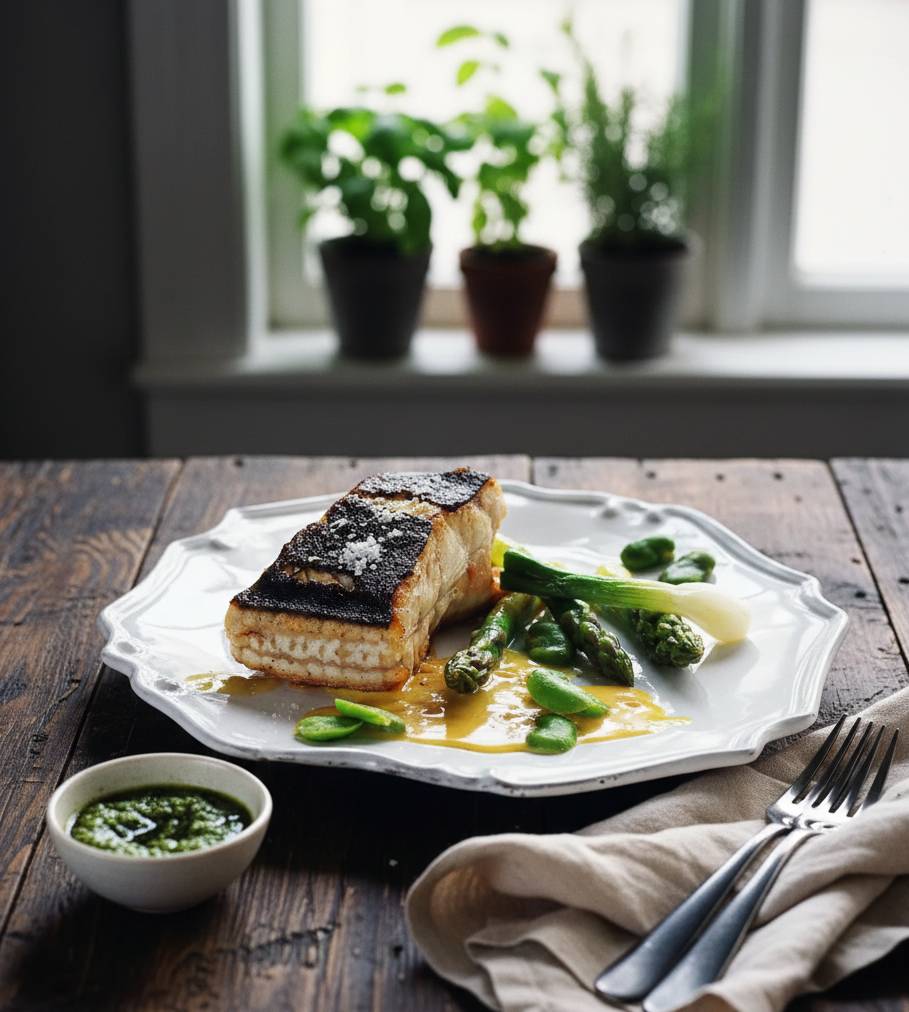
Turbot with Beurre blanc is great pairing with the majestic Grand Cru Les Clos
These categories represent the more structured and long-lived expressions of the region, often benefiting from subtle oak aging or extended lees contact. The flavor profile shifts toward ripe stone fruits, honey, and toasted brioche, while maintaining the signature limestone minerality. These wines possess a greater density and a more rounded mouthfeel, allowing them to pair with richer, more complex culinary preparations that involve creamy sauces or heavier proteins.
Poulet à la Comtoise and Chablis Premier Cru Mont de Milieu This chicken dish cooked with cream and local cheese requires the structural weight of a Premier Cru. The wine’s integrated acidity prevents the cream sauce from becoming too heavy, while its own creamy texture from lees aging mirrors the richness of the dish. The interaction of the wine’s tartaric acid with the chicken proteins results in a softened texture, making the meat appear more succulent while the wine’s mineral finish provides a sophisticated end to each rich mouthful.
Lapin à la Moutarde and Chablis Premier Cru Vaillons Rabbit with mustard sauce is a local staple that benefits from the spicy, floral nuances of the Vaillons vineyard. The wine’s acidity tempers the heat of the mustard, while its medium body supports the lean protein of the rabbit meat. Scientifically, the wine’s organic acids neutralize the pungency of the mustard seeds, allowing the subtle, sweet flavors of the rabbit and the wine’s stone fruit notes to shine through in a harmonious blend.
Chaource Cheese and Chablis Premier Cru Fourchaume The creamy, crumbly texture of Chaource cheese is an ideal match for the ripeness of Fourchaume. The wine’s acidity breaks down the high fat content of the triple-cream cheese, while the wine’s citrus zest notes provide a vibrant contrast to the mushroomy rind flavors. This pairing works on a molecular level as the lactic acid in the cheese and the tartaric acid in the wine create a balanced pH environment that enhances the creaminess of the pairing.
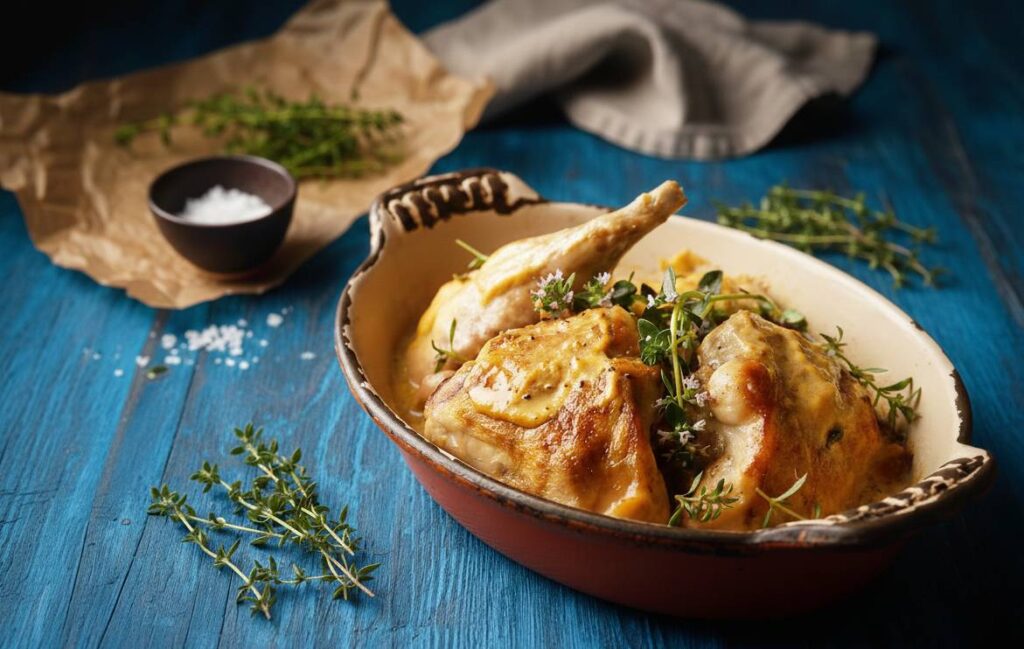
Rabbit in Mustard Sauce is really god match with Chablis Premier Cru Vaillons
International Food pairing with Chablis Global Food and Wine Perspective
Chablis White Wines and International Food Pairing Minerality, sharp
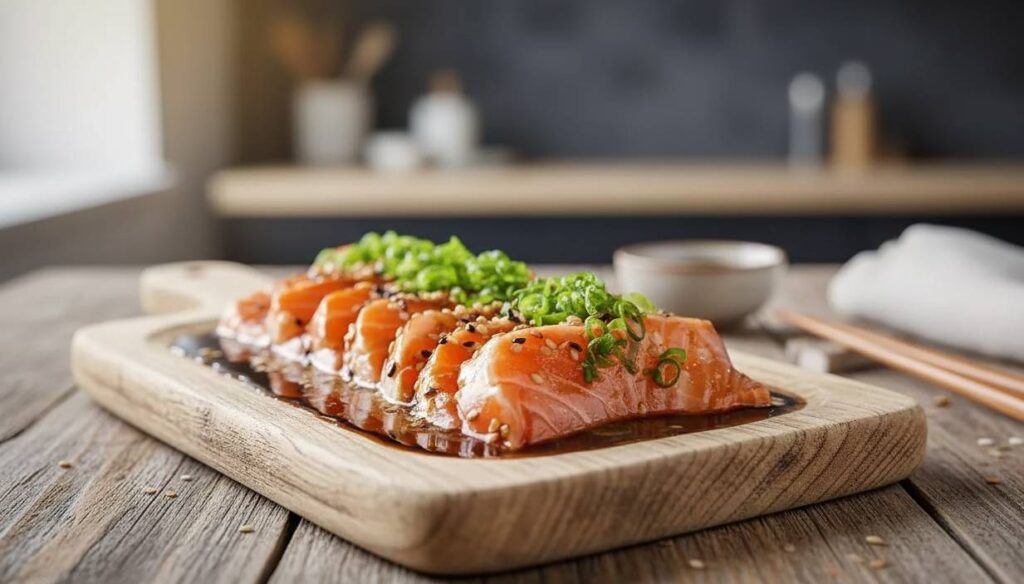
Chablis Premier Cru Montée du Tonnerre interacts with umami profile of Salmon Sashimi
Japanese Sashimi and Chablis Premier Cru Montée de Tonnerre The specific pH of a Chablis Premier Cru interacts beautifully with the umami-rich profile of raw fish. The wine’s saline minerality acts as a natural seasoning, enhancing the delicate flavors of the seafood, while the acidity cuts through the oily texture of fish like fatty tuna.
Thai Green Curry and Petit Chablis The crisp acidity of Petit Chablis provides a cooling effect against the heat of Thai spices. The wine’s citrus notes harmonize with lemongrass and kaffir lime, while the lack of oak ensures that the wine does not clash with the spicy aromatics of the curry.
Fresh Oysters (Pacific/Atlantic) and Chablis This is a classic molecular match where the fossilized oyster shells in the soil provide a saline minerality that mirrors the brine of the oysters. The wine’s high acidity acts as a squeeze of lemon, brightening the seafood and refreshing the palate between bites.
Vietnamese Spring Rolls and Chablis Premier Cru The fresh herbs and crisp vegetables in Vietnamese cuisine are elevated by the floral and flinty notes of a Premier Cru. The wine’s structure supports the light shrimp or pork protein without overwhelming the delicate rice paper and mint leaves.
Peruvian Ceviche and Petit Chablis The intense lime juice marinade of ceviche requires a wine with equal acidity to avoid tasting flat. Petit Chablis matches this intensity perfectly, while its mineral finish anchors the bright, citrus-heavy flavors of the dish.
Greek Grilled Octopus and Chablis Premier Cru The charred, smoky notes of grilled octopus find a partner in the flinty, “gunflint” aroma of Chablis. The wine’s acidity cuts through the chewy texture of the octopus, while the saline finish complements the Mediterranean sea salt used in the preparation.
Cantonese Dim Sum and Chablis The variety of textures in Dim Sum, from steamed dumplings to fried taro puffs, is unified by the versatility of Chablis. Its acidity cleanses the palate of frying oils while highlighting the subtle flavors of shrimp and bamboo shoots.
North American Lobster Roll and Chablis Grand Cru A butter-poached lobster roll requires the weight and intensity of a Grand Cru. The wine’s power balances the rich lobster meat and butter, while its laser-like acidity ensures the dish remains sophisticated and balanced
Chablis, Auxerrois Red Wines and International Food Pairing
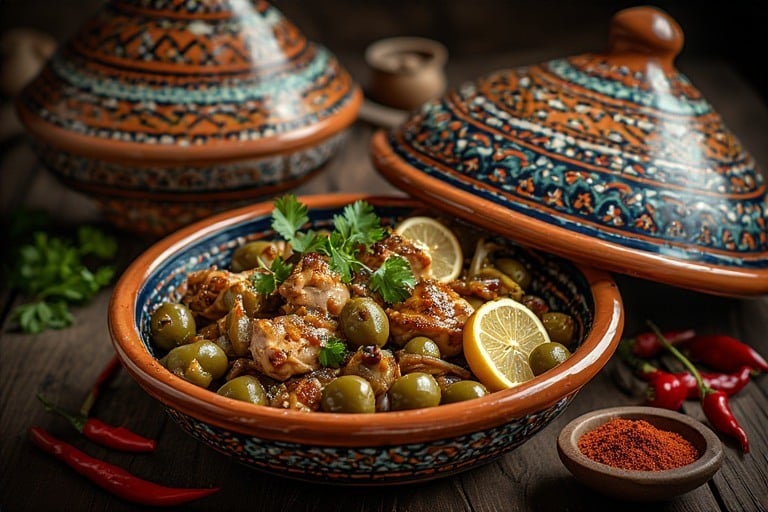
Moroccan Lamb Tajine’s complex spices find harmony ith the aromas of aged Irancy
While Chablis is famed for white wine, the neighboring Auxerrois region produces exceptional reds, primarily from Pinot Noir and the rare César grape, which offer the necessary structure for global red meat and savory dishes.
Argentine Grilled Ribeye and Irancy (Pinot Noir & César) The tannins of an Irancy wine, particularly those containing the César grape, bind effectively with the animal proteins in a South American steak. The wine’s natural acidity, typical of the cool Auxerrois climate, cuts through the marbling of the ribeye, while the dark fruit notes complement the charred exterior of the meat.
French Boeuf Bourguignon and Bourgogne Épineuil The structural symmetry between the red wine sauce and an Épineuil Pinot Noir creates a seamless transition from plate to glass. The wine’s light-to-medium body ensures the delicate flavors of the pearl onions and mushrooms are not lost, while its tartaric acid refreshes the palate after each rich, beefy bite.
Spanish Jamón Ibérico and Bourgogne Coulanges-la-Vineuse The nutty, fatty richness of this cured ham is countered by the bright acidity of a Coulanges-la-Vineuse red. On a molecular level, the wine’s fruit esters provide a sweet counterpoint to the salt-cured pork, preventing the palate from becoming fatigued by the intense salinity of the ham.
Moroccan Lamb Tagine and Irancy Rouge The complex spices of Moroccan cuisine find harmony with the earthy, spicy undertones of an aged Irancy. The wine’s moderate tannins interact with the fibrous lamb meat, softening the texture, while the high acidity balances the sweetness of the dried apricots or prunes often found in the dish
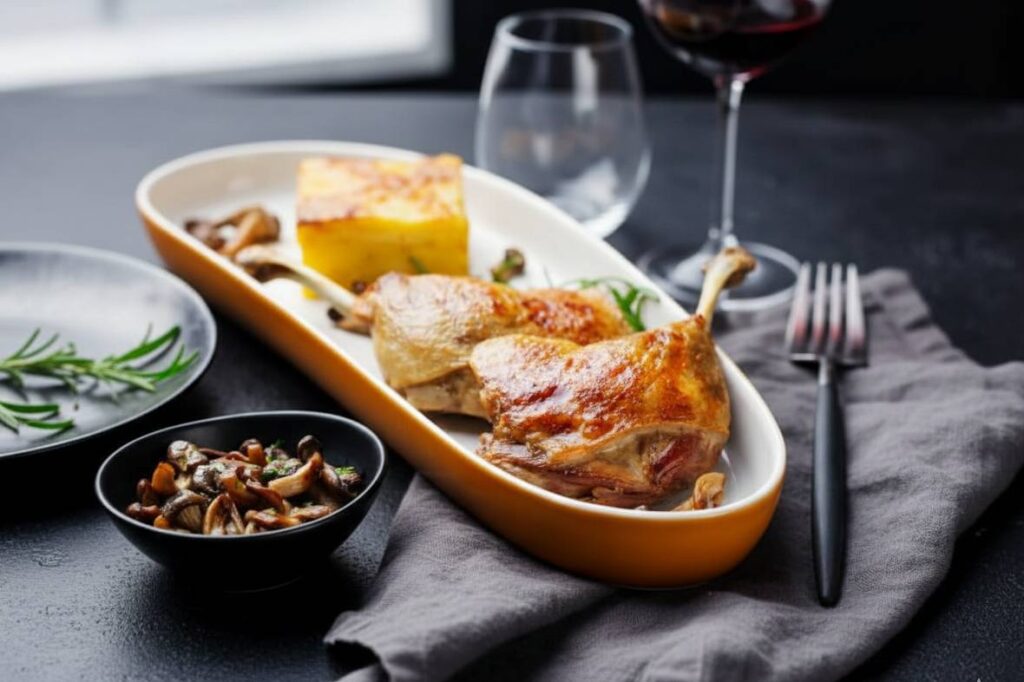
Duck leg ‘confit de Canard”‘s fat is cut by Santenay acidity, and the wine provide the rustic charm to the food
The Timeless Elegance of the Yonne A Journey Through Limestone and Light
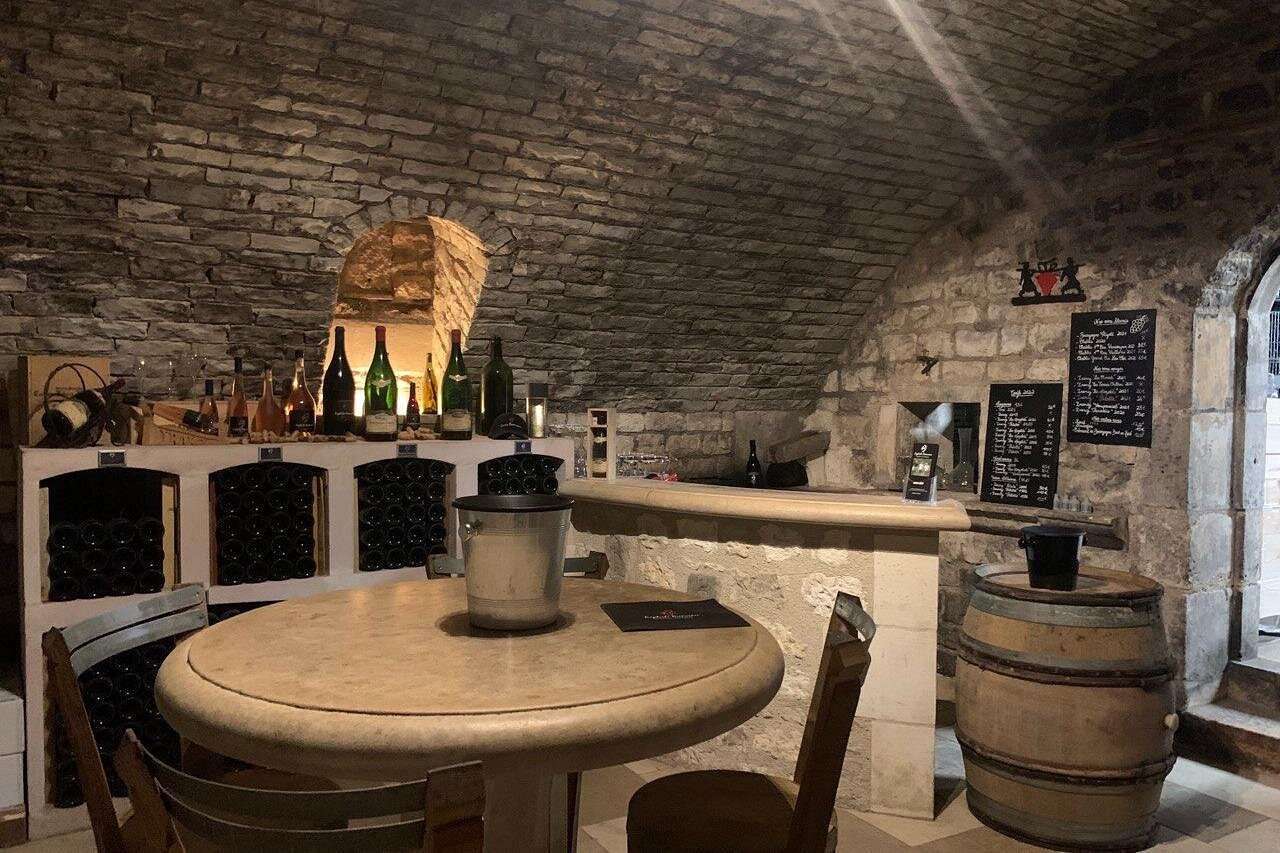
Chablis remains a pinnacle of viticultural precision, offering a sensory journey that transcends the glass. It is a region where history is tasted in the fossilized soils and felt in the bracing chill of the cellar. To drink Chablis is to engage with a tradition of balance and elegance that has defined French gastronomy for centuries. Whether paired with local delicacies or international cuisine, these wines bring a touch of luminous sophistication to any table, inviting travelers to explore the golden slopes of Burgundy one sip at a time
Chablis Wines Pairing In a Nutshell
Chablis wine pairing is defined by purity, electric acidity, and saline minerality. To master it, remember these three core interactions:
1. The Acid-Fat Palate Cleanser (Petit Chablis & Chablis)
Unlike warmer-climate Chardonnays, Chablis relies on a laser-like natural acidity and low pH to achieve balance. This acidity acts as a physical cleanser for the palate, slicing through the density of fats found in fried foods or creamy textures. When paired with a local Snail Ragout or Petit Chablis with Gougères, the wine effectively “scrubs” the tongue, ensuring that the richness of the butter and cheese does not dull the senses, but rather remains vibrant and light.
2. The Mineral-Saline Connection (Chardonnay & Shellfish)
The specific geological composition of the Yonne, particularly the Kimmeridgian limestone (composed of fossilized Jurassic sea shells), imparts a distinct saline minerality to the wine. This creates a direct molecular bridge with seafood. In a classic pairing like Chablis and Fresh Oysters, the wine acts as a liquid reflection of the sea. The mineral “grip” provides a structural counterpart to the briny texture of the shellfish, acting as a natural flavor enhancer similar to a squeeze of lemon or a pinch of sea salt.
3. The Texture-Weight Synthesis (Premier & Grand Cru)
As Chablis moves into the Premier and Grand Cru categories, the wine develops more structural “grip” and a rounded mouthfeel due to sunlight exposure and, occasionally, subtle oak integration. These wines require dishes with more substantial protein and complex textures. When a Chablis Grand Cru Les Clos is paired with Lobster or Grilled Veal, the wine’s intensity and concentrated mineral power match the weight of the dish, creating a symbiotic experience where neither the food nor the wine overwhelms the other.
In Short:
Petit Chablis + Saline Appetizers (Oysters/Gougères) = Invigorating Freshness
Chablis Premier Cru + Delicate Proteins (Poultry/Sole) = Balanced Elegance
Chablis Grand Cru + Rich Gastronomy (Lobster/Veal) = Powerful Complexity