Table of Contents
Canaiolo The Silken Soul of Tuscany and the Essential Counterpoint
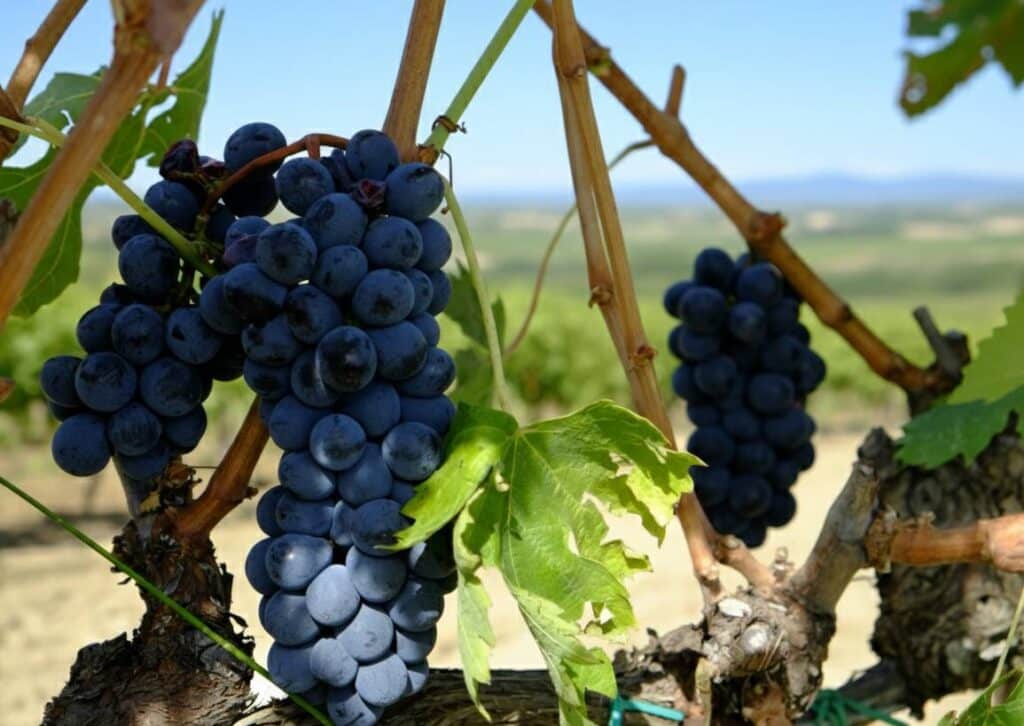
Canaiolo or Canaiolo Nero is a grape of profound heritage, characterized by its deep, ruby-violet hue and a structural elegance that emphasizes softness over aggression. While it possesses a medium-to-full body, its true signature is a plush, velvety texture that glides across the palate, offering a soothing counterpoint to more astringent varieties. The aromatic profile is a captivating blend of bitter cherry, wild strawberries, and a distinct floral note of crushed violets. Historically the “superstar” of Central Italy, Canaiolo remains the indispensable balancing partner in some of the world’s most prestigious red wines, providing the crucial flesh and floral lift that turns a rustic wine into a masterpiece
Origin Origin, History, and Terroir
Italian Roots and Name
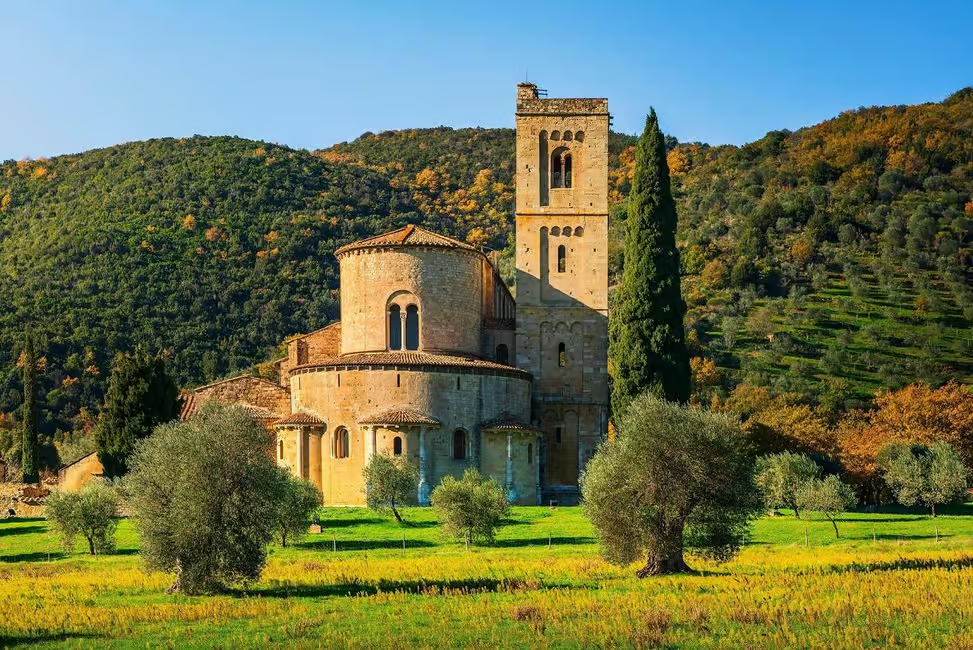
Canaiolo is indigenous to Central Italy, with its historical heart beating in the hills of Tuscany. The name is widely believed to derive from dies caniculares (the “dog days” of August), referring to the period of intense summer heat when the grape berries begin their final, rapid ripening phase.
The Parentage and Genetic Lineage
DNA analysis confirms that Canaiolo Nero is one of the ancient “foundational” grapes of Italy, though its exact parentage remains a subject of ongoing research. Its lineage is so deeply intertwined with the Tuscan landscape that it was historically co-planted and field-blended with Sangiovese to temper the latter’s high acidity and firm tannins.
Dominance in Tuscany
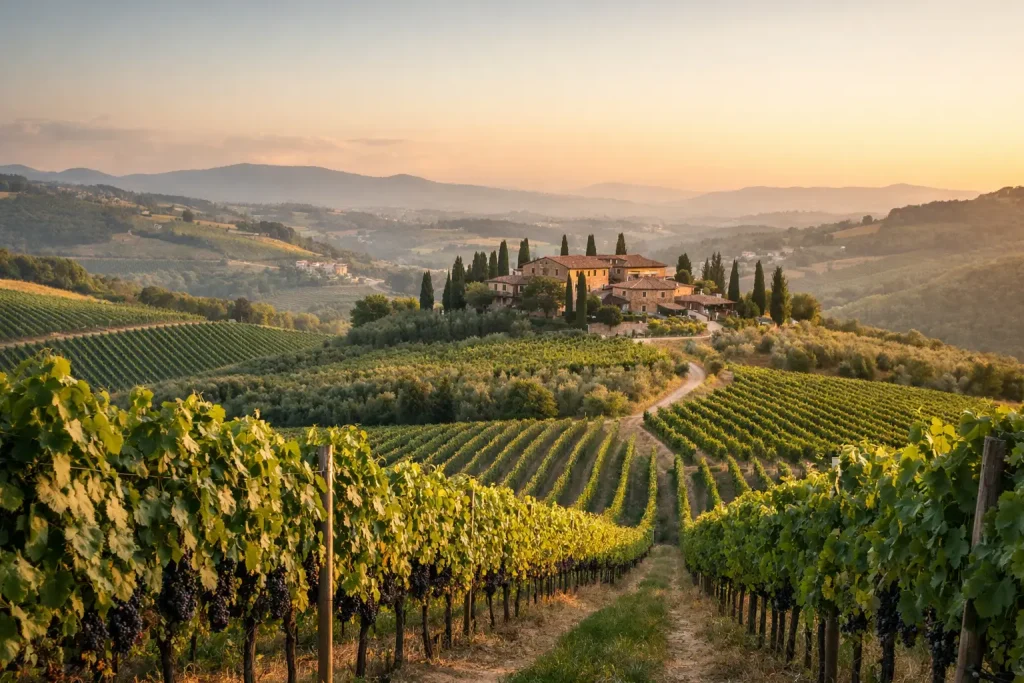
In the 18th and 19th centuries, Canaiolo was actually the dominant grape of the Chianti region, favored over Sangiovese for its reliability and charm. It thrives in the galestro (shaly clay) and alberese (limestone) soils of the Chianti Classico hills, where the well-drained ground prevents the vines from becoming overly vigorous, ensuring concentrated fruit flavors.
Characteristics of Canaiolo Mid to Late ripening asking for Patience
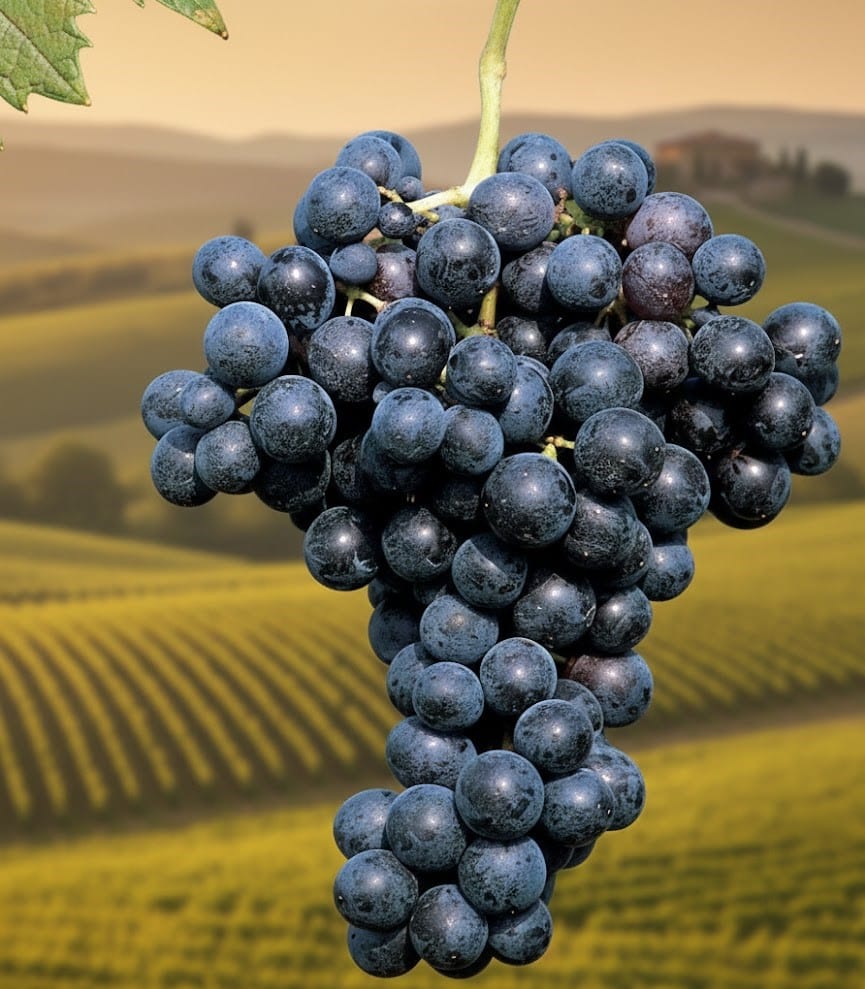
Canaiolo is a mid-to-late ripening variety that demands patience in the vineyard. It possesses a relatively thin skin, which results in softer, more approachable tannins compared to its peer, Sangiovese. However, this thin skin makes it highly susceptible to rot if autumn rains arrive early. Its primary technical challenge is “shatter” (coulure) during flowering, where grapes fail to develop after a cold or wet spring, leading to naturally low and often unpredictable yields.
Impact of Climate on Canaiolo
Cooler/Old World Climate (High-Altitude Tuscany)
In the cooler, high-elevation vineyards of the Apennines, Canaiolo retains a vibrant acidity and a firmer, more linear structure. The flavor profile leans toward tart red currants, pomegranate, and a pronounced herbal-savory edge reminiscent of dried oregano and forest floor. These examples are celebrated for their elegance and ability to evolve gracefully in the bottle, developing complex earthy nuances.
Warmer/Coastal Climate (Maremma or Southern Tuscany)
In the sun-drenched coastal plains, Canaiolo transforms into a much more opulent and powerful wine. The acidity softens significantly, and the tannins become almost creamy. The fruit profile shifts toward ripe black cherries and plum preserves, often accompanied by notes of licorice and sweet tobacco. These versions are immediately appealing, offering a hedonistic and “fleshy” drinking experience.
Aromatic profile of Canaiolo Balance and Dark Cherry
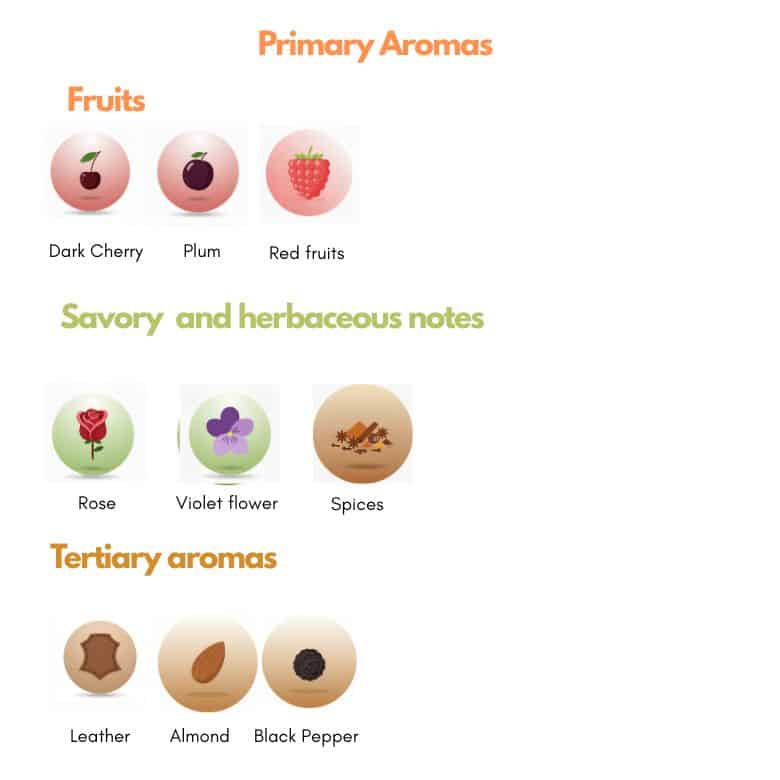
The sensory experience of Canaiolo is a study in balance. The palate is dominated by primary notes of dark cherry and red plum, layered with a signature floral perfume of dried roses and violets. In cooler expressions, one finds savory hints of leather, bitter almond, and black pepper. Structurally, the wine is medium-to-full bodied with moderate acidity and supple, fine-grained tannins. When treated to oak or extended bottle aging, Canaiolo develops sophisticated tertiary aromas of truffle, roasted coffee, and old cedar, while maintaining its hallmark silken mouthfeel.
Winemaking and Blending Techniques for Canaiolo
Blending Partner and Role
Canaiolo’s primary claim to fame is its role as the “great softener.” It is almost always blended with Sangiovese, where its job is to add color, provide a floral aromatic lift, and—most importantly—buff away the sharp edges of Sangiovese’s aggressive tannins.
The Use of Oak and Stylistic Spectrum
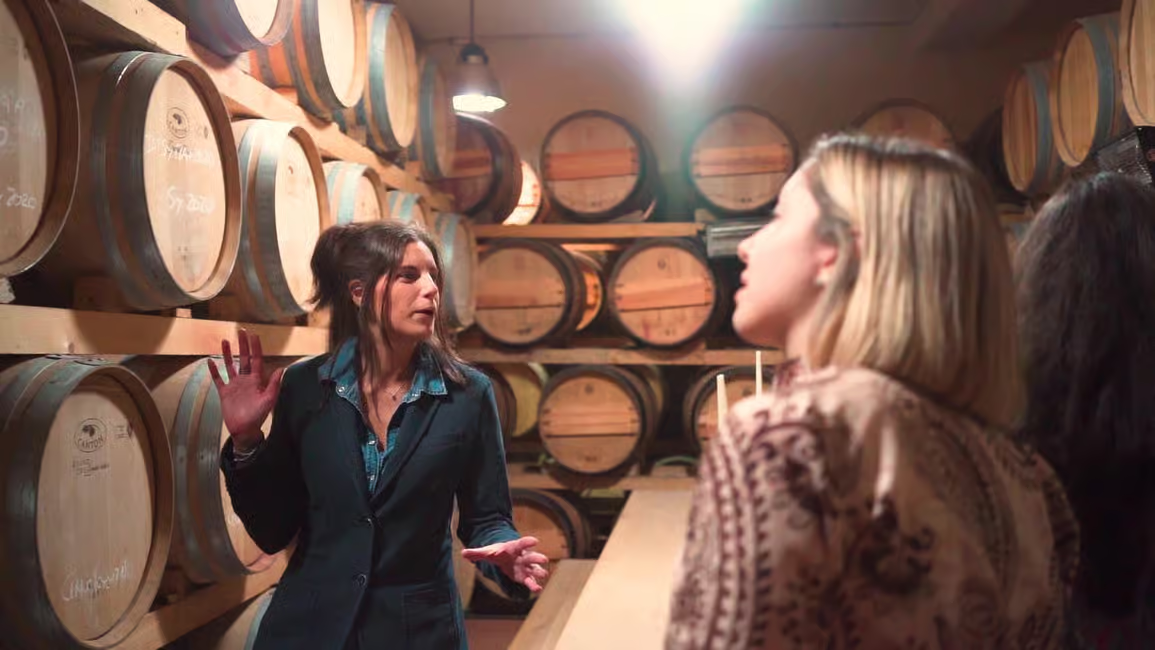
Traditional winemakers often use large, neutral Slavonian oak casks (botti) to allow the grape’s delicate floral aromatics to shine without being overwhelmed by wood. This Traditional Style emphasizes earthiness and longevity. Conversely, a modern International Style has emerged where Canaiolo is aged in small French barriques, resulting in a more concentrated, chocolatey wine with toasted vanilla notes that appeal to a global palate.
Regions for Canaiolo The Tuscan Heartland and Beyond

Italy (Chianti Classico): The Historical Heart. This is the prestige zone where Canaiolo is essential to the “Chianti Recipe,” providing the velvet texture that defines the region’s top-tier Riservas.
Italy (Vino Nobile di Montepulciano): The Noble Ally. Here, Canaiolo plays a significant role alongside Prugnolo Gentile (Sangiovese), contributing to the wine’s famous perfume and structural harmony.
Australia (McLaren Vale): The New World Frontier. A few adventurous producers are experimenting with Canaiolo in Mediterranean-like climates, producing fruit-forward, varietal versions that showcase its potential outside Italy.
Italy (Umbria – Torgiano): The Elegant Alternative. Often blended with Sangiovese in this neighboring region to create reds that are noted for their exceptional balance and spicy complexity.
Food pairing and service The Versatile Aristocrat
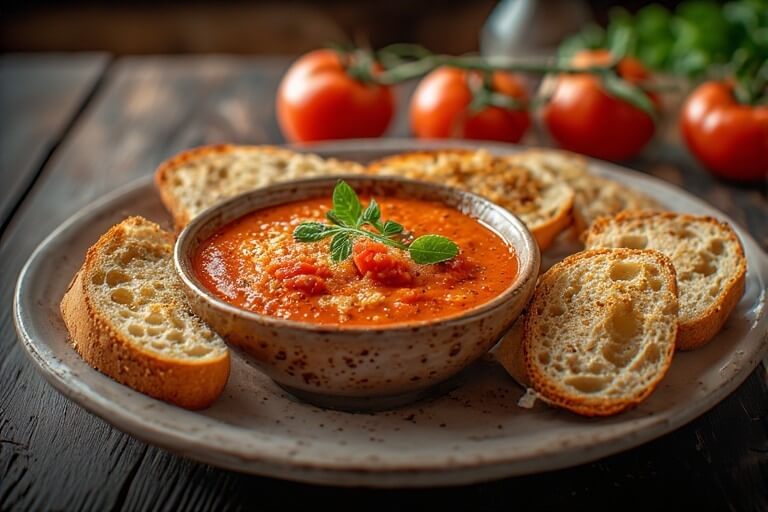
Pappa al Pomodoro and other “poor’s dishes ” and Canaiolo soft tannins are good friends
Ideal Food Pairings Canaiolo’s distinctive soft texture and aromatic complexity make it exceptionally food-friendly, particularly with the savory “land” flavors of Central Italy. The key to a successful pairing is matching the wine’s medium-bodied elegance with dishes that offer earthy depth or moderate richness.
Red Meats and Game: Canaiolo is a natural partner for classic Tuscan preparations. Its supple tannins are a stunning match for Bistecca alla Fiorentina (Florentine steak) or wild boar ragu over pappardelle. The wine’s dark cherry fruit complements the gaminess of the meat, while its acidity cuts through the richness of a slow-cooked sauce.
Savory First Courses: Traditional “poor” dishes (cucina povera) like Pappa al Pomodoro (tomato and bread soup) or Ribollita find a soothing companion in Canaiolo. Its soft tannins do not clash with the acidity of cooked tomatoes, and its herbal undertones harmonize with kale and white beans.
Cheese Pairings: For a perfect cheese board, select Pecorino Toscano or a medium-aged Gruyère. The wine’s fruitiness offsets the saltiness of the sheep’s milk cheese, while its velvety texture aligns with the creaminess of the cheese.
Vegetarian Opportunities: Mushroom-based dishes, such as porcini risotto or truffle-topped tagliolini, highlight the grape’s earthy and floral side. The natural umami of mushrooms is a perfect “bridge” ingredient for Canaiolo’s savory profile.
Avoidances: Avoid pairing Canaiolo with highly acidic citrus sauces or extremely fiery spices, which can strip the wine of its delicate floral aromatics and make the finish feel thin.
B. Service Temperature To optimize food compatibility and showcase its perfume, serve Canaiolo at 16°C to 18°C (60°F–64°F).
C. Decanting While young varietal Canaiolo is approachable immediately, high-end blends and older examples benefit from 30 to 45 minutes of decanting to allow the primary fruit and secondary leather notes to fully integrate.
Challenges & Future Outlook
Canaiolo recently faced a crisis of identity, nearly being phased out in favor of “international” grapes like Merlot. However, as climate change leads to hotter summers, winemakers are rediscovering Canaiolo’s ability to maintain elegance and freshness in the heat. There is a burgeoning “flight to quality” as producers move away from bulk blending and toward artisanal, varietal Canaiolo that celebrates its unique Tuscan soul.
Ready to Dive into the World of Canaiolo? Discover Our Tours! Don't just read about Canaiolo. come and taste the soul of Tuscany!
Canaiolo Nero is far more than just a supporting actor; it is the secret ingredient that lends grace and perfume to Italy’s greatest wines. Whether enjoyed as a rare varietal bottling or in its classic role within a Chianti Classico, it offers a drinking experience defined by harmony and heritage. Come and taste the velvet—explore a bottle of Canaiolo today!