Table of Contents
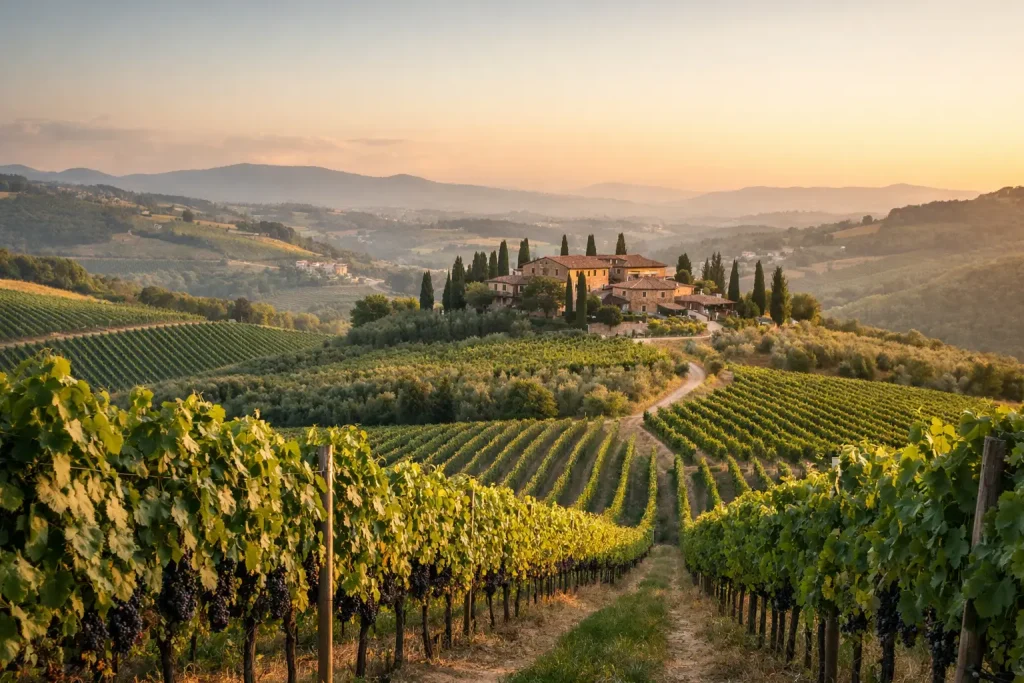
For centuries, food and wine have evolved together across Southern Europe, forming one of the world’s most enduring culinary partnerships. In Portugal, Spain, Italy and Greece, wine has never been considered an isolated luxury or a drink reserved for special occasions. Instead, it has traditionally accompanied everyday meals, reflecting the landscapes, climates and agricultural traditions that produced both the food on the table and the wine in the glass. This intimate relationship between local cuisine and local vineyards has shaped a pairing philosophy that remains remarkably relevant today.
Unlike modern food and wine pairing methods that often rely on complex tasting charts or technical rules, Mediterranean traditions were built through generations of practical experience. Farmers, fishermen, shepherds and winemakers naturally consumed the products available within their own regions, discovering over centuries which combinations created the most harmonious flavours. The result is a culinary heritage where wines rarely compete with food; instead, they enhance freshness, balance richness, complement regional ingredients and create a seamless dining experience.
The diversity of Southern Europe makes this relationship particularly fascinating. Atlantic seafood in northern Portugal finds its natural partner in crisp, high-acidity white wines. The rich olive oil-based cuisine of Spain is elevated by everything from vibrant Albariño to elegant Rioja reds. Italy’s extraordinary regional gastronomy has given rise to countless classic pairings, where native grape varieties complement local cheeses, pasta dishes and cured meats. In Greece, mineral-driven island wines and aromatic mainland varieties perfectly accompany mezze, grilled seafood, lamb and traditional village cuisine. Although each country has developed its own culinary identity, they all share the same Mediterranean principle: wines and foods that originate from the same place often achieve the greatest harmony.
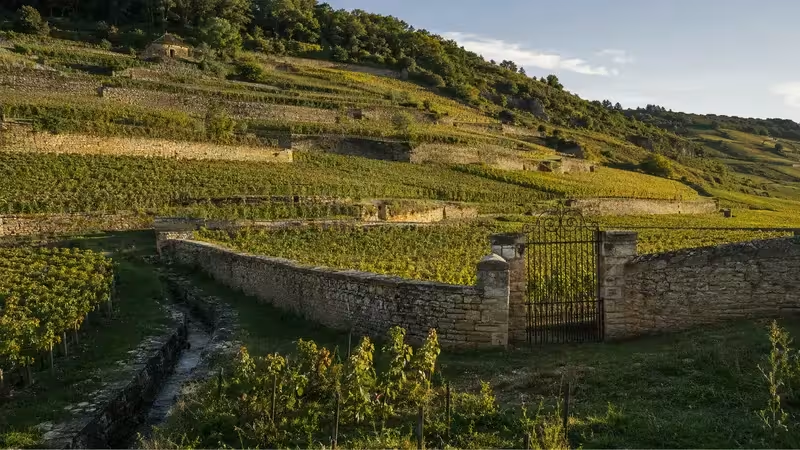
This philosophy is deeply rooted in the concept of terroir. Climate, soils, native grape varieties and traditional agricultural practices influence not only the style of local wines but also the ingredients available to regional cuisines. Coastal regions naturally favour lighter wines that complement seafood, while mountainous inland areas often produce structured reds suited to hearty meat dishes and aged cheeses. Rather than relying on universal pairing rules, Mediterranean food culture demonstrates how geography itself creates naturally balanced combinations.
At the same time, Mediterranean wine pairing is not governed by rigid traditions. Across Southern Europe, meals are designed to encourage conversation, generosity and shared enjoyment rather than strict adherence to formal etiquette. Families frequently adapt wine choices according to the season, local availability and personal preference, recognising that successful pairings depend as much on context and conviviality as they do on technical precision. This flexible approach has allowed Mediterranean cuisine to evolve while preserving its essential character.
Today, these traditions continue to inspire both professional sommeliers and home cooks around the world. As interest grows in regional cuisines, indigenous grape varieties and authentic food experiences, Southern Europe’s pairing philosophy offers timeless lessons based on simplicity, freshness and respect for local products. Rather than seeking perfection through complexity, Mediterranean wine culture reminds us that some of the world’s greatest food and wine pairings emerge naturally when both originate from the same landscape and are enjoyed around the same table.
This guide explores the principles behind Southern Europe’s most successful food and wine pairings, from the regional traditions of Portugal, Spain, Italy and Greece to the broader Mediterranean philosophy that continues to influence dining culture across the world.
The Mediterranean Principle: What Grows Together Goes Together
Among the countless rules proposed for food and wine pairing, few have stood the test of time as successfully as one simple Mediterranean principle: what grows together naturally goes together. Across Southern Europe, local cuisines and regional wines have evolved side by side for centuries, influenced by the same climate, landscapes and agricultural traditions. Rather than being created independently and matched later, they developed together, gradually forming combinations that reflect the natural balance of each region.
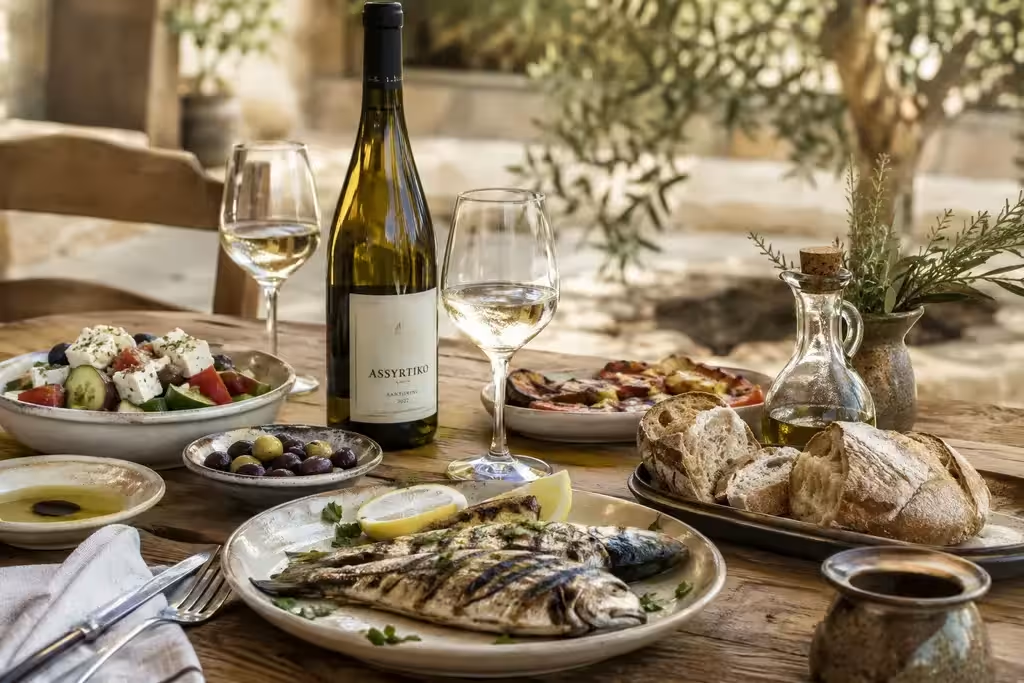
This principle explains why some of the world’s most iconic pairings appear remarkably simple. Fresh Atlantic seafood served along Portugal’s northern coast naturally complements the vibrant acidity of local Vinho Verde wines. In Spain, grilled lamb pairs effortlessly with Tempranillo from nearby inland vineyards, while Albariño perfectly echoes the freshness of Galician shellfish. Across Italy, Sangiovese accompanies tomato-based dishes with remarkable harmony because both ingredients share similar levels of acidity and have evolved within the same culinary tradition. On the Greek islands, mineral-driven Assyrtiko enhances grilled fish, octopus and local cheeses, reflecting the maritime environment that shapes both the cuisine and the vineyards.
The success of these combinations is not accidental. Regional wines are products of the same environmental conditions that determine local agriculture. Mediterranean sunshine, seasonal rainfall, limestone or volcanic soils, sea breezes and native vegetation influence not only grape varieties but also olive oil production, vegetable cultivation, livestock farming and fishing traditions. As a result, local wines naturally complement the flavours, textures and intensity of the foods produced within the same landscape.
Acidity is one of the most important elements behind this harmony. Mediterranean cuisine frequently relies on ingredients such as tomatoes, citrus fruits, olives, fresh herbs and vegetables, all of which contribute brightness and freshness to the plate. Wines produced in these regions often retain lively natural acidity despite the warm climate, allowing them to refresh the palate, balance rich olive oil, cut through fatty fish or cured meats and enhance delicate seafood without overwhelming it. This balance explains why crisp white wines and elegant reds remain such versatile companions to Mediterranean cooking.
Equally important is the Mediterranean preference for balance over contrast. In many contemporary pairing approaches, dramatic flavour contrasts are sometimes encouraged to create surprising combinations. Traditional Mediterranean cuisine generally follows a different philosophy. Wines are selected to complement rather than dominate, supporting the character of the dish instead of competing with it. Delicate seafood is paired with fresh mineral whites rather than heavily oaked wines, while robust meat dishes are accompanied by structured reds whose tannins and body naturally match the richness of the food.
Native grape varieties reinforce this regional harmony. Many indigenous cultivars have evolved over centuries alongside local cuisines, adapting not only to Mediterranean climates but also to traditional cooking methods and ingredients. Portugal’s Arinto and Alvarinho complement Atlantic seafood, Spain’s Garnacha and Monastrell accompany grilled meats and hearty stews, Italy’s Nebbiolo and Sangiovese shine alongside regional pasta and meat dishes, while Greece’s Assyrtiko, Xinomavro and Agiorgitiko perfectly suit the country’s seafood, lamb and mezze traditions. These combinations demonstrate how biodiversity in the vineyard contributes directly to culinary diversity at the table.
The principle also extends beyond food and wine alone. Olive oil, herbs, cheeses, cured meats, seasonal vegetables and local breads all form part of the same agricultural ecosystem that produces Mediterranean wines. Rather than viewing pairing as an isolated exercise, Southern European traditions recognise that successful combinations emerge from an entire regional food culture in which producers, farmers, fishermen and winemakers have shared the same landscapes for generations.
Today, this philosophy continues to guide both everyday meals and fine dining throughout Southern Europe. While modern gastronomy encourages experimentation and global influences, the enduring wisdom of pairing local wines with local cuisine remains one of the simplest and most reliable ways to create balanced, authentic and memorable dining experiences. It is a principle shaped not by theory, but by centuries of observation, tradition and an intimate understanding of how landscape influences both the vineyard and the table.
Understanding Mediterranean Flavours
Successful food and wine pairing begins with understanding flavour rather than following rigid rules. Mediterranean cuisine is built upon a remarkably consistent set of ingredients and cooking techniques that have shaped regional wines for centuries. Olive oil, fresh herbs, seasonal vegetables, seafood, grilled meats, hard cheeses and naturally acidic ingredients form the foundation of countless traditional dishes across Portugal, Spain, Italy and Greece. Because local wines evolved alongside these ingredients, they often possess the acidity, structure and aromatic profile needed to create naturally harmonious combinations.
Acidity is perhaps the most important characteristic of Mediterranean cuisine. Tomatoes, lemons, vinegar, citrus fruits and fresh vegetables contribute brightness and freshness to many traditional recipes, while olive oil adds richness without excessive heaviness. Wines with lively natural acidity mirror these flavours, cleansing the palate between bites and preserving the freshness of the meal. This explains why crisp whites such as Alvarinho, Albariño, Assyrtiko or Verdicchio pair so effortlessly with seafood, salads and vegetable-based dishes, while vibrant reds like Sangiovese or Xinomavro complement tomato sauces without losing balance.
Olive oil plays an equally important role. Unlike butter-based cuisines found elsewhere in Europe, Mediterranean cooking relies heavily on extra virgin olive oil, which provides texture, richness and aromatic complexity. Rather than overpowering delicate wines, olive oil generally favours wines with freshness, moderate alcohol and expressive fruit. This natural balance allows local wines to complement grilled vegetables, seafood and simple pasta dishes without dominating the flavours of the food.
Fresh herbs further define the Mediterranean palate. Rosemary, thyme, oregano, sage, basil, bay leaves and wild mountain herbs contribute aromatic intensity while maintaining freshness. Wines produced from indigenous grape varieties often display complementary herbal, floral or mineral characteristics, allowing them to integrate seamlessly with herb-driven cuisine. Instead of masking these aromas, regional wines tend to echo and reinforce them, creating pairings that feel balanced and authentic.
Seafood occupies a central place throughout much of Southern Europe, particularly along the Atlantic and Mediterranean coastlines. Oysters, sardines, anchovies, octopus, shellfish and a wide variety of grilled fish are staples of regional cuisine. These dishes generally require wines with bright acidity, moderate alcohol and pronounced minerality rather than excessive oak or heavy tannins. As a result, coastal white wines have developed a reputation for pairing naturally with seafood, reflecting the maritime environments from which both the wines and the dishes originate.
Red meats and slow-cooked dishes introduce a different dimension to Mediterranean pairing. Lamb, beef, wild game and hearty stews demand wines with greater structure, tannin and concentration. Here, native red varieties such as Tempranillo, Nebbiolo, Aglianico, Touriga Nacional and Agiorgitiko demonstrate why local pairings have endured for centuries. Their tannins soften alongside protein-rich dishes, while their acidity preserves freshness and prevents rich flavours from becoming overwhelming.
Cheese also illustrates the remarkable diversity of Mediterranean pairing traditions. Fresh cheeses such as mozzarella, burrata and young goat’s cheese typically pair well with crisp whites or delicate rosés, while aged sheep’s milk cheeses like Pecorino, Manchego or Graviera benefit from more structured reds capable of matching their intensity. Rather than following universal rules based solely on texture or age, Mediterranean pairings often reflect local traditions, with regional cheeses naturally accompanying wines produced just a few kilometres away.
Seasonality remains another defining principle. Mediterranean cuisine changes throughout the year, and so do the wines traditionally served with it. Spring brings lighter dishes featuring vegetables and fresh herbs, often accompanied by young white or rosé wines. Summer favours seafood, grilled vegetables and refreshing wines with vibrant acidity. Autumn introduces mushrooms, game and harvest cuisine that pairs beautifully with elegant reds, while winter calls for richer stews, roasted meats and more structured wines capable of complementing heartier flavours. This seasonal rhythm reinforces the close relationship between agriculture, climate and wine that defines Mediterranean food culture.
Ultimately, Mediterranean flavours demonstrate that great food and wine pairing is rarely about complexity. Instead, it is built upon balance, freshness and respect for local ingredients. Wines are chosen to enhance the natural character of a dish rather than overshadow it, allowing regional cuisine and regional vineyards to express the same landscape through different forms. This philosophy explains why Mediterranean food and wine pairings continue to be regarded as some of the most harmonious and enduring culinary traditions in the world.
Portugal: Atlantic Freshness and Authentic Pairings
Portugal’s cuisine reflects the country’s extraordinary geographical diversity, stretching from the cool Atlantic coastline to the warm plains of the Alentejo and the dramatic terraces of the Douro Valley. Seafood, olive oil, fresh herbs, cured meats and slow-cooked dishes all play central roles in Portuguese gastronomy, creating a culinary tradition where local wines have evolved naturally alongside regional ingredients. Rather than relying on elaborate pairing rules, Portuguese food and wine culture follows a simple philosophy: each region’s wines are designed to accompany the foods traditionally produced within the same landscape.
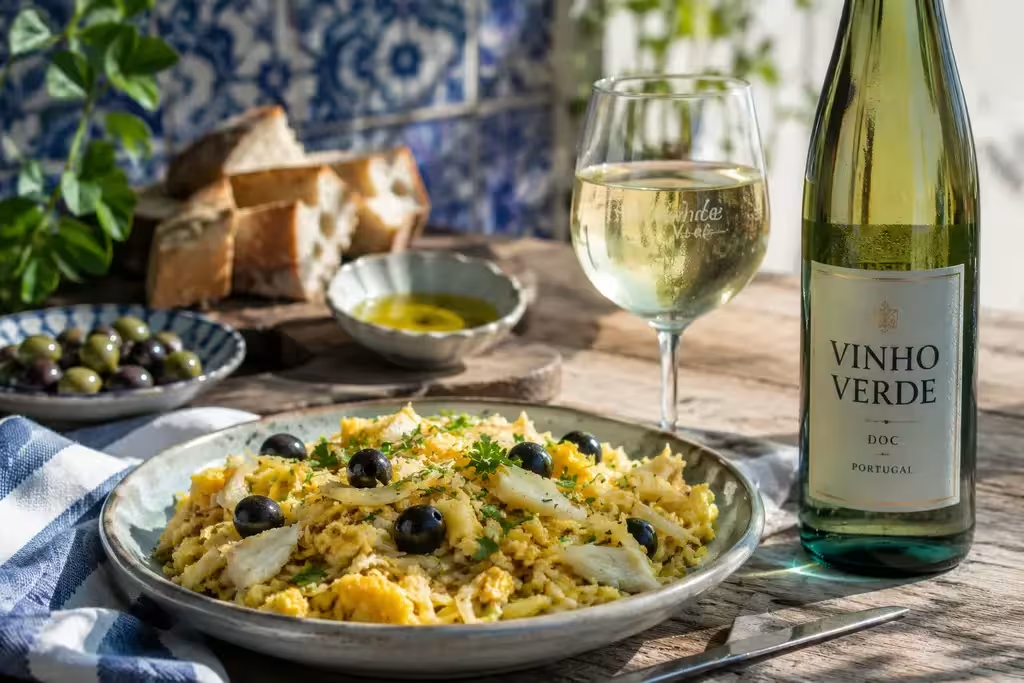
Along the Atlantic coast, seafood dominates the table. Fresh oysters, clams, grilled sardines, octopus, cod and shellfish require wines with lively acidity, moderate alcohol and pronounced freshness. This explains why Vinho Verde, particularly those made from Alvarinho or Loureiro, has become one of Portugal’s most versatile food wines. Their citrus-driven character, vibrant acidity and subtle mineral notes enhance delicate seafood without masking its natural flavours, while also balancing the richness of olive oil commonly used in Portuguese cooking.
Perhaps no dish is more closely associated with Portuguese identity than bacalhau, the country’s famous salt cod. Prepared in hundreds of traditional recipes, bacalhau presents an interesting pairing challenge because its texture and saltiness vary considerably depending on the preparation. Light versions accompanied by potatoes and olive oil pair beautifully with fresh whites such as Arinto or Encruzado, whose crisp acidity refreshes the palate. Richer baked or cream-based recipes can support more structured white wines from the Dão or Douro, whose texture complements the dish while maintaining balance.
Moving inland, Portugal’s cuisine becomes heartier. Roast lamb, pork dishes, game and traditional slow-cooked stews call for wines with greater body and structure. Here, the powerful red blends of the Douro and the elegant wines of the Dão demonstrate why native grape varieties have become so closely linked to regional gastronomy. Grapes such as Touriga Nacional, Touriga Franca, Tinta Roriz and Alfrocheiro produce wines whose balanced tannins and vibrant acidity complement roasted meats without overwhelming their flavours. Their freshness remains one of the defining characteristics of Portuguese reds, making them remarkably food-friendly despite their concentration.
The warm plains of the Alentejo offer another expression of Mediterranean pairing. Traditional dishes featuring black pork, grilled meats, aromatic herbs and slow-cooked casseroles naturally accompany the region’s generous red wines, often produced from Trincadeira, Aragonez and Alicante Bouschet alongside indigenous Portuguese varieties. These wines possess ripe fruit and rounded tannins while retaining sufficient freshness to balance the richness of local cuisine. At the same time, Alentejo’s increasingly refined white wines pair beautifully with grilled vegetables, soft cheeses and lighter summer dishes.
Portugal’s extensive coastline also encourages pairings with canned fish, one of the country’s most distinctive culinary traditions. High-quality sardines, mackerel and tuna preserved in olive oil develop remarkable complexity and pair exceptionally well with mineral white wines or even lighter reds served slightly chilled. These combinations illustrate how Portuguese wine culture values freshness and balance over rigid conventions, allowing both wines and food to express their regional origins.
Cheese provides further opportunities for classic Portuguese pairings. Soft sheep’s milk cheeses from the Serra da Estrela region complement textured whites and elegant reds from nearby vineyards, while firmer cheeses pair comfortably with mature Douro or Dão wines. Once again, the most successful combinations often arise because both products share the same geographical and cultural environment rather than following universal pairing formulas.
Ultimately, Portuguese food and wine pairing reflects the country’s remarkable diversity of climates, landscapes and native grape varieties. Whether enjoying Atlantic seafood with a refreshing Vinho Verde, roast lamb alongside a structured Douro red or traditional Alentejo cuisine with the region’s generous wines, the guiding principle remains unchanged: local wines have evolved to accompany local food. This natural harmony between vineyard and table continues to define Portuguese gastronomy and offers one of the finest examples of the broader Mediterranean philosophy that what grows together, truly goes together.
Spain: Bold Regional Cuisine and Remarkable Wine Diversity
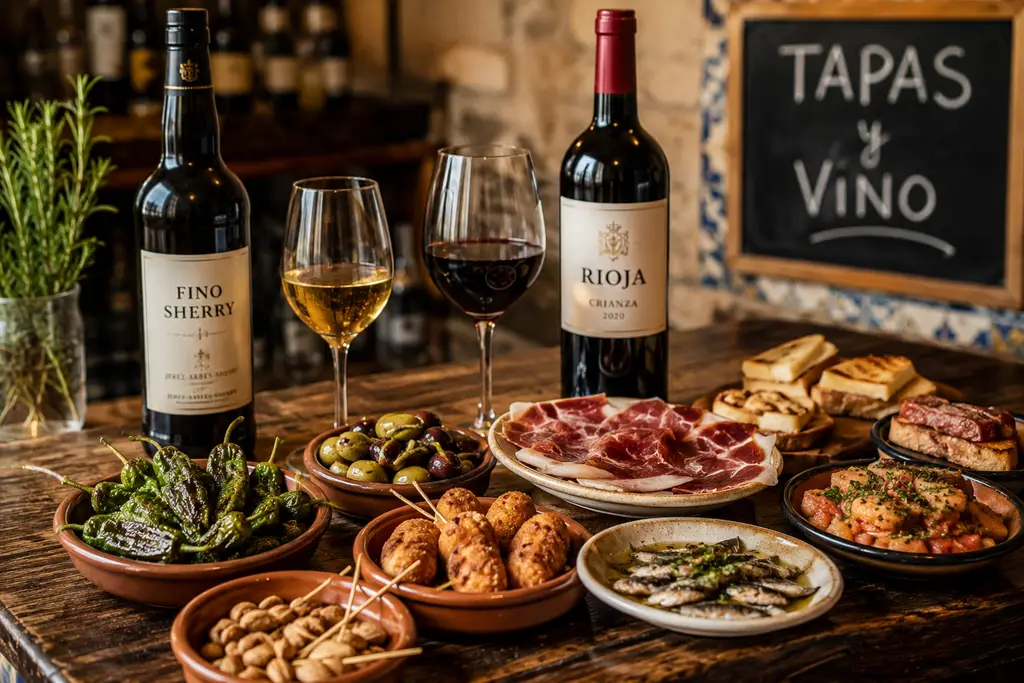
Spain offers one of Europe’s richest food and wine traditions, where regional identity is expressed as clearly on the plate as it is in the vineyard. From the seafood of Galicia to the roast lamb of Castilla y León, the rice dishes of Valencia and the tapas culture of Andalusia, Spanish cuisine reflects an extraordinary diversity of landscapes and local ingredients. Equally diverse are the country’s wines, whose indigenous grape varieties have evolved alongside regional cooking for centuries. As in the rest of Southern Europe, Spain’s greatest food and wine pairings are rarely accidental—they are the result of generations of local experience and a deep connection between vineyards and regional gastronomy.
Along Spain’s Atlantic coast, seafood dominates everyday cuisine. Galicia is renowned for oysters, mussels, scallops, octopus (pulpo a la gallega) and an exceptional variety of shellfish harvested from the cold Atlantic waters. These delicate, mineral-driven dishes naturally pair with Albariño, whose vibrant acidity, citrus aromas and saline character mirror the freshness of the ocean. Other indigenous white varieties such as Godello and Treixadura also excel with grilled fish and shellfish, offering greater texture while preserving the balance that defines northwestern Spanish cuisine.
Moving inland, the wines of Rioja and Ribera del Duero demonstrate why Tempranillo has become Spain’s flagship food wine. Its moderate acidity, refined tannins and savoury fruit profile allow it to accompany an impressive range of dishes, from grilled lamb and roasted pork to cured sausages and aged cheeses. Unlike heavily extracted international reds, traditional Tempranillo rarely dominates the meal. Instead, it complements roasted flavours, herbs and slow-cooked meats with remarkable elegance, making it one of the world’s most versatile gastronomic wines.
The Mediterranean regions of eastern Spain introduce another dimension to food pairing. Paella, perhaps Spain’s most internationally recognised dish, illustrates how different ingredients require different wines. Seafood paella pairs beautifully with crisp whites such as Albariño or Verdejo, while mixed or meat-based versions can comfortably accompany lighter Garnacha reds or fresh Spanish rosés. The objective is always to preserve balance, allowing saffron, olive oil and the natural sweetness of rice to remain at the centre of the dining experience.
In Priorat and other mountainous areas of Catalonia, more structured cuisine calls for wines with greater concentration. Slow-cooked lamb, grilled meats and mushroom-based dishes naturally complement the depth of Garnacha and Cariñena, whose ripe fruit, mineral character and firm structure reflect the rugged slate soils from which they originate. These wines possess sufficient power to match hearty Mediterranean cooking while maintaining the freshness that characterises Spain’s finest indigenous varieties.
Southern Spain offers a completely different pairing tradition through the wines of Jerez. Dry Fino and Manzanilla Sherry rank among the world’s greatest food wines, despite often being overlooked outside Spain. Their distinctive saline character, biological ageing and remarkable freshness make them exceptional partners for olives, almonds, Iberian ham, fried seafood and countless tapas. Richer styles such as Amontillado, Oloroso and Pedro Ximénez expand the possibilities further, pairing effortlessly with roasted meats, mature cheeses or desserts depending on their level of sweetness and oxidative ageing.
Tapas culture itself reflects one of Spain’s most important contributions to Mediterranean food and wine pairing. Rather than centring the meal around a single dish, tapas encourage a succession of small plates featuring seafood, vegetables, cured meats, cheeses and grilled specialities. This style of dining naturally invites the exploration of multiple wines throughout the meal, highlighting the diversity of Spain’s indigenous grape varieties and regional wine styles. It also reinforces the Mediterranean philosophy that wine should accompany conversation and shared experiences rather than dominate the table.
Spain’s remarkable range of cheeses further demonstrates the importance of regional pairing traditions. Creamy goat’s cheeses pair naturally with crisp whites, while aged Manchego develops greater complexity alongside mature Tempranillo or Garnacha. Blue cheeses from northern Spain can be beautifully complemented by naturally sweet wines or oxidatively aged Sherries, illustrating how local products often achieve their greatest harmony when enjoyed together.
Ultimately, Spanish food and wine pairing reflects the country’s extraordinary geographical diversity and its deep respect for regional identity. Whether enjoying Galician seafood with Albariño, roast lamb with Rioja, tapas with Fino Sherry or Catalan cuisine with Priorat, the guiding principle remains consistent: local wines express the same landscapes, climates and traditions as the food they accompany. This enduring relationship between vineyard and table continues to make Spain one of the world’s most rewarding destinations for food and wine lovers.
Italy: Regional Cuisine Meets Native Grape Diversity
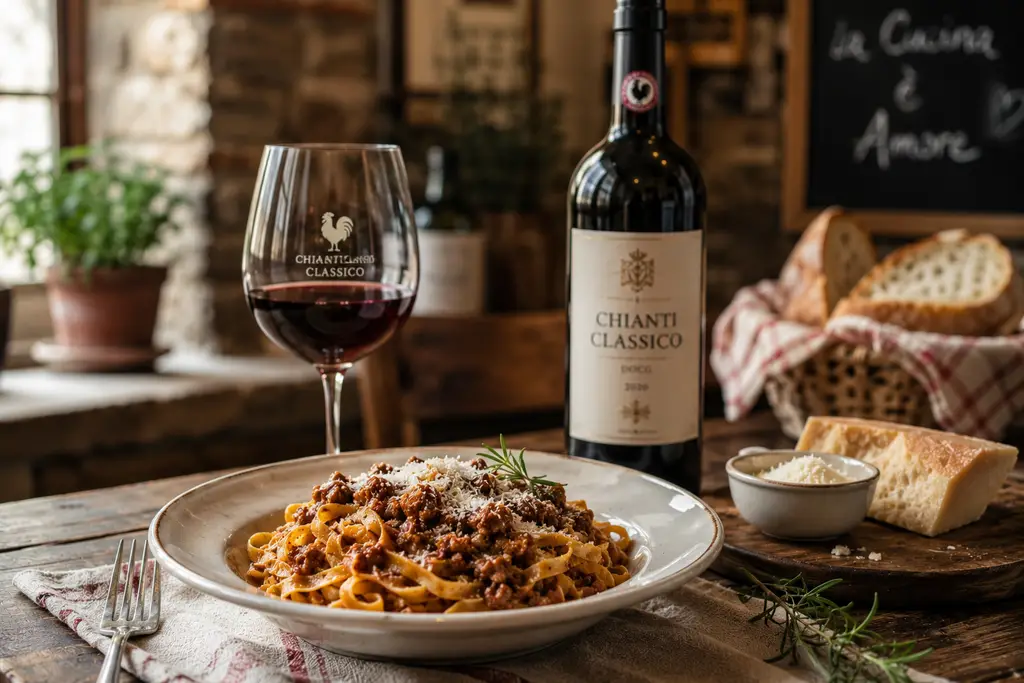
No country illustrates the relationship between food and wine more naturally than Italy. Home to hundreds of indigenous grape varieties and one of the world’s most diverse regional cuisines, Italy has developed an extraordinary pairing culture where local wines rarely exist independently from local food. From the Alpine valleys of the north to the volcanic landscapes of Sicily, each region has shaped its own culinary traditions, native grape varieties and winemaking practices. The result is a remarkable mosaic of regional pairings that demonstrates the Mediterranean principle at its finest: wines and foods originating from the same landscape almost always achieve the greatest harmony.
Northern Italy is renowned for rich, comforting cuisine influenced by cooler climates and mountain agriculture. Creamy risottos, fresh pasta, mushrooms, game and slow-cooked meats dominate regional menus, particularly in Piedmont and Lombardy. Here, Nebbiolo reaches its highest expression, producing wines whose vibrant acidity and refined tannins beautifully complement protein-rich dishes without overwhelming delicate flavours. Classic combinations such as Barolo with braised beef, Barbaresco with truffle dishes, or Barbera with mushroom risotto have become benchmarks of regional gastronomy because the wines provide freshness while enhancing earthy, savoury ingredients.
The hills of Tuscany offer perhaps the world’s best-known example of regional food and wine harmony. Traditional Tuscan cooking is deliberately simple, relying on olive oil, grilled meats, beans, pecorino cheese and tomato-based dishes that highlight the quality of local ingredients rather than elaborate preparation. Sangiovese, the region’s flagship grape, possesses naturally high acidity and moderate tannins, making it exceptionally versatile at the table. Its ability to complement tomato sauces, roasted meats, cured pork and aged cheeses explains why Chianti Classico has become one of the most food-friendly wines in the world. Rather than dominating the meal, it enhances the freshness and savoury character that define Tuscan cuisine.
Further northeast, the Veneto demonstrates how versatility shapes Italian pairing traditions. The light, cherry-driven character of Corvina, the principal grape of Valpolicella, pairs comfortably with pasta, poultry and grilled vegetables, while the fuller-bodied wines of Amarone complement slow-cooked meats and mature cheeses. Nearby, the mineral freshness of Garganega from Soave makes it an outstanding companion to freshwater fish, seafood and delicate risottos. Even Prosecco, produced primarily from Glera, plays an important gastronomic role, accompanying antipasti, cured meats and lighter Mediterranean dishes rather than serving only as an aperitif.
Southern Italy introduces warmer climates and bolder flavours. In Campania, volcanic soils produce distinctive wines from Aglianico, Fiano, Greco and Falanghina, each perfectly suited to the region’s cuisine. Aglianico’s firm structure complements grilled lamb, wild game and slow-cooked meats, while Fiano and Greco provide the freshness needed for seafood, buffalo mozzarella and vegetable-based dishes. These wines illustrate how Mediterranean acidity remains essential even in warmer climates, ensuring balance alongside olive oil, herbs and sun-ripened vegetables.
Sicily presents another fascinating expression of regional pairing. Surrounded by the Mediterranean Sea and influenced by volcanic soils, the island combines fresh seafood with rich vegetable dishes, citrus fruits and aromatic herbs. Carricante, grown on the slopes of Mount Etna, pairs beautifully with grilled fish, shellfish and octopus thanks to its saline minerality and vibrant acidity. Meanwhile, Nero d’Avola complements roasted meats, aubergine dishes and aged cheeses, while Nerello Mascalese offers an elegant partner for mushroom-based recipes, grilled tuna and Mediterranean lamb. The diversity of Sicily’s cuisine reflects the remarkable adaptability of its indigenous grape varieties.
Italian cheese traditions further reinforce the country’s regional pairing philosophy. Fresh mozzarella naturally accompanies crisp white wines, while aged Parmigiano Reggiano, Pecorino, Taleggio and Gorgonzola each find harmonious partners among Italy’s vast range of native wines. Rather than relying on universal pairing rules, Italians have traditionally enjoyed regional cheeses with wines produced nearby, allowing centuries of local culinary evolution to determine the most successful combinations.
Perhaps the greatest lesson offered by Italian food and wine pairing is its respect for simplicity. The finest combinations rarely depend on expensive ingredients or elaborate recipes. Instead, they arise from the natural compatibility between local wines, seasonal produce and regional traditions. Whether enjoying fresh pasta with Chianti in Tuscany, risotto with Barbera in Piedmont, seafood with Soave in Veneto or grilled fish with Etna Bianco in Sicily, Italian gastronomy demonstrates that exceptional pairings are often the result of shared geography rather than complex theory. It is this deep connection between vineyard, landscape and cuisine that has made Italy one of the world’s enduring references for food and wine harmony.
Greece: Freshness, Simplicity and the Flavours of the Aegean
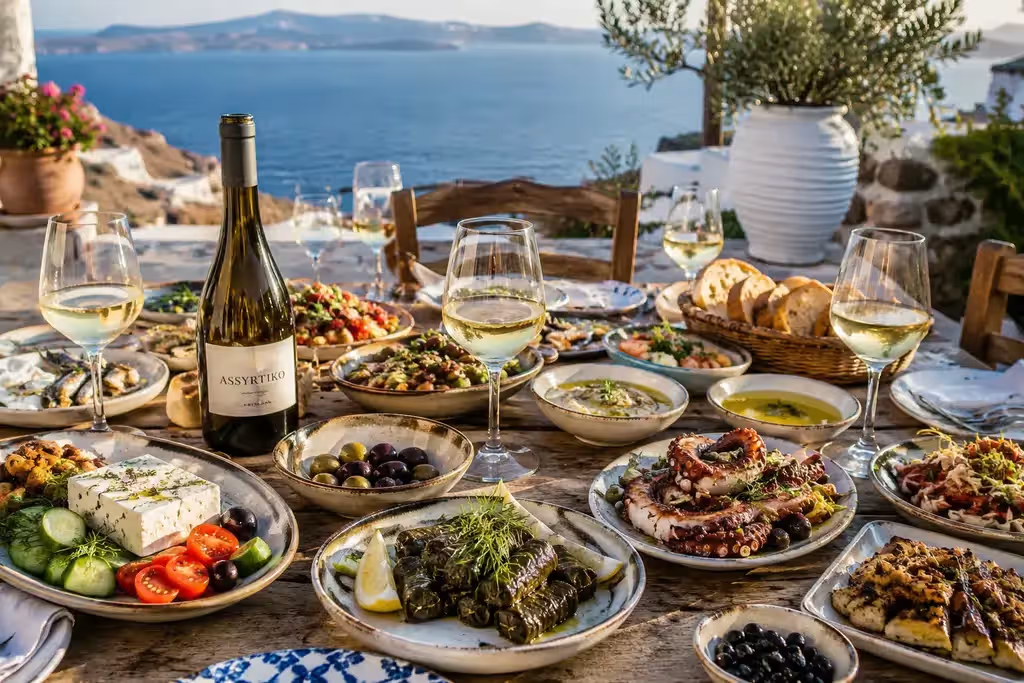
Greek cuisine is inseparable from the landscapes that surround it. Shaped by thousands of islands, rugged mountains and one of the world’s longest coastlines, it celebrates simplicity, freshness and seasonal ingredients rather than elaborate preparation. Olive oil, wild herbs, lemons, vegetables, seafood, lamb and sheep’s milk cheeses form the foundation of traditional Greek cooking, while indigenous grape varieties have evolved to complement these distinctive flavours over centuries. As elsewhere in Southern Europe, Greece demonstrates that the finest food and wine pairings emerge naturally when local wines and local cuisine share the same environment.
Seafood lies at the heart of many Greek regional cuisines, particularly across the Aegean Islands and coastal mainland. Grilled octopus, fresh sea bass, sardines, squid, shrimp and shellfish require wines that preserve freshness without overpowering delicate marine flavours. Few wines achieve this balance better than Assyrtiko, Greece’s flagship white variety. Renowned for its vibrant acidity, saline minerality and citrus-driven profile, Assyrtiko pairs effortlessly with grilled fish, oysters, octopus and traditional seafood mezze. Its natural freshness reflects the volcanic and maritime environments from which it originates, making it one of the Mediterranean’s finest seafood wines.
Greek mezze provide another excellent example of Mediterranean pairing philosophy. Rather than focusing on a single main course, meals often begin with a colourful selection of small dishes including olives, tzatziki, dolmades, grilled vegetables, fava, seafood, cheeses and cured meats. This variety encourages wines that are versatile, aromatic and refreshing. Moschofilero, with its floral aromas and crisp acidity, complements herb-based dishes and fresh cheeses beautifully, while Malagousia offers slightly richer fruit and floral notes that work exceptionally well with grilled vegetables, white meats and Mediterranean herbs.
Lamb occupies a central place in Greek gastronomy, particularly during religious celebrations and family gatherings. Whether slow-roasted with oregano, cooked over charcoal or baked with herbs and vegetables, these dishes naturally require wines with structure, freshness and moderate tannins. Agiorgitiko, the signature red grape of Nemea, has long been regarded as one of Greece’s most versatile food wines. Its ripe red fruit, soft tannins and balanced acidity allow it to accompany roast lamb, grilled pork and tomato-based casseroles without overwhelming their delicate herbal character. In northern Greece, the more structured Xinomavro pairs particularly well with slow-cooked meats, mushroom dishes and aged cheeses, offering savoury complexity comparable to some of Europe’s greatest gastronomic wines.
Greek cheeses further illustrate the country’s regional pairing traditions. Fresh Feta, perhaps Greece’s most internationally recognised cheese, naturally accompanies crisp white wines whose acidity balances its salty richness. Local goat’s cheeses pair beautifully with aromatic whites, while firmer mountain cheeses develop additional complexity alongside elegant reds such as Agiorgitiko or Xinomavro. Once again, the most successful combinations often reflect local agricultural traditions rather than universal pairing rules, with wines and cheeses produced within the same region naturally complementing one another.
Vegetables play an equally important role throughout Greek cuisine. Tomatoes, aubergines, courgettes, peppers, legumes and wild greens are transformed into dishes such as moussaka, gemista, briam and countless seasonal recipes flavoured with olive oil and fresh herbs. These preparations often require wines with bright acidity rather than excessive body, allowing the freshness of the vegetables and herbs to remain at the forefront. Even richer dishes based on aubergine or tomato sauces benefit from balanced reds whose acidity mirrors the natural brightness of Mediterranean ingredients.
Desserts also reflect Greece’s unique culinary identity. Honey, almonds, walnuts, citrus fruits and aromatic spices dominate traditional pastries such as baklava and galaktoboureko. These sweet flavours pair particularly well with naturally sweet Greek wines, including Vinsanto from Santorini and Muscat wines from Samos, whose acidity prevents sweetness from becoming overwhelming while preserving remarkable freshness.
Perhaps more than any other Mediterranean country, Greece demonstrates that food and wine pairing is rooted in simplicity rather than complexity. Fresh ingredients, modest preparation and indigenous grape varieties work together to create balanced meals where wine enhances rather than dominates the dining experience. Whether sharing mezze beside the Aegean Sea, enjoying grilled octopus on a Cycladic island or gathering around a family table for roast lamb in the Peloponnese, Greek cuisine continues to express one of the oldest principles of Mediterranean gastronomy: the greatest wines are those that belong naturally to the food, the landscape and the people who created them.
Pairing by Wine Style: Choosing the Right Wine for Mediterranean Cuisin
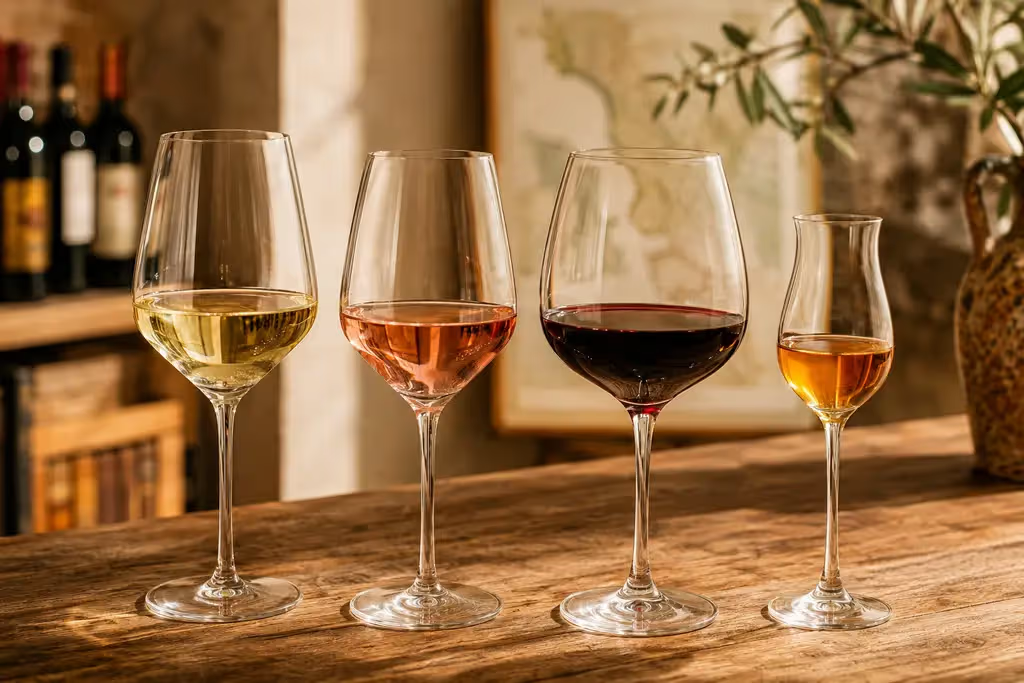
While regional traditions offer the most authentic approach to food and wine pairing, understanding wine styles provides a practical framework that can be applied across Southern Europe’s diverse cuisines. Rather than memorising hundreds of individual combinations, recognising how acidity, body, tannins, sweetness and aromatic intensity interact with food allows both beginners and experienced wine lovers to create harmonious pairings with confidence. Mediterranean wines are particularly well suited to this approach because they generally prioritise freshness, balance and food compatibility over sheer power.
Fresh White Wines
Fresh, high-acidity white wines are among the most versatile companions to Mediterranean cuisine. Their crisp structure refreshes the palate while enhancing delicate flavours without masking them.
Typical varieties include Alvarinho, Albariño, Arinto, Assyrtiko, Verdicchio, Godello and Verdejo.
They pair beautifully with:
- oysters and shellfish
- grilled fish
- octopus
- shrimp
- fresh salads
- goat’s cheese
- grilled vegetables
- sushi and sashimi
Their vibrant acidity also balances olive oil, citrus-based dressings and the natural salinity of seafood.
Aromatic White Wines
More expressive white varieties offer floral, herbal and stone-fruit aromas while retaining the freshness that characterises Mediterranean wines.
Examples include Malagousia, Moschofilero, Fiano, Encruzado and Loureiro.
Excellent pairings include:
- herb-based dishes
- Mediterranean chicken
- vegetable tarts
- soft cheeses
- mezze
- grilled courgettes
- asparagus
- light pasta dishes
These wines work particularly well when herbs such as basil, oregano, thyme or rosemary play a central role in the recipe.
Rosé Wines
Mediterranean rosés are exceptionally versatile because they combine refreshing acidity with enough fruit concentration to accompany a wide variety of dishes.
Ideal matches include:
- tapas
- charcuterie
- grilled vegetables
- Niçoise-style salads
- seafood rice
- grilled chicken
- pizza
- summer Mediterranean cuisine
Rosé performs particularly well outdoors, where its freshness complements warm weather and lighter seasonal cooking.
Light to Medium-Bodied Red Wines
Elegant reds with moderate tannins provide remarkable flexibility at the table.
Typical examples include Sangiovese, Mencía, Frappato, Corvina, Agiorgitiko and Barbera.
They pair naturally with:
- tomato-based pasta
- pizza
- roasted chicken
- grilled pork
- mushroom dishes
- Mediterranean vegetables
- semi-aged cheeses
Their lively acidity allows them to complement tomato sauces without creating unpleasant metallic flavours.
Full-Bodied Red Wines
More structured Mediterranean reds require richer dishes capable of matching their concentration and tannic structure.
Representative varieties include:
Nebbiolo
Aglianico
Touriga Nacional
Tempranillo
Xinomavro
Monastrell
Classic pairings include:
- grilled lamb
- beef steaks
- wild game
- braised meats
- slow-cooked stews
- mature cheeses
- truffle dishes
Protein softens tannins naturally, creating some of the Mediterranean’s most iconic gastronomic combinations.
Sparkling Wines
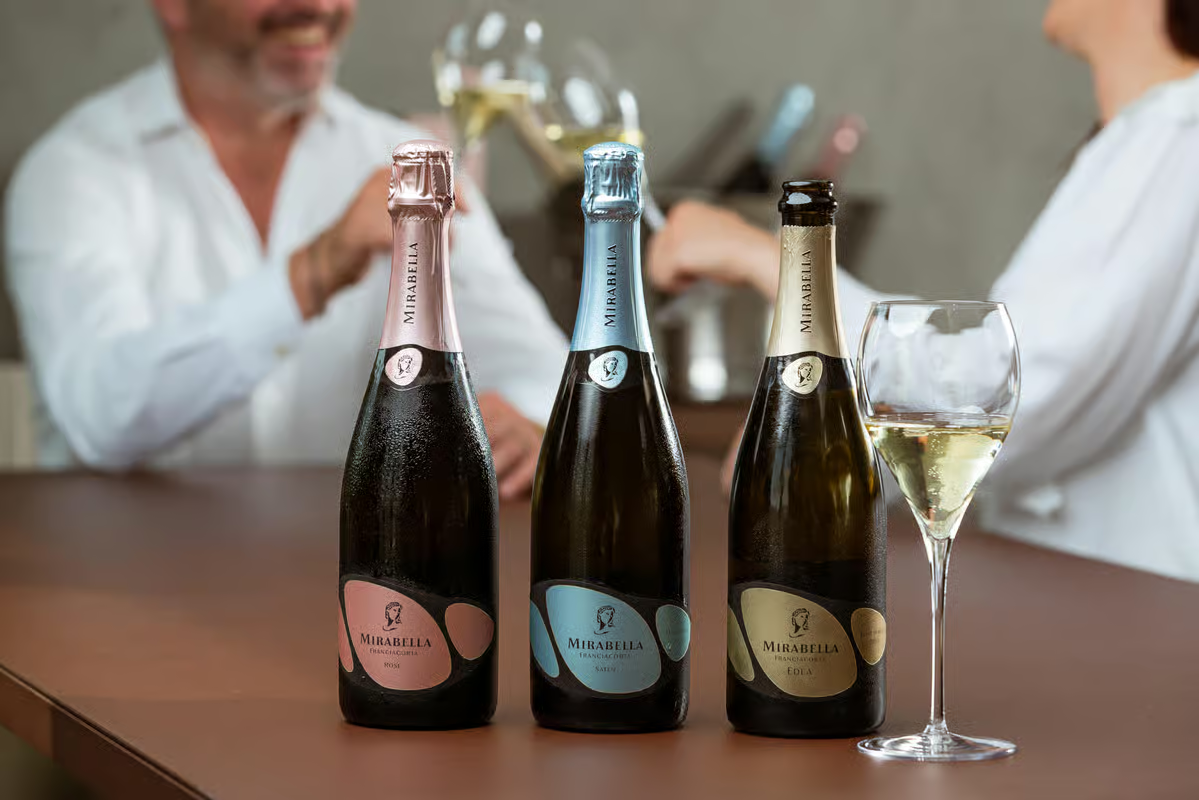
Sparkling wines are often underestimated as food wines, yet they are among the most adaptable.
Examples include:
- Prosecco
- Cava
- traditional-method sparkling wines
Their acidity and bubbles cleanse the palate, making them ideal with:
- fried seafood
- oysters
- tapas
- antipasti
- cured meats
- Parmesan
- light appetisers
They also serve as outstanding aperitif wines before the main meal.
Sweet Wines
Naturally sweet Mediterranean wines offer far greater pairing potential than desserts alone.
Examples include:
- Port
- Pedro Ximénez
- Vin Santo
- Vinsanto
- Moscatel
- Muscat of Samos
They pair wonderfully with:
- blue cheeses
- aged sheep’s milk cheeses
- walnuts
- almonds
- dried figs
- baklava
- crème brûlée
- fruit tarts
- dark chocolate
The key principle is ensuring that the wine is at least as sweet as the dessert to preserve balance.
Ultimately, understanding wine styles simplifies food pairing without sacrificing authenticity. Rather than relying on rigid rules, Mediterranean gastronomy encourages choosing wines whose structure, freshness and intensity naturally complement the character of the dish. Whether selecting a crisp Atlantic white for seafood, an elegant Sangiovese for pasta, a powerful Aglianico for roast lamb or a naturally sweet Muscat for dessert, the objective remains unchanged: to create harmony between wine, food and the landscape from which they both originate.
Mediterranean Pairing Principles: 8 Timeless Rules
Although every Mediterranean region has developed its own culinary traditions, the most successful food and wine pairings are guided by a handful of universal principles. These guidelines are not rigid rules but observations refined over centuries of shared agricultural practices, local ingredients and everyday dining. Understanding them makes it easier to create balanced pairings, whether enjoying Portuguese seafood, Spanish tapas, Italian pasta or Greek mezze.
1. Match the Intensity of the Dish
One of the most fundamental principles is to balance the weight of the wine with the richness of the food. Delicate dishes require elegant wines, while more powerful cuisine benefits from wines with greater structure and concentration.
A grilled sea bass, for example, can easily be overwhelmed by a heavily oaked or tannic red wine. Conversely, a slow-cooked lamb stew may dominate the subtle flavours of a light white wine. The objective is not for one element to outshine the other but for both to complement each other in equal measure.
As a general guide:
- Light seafood pairs best with crisp white wines.
- Poultry and vegetable dishes suit aromatic whites or light reds.
- Grilled meats pair naturally with medium-bodied reds.
- Braised meats and game require more structured red wines.
2. Acidity Loves Acidity
Mediterranean cuisine relies heavily on naturally acidic ingredients such as tomatoes, lemons, olives, capers and vinegar. Wines with lively acidity mirror these flavours while refreshing the palate.
This explains why Sangiovese performs so well with tomato-based pasta sauces, why Assyrtiko enhances lemon-seasoned seafood, and why Vinho Verde perfectly accompanies fresh shellfish.
Rather than creating contrast, acidity creates harmony.
3. Tannins Need Protein
Tannic red wines become smoother when paired with protein-rich foods.
Proteins bind with tannins, reducing their astringency and allowing fruit and aromatic complexity to emerge more clearly.
Classic Mediterranean examples include:
- Nebbiolo with braised beef
- Tempranillo with roast lamb
- Aglianico with grilled steak
- Touriga Nacional with slow-cooked pork
This principle explains why structured reds rarely perform well without substantial food.
4. Salt Enhances Freshness
Many Mediterranean ingredients naturally contain significant salinity.
Anchovies, olives, cured ham, seafood, Feta cheese and shellfish all benefit from wines with bright acidity and mineral freshness.
Albariño with oysters, Assyrtiko with grilled octopus or Fino Sherry with Jamón Ibérico demonstrate how acidity and salinity reinforce each other rather than compete.
5. Rich Foods Need Fresh Wines
Mediterranean cooking frequently uses generous amounts of extra virgin olive oil, cheese and slow-cooked meats.
Rather than pairing these dishes with increasingly powerful wines, regional traditions often favour wines that provide freshness and balance.
High acidity cleanses the palate after each bite, preventing richness from becoming overwhelming.
This is one reason why many Southern European wines remain remarkably food-friendly despite warm growing conditions.
6. Herbs and Aromatics Need Expressive Wines
Fresh herbs define Mediterranean cooking.
Rosemary, thyme, oregano, basil, sage, parsley and wild mountain herbs appear in countless traditional recipes.
Aromatic white wines such as Malagousia, Fiano, Loureiro or Moschofilero often echo these herbal notes naturally.
Similarly, elegant reds displaying floral and savoury complexity frequently complement herb-based dishes better than heavily oaked wines.
7. Local Pairings Are Rarely Wrong
Perhaps the oldest and most reliable principle remains remarkably simple:
What grows together usually goes together.
Regional wines evolved alongside local agriculture for centuries.
As a result:
- Vinho Verde naturally complements Atlantic seafood.
- Rioja pairs beautifully with roast lamb.
- Chianti enhances Tuscan pasta dishes.
- Assyrtiko belongs naturally beside Aegean seafood.
These combinations were not invented by sommeliers—they developed organically through generations of everyday cooking and winemaking.
8. Sweet Wine Should Always Be Sweeter Than the Dessert
Dessert pairing follows one essential rule.
The wine should contain at least as much sweetness as the dessert itself.
If the dessert is sweeter than the wine, the wine may taste thin, acidic or even bitter.
Naturally sweet Mediterranean wines such as Port, Pedro Ximénez, Vin Santo, Vinsanto and Muscat of Samos provide exceptional partners for pastries, dried fruits, nuts and traditional desserts because they retain both richness and balancing acidity.
Taken together, these eight principles explain why Mediterranean food and wine pairings have remained remarkably consistent for centuries. They are based not on complicated formulas or rigid etiquette, but on careful observation of how flavours, textures and regional ingredients interact. Whether preparing a simple family meal or designing an elaborate tasting menu, these timeless guidelines continue to offer one of the most reliable foundations for creating harmonious and authentic food and wine experiences.
Common Food and Wine Pairing Mistakes to Avoid
Even the finest wines can disappoint when paired with the wrong food. While Mediterranean cuisine naturally lends itself to harmonious combinations, certain pairings can diminish both the wine and the dish by creating unpleasant contrasts in flavour, texture or balance. Understanding these common mistakes helps explain why traditional Southern European food and wine pairings have endured for centuries—they are built on balance rather than coincidence.
Pairing Powerful Red Wines with Delicate Seafood
One of the most frequent mistakes is serving heavily tannic red wines with delicate fish or shellfish. Strong tannins can accentuate metallic flavours in seafood while masking its subtle aromas.
A grilled sea bass, oysters or prawns are generally better accompanied by crisp whites such as Albariño, Assyrtiko, Arinto or Verdicchio, whose freshness enhances rather than overwhelms the dish.
There are, however, exceptions. Rich seafood such as grilled tuna, swordfish or octopus can pair successfully with elegant, lighter-bodied reds like Nerello Mascalese, Frappato or Mencía, provided oak and tannins remain restrained.
Overpowering Food with Heavy Oak
Oak ageing can add complexity through notes of vanilla, spice, toast and smoke, but excessive oak easily dominates fresh Mediterranean cuisine.
Delicate dishes based on seafood, vegetables or herbs often lose their character when served with heavily oaked wines.
Fresh Mediterranean ingredients generally perform better alongside wines where fruit, minerality and acidity remain the primary focus.
Ignoring Acidity
Acidity is the backbone of Mediterranean gastronomy.
Tomatoes, lemon juice, vinegar, olives and fresh vegetables all contribute vibrant flavours that require equally fresh wines.
Serving a low-acidity wine with highly acidic food often makes the wine appear flat and lifeless.
This is precisely why wines like Sangiovese, Barbera, Assyrtiko and Vinho Verde have become classic partners for Mediterranean cooking.
Serving Highly Tannic Wines with Spicy Food
Although Mediterranean cuisine is generally less spicy than many Asian or Latin American traditions, certain dishes featuring chilli peppers or intense spices can exaggerate tannins and alcohol.
Highly structured wines may seem hotter, drier and more astringent.
For mildly spicy Mediterranean dishes, fruit-forward reds, rosés or aromatic whites usually provide greater harmony.
Forgetting the Importance of Salt
Salt changes the perception of wine dramatically.
Foods such as anchovies, cured meats, olives and Feta cheese tend to soften acidity while enhancing fruit expression.
This explains why saline foods pair exceptionally well with crisp whites and biologically aged wines such as Fino Sherry or Manzanilla.
Ignoring this relationship often leads to wines that appear either too heavy or insufficiently fresh.
Pairing Sweet Desserts with Dry Wines
Perhaps the most common dessert mistake is serving a dry wine with a sweet dish.
The sugar in the dessert makes the wine seem noticeably more acidic and bitter.
A simple rule avoids this problem entirely:
The wine should always be at least as sweet as the dessert.
This is why Port, Pedro Ximénez, Vin Santo, Vinsanto and Muscat of Samos remain classic partners for pastries, chocolate, dried fruits and honey-based desserts.
Assuming White Wine Only Belongs with Fish
The traditional phrase “white wine with fish, red wine with meat” is useful as a starting point, but Mediterranean cuisine demonstrates that reality is far more nuanced.
Rich seafood stews, grilled tuna and octopus often pair beautifully with elegant reds.
Likewise, textured white wines such as Fiano, Greco, Encruzado or Garganega can accompany poultry, pork and even lighter meat dishes.
Successful pairing depends far more on texture, preparation and intensity than on simplistic colour rules.
Ignoring Regional Traditions
Perhaps the greatest mistake is overlooking the centuries of practical knowledge preserved within regional cuisines.
Traditional pairings did not emerge through theory but through everyday experience.
When in doubt, following local customs remains one of the safest and most rewarding approaches.
A Portuguese seafood dish is likely to shine with a Portuguese white wine. A Tuscan pasta recipe naturally complements Sangiovese. Greek grilled lamb finds harmony with Agiorgitiko. Spanish tapas often come alive alongside Fino Sherry or a young Garnacha.
These combinations have endured not because they follow fashionable trends, but because generations of growers, cooks and families discovered through experience that they simply work.
Ultimately, the best Mediterranean food and wine pairings are guided by balance rather than strict rules. Freshness, acidity, texture and regional identity matter far more than prestige or price. By avoiding these common mistakes and respecting the natural relationship between local cuisine and local wines, anyone can create pairings that reflect the timeless philosophy of Southern European gastronomy: simple ingredients, authentic wines and harmony at the table.
Classic Southern European Food and Wine Pairings
While Mediterranean cuisine offers countless possible combinations, certain food and wine pairings have become true regional classics. They have endured not because they follow formal tasting rules, but because local dishes and local wines evolved together over centuries. The following examples illustrate how acidity, tannins, freshness and regional identity combine to create naturally harmonious dining experiences across Portugal, Spain, Italy and Greece.
| Dish | Country | Recommended Wine | Why It Works |
|---|---|---|---|
| Bacalhau à Brás | Portugal | Vinho Verde (Alvarinho) | Bright acidity balances the saltiness of cod and refreshes the palate. |
| Grilled Sardines | Portugal | Arinto | Citrus freshness complements the richness of oily fish. |
| Polvo à Lagareiro | Portugal | Encruzado | Mineral character enhances grilled octopus and olive oil. |
| Roast Lamb | Portugal | Douro Red (Touriga Nacional Blend) | Firm tannins and ripe fruit complement roasted meat. |
| Serra da Estrela Cheese | Portugal | Dão Red | Balanced acidity and soft tannins match the creamy sheep's milk cheese. |
| Galician Oysters | Spain | Albariño | Saline minerality mirrors the freshness of the Atlantic. |
| Pulpo a la Gallega | Spain | Godello | Texture and acidity complement octopus and smoked paprika. |
| Jamón Ibérico | Spain | Fino Sherry | Salinity and freshness create exceptional balance. |
| Seafood Paella | Spain | Albariño or Verdejo | Crisp acidity preserves the delicate seafood flavours. |
| Roast Lamb | Spain | Rioja Reserva (Tempranillo) | Elegant tannins enhance roasted meat without overpowering it. |
| Manchego Cheese | Spain | Crianza Rioja | Fruit and acidity balance the nutty character of the cheese. |
| Mushroom Risotto | Italy | Barbera | Vibrant acidity enhances earthy flavours. |
| Pasta al Ragù | Italy | Chianti Classico (Sangiovese) | High acidity perfectly matches tomato-based sauces. |
| Margherita Pizza | Italy | Chianti or Etna Rosso | Fresh acidity complements tomatoes and mozzarella. |
| Osso Buco | Italy | Barolo | Structured tannins soften beautifully with slow-cooked veal. |
| Parmigiano Reggiano | Italy | Barbera or Lambrusco | Acidity and freshness balance the aged cheese. |
| Grilled Tuna | Italy | Etna Rosso (Nerello Mascalese) | Elegant structure complements meaty fish. |
| Greek Mezze | Greece | Moschofilero | Floral aromas and crisp acidity suit a variety of small dishes. |
| Grilled Octopus | Greece | Assyrtiko | Mineral freshness enhances seafood and olive oil. |
| Greek Salad (Horiatiki) | Greece | Assyrtiko | Acidity balances feta cheese and fresh vegetables. |
| Roast Lamb with Herbs | Greece | Agiorgitiko | Soft tannins and ripe fruit complement roasted lamb. |
| Moussaka | Greece | Xinomavro | Bright acidity balances tomato, aubergine and béchamel. |
| Baklava | Greece | Vinsanto | Rich sweetness and vibrant acidity complement honey and walnuts. |
These classic pairings demonstrate a fundamental principle of Mediterranean gastronomy: the most successful combinations rarely result from complicated rules. They emerge naturally when local wines accompany regional cuisine shaped by the same climate, landscapes and agricultural traditions. Whether enjoying Atlantic seafood in Portugal, tapas in Spain, pasta in Italy or mezze in Greece, choosing wines rooted in the same region often provides the most authentic and memorable dining experience.
Conclusion: A Culinary Tradition Shaped by Place
Across Southern Europe, food and wine pairing is not the result of rigid rules or modern gastronomy—it is the product of centuries of shared history between vineyards, landscapes and local cuisines. Portugal, Spain, Italy and Greece each possess their own culinary identities, yet they all embrace the same fundamental philosophy: wines are created to accompany food, and both are expressions of the same environment. This intimate relationship between agriculture, climate and tradition has produced some of the world’s most enduring and naturally harmonious pairings.
The remarkable diversity of Mediterranean wines offers extraordinary possibilities at the table. Crisp Atlantic whites elevate fresh seafood, elegant reds enhance tomato-based dishes, structured mountain wines complement roasted meats, while naturally sweet wines bring perfect balance to traditional desserts. These combinations are not accidental. They reflect generations of observation, adaptation and local knowledge, demonstrating that the most successful pairings often arise from regional traditions rather than universal formulas.
Understanding the principles behind these pairings—balancing acidity, matching intensity, respecting tannins and recognising the importance of local ingredients—allows wine lovers to move beyond simplistic rules such as “red with meat” or “white with fish.” Mediterranean cuisine shows that harmony depends on texture, freshness, preparation and context as much as colour or grape variety. By focusing on balance instead of convention, even simple meals can become memorable gastronomic experiences.
Perhaps the greatest lesson offered by Southern Europe is that food and wine are inseparable elements of a broader cultural heritage. A bottle of wine is rarely intended to stand alone; it belongs at the table, surrounded by seasonal ingredients, regional recipes and shared conversation. Whether enjoying Atlantic seafood in Portugal, tapas in Spain, handmade pasta in Italy or mezze beside the Aegean Sea, wine becomes part of a collective experience that celebrates hospitality, local identity and the pleasures of everyday life.
Today, these traditions continue to inspire chefs, sommeliers and travellers around the world. As interest grows in indigenous grape varieties, regional cuisines and authentic culinary experiences, Mediterranean food and wine pairing remains a timeless reference—one that values simplicity over complexity, authenticity over fashion and local character over universal recipes. It reminds us that the finest pairings are often the most natural: wines and foods that have grown together, evolved together and continue to tell the story of the landscapes from which they both originate.