Table of Contents
Food and Wine Grew Together
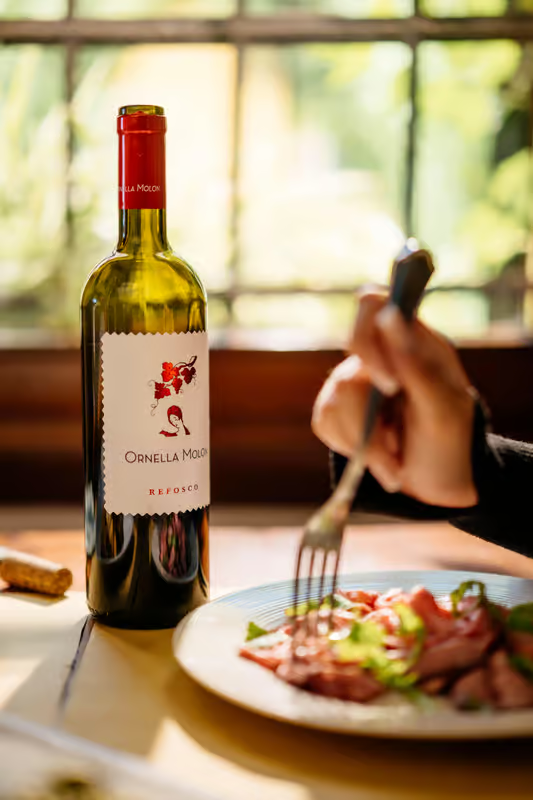
Long before food and wine pairing became a subject taught in culinary schools or discussed by sommeliers, it was simply part of everyday life across Europe. For thousands of years, wine was not viewed as a luxury reserved for special occasions but as a natural companion to daily meals. As vineyards spread across the continent, local communities gradually developed eating habits in which wine and food evolved side by side, laying the foundations for what would eventually become the art of food and wine pairing.
The relationship began in antiquity, when the cultivation of grapevines expanded throughout much of Europe under the influence of ancient civilizations. Wine quickly became an essential agricultural product alongside cereals, olives, vegetables, livestock, and fruit. Because these foods were produced within the same landscapes and climates, they naturally appeared together on the table. Meals were not designed around formal pairing rules; they simply reflected what the surrounding land provided.
During the Middle Ages, this relationship became even stronger. Monasteries, rural estates, and farming communities cultivated vineyards alongside orchards, grain fields, vegetable gardens, and livestock. Wine was consumed daily by monks, farmers, merchants, and nobles alike, often because it was safer to drink than untreated water and because it formed an important part of both religious and social life. Every region gradually established its own culinary identity based on locally available ingredients and the wines produced nearby.
Over the centuries, European communities refined these habits without consciously trying to create perfect combinations. Families prepared traditional recipes using seasonal ingredients harvested from their own fields or purchased from nearby markets, while local wines naturally accompanied these meals. Generations repeated these combinations because they tasted harmonious, not because they followed written rules. The pairing was intuitive, rooted in experience rather than theory.
Trade and cultural exchange introduced new ingredients and cooking techniques, but they rarely replaced established regional traditions. Instead, local cuisines adapted while continuing to rely on wines that reflected the same climate, soils, and agricultural practices. This close relationship between the land, its produce, and its wines became one of the defining characteristics of European gastronomy.
By the time chefs, gastronomic writers, and sommeliers began formalizing the principles of food and wine pairing centuries later, the foundations had already been established. The greatest European pairings were not invented in restaurants—they had evolved naturally over generations, shaped by the landscapes, harvests, and communities that produced both the food and the wine.
Terroir Shaped Both Food and Wine
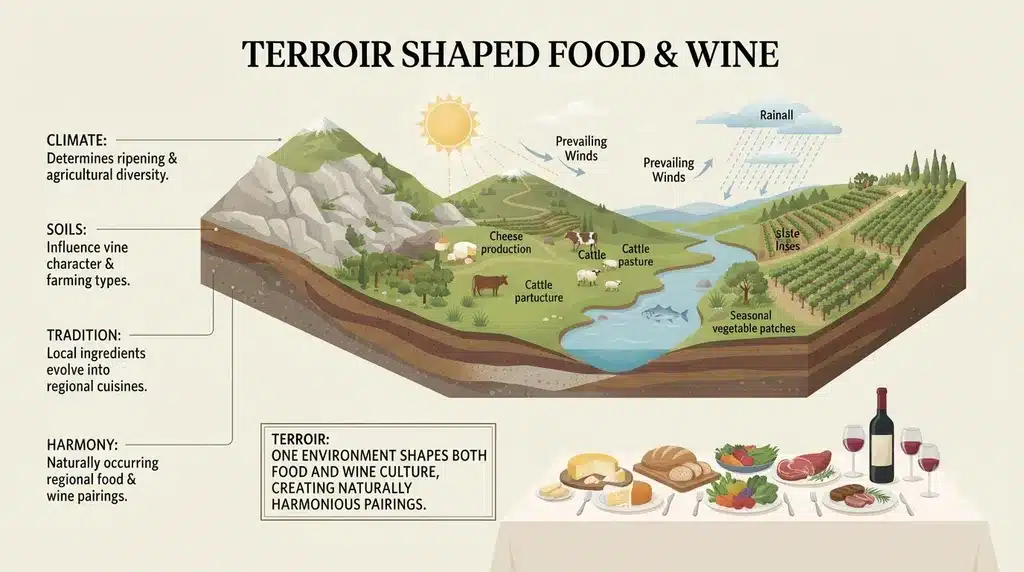
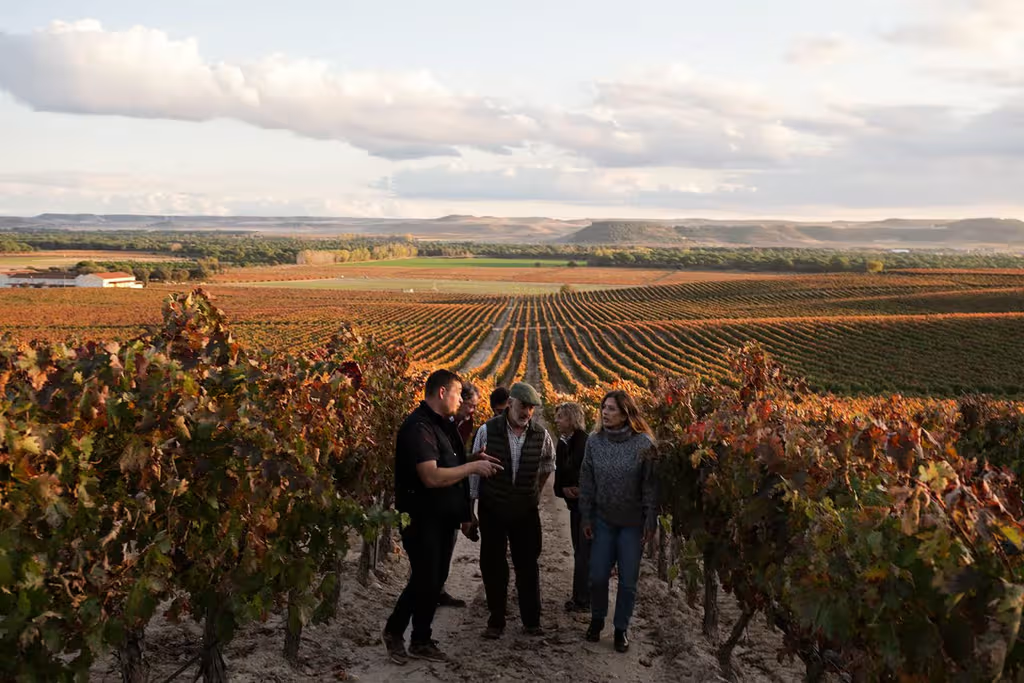
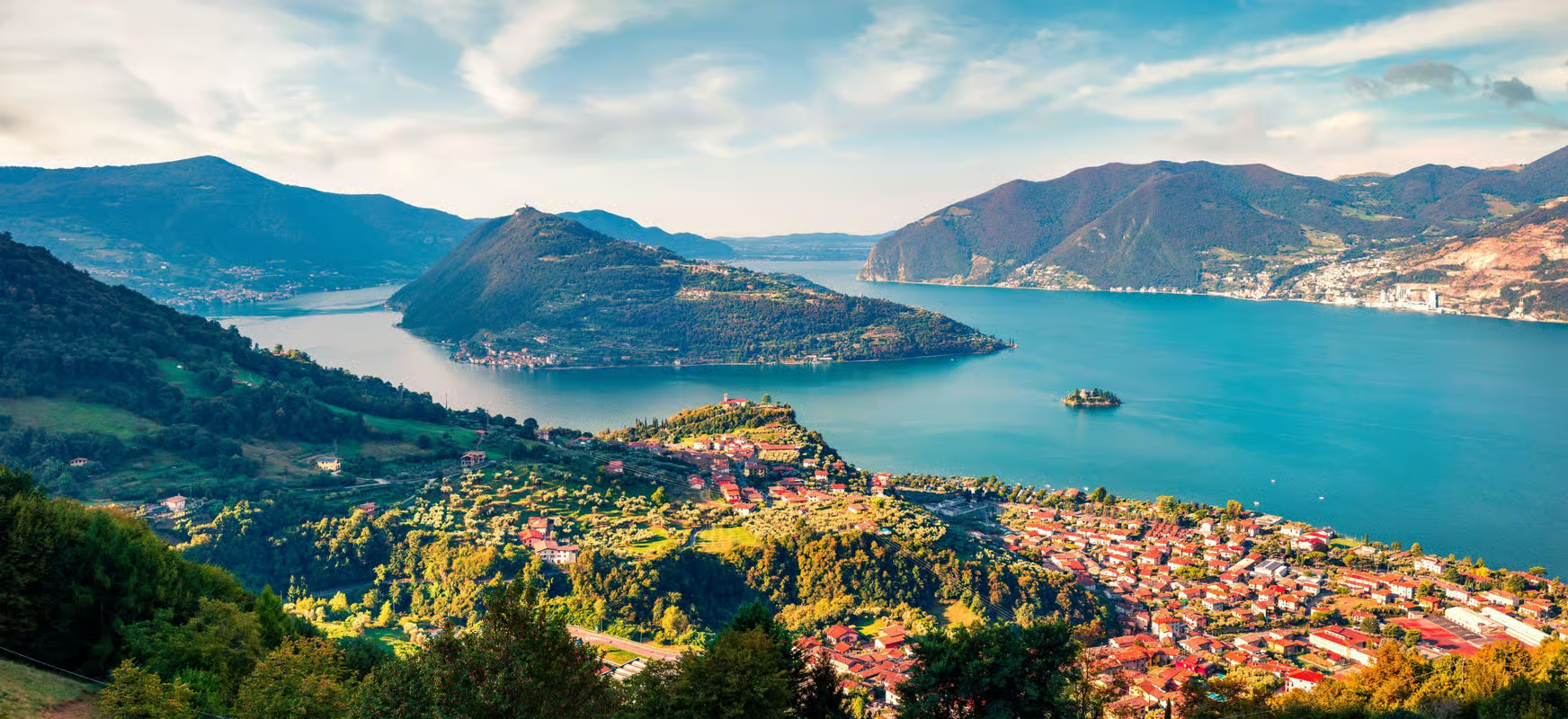
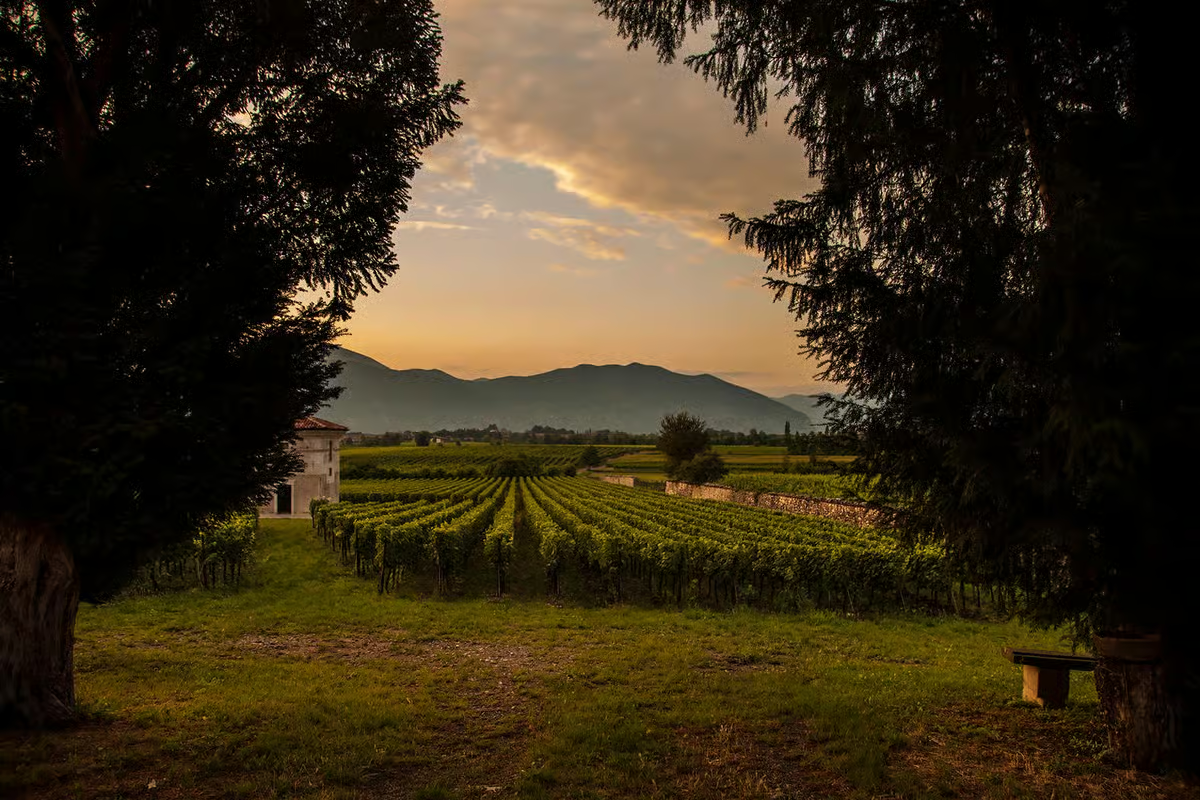
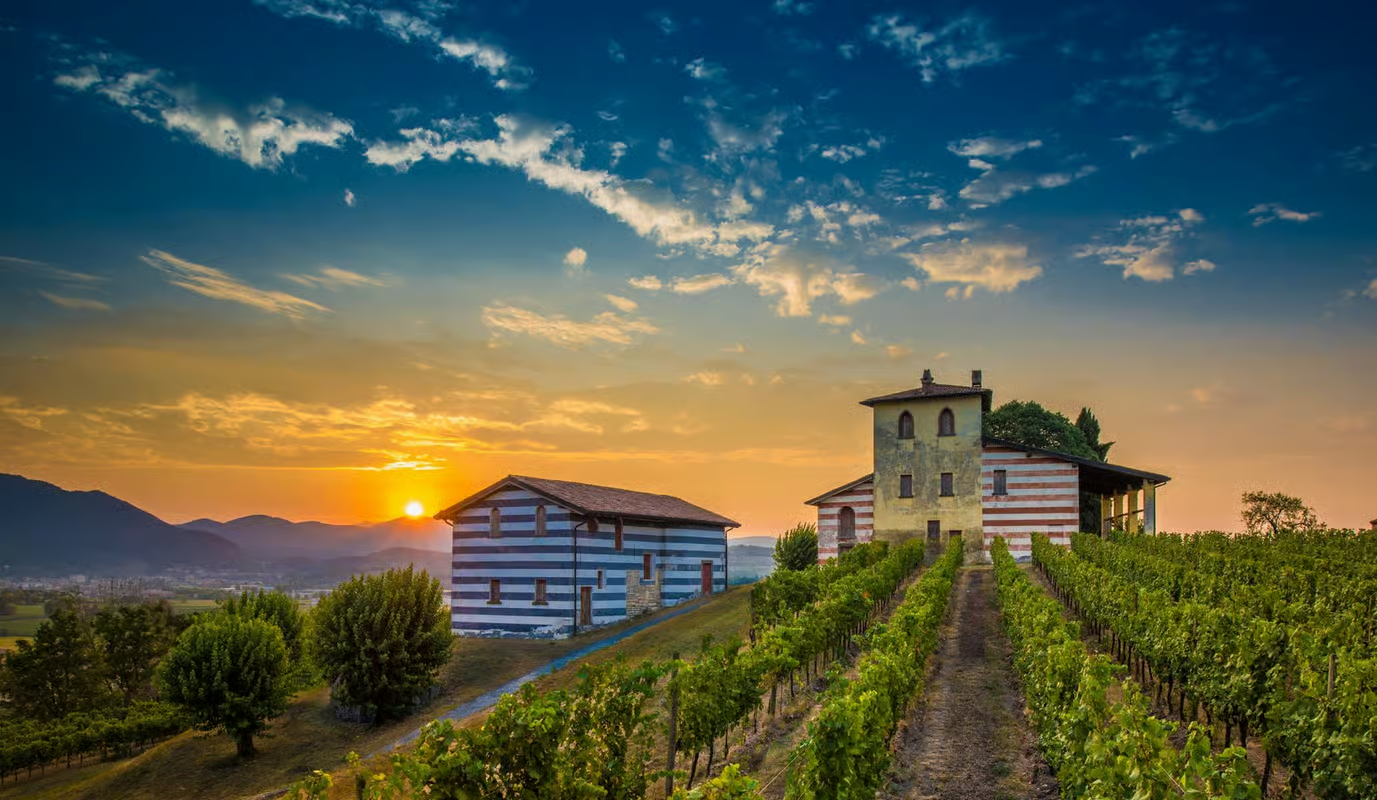
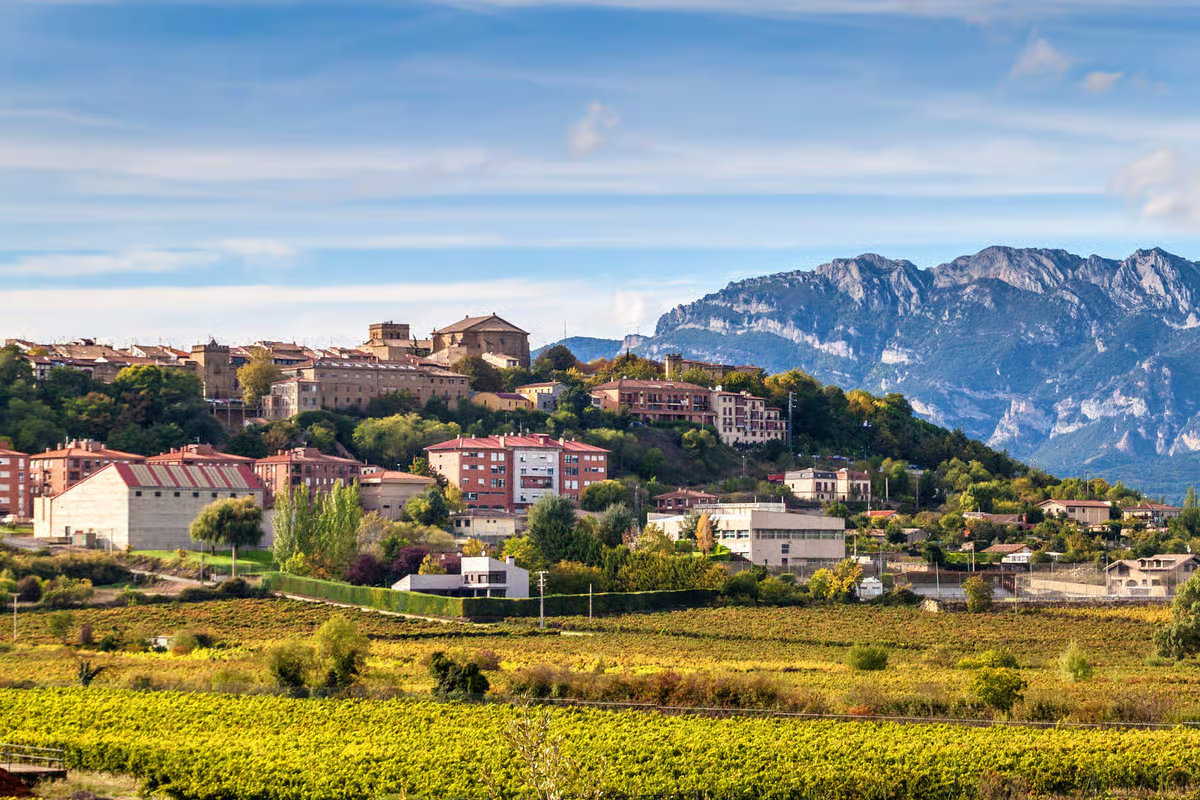
The concept of terroir is most often associated with wine, yet its influence extends far beyond the vineyard. Long before anyone spoke of food and wine pairing, the same natural environment that determined how grapes grew also shaped the crops, livestock, cheeses, herbs, and culinary traditions of each region. In Europe, food and wine developed from the same landscapes, making many classic pairings a natural consequence of geography rather than deliberate culinary invention.
Terroir encompasses a combination of climate, soils, topography, water availability, and human tradition. These factors influence which grape varieties thrive, but they also determine what farmers can successfully cultivate and what animals can be raised. A cool, maritime region encourages different agricultural products than a warm Mediterranean coastline or a high alpine valley. Over centuries, these environmental conditions created regional food cultures that evolved alongside local wines.
In northern Europe, cooler climates favored dairy farming, butter-based cooking, apples, root vegetables, and hearty meats, while vineyards produced fresh, high-acidity wines capable of balancing rich dishes. In Mediterranean regions, warmer temperatures encouraged olive groves, tomatoes, herbs, seafood, and lighter cooking styles, naturally complementing wines with ripe fruit, vibrant acidity, and herbal characteristics. Mountain regions developed distinctive cheeses and cured meats that found equally distinctive partners among nearby wines.
The relationship was reinforced by practical necessity. Before modern transportation, most people consumed what could be grown, raised, caught, or produced locally. Farmers sold their products in nearby markets, fishermen supplied coastal towns, shepherds produced regional cheeses, and winemakers cultivated vineyards on the surrounding hillsides. Because ingredients and wines came from the same environment, they gradually formed combinations that reflected the character of their shared terroir.
This explains why many of Europe’s most famous food and wine pairings feel so effortless. They are not the result of coincidence or marketing but of centuries of shared evolution. Local wines developed alongside local cuisines, adapting to the same seasons, climates, and agricultural rhythms. As recipes were refined through generations, the wines that accompanied them evolved in parallel, creating a harmony that became deeply rooted in regional identity.
Understanding terroir therefore changes the way we think about food and wine pairing. Rather than asking which wine should accompany a particular dish, it encourages us to ask where both the food and the wine come from. More often than not, the answer reveals why some of Europe’s most enduring pairings have stood the test of time: they were shaped by the same land, the same people, and the same traditions.
Every European Region Developed Its Own Culinary Identity
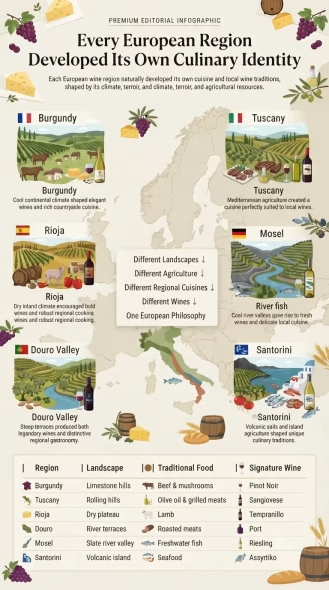
As Europe’s wine regions matured over the centuries, each developed a distinct culinary identity shaped by its climate, landscape, agricultural resources, and local traditions. Rather than following universal rules, communities created recipes using ingredients that were readily available and naturally served them with wines produced in the surrounding vineyards. These regional food cultures became the foundation of Europe’s most enduring food and wine traditions.
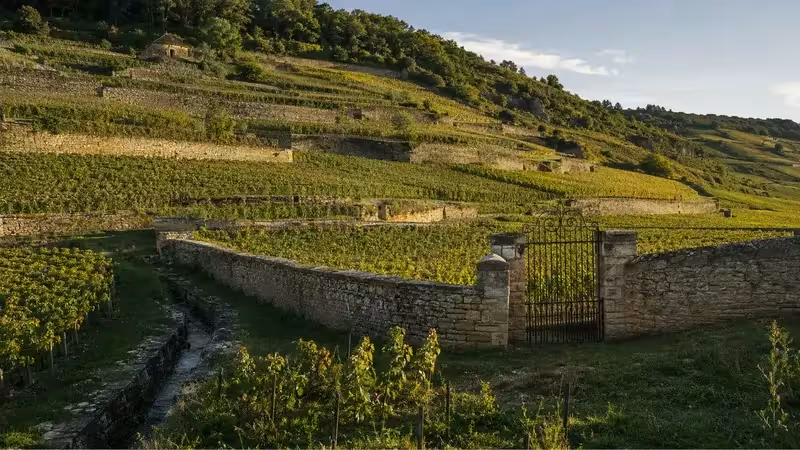
In Burgundy, fertile farmland, cattle breeding, and dairy farming produced a cuisine rich in butter, cream, mushrooms, and slow-cooked meats. At the same time, the region’s limestone vineyards gave rise to elegant Pinot Noir and Chardonnay wines. Over generations, these wines became inseparable from Burgundian cuisine, not because anyone deliberately designed the combinations, but because they evolved within the same rural landscape.
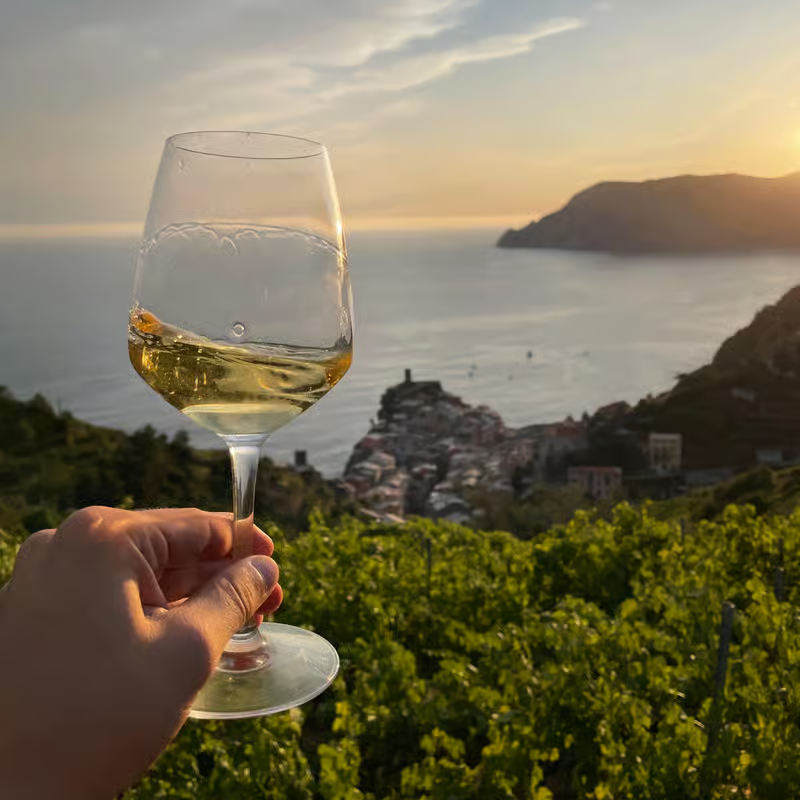
Along the Atlantic coast, abundant seafood encouraged a very different culinary tradition. Oysters, mussels, shellfish, and freshly caught fish naturally accompanied crisp white wines produced nearby. The bright acidity and freshness of these wines reflected the cool maritime climate while complementing the region’s seafood-based cuisine, creating pairings that remain classics today.
Mountain regions followed another path. Alpine communities relied on dairy farming, producing cheeses, cream, and hearty dishes suited to colder climates. Local vineyards, often planted on steep sunlit slopes, yielded wines whose freshness and structure balanced the richness of mountain cuisine. These combinations developed gradually through everyday life, becoming part of regional identity long before they were recognized as exemplary pairings.
In Mediterranean Europe, olive oil replaced butter as the principal cooking fat, while vegetables, herbs, legumes, grilled meats, and seafood became staples of the local diet. Wines from these warmer regions developed alongside this cuisine, sharing the same climate and seasonal rhythms. Their natural affinity reflects centuries of coexistence rather than carefully constructed pairing theories.
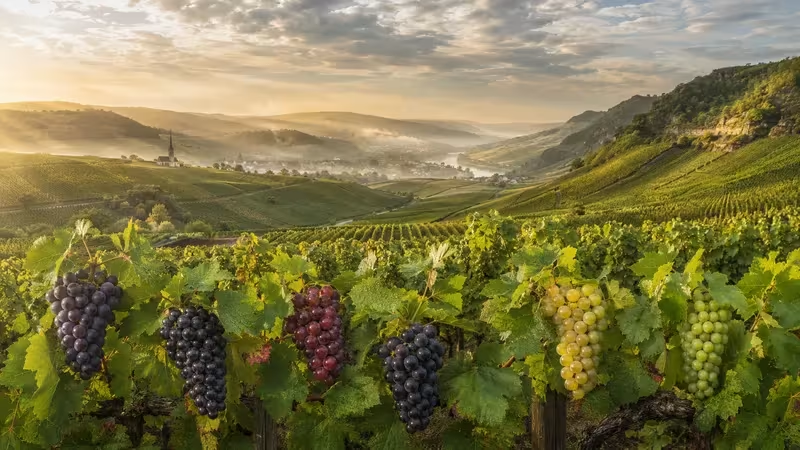
River valleys added yet another dimension to Europe’s culinary diversity. Regions along major waterways combined fertile farmland with vineyards, orchards, and access to freshwater fish. Wine, agriculture, and trade flourished together, allowing distinctive local cuisines to emerge around products grown and exchanged within the same landscape.
Although every European wine region possesses its own traditions, they all share a common principle: local food and local wine evolved together. This explains why so many classic pairings continue to feel intuitive today. They are expressions of regional identity, shaped over generations by the land itself rather than by formal gastronomic rules. Long before food and wine pairing became an art taught by chefs and sommeliers, Europe’s diverse terroirs had already written the first chapters of the story.
Wine Was Part of Everyday Life
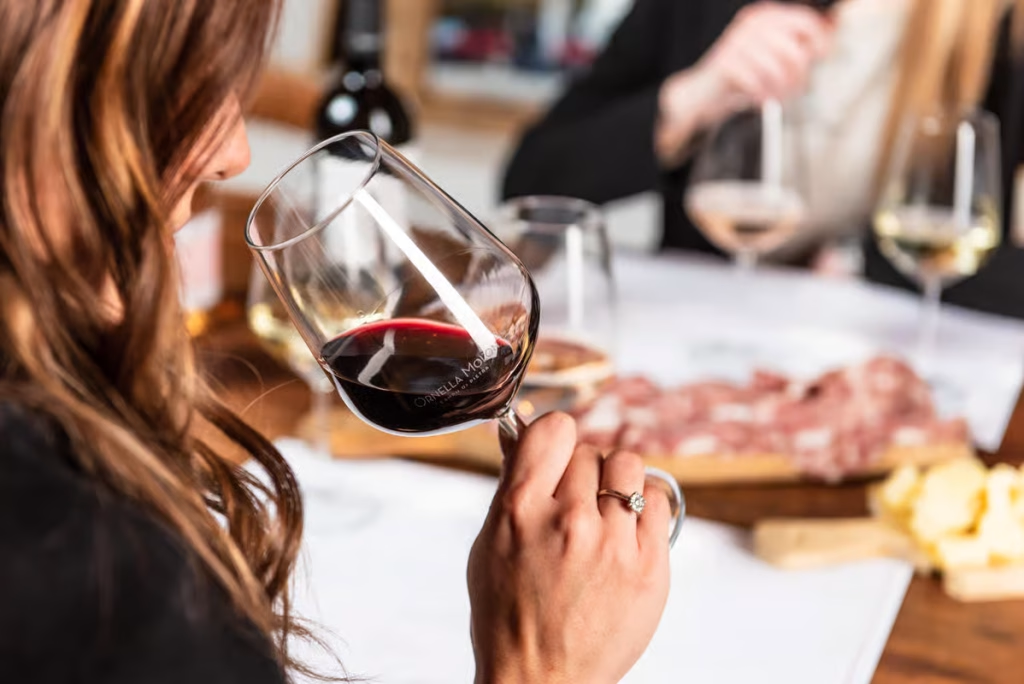
For much of European history, wine was not reserved for celebrations, fine dining, or special occasions. It was an everyday beverage consumed alongside meals by people from all walks of life. Farmers, craftsmen, merchants, monks, and noble families alike regularly shared wine at the table, making it an integral part of daily life rather than an occasional luxury. This constant presence allowed food and wine to evolve together over countless generations.
In many regions, wine was considered a staple of the household. Families often produced their own wine or purchased it from nearby growers, while villages were surrounded by vineyards that supplied local communities. Meals were rarely served without wine, whether at home, in monasteries, village inns, or urban taverns. Because the same wines appeared on the table every day, recipes naturally developed in ways that complemented their flavors and structure.
The rhythm of rural life reinforced this relationship. Seasonal harvests determined both what people ate and the wines they drank. Spring vegetables, summer fruits, autumn game, winter stews, local cheeses, and freshly baked bread all reflected the agricultural calendar, while the wines available each year reflected the same growing conditions. Food and wine were therefore connected not only by geography but also by the seasons that shaped everyday life.
Wine also played an important social role. Shared meals brought together families, neighbors, and entire communities during religious festivals, harvest celebrations, weddings, and village gatherings. These occasions strengthened culinary traditions as recipes and wines were passed from one generation to the next. Rather than being judged by formal pairing rules, combinations were refined through repeated experience and collective memory.
Religious institutions further reinforced wine’s place at the European table. Monasteries cultivated vineyards, improved viticulture, preserved culinary knowledge, and welcomed travelers with food and wine. Their influence helped spread both wine production and agricultural practices across many regions, contributing to the development of local food traditions that remained closely connected to nearby vineyards.
Because wine accompanied everyday meals for centuries, Europeans developed an instinctive understanding of balance long before the vocabulary of acidity, tannins, body, or texture entered the world of gastronomy. They learned through experience which combinations felt harmonious, which wines suited particular foods, and how seasonal ingredients naturally complemented local vintages. This practical knowledge formed the living tradition upon which modern food and wine pairing would later be built.
From Local Traditions to the Art of Food and Wine Pairing
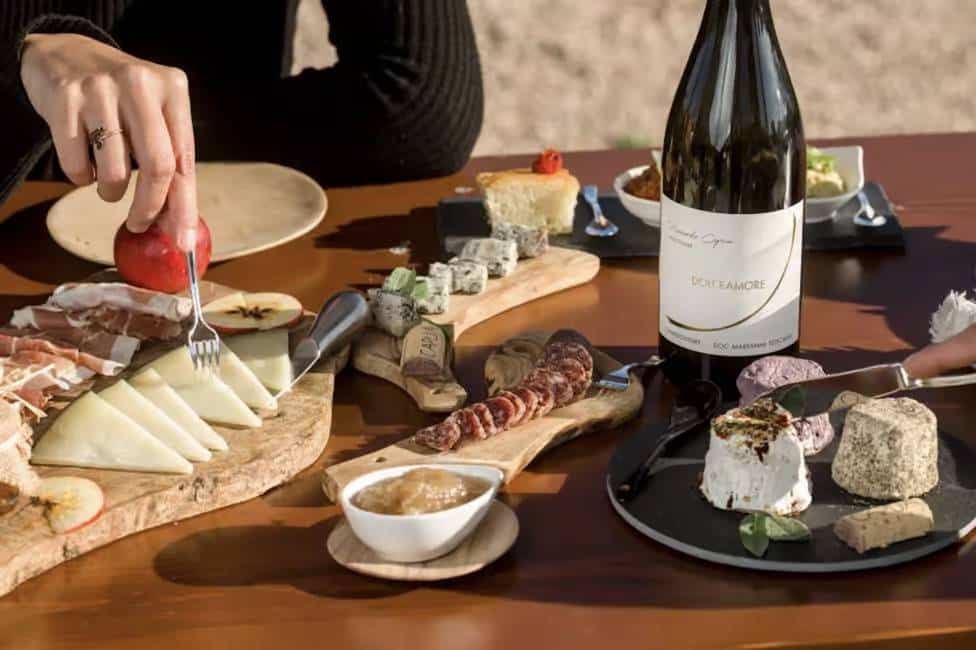
For centuries, Europeans did not consciously think about “pairing” food and wine. They simply followed traditions that had evolved within their own regions. Families served local wines with local dishes because both came from the same land and had been enjoyed together for generations. What began as an instinctive habit gradually developed into one of gastronomy’s defining principles.
As trade expanded and travel became easier, people were increasingly exposed to wines and cuisines from other regions. Merchants, nobles, and later wealthy travelers encountered unfamiliar grape varieties, new ingredients, and different cooking techniques. This growing diversity encouraged comparisons and experimentation, prompting cooks and wine merchants to think more deliberately about which combinations created the most harmonious dining experiences.
The rise of European gastronomy during the eighteenth and nineteenth centuries marked a turning point. Professional chefs began refining regional recipes, while restaurants offered increasingly sophisticated menus accompanied by carefully selected wines. Rather than serving whatever wine happened to be available locally, dining establishments started choosing wines that complemented specific dishes, considering factors such as richness, freshness, texture, and intensity.
At the same time, advances in viticulture and winemaking produced more consistent wine styles, making it easier to understand how different wines behaved alongside different foods. Wine merchants, critics, and gastronomic writers began describing successful combinations, gradually transforming centuries of practical experience into principles that could be taught and shared beyond individual regions.
The twentieth century saw the emergence of professional sommeliers and formal wine education. Culinary schools, hospitality institutions, and international wine organizations developed systematic approaches to pairing, introducing concepts such as balancing acidity, matching body, managing tannins, and considering sweetness or umami. What had once been an unwritten rural tradition became an established discipline within fine dining and wine service.
Yet despite this growing sophistication, the fundamental philosophy remained remarkably unchanged. The most celebrated pairings were rarely invented from scratch; they were inspired by combinations that had already proven successful through generations of regional cooking. Modern pairing principles simply explained, in technical language, why these traditional combinations worked so well.
Today’s sommeliers may use scientific vocabulary to describe balance, aroma, texture, and flavor interactions, but the origins of food and wine pairing remain deeply rooted in Europe’s vineyards, farms, markets, and family tables. The discipline has evolved from instinct to expertise, yet its strongest foundations still lie in the local traditions that first brought food and wine together centuries ago.
How Europe Shaped Modern Food and Wine Pairing
Although the idea of matching food with wine now exists around the world, the principles that guide modern pairing were largely shaped in Europe. Centuries of regional traditions, combined with the development of fine dining, professional wine service, and culinary education, transformed local customs into a global reference for understanding how wine can enhance a meal.
European gastronomy played a central role in this evolution. As restaurants became increasingly sophisticated during the nineteenth and twentieth centuries, chefs no longer viewed wine as simply another beverage on the table. Instead, it became an essential component of the dining experience, capable of complementing, balancing, or elevating the flavors of a dish. Menus began to reflect a more thoughtful relationship between cuisine and wine, inspiring similar approaches in restaurants across the world.
The emergence of the professional sommelier further accelerated this transformation. Rather than relying solely on regional traditions, sommeliers developed a deeper understanding of wine styles, grape varieties, vintages, and serving techniques. Their expertise allowed them to recommend pairings based not only on local customs but also on sensory balance, introducing a more analytical approach while remaining rooted in Europe’s culinary heritage.
Wine education also helped spread these ideas internationally. Hospitality schools, culinary institutes, and wine certification programs adopted pairing as a fundamental part of their curriculum. Concepts such as balancing acidity with richness, matching intensity, considering sweetness, or managing tannins became standard principles taught to chefs, sommeliers, and wine professionals around the globe.
At the same time, Europe’s regional traditions continued to serve as the benchmark. Students learning about food and wine pairing often begin with classic European examples because they illustrate how centuries of shared history naturally produced harmonious combinations. These regional pairings demonstrate that successful matches are rarely arbitrary; they are usually the result of a long relationship between local ingredients, traditional recipes, and the wines of the same terroir.
Today, restaurants from New York to Tokyo, Cape Town to Sydney, regularly apply principles that originated in Europe’s vineyards and kitchens. While chefs now experiment with international cuisines, fusion cooking, and wines from every continent, the underlying philosophy remains remarkably familiar: seek balance, respect ingredients, and understand the character of both the food and the wine.
Modern food and wine pairing has therefore become a global culinary language, but its roots remain unmistakably European. What began as everyday practice in vineyards, farms, monasteries, and family homes gradually evolved into one of the defining traditions of world gastronomy—demonstrating that the most enduring culinary ideas often begin with the simple wisdom of local communities.
Why Regional Pairings Still Work Today
Modern consumers have access to an unprecedented variety of wines and cuisines from around the world. Supermarkets stock bottles from every continent, restaurants offer international menus, and home cooks regularly combine ingredients that previous generations would never have encountered together. Yet despite this remarkable diversity, many of the most successful food and wine pairings continue to be those that originated within the same region.
The reason is surprisingly simple. Regional pairings were not created according to abstract rules or fashionable trends—they evolved through centuries of shared history. Local wines developed alongside local ingredients, responding to the same climate, soils, seasons, and agricultural practices. As recipes changed over time, the wines changed as well, gradually reaching a natural balance that generations of people came to appreciate.
This does not mean that only regional combinations can succeed. Modern gastronomy has shown that excellent pairings can be created between wines and cuisines from entirely different parts of the world. Skilled chefs and sommeliers regularly build innovative combinations by focusing on flavor, texture, acidity, sweetness, and aroma rather than geography alone. Creativity has become one of the defining strengths of contemporary food and wine pairing.
Even so, Europe’s traditional regional pairings remain valuable because they offer proven examples of harmony between food and wine. They demonstrate how local products, seasonal cooking, and centuries of practical experience often produce combinations that feel remarkably balanced without requiring complex analysis. Rather than serving as rigid rules, these classic pairings provide a foundation from which both professionals and enthusiasts can develop their own understanding of balance.
Perhaps the greatest lesson inherited from Europe’s culinary traditions is that successful food and wine pairing begins with respect for both the ingredients and the wine. Instead of searching for a universal formula, it encourages an appreciation of place, seasonality, craftsmanship, and local identity. The most memorable pairings often tell the story of a particular landscape and the people who have cultivated it over generations.
This philosophy continues to influence dining tables around the world. Whether enjoying a traditional regional meal or experimenting with modern cuisine, the principles remain remarkably consistent: seek balance rather than perfection, allow food and wine to complement rather than compete with one another, and remember that the finest pairings are often those shaped naturally by time, terroir, and tradition. In that sense, the origins of European food and wine pairing are not simply part of history—they remain a living guide for how people continue to enjoy wine today.