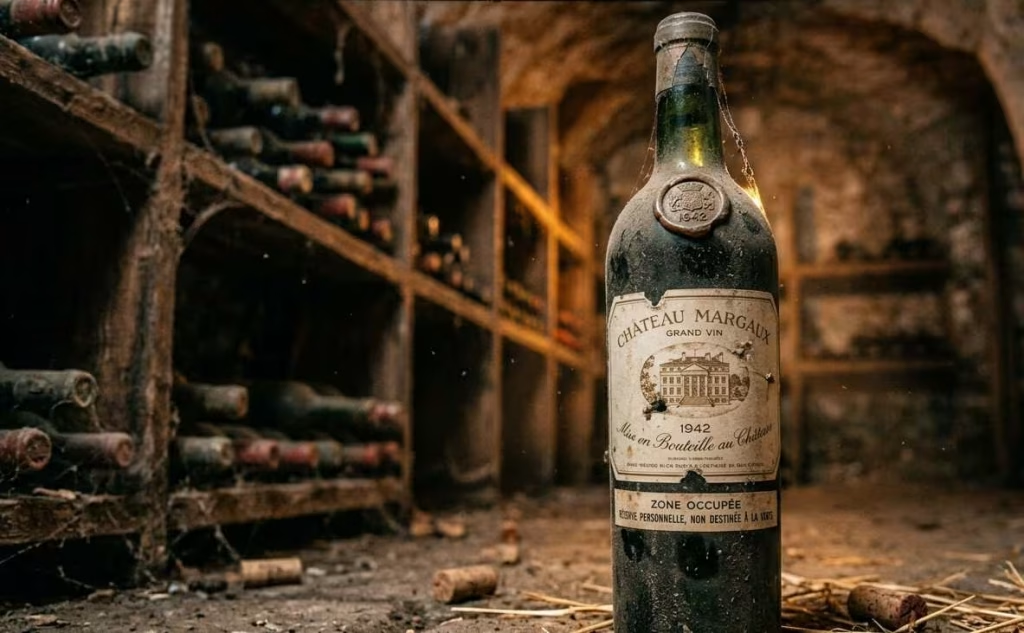
A cellar can look quiet, even devotional, until history forces it to become a battlefield.
That is the charge behind wine and warfare: how French vignerons hid their finest bottles from the Nazis. During the Occupation, across Champagne, Burgundy, Bordeaux, and beyond, growers and cellar masters were not simply protecting inventory. They were guarding lineage, local pride, and the physical memory of place stored in glass, cork, and chalk.
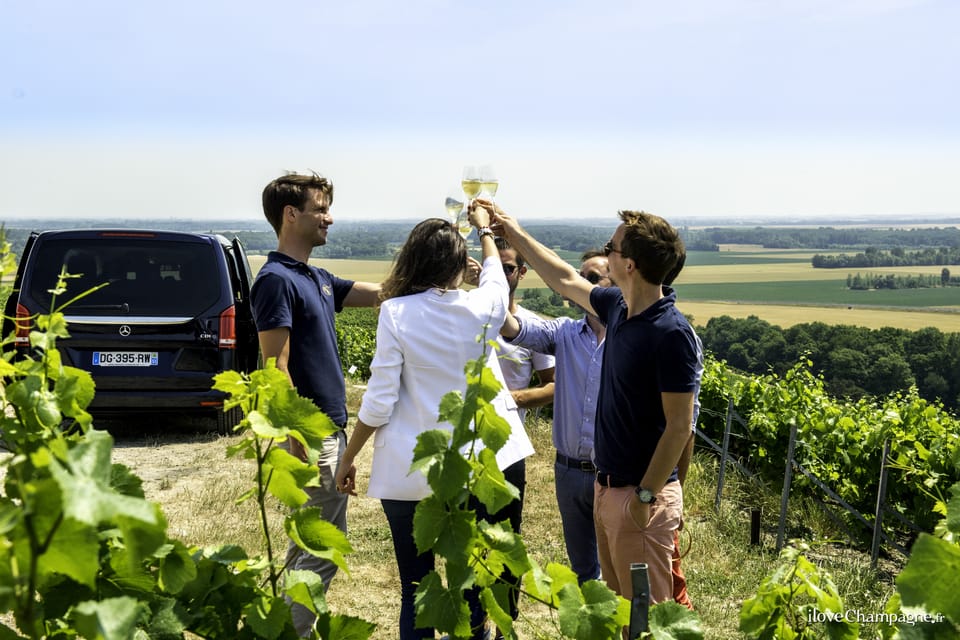
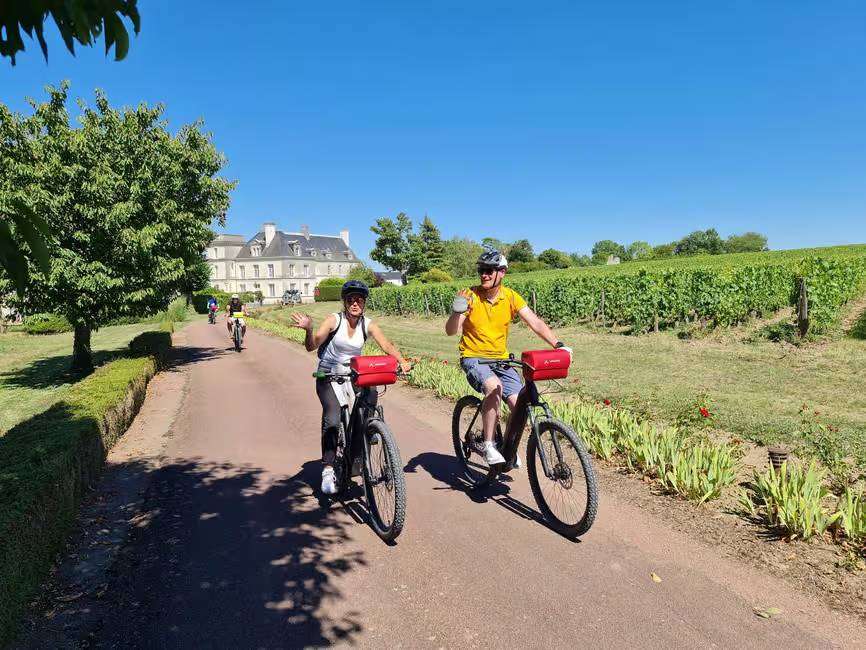
For travelers who visit French wine regions today, that history lingers just beneath the polished tasting room and sunlit vineyard rows. A grand cru poured at the right estate is never only a drink. It can also be evidence of survival.
When German forces occupied France in 1940, wine quickly became more than an agricultural product. It was luxury, currency, propaganda, and plunder. Officers wanted the best bottles for private cellars, official banquets, and shipment back to Germany. Fine French wine carried prestige, and the occupying regime understood exactly what it meant to control it.
French producers responded in different ways because their situations were different. Some estates had to cooperate outwardly to avoid confiscation, protect workers, or keep businesses alive. Others sabotaged records, mislabeled stocks, concealed top vintages, or moved bottles into hidden spaces. In regions with labyrinthine underground cellars, especially Champagne, architecture itself became a tool of resistance.
That complexity matters. This was not a simple story of heroes on one side and villains on the other. Many vignerons worked under pressure that was economic, political, and personal. A misstep could mean the loss of a family business, imprisonment, or worse. Yet within those constraints, remarkable acts of cunning took place.
To understand why these wines were hidden so carefully, it helps to remember what a great bottle represented in wartime France. A mature vintage from a top house or a revered Burgundian parcel was not easily replaced. Vineyards can be replanted, but a specific harvest belongs to one season forever.
That made elite bottles uniquely vulnerable. They were compact, valuable, transportable, and culturally symbolic. If an occupier seized tractors or barrels, the loss was serious but visible. If a cellar’s crown jewels disappeared quietly into military convoys, an estate could lose decades of aging potential and a piece of its identity in a single sweep.
There was also an emotional dimension. For many wine families, the cellar held the work of parents and grandparents. Protecting a few cases of exceptional wine was a way of defending continuity itself. In a period designed to humiliate and reorder French life, preserving those bottles became an act of dignity.
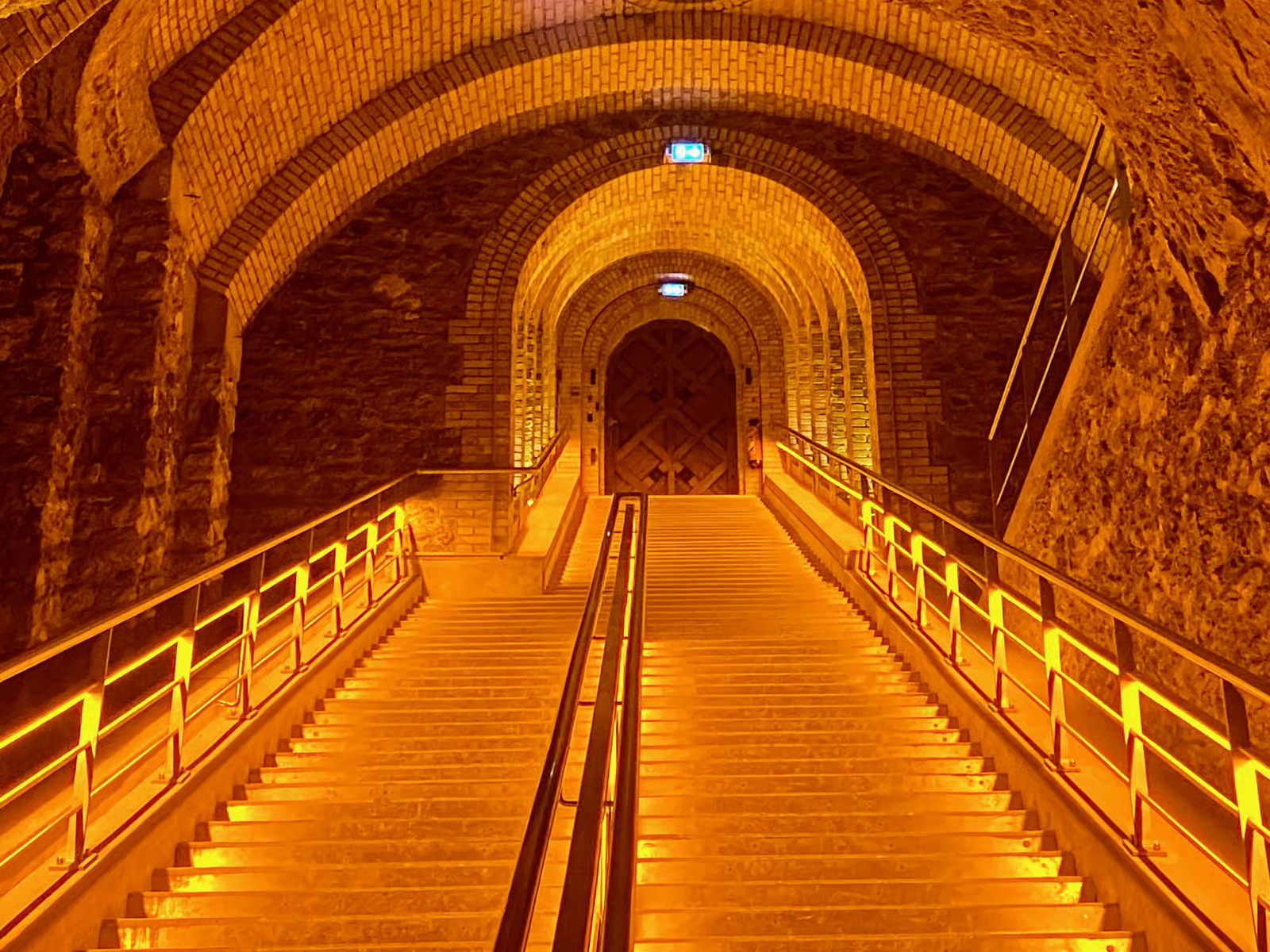
Nowhere does this story feel more cinematic than in Champagne. The region’s ancient chalk caves, or crayères, run deep and cool beneath towns such as Reims and Épernay. They are ideal for aging sparkling wine, but during the war they also became natural hiding places.
Cellar masters knew every turning passage, blocked corridor, and obscure niche. Some reportedly built false walls. Others shifted prestige cuvées behind ordinary stock or moved them into less obvious chambers that visiting officers would never reach during a formal inspection. Cases could be restacked so that the visible front suggested scarcity while the real treasures sat farther back in darkness.
The houses still had to operate, at least to some extent. German authorities requisitioned wines and expected access. That meant concealment had to look like routine logistics. A cellar that seemed too empty raised suspicion, but one that appeared orderly and moderately depleted could pass as compliant. The best deception was often the most boring.
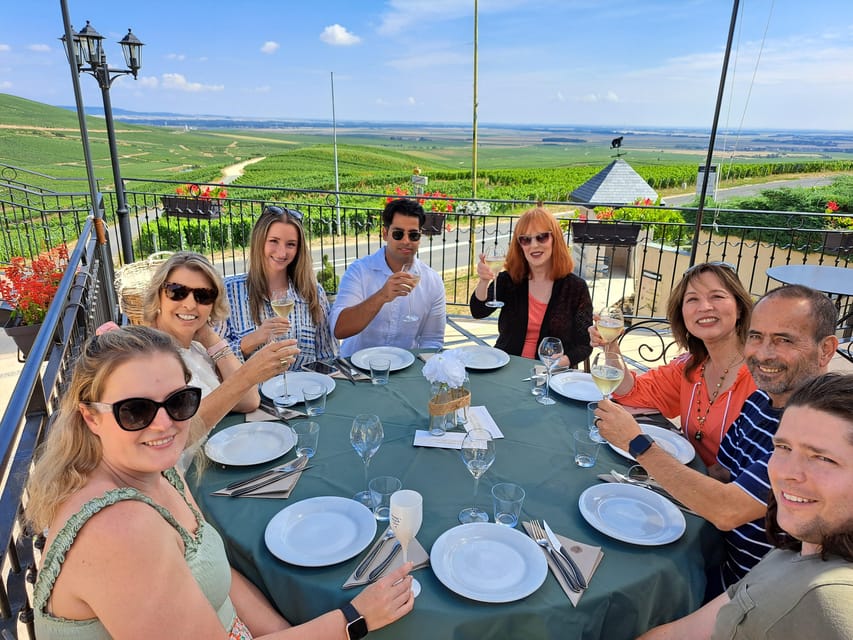
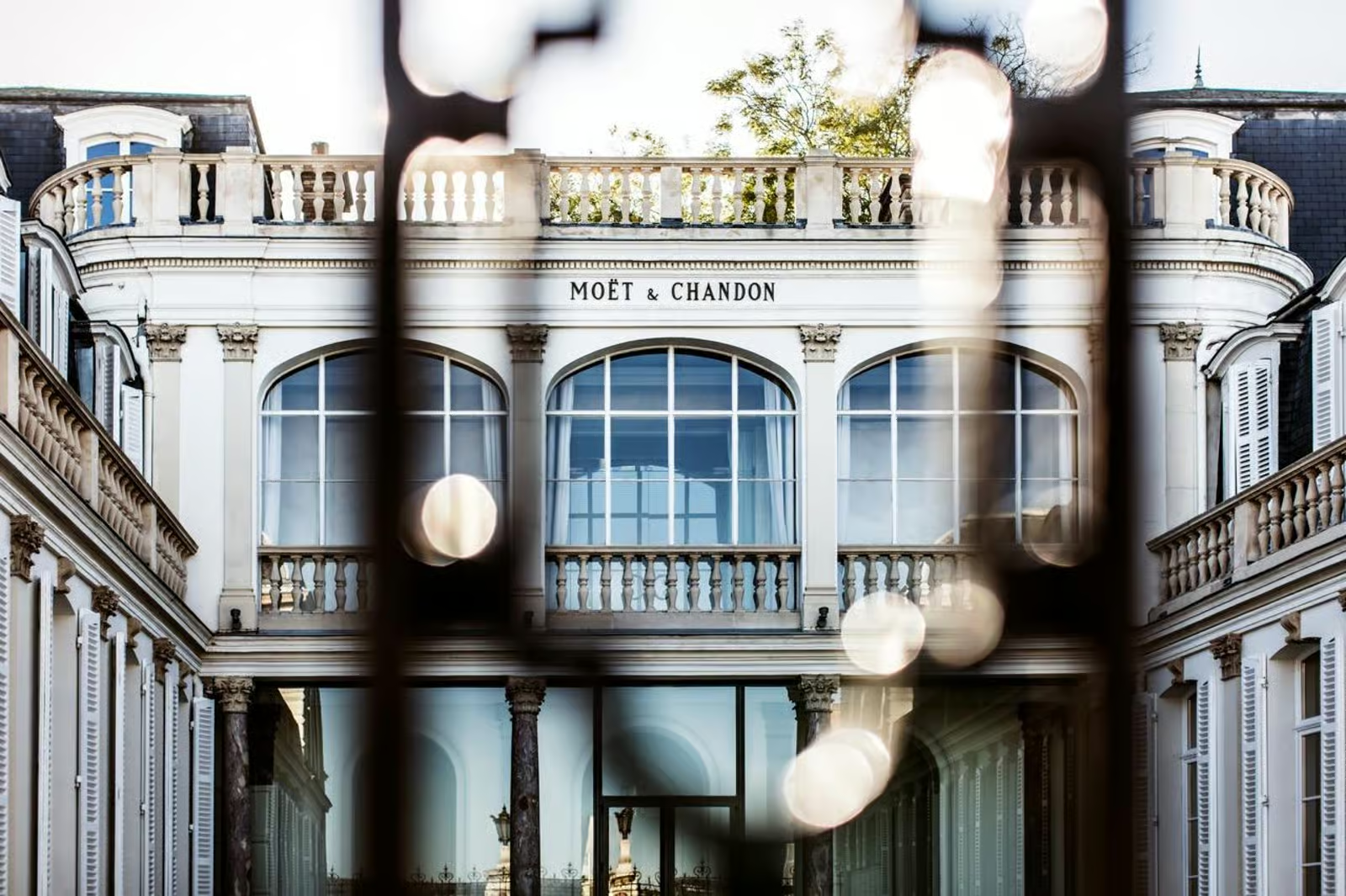
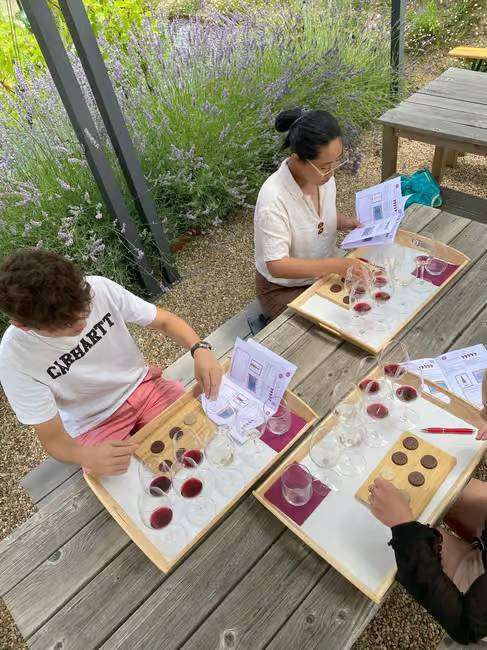
The history of Champagne is etched into its underground labyrinth. Today, these UNESCO-listed cellars are open for exclusive tours and tastings.
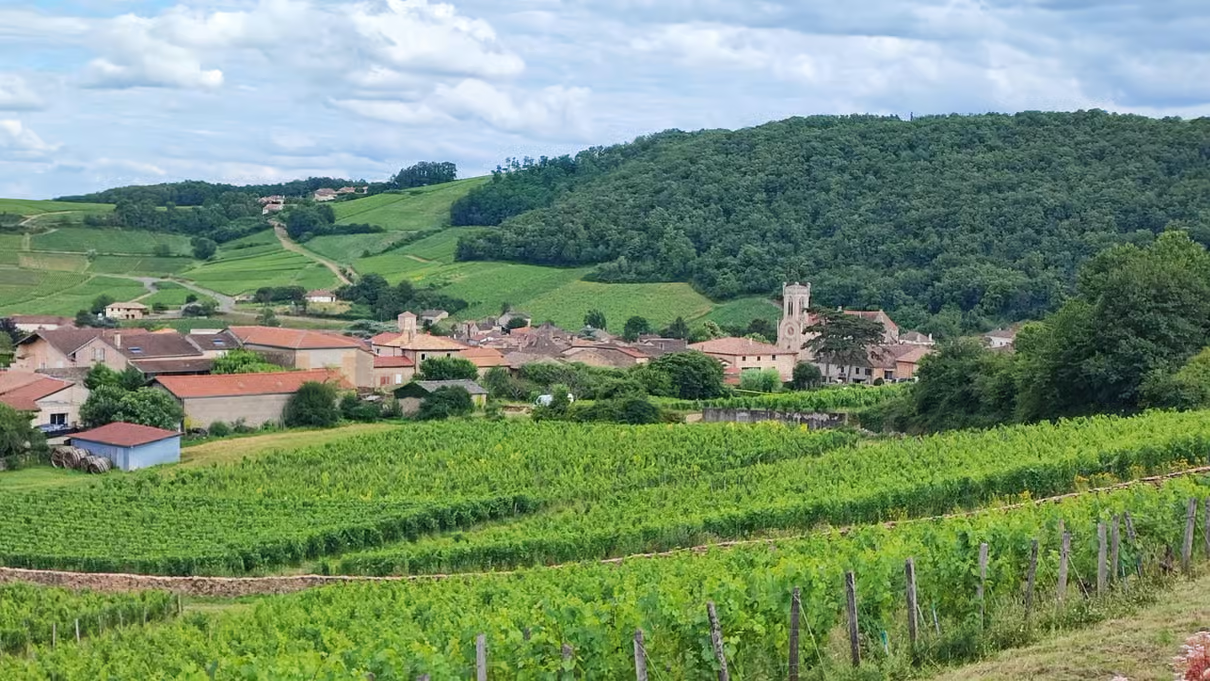
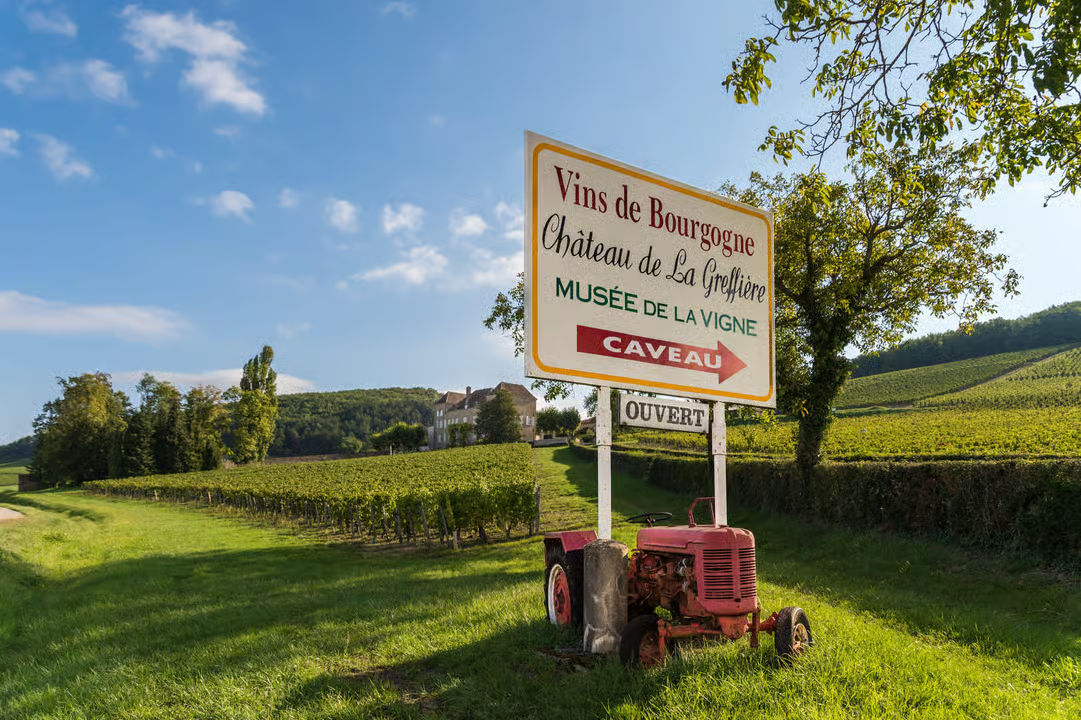
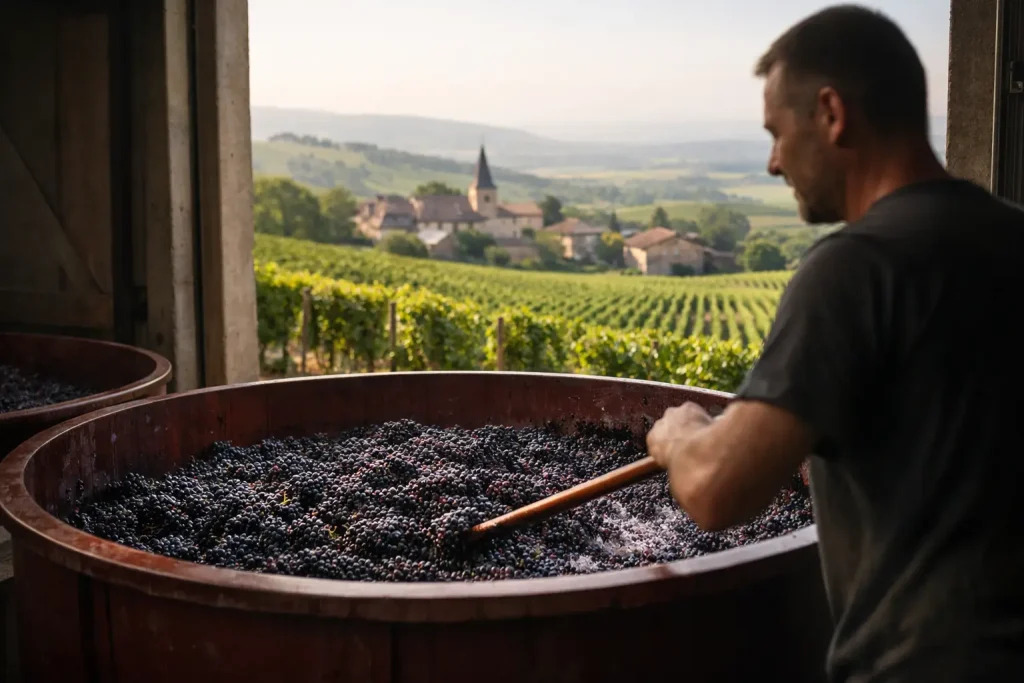
In Burgundy, where holdings were often fragmented and quantities smaller, the strategy could be more granular. A grower might disperse prized bottles across multiple locations, hide them among lesser appellations, or alter handwritten cellar notations. Small domains did not always have grand underground networks, but they had intimate knowledge of every barn, outbuilding, and back room.
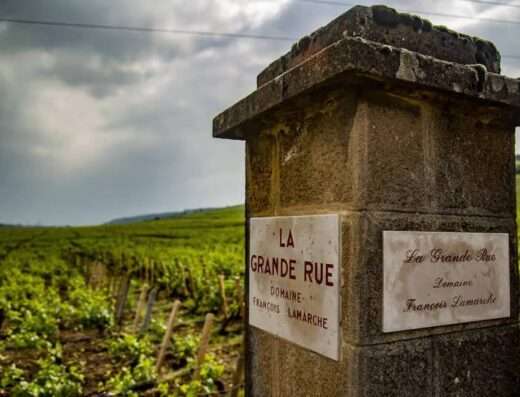
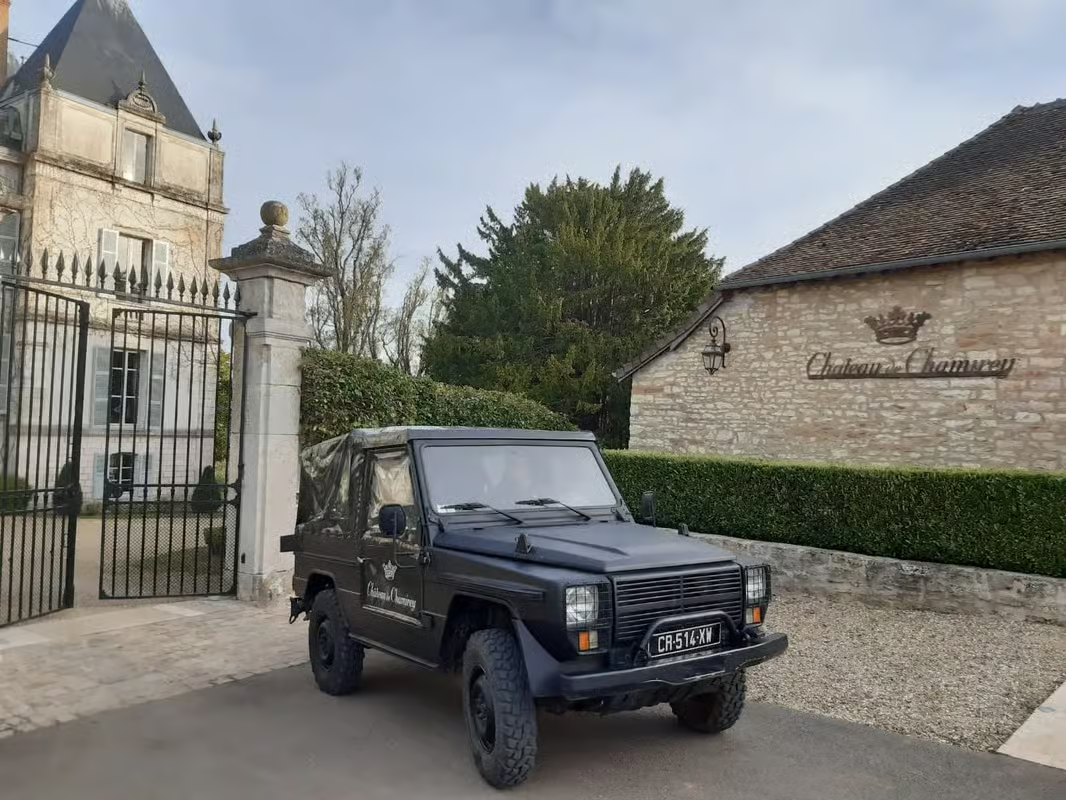
The world’s most prestigious climats hold centuries of quiet resilience. Today, those same unassuming wooden cellar doors are open for exclusive, intimate tastings.
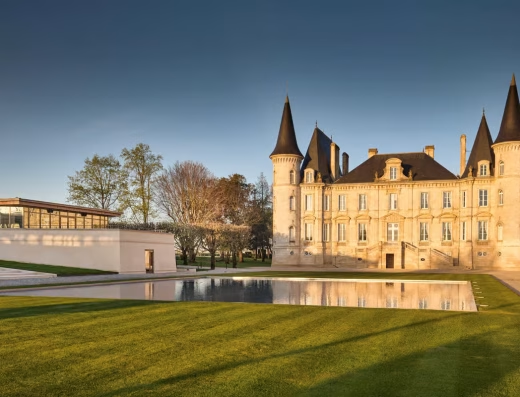
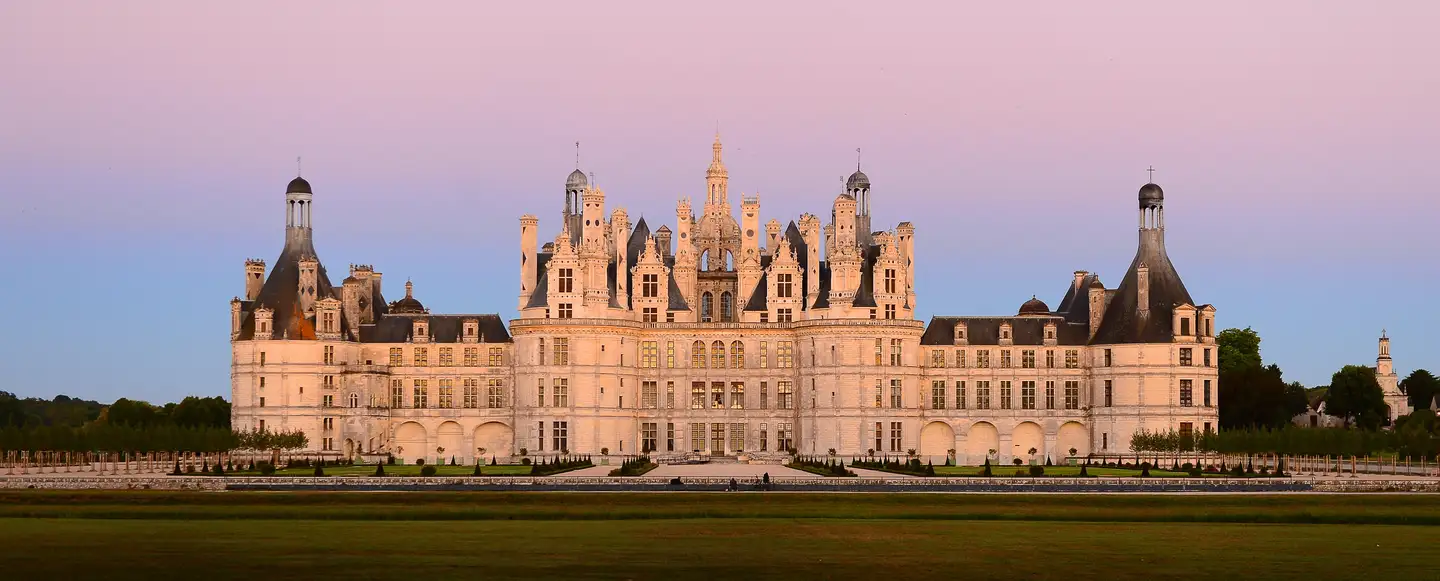
Bordeaux faced a different scale. Large châteaux and merchants handled substantial stocks, and the region’s reputation made it especially attractive to German buyers and requisitioning officials. Here, paperwork mattered almost as much as architecture. Labels, ledgers, and declared inventories could be manipulated. A top wine might be downgraded on paper, shifted under another classification, or quietly removed before inspections.
These methods were not foolproof. Some wines were confiscated anyway. Some estates suffered heavy losses. The point was rarely perfect protection. It was damage control, bottle by bottle.
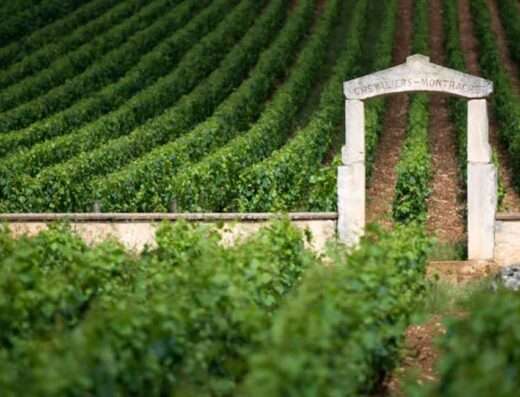
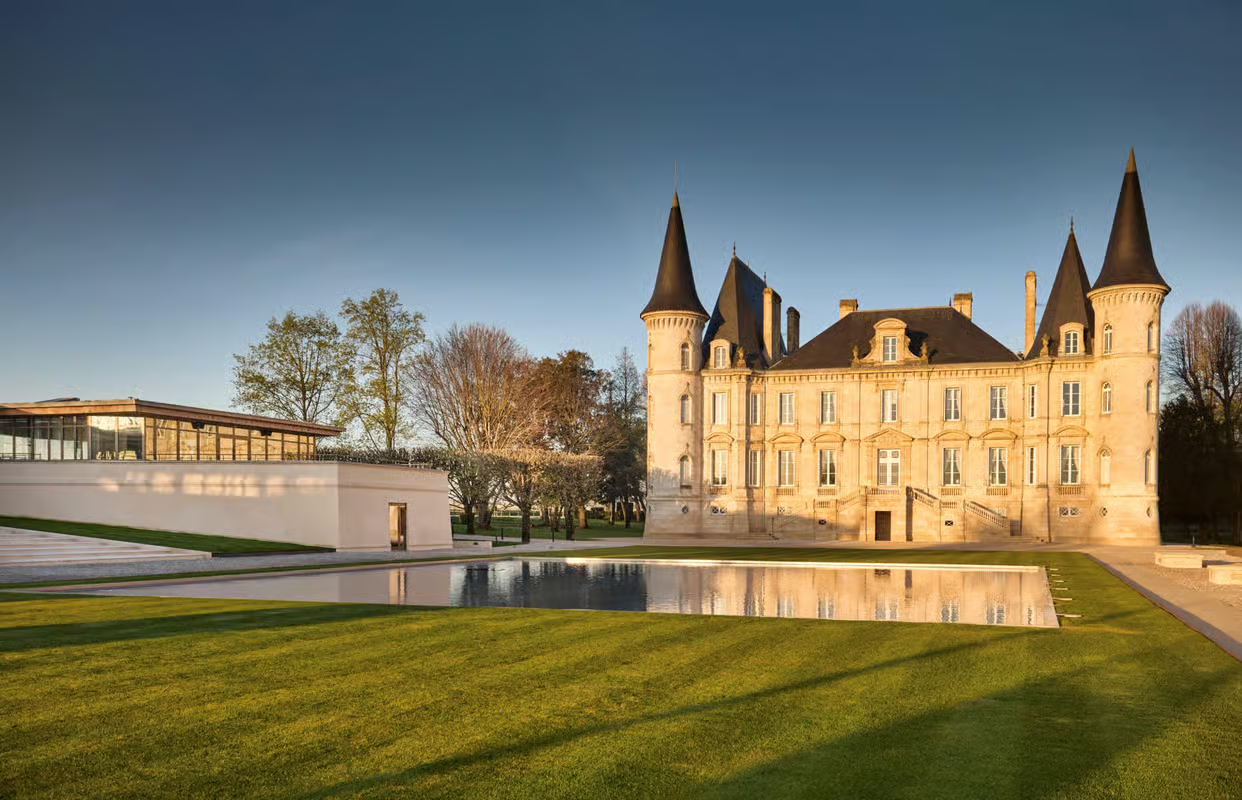
Bordeaux’s history is a thrilling tale of complex negotiations, hidden caches, and resilient winemakers. Book a guided tour to walk the barrel rooms where these secret dramas unfolded.
The ingenuity of French vignerons was practical rather than theatrical. They used the tools they already had: confusion, geography, timing, and a deep understanding of cellar culture.
False walls are the detail people remember, and they did exist. But just as effective were misleading stacks, hidden bins, and strategic disorder. A few rows of everyday wine placed in front of a valuable cache could discourage deeper searching, especially if inspectors lacked patience or expertise.
Mislabeled bottles also played a role. Fine wines could be disguised as ordinary stock, though this carried risks. The more famous the estate, the harder it was to make elite inventory simply disappear on paper. Still, in a busy wartime cellar, administrative fog could be useful.
Some producers hid wine off-site, moving it to farms, private homes, or remote storage spaces. That reduced the chance of a total loss in a single raid, but transportation exposed the bottles to breakage, theft, and discovery at checkpoints. What sounds romantic today often involved cold nights, rough roads, and constant fear.
There were also quieter forms of resistance. Delays in delivery, selective misunderstandings, and strategic incompetence could limit what occupiers obtained and when they obtained it. A requisition might be fulfilled, but not with the oldest or finest wines available. Officials got bottles. The cellar’s soul remained, at least in part, intact.
It is tempting to treat this story as a tale of aristocratic excess – rich people saving expensive wine. That reading misses the deeper truth of French wine regions.
A great estate is not just a business, and a celebrated bottle is not just a luxury item. In places shaped by terroir, wine carries agricultural memory, local labor, and communal reputation. The finest bottles express a specific slope, a particular growing season, and generations of accumulated skill. To lose them is to lose part of the record.
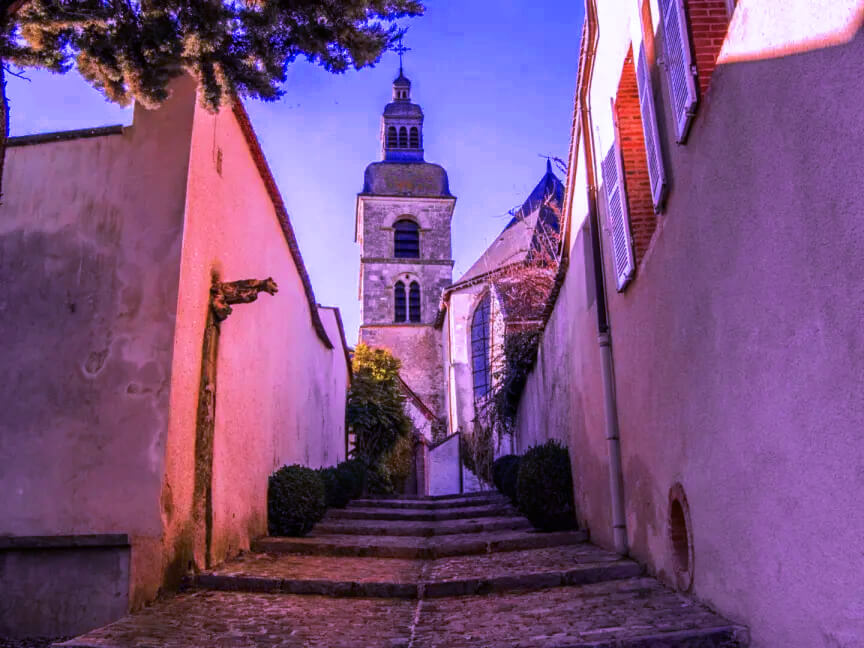
That is why wartime preservation still resonates with wine travelers now. Standing in a centuries-old cellar in Burgundy or descending into the chalk beneath Champagne, visitors are not simply entering a production site. They are entering a cultural archive that survived not by accident, but because people chose to protect it under extraordinary pressure.
Many estates do not foreground wartime drama in every tour, and that restraint makes sense. Wine regions are living places, not museums fixed in trauma. Yet the memory remains in architecture, family stories, and the reverence with which certain vintages are discussed.
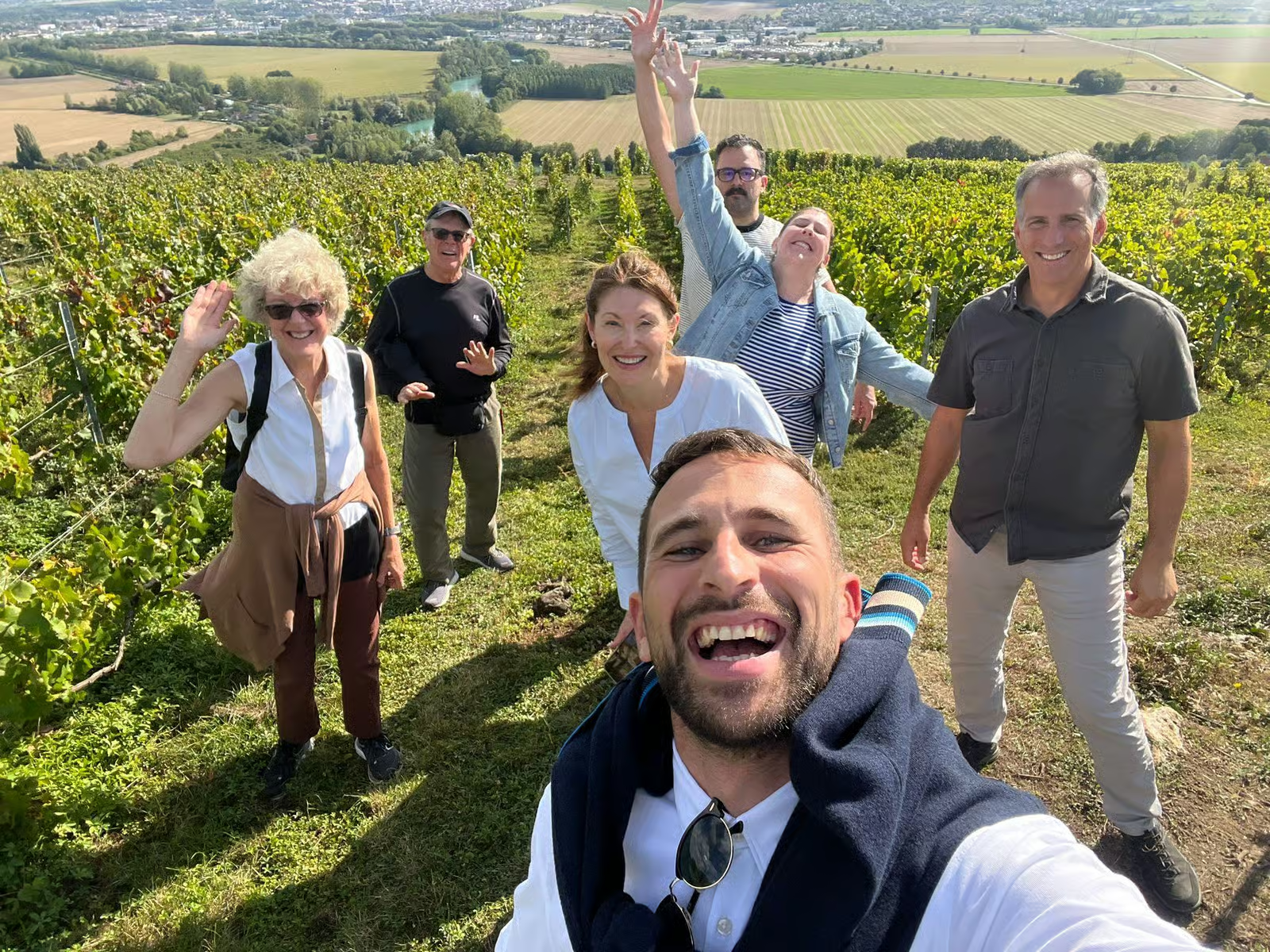
If you travel through Champagne, the underground world takes on new meaning once you understand how useful concealment would have been there. In Burgundy, the intimacy of family domaines makes the wartime stakes feel personal. In Bordeaux, the grandeur of château culture sits alongside a more complicated history of negotiation, pressure, and selective defiance.
This is one reason wine tourism in France can feel richer than a checklist of tastings. The landscape is beautiful, yes, but its beauty is layered. A vineyard can be scenic and scarred, celebratory and solemn at once. The best visits honor both realities.
For travelers who want more than a surface-level pour, stories like these change the experience. They sharpen attention. A bottle is no longer just fruit, oak, and finish. It becomes testimony.
That is part of the enduring appeal of French wine country, and part of what makes thoughtful wine travel so rewarding. Whether you are planning a cellar visit in Reims, a tasting route through the Côte d’Or, or a château stop in Bordeaux, history is often waiting in the cool dark just beyond the tasting room. Platforms such as Wine Tour Searcher can help map those journeys, but the real discovery happens when a place reveals what it once had to hide.
The next time a vigneron speaks about heritage, listen closely. In France, that word may mean vines and vintages, but it can also mean courage stored underground until the world was ready to uncork it.