Table of Contents
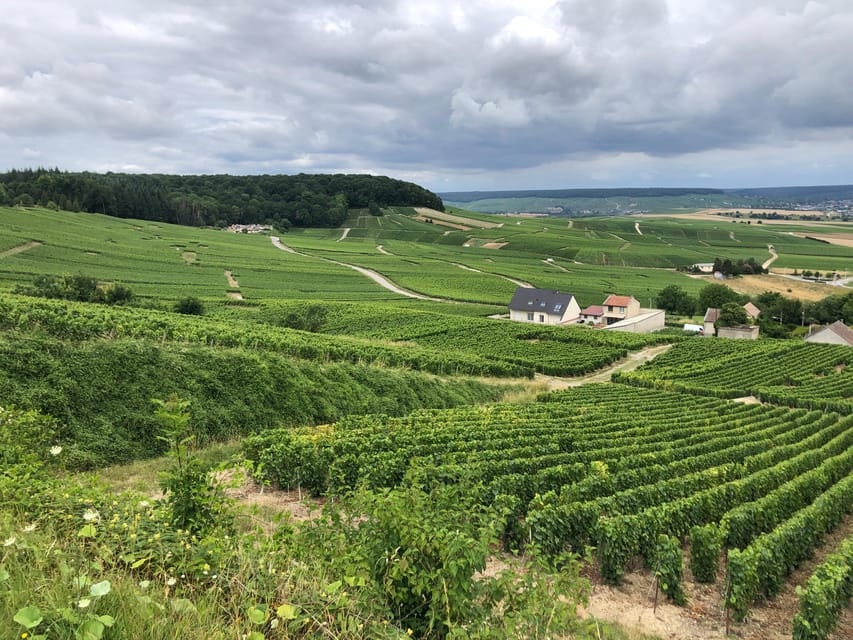
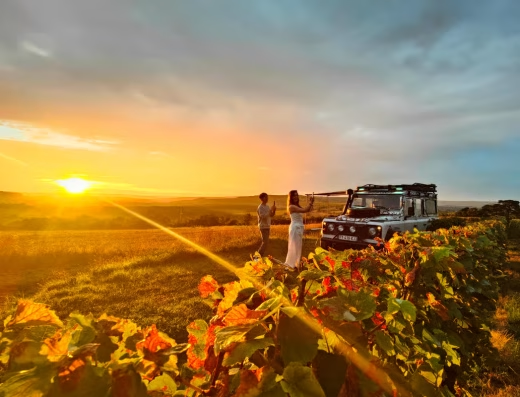
The relationship between the chalky soils of the Champagne region and the local plate is a profound study in geological and biological harmony. This unique terroir, characterized by a thick layer of belemnite chalk, acts as a natural regulator of both heat and moisture, imparting a distinct mineral tension and high natural acidity to the grapes.
In the realm of gastronomy, the concept of balance is achieved through the structural interaction between the wine’s effervescence and the textures of the food. The high acidity of Champagne acts as a structural backbone that cuts through the richness of fats and proteins, effectively cleansing the palate between every bite.
This chemical interaction is primarily driven by the wine’s low pH, which stimulates salivation and enhances the perception of delicate flavors in the dish. Furthermore, the presence of carbon dioxide in the form of fine bubbles provides a physical scrubbing action on the tongue, which is particularly effective when paired with creamy or fried textures.
This structural synergy ensures that neither the wine nor the food dominates the sensory experience, but rather they exist in a state of mutual enhancement. The long aging process on the lees adds a layer of autolytic complexity—notes of toasted brioche and nuts—which provides a bridge to savory, umami-rich ingredients. By understanding these scientific principles, one can appreciate how the soil of Champagne does not just produce a beverage, but a precise culinary tool designed by nature and refined by tradition to elevate the dining experience to its highest expression

Best Champagne Pairings with local Food
The gastronomy of the Champagne region is a reflection of its cool northern climate and agricultural heritage, where rustic, soul-warming dishes meet the world’s most sophisticated sparkling wine. Local pairings are built on a foundation of structural “terroir-to-table” logic, where the high mineral content of the soil is mirrored in the salinity of the local cheeses and the earthy textures of regional legumes and meats. This section explores how the inherent acidity and effervescence of Champagne varieties provide a necessary counterpoint to the rich, often heavy culinary traditions of the Marne and Aube departments.
,
White Champagne and Local Gastronomy
White Champagne, including Blanc de Blancs made exclusively from Chardonnay and classic blends, is defined by its remarkable elegance, crystalline purity, and vibrant citrus profile. These wines often exhibit notes of green apple, lemon zest, and white flowers, underpinned by a saline minerality derived from the chalky subsoil. As they age, they develop complex aromas of toasted almond and fresh butter. The structural hallmark of these wines is their laser-like acidity and fine, persistent mousse, which provides a refreshing and sophisticated mouthfeel suitable for the most delicate of local delicacies.
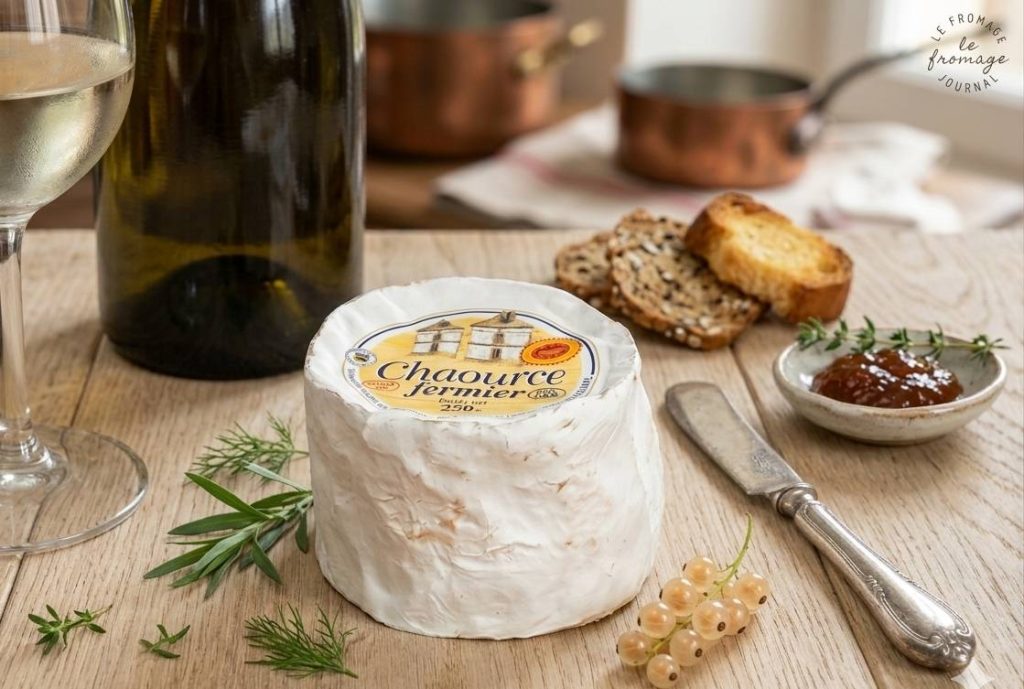
Chaource Cheese and Blanc de Blancs (Côte des Blancs)
The pairing of Chaource, a local triple-cream cow’s milk cheese, with a Blanc de Blancs from the Côte des Blancs is a classic example of structural balance. The high fat content and creamy texture of the Chaource require a wine with significant acidity to prevent the palate from becoming saturated. The one hundred percent Chardonnay composition provides a sharp, citrus-driven acidity that cuts through the richness of the cheese, while the wine’s saline minerality complements the saltiness of the rind. This interaction ensures that the delicate, mushroomy flavors of the cheese are highlighted rather than masked by the wine’s effervescence.
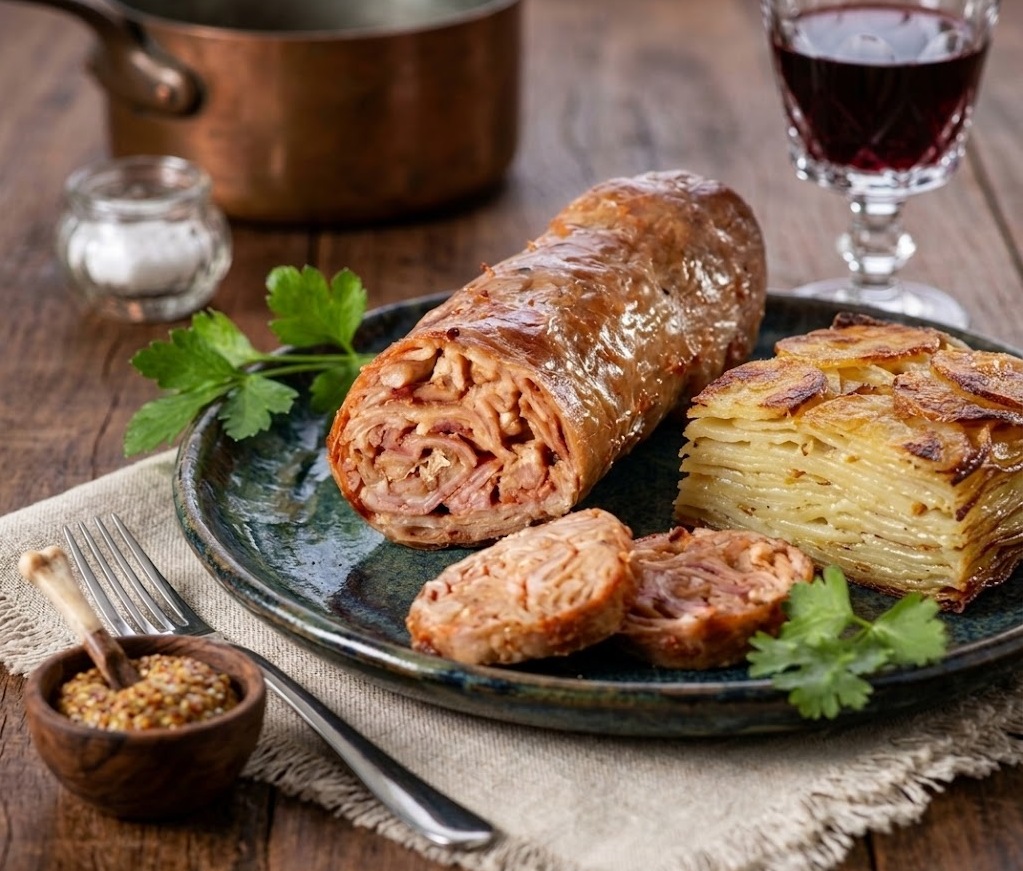
Robust flavors of Andouillette require acidic structure
Andouillette de Troyes and Brut Sans Année
The robust and earthy flavors of Andouillette de Troyes, a traditional tripe sausage, find an unexpected but scientifically sound partner in a classic Brut Champagne. The intense savoriness and high protein density of the sausage are balanced by the wine’s carbonation and acidic structure. The bubbles act as a physical cleanser, breaking down the heavy textures of the meat, while the slight autolytic notes of the Champagne—such as biscuit and bread dough—echo the savory profile of the dish. This creates a harmonious bridge between the rustic nature of the local charcuterie and the refinement of the sparkling wine.
Reims Ham (Jambon de Reims) and Blanc de Noirs
Jambon de Reims, known for its unique preparation involving breading and seasoning, pairs exceptionally well with a Blanc de Noirs. Made from Pinot Noir or Meunier, this style of Champagne offers more weight and red fruit character, which stands up to the textured, meaty profile of the ham. The tannins present in the black-skinned grapes, though minimal after pressing, provide enough structure to bind with the proteins in the ham. The vibrant acidity ensures the palate remains fresh, making each bite as impactful as the first, while the wine’s spicy undertones complement the ham’s seasoning.
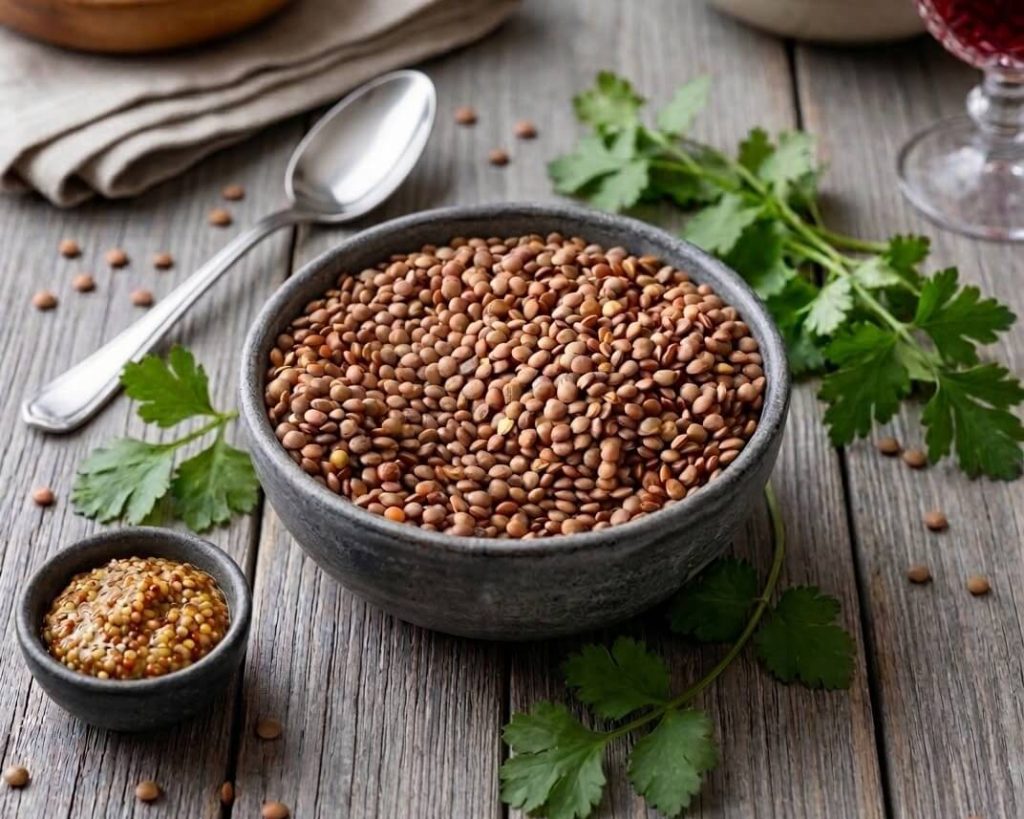
Lentils from Champagne (Lentillons Champenois) and Extra Brut
The small, delicate pink lentils of the region, often prepared with bacon or local herbs, require a wine that respects their earthy texture without overpowering them. An Extra Brut Champagne, with its very low residual sugar, provides a bone-dry framework that emphasizes the nutty and mineral qualities of the lentils. The lack of sweetness prevents a clash with the savory elements of the dish, while the wine’s structural tension provides a refreshing contrast to the soft, grainy texture of the legumes. This pairing highlights the shared mineral heritage of the soil and the plate.
Roasted Bresse Chicken with Morels and Vintage Champagne
A Vintage Champagne, having spent significant time aging on its lees, possesses the depth and complexity required to match a rich dish like Bresse chicken with morels. The tertiary aromas of forest floor, truffle, and dried fruit in the wine find a direct aromatic link with the earthy morels. Scientifically, the concentrated acidity of a vintage bottling is necessary to balance the creamy sauce, while the developed wine structure supports the succulent proteins of the poultry. This creates a luxurious and multi-dimensional sensory experience where the wine acts as a complex seasoning
Pike Perch (Sandre) from the Marne and Blanc de Blancs
Pike Perch, a delicate freshwater fish found in the local rivers, is best served with a Blanc de Blancs that mirrors its finesse. The lean, white flesh of the fish requires the elegant acidity of Chardonnay to enhance its subtle flavors. The wine’s floral and citrus notes act similarly to a squeeze of fresh lemon, brightening the dish without adding weight. The fine bubbles provide a textural contrast to the flaky fish, ensuring that the mouthfeel remains light and sophisticated throughout the meal, perfectly illustrating the concept of weight-for-weight pairing.
Sparkling Rosé Champagne Varieties (Coteaux Champenois)
Sparkling Rosé Champagne, whether made through the d’assemblage (blending) or saignée (maceration) method, offers a broader structural spectrum including red fruit aromatics and a firmer tannic grip. These wines are characterized by notes of wild strawberry, raspberry, and sometimes spicy or floral undertones. Because of the contact with red grape skins, Rosé Champagne possesses a unique phenolic structure that allows it to interact with more robust local ingredients, providing a bridge between the elegance of white sparkling wine and the substance of red wine
Local Venison with Red Currants and Vintage Rosé
Venison, being a lean but intensely flavored meat, requires a wine that offers both fruit and finesse. A Vintage Rosé Champagne provides a delicate tannic structure that does not overpower the lean meat while offering aged complexity. The wine’s natural red currant and cranberry notes perfectly mirror the fruit traditionally served with venison, creating a seamless aromatic bridge. The high acidity of the wine also helps to lift the dense texture of the game, ensuring a balanced and elegant dining experience that celebrates the local forests
Langres Cheese and Rosé Champagne
While Marc de Champagne is traditional, a powerful Rosé Champagne is a magnificent wine partner for the pungent Langres cheese. The wine’s acidity cuts through the intense creaminess and fat of the cheese, while its red fruit profile stands up to the cheese’s powerful aroma. This is a pairing of intensity, where the fruitiness of the Rosé balances the “funk” of the cheese, resulting in a surprisingly harmonious and long-lasting finish on the palate that cleanses the mouth for the next bite..
Biscuits Roses de Reims and Demi-Sec Rosé
The famous pink biscuits of Reims are designed to be dipped into Champagne, and a Demi-Sec Rosé style is an aesthetically and scientifically correct choice. The residual sugar in the wine matches the sweetness of the biscuit, preventing the wine from tasting sour. The wine’s effervescence helps to soften the dry, crunchy texture of the biscuit, while the red fruit notes of the Rosé complement the delicate vanilla and color of the local confectionery. This is a historic and structurally sound dessert pairing.
Tarte aux Quetsches (Plum Tart) and Rosé Champagne
A plum tart made with the local Quetsche plums pairs magnificently with a Rosé Champagne. The wine’s red fruit aromatics—specifically strawberry and raspberry—enhance the tartness of the cooked plums. The bubbles provide a refreshing lift to the buttery pastry, while the slight tannic grip found in many rosés adds a layer of complexity that balances the fruit’s sweetness. This pairing is a celebration of the region’s orchards and vineyards, showcasing the versatility of Rosé Champagne in a sweet context
Red Champagne Varieties (Coteaux Champenois)
While famous for bubbles, the region also produces exceptional still red wines known as Coteaux Champenois, primarily from Pinot Noir. These wines are characterized by their light body, high acidity, and vibrant red fruit profiles, such as cherry and raspberry, often accompanied by a distinct flinty minerality. Because of the cool climate, the tannins are typically fine-grained and silky, making these wines incredibly versatile for food. They offer a rare combination of elegance and structural tension, providing a refreshing alternative to the more powerful reds found further south in France.
Potée Champenoise and Coteaux Champenois Rouge (Bouzy)
The Potée Champenoise, a hearty smoked pork and vegetable stew, is a staple of the local winter diet. It pairs beautifully with a still red Pinot Noir from the village of Bouzy. The wine’s high natural acidity is essential for cutting through the fat of the smoked pork, while its light body ensures that the vegetables are not overwhelmed. The red fruit notes provide a bright contrast to the smoky and salty elements of the stew. This pairing demonstrates how a light-bodied red wine can handle rich flavors through structural acidity rather than tannic weight..
Best Champagne Food Pairings with international Food
Champagne is often cited as the most versatile food wine in the world, a claim supported by its unique molecular composition. Beyond the borders of France, sparkling white and rosé Champagne act as a “gastronomic bridge,” capable of navigating the intense umami of Asian cuisines, the heat of global spices, and the diverse textures of international street foods. This section demonstrates how the structural pillars of Champagne—specifically its low pH and carbonation—interact with global ingredients to create a universal language of flavor and balance
White Sparkling Champagne
Sparkling white Champagne varieties possess a unique ability to enhance international dishes through their mineral precision and refreshing mouthfeel. Whether it is the crystalline structure of a Blanc de Blancs or the balanced weight of a traditional blend, these wines interact with the salt, spice, and fats of global cuisine to elevate the dining experience
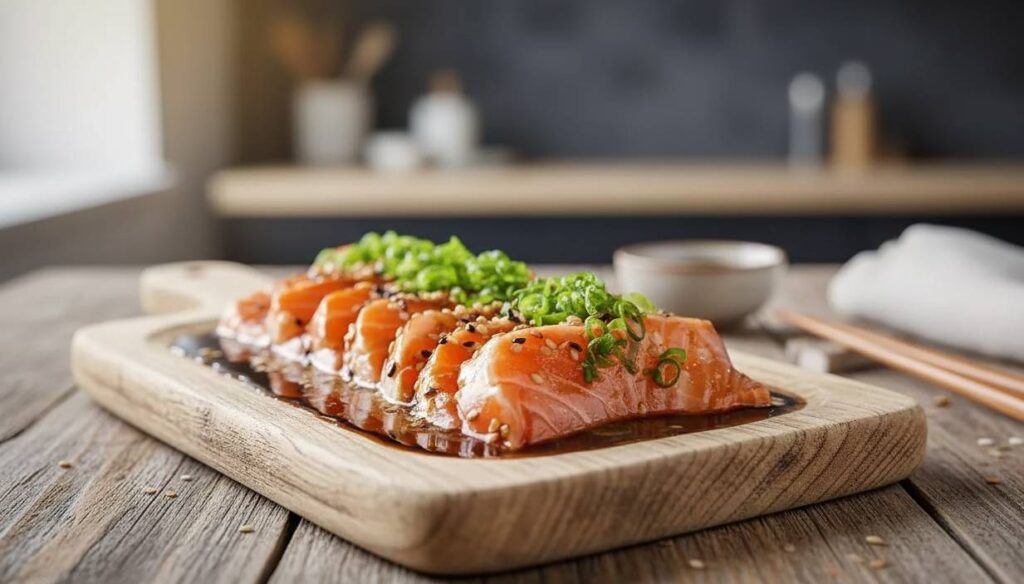
High Acidity of Blanc de Blanc interact well with proteins of raw fish
Japanese Sashimi and Blanc de Blancs (Chardonnay)
The high acidity and low pH of a white sparkling Blanc de Blancs Champagne interact with the delicate proteins of raw fish to enhance its natural sweetness. The wine’s mineral tension provides a structural counterpoint to the soft texture of the sashimi, acting as a palate cleanser that removes the oily residue of fish like tuna or yellowtai
Oysters on the Half Shell and Ultra Brut (Zero Dosage)
The saline profile of fresh oysters finds a molecular match in the sea-fossil-derived minerality of white Champagne. An Ultra Brut, having no added sugar, ensures that the wine’s natural acidity and saltiness are at the forefront, creating a crisp, bracing interaction that amplifies the oceanic flavors of the shellfish without any distracting sweetness
Thai Green Curry and Demi-Sec White Champagne
The residual sugar in a Demi-Sec white Champagne serves to coat the palate and mitigate the capsaicin heat found in Thai green curry. Simultaneously, the wine’s high acidity cuts through the richness of the coconut milk, while its carbonation provides a refreshing lift that prevents the spices from overwhelming the senses.
Peruvian Sea Bass Ceviche and Ultra-Brut (Zero Dosage)
The high citric acid (lime juice) of the leche de tigre would make a standard Brut taste flabby. An Ultra-Brut has the “nerve” and high-acid tension to match the dish’s vibrance. The saline minerality of the chalky terroir enhances the fresh, oceanic flavors of the raw fish.
Fried Chicken and Brut Non-Vintage
The effervescence of white sparkling Champagne provides a physical “scrubbing” effect that is ideal for cutting through the heavy oils and fats of fried chicken. The wine’s acidity balances the saltiness of the breading, while the autolytic notes of toast and yeast in the Champagne complement the savory, fried crust of the poultry
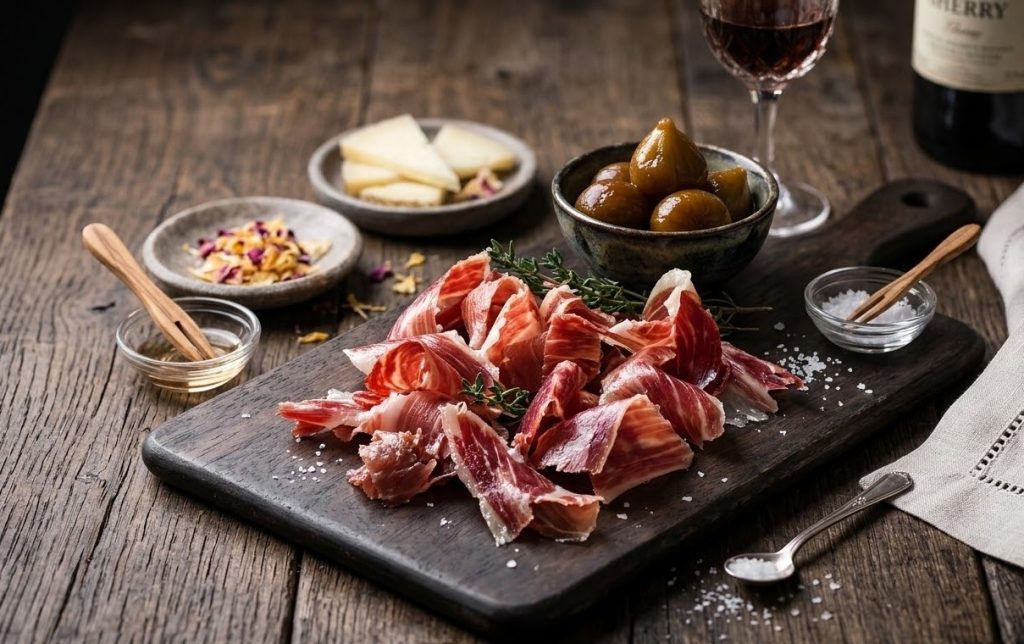
Jamon Iberico complex fats require acidity
Spanish Jamón Ibérico and Vintage Blanc de Blancs
The complex fats in Jamón Ibérico require the high-acid structure of an aged white Blanc de Blancs to be properly resolved on the tongue. The wine’s developed notes of nuts and dried fruits find a direct aromatic synergy with the acorn-fed flavors of the ham, while the bubbles refresh the palate after the rich fat
Indian Vegetable Pakoras and Blanc de Blancs
The light, crispy texture of chickpea-flour-based pakoras is elevated by the fine mousse of a Chardonnay-based white Champagne. The wine’s citrus notes provide a bright contrast to the earthy spices like cumin and coriander, while its clean finish ensures that the fried elements do not linger too heavily on the palate.
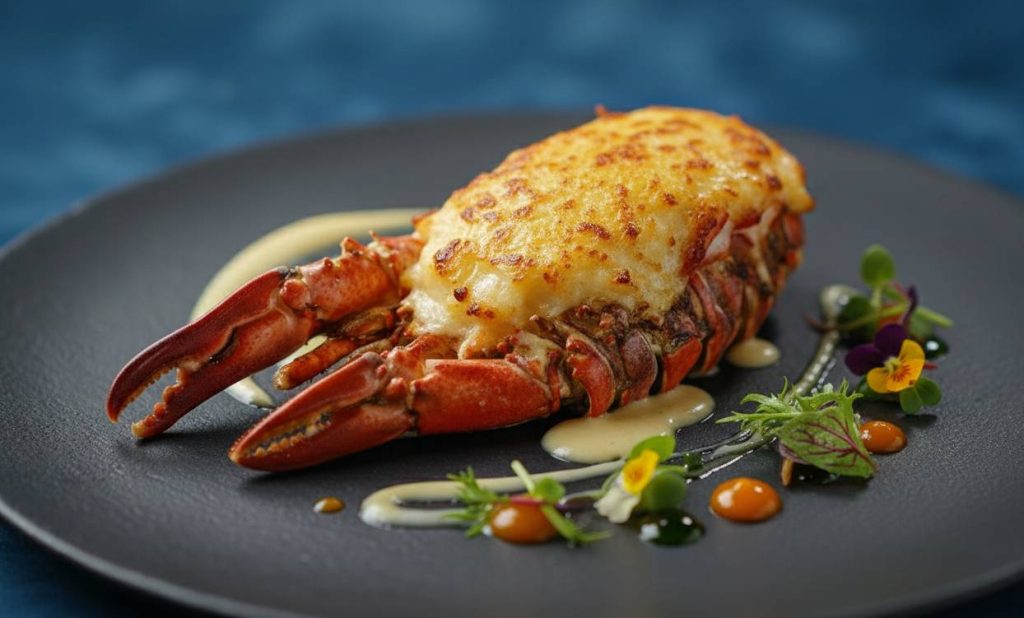
Lobster Thermidor and Grand Cru Blanc de Blancs
A rich, creamy dish like Lobster Thermidor demands a white wine with both significant acidity and structural weight. A Grand Cru Blanc de Blancs offers the necessary concentration to stand up to the buttery sauce, while its vibrant acidity ensures the lobster remains the star of the dish, providing a luxurious balance of powe
Aged Comté Cheese (24+ Months) and Blanc de Blancs (Chardonnay)
While Langres is a classic “funk” pairing, the interaction between an aged Comté and a mineral-driven Blanc de Blancs is a study in autolytic harmony. As Comté ages, it develops tyrosine crystals (those crunchy salty bits) and intense nutty, toasted butter flavors. These find a biological mirror in the brioche and hazelnut notes of a Chardonnay that has spent significant time on the lees. The wine’s crystalline acidity provides a sharp, elegant contrast to the cheese’s dense, creamy paste, creating a long, saline finish that is the height of gastronomic precision.
Lemon Tart and Demi-Sec White Champagne
The sugar content in a Demi-Sec is essential for matching the sweetness of a lemon tart, preventing the wine from appearing overly acidic. The citrus notes in the white Champagne echo the lemon in the dessert, while the bubbles provide a textural contrast to the smooth curd and crumbly pastry
Best Rosé Champagne Pairings And International Food
Rosé Champagne provides a deeper structural connection to international meat dishes and robust flavors. The presence of phenolic compounds and tannins in these sparkling rosés allows them to bind with proteins and stand up to more intense culinary preparations and exotic spice profiles
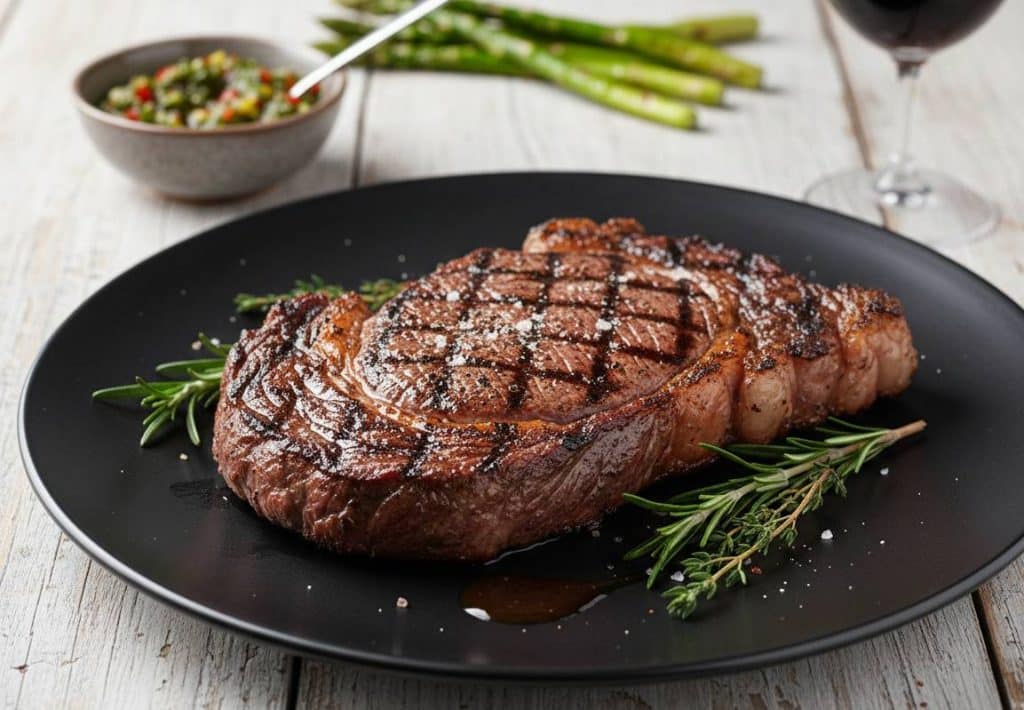
Grilled Argentine Ribeye and Rosé Champagne
The tannins present in a structured Rosé Champagne are sufficient to bind with the proteins of a grilled steak. The wine’s robust structure and red fruit character provide a weight-for-weight match for the beef, while its high acidity cuts through the marbling and charred fat of the ribeye
Korean Fried Chicken and Blanc de Noirs (Pinot Noir)
While it may seem informal, this is a masterclass in structural interaction. The intense crunch and savory fat of the double-fried chicken require the muscularity of a Blanc de Noirs. The wine’s structural backbone of red fruit notes (raspberry and wild plum) provides a vibrant contrast to the soy and ginger glazes, while the powerful effervescence acts as a “physical scrubbing agent” on the palate, cutting through the richness and resetting the tongue for the next spicy bite.
Duck Confit and Rosé Champagne
Duck confit, characterized by its high fat content and rich flavor, is perfectly balanced by the intense acidity and red berry profile of a Rosé Champagne. The tannins in the rosé help to break down the dense meat fibers, while the wine’s effervescence prevents the rich duck fat from coating the palate too heavily.
Moroccan Lamb Tagine and Rosé Champagne
The spices and dried fruits in a lamb tagine find an aromatic partner in the spicy, earthy undertones of a Pinot Noir-dominated Rosé Champagne. The wine’s structure is firm enough to handle the succulent lamb, while its acidity provides a necessary brightness that lifts the heavy, slow-cooked flavors.
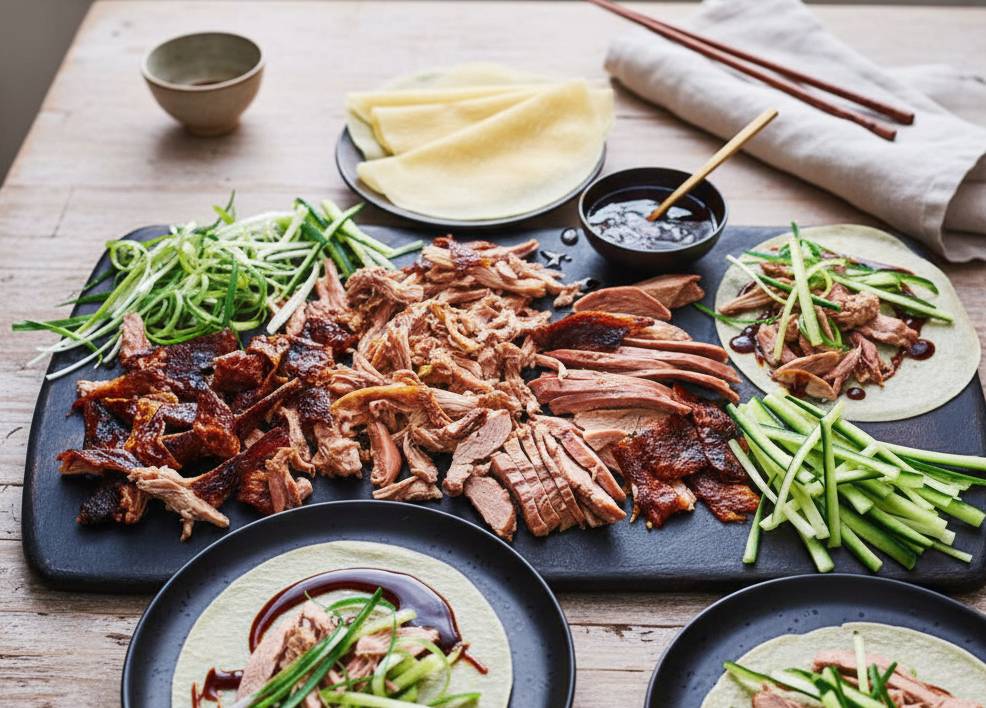
Sauce sweetness of Peking Duck requires acidity
Peking Duck and Rosé Champagne
The combination of crispy skin, succulent meat, and sweet hoisin sauce in Peking duck requires a wine with both acidity and fruit. A Rosé Champagne offers the berry notes to match the sauce and the bubbles to cut through the fat of the skin, creating a multi-layered interaction.
Mushroom Risotto and Vintage Rosé Champagne
The umami-rich flavors of mushrooms and the creamy texture of risotto are complemented by the earthy, autolytic notes of an aged Rosé Champagne. The wine’s structural depth supports the richness of the butter and parmesan, while its acidity ensures that the dish remains vibrant and approachable
Beef Tartare and Rosé Champagne
The raw, iron-rich flavors of beef tartare are beautifully highlighted by the vibrant red fruit and crisp structure of a Rosé Champagne. The wine’s acidity provides a sharp contrast to the soft texture of the meat, while its subtle tannic grip provides a clean and sophisticated finish.
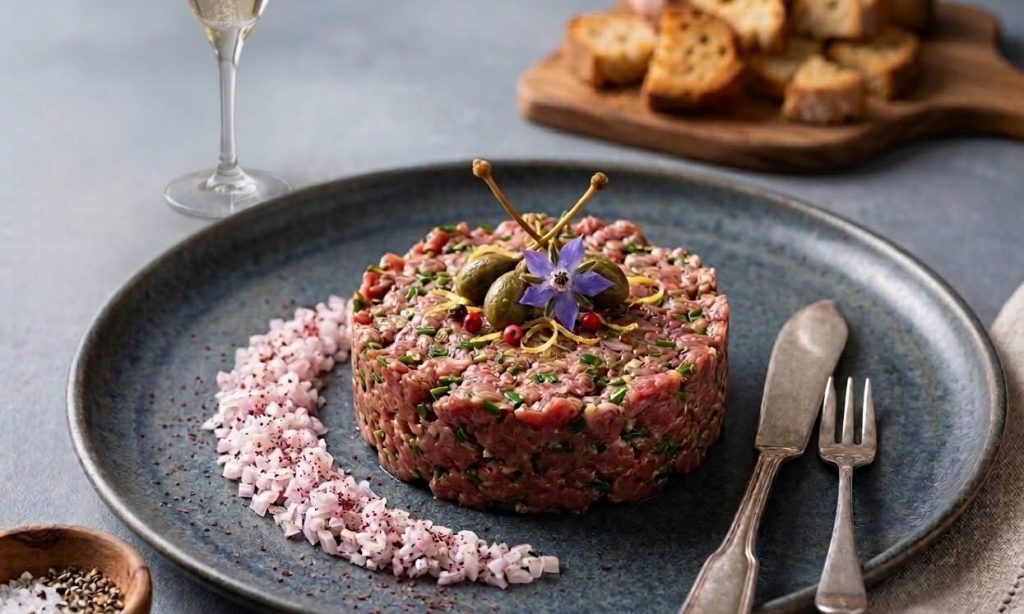
Raw beef are highlighted by fruitiness of Ros Champagne
Gorgonzola Cheese and Rosé Champagne
The intense saltiness and creaminess of blue cheese like Gorgonzola are balanced by the fruitiness and acidity of a Rosé Champagne. The wine’s red fruit notes provide a sweet-savory contrast to the cheese’s “funk,” while the bubbles cleanse the palate of the heavy blue mold flavors.
Venison Carpaccio and Rosé Champagne
The lean, gamey profile of venison carpaccio requires a wine with finesse and enough structure to match the meat. A Rosé Champagne provides the red fruit character and acidic backbone to enhance the venison without overpowering it, resulting in a refined and perfectly balanced international pairing.
Champagne Gastronomy: The Ultimate Symphony of Soil and Spirit A Journey Through the Effervescent Terroir of Excellence
The culinary landscape of Champagne is a testament to the region’s ability to blend historical tradition with modern scientific precision. From the chalky hillsides to the sophisticated dining rooms of Reims and Épernay, the white and rosé sparkling wines of this region exist in a state of constant, vibrant dialogue with food. Whether pairing a local Chaource cheese with a mineral-driven Blanc de Blancs or exploring international frontiers with Japanese sashimi, the structural integrity of Champagne—its acidity, effervescence, and complexity—remains the ultimate tool for gastronomic elevation. To experience Champagne at the table is to participate in a sensory ritual where the very essence of the earth is transformed into a liquid masterpiece.
How to Succeed in Your Champagne Wine Pairing? In a Nutshell
To achieve professional excellence in Champagne and food pairing, one must respect the structural mechanics of the wine rather than just its flavor profile. Success lies in balancing the high acidity of the wine with the fat or salt of the dish, ensuring the palate is constantly refreshed. One should choose a Blanc de Blancs for delicate textures and saline components, while a structured Rosé Champagne should be reserved for proteins that require a subtle tannic grip. Furthermore, the degree of residual sugar (dosage) must mirror the sweetness or spice level of the food to avoid a metallic or thin mouthfeel. By treating Champagne as a versatile, acidic backbone for a meal rather than merely a celebration toast, the diner unlocks a world of sophisticated gastronomic harmony.
Terroir-Driven Acidity: The chalky soils of Champagne provide the high acidity essential for balancing fats and proteins in both local and international cuisines.
Structural Versatility: The range of styles—from bone-dry white Ultra Brut to sweet Rosé Demi-Sec—allows Champagne to pair with everything from raw oysters to spicy curries.
Effervescent Palate Cleansing: The fine bubbles in sparkling white and rosé Champagne act as a physical cleanser, refreshing the tongue and enhancing the flavors of rich foods.
Autolytic Complexity: Long aging on the lees creates notes of brioche and nuts, providing a bridge to umami-rich ingredients like mushrooms and aged cheeses.
Stylistic Precision: Sparkling Blanc de Blancs excels with delicate seafood, while Rosé Champagne offers the phenolic structure needed for meats and game.