Table of Contents
Italy is unique in the world of wine. While many countries have built their reputations around a limited number of internationally recognized grape varieties, Italy’s identity is rooted in extraordinary diversity. From the Alpine valleys bordering Austria and Switzerland to the sun-drenched islands of Sicily and Sardinia, the Italian peninsula is home to more than 900 documented native grape varieties, making it one of the richest viticultural reservoirs on Earth.
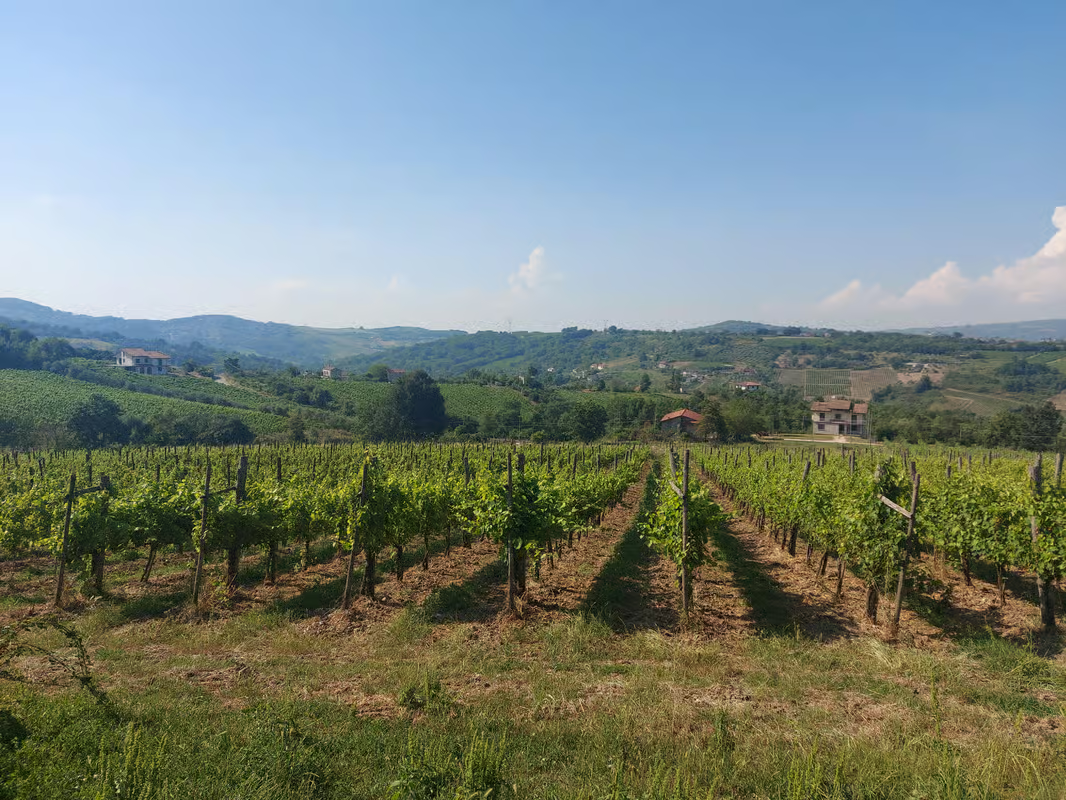
This immense diversity is not merely a curiosity for ampelographers. It is the result of more than two millennia of uninterrupted wine culture, shaped by ancient civilizations, isolated mountain communities, maritime trade routes, and a remarkable range of geological and climatic environments. Few countries can claim such a mosaic of terroirs: volcanic slopes, marine sediments, limestone ridges, glacial moraines, sandstone hills, and alluvial plains coexist within relatively short distances, creating ideal conditions for the preservation and evolution of local grape populations.
Among these hundreds of indigenous varieties, a select group has become the foundation of Italy’s global reputation—each carrying a distinct aromatic signature, regional identity, and stylistic expression.
Iconic Red Grapes of Italy
Walk the Sangiovese Wine Trails.
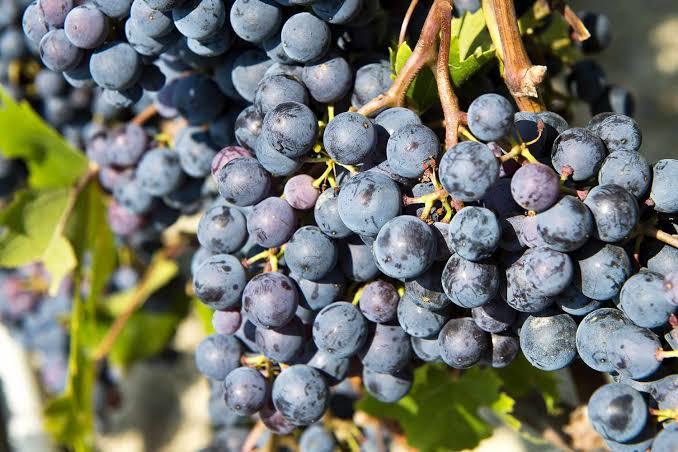
At the heart of central Italy, Sangiovese stands as the country’s most important red variety. It is widely planted in Tuscany and beyond, forming the backbone of Chianti, Brunello di Montalcino, and Vino Nobile di Montepulciano. Aromatically, Sangiovese is defined by sour cherry, dried herbs, violets, and earthy tobacco tones. On the palate, it is typically high in acidity with firm tannins, making it exceptionally food-friendly and highly expressive of terroir. In warmer sites it can show plum, leather, and sweet spice, while cooler expressions lean toward red currant and forest floor.
In Piedmont, Nebbiolo produces some of the world’s most structured and long-lived wines, including Barolo and Barbaresco. Nebbiolo is known for its haunting aromatics: rose petals, tar, truffle, dried cherry, and orange peel. It is pale in color but intensely tannic and acidic, requiring long aging to fully reveal its complexity. With time, it develops layers of incense, dried fruit, and earthy minerality, making it one of Italy’s most aristocratic varieties.
Further east in Veneto, Corvina defines the identity of Valpolicella and Amarone wines. Corvina typically shows bright red cherry, almond, and subtle spice, often with a slightly bitter cherry (amarena) nuance. In the appassimento method used for Amarone, its flavors become richer and more concentrated, developing dried figs, cocoa, and baking spices while maintaining a characteristic freshness.
Montepulciano is one of central and southern Italy’s most widely planted grapes, especially associated with Abruzzo. It produces deeply colored, soft, and approachable wines with aromas of black cherry, blackberry, plum, and violets. Its tannins are generally smooth, and its natural richness makes it ideal for everyday wines as well as more structured DOC and DOCG bottlings.
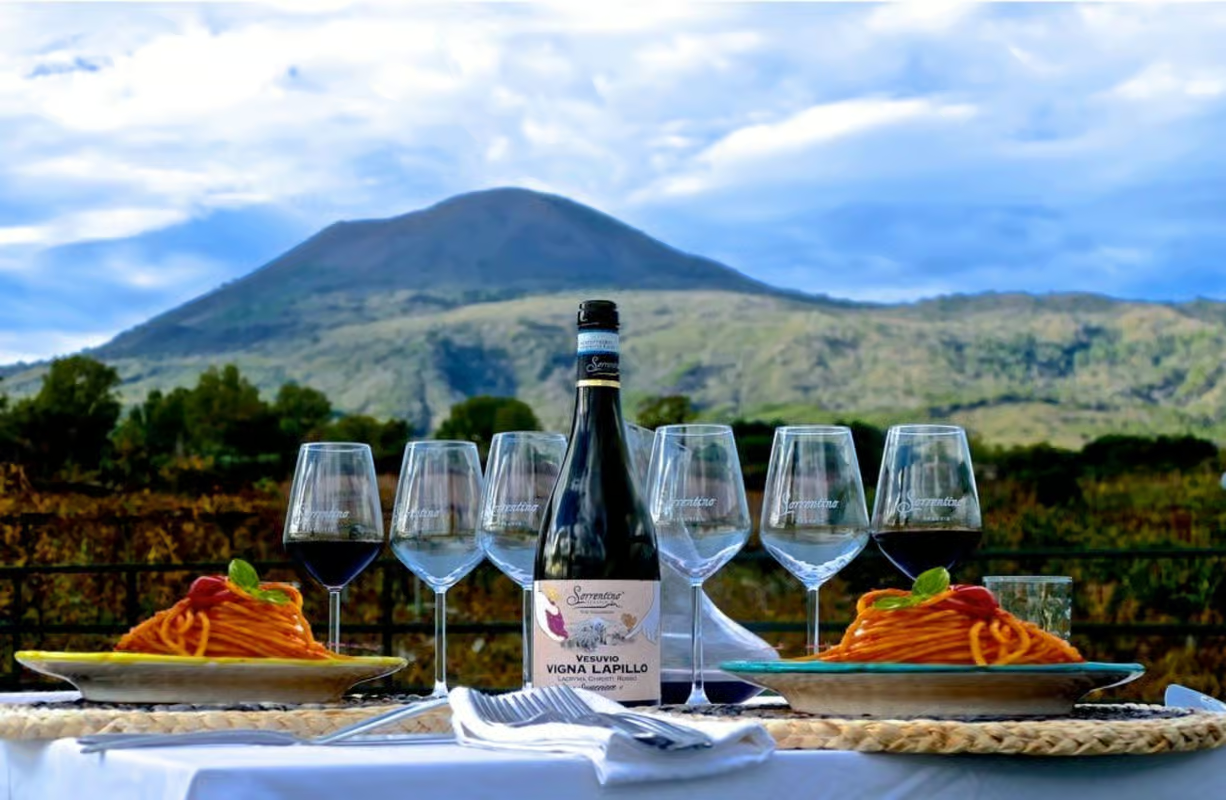
In southern Italy, Aglianico is often referred to as the “Barolo of the South” due to its power and aging potential. Grown primarily in Campania and Basilicata, it delivers intense aromas of black fruit, smoke, leather, iron, and dark chocolate. It is highly tannic and acidic, requiring long maturation to soften, eventually revealing complex notes of dried herbs, balsamic tones, and volcanic minerality.
Uncover the Legacy of Nebbiolo.
Major White Grapes and Their Expressions
Among white varieties, Pinot Grigio has become Italy’s most internationally recognized white wine. In northern regions such as Friuli-Venezia Giulia and Alto Adige, it produces crisp, light-bodied wines with aromas of green apple, pear, citrus peel, and white flowers. Some skin-contact styles (“ramato”) add texture and notes of peach skin, almond, and subtle spice.
In Veneto, Garganega is the principal grape of Soave. It is known for delicate aromas of white peach, lemon zest, chamomile, and almond blossom. On the palate, it often shows a gentle creaminess balanced by mineral tension, especially when grown in volcanic soils, where it can gain smoky and saline undertones.
Verdicchio from the Marche region is one of Italy’s most age-worthy white grapes. It combines green apple, anise, lemon, and white flowers with a distinctive bitter almond finish. Its naturally high acidity allows it to develop honeyed, waxy, and nutty complexity with bottle age.
The name Trebbiano refers to a family of related varieties spread across Italy. It typically produces neutral, light-bodied wines with subtle citrus, pear, and herbal notes. While often used in blends or for high-acidity base wines (including vinegar and brandy production), certain clones can yield surprisingly elegant, mineral-driven expressions.
In Campania, Fiano produces richly textured whites with aromas of honey, hazelnut, pear, and tropical fruit, often accompanied by smoky and flinty undertones. It is known for its ability to age, developing beeswax and toasted nut complexity over time.
Greco (especially Greco di Tufo) offers intense aromatics of apricot, citrus zest, and volcanic minerality. It is typically full-bodied for a white wine, with high acidity and a slightly savory, herbal edge that reflects its southern volcanic terroir.
Vermentino thrives in coastal regions such as Liguria, Sardinia, and Tuscany. It is aromatic and fresh, showing lime, green apple, grapefruit, and Mediterranean herbs like rosemary and thyme. A saline, sea-breeze character is often present, especially in coastal vineyards.
Arneis from Piedmont is often called the “white Nebbiolo,” though stylistically very different. It offers delicate aromas of pear, white peach, chamomile, and almond, with a soft texture balanced by subtle bitterness and freshness.
In Sicily, Carricante grows on the volcanic slopes of Mount Etna. It produces high-acid, mineral-driven wines with citrus, green apple, flint, and smoky volcanic notes. With age, it can develop honeyed complexity and a striking saline edge.
Explore Legendary Vermentino Trails.
Rediscovered and Indigenous Treasures
Beyond the better-known varieties, Italy’s wine renaissance has revived many local grapes once nearly forgotten.
Timorasso from Piedmont produces structured, age-worthy whites with aromas of citrus, pear, honey, flint, and beeswax. It is known for its textural richness and remarkable aging capacity.
Pecorino (not to be confused with the cheese) offers vibrant acidity and aromatic intensity, with notes of citrus blossom, pear, herbs, and tropical fruit, often supported by a mineral backbone.
Nerello Mascalese from Mount Etna is one of Italy’s most elegant red grapes, often compared to Pinot Noir. It shows red berries, wild herbs, volcanic ash, and floral tones, with fine tannins and bright acidity.
Frappato from Sicily is light, fragrant, and perfumed, with aromas of strawberry, raspberry, rose, and sweet spice. It is soft in tannin and often used in blends for aromatic lift.
Falanghina from Campania produces fresh, citrus-driven wines with notes of lemon, green apple, pineapple, and floral herbs, often with a subtle smoky or volcanic undertone.
Raboso from the Veneto region is deeply colored and highly tannic, with sour cherry, cranberry, and earthy spice notes, often requiring aging or blending to soften its rustic structure.
Schioppettino from Friuli is highly aromatic, showing black pepper, wild berries, violet, and herbal notes. It is distinctive for its spicy character and refined acidity.
Finally, Grignolino from Piedmont is a pale red grape with surprising tannic intensity. It offers delicate aromas of red berries, rose petals, white pepper, and herbal notes, combining light color with structural complexity.
A Living Mosaic of Flavor and History
What makes Italy particularly fascinating is that many of these grapes are cultivated only within specific valleys, villages, or hillsides. Hundreds remain largely unknown outside their regions of origin. Varieties such as these demonstrate how deeply local identity is embedded in Italian viticulture, where geography, tradition, and human selection intertwine.
Today, Italian wine is experiencing a renewed appreciation for its native heritage. Researchers, growers, and winemakers continue to identify, preserve, and rehabilitate forgotten varieties that were once at risk of disappearing. This commitment to biodiversity not only protects an invaluable agricultural legacy but also offers wine lovers an unparalleled opportunity to explore flavors, aromas, and expressions that exist nowhere else in the world.
To understand Italian wine is therefore to understand diversity itself. More than any single grape, region, or denomination, it is the coexistence of over 900 native varieties that defines the soul of Italy’s vineyards. Each bottle becomes a reflection of a specific landscape, a local culture, and a centuries-old relationship between people and vine, making Italy one of the most captivating wine destinations on the planet.