Table of Contents
The relationship between the limestone-rich clay soils of the Mâconnais and the local culinary traditions of Southern Burgundy represents a profound study in the concept of terroir-driven balance. In this region, the Chardonnay grape achieves a unique structural profile that differs significantly from its northern neighbors in the Cote d’Or, primarily due to the warmer Mediterranean influences that transition through the Saone valley.
To understand the philosophy of the Mâconnais plate, one must first analyze the chemical interaction between the wine and the food. The primary structural characteristic of Mâconnais white wine is its vibrant acidity, which serves as a molecular cleanser when interacting with the rich fats and proteins found in traditional Burgundian cream sauces or local poultry. This acidity, often measured by a lower pH level, acts to break down the lipid chains on the palate, ensuring that the richness of the dish does not overwhelm the senses.
Furthermore, the presence of residual minerals derived from the Jurassic limestone soil provides a structural spine that supports the weight of the wine. When a wine such as a Pouilly-Fuisse or a Saint-Veran displays significant body and subtle phenolic bitterness, it creates a bridge to the textures of roasted meats or earthy root vegetables.
This balance is not merely a culinary preference but a scientific synergy where the organic acids of the wine and the amino acids of the food harmonize to elevate the overall sensory experience, encouraging both a deeper appreciation of the wine and a physical incentive to explore the rolling vineyards of the Mâconnais landscape.
Local Gastronomy and Mâconnais wine pairing

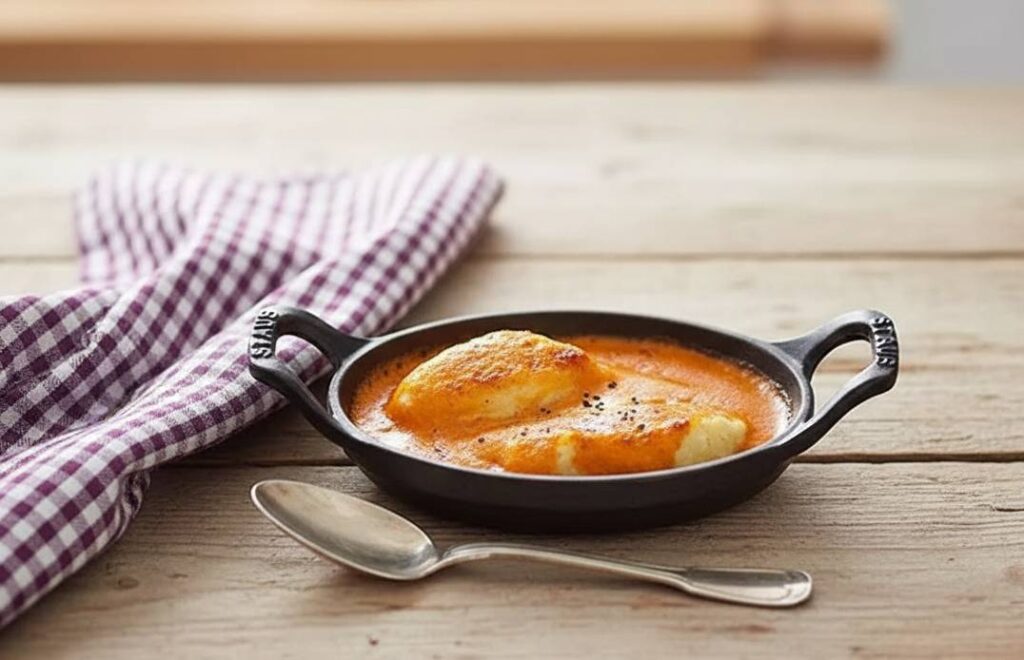
Quenelles de Brochet and Saint Véran
White Wines and Local Gastronomy The Vibrant White Appellations
The white wines of the Mâcon-Villages and the specific appellations such as Pouilly-Fuisse or Saint-Veran are characterized by an exuberant floral and fruit-forward profile. These wines typically exhibit notes of white flowers, honeysuckle, and citrus zest, underpinned by a refreshing acidity that remains crisp and accessible. The absence of heavy oak in many of these expressions allows the purity of the Chardonnay fruit to shine, providing a clean and energetic mouthfeel that is ideal for stimulating the appetite and pairing with the delicate textures of local appetizers and freshwater fish from the nearby Saone river.
Escargots de Bourgogne and Mâcon-Lugny
The preparation of Burgundy snails with a heavy garlic and parsley butter requires a wine that can cut through the intense lipid content. The Mâcon-Lugny provides a high level of tartaric acidity which effectively emulsifies the butter on the palate. Scientifically, the citrus-driven aromatic profile of the Chardonnay molecules complements the herbaceous notes of the parsley, creating a balanced sensory bridge that prevents the garlic from dominating the delicate earthy flavor of the snail. This interaction ensures the palate is refreshed after every bite of the rich, buttery gastropods
Poulet de Bresse à la Crème and Pouilly-Fuissé
The world-renowned Bresse chicken served in a dense cream sauce requires the structural authority of a Pouilly-Fuissé. The wine features a high concentration of dry extract and integrated oak tannins that bind with the animal proteins, while the malolactic fermentation notes of butter and hazelnut mirror the dairy components of the sauce. This alignment of flavor intensity ensures that neither the wine nor the poultry is overshadowed. The elevated alcohol content of this specific appellation provides the necessary body to stand up to the luxurious texture of the heavy cream.
Quenelle de Brochet and Saint-Véran
Pike quenelles served with a rich Nantua sauce possess a delicate yet porous texture that absorbs the nuances of a Saint-Véran. The saline minerality of the wine acts as a natural flavor enhancer for the freshwater fish, while the wine’s rounded body supports the weight of the shellfish-based sauce. The molecular interaction between the wine’s pH and the protein structure of the pike results in a smooth, lingering finish that highlights the elegance of the region.
Fromage de Chèvre du Mâconnais and Mâcon-Charnay
Local goat cheeses, such as the Bouton de Culotte, offer a sharp and tangy profile that finds symmetry with Mâcon-Charnay. The wine’s lively acidity contrasts with the creamy fat of the cheese, while its floral aromatics provide a lift to the pungent notes of the goat’s milk. This pairing is a classic example of regional terroir where the vegetation consumed by the livestock is reflected in the aromatic profile of the wine
Andouillette Mâconnaise and Viré-Clessé
The intense flavor of the local chitterling sausage finds a robust companion in Viré-Clessé. This appellation often carries a touch of residual sugar or a riper fruit profile that stands up to the strong aromatics of the sausage. The wine’s structural density allows it to compete with the chewy texture of the meat, providing a harmonious balance between the rustic dish and the refined wine
Mâconnais Red Wine and Local Food Pairing
Terrine de Campagne and Mâcon-Serrières
The red wines of the Mâconnais, primarily produced from Gamay or Pinot Noir, offer a distinct flavor profile that leans toward crunchy red fruits, peony flowers, and a hint of spice. These wines are generally light to medium-bodied, focusing on freshness and elegance rather than power. They provide a versatile option for charcuterie and lighter meat dishes, showcasing a different facet of the Southern Burgundian soil that is often overshadowed by the famous white wines
Saucisson Brioché and Mâcon-Pierreclos Rouge
A Lyonnais-inspired sausage baked in brioche requires the supple fruit of Mâcon-Pierreclos. The wine’s soft structure does not fight with the delicate bread, while its fruitiness enhances the savory pork center. The molecular bond between the fats in the brioche and the wine’s mild tannins results in a rounded, pleasant mouthfeel that encourages another bite.
Galantine de Volaille and Mâcon-Igé
This chilled poultry dish requires a wine that can be served slightly cool without losing its character. Mâcon-Igé offers a clean, straightforward fruit profile that highlights the delicate flavors of the stuffed chicken. The lack of aggressive tannins ensures that the subtle herbs and nuts in the galantine are not masked, providing a refreshing and sophisticated pairing
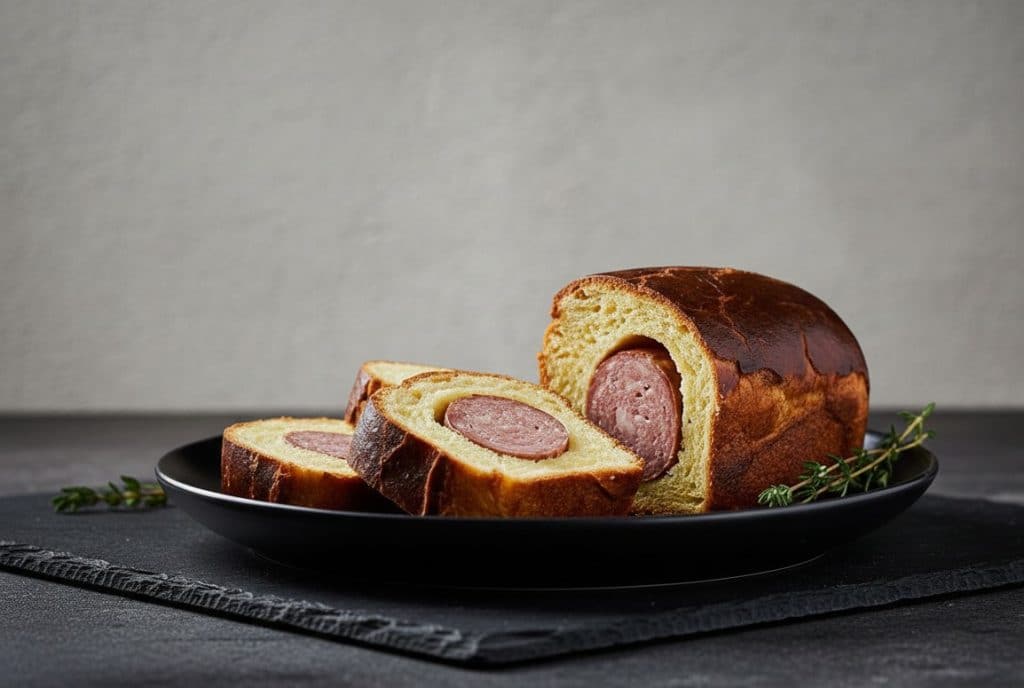
Saucisson Brioché and Mâcon-Pierreclos red fruity notes
International Food pairing with Mâconnais wines Global Food and Wine Perspective
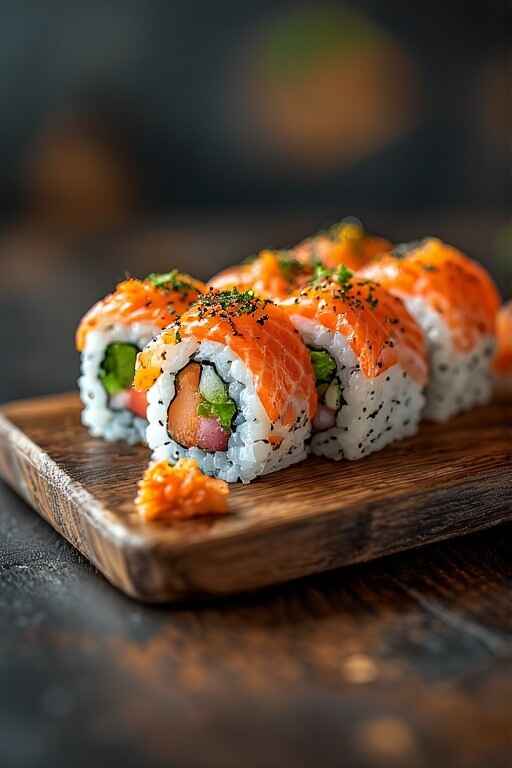
Japanese Sushi and Citrus Acidity of Mâcon Village
Mâconais White Wines And International Food
Beyond the borders of Burgundy, the Chardonnay of the Mâconnais demonstrates a remarkable molecular versatility that allows it to harmonize with diverse global cuisines. This international affinity is rooted in the wine’s structural balance between ripeness and acidity; for example, the specific pH levels and mineral concentration found in these wines interact effectively with varying flavor profiles ranging from the delicate umami of Asia to the rich, spiced fats of North Africa. This global compatibility transforms a regional specialty into a universal tool for sophisticated gastronomic exploration
Gratin Dauphinois and Mâcon-Villages Blanc
A side of creamy scalloped potatoes is best served with a crisp Mâcon-Villages. The wine’s acidity cuts through the heavy cream and starch of the potatoes. The subtle buttery notes in the Chardonnay, derived from malolactic fermentation, find a direct flavor link to the dairy in the gratin, creating a seamless transition from the plate to the glass
Japanese Sushi and Mâcon-Villages
The clean, high pH of a Mâcon-Villages interacts perfectly with the umami of raw fish. The wine’s citrus acidity acts like a squeeze of lemon over the seafood, enhancing the delicate sweetness of the fish while cutting through the richness of avocado or fatty tuna.
Indian Vegetable Curry and Viré-Clessé
The slightly riper fruit and fuller body of Viré-Clessé stand up to the complex spices of a vegetable curry. The wine’s weight provides a cooling effect on the palate against the heat of the spices, while the floral notes harmonize with aromatics like coriander and turmeric
Grilled Sea Bass with Mediterranean Herbs and Saint-Véran
The saline minerality of Saint-Véran binds with the proteins of the grilled white fish. The wine’s herbal undertones mirror the rosemary and thyme used in the preparation, creating a molecular bridge between the soil of Burgundy and the flavors of the Mediterranean coast.
New England Clam Chowder and Pouilly-Fuissé
The creamy texture of the chowder requires the structural authority and oak-integrated notes of a Pouilly-Fuissé. The wine’s acidity prevents the heavy cream from coating the tongue, while its hazelnut notes complement the sweet, briny flavor of the clams
Austrian Apple Strudel and Late Harvest Mâcon
A rare late-harvest expression from the region provides the necessary residual sugar to match the sweetness of the dessert. The wine’s high acidity ensures that the pairing remains fresh, with the honeyed notes of the Chardonnay complementing the cinnamon and baked apples of the strudel
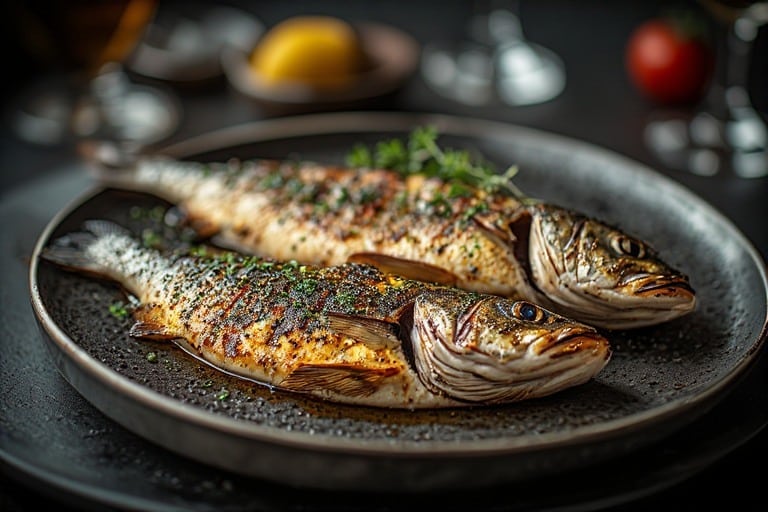
Grilled Seabass match with saline minerality of Saint-Véran
Mâconnais Red Wines And International Food
The red wines of the Mâconnais, though produced in smaller quantities than the whites, offer a structural elegance that makes them exceptionally suitable for a wide array of international meat and earth-based dishes. Whether composed of Gamay or Pinot Noir, these reds are defined by soft tannins and high fruit acidity, allowing them to complement global flavors without the interference of aggressive astringency. Their lighter body and aromatic profile—often featuring red berries and subtle spice—create a bridge between traditional European roasting techniques and the vibrant, often spicy profiles found in modern international gastronomy.
Argentine Beef Empanadas and Macon-Serrieres
The savory meat filling and flaky pastry find balance in the high acidity and low tannins of Macon-Serrieres. The wine’s red fruit notes provide a bright contrast to the earthy cumin and beef, ensuring the palate remains refreshed throughout the heavy appetize
Italian Mushroom Risotto and Macon-Pierreclos Rouge
The earthy profile of porcini mushrooms is enhanced by the subtle floral and spice notes of a red Macon-Pierreclos. The wine’s soft structure binds with the starch of the rice, while its acidity cuts through the richness of the butter and parmesan cheese.
American Grilled Salmon and Mâcon-Boussières
Salmon is a fatty fish that pairs excellently with the light tannins of a red Mâcon. The wine’s acidity breaks down the fish oils, while its smoky red fruit profile complements the charred flavors of the grill without overpowering the delicate meat
Greek Lamb Souvlaki and Mâcon-Milly-Lamartine
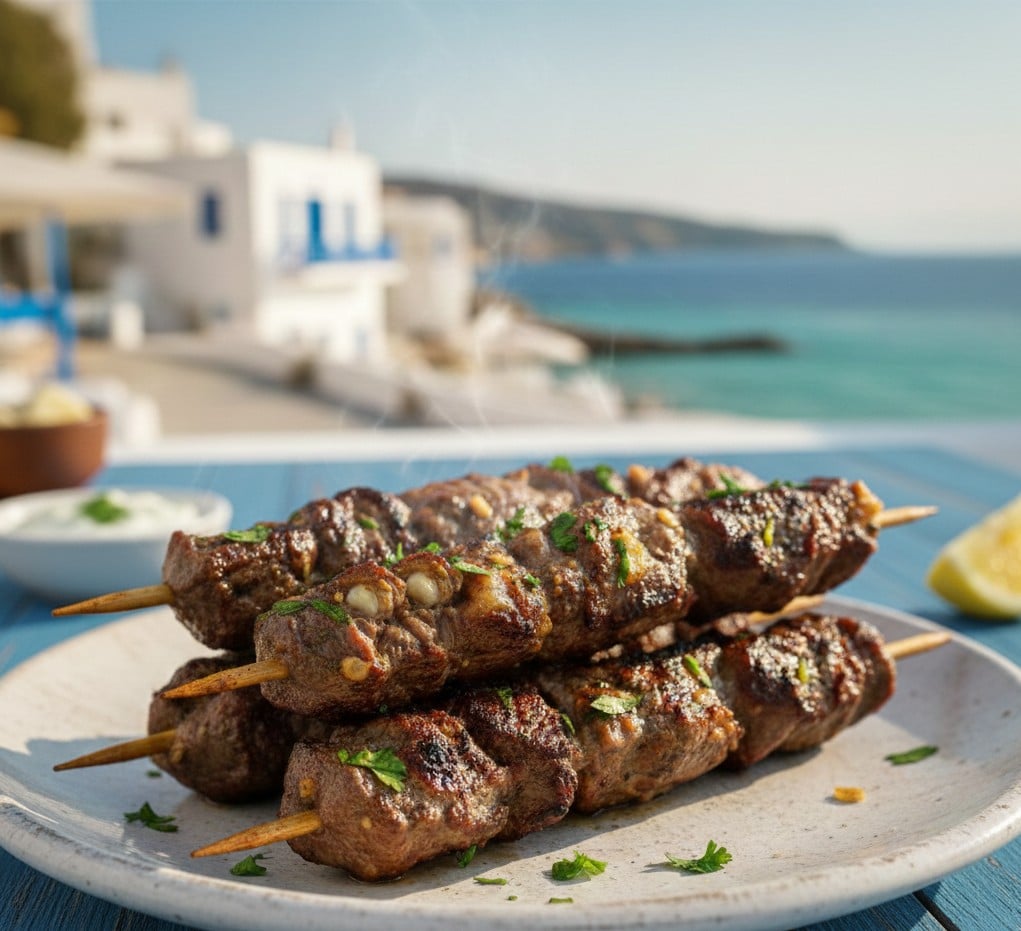
Greek Lamb Souvlaki and Mâcon-Milly-Lamartine
The char and herbs of the grilled lamb are met by the spicy and floral aromatics of Mâcon-Milly-Lamartine. The wine’s acidity provides a counterpoint to the rich meat, while its soft tannins interact with the proteins to create a smooth and savory finish
British Roast Chicken and Mâcon-Fuissé Rouge
A classic roast chicken with root vegetables is a versatile dish that benefits from the elegant structure of Mâcon-Fuissé Rouge. The wine’s acidity highlights the natural juices of the meat, while its light body ensures the meal remains light and sophisticated for a Sunday lunch
The Gateway to Southern Burgundy: A Final Reflection Exploring the Sun-Drenched Slopes of the Mâconnais
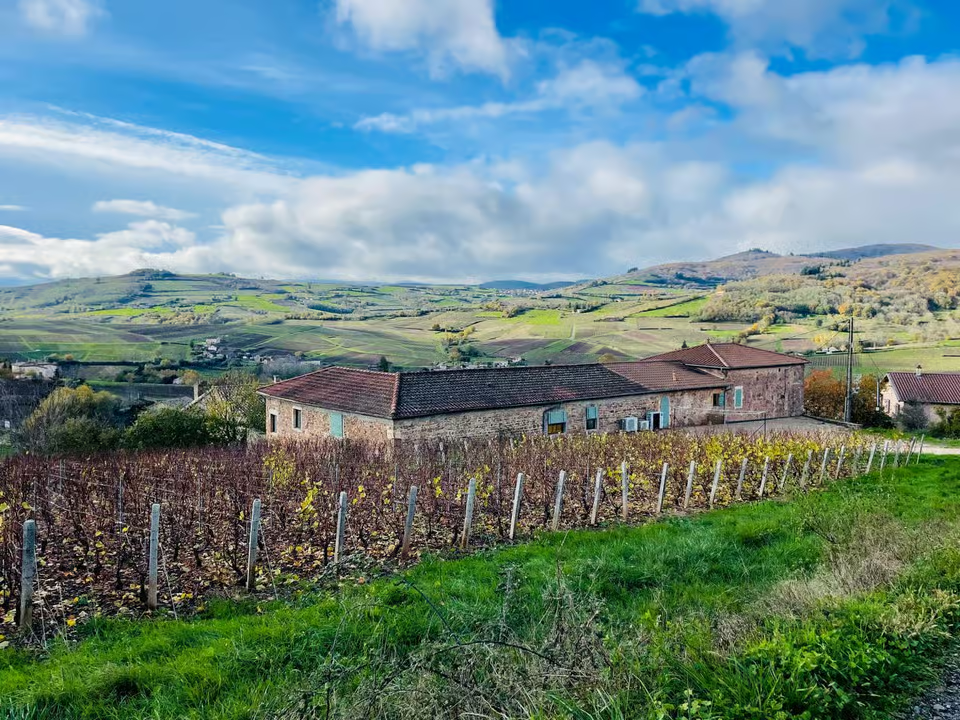
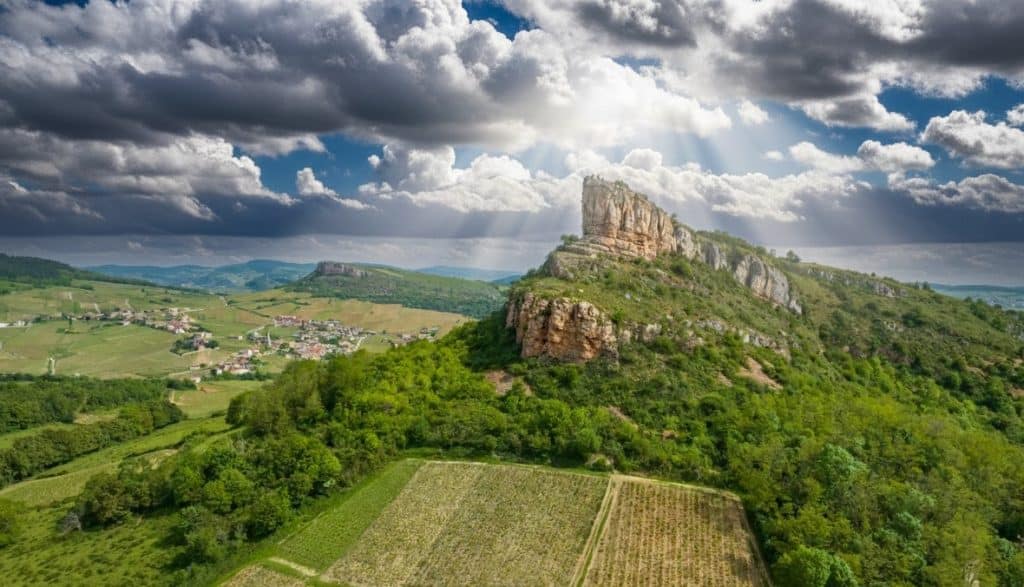
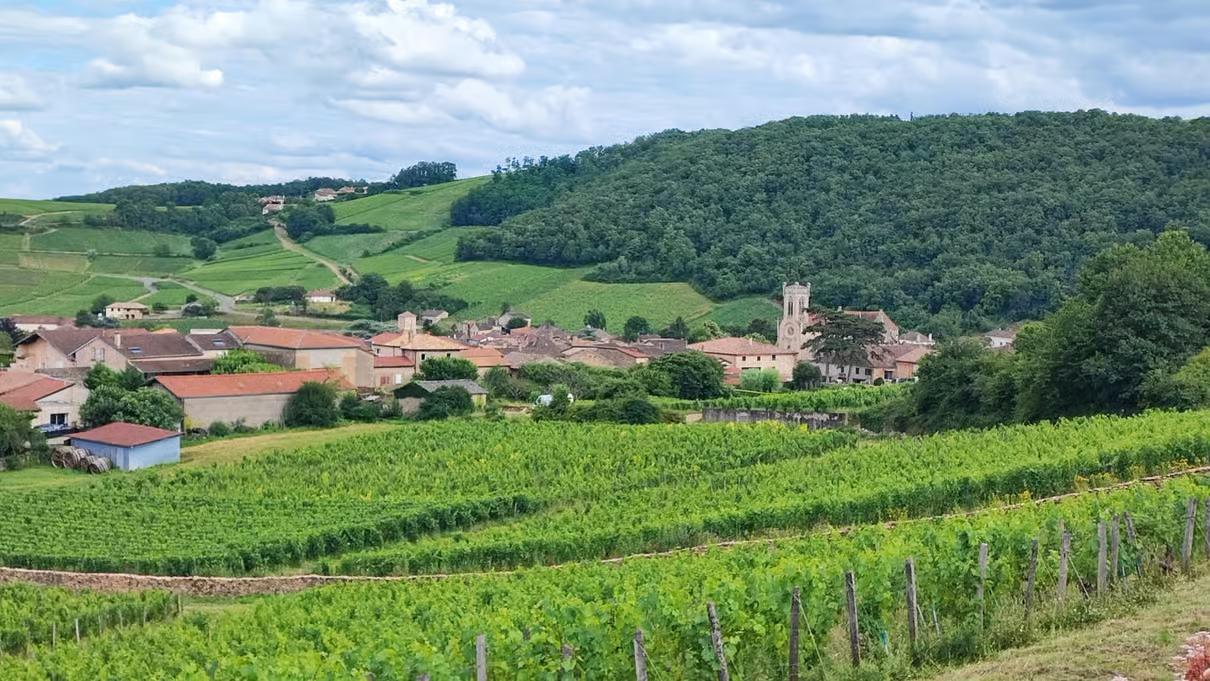
The Mâconnais region stands as a luminous gateway to the treasures of Southern Burgundy, offering a unique intersection of history, geology, and viticultural excellence. From the iconic crags of Solutré and Vergisson to the undulating hills of the Mâcon-Villages, the landscape invites travelers to discover a more intimate side of French wine culture. Each glass reflects a sun-drenched terroir that yields approachable yet sophisticated wines, making the region an essential destination for both the novice enthusiast and the seasoned sommelier. Embarking on a journey through these vineyards is not merely a tasting experience but an immersion into a lifestyle where the art of the table is celebrated with every harvest
Mâconnais Wines Pairing In a Nutshell
The Lipid-Acid Emulsification:
The primary rule for Mâconnais white wine pairing is the chemical interaction between the vibrant tartaric acidity of Chardonnay and culinary fats. In appellations like Pouilly-Fuissé, the high acid concentration serves as a molecular cleanser, effectively emulsifying the heavy lipids found in Burgundian cream sauces or Bresse poultry. This prevents palate fatigue and ensures that the richness of the dish does not obscure the wine’s mineral complexity.
Structural Weight and Dry Extract:
Unlike the lighter whites of the north, Mâconnais wines often possess a higher dry extract and glycerol content due to the warmer southern climate. This increased “weight” creates a physical balance with dense proteins such as pike quenelles or lobster. The wine’s body acts as a structural foundation that supports the weight of the food, preventing the wine from being overwhelmed by the texture of the dish.
Phenolic Mirroring and Maillard Reactions:
Mâconnais wines, particularly those with subtle oak integration or extended lees aging, develop aromatic compounds reminiscent of toasted hazelnuts and brioche. These molecules create a perfect concordance with the Maillard reaction products found in roasted meats or browned butter (beurre noisette). This aromatic mirroring bridges the gap between the glass and the plate through shared chemical precursors.
Limestone Minerality as a Flavor Catalyst:
The high concentration of calcium carbonate in the Mâconnais soil imparts a saline, mineral finish to the wines. This salinity acts as a natural flavor enhancer, much like a finishing salt, which heightens the umami characteristics of international cuisines—specifically Japanese raw fish or earthy Mediterranean vegetables—creating a synergy that elevates the sensory perception of both the wine and the food.
Appellation-Specific Strategy:
-
Pouilly-Fuissé: Power and structural authority for high-fat cream dishes and noble poultry.
-
Saint-Véran: Salinity and precision for freshwater fish and shellfish-based sauces.
-
Viré-Clessé: Opulence and aromatic density for spicy international curries and exotic aromatics.
-
Mâcon-Villages: Energy and crisp acidity for goat cheeses, appetizers, and clean umami flavors.