Table of Contents
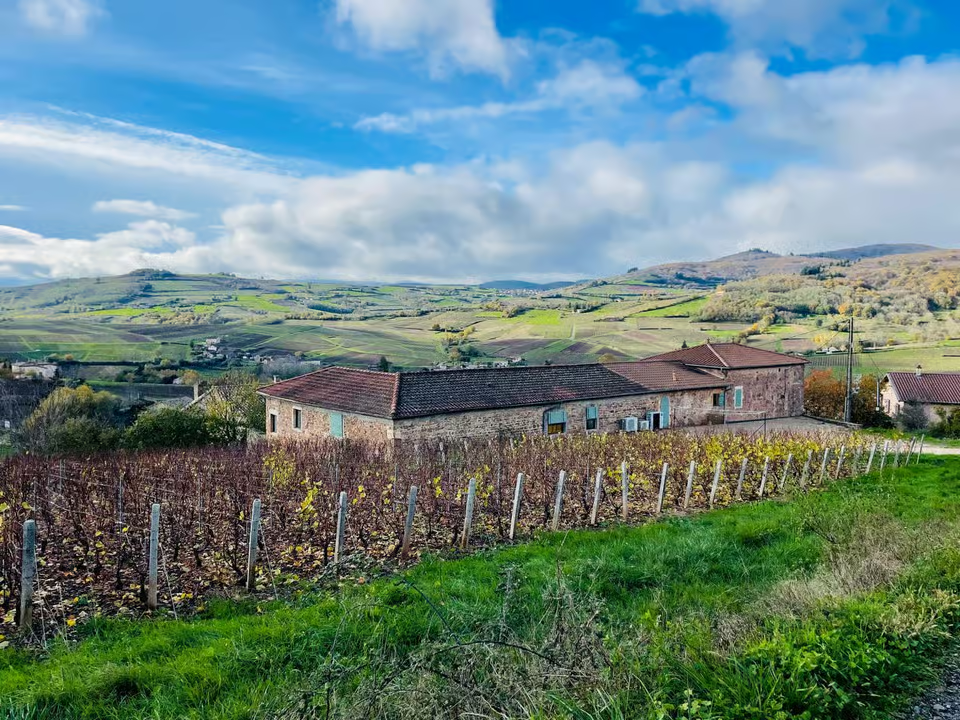
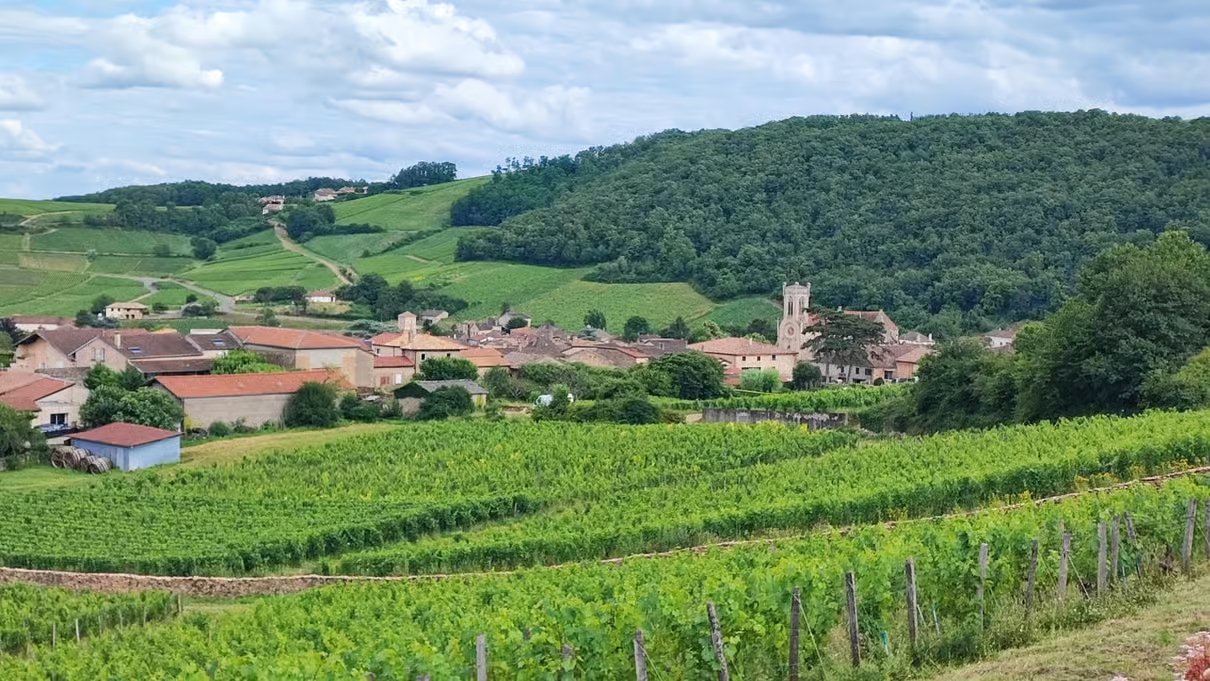
There is a specific kind of light that hits the golden limestone hills of the Mâconnais just as the sun begins to dip behind the Rock of Solutré. It’s a softer, more Mediterranean glow than what you find in the Côte d’Or to the north, signaling that you’ve arrived in the warm, welcoming heart of Southern Burgundy. My first morning here was spent wandering through the narrow, rose-colored streets of a tiny village, the smell of woodsmoke and damp earth still clinging to the air before the first Wine tasting of the day. As I stood overlooking the amphitheater of vines in Fuissé, I realized that while the north is about prestige, the south is about soul.
Unlike the more formal atmosphere of Beaune, wine tourism here feels deeply personal. You aren’t just visiting a Château; you are often sitting at a kitchen table with the grower, discussing the nuances of a single-plot Pouilly-Fuissé while their dog naps near your feet. There is a palpable sense of freedom here—a region where the Chardonnay grape expresses itself with a sun-kissed generosity that mirrors the people who craft it. It’s a landscape where the history of the Cluny monks still feels alive in every stone wall and vaulted cellar. Whether you are a seasoned collector or a casual traveler, the Mâconnais offers an authentic slice of French life that remains refreshingly unpretentious yet undeniably sophisticated. It is Burgundy’s best-kept secret, and once you’ve walked these hills, a piece of your heart remains behind.
Savor the Golden Soul of Southern Burgundy
Planning a wine tour or Winery in Mâconnais How to go there
Navigating your way to the gateway of Southern Burgundy is surprisingly effortless, thanks to the region’s proximity to major European transit hubs. Whether you are arriving from overseas or connecting from a neighboring French city, the Mâconnais is positioned perfectly along the primary north-south artery of France. Most travelers find that starting their journey in Lyon offers the smoothest transition into the vineyard lifestyle, though the high-speed rail network makes even a day trip from Paris entirely feasible.
-
Main Airport Codes: Lyon-Saint Exupéry (LYS) is the primary international gateway. It is exceptionally well-connected to major European hubs and offers a seamless transition to the region, located approximately 70 km (45 minutes) south of Mâcon.
-
Alternative Hubs: Geneva (GVA) in Switzerland is a viable secondary option, especially for international travelers. It is roughly 150 km away, but the drive through the Jura mountains is spectacular. Paris Charles de Gaulle (CDG) is also an option if you utilize the high-speed rail network.
-
By Train: The Mâcon-Loché TGV Station is the region’s jewel for accessibility. It connects directly to Paris Gare de Lyon in just 1 hour and 35 minutes and to central Lyon in a mere 20 minutes, making it possible to arrive from the capital and be at a Wine tasting by lunch.
Book your Train or Flight Ticket to Mâconnais
Rent a Car in Mâconnais
Distances from Mâconnais Main Cities to Key Wine Regions
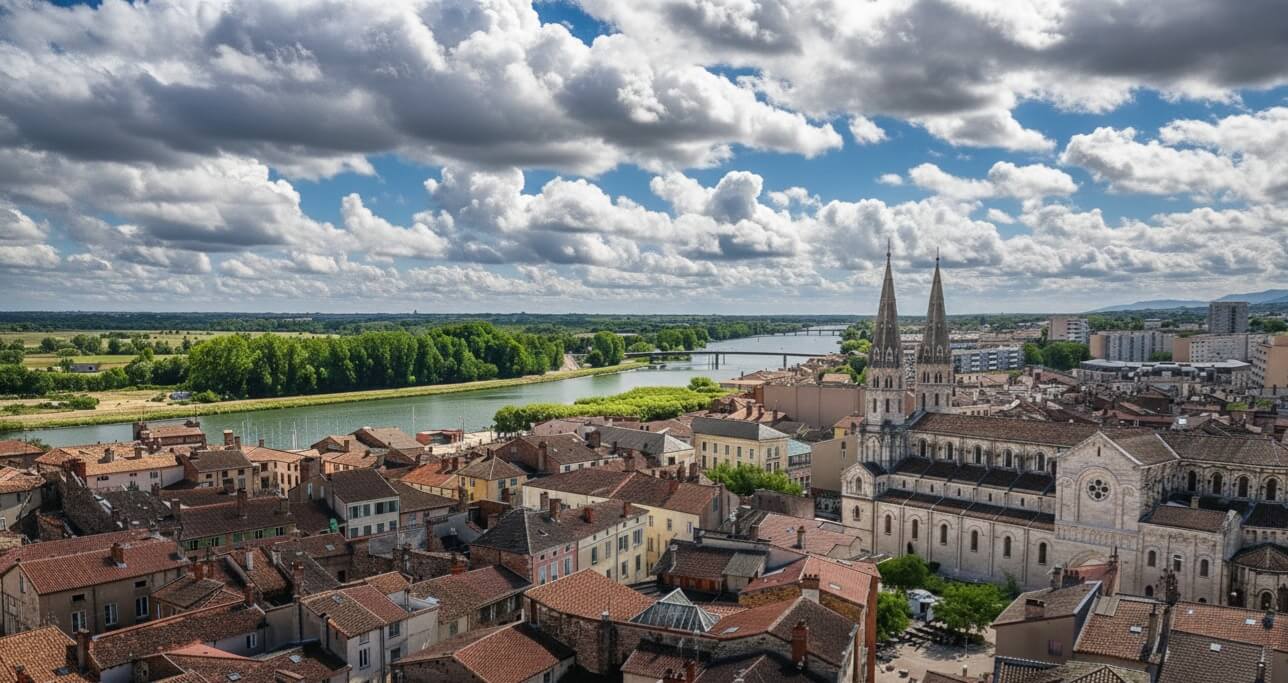
Mâcon is the Vibrant Capital of Mâconnais wine region
Understanding the geography of the Mâconnais is key to a successful Private tour. The region is elongated, stretching from the gastronomic hub of Tournus in the north to the iconic limestone escarpments of the south. Because the appellations are tucked into various valleys and slopes, driving times can vary based on the winding nature of the local vineyard roads. We recommend basing yourself in Mâcon or a nearby Estate to minimize transit time.
-
Lyon to Fuissé (Pouilly-Fuissé AOC): Approximately 50 minutes (65 km) via the A6 motorway. This is the heart of the “Cru” country, where the most prestigious whites are produced.
-
Lyon to Viré-Clessé: Roughly 1 hour (80 km) heading north. This sub-region is famous for its unique, slightly richer style of Chardonnay.
-
Mâcon to Lugny (Mâcon-Villages): A short, scenic 25-minute drive (22 km) through rolling hills and quintessential Burgundian hamlets.
-
Geneva to Mâcon: About 1 hour 45 minutes (150 km) via the A40, often called the “Autoroute des Titans” for its impressive engineering.
Budgeting Your Mâconnais wine tour experience
While Burgundy has a reputation for being expensive, the Mâconnais remains one of the best-value wine regions in France. You can experience world-class terroir and Michelin-level dining at a fraction of the cost of the Côte d’Or. We have broken down the realistic costs based on three distinct styles of travel to help you plan your budget.
The Budget Traveler Experience: For those looking to soak in the atmosphere without breaking the bank, the Mâconnais is remarkably accommodating. You can find charming, family-run B&Bs or rural Agriturismo stays for €70 to €100 per night. Dining involves frequenting local village bistros and “Routiers” where a three-course lunch menu costs between €25 and €40. For your Wine tasting fix, stick to the village cooperatives or smaller family cellars where fees are often waived if you purchase a bottle, or typically range from €12 to €18 for a flight of local Mâcon-Villages wines.
The Mid-Range Traveler Experience: This is perhaps the most popular way to see the region, offering a blend of comfort and discovery. Expect to stay in boutique hotels in Mâcon or renovated stone cottages on a working Estate for €130 to €200 per night. Your culinary journey will include polished gourmet restaurants where dinner with wine averages €60 to €90. A Private tour or a more focused Wine tasting in the prestigious Crus like Pouilly-Fuissé or Saint-Véran will generally cost between €30 and €55 per person, often including a visit to the barrel cellar.
The Luxury Traveler Experience: For a high-end pilgrimage through the vines, the Mâconnais offers exclusive access and refined elegance. Luxury accommodation in 5-star Château hotels or elite manor houses starts at €350 per night. Dining is a highlight, featuring Michelin-starred establishments in Tournus where tasting menus start at €150 and can exceed €250 with rare pairings. For wine, you will want to book private, vertical tastings of old vintages and Premier Cru plots at the region’s most famous estates, where exclusive Wine tasting fees typically start at €90 and can go much higher depending on the rarity of the bottles opened.
Find the Best Places to Stay in Mâconnais
Best Period to visit Mâconnais
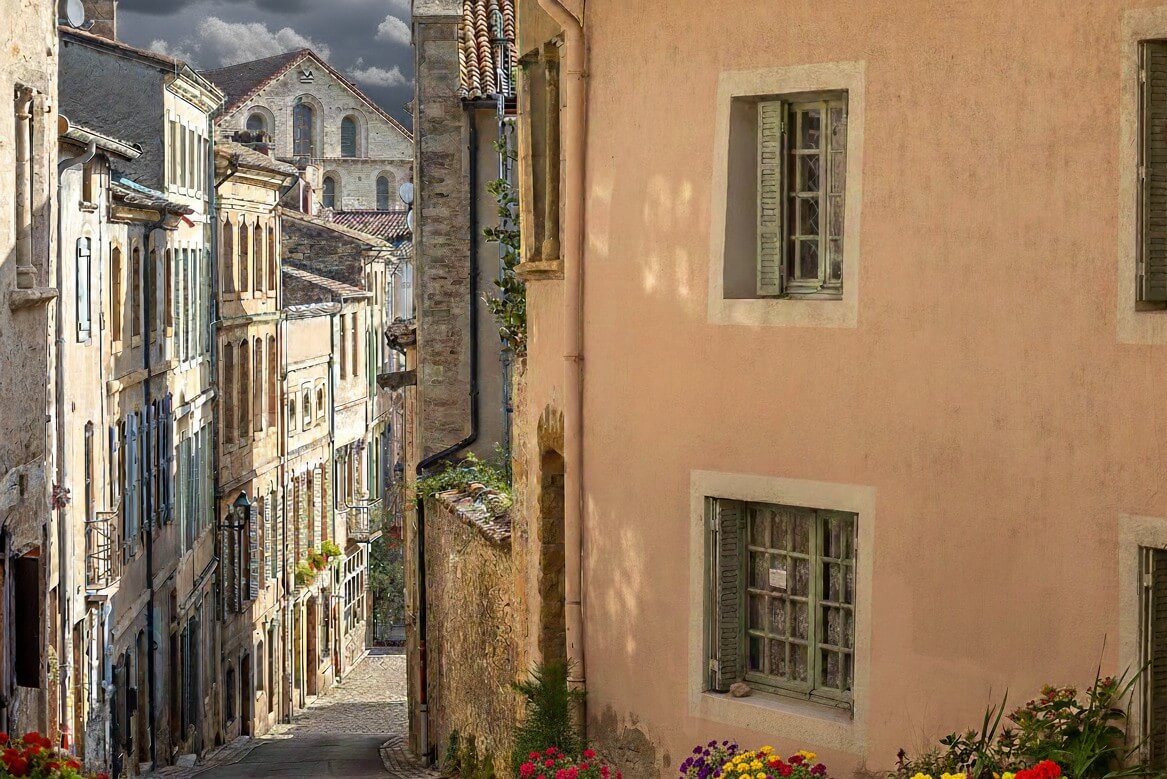
Streets of Cluny
Timing your visit is crucial to experiencing the specific “vibe” of Southern Burgundy. Each season transforms the landscape and the activity in the cellars. While the summer months are the most popular for tourism, the shoulder seasons offer a more intimate look at the winemaking process and a chance to engage more deeply with the local producers at each Estate.
-
-
-
-
Spring: Rebirth. From April to June, the vines wake up. The weather is mild, cherry trees are in bloom, and it is a hopeful, quiet time perfect for peaceful exploration and hiking.
-
Summer: Peak. July and August bring vibrant energy and long, sun-drenched days. This is the season of outdoor festivals and the best time for cycling the “Voie Verte,” though booking your Wine tasting in advance is essential.
-
Autumn: Harvest. September and October are the most electric months. The air is thick with the scent of fermenting grapes, the hills turn fiery gold, and the “Vendanges” (harvest) creates a buzzing atmosphere.
-
Winter: Quiet. From November to March, the region slows down. This is the time for intimate, fireside conversations with winemakers and exploring Romanesque architecture without the tourist crowds.
-
-
-
Main towns and places in Mâconnais Sanctuaries of Stone: The Towns That Guard the Vines
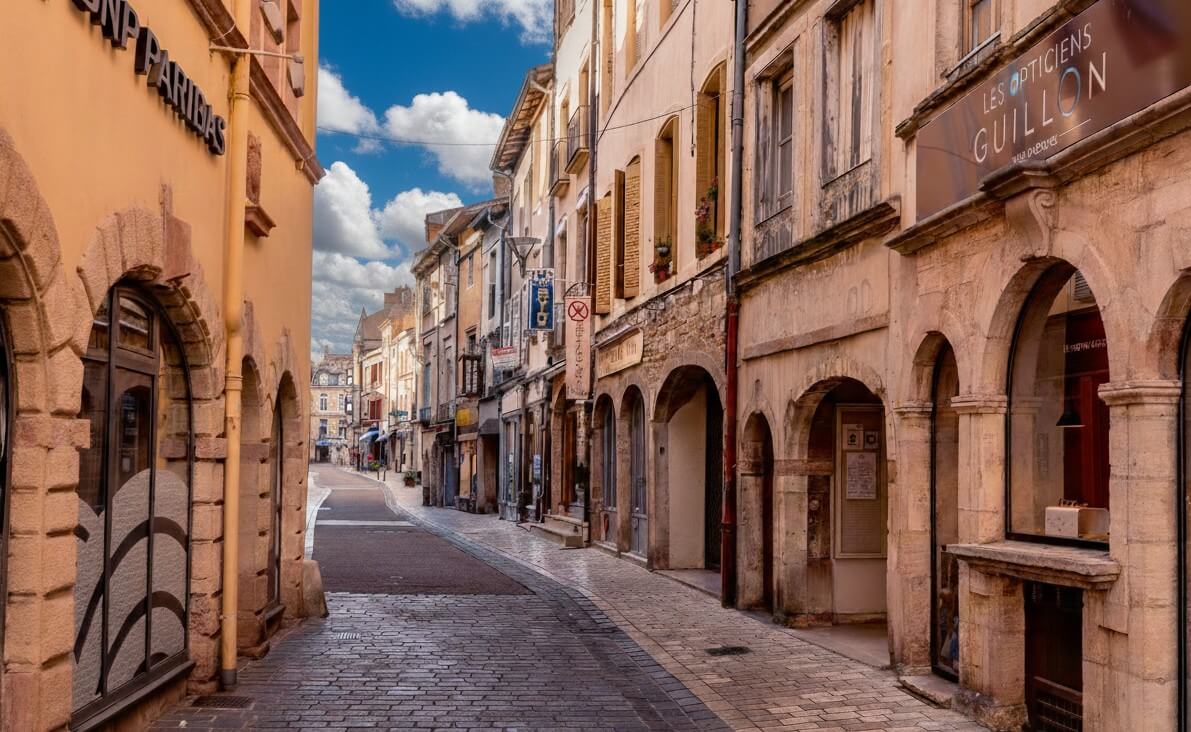
Tournus is a Global Desrtinatuion for Foodies
Each major town in the Mâconnais serves as a distinct pillar of the region’s identity, offering a unique blend of history, architecture, and wine commerce. These hubs are where the culture of Southern Burgundy truly comes to life, providing both logistical support and deep historical context for your wine explorations.
-
Mâcon: The vibrant capital on the banks of the Saône River. Expect a Mediterranean feel with colorful facades and bustling quayside cafes. It is a vital hub for accessing the southern crus like Pouilly-Fuissé and Saint-Véran. A must-visit is the Maison de Bois, the oldest house in town, which showcases the region’s timbered history.
-
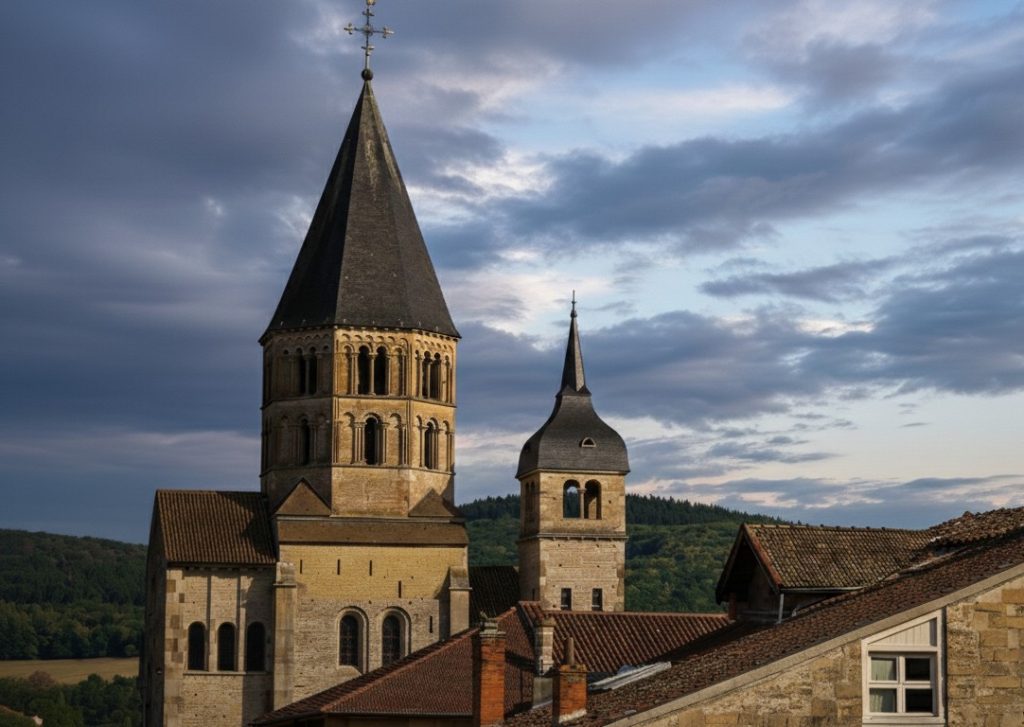
Cluny: A town of immense historical gravity. Once the spiritual center of Europe, the remnants of the Great Abbey of Cluny are awe-inspiring. For wine lovers, Cluny is important because it was the monks here who first mapped and cultivated the surrounding vineyards centuries ago. The town offers a sophisticated atmosphere with medieval streets and artisan shops.
-
Tournus: Located on the northern edge of the Mâconnais, Tournus is a global destination for foodies. It boasts an incredible density of Michelin-starred restaurants and is dominated by the St. Philibert Abbey, a masterpiece of Romanesque architecture. It serves as the primary hub for exploring the Mâcon-Villages and the nearby Viré-Clessé appellation.
Places to visit in Mâconnais Not to miss
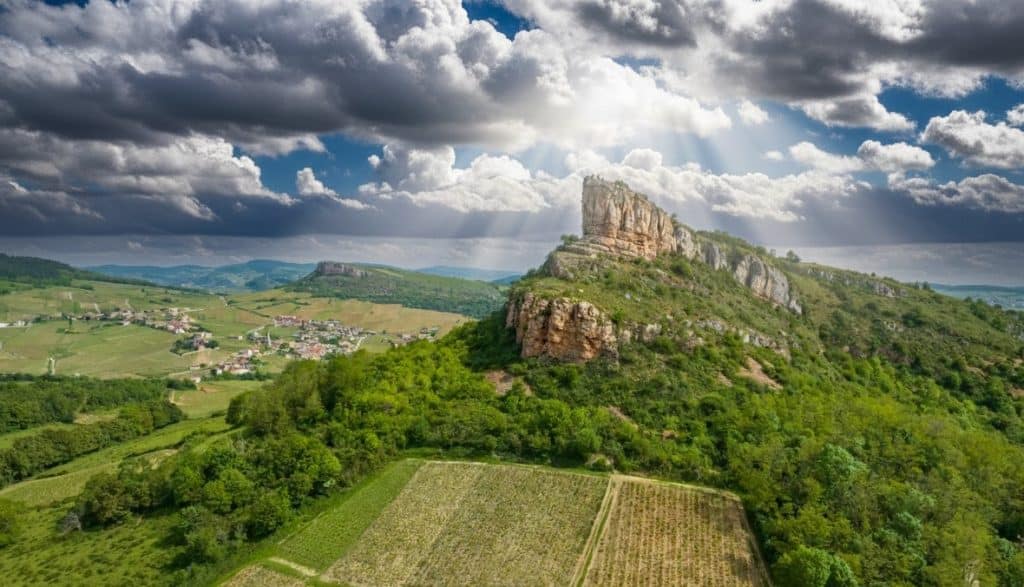
TheRosck of Solutré
Beyond the cellar doors, the Mâconnais is home to some of France’s most significant historical and natural landmarks. These sites offer a necessary perspective on the landscape that has shaped the wine for millennia.
The Rock of Solutré and Rock of Vergisson are the twin limestone sentinels of the region. A hike to the summit of Solutré is a mandatory pilgrimage; the trail is well-maintained and winds through the very vines that produce top-tier Pouilly-Fuissé. Once at the peak, you are rewarded with a panoramic view that stretches across the Saône Valley to the Alps on a clear day. Below, the Musée de Préhistoire reveals the site’s 50,000-year history as a hunting ground.
For architecture and heritage lovers, the Château de Pierreclos is a living testament to the region’s noble past. This isn’t just a museum; it is a working Estate where you can explore medieval armories, dungeons, and kitchens before sitting down for a structured Wine tasting. Similarly, a visit to the Berzé-le-Châtel Fortress offers the most impressive medieval military architecture in southern Burgundy, overlooking a sea of Gamay and Chardonnay vines.
For a more interactive experience, the Hameau Duboeuf in Romanèche-Thorins provides a “wine theme park” atmosphere that is surprisingly deep in its historical coverage. From antique wine presses to a 4-D cinema experience following the journey of a grape, it is an essential stop for families or those wanting a broad overview of the region’s viticultural evolution. Finally, don’t miss the Voie Verte, the first greenway in France, which allows you to cycle through the “Tunel du Bois Clair,” the longest lighted bike tunnel in Europe, connecting the vineyards of Cluny to those of Mâcon.
Local Gastronomy: What to Taste Absolutely The Mâconnais Foodie experience
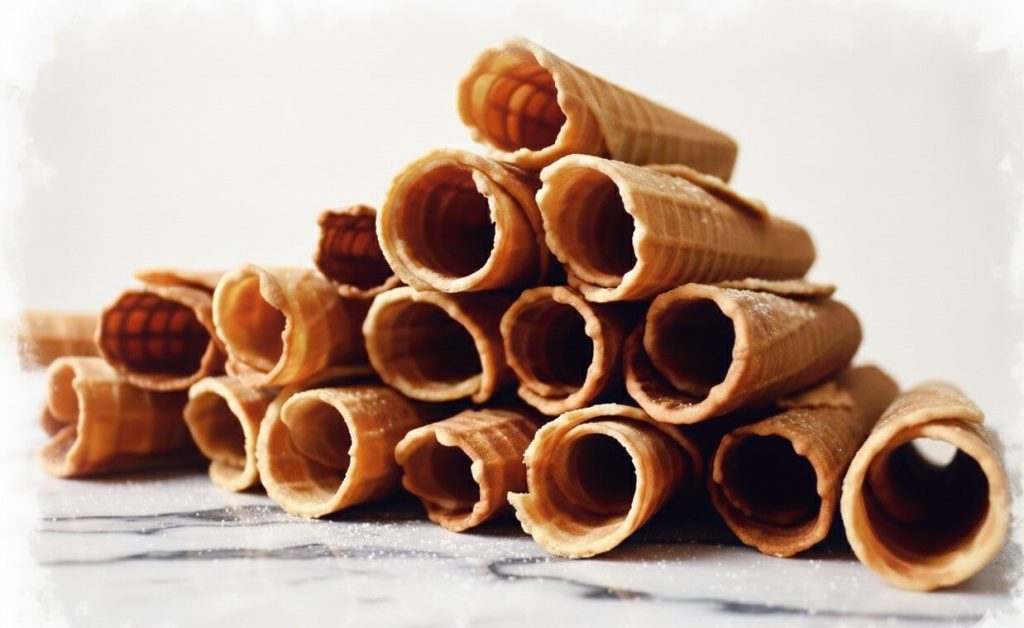
Gaufrettres Mâconnaises
The cuisine of the Mâconnais is where the buttery richness of Burgundy meets the sun-drenched flavors of the Lyonnais and Provence. While you will find the standard Burgundian fare, the true local table is defined by products unique to these specific hills and riverbanks.
The absolute star is the Poulet de Bresse, the only poultry in the world with an AOC status. Raised just across the river, these blue-footed chickens are prized for their intense flavor and succulent texture. In the Mâconnais, they are traditionally prepared à la crème with locally foraged morels, a dish specifically designed to stand up to the weight and acidity of an oak-aged Pouilly-Fuissé.
Cheese lovers must seek out the Chèvre Mâconnais (AOP). Unlike the creamy brie-style cheeses to the north, these are small, firm buttons of goat cheese. Look for the Bouton de Culotte—the “trouser button”—which is the smallest AOC cheese in France. When aged, it becomes hard, piquant, and intensely nutty, making it the perfect companion for a crisp Wine tasting of Mâcon-Villages.
For something uniquely local, try the Gaufrette Mâconnaise, a light, cigar-shaped wafer flavored with vanilla or lemon that has been a local tradition since the 19th century. It is the classic “sweet treat” found in village patisseries. On the savory side, keep an eye out for Grattons, small morsels of fried pork fat and meat that are the traditional snack offered at the end of a long day in the vines. Pair these with a chilled glass of Aligoté for an authentic “Mâconnais Aperitif” experience that connects you directly to the pulse of this sun-kissed region.
Plan your Transportation Planning Your Pilgrimage in Mâconnais
To truly unlock the secrets of this region, you must carefully consider your mobility. The Mâconnais is a vertical tapestry of valleys, and while the “Route des Vins” is beautifully signposted, the logistical nuances of moving between a northern Estate in Tournus and a southern Wine tasting in Fuissé require strategic planning.
Rental Car: This is the primary choice for maximum independence. Picking up a vehicle at Lyon Airport or the Mâcon-Loché TGV station allows you to navigate the narrow “Chemins ruraux” that lead to hilltop vineyards. Be aware that the French “Alcoolemie” (drink-driving) laws are extremely strict (0.5g/l); if you choose to drive yourself, we highly recommend utilizing the “Crachoir” (spittoon) during your visits to ensure safety.
Private tour and Chauffeur Services: To fully indulge in the complexities of the Chardonnay, booking a Private tour is the gold standard. Local experts not only handle the driving but also provide insider access to family-run Château cellars that are not open to the general public. These guides often curate the day by terroir, showing you the geological differences between the white limestone of Solutré and the clay-heavy soils of Saint-Véran.
The Voie Verte (Cycling): For the active traveler, the Mâconnais is a pioneer in “Cyclo-tourisme.” The “Voie Verte” was the first of its kind in France, repurposed from an old railway line. It provides a flat, safe, and breathtaking artery through the vineyards. You can rent high-quality e-bikes in Cluny or Mâcon, allowing you to conquer the rolling hills between estates with ease. Many wineries are now “Accueil Vélo” certified, meaning they offer secure bike racks and repair kits for visiting cyclists.
Local Trains and Taxis: While the TGV gets you to the region, the local TER train network connects Mâcon to Tournus, making it easy to hop between the major hubs. However, most wineries are located 5-10km from the stations. If you rely on trains, you must pre-book taxis, as “Uber” style services are non-existent in the vineyard hamlets.
Shipping Costs, Payments modes How to Bring Your Favorite Wines Home
Falling in love with a particular vintage during a Wine tasting often leads to the question of how to get those bottles home. Shipping wine from a Château or Estate requires professional handling.
-
European Union: Shipping is relatively straightforward with costs between €35 and €70 per 12-bottle case.
-
USA: Due to complex three-tier laws, shipping costs generally range from €160 to €320 per case, including customs clearance and door-to-door air freight.
-
UK & Canada: Post-Brexit UK shipments incur additional duties (approx. €110-€200 per case). Canadian costs vary by province.
Payment methods
The Mâconnais is a blend of modern efficiency and traditional rural charm.
-
Credit Cards: Visa and Mastercard are the standard and are accepted at almost every Château and restaurant.
-
Cash (Euros): Essential for small village markets, boulangeries, and some smaller family-run B&Bs in the countryside.
-
Mobile Payments: Apple Pay is increasingly common in towns like Mâcon, though they can be less reliable in remote, thick-walled stone cellar locations.