Table of Contents
The Côte de Beaune represents the quintessential intersection of natural history and human devotion, standing as a global benchmark for the expression of varietal purity through geological diversity. While its northern neighbor is famed for the velvet power of its reds, the Côte de Beaune is the spiritual home of the world’s most profound white wines and red wines of ethereal elegance.
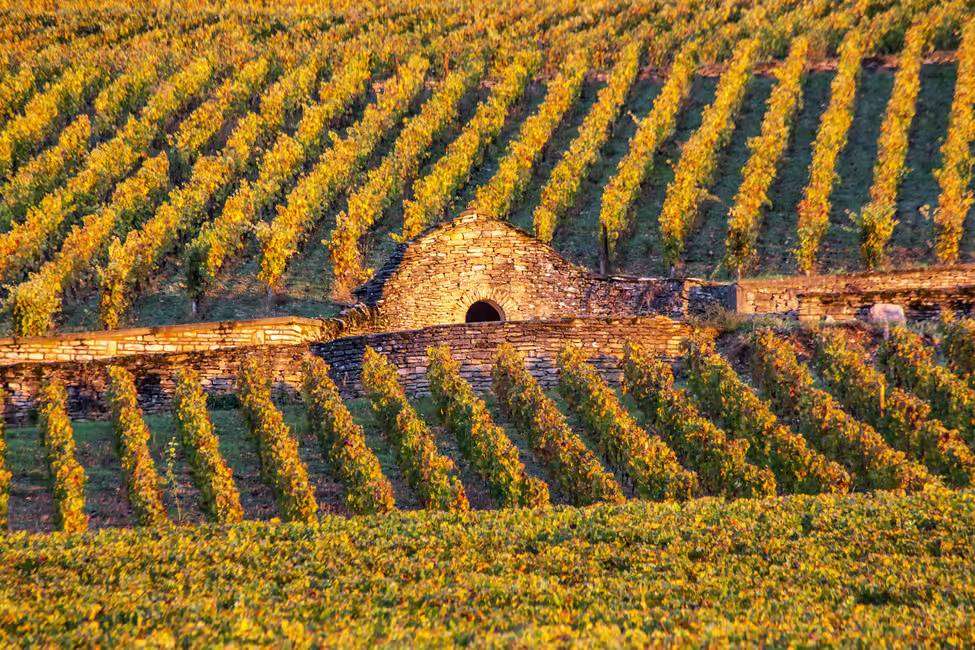
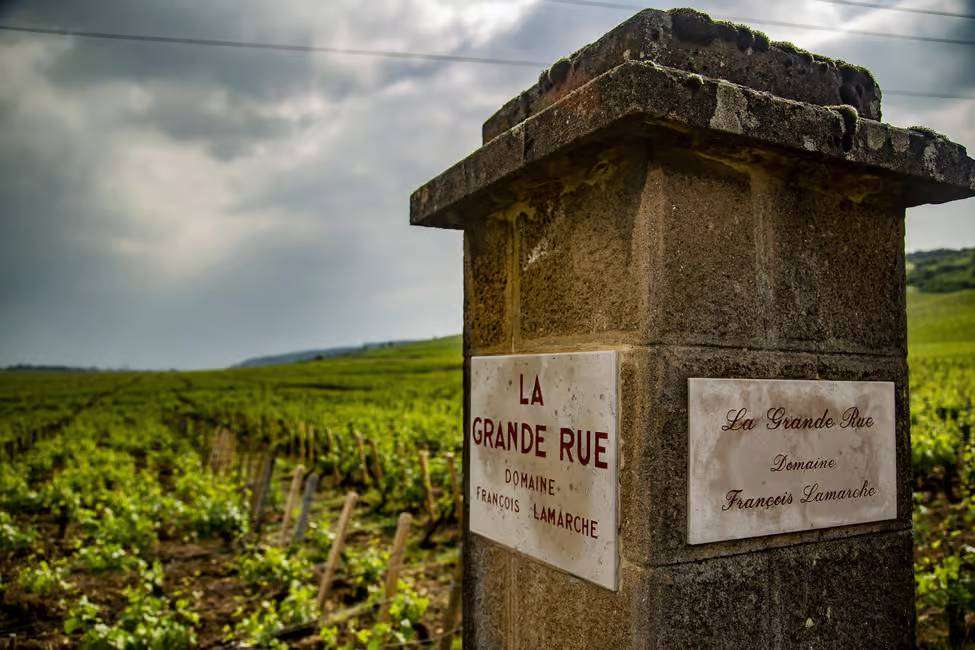
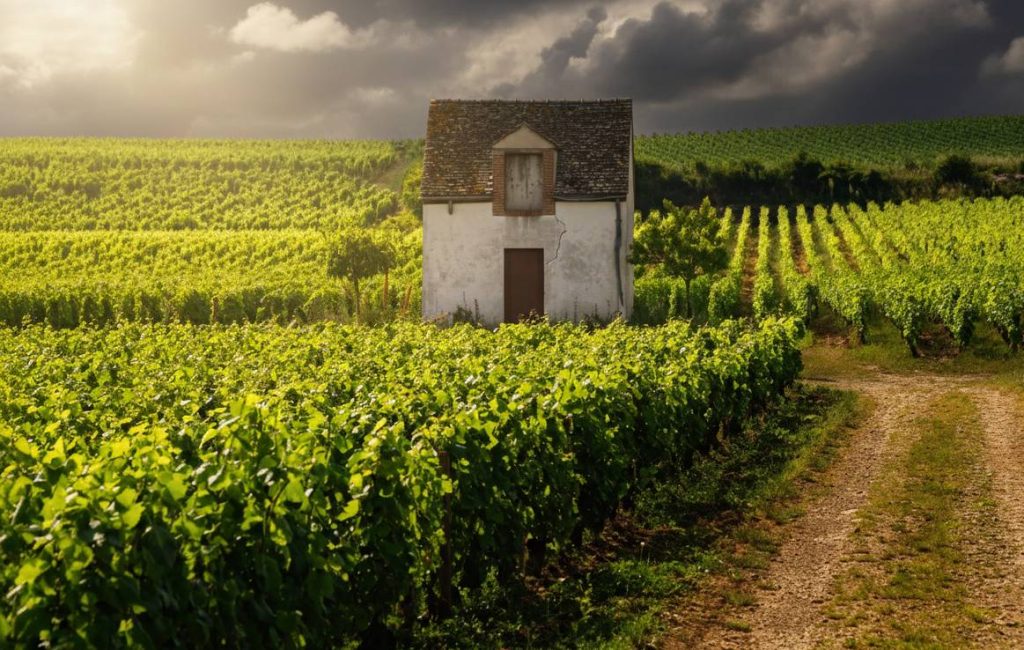
This narrow ribbon of limestone escarpment, stretching from Ladoix-Serrigny in the north to the southern reaches of the Maranges, is a landscape where every square meter of earth has been scrutinized for two millennia. The soul of this landscape is found in the Climats, the precisely delimited vineyard parcels that have earned UNESCO World Heritage status.
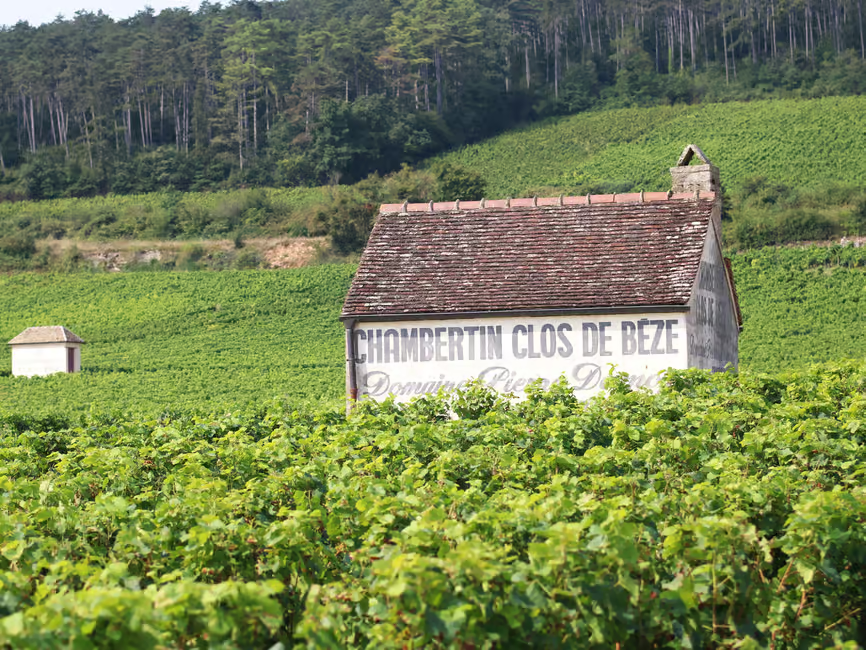
These plots are not merely agricultural sites; they are cultural artifacts carved out by Cistercian and Benedictine monks who first recognized that a few meters of distance could fundamentally alter the character of a wine. To walk the vineyards of Corton-Charlemagne or the storied slopes of Puligny-Montrachet is to traverse a living library of Jurassic history.
The prestige of the region is rooted in this extreme fragmentation. Here, the concept of terroir is treated as a sacred heritage, a silent dialogue between the deep bedrock and the vine. For the luxury traveler and the serious collector alike, the Côte de Beaune offers an intellectual and sensory journey unlike any other—a place where the wine is a liquid transcription of the very stones beneath one’s feet.
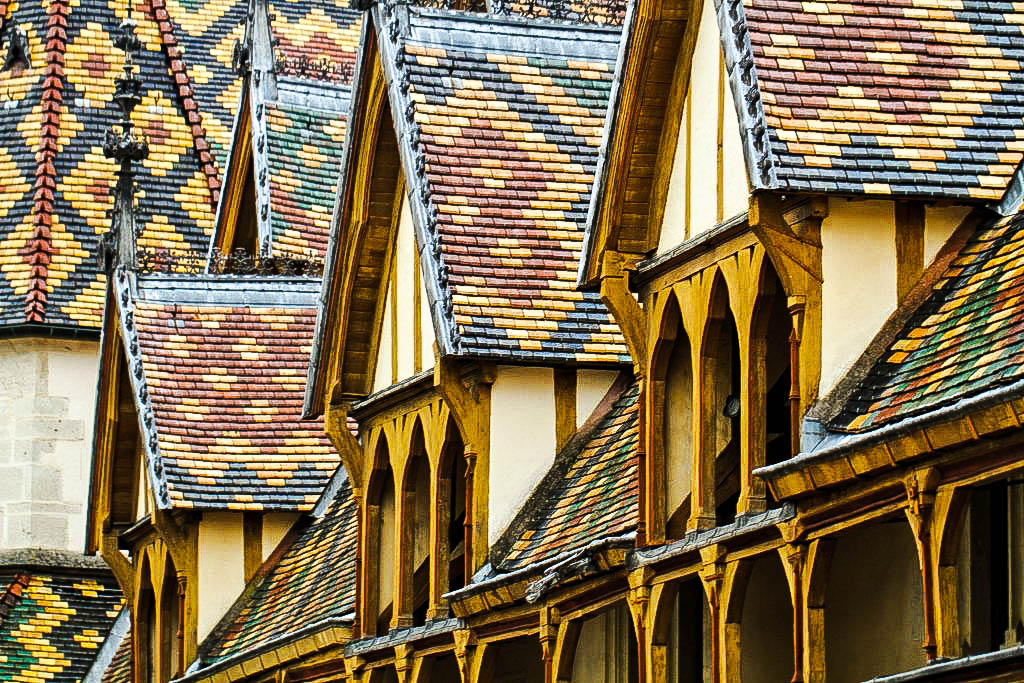
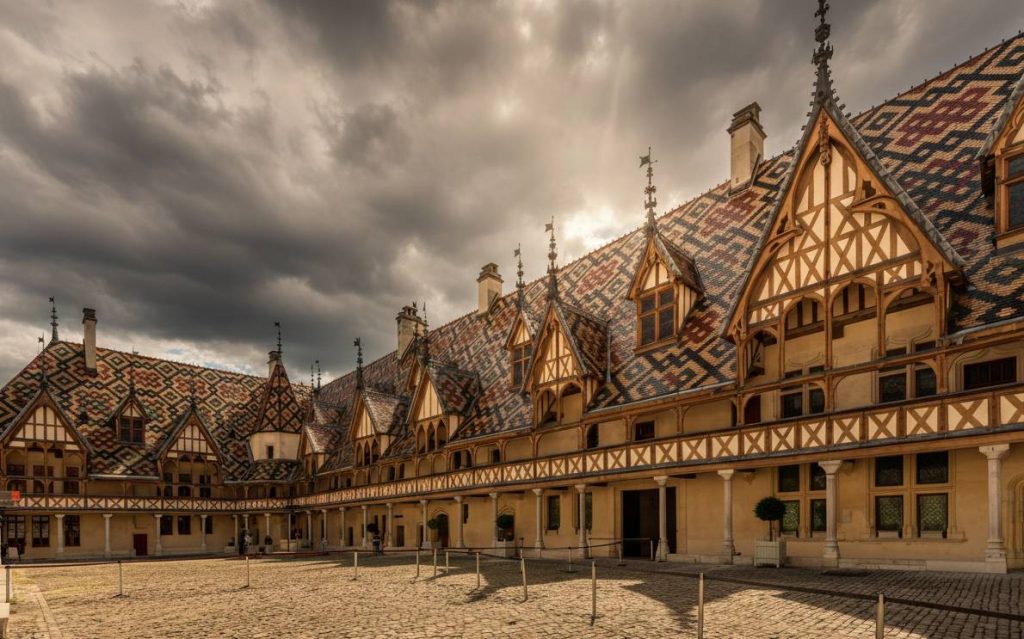
This region acts as the heart of the Golden Slope, where the transition from the red-dominated north to the white-dominated south creates a fascinating study in viticultural adaptability. The historical weight of the Hospices de Beaune further cements its status, serving as a charitable and viticultural beacon since 1443.
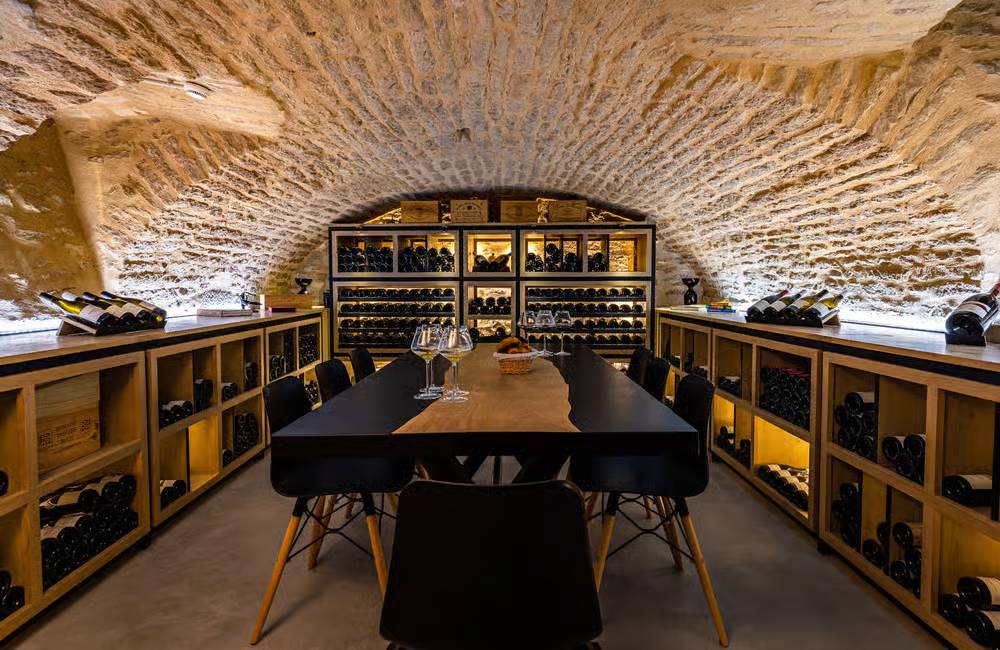
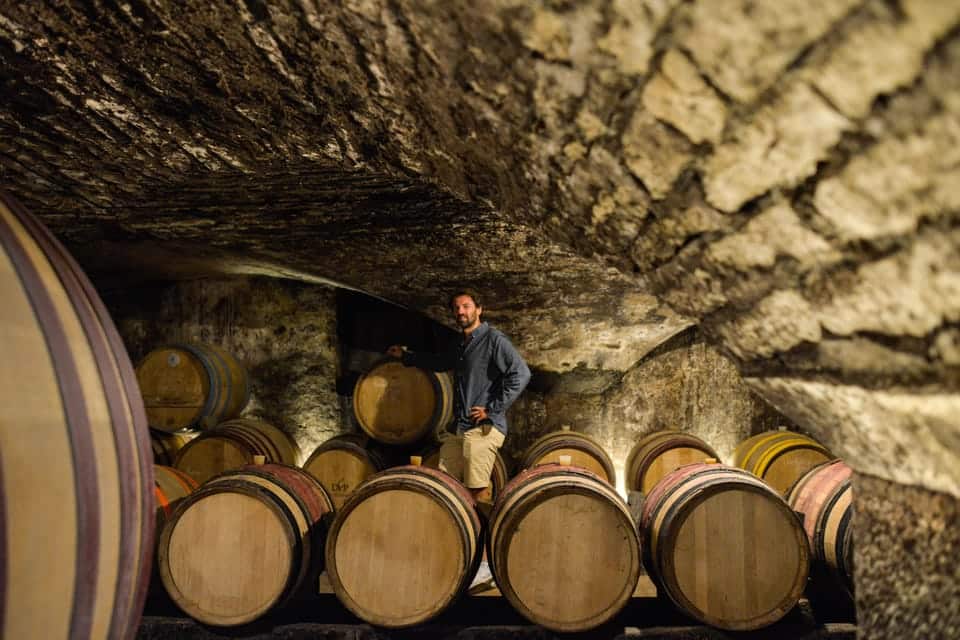
The architecture of the town of Beaune itself, with its sprawling underground cellars and cobblestone streets, mirrors the complexity found in the vineyards. To understand this region is to understand the very pinnacle of French viticulture, where tradition is a continuous evolution of excellence that has set the global standard.
Journey to the Heart of Côte de Beaune
Macro-Climate and Viticultural Foundations
The Côte de Beaune is governed by a continental climate characterized by hot summers and cold winters, though its position within the Saône river valley introduces critical nuances. The region sits at an elevation between 200 and 450 meters, with the most prestigious vineyards typically occupying the mid-slope where drainage and solar exposure are optimized.
The interplay between the massive continental air masses and the local topography creates a high-stakes environment where the margin for error is razor-thin. This climatic tension is exactly what prevents the wines from becoming overly opulent, maintaining the structural acidity that is the hallmark of the region.
Water and Hydrological Balance
Rainfall in the region is moderate, averaging around 700 to 800 millimeters per year, but its impact is dictated by the slope. The incline of the Côte allows for rapid natural drainage, which is vital for preventing the wet feet that can dilute the intensity of the grapes and lead to root rot.
In dry years, the water-retaining properties of the deeper clay marls provide a necessary reservoir, ensuring the vines do not shut down under hydric stress. This balance between the porous limestone and the moisture-holding clay is the foundation of the region’s vintage variability.
In rainy years, the upper slopes like Corton excel due to their drainage; in drought years, the lower-lying Premier Cru sites may provide more consistent vigor. The ability of the soil to regulate water through capillary action is what allows the vines to achieve phenolic ripeness while maintaining structural tension.
Furthermore, the presence of underground springs in villages like Meursault provides a unique cooling effect to the root zones. This contribute significantly to the mineral precision found in the finished wines.
Wind and the Influence of Combes
The topography is defined by combes, transverse dry valleys that cut through the limestone plateau. These combes, such as the one behind Savigny-lès-Beaune or the Combe d’Aubigny, act as natural conduits for cool air, which flows down from the higher forest-covered plateaus.
This cooling effect is crucial for maintaining the vibrant acidity that defines the region’s white wines, preventing the fruit from becoming flabby in the height of August. Furthermore, these winds help to dry the canopy after summer storms, significantly reducing the pressure of fungal diseases like powdery mildew and botrytis.
This natural ventilation allows for the late-season ripening required for complex phenolic development, particularly for Pinot Noir in villages like Pommard, where thick skins need time to soften without the threat of rot.
The Vent de Bise, a cold northerly wind, often clears the sky and provides the luminosity required for photosynthesis while keeping temperatures moderate. This wind is a silent architect of the region’s aromatic purity.
Altitude and Diurnal Temperature Shifts
The thermal amplitude—the difference between daytime highs and nighttime lows—is a primary driver of quality in the Côte de Beaune. High daytime temperatures facilitate sugar accumulation and flavor development, while the cool night air descending from the hills preserves the delicate organic acids.
This diurnal shift ensures that even in warmer vintages, the wines of Meursault or Volnay retain their structural tension and aromatic freshness. As climate change brings more heat to the region, the higher altitude sites are now gaining prestige for their ability to maintain balance.
The upper reaches of Saint-Aubin and the Hautes-Côtes de Beaune are becoming essential studies in how altitude preserves the cool-climate identity of the region amidst shifting global patterns.
The variation of even 50 meters in altitude can result in a delay of several days in harvest. This critical window can mean the difference between a wine of finesse and one of over-extraction.
The Geological Profile: A Deep Dive into the Substrata of Côte de Beaune
The bedrock of the Côte de Beaune was formed between 150 and 175 million years ago during the Middle and Upper Jurassic periods. The “Golden Slope” is not a uniform block; it is a complex layering of limestone, marl, and pebbles that has been eroded and exposed over millennia.
1. The Bathonian Foundation (Hard Limestone)
The “backbone” of the Côte de Beaune is Bathonian limestone. This is a hard, compact, and often light-colored rock.
Comblanchien Limestone: This is the most famous layer. It is a very pure, hard limestone that is often used as building stone. In the vineyards, it creates a “ledge” on the upper slopes. Because it is so hard, the topsoil is incredibly thin (often only 20–30cm), forcing the vine roots to seek out microscopic fissures in the rock.
Sensory Impact: This results in wines with verticality, high tension, and a “steely” or “citrus” profile, typical of the highest reaches of Puligny-Montrachet.
2. The Oxfordian Marls (The Clay Influence)
Marl is a mixture of clay and calcium carbonate. While limestone provides the “skeleton” of the wine, marl provides the “flesh.”
Pernand Marls: Predominant on the Hill of Corton. These are light-colored, chalky clays. They are rich in active lime, which prevents the Chardonnay grape from becoming too “fat” and maintains its crystalline acidity.
Argovian Marls: Found lower down the slopes and notably in Volnay. This layer is softer and more crumbly. It yields a soil that is aerated and well-drained, which is the secret behind the “weightless” elegance and floral (violet) aromatics of Volnay Pinot Noir.
3. Ferruginous Oolite (The “Iron” Factor)
In specific enclaves, most notably Pommard and parts of the Hill of Corton, the limestone contains high concentrations of iron oxide.
The “Red Soil”: You can physically see the change in the vineyard; the earth turns a deep, rusty ochre.
Chemical Specificity: Iron acts as a catalyst in the development of anthocyanins (color) and tannins.
Sensory Impact: This is why Pommard is the most “masculine” wine of the Côte de Beaune. The iron-rich clay creates broader tannins, deeper color, and a classic “sauvage” or “gamey” character as the wine ages.
4. Callovian & Bajocian Layers (The White Wine Secret)
In Meursault, the geology shifts toward Callovian limestone. This layer is often more fragmented and mixed with marly partings.
The “Lavières”: These are flat, thin slabs of limestone found near the surface. They retain heat during the day and radiate it back to the vines at night.
Marly Intersections: The presence of deeper clay-marl pockets in Meursault allows for the synthesis of precursors that lead to the village’s signature hazelnut, honey, and “mealy” textures, which differentiate it from the leaner, more mineral Puligny.
Topographic Specificities: Scree and Alluvium
The geology is further complicated by surface deposits (colluvium) that have moved down the slope over time.
Limestone Scree (Éboulis): Found at the base of cliffs. These are sharp, angular rocks that provide perfect drainage. Sites like Meursault Perrières are dominated by this scree, giving the wine a “sparking” or “shattered stone” mineral vibration.
The Combe Effect: Wherever a dry valley (Combe) cuts the slope, it deposits an alluvial fan of gravel and sand.
In Savigny-lès-Beaune, these gravelly soils (ferruginous oolite mixed with sand) produce wines with “fine-grained” tannins.
In Chorey-lès-Beaune, the soils are much deeper and sit on the plain. This lack of “geological struggle” for the vine results in the soft, approachable, and fruit-forward style of the village.
Water and Hydrological Balance
Rainfall in the region is moderate, averaging around 700 to 800 millimeters per year, but its impact is dictated by the slope. The incline of the Côte allows for rapid natural drainage, which is vital for preventing the wet feet that can dilute the intensity of the grapes and lead to root rot.
In dry years, the water-retaining properties of the deeper clay marls provide a necessary reservoir, ensuring the vines do not shut down under hydric stress. This balance between the porous limestone and the moisture-holding clay is the foundation of the region’s vintage variability.
In rainy years, the upper slopes like Corton excel due to their drainage; in drought years, the lower-lying Premier Cru sites may provide more consistent vigor. The ability of the soil to regulate water through capillary action is what allows the vines to achieve phenolic ripeness while maintaining structural tension.
Furthermore, the presence of underground springs in villages like Meursault provides a unique cooling effect to the root zones. This contribute significantly to the mineral precision found in the finished wines.
Wind and the Influence of Combes
The topography is defined by combes, transverse dry valleys that cut through the limestone plateau. These combes, such as the one behind Savigny-lès-Beaune or the Combe d’Aubigny, act as natural conduits for cool air, which flows down from the higher forest-covered plateaus.
This cooling effect is crucial for maintaining the vibrant acidity that defines the region’s white wines, preventing the fruit from becoming flabby in the height of August. Furthermore, these winds help to dry the canopy after summer storms, significantly reducing the pressure of fungal diseases like powdery mildew and botrytis.
This natural ventilation allows for the late-season ripening required for complex phenolic development, particularly for Pinot Noir in villages like Pommard, where thick skins need time to soften without the threat of rot.
The Vent de Bise, a cold northerly wind, often clears the sky and provides the luminosity required for photosynthesis while keeping temperatures moderate. This wind is a silent architect of the region’s aromatic purity.
Altitude and Diurnal Temperature Shifts
The thermal amplitude—the difference between daytime highs and nighttime lows—is a primary driver of quality in the Côte de Beaune. High daytime temperatures facilitate sugar accumulation and flavor development, while the cool night air descending from the hills preserves the delicate organic acids.
This diurnal shift ensures that even in warmer vintages, the wines of Meursault or Volnay retain their structural tension and aromatic freshness. As climate change brings more heat to the region, the higher altitude sites are now gaining prestige for their ability to maintain balance.
The upper reaches of Saint-Aubin and the Hautes-Côtes de Beaune are becoming essential studies in how altitude preserves the cool-climate identity of the region amidst shifting global patterns.
The variation of even 50 meters in altitude can result in a delay of several days in harvest. This critical window can mean the difference between a wine of finesse and one of over-extraction.
Climate, Soil, and Geology in Côte de Beaune By Sub-Region
The geological foundations of the Côte de Beaune are a masterclass in Jurassic stratigraphy, primarily featuring the Bathonian and Callovian limestone stages. The diversity of the mother rock combined with varying depths of topsoil creates the infinite complexity of the Climats.
The Northern Bastion: The Hill of Corton
The northernmost section of the Côte de Beaune is dominated by the massive, dome-like hill of Corton, which provides a unique geological transition from the Côte de Nuits. This hill is one of the few places in Burgundy where red and white Grand Cru wines are produced in close proximity.
Corton Grand Cru
The soils here are a complex mosaic of Oxfordian limestones and marly clays. In the Corton-Bressandes, Corton-Clos du Roi, and Corton-Renardes plots, the high concentration of iron-rich oolitic limestone yields red wines with a distinctive muscularity.
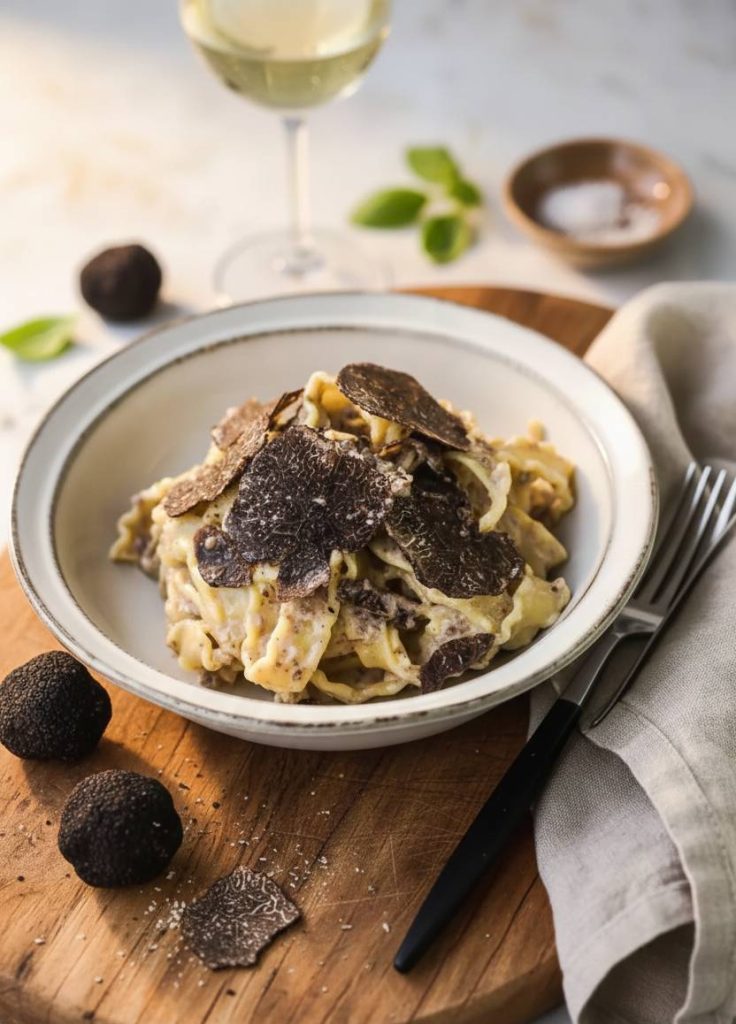
The soil is visibly redder here, signifying high levels of iron oxide which translates into a distinctive truffle and damp-earth aromatic profile as the wine matures. These deeper soils provide the grip and longevity associated with these storied reds.
Corton-Charlemagne Grand Cru
Located on the upper, steeper parts of the hill where the soil turns to light-colored marly limestone known as the Pernand marls, this appellation produces whites of immense power.
The high active lime content in the Le Charlemagne and En Charlemagne sectors creates a sensory link of piercing flinty minerality and an almost saline finish. These white soils (terres blanches) reflect the sun’s rays back into the canopy, aiding ripeness in a cooler setting.
The Central Heartland: Beaune and its Environs
This area features the widest spread of Premier Cru vineyards, characterized by varied exposures and soil depths. The town of Beaune acts as the commercial and spiritual hub of the region.
Beaune Premier Cru
The middle slopes, such as Les Teurons, Clos des Fèves, and Clos des Mouches, sit on Comblanchien limestone covered by sandy, pebbly topsoil. The high stone content ensures excellent heat retention, leading to a plush, ripe fruit profile.
The diversity within this single village is staggering, with Les Grèves offering a more robust character due to its deeper clay-limestone mix compared to the floral elegance of Les Marconnets. The eastern exposure here ensures maximum morning sun, which promotes a more refined ripening process.
Savigny-lès-Beaune and Chorey-lès-Beaune
In Savigny-lès-Beaune, the subsoil is often gravelly alluvium or ferruginous oolite. Sites like Les Vergelesses, Les Lavières, and Aux SerpentiÈRES produce wines with a fine-grained tannic structure and a floral bouquet that reflects the lighter, well-drained soils.
Nearby Chorey-lès-Beaune, mostly situated on the flatter plains with deeper alluvial soils and higher clay content, produces accessible, charming Pinot Noirs. The proximity to the Rhoin river creates a micro-climate that is slightly more humid, favoring early-drinking styles.
The Cote des Blancs: Meursault to the Montrachets
This sub-region is the global pinnacle for Chardonnay, where the limestone dives deep into the earth only to re-emerge in dramatic fashion, creating a perfect environment for white wine.
Meursault
While it lacks Grand Cru status, the Premier Cru sites of Les Perrières, Les Genevrières, Les Charmes, and Le Porusot are legendary. The Jurassic limestone here is often mixed with white marl.
The high clay content in Les Charmes produces a broader, nuttier, and more buttery aromatic profile, while the rocky, thin soils of Les Perrières yield an intense, gun-flint vibration and a laser-like focus. The Meursault tilt toward the southeast maximizes afternoon sun, creating the signature weight of these wines.
Puligny-Montrachet and Chassagne-Montrachet
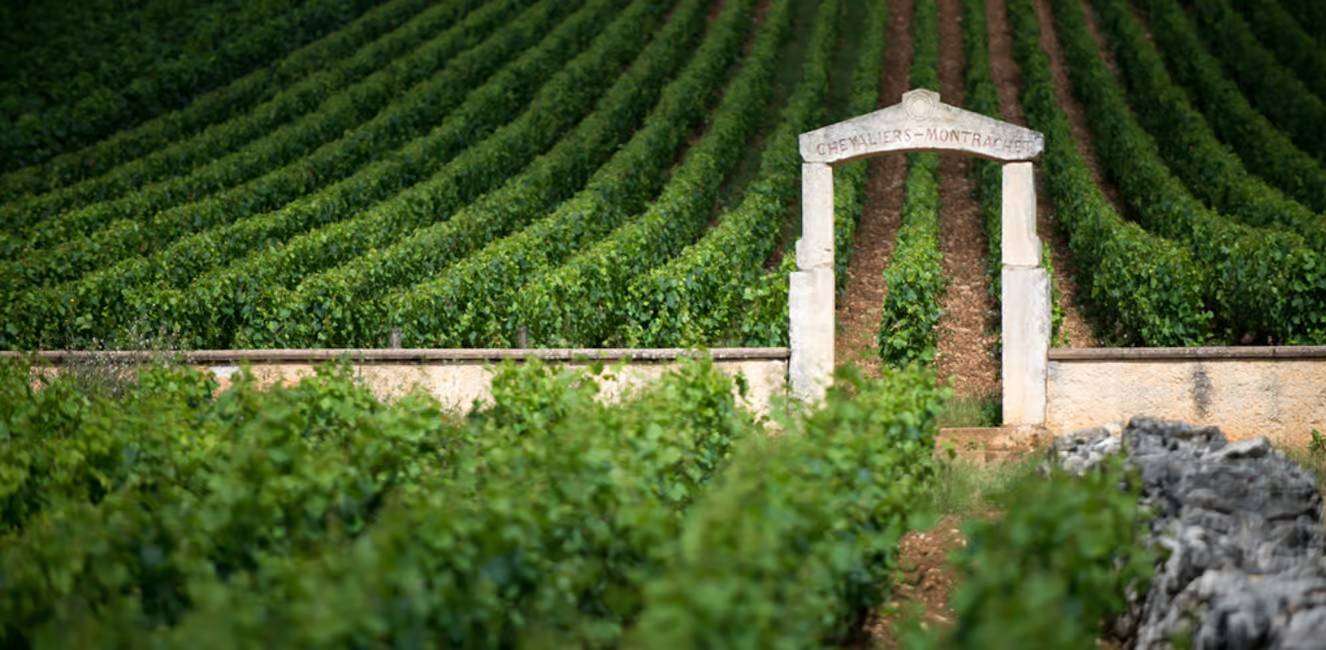
The geology here is centered on the Bathonian limestone. The Montrachet Grand Cru itself sits on a thin layer of rendzina soil over hard limestone, forcing roots to seek minerals deep in the fissures. This results in wines of unparalleled concentration.
Le Chevalier-Montrachet, being higher on the slope with more marl and less topsoil, often exhibits a more ethereal, floral elegance, while Bâtard-Montrachet, situated lower with deeper soils, produces broader wines.
In Chassagne-Montrachet, sites like Les Chenevottes and Morgeot showcase the village’s ability to produce both world-class whites and structural reds. The presence of Argovian marl in Chassagne-Montrachet provides the wines with a distinctive density.
The Southern Red Enclaves: Pommard and Volnay
Despite being surrounded by white wine territory, these two villages are the standard-bearers for Pinot Noir in the Côte de Beaune, offering two completely different expressions of the grape.
Pommard
The soils are heavy in clay and iron-rich limestone, particularly in Les Épenots, Les Rugiens-Hauts, and Les Rugiens-Bas. This pedology is directly responsible for the wine’s legendary firm structure and deep color.
The heavy clay retains more water and nutrients, leading to thicker skins and higher tannin levels. Unlike the delicate reds found elsewhere, a Pommard is a wine of substance, often showing notes of leather, chocolate, and dark fruit as they age.
Volnay
In contrast, Volnay sits on the lighter Argovian limestone. The vineyards of Les Caillerets, Champans, Clos des Ducs, and Les Santenots feature thin, stony topsoils.
These soils heat up quickly and provide excellent drainage but lack the nutrient density of Pommard. These conditions translate into wines of incredible lift, delicacy, and a violet-scented aromatic profile. The high limestone-to-clay ratio here emphasizes the red fruit and floral spectrum of Pinot Noir.
Human Intervention and Viticultural Mastery
The viticultural philosophy in the Côte de Beaune is one of extreme precision, where human intervention is designed to amplify, rather than mask, the site-specific nuances of the terroir.
The vignerons here are custodians of a centuries-old biological heritage, adapting their techniques to the minute variations of each Climat. Every choice made in the vineyard is a reflection of the specific soil composition and slope orientation.
Managing the Canopy and the Soil
The standard training system is the Guyot (mostly Guyot Simple), which allows for careful control of yields and fruit distribution. By limiting the number of buds, growers ensure that the vine concentrates its energy into a smaller amount of high-quality fruit.
Canopy management is an intensive, season-long process. Techniques like vertical shoot positioning (VSP) are employed to maximize sunlight interception and ensure airflow through the fruit zone.
Growers frequently use rognage (hedging) to maintain an open canopy, preventing the shading that can lead to green, under-ripe flavors. Furthermore, there is a massive resurgence in plowing (labourage) rather than using herbicides.
This encourages the roots of the vines in Saint-Aubin or Auxey-Duresses to grow deeper into the limestone bedrock, facilitating a truer expression of the soil’s mineral character. Plowing also aerates the soil, encouraging the development of mycorrhizal fungi.
The Philosophy of the Cellar
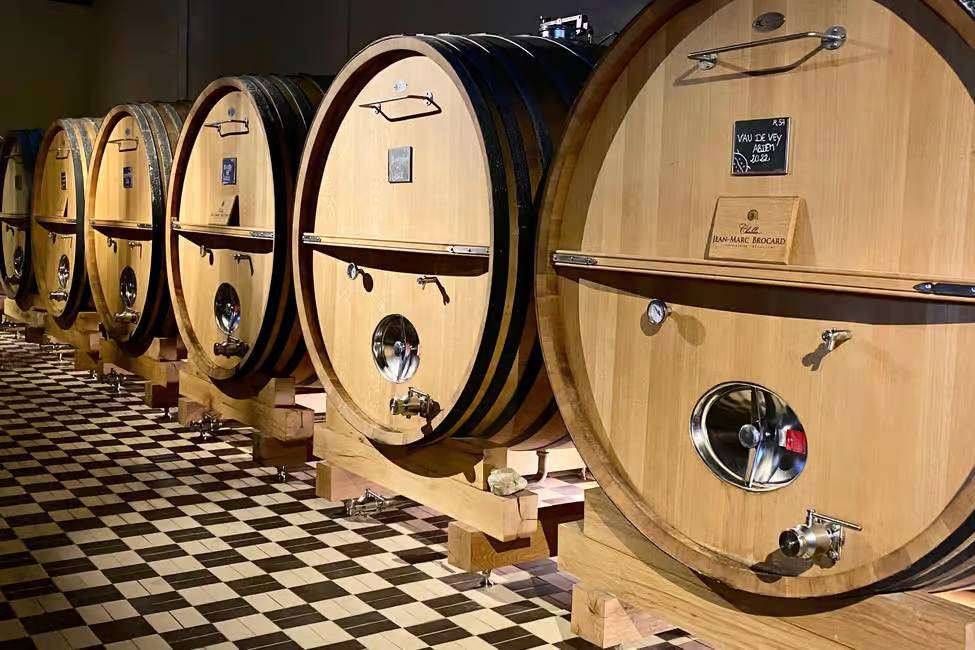
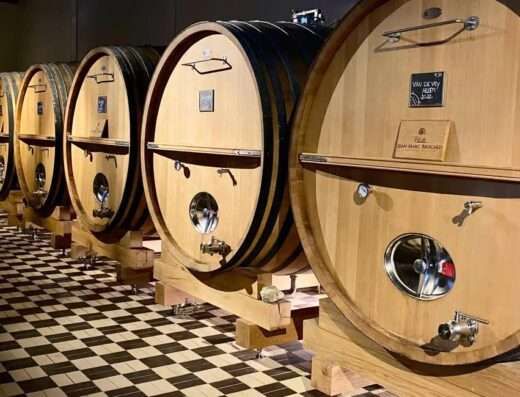
In the cellar, the minimal intervention approach is a technical choice to preserve the living liquid. For the prestigious whites of the region, this often involves long, slow fermentations in oak barrels, but with a decreasing reliance on new wood.
The trend in Meursault and Puligny-Montrachet is toward larger barrels (demi-muids) or neutral oak to ensure the mineral signatures remain at the forefront. The use of indigenous yeasts is almost universal among top estates.
Careful management of lees (the spent yeast cells) through bâtonnage (stirring) or simple reductive aging adds texture and protection to the wine. This process reduces the need for sulfur additions while enhancing mouthfeel.
For the reds, the choice of vendange entière (whole-cluster fermentation) is a major technical point. In villages like Volnay, including stems can add a spicy complexity and structural sap to the wine, provided the stems are perfectly ripe.
Environmental Stewardship
Modern mastery also involves a deep commitment to organic and biodynamic viticulture. Many of the most famous estates in Chassagne-Montrachet and Pommard have moved away from synthetic chemicals.
This holistic approach extends to the timing of vineyard work according to lunar cycles and the use of herbal teas—such as horsetail or nettle—to strengthen the vines’ natural immunity. This is a sophisticated return to observation-based agriculture.
The preservation of biodiversity through the planting of hedgerows and cover crops is also becoming a standard practice. This ensures that the terroir remains vibrant and biologically active for future generations.
Côte de Beaune terroir: From Knowledge to Experience
To understand the Côte de Beaune is to recognize that while the science of geology and the precision of viticulture provide the framework, the true essence of the region must be felt.
A wine from Corton or Montrachet is not merely a beverage; it is a sensory archive of the Jurassic era, shaped by the hands of masters and the rhythm of the seasons. The data of soil pH can only tell part of the story.
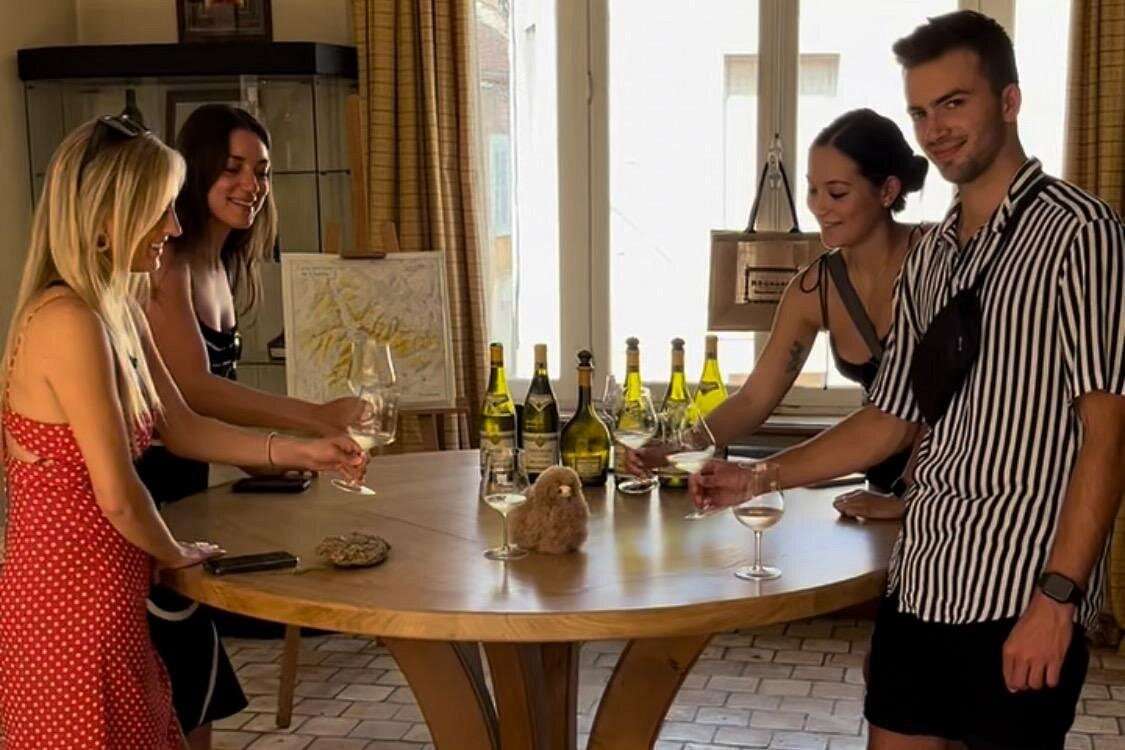
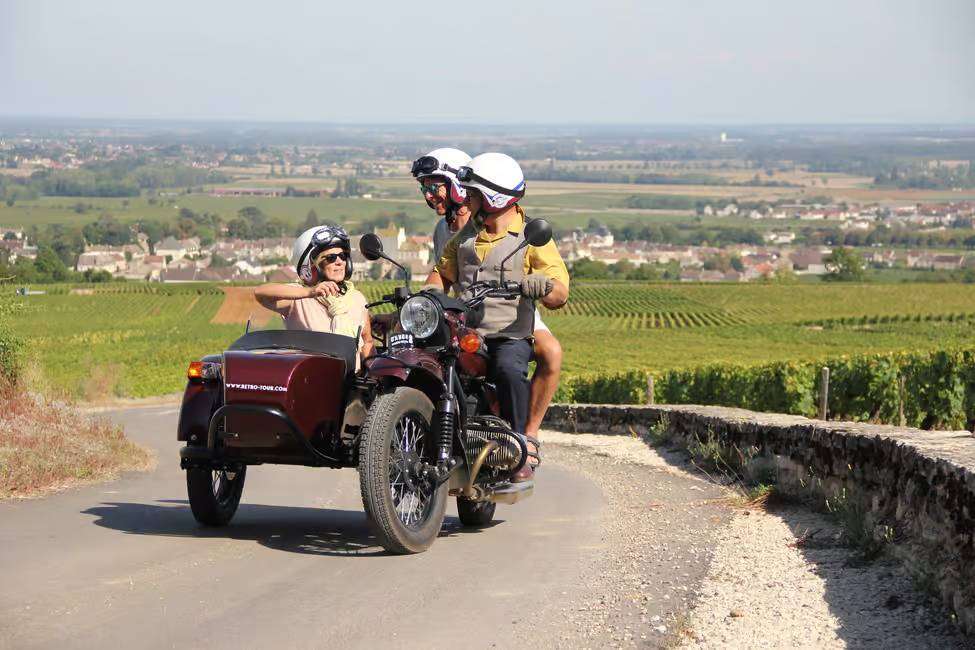
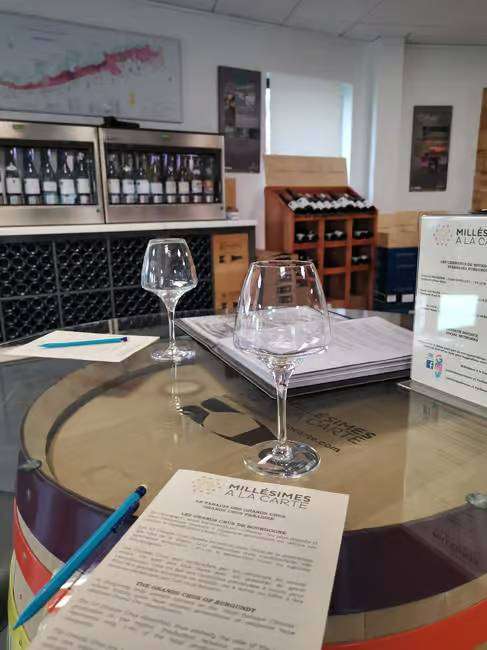
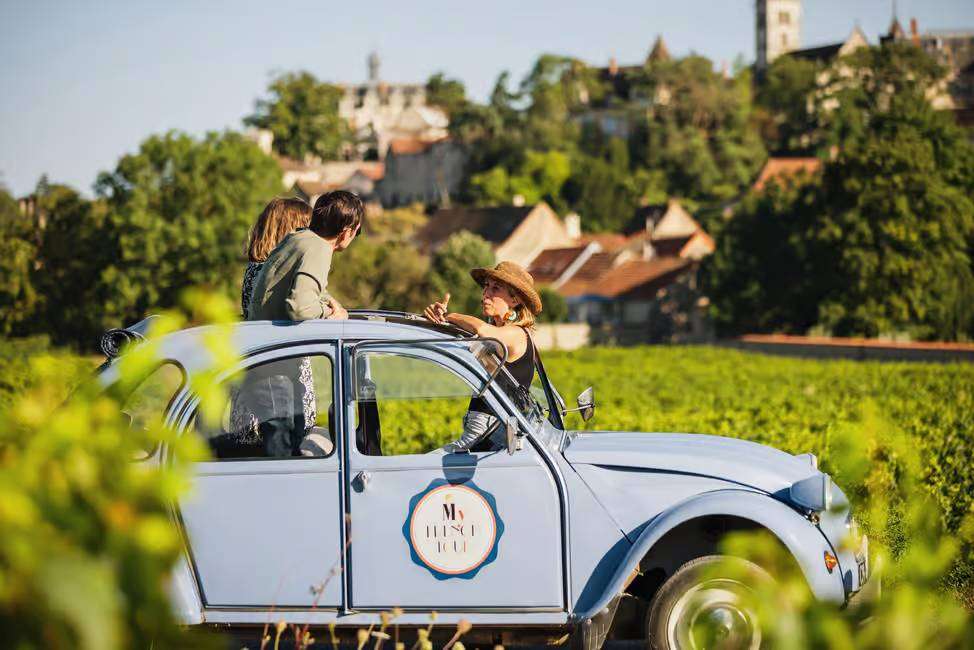
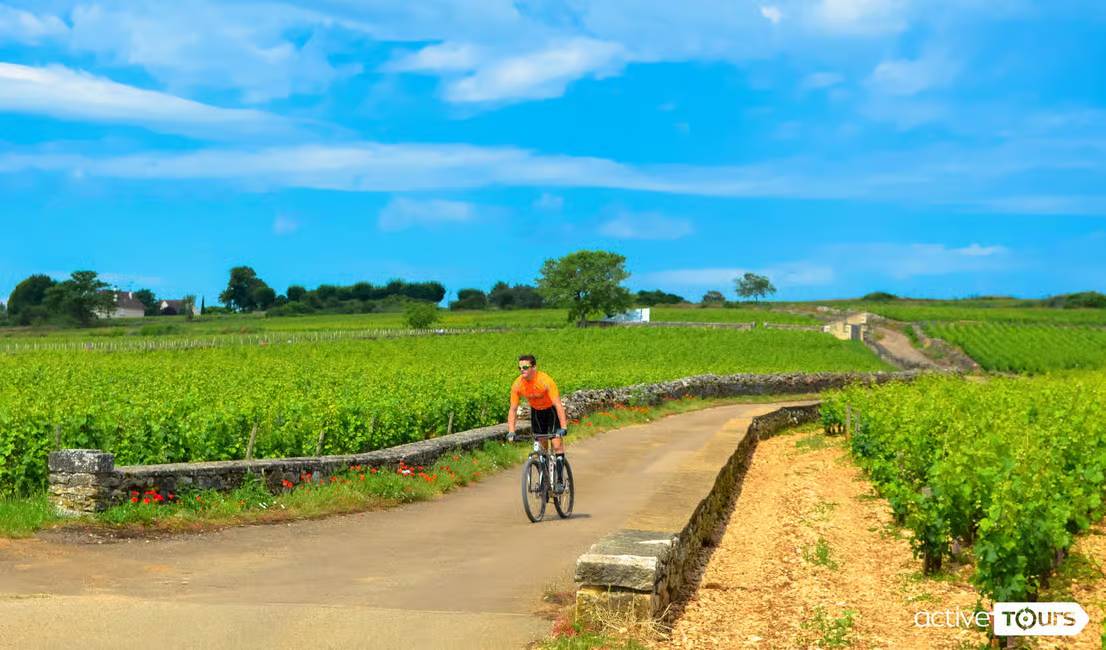
We invite you to transcend the theoretical and join us for a series of curated, high-end wine tours. These experiences are designed for the discerning enthusiast who seeks to walk the very limestone scree of Volnay and the red gravels of Beaune.
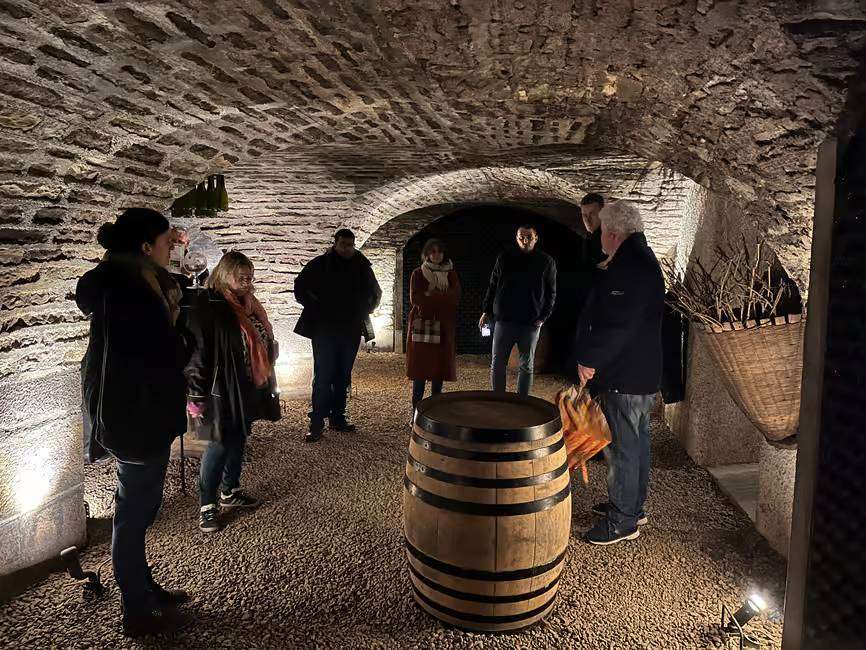
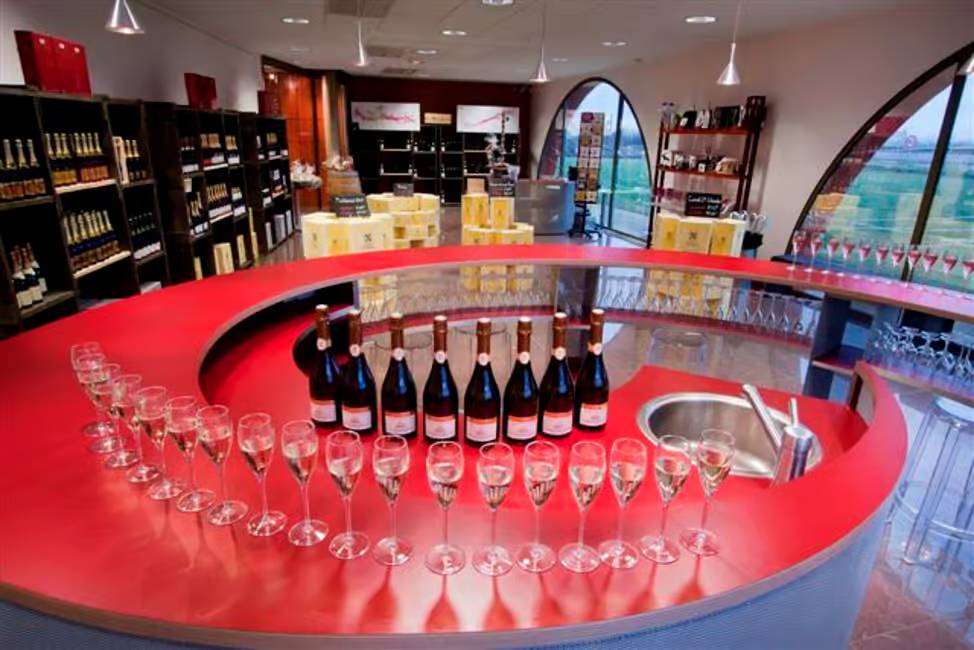
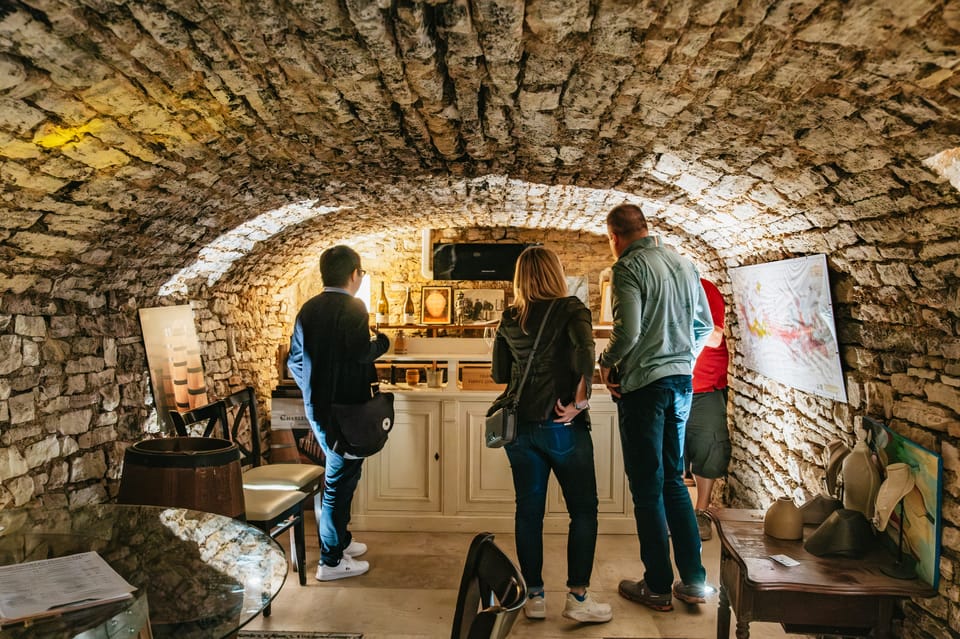
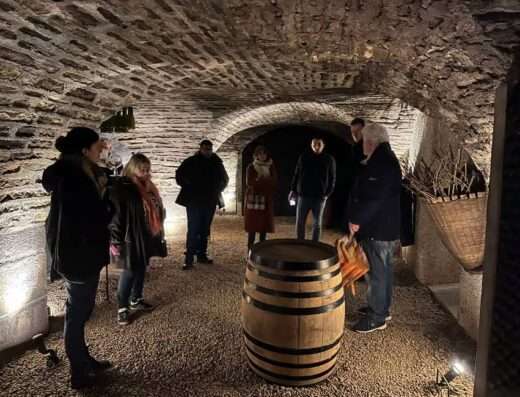
You will gain private access to century-old cellars, engage in technical tastings with leading oenologists, and witness firsthand how the soul of the land is bottled. This is an invitation to witness the intersection of earth and art.
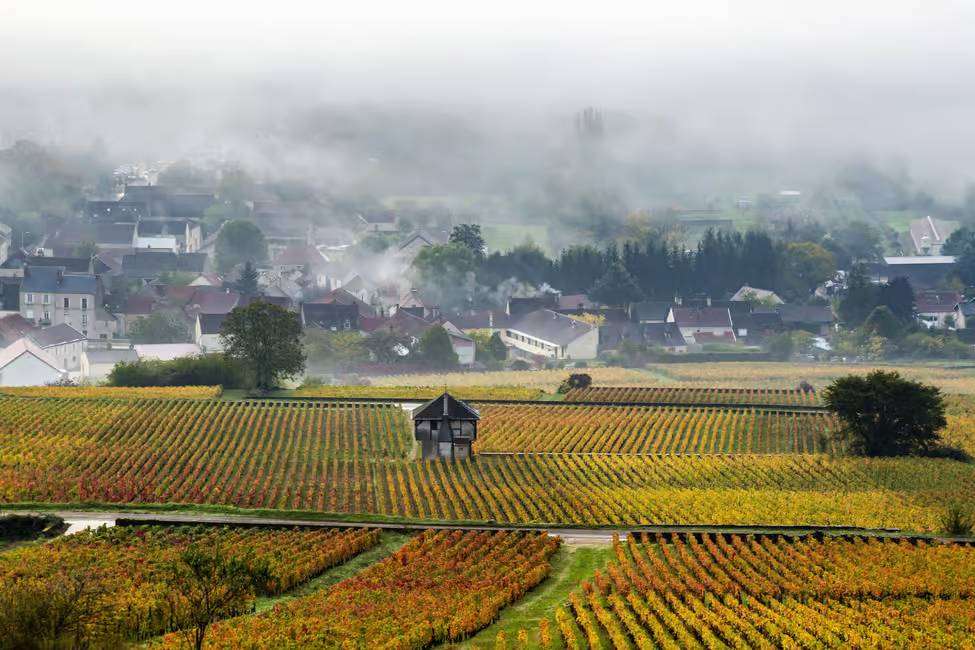
Imagine standing in the middle of Le Montrachet as the morning mist lifts, tasting the previous year’s vintage from the barrel in a cellar that has seen generations of the same family. This is the level of intimacy we provide.
Whether you are looking to build a world-class cellar or simply wish to deepen your intellectual connection to the world’s finest wines, our bespoke itineraries are the key. Experience the living history of the Côte de Beaune in situ—where the stone becomes gold.