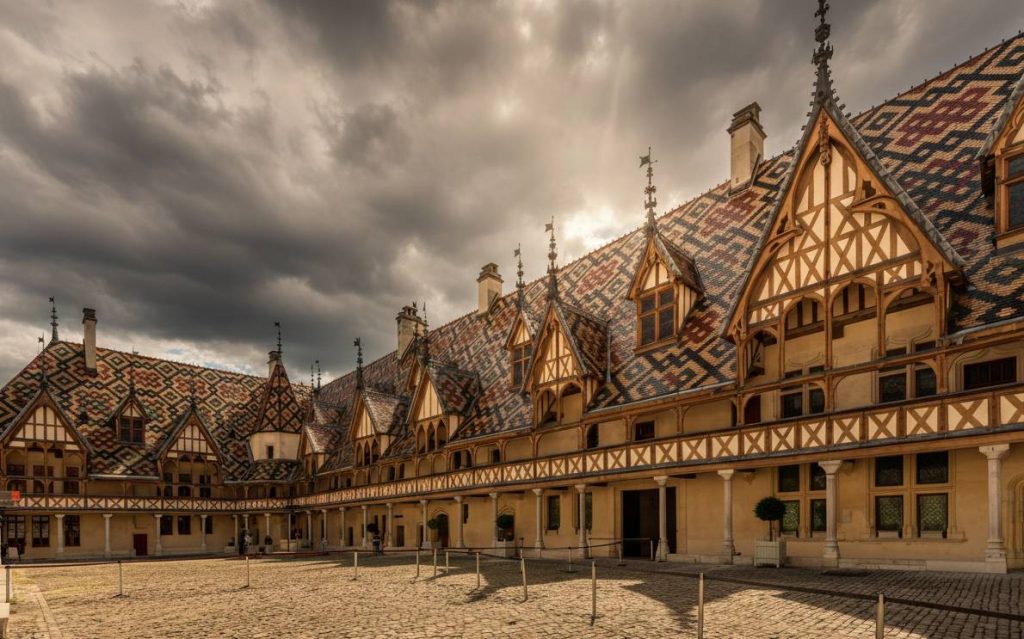
Table of Contents
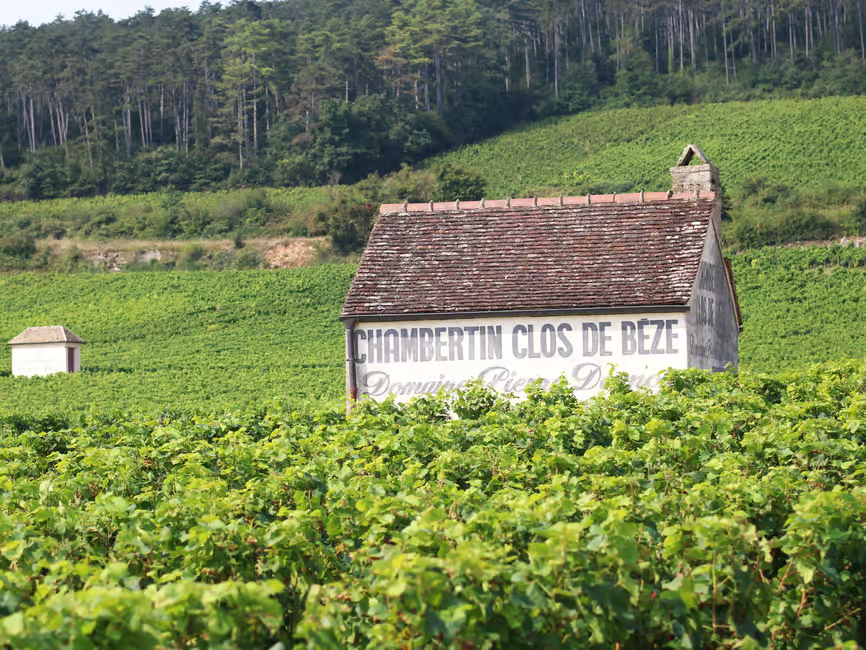
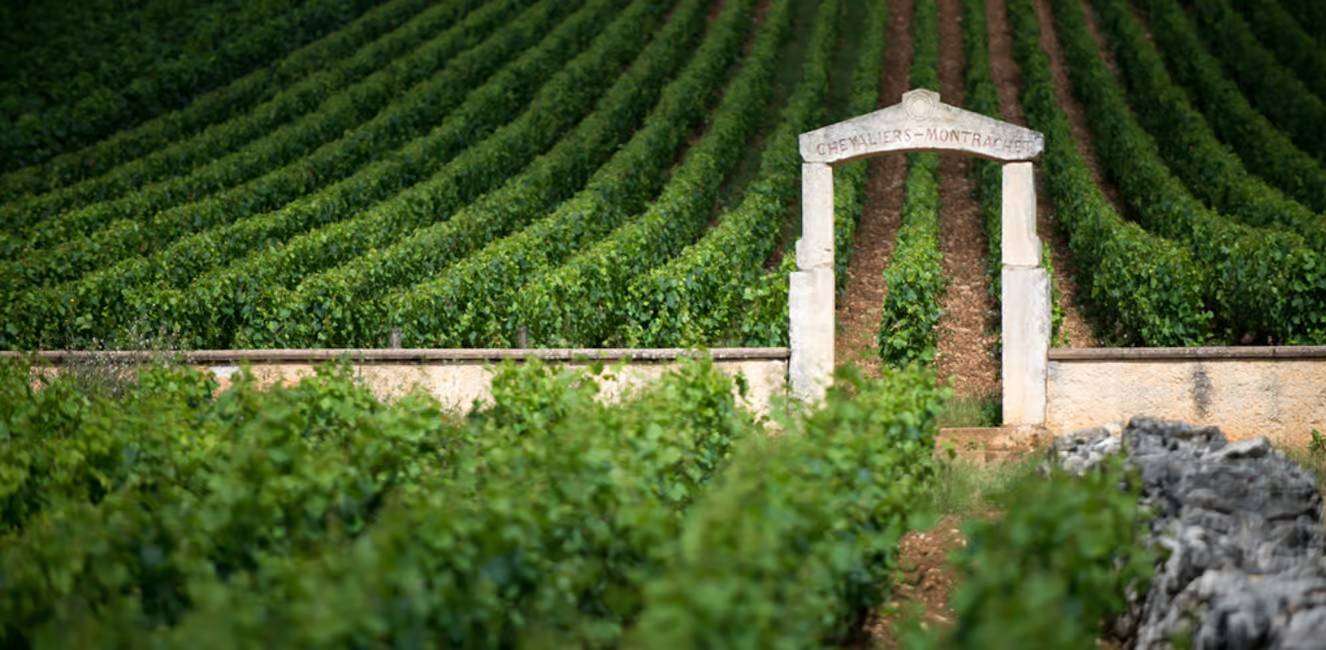
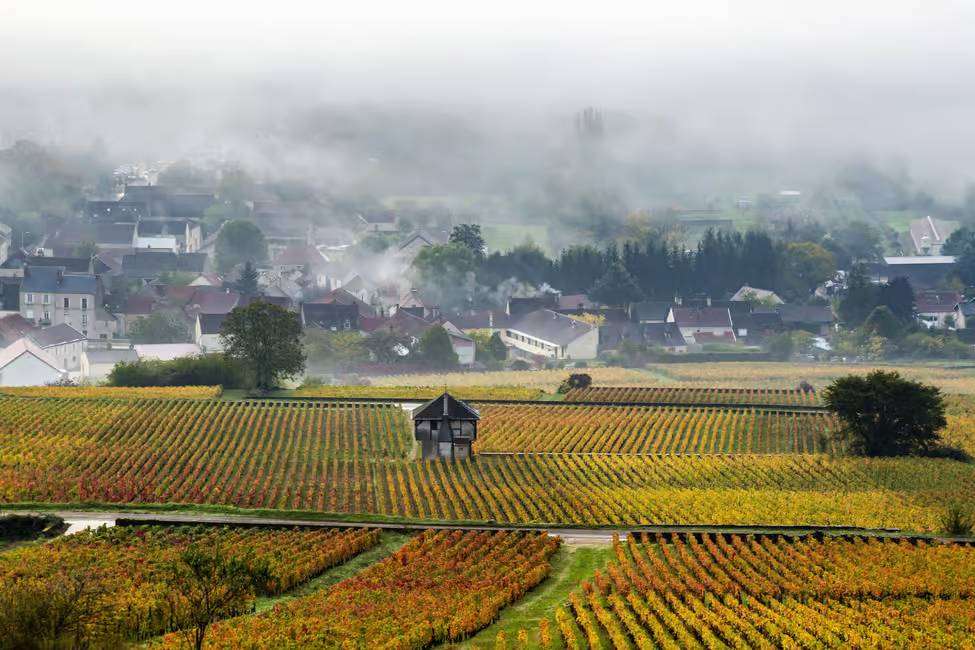
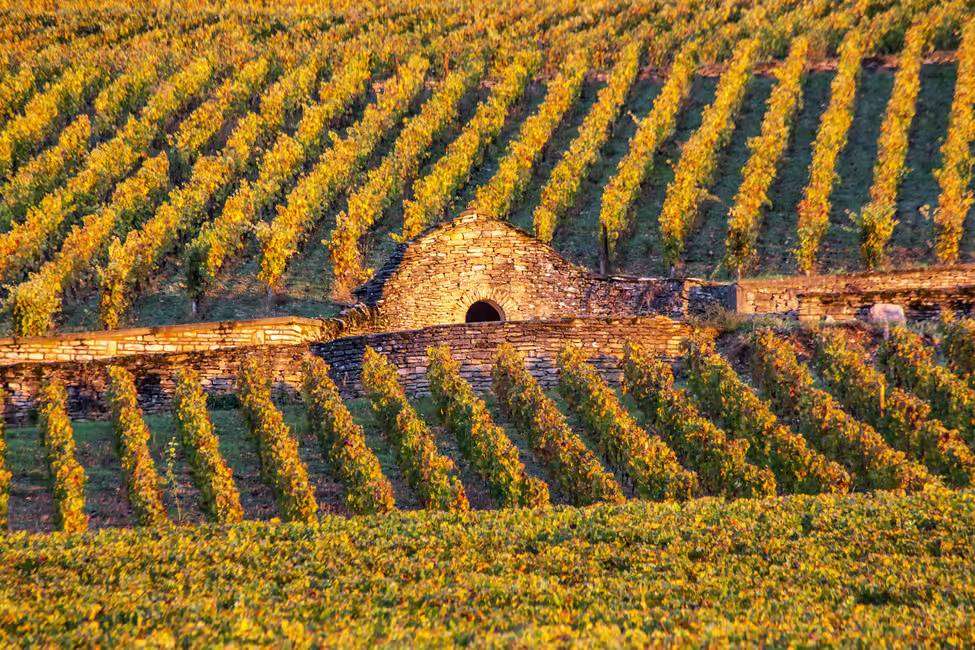
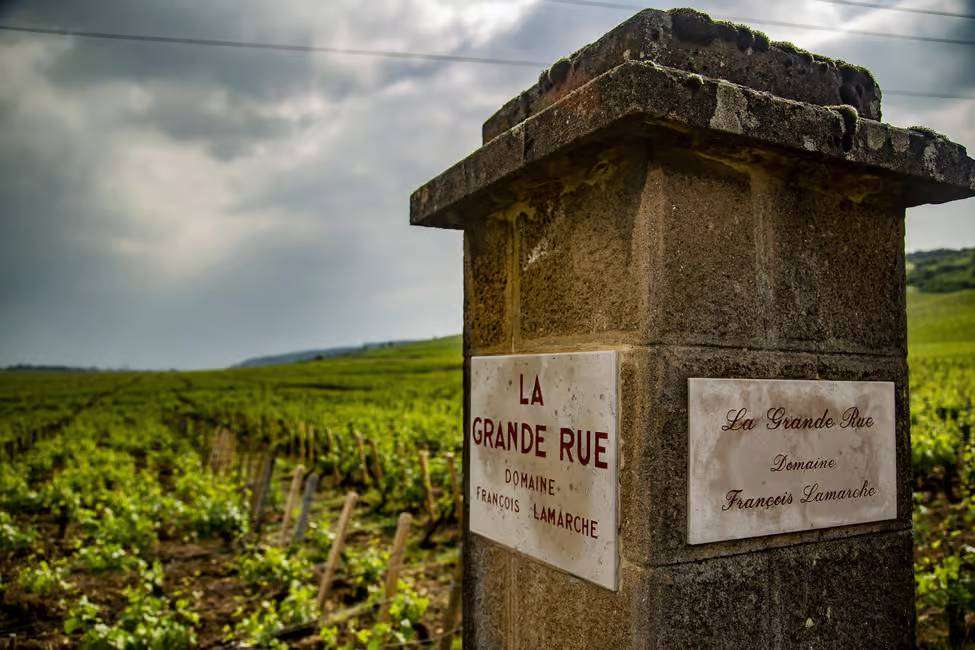
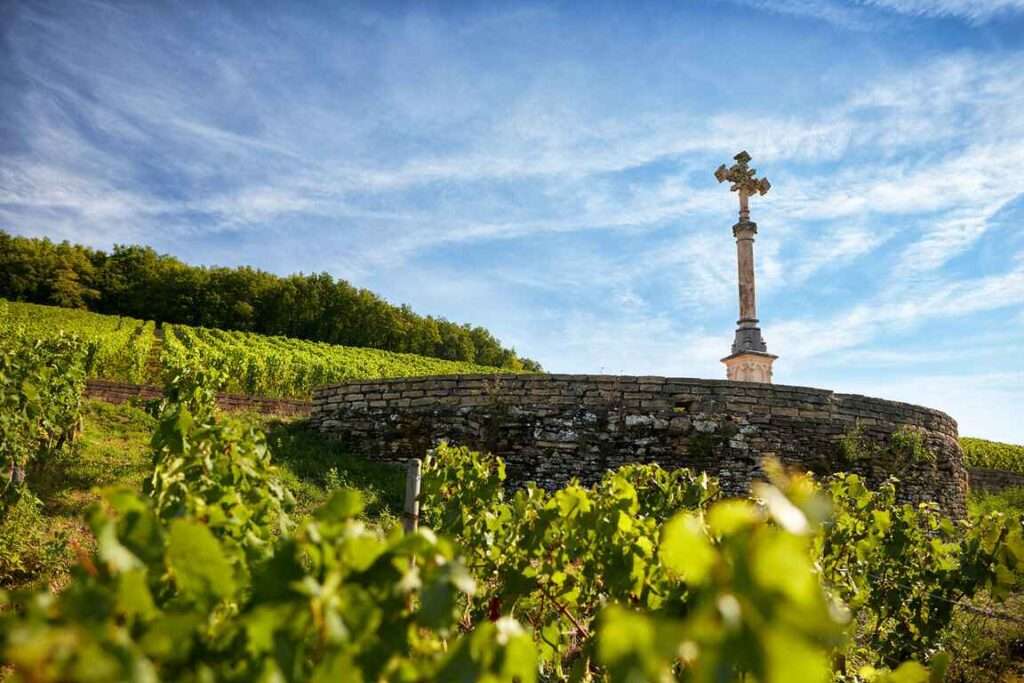
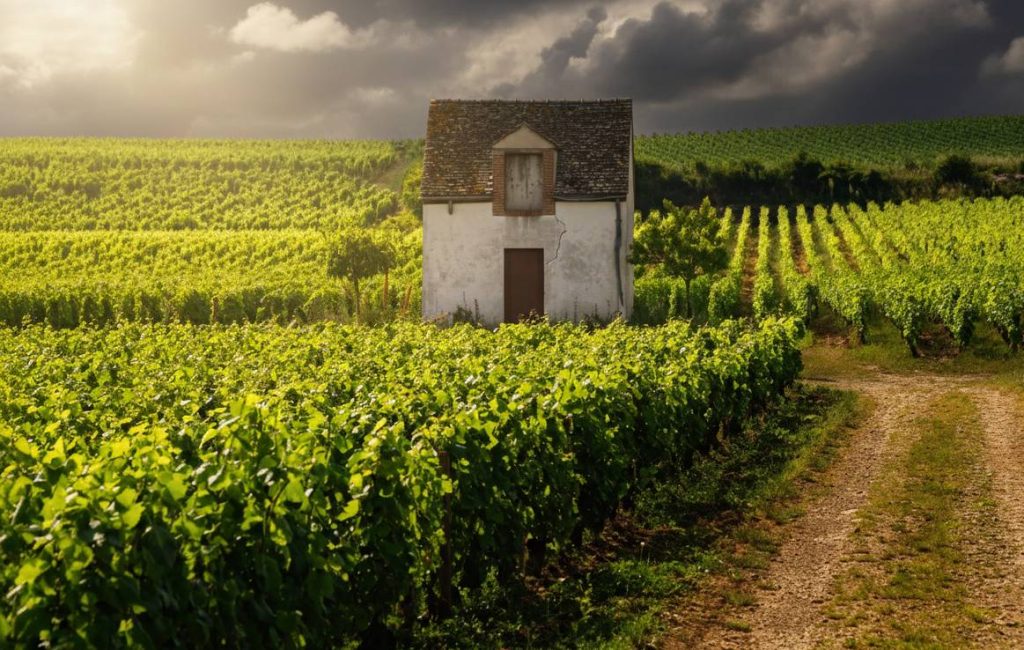
The viticultural landscape of the Côte de Beaune represents a pinnacle of geological complexity where the relationship between the calcium-rich soils and the plate is both ancient and scientifically profound. To understand the gastronomy of this region, one must first appreciate the concept of balance as it is dictated by the Bajocian and Bathonian limestone strata that define the slopes.
This specific limestone composition, often interspersed with marly layers, imparts a structural framework to the wines that is essential for culinary harmony. In the white wines, primarily Chardonnay, the high concentrations of active calcium carbonate influence the synthesis of organic acids and aromatic precursors, resulting in a vibrant acidity and a distinct mineral tension.
This acidity acts as a chemical cleansing agent on the palate. It initiates the emulsification of fats in rich sauces, effectively resetting the taste buds after each bite of a buttery fish or creamy poultry dish. Furthermore, the presence of specific sulfur-related compounds and volatile thiols in Côte de Beaune whites provides a savory, almost saline edge that bridges the gap between the wine and the oceanic umami of shellfish.
Conversely, the red wines of the region, crafted from Pinot Noir, find their identity in the clay-heavy soils of appellations such as Pommard and Corton. Here, the relationship between the soil and the plate is defined by the interaction between phenolic compounds—specifically tannins—and animal proteins.
The tannins in Côte de Beaune reds are renowned for their supple yet firm architecture. When they encounter the proteins and collagen of roasted meats, a process of molecular binding occurs where the tannins aggregate with the proteins. This softens the perception of astringency while simultaneously enhancing the perceived juiciness of the meat.
Local Gastronomy and Côte de Beaune wine pairing The Burgundian Heritage
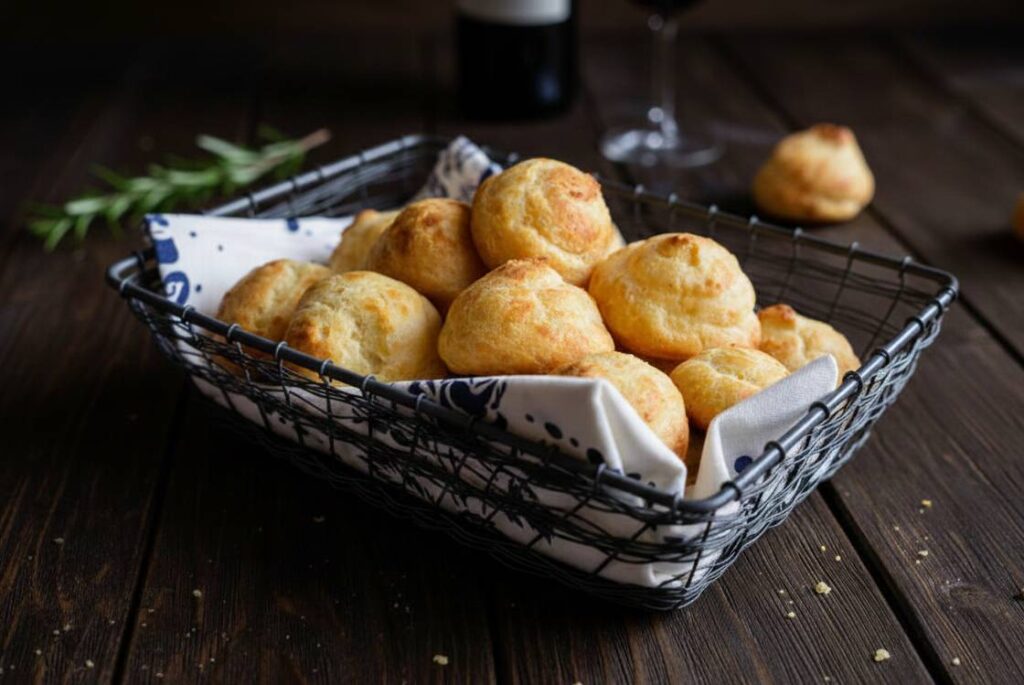
Gougères and Petit Chablis. These savory choux pastry puffs made with Gruyère or Comté cheese find a perfect partner in Petit Chablis
The local cuisine of the Côte de Beaune is a reflection of the land’s generosity, focusing on slow-cooked meats, rich cream-based sauces, and world-renowned cheeses. These dishes have evolved alongside the wines, creating a natural affinity where the wine’s acidity and structure serve to balance the rustic, heavy textures of traditional Burgundian fare.
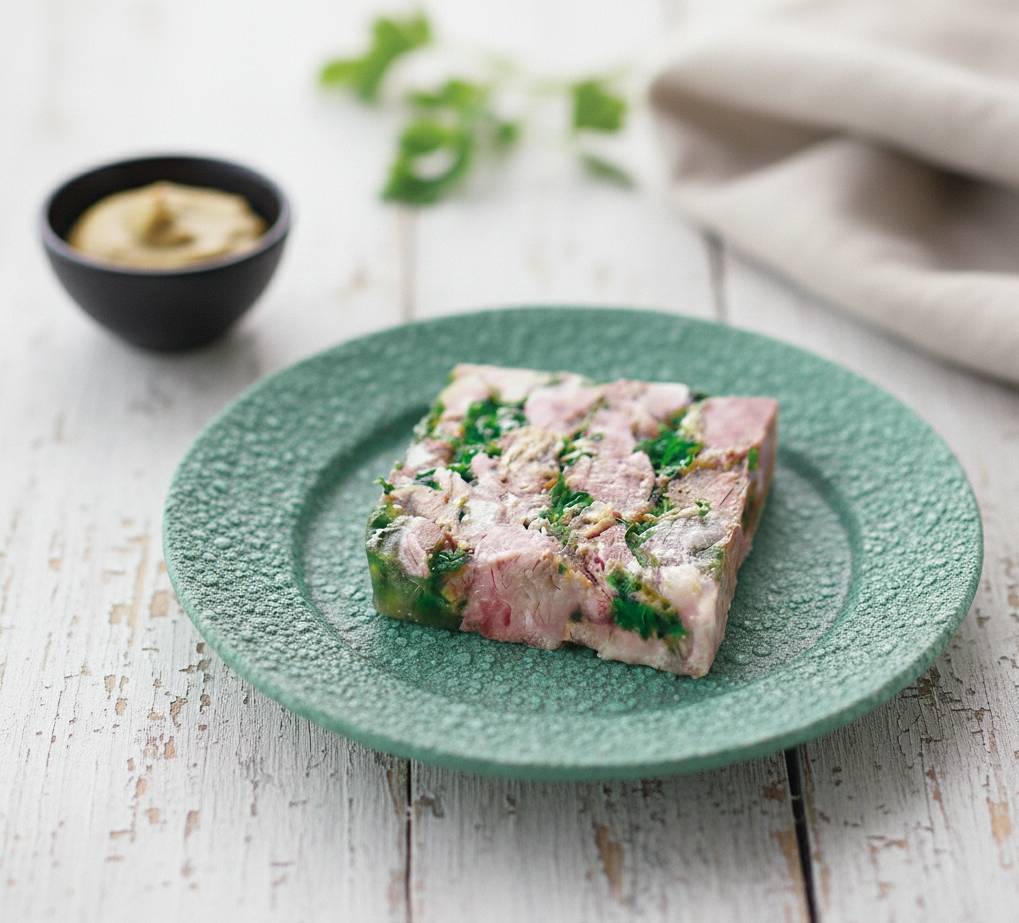
Jambon Persillé and Bourgogne Aligoté
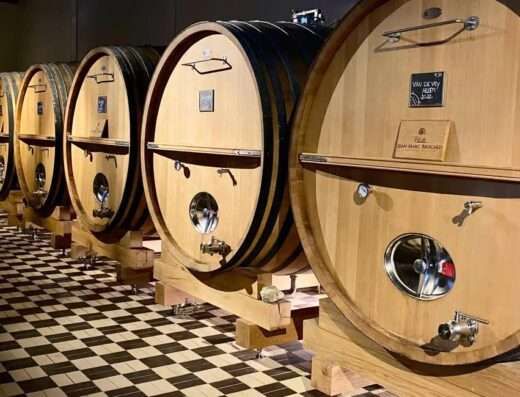
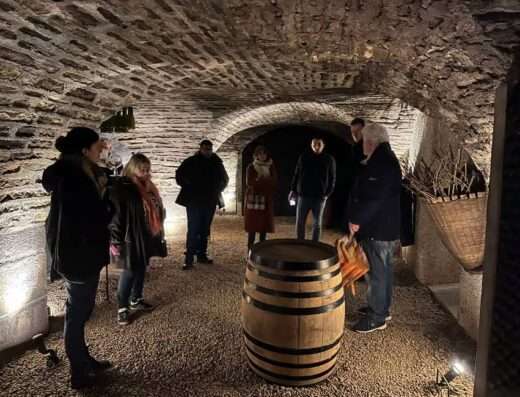

White Wines of Côte de Beaune and Terroir Food
The white wines of the Côte de Beaune are considered the global benchmark for Chardonnay, ranging from the opulent and buttery expressions of Meursault to the crystalline, high-altitude tension of Saint-Romain. These wines are characterized by an intense aromatic profile of citrus, white flowers, and toasted hazelnut, underpinned by a persistent vein of minerality.
Escargots de Bourgogne and Meursault
The Scientific “Why”: The high concentration of garlic and butter in traditional Burgundy snails requires a wine with significant phenolic weight. Meursault, with its characteristic buttery mouthfeel, matches the weight of the dish, while its underlying acidity prevents the garlic from becoming overpowering on the palate.
The wine’s glyceric texture wraps around the herbaceous notes of the parsley, creating a balanced and luxurious mouthfeel. This ensures the garlic does not linger too aggressively, maintaining a professional authority over the palate while providing a long, elegant finish that mirrors the richness of the escargot.
Jambon Persillé and Bourgogne Aligoté
The Scientific “Why”: This terrine of ham and parsley relies on a sharp, acidic counterpoint to cut through the gelatinous texture. Aligoté possesses a high level of malic acidity which acts as a refreshing agent, slicing through the saltiness of the ham and the herbal intensity of the parsley.
The high acid content facilitates the breakdown of the meat proteins on the tongue, ensuring that the palate remains refreshed between bites of this dense and savory local delicacy. This provides a clean finish that encourages further consumption while respecting the traditional rustic roots of the dish.
Veal Blanquette and Savigny-lès-Beaune Blanc
The Scientific “Why”: The creamy white sauce of the blanquette requires a wine that is supple and rounded. Savigny-lès-Beaune Blanc provides a floral elegance and stone fruit character that mirrors the delicate nature of the veal without being masked by the heavy cream.
The wine’s moderate alcohol and soft texture complement the velvety consistency of the sauce. This provides a harmonious interaction that does not overwhelm the subtle flavors of the young meat or the earthy mushrooms typically found in the recipe, maintaining a delicate balance.
Comté Cheese and Auxey-Duresses Blanc
The Scientific “Why”: Aged Comté contains tyrosine crystals that provide a nutty crunch. The mineral salts and lemony finish of Auxey-Duresses interact with these crystals, enhancing the savory profile of the cheese while the wine’s acidity cleanses the palate of fats.
This interaction is a classic example of structural balance, where the sharpness of the wine prevents the high fat content of the cheese from coating the palate indefinitely. This allows the nutty aftertaste to linger beautifully and clearly without any fatty interference, showcasing the wine’s mineral tension.
Red Wines of Côte de Beaune Pairings with local cuisine
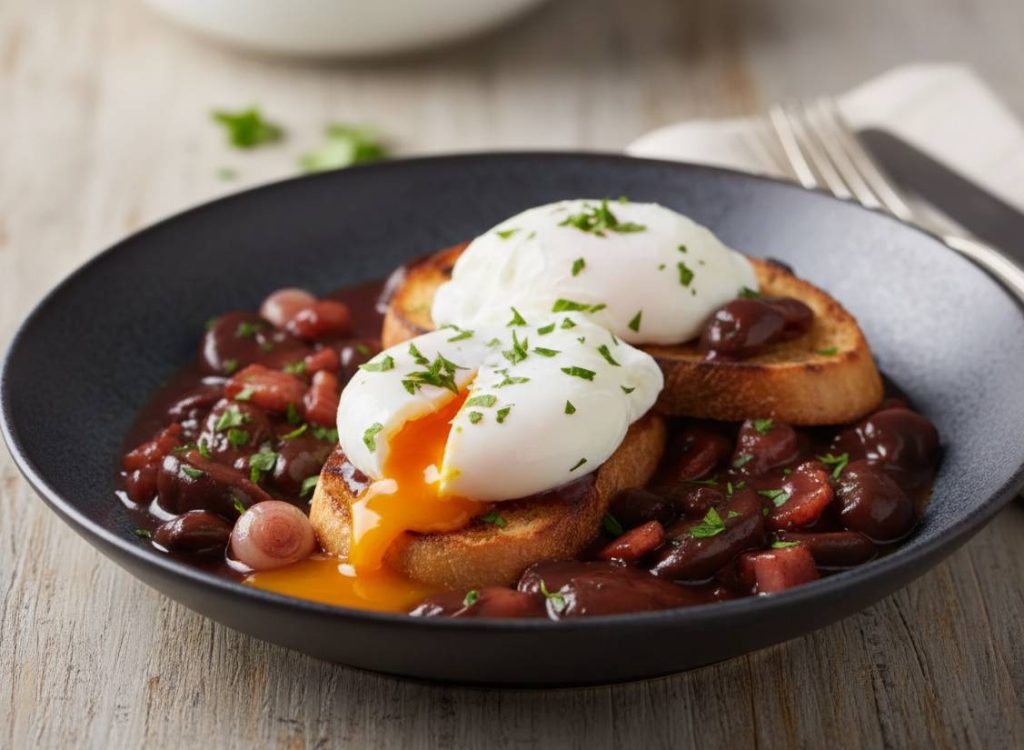
Oeuf Meurette and it’s fatty yolk coating is nicely pairing with soft tannins and acidity of Beaune rouge
Red wines from the Côte de Beaune are defined by their elegance, aromatic prettiness, and silky tannins. They typically exhibit aromas of red cherry, raspberry, and violet, developing notes of underbrush and leather as they age, making them the perfect companion for the earthy and savory local cuisine.
Boeuf Bourguignon and Pommard
The Scientific “Why”: The slow-braised beef contains high levels of broken-down collagen. The firm tannins of Pommard bind with these proteins, creating a smoother mouthfeel for both the wine and the meat, while the wine’s earthy notes complement the traditional inclusion of lardons and mushrooms.
This molecular bonding is essential for managing the density of the stew, allowing the fruit of the Pinot Noir to emerge through the richness. It provides a clean finish to each bite of the hearty beef, ensuring the wine’s structure is a match for the dish’s weight.
Coq au Vin and Ladoix Rouge
The Scientific “Why”: The acidity in Ladoix Rouge is essential for cutting through the richness of the red wine reduction sauce. The wine’s bright red fruit profile provides a lifting effect to the savory, umami-rich chicken, ensuring the dish does not feel heavy or monolithic.
Because the chicken is often braised in a similar style of wine, the chemical connection between the sauce and the glass creates a seamless transition on the palate. This enhances the overall depth of flavor and structural integrity of the meal, demonstrating a classic regional synergy.
Oeufs en Meurette and Beaune Rouge
The Scientific “Why”: The soft, runny yolk of the egg creates a fatty coating on the tongue. The moderate tannins and vibrant acidity of a Beaune red wine effectively emulsify these lipids, while the wine’s spiciness enhances the smoky notes of the bacon.
This pairing relies on the wine’s ability to provide a vertical structural contrast to the horizontal, coating nature of the poached egg and the wine-based sauce. It ensures that each element remains distinct yet integrated for a professional tasting experience that highlights the complexity of the Pinot Noir.
Epoisses Cheese and Maranges Rouge
The Scientific “Why”: Epoisses is a powerful, washed-rind cheese. The structural backbone and darker fruit notes of Maranges provide a necessary aromatic intensity that stands up to the cheese’s pungent aroma, while the tannins provide a grip that balances the creamy texture.
The wine’s inherent earthiness matches the farmhouse character of the cheese. This results in a combination that celebrates the more rustic side of the Burgundian terroir while providing a sophisticated finish to the meal that prevents the cheese from dominating the entire sensory experience.
International Food pairing with Côte de Beaune Global Food and Wine Perspective
Côte de Beaune White Wine Pairing With International Food
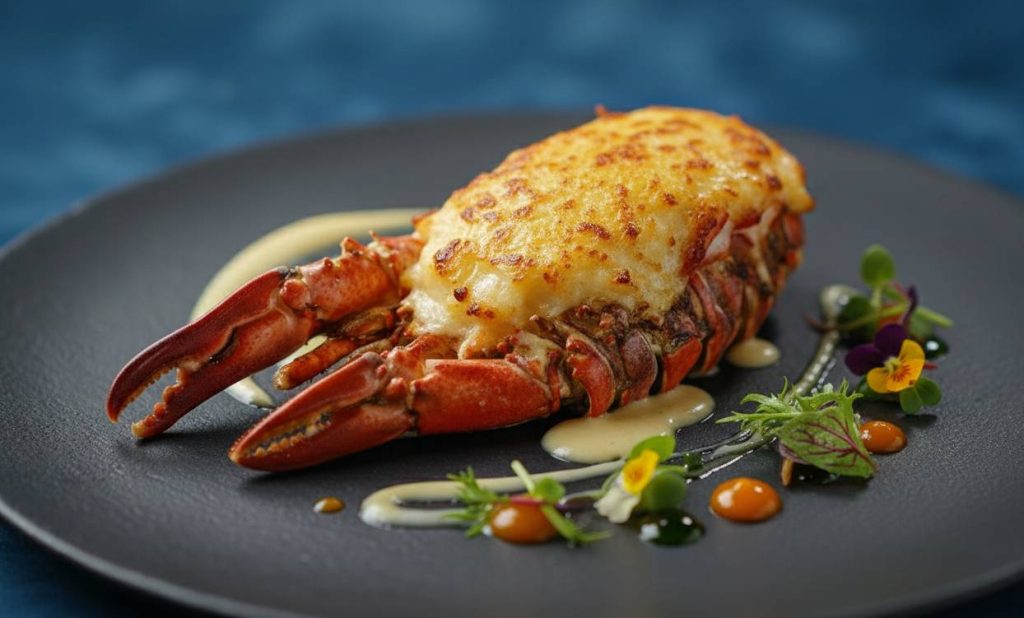
Lobster Thermidor and Meursault Premier Cru
Lobster Thermidor and Meursault Premier Cru
The Scientific “Why”: This classic dish features a rich béchamel and brandy sauce. The Meursault’s oak-derived vanillins and high glyceric content harmonize with the cream, while the wine’s mineral tension highlights the sweet, oceanic proteins of the lobster.
The marriage of the wine’s toasted nut flavors with the caramelized cheese topping creates a profound aromatic bridge. This elevates the luxury of the entire culinary experience, ensuring the palate is never overwhelmed by the heavy sauce or the richness of the shellfish, maintaining a vertical lift.
Seared Scallops with Cauliflower Purée and Chassagne-Montrachet
The Scientific “Why”: The Maillard reaction from searing the scallops creates a caramelized sweetness. The robust structural backbone and toasted nut aromatics of Chassagne-Montrachet echo these flavors, while the wine’s acidity provides a sharp contrast to the dense purée.
The inherent power of this appellation ensures that the wine is not overshadowed by the concentrated sweetness and earthy weight of the cauliflower base. This results in a balanced and highly sophisticated international pairing that showcases the complexity of the high-end Chardonnay grape.
Sole Meunière and Puligny-Montrachet
The Scientific “Why”: The delicate, flaky texture of the Sole requires the laser-like precision of Puligny-Montrachet. The wine’s vibrant acidity acts like a liquid squeeze of lemon, breaking down the browned butter and allowing the fish’s subtle flavor to remain dominant.
The purity of the Chardonnay fruit enhances the fresh, briny qualities of the fish. This demonstrates why this appellation is considered the gold standard for refined seafood pairings across various global culinary traditions, maintaining a vertical structure that lifts the entire dish without adding weight.
Roast Chicken with Morels and Corton-Charlemagne
The Scientific “Why”: The intense aromatic concentration of flint and spice in this Grand Cru provides a foil for the deep umami of mushrooms. The wine’s density matches the starch of the dish, providing a vertical lift to the overall richness of the sauce.
The high dry extract found in Corton-Charlemagne allows it to withstand the powerful aromatic profile of the morels. This creates a pairing of immense length and complexity that highlights the noble character of the white Grand Cru and the savory depth of the roasted poultry.
Grilled Sea Bass with Fennel and Saint-Aubin
The Scientific “Why”: The herbal, anise-like notes of fennel find resonance in the freshly-mown grass aromatics of Saint-Aubin. The wine’s sharp mineral acidity interacts with the fish oils, ensuring the palate remains refreshed and the delicate flavors are highlighted.
The leaner structure of Saint-Aubin, compared to its more famous neighbors, makes it an ideal partner for grilled preparations where smoke and herb notes are the primary focus. It provides a refreshing and balanced culinary outcome that respects the natural oils of the sea bass.
Black Truffle Pasta and Saint-Romain
The Scientific “Why”: Truffles contain complex volatile sulfur compounds. The high-altitude tension and lemony acidity of Saint-Romain provide an aromatic lift that prevents the truffle from becoming cloying, while the wine’s acidity manages the butter and parmesan fats.
This pairing highlights the wine’s ability to act as a structural beam, supporting the heavy, aromatic weight of the truffle without losing its own identity. It results in a clean and precise dining experience that respects the luxury of the ingredient while maintaining palate freshness.
Cantonese Dim Sum (Har Gow) and Santenay Blanc
The Scientific “Why”: The delicate shrimp within the translucent wrapper requires a wine with subtle fruit and high acidity. Santenay Blanc offers a crispness that cuts through the starch of the dumpling skin while complementing the sweetness of the shellfish.
The wine’s clean finish serves to reset the palate between different varieties of dim sum. This makes it a versatile and sophisticated choice for high-end Asian gastronomy that requires aromatic precision and a structural counterpoint to the soft and steamed textures of the dumplings.
Baked Alaskan Crab and Chassagne-Montrachet
The Scientific “Why”: The rich, succulent meat of the crab is complemented by the broad, powerful structure of Chassagne-Montrachet. The wine’s natural buttery notes mirror the crab’s texture, while its stone-fruit flavors provide a pleasant contrast to the meat’s salinity.
The mineral core of the wine ensures that the pairing remains elegant. It prevents the richness of the crab from feeling overly heavy on the tongue and allows the natural sweetness of the crab to linger without being masked by the alcohol or oak of the wine.
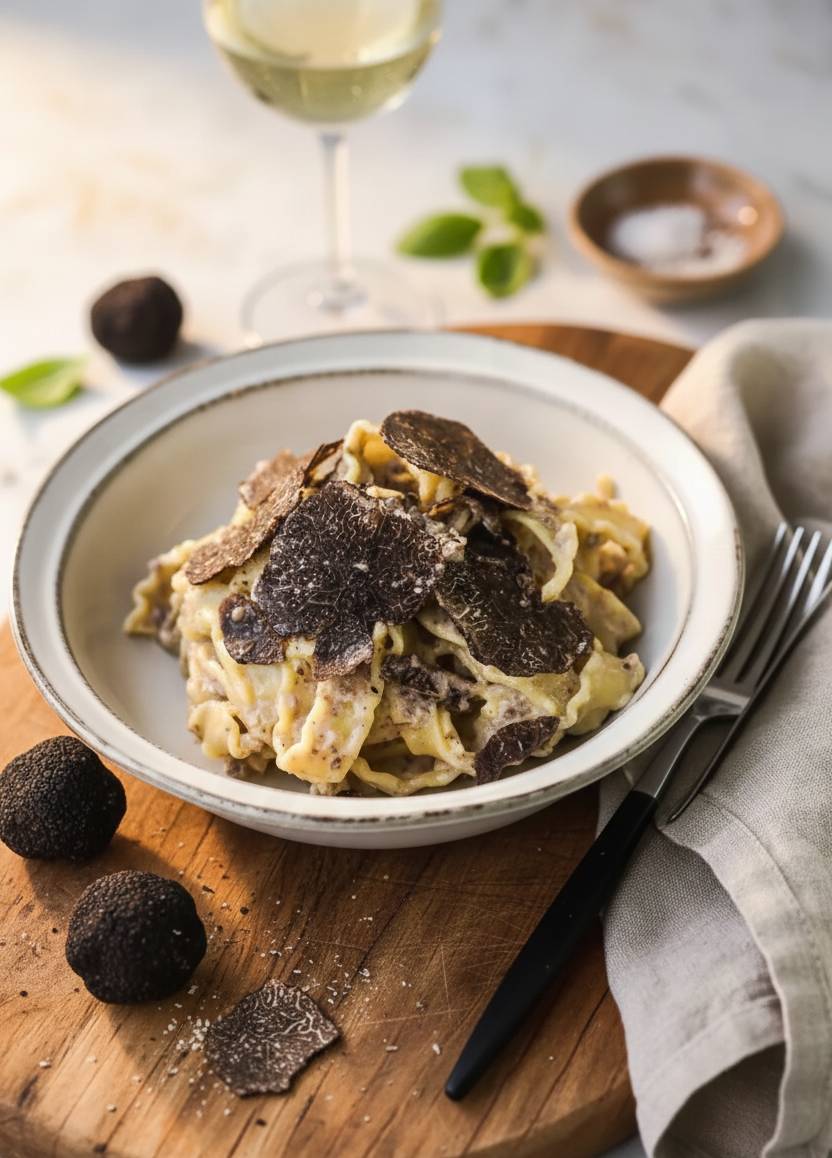
Truffle pasta are good pairing with high acidity Saint Romain white
Côte de Beaune Red Wines and International Food Pairing
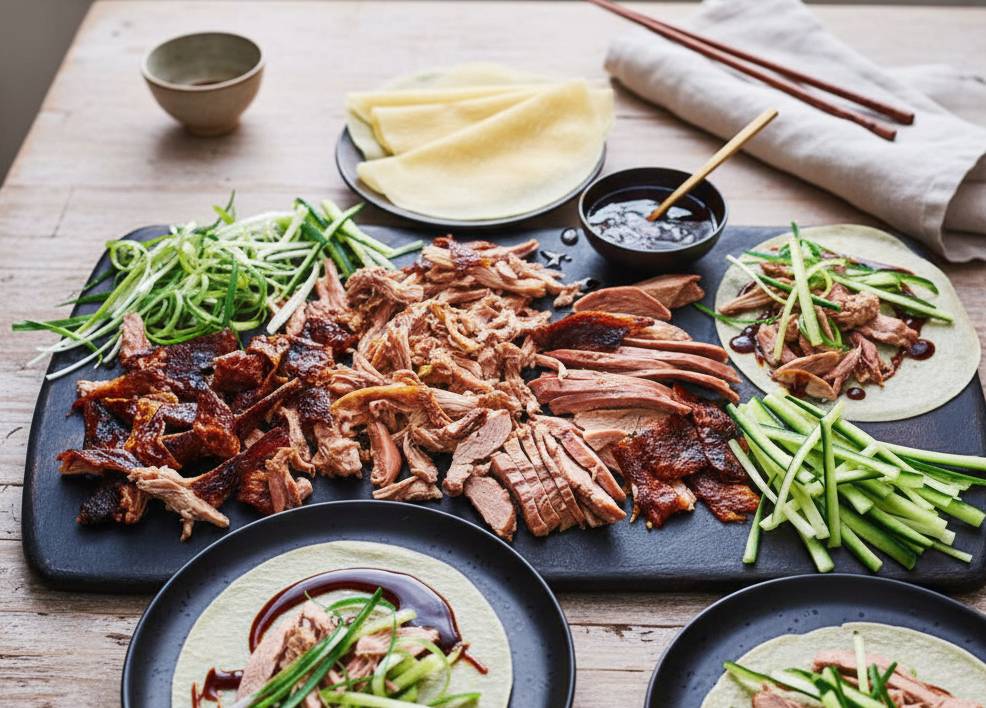
Peking Duck and its sweet glaze find perfect partner in Volnay
Peking Duck and Volnay
The Scientific “Why”: The crispy, fatty skin and sweet hoisin glaze of Peking Duck find a perfect partner in Volnay. The wine’s silky tannins respect the tender meat, while its high acidity cuts through the skin’s fat and balances the sugar content of the sauce.
The floral notes of the Volnay provide a beautiful aromatic contrast to the five-spice powder typically used in the duck’s preparation. This creates a highly refined and balanced international pairing that emphasizes the finesse of Pinot Noir alongside the complexity of Chinese cuisine.
1Moroccan Lamb Tagine with Prunes and Santenay
The Scientific “Why”: The dark fruit profile and spicy nuances of Santenay complement the cinnamon and dried fruit in the tagine. The wine’s supple tannins handle the lamb’s fat without clashing with the exotic spice blend, creating a harmonious savory-sweet balance.
The earthy undertones of the Pinot Noir ground the bright spices of the North African cuisine. This results in a deeply integrated flavor profile that showcases the versatility of the Santenay appellation in a global culinary context, balancing meat proteins with fruit sugars.
Roasted Pheasant and Beaune Grèves
The Scientific “Why”: Game birds like pheasant require a wine with enough structure to match the meat but enough finesse to not overwhelm it. Beaune Grèves provides a velvety texture and smoky notes that echo the roasted flavors of the bird.
The wine’s acidity provides a necessary lift to the lean meat, ensuring that the pairing remains vibrant and the delicate gamey flavors are fully expressed without the interference of aggressive tannins. This maintains a professional and sophisticated palate throughout the meal.
Grilled Salmon with Pinot Noir Reduction and Chorey-lès-Beaune
The Scientific “Why”: Salmon is a fatty fish that behaves more like meat in terms of pairing. The light tannins and bright red fruit of Chorey-lès-Beaune provide a bridge between the fish and the red wine sauce.
The wine’s acidity cuts through the omega-three fats of the salmon, while its soft structure ensures that it does not metallicize when in contact with the fish oils. This maintains a clean and fruity palate that respects the delicate nature of the grilled fish while managing its lipids.
Mushroom Risotto and Savigny-lès-Beaune Rouge
The Scientific “Why”: The forest floor (sous-bois) aromas of a Savigny-lès-Beaune are a natural match for the umami of mushrooms. The wine’s acidity provides a necessary structural contrast to the creamy risotto, ensuring the combination feels balanced.
The gentle tannins of this appellation allow the subtle earthiness of the rice and mushrooms to remain the focus of the dish without any bitter interference. This demonstrates the wine’s ability to handle starch and fat with professional ease while enhancing earthy aromatics.
Roast Pork Loin with Sage and Ladoix Rouge
The Scientific “Why”: Pork is a neutral protein that relies on herbs like sage for its flavor profile. The herbal and red berry notes of Ladoix Rouge provide a direct aromatic link to the seasoning of the meat.
The wine’s moderate acidity prevents the pork from feeling dry on the palate, while its light body maintains the elegance of the meal without adding unnecessary weight. This allows the herbal aromatics to shine through the clean, fruity finish of the Ladoix Pinot Noir.
Grilled Lamb Chops with Rosemary and Pommard
The Scientific “Why”: The intense flavor of lamb requires a red wine with significant presence. The firm tannins and iron-like mineral notes of Pommard provide a robust framework that can stand up to the char of the grill and the resinous quality of rosemary.
The wine’s dark fruit profile acts as a sweet counterpoint to the savory meat, creating a classic and powerful gastronomic interaction. This demonstrates the structural strength of the Pommard appellation, as its tannins bind perfectly with the rich proteins and fats of the lamb.
Tuna Tataki with Sesame and Auxey-Duresses Rouge
The Scientific “Why”: The lightly seared tuna possesses a meaty texture but remains delicate. The fresh, crunchy red fruit of Auxey-Duresses Rouge complements the tuna without overpowering it, while the wine’s acidity handles the richness of the sesame oil.
This pairing demonstrates the wine’s ability to cross into Japanese-inspired cuisine where precision and balance are the most important culinary factors. It ensures a refreshed palate after each savory bite of the sesame-encrusted fish, showcasing the versatile acidity of the region.
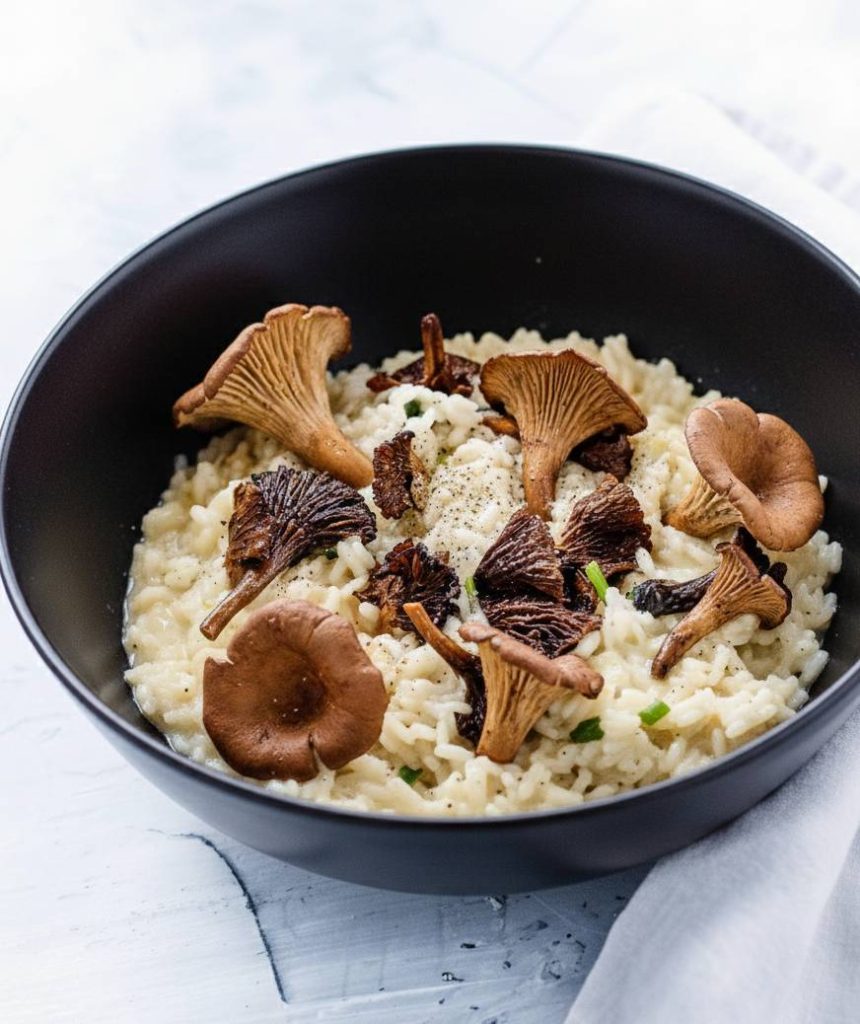
Mushroom Risotto match with forest floor aromas of Savigny-Lès-Beaune
A Symphony of Senses in the Côte de Beaune
The Côte de Beaune is more than a wine region; it is a sacred geography where the dialogue between the limestone slopes and the kitchen has been perfected over centuries. From the sun-drenched terraces of Montrachet to the iron-rich clays of Pommard, every bottle offers a unique chemical signature designed for the table. By understanding the scientific interplay of acidity, tannins, and terroir, the discerning traveler and epicurean can transform a simple meal into a sensorial symphony. Whether you are exploring the narrow streets of Beaune or hosting a formal dinner, these pairings serve as a professional compass to the soul of Burgundy.
Côte de Beaune Wines Pairing In a Nutshell
Côte de Beaune wine pairing is defined by structural tension, aromatic opulence, and lipid-acid synthesis. To master it, remember these three core interactions:
1. The Acid-Fat-Protein Synthesis (White & Red)
Unlike the aggressive tannins of warmer climates, the Côte de Beaune relies on vibrant natural acidity and phenolic ripeness to achieve balance. In white wines like Meursault or Puligny-Montrachet, the high tartaric acidity slices through rich, butter-based sauces or cream-heavy preparations. In reds, such as those from Volnay, the supple tannins and bright acidity of Pinot Noir interact with delicate proteins like farm-raised poultry or veal. Instead of simply masking the fat, the wine elevates the dish by refreshing the palate and highlighting the nuanced flavors of the primary ingredients.
2. The Earthy-Umami Mirror (Terroir Synergy)
The red wines of the Côte de Beaune, particularly from Pommard or Corton, are celebrated for their iron-rich earthiness and forest floor (sous-bois) aromatics. This creates a molecular bridge with dishes rich in umami, specifically wild mushrooms and local truffles. When a structured Pommard is paired with a slow-braised beef stew or mushroom-crusted venison, the earthy compounds in the clay-heavy soil find a direct aromatic resonance with the ingredients of the land, creating a seamless, savory depth.
3. The Mineral-Saline Connection (Chardonnay & Texture)
The specific geological composition of the Côte de Beaune, dominated by Jurassic limestone and calcareous marl, imparts a distinct saline minerality and flinty grip to the white wines. This is most evident in Chassagne-Montrachet, where the wine acts as a liquid reflection of the stony earth. The mineral tension of the wine provides a structural counterpart to the briny texture of scallops or the delicate fibers of freshwater fish, acting as a flavor enhancer that sharpens the profile of the dish without the need for additional seasoning.
In Short:
Structured Pinot Noir (Pommard) + Robust Proteins (Beef): Molecular Binding and Structural Balance.
Elegant Pinot Noir (Volnay) + Delicate Earthy Tones (Mushroom/Poultry): Aromatic Harmony and Silky Texture.
Rich Chardonnay (Meursault) + Buttery/Creamy Textures: Palate Refreshment and Lipid Emulsification.
Mineral Chardonnay (Puligny-Montrachet) + Saline Seafood: Mineral Precision and Flavor Enhancement.