Burgundy Wine Region Guide: Terroir, Classifications, and Tours Explore Grand Cru climats, legendary Pinot Noir, and book exclusive private vineyard excursions today.
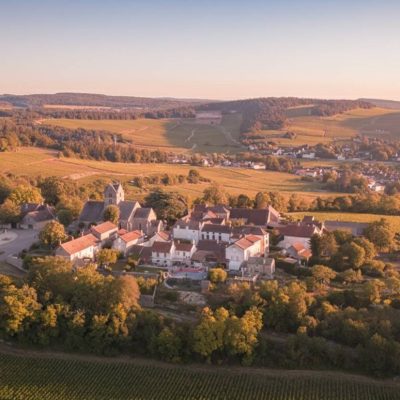
Burgundy represents the absolute pinnacle of the viticultural world, a place in France where the concept of terroir was perfected over a thousand years. It is a region of quiet prestige, where rolling hillsides of golden grapes hide the most sought-after bottles on Earth. Whether you are seeking the spiritual home of Pinot Noir or the crystalline purity of Chardonnay, Burgundy offers an intimate, authentic journey into the very soul of winemaking excellence
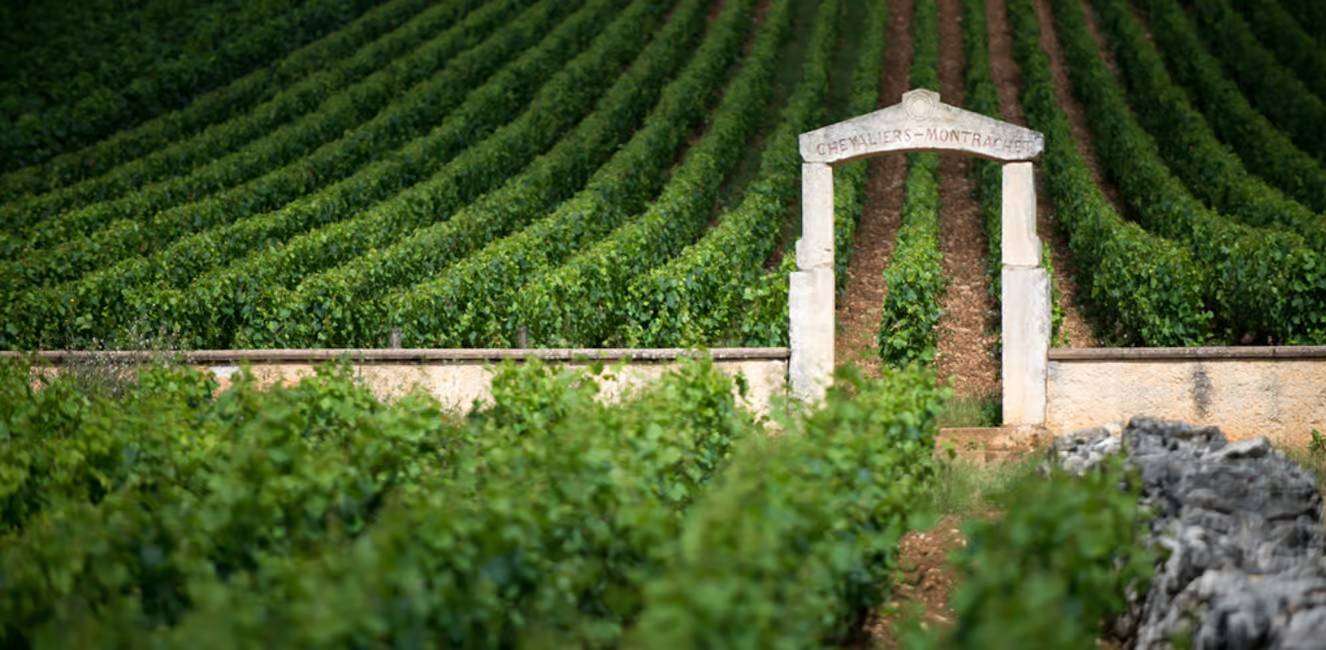
Don’t just collect labels—discover the spirit behind the glass. The gates of the world's most prestigious vineyards are open, waiting for you to step inside
Some of our Popular Tours in Burgundy Explore our handpicked selection of Burgundy’s most sought-after wine experiences, from Chablis to the pinnacle of grand crus from Côte de Nuits
Burgundy Wine Regions: The Heart of Terroir The Six Main Regions of Burgundy Wine
Burgundy—or Bourgogne—is more than just a wine region; it is the global benchmark for Pinot Noir and Chardonnay.Located in eastern France, this narrow strip of land is defined by a complex mosaic of vineyards known as climats. Here, the focus shifts from the producer to the soil itself, as minor shifts in geology and microclimate create vastly different expressions in the glass. The Burgundy wine region is divided into six distinct sub-regions, each offering a unique expression of the terroir.
Chablis
Located in the northernmost part of the region, it is isolated from the rest of Burgundy. The Kimmeridgian limestone soil produces crisp, high-acid Chardonnay with a distinct flinty minerality.
The southern half of the Côte d’Or, primarily celebrated for its white wines, including the prestigious Puligny-Montrachet and Meursault, though it also produces elegant reds like Volnay.
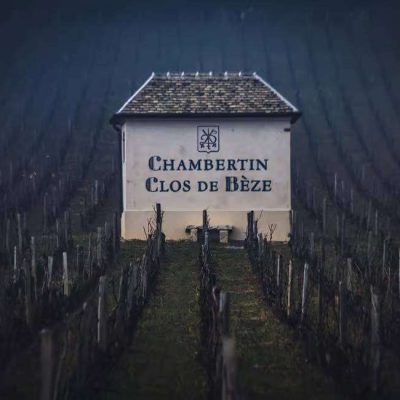
Côte de Buits is the northern half of the Côte d’Or, very famous for its world-class Pinot Noir. This is the home of legendary villages like Gevrey-Chambertin and Vosne-Romanée.
Situated south of the Côte d’Or, this region offers exceptional value with appellations like Mercurey and Givry, producing approachable yet sophisticated wines.
Technically, this region is geologically distinct, defined by granite soils and the Gamay grape. Its ten Crus, such as Morgon and Moulin-à-Vent, produce structured, age-worthy wines
BurgundyThe Legacy of the Golden Slope: History and Culture Centuries of Excellence: The Cultural Heritage of Burgundy
The history of Burgundy is inextricably linked to the toil of Cistercian and Benedictine monks who, centuries ago, meticulously mapped the variations in the land. They noticed that a few meters of distance or a slight change in slope could radically alter the character of a wine. This led to the creation of the “climats”—precisely delimited vineyard plots that are now recognized as a UNESCO World Heritage site. Unlike the vast estates of other regions, Burgundy is a mosaic of small, family-owned parcels where tradition is passed down through generations. To walk through the Côte d’Or is to walk through living history, where every village, from Gevrey-Chambertin to Meursault, tells a story of perseverance and a deep respect for the earth. The culture here is one of understated elegance; it is not about flashy châteaux, but about the profound relationship between the vigneron and their vines. This cultural heritage ensures that every bottle is a liquid expression of a specific place and time
The Burgundy Symphony of Terroir Insider’s Guide to the Excellence of Terroirs
Burgundy represents the absolute pinnacle of the viticultural world, a place where the concept of terroir was perfected over a thousand years. It is a region of quiet prestige, where rolling hillsides of golden grapes hide the most sought-after bottles on Earth. Whether you are seeking the spiritual home of Pinot Noir or the crystalline purity of Chardonnay, Burgundy offers an intimate, authentic journey into the very soul of winemaking excellence
Burgundy Wine Classifications: From Regional to Grand Cru Tiers of Excellence
The classification system is a strict hierarchy based on the quality of the land. In the Côte d’Or, this ranges from Regional to Village, Premier Cru, and Grand Cru. Beaujolais follows a similar but distinct structure: Beaujolais, Beaujolais-Villages, and the ten esteemed Crus. Each tier is governed by strict legal frameworks regarding yields and viticultural practices to ensure the integrity of the AOC system
The Essential Grapes of Burgundy: Purity and Precision Decoding the Symbols of Prestige and Terroir
Burgundy is the global benchmark for Pinot Noir and Chardonnay. Pinot Noir reaches its most expressive form here, ranging from the delicate elegance of Volnay to the powerful intensity of Chambertin. Chardonnay is equally diverse, offering the flinty profile of Chablis or the buttery profile of the Côte de Beaune. In the south, Gamay takes center stage in Beaujolais, producing wines that range from light and floral to deep, tannic, and complex. The aging potential of top-tier Burgundy is legendary, with Grand Cru and Beaujolais Cru selections often requiring a decade to develop complex tertiary aromas of forest floor and dried spices
The Gastronomic Dialogue Mastering the Art of Burgundy Wines and . Food Pairing
The gastronomy of Burgundy complements the structural nuances of its wines. Classic dishes like Boeuf Bourguignon utilize local red wines to create sauces that mirror the earthy notes of Pinot Noir. For white wines, local specialties like Escargots de Bourgogne provide the necessary richness. In Beaujolais, the cuisine is hearty and communal, featuring saucisson brioché and Coq au Vin, which perfectly balance the fruit-forward acidity of the Gamay grape
What to Know before visiting Burgundy Practical Informations for Travellers
Visiting Burgundy requires meticulous logistical preparation, as the region’s best estates often operate behind closed doors. The optimal seasons for travel are late spring (May to June) for mild weather and active vineyards, or the harvest period in September for those wishing to witness the intensity of the crush. Most travelers utilize the high-speed rail (TGV) from Paris to Dijon or Beaune, which serves as the logistical heart of the Côte d’Or. While Beaune is walkable, a vehicle or a professional driver-guide is mandatory to explore the southern reaches of the Mâconnais and Beaujolais effectively.
Deep-Dive: Booking and LogisticsEstate visits in Burgundy are vastly different from the “walk-in” culture of other global regions. Many prestigious domains in the Côte de Nuits and Côte de Beaune require appointments months in advance and may only accept professional trade visitors or serious collectors. To secure access to these exclusive cellars, booking a specialized private tour is highly recommended. These guides often possess the personal relationships necessary to bypass standard restrictions. For international visitors, it is important to note that many domains do not sell directly to the public on-site; however, specialized wine shipping services in Beaune can facilitate the transport of your selections to your home country. Be mindful of the “Midi” break, as many smaller businesses and domains close between 12:00 and 14:00 daily
The Ultimate Burgundy Guide for Travellers Check ourt our guide of Practical Informations for Travellers