
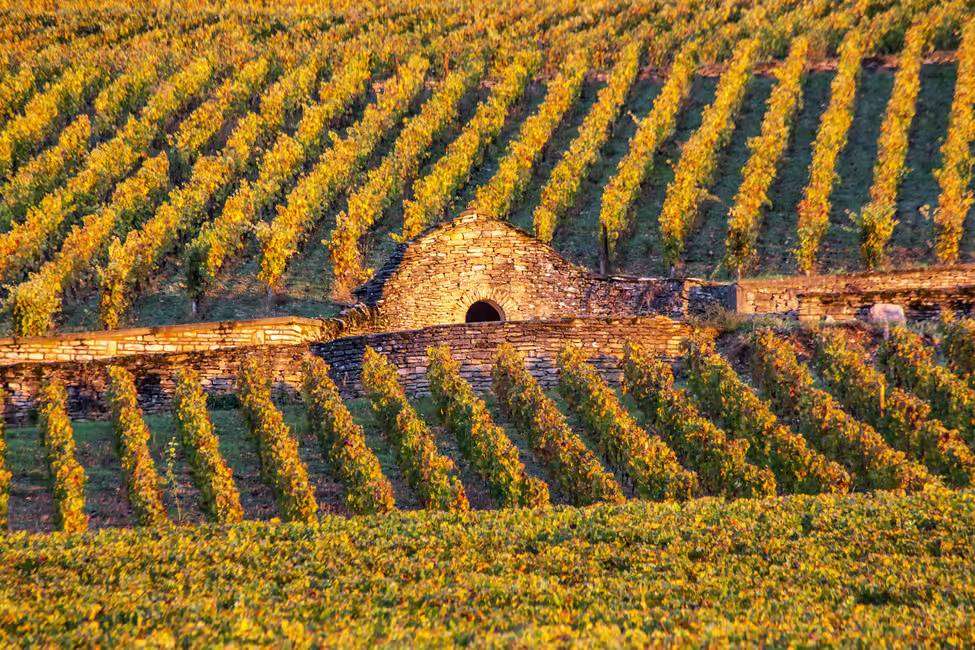
The Côte de Beaune Wine Region represents the absolute pinnacle of viticultural refinement, serving as the spiritual and technical heart of Burgundy for the world’s most discerning oenophiles. Stretching from the southern boundary of Nuits-Saint-Georges down to the rolling hills of the Maranges, this narrow escarpment is globally revered for producing white wines of unparalleled complexity and red wines of ethereal elegance.
For the luxury traveler, a journey here is not merely a vacation but a pilgrimage to the birthplace of the “Climats”—tiny, precisely defined vineyard plots that have been inscribed as a United Nations Educational, Scientific and Cultural Organization World Heritage site. Geography dictates the soul of these wines; the limestone-rich slopes capture the golden morning light, providing the perfect conditions for Chardonnay and Pinot Noir to reach their full expressive potential. Visitors are promised an experience that transcends the glass, combining ancestral traditions with a modern commitment to sustainable excellence. Whether one is standing atop the Hill of Corton or walking the hallowed rows of Montrachet, the Côte de Beaune offers a profound connection to the land, where every bottle tells a story of geological history and human dedication.
Don’t just uncork a bottle—embrace the golden pulse of the south. The journey to the world’s most legendary limestone terraces is waiting for you to discover the rich, sun-drenched elegance of true Côte de Beaune.
Some of our Popular Tours in Côte de Beaune Explore our handpicked selection of Côte de Beaune ’s most sought-after wine experiences,. capture the electric soul of the north Burgundy
Côte de beaune Wine Regions: The Heart of Terroir
The viticultural tapestry of the Côte de Beaune is defined by a series of prestigious “climats” stretching south from the hill of Corton to the village of Santenay. This region is structurally anchored by three primary sectors: the Corton hill to the north, which serves as the only site for Grand Cru reds in the district; the central core of legendary white wine villages including Meursault and Puligny-Montrachet; and the southern Maranges, where the landscape begins to transition toward the Côte Chalonnaise.
Within this narrow escarpment, the territory is further distinguished by its topographical elevation. The top-slope vineyards often feature thinner soils and higher mineral tension, while the mid-slope—the “golden belt”—offers the perfect confluence of limestone and clay that yields the region’s Premier and Grand Crus. Crucially, the landscape is punctuated by “combes,” or lateral valleys, which funnel cool air across the vines, creating a micro-climatic mosaic that separates the opulent, broad shoulders of a Chassagne-Montrachet from the floral, high-toned precision of a Volnay.
The Historical Heritage of the Côte de Beaune Wine Region.
The viticultural lineage of the Côte de Beaune spans over two millennia, evolving from primitive Roman plantations into the most sophisticated vineyard classification system on the planet. Following the collapse of the Roman Empire, the stewardship of the vine passed to the great monastic orders, primarily the Benedictines of Cluny and the Cistercians of Cîteaux. These monks were the first true “terroir scientists,” painstakingly mapping the variations in soil and sun exposure across the slope. Their meticulous record-keeping established the foundations of the “Climats,” identifying which specific parcels produced superior wines.
In the fourteenth and fifteenth centuries, the powerful Dukes of Burgundy elevated the region’s prestige to the royal courts of Europe. Philippe the Bold famously issued a decree in thirteen ninety-five that banned the high-yielding Gamay grape from the Côte d’Or, mandating the cultivation of the noble Pinot Noir to ensure quality over quantity. This pivotal moment solidified the region’s identity as a bastion of luxury wine.
The modern era was defined by two major shifts: the French Revolution, which redistributed church-owned lands into the hands of local families, and the establishment of the Appellation d’Origine Contrôlée system in nineteen thirty-five. Today, the heritage of the region is personified by the Hospices de Beaune, a fifteenth-century charitable hospital whose annual wine auction remains the world’s most significant barometer for Burgundian wine prices. To visit the Côte de Beaune is to interact with a living museum where the medieval cellar and the cutting-edge gravity-flow winery coexist in perfect harmony.
Secrets of the Soil in the Côte de Beaune. The Scientific Foundation: Terroir and Geology of the Côte de Beaune
The excellence of the Côte de Beaune is a direct result of a complex geological drama that began one hundred and fifty million years ago during the Jurassic period. The region sits on a massive fault line where the limestone bedrock was uplifted and tilted, exposing various layers of marl and clay. This “Bathonian” limestone is the secret behind the piercing minerality and structural longevity of the local Chardonnay. The soil composition varies dramatically within just a few meters; the upper slopes often feature thin, stony soils ideal for white wines, while the mid-slope “Banc de Vert” contains a higher concentration of iron-rich clay and limestone scree, providing the body and power found in the great red wines of Pommard and Corton.
Climatically, the region benefits from a semi-continental environment. Winters are cold and summers are warm, but the true defining factor is the “mesoclimate” of each individual vineyard. The best parcels face east or southeast, protecting the vines from harsh westerly winds while maximizing morning sunlight to burn off dew and prevent rot. Rainfall is moderate, averaging seven hundred and fifty millimeters annually, but it is the drainage provided by the slope that prevents waterlogging, forcing the vine roots deep into the limestone cracks for nutrients. This geological stress is what translates into the complex aromatic profiles and high acidity that characterize the region’s world-class output.
Appellations of the Côte de Beaune. Exploring the Villages of the Côte de Beaune.
The Côte de Beaune is a mosaic of distinct villages, each possessing its own legal Appellation d’Origine Contrôlée status and unique personality. Understanding the region requires a journey through its most prestigious sub-zones.
Lorem ipsum dolor sit amet, consectetur adipiscing elit. Ut elit tellus, luctus nec ullamcorper mattis, pulvinar dapibus leo.
The Hill of Corton: The Northern Gateway The Northern Sentinel: Grand Cru Excellence on the Hill of Corton.
At the northernmost edge of the Côte de Beaune wine region lies the Hill of Corton, a geological anomaly that straddles three villages: Ladoix-Serrigny, Aloxe-Corton, and Pernand-Vergelesses. It is the only location in the entire region where Grand Cru status is granted to both red and white wines. The Corton-Charlemagne Grand Cru is world-renowned for its powerful, mineral-driven Chardonnay, while the red Corton Grand Crus offer a muscularity and depth of flavor that can age for half a century.
The Heart of the Côte: Central Appellations The Core Terroirs of the Beaune District.
Beaune: The Wine Capital of Burgundy
The town of Beaune is the historical and commercial epicenter of the Côte de Beaune wine region. The vineyards surrounding the town are remarkable for their density of quality; nearly all are classified as Premier Cru. These wines are the benchmark for the region, offering a balanced profile of red fruit and earth that serves as a masterclass in Burgundian elegance.
Savigny-lès-Beaune and Chorey-lès-Beaune
To the north and east of Beaune lie Savigny-lès-Beaune and Chorey-lès-Beaune. These appellations are highly regarded for producing approachable, fruit-forward Pinot Noir. They represent an excellent entry point for collectors, offering the characteristic finesse of the Côte de Beaune without the imposing tannic structure of more northern neighbors.
Pommard: The Masculine Red
Pommard is the outlier of the region, famous for producing powerful, tannic, and structurally dense red wines often described as “masculine.” The iron-rich clay soils here create a Pinot Noir with deep color and intense flavors of dark fruit, spice, and truffle.
Volnay: The Floral Opposite
Located immediately adjacent to Pommard, the style of Volnay is the polar opposite. Due to a higher concentration of limestone and a lighter soil profile, Volnay produces red wines that are celebrated for being the most elegant, floral, and silky in the Côte de Beaune wine region. They are often described as the most “feminine” expression of Pinot Noir.
The Global Chardonnay Standard: A Journey Through the White Wine Trinity. Meursault, Puligny, and Chassagne Appellations.
These three villages are the hallowed ground of the Côte de Beaune wine region, producing what many oenologists consider to be the finest Chardonnay wines on the planet.
Meursault: Richness and Texture
Meursault is iconic for its opulent, “buttery,” and nutty white wines. While the village contains no Grand Crus, its top-tier Premier Crus are often of equivalent quality, offering a generous mouthfeel and a complex profile of roasted hazelnuts and ripe citrus.
Puligny-Montrachet: Mineral Precision
Puligny-Montrachet represents the peak of mineral “steeliness.” The wines here are defined by their incredible precision, high acidity, and a piercing floral aromatics. It is home to the legendary Le Montrachet Grand Cru, where the Chardonnay grape reaches its most ethereal and expensive expression.
Chassagne-Montrachet: Power and Flesh
Sharing the Montrachet Grand Crus with Puligny, Chassagne-Montrachet typically produces white wines that are more “fleshy” and powerful. While it is a white wine powerhouse, it also maintains a tradition of producing excellent, structured red wines from its clay-heavy plots.
Hidden Gems: Exploring the Southern Appellations of the Côte de Beaune
Saint-Aubin: The Hidden Treasure
Saint-Aubin is frequently cited by professionals as a hidden gem for white wine lovers. Tucked into a side valley just behind the Montrachet slopes, its wines offer a similar profile of mineral tension and elegance as Puligny-Montrachet but at a significantly more accessible price point.
Santenay: Firm and Rustic
Santenay is primarily a red wine village, situated on the southern end of the slope. Its Pinot Noir is known for being rustic and firm, with a sturdy tannic backbone that makes it an excellent accompaniment to the hearty local gastronomy.
Maranges: The Southern Frontier
The Maranges appellation marks the southernmost tip of the Côte de Beaune wine region and the end of the Côte d’Or. It encompasses three villages and produces robust, earthy red wines that offer a bold and authentic conclusion to the Burgundian hillside.
Signature Grape Varieties: The Ampelography of the Côte de Beaune. Grapes of the Côte de Beaune.
The Côte de Beaune is the global benchmark for two primary grape varieties, each finding its most profound expression in the local limestone soils. While other grapes like Aligoté and Pinot Blanc exist in small quantities, the region’s reputation rests entirely on the mastery of Chardonnay and Pinot Noir.
Chardonnay
In the Côte de Beaune, Chardonnay achieves a level of crystalline purity and structural density found nowhere else. Known here as “Bourgogne Blanc” at the regional level, it transforms into legendary names like Meursault or Montrachet at the higher tiers. These wines are characterized by a broad spectrum of aromas, from green apple and citrus in cooler sites to hazelnut, acacia honey, and crushed flint in the prestigious Grand Crus. The high natural acidity provides an incredible capacity for aging, often evolving over several decades.
Pinot Noir
While the Côte de Nuits is often associated with power, the Pinot Noir of the Côte de Beaune is celebrated for its finesse, perfume, and silky textures. The red wines from villages like Volnay offer ethereal notes of violet and raspberry, whereas Pommard provides a more muscular, tannic structure with hints of dark cherry and undergrowth. The thin skins of the Pinot Noir grape make it a transparent medium for the terroir, reflecting the subtle shifts in soil chemistry with remarkable precision.
Côte de Beaune Wine and Food Pairing The Culinary Heritage: Gastronomy and Local Pairing Traditions.
The gastronomy of the Côte de Beaune wine region is a reflection of its agricultural abundance, designed to complement the structural integrity and aromatic complexity of its wines. Burgundian cuisine is fundamentally rooted in the “terroir,” using the same high-quality ingredients that grow alongside the vines to create a symbiotic relationship between the plate and the glass.
Red Wine Pairings: The Power of Pinot Noir
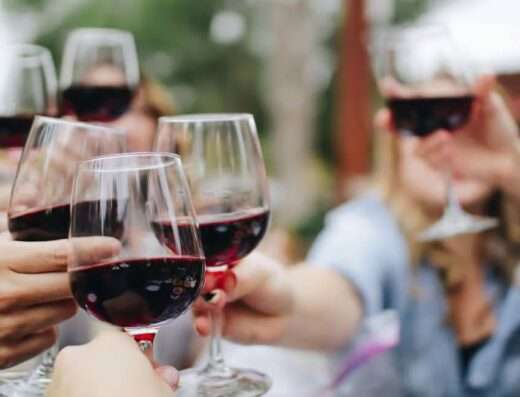
The elegant yet structured Pinot Noir of the region find its ultimate partner in classic slow-cooked meats. “Boeuf Bourguignon,” a centerpiece of the regional heritage, is braised for hours in a sauce of Pinot Noir, which mirrors the red fruit and earthy undertones of the wine. For the more robust and tannic reds of Pommard, game meats or a “Coq au Vin” made with older roosters provide the necessary depth to stand up to the wine’s powerful tannins. The “Oeufs en Meurette”—poached eggs served in a rich red wine reduction with bacon and mushrooms—remains a quintessential starter that highlights the savory complexity of a Beaune Premier Cru.
White Wine Pairings: The Versatility of Chardonnay
The world-class Chardonnays of the “White Wine Trinity” require pairings that respect their mineral precision and textural richness. For the opulent and buttery wines of Meursault, creamy sauces and roasted poultry are ideal, as the wine’s acidity cuts through the fat while its nutty notes complement the roasted flavors. The saline and mineral profile of Puligny-Montrachet is the perfect foil for “Escargots de Bourgogne,” prepared with a generous amount of garlic, parsley, and butter. For the most prestigious Grand Crus, simple yet luxurious dishes such as lobster with drawn butter or pan-seared scallops allow the wine’s ethereal complexity to remain the focal point of the meal.
The Cheese Course: A Regional Finalé
No Burgundian meal is complete without a selection of local cheeses, many of which are designed specifically to be enjoyed with the local vintages. The pungent and creamy Epoisses de Bourgogne, often washed in marc de Bourgogne brandy during the aging process, is a daring match for a powerful white wine or a matured red. Lighter, goat-milk cheeses such as Charolais offer a refreshing contrast to the high-acid white wines of Saint-Aubin or Saint-Romain.
What to Know before visiting Côte de Beaune wine region Plan Your Trip to the Côte de Beaune Today.
Access and International Arrival
The Côte de Beaune wine region is most easily accessed via the Train à Grande Vitesse from major hubs such as Paris or Lyon. International travelers typically arrive at Paris Charles de Gaulle Airport and take a high-speed train connection to the city of Dijon or the Beaune railway station, often reaching the heart of the vineyards in under two hours.
Local Navigation and Transport
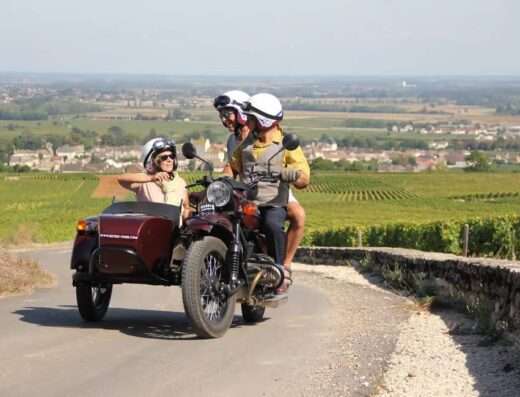
While the city of Beaune is highly walkable, the surrounding vineyards require motorized transport. Car rentals are suitable for general sightseeing; however, for professional tastings, the appointment of a private driver is strongly recommended to ensure punctuality and safety while navigating the intricate vineyard roads. Private drivers also offer the benefit of local knowledge, often acting as liaisons with small domaines that are not open to the general public.
Optimal Timing and Seasons
The best seasons for visiting are Spring, for the blossoming of the vines, and the Harvest period in September, which offers a vibrant though busy atmosphere. Travelers should be aware that the region’s continental climate can bring sudden temperature shifts, necessitating versatile clothing options. The winter months offer a more intimate look at the work in the cellars, though many estates may be closed for international sales trips.
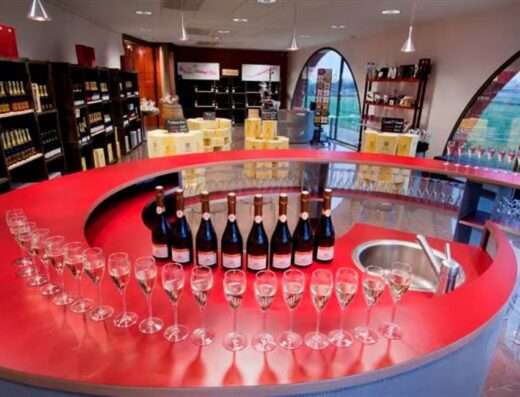
Tasting Etiquette and Visitor Tips
Booking lead times for prestigious “Grand Crus” can often exceed six months. Visitors should adhere to professional standards, including prompt arrival and a focus on the educational aspects of the tasting rather than mere consumption. Understanding cellar protocols—such as the proper way to handle glassware and respecting the winemaker’s time—is essential for a successful visit