Chablis and Auxerrois: A Journey Through Ancient Seas and Crystalline Wines Beyond the Vine: The Purest Expression of Chardonnay and Limestone
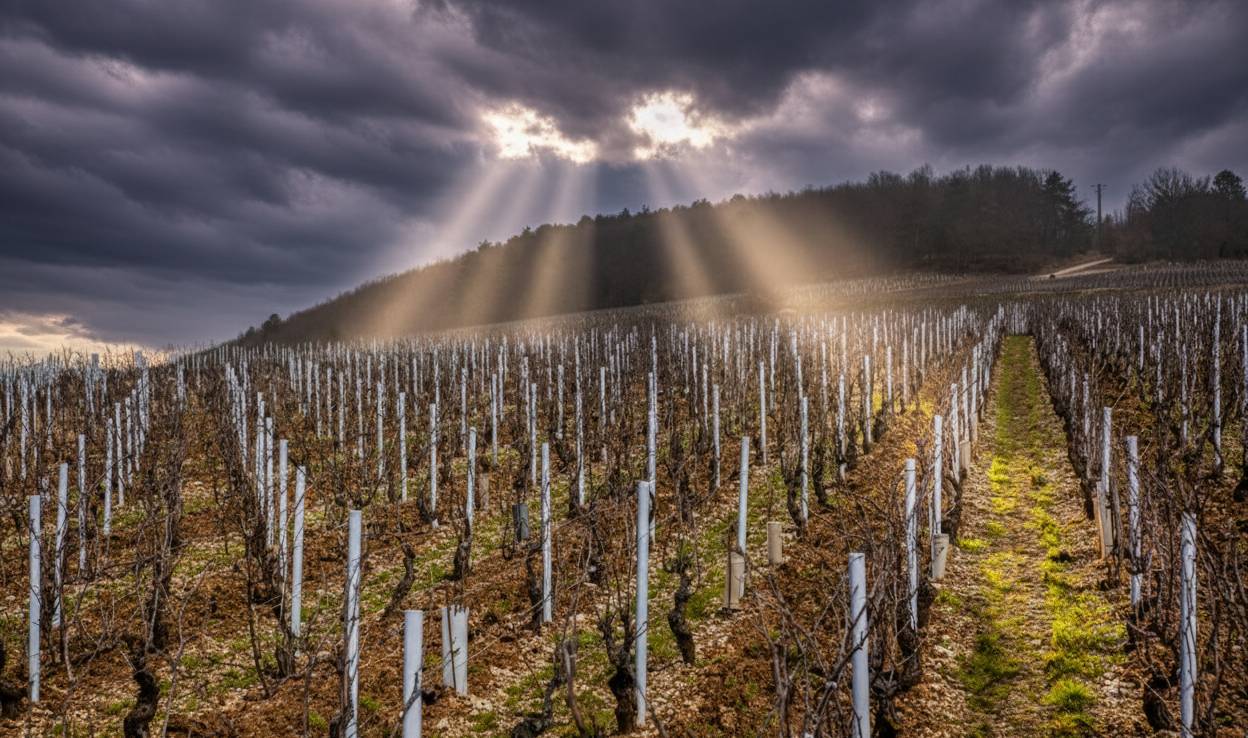
The Chablis wine region, nestled in the department of the Yonne, serves as the northern vanguard of Burgundy. It is a viticultural landscape defined by its isolation and its geological singularity. To understand Chablis is to also understand the Grand Auxerrois, the collection of smaller, historic appellations that surround it. Together, they form a mosaic of cool-climate viticulture where the Chardonnay grape undergoes a radical transformation. Here, the focus is not on power or fruit density, but on a crystalline purity and a profound expression of minerality that has made this northern enclave a global benchmark for dry white wine
Don’t just pour a glass—capture the electric soul of the north. The path to the world's purest Kimmeridgian slopes is waiting for you to uncover the crisp, shimmering brilliance of true Chablis.
Some of our Popular Tours in Chablis Explore our handpicked selection of Chablis’s most sought-after wine experiences,. capture the electric soul of the north Burgundy
Chablis Wine Regions: The Heart of Terroir Yonne viticultural region
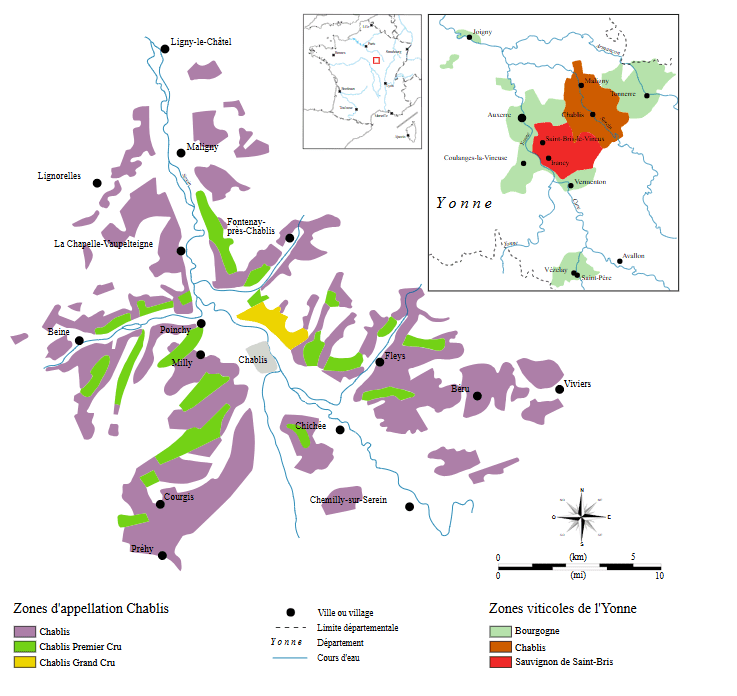
The viticultural landscape of the Yonne is strategically divided into several distinct sub-regions, each offering a unique geological profile. Beyond the central core of Chablis, the Grand Auxerrois is composed of four primary terroirs: the Auxerrois to the south of Auxerre, the Tonnerrois along the Armançon valley, the Vézelien surrounding the historic town of Vézelay, and the Jovinien overlooking Joigny. Within Chablis itself, the territory is further refined by its position relative to the Serein River, distinguishing the sun-drenched Right Bank, home to the Grand Crus, from the cooler, morning-sun exposed slopes of the Left Bankrs.
The history of Chablis is a testament to the rigorous intellectual and agricultural discipline of the Cistercian order. While the presence of vines in the Yonne dates back to the Roman era, it was the monks of Pontigny Abbey, founded in 1114, who systematically mapped the slopes and identified the superior potential of the Kimmeridgian banks. Their approach was scientific and spiritual; they treated the vine as a medium for expressing the divine order of nature. By the twelfth century, the Cistercians had established the “Petit Pontigny” in the heart of the village, which served as a center for wine production and administrative governance, effectively creating the first professional infrastructure for the region.
Throughout the medieval period, Chablis benefited from its proximity to the Serein River, which provided a vital trade artery to Paris. This geographic advantage allowed Chablis to dominate the royal courts of France long before other Burgundian regions gained comparable fame. However, the region’s history is also one of immense struggle against the elements. The phylloxera crisis of the late nineteenth century nearly obliterated the local economy, and the devastating frosts of the early twentieth century forced a massive rural exodus. It was only through the introduction of specialized frost protection in the 1960s—such as the iconic “chaufferettes” or smudge pots—that the region achieved the stability required to reclaim its international standing. Today, the history of Chablis is viewed through the lens of this hard-won stability, where ancient monastic tradition meets modern technical precision to protect a heritage that was nearly lost to the caprices of a marginal climate.
The Chablis Terroir Insider’s Guide to the Excellence of Terroirs
The geological identity of Chablis and the Grand Auxerrois is rooted in the Upper Jurassic period, specifically the Kimmeridgian age. The terroir consists of a unique sedimentary soil composed of limestone and clay, densely packed with the fossilised remains of Exogyra virgula, a small comma-shaped oyster. This ancient seabed is the fundamental source of the wine’s saline and iodine-driven profile. The presence of these marine fossils provides a high calcium content that influences the vine’s uptake of nutrients, resulting in the distinct gunflint or pierres à fusil aroma.
The geography is dominated by the Serein River valley, which carves a path through the limestone plateau. While the Chablis Grand Crus are strictly limited to a single, continuous south-southwest facing slope, the Grand Auxerrois features a more varied topography. It includes the limestone hills of Irancy and the chalky soils of Saint-Bris. This specific northern latitude makes orientation crucial; the south-facing slopes maximise the capture of solar radiation required to ripen the grapes while the reflective limestone soils radiate heat back into the canopy. The surrounding plateaus, often capped with younger Portlandian limestone, produce the more approachable Petit Chablis, illustrating how subtle shifts in elevation and geological layering dictate the hierarchy of the entire region.
Burgundy Wine Classifications: From Regional to Grand Cru Tiers of Excellence
The classification system is a rigorous hierarchy established by the Institut National de l’Origine et de la Qualité (INAO). This structure ensures that every bottle is a true representation of its specific climat and village.
Petit Chablis: Located on the higher plateaus with Portlandian soil, these are fresh, vibrant wines intended for immediate consumption.
Chablis AOC: The heart of the region, these wines come from the Kimmeridgian slopes and represent the classic mineral-driven profile.
Chablis Premier Cru: This tier includes 40 designated vineyards, such as Montée de Tonnerre and Vaillons. These sites possess superior exposure and soil depth.
Chablis Grand Cru: The pinnacle of production, located on a single hill overlooking the town, divided into seven climats: Les Clos, Vaudésir, Valmur, Blanchot, Les Preuses, Grenouilles, and Bougros.
The Grand Auxerrois: This includes distinct AOCs such as Saint-Bris, Irancy, Vézelay, and Bourgogne Coulanges-la-Vineuse, each offering a unique expression of the Yonne’s diverse terroir.
Chablis: The Purity of Chardonnay A Masterclass in Varietal Precision
In the context of Chablis, Chardonnay is a vehicle for the site. The grape is locally referred to as Beaunois in historical texts, yet its expression here is entirely distinct from its manifestations in the Côte de Beaune. The Chablis style is characterised by high natural acidity and a lean, vertical structure. Producers typically avoid the heavy use of new oak, which would mask the delicate nuances of the limestone terroir. Instead, fermentation often occurs in stainless steel or neutral oak futs, allowing the wine to breathe without absorbing woody tannins.
However, the Grand Auxerrois adds significant diversity to the region’s output. While Chardonnay remains dominant, the Auxerrois is home to the only Sauvignon Blanc permitted in Burgundy, found in the village of Saint-Bris. Furthermore, the red wines of Irancy, primarily Pinot Noir with a historical touch of the ancient César grape, provide a structured and spicy counterpoint to the white wines of the north. This commitment to varietal purity and regional specificity ensures that every bottle remains a transparent medium for the geological history beneath the roots.
Chablis and Gastronomy Food Pairing the Purity of Sharp Chablis Wines
The culinary applications of Chablis and the Auxerrois are dictated by their structural acidity and mineral backbone. There is a profound historical and chemical logic to pairing these wines with seafood. The saline notes of a Chablis AOC create a symbiotic relationship with fresh oysters, particularly those harvested from the Atlantic, mirroring the marine origins of the soil.
In a more formal gastronomic setting, the weight of a Premier Cru is the ideal foil for the richness of Burgundian escargot or poultry in creamy sauces. The acidity acts as a palate cleanser, cutting through fats while the mineral finish echoes the savoury elements of the dish. The red wines of Irancy pair exceptionally well with local charcuterie and regional meats. Local cheeses, such as the pungent Soumaintrain, find their balance when paired with the older, more structured vintages of the Grand Cru hill. The goal of regional gastronomy is never to overwhelm the wine, but to create a bridge between the precision of the liquid and the textures of the land.
What to Know before visiting Chablis wine region Practical Informations for Travellers
A visit to Chablis and the Auxerrois is an exercise in discerning luxury and quiet sophistication. The region is located approximately 180 kilometres southeast of Paris, making it accessible via a two-hour drive or a train to the nearby city of Auxerre. To truly appreciate the nuances of the terroir, it is essential to visit during the growing season, from late spring through early autumn, though the Chablis Wine Festival in October offers a unique opportunity for professional networking and public celebration.
Logistically, the most prestigious domaines operate by appointment only. Private excursions are the recommended method for gaining entry to historic cellars and participating in technical tastings that are not available to the general public. Visitors should be prepared for the cool, damp environment of the underground cellars, where some of the world’s most valuable white wines are aged in silence. For those seeking to build a cellar, many estates provide professional shipping services to international destinations, ensuring that the integrity of the wine is maintained from the estate to the glass.
The Ultimate Chablis Guide for Travellers Check ourt our guide of Practical Informations for Travellers