Table of Contents
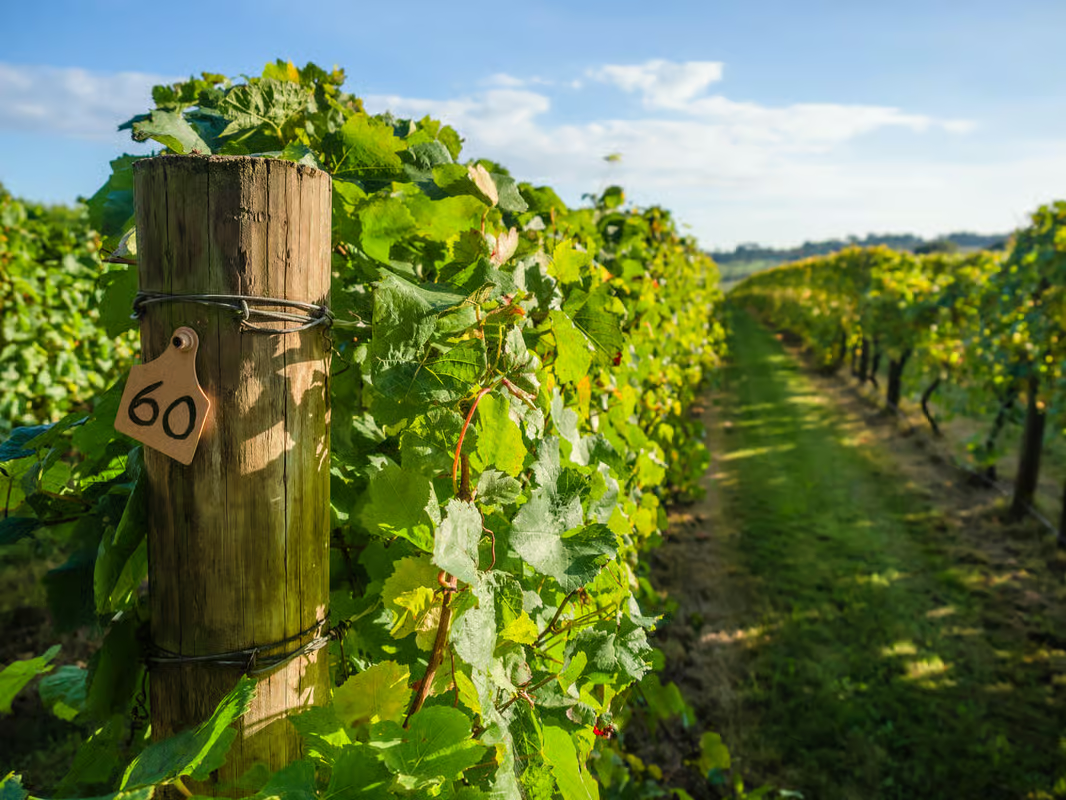
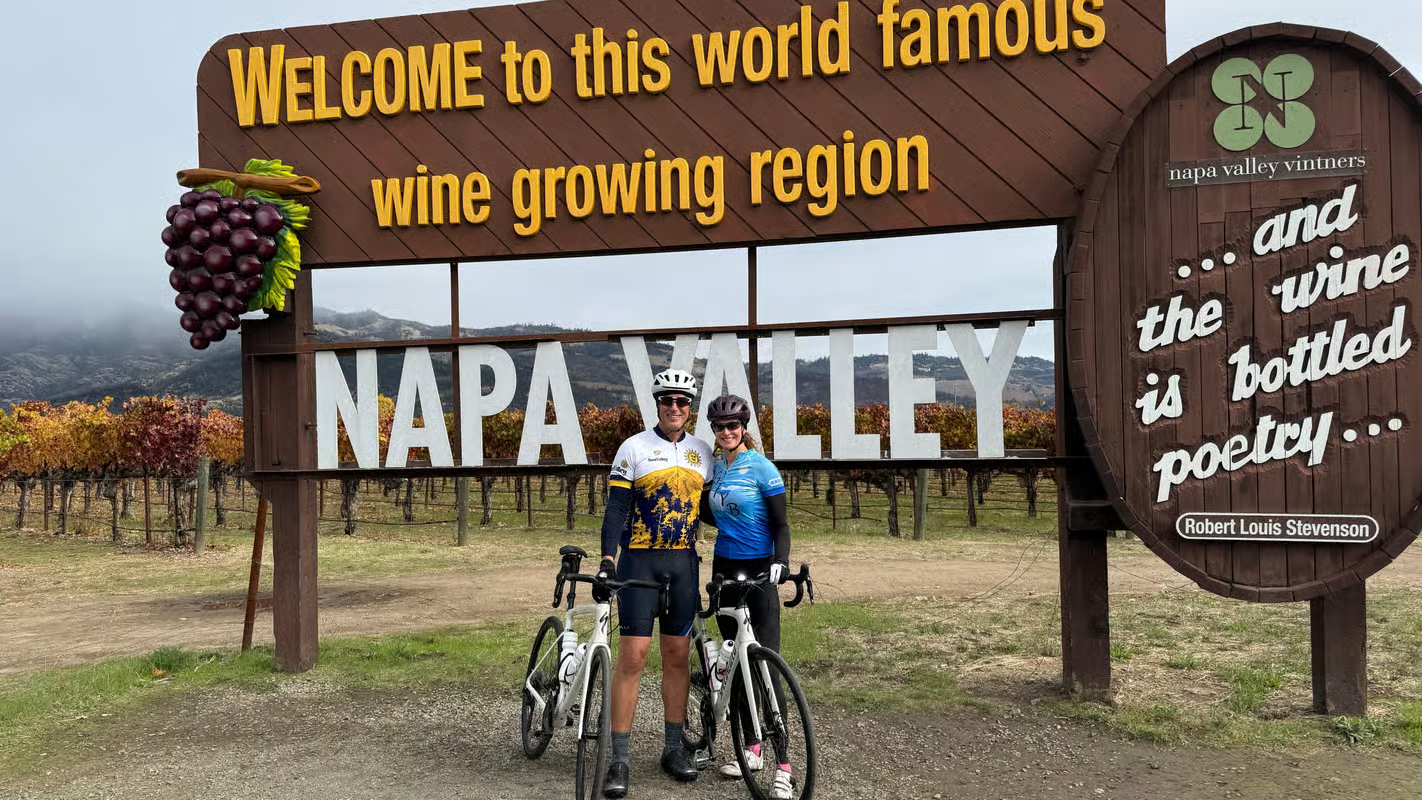
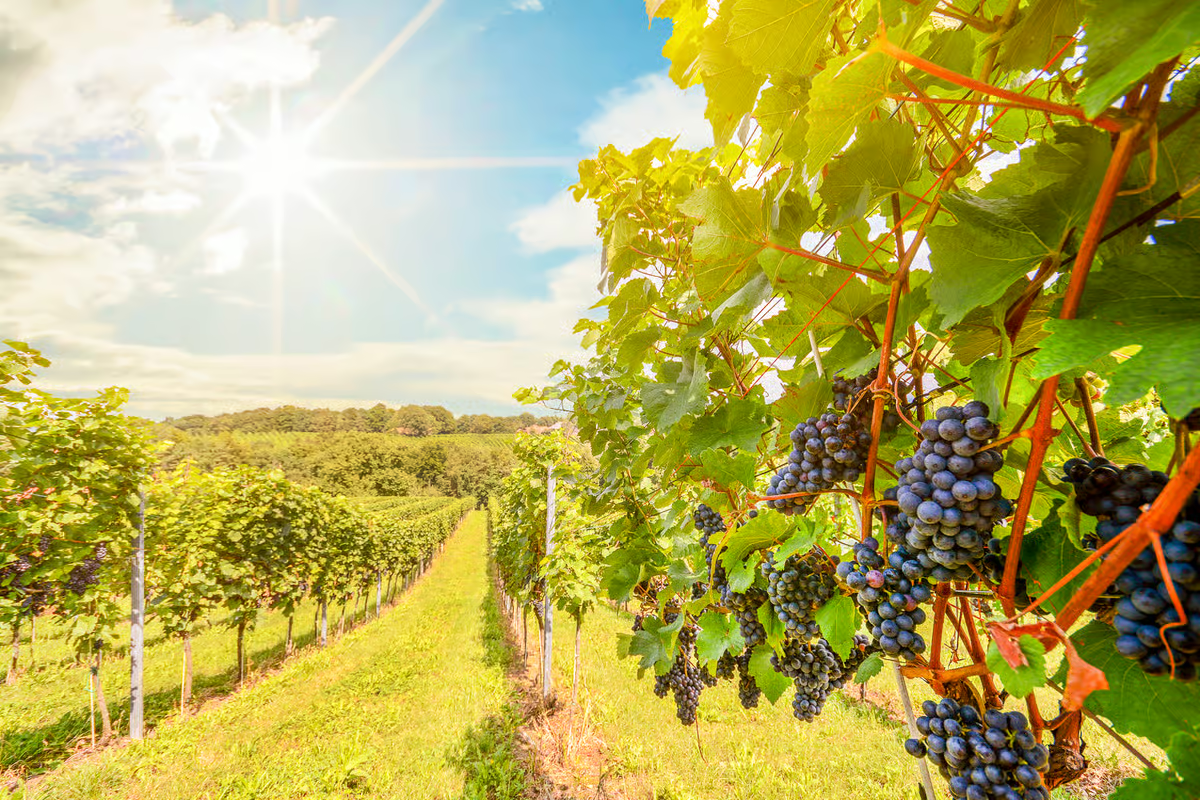
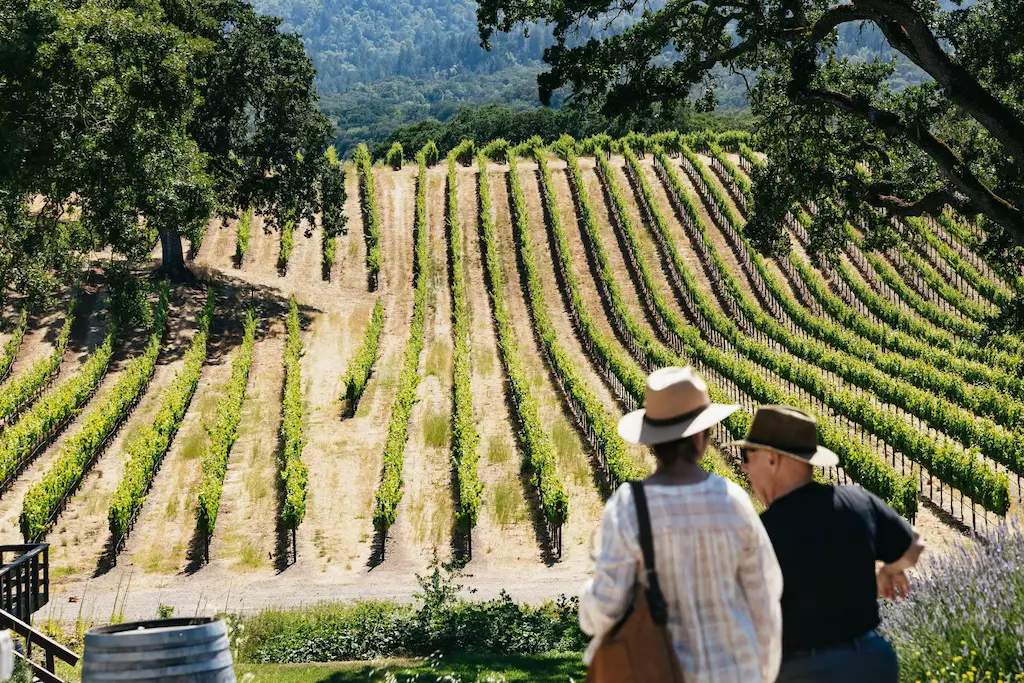
The viticultural identity of Napa Valley is inextricably linked to its unique geological tapestry, where the collision of California tectonic plates and ancient volcanic activity has created a mosaic of over one hundred soil variations. This “terroir” is the fundamental architect of the region’s culinary philosophy, dictating a natural balance between the intensity of the fruit and the structure of the local plate. In Napa, the relationship between the soil and the vine is defined by a Mediterranean climate that allows for extended hang-time, resulting in grapes with high physiological ripeness and concentrated phenolic compounds. This concentration requires a sophisticated approach to pairing, where the structural elements of the wine—specifically the robust tannins of the mountain-grown reds and the vibrant acidity of the valley-floor whites—must find a corresponding partner in the food’s texture.
The scientific “why” of these pairings rests on the molecular interaction between wine components and food macromolecules. For example, the high concentration of condensed tannins in a Napa Valley Cabernet Sauvignon acts as a powerful cleaning agent for the palate when consumed with protein-rich meats. These tannins are polyphenolic molecules that possess a natural affinity for proteins; they bind with the proline-rich proteins in human saliva, creating a sensation of astringency. However, when introduced to a marbled ribeye or a braised lamb shank, the tannins bind with the food’s proteins and fats instead of the salivary glands, effectively “softening” the wine’s mouthfeel while simultaneously cutting through the lipid density of the dish.
Similarly, the acidity in a Napa Chardonnay provides a structural bridge to the rich, buttery textures of local seafood. This chemical equilibrium ensures that neither the wine nor the dish overwhelms the other, creating a synergistic gastronomic experience that defines the region’s authority in the world of fine dining.

Pairing The Terroir of Napa Valley
Napa Valley’s local gastronomy is a celebration of seasonal abundance, where the proximity to the Pacific coast and fertile valley floor creates a pantry of unparalleled quality. The local pairing philosophy is rooted in “congruent harmony,” where the structural weight of the wine mirrors the density of the ingredients. In this section,
White Wines and Local Gastronomy
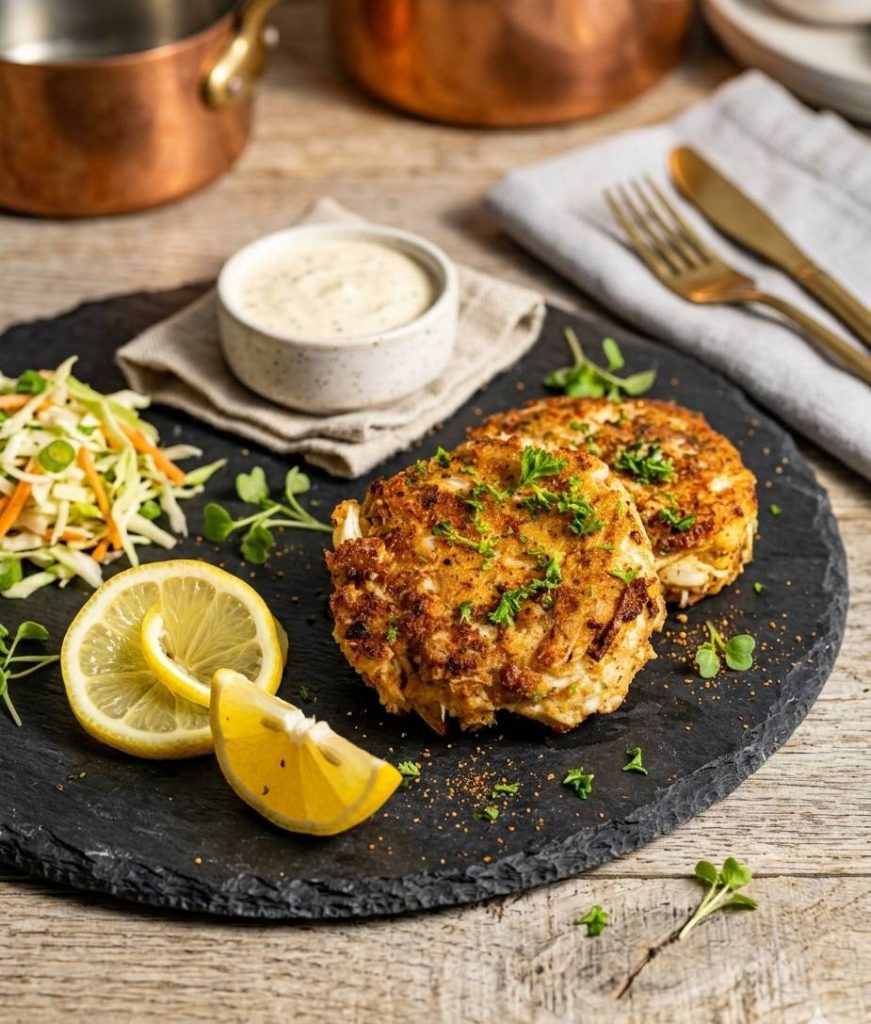
Dungeness Crab, here is cake, match with Los Carneros Chardonnay
Napa Valley Dungeness Crab with Los Carneros Chardonnay
The wine’s structural profile often includes diacetyl—a byproduct of malolactic fermentation—which mirrors the sweet, rich flavors of the crab meat. The lactic acid in the wine interacts with the delicate fats of the seafood to enhance the perception of sweetness without the need for residual sugar. This pairing is foundational to the region, as the cooling breezes of the San Pablo Bay preserve the grape’s acidity, ensuring the rich, buttery crab meat never feels heavy on the palate.
ATomales Bay Oysters with St. Helena Sauvignon Blanc
The high citric acid content of the wine acts as a liquid squeeze of lemon, balancing the natural salinity and briny liquor of the fresh oysters. This high-acid environment prevents the metallic aftertaste often associated with raw shellfish and lower-acid wines. The wine’s flinty minerality, derived from the volcanic soils of the northern valley, provides a crisp textural bridge to the soft, oceanic texture of the local bivalve.
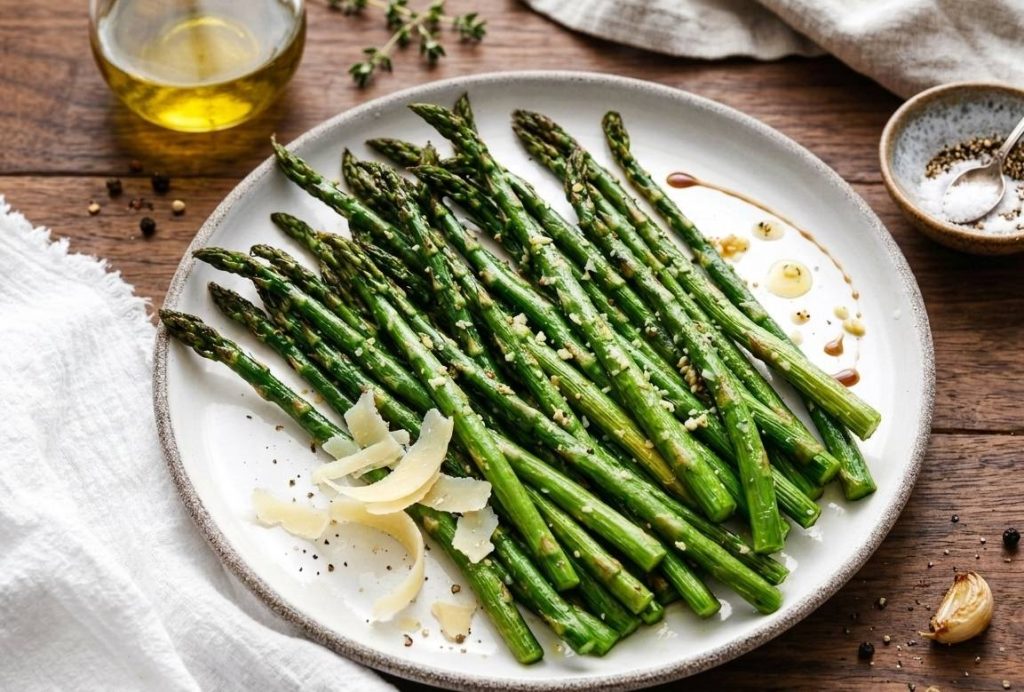
Asparagus green flavors match with herbal intensity of Oak Knoll Sauvignon Blanc
Garden Asparagus with Oak Knoll District Sauvignon Blanc:
The methoxypyrazines in the wine provide herbaceous notes that complement the vegetal thiol compounds found in fresh local asparagus. This aromatic synergy ensures that the often-difficult “green” flavors of the vegetable are integrated rather than clashed with the wine. By matching the wine’s herbal intensity with the dish’s grassy profile, the bitterness of the asparagus is neutralized, allowing the wine’s citrus core to shine.
Cowgirl Creamery Mt. Tam Cheese with Unoaked Chardonnay
The wine’s vibrant malic acid cuts through the high butterfat content of this triple-cream cheese, cleansing the palate after every bite. This interaction is essential as the fat would otherwise coat the tongue, diminishing the delicate floral notes of the Chardonnay. The absence of oak allows the pure fruit expression of the grape to resonate with the nutty, mushroomy rind of the local artisanal cheese.
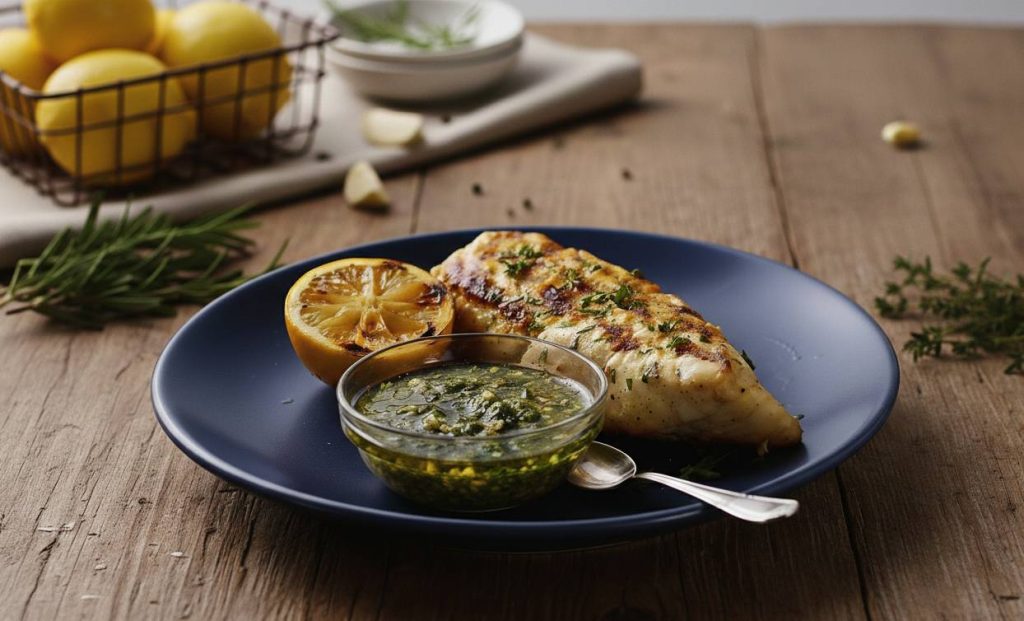
Grilled Pacific Halibut with Spring Mountain Viognier
The wine’s oily texture and honeysuckle aromas provide a weight that matches the meaty density of the halibut without the need for heavy oak. The moderate acidity ensures the fish’s natural oils are emulsified, leading to a long and balanced finish on the palate. At high altitudes, Viognier develops a phenolic grip that mimics the “chew” of the fish, creating a structural alignment between glass and plate.
Petaluma Poultry Chicken Piccata with Napa Valley Pinot Grigio:
The crisp acidity of the wine harmonizes with the capers and lemon juice, ensuring the delicate poultry remains the star of the dish. The wine acts as a refreshing counterpoint to the salty brine of the capers, preventing them from overwhelming the palate. Because Napa Pinot Grigio is typically harvested early to retain zip, it provides a high-vibration companion that lifts the heavier, savory elements of the pan sauce.
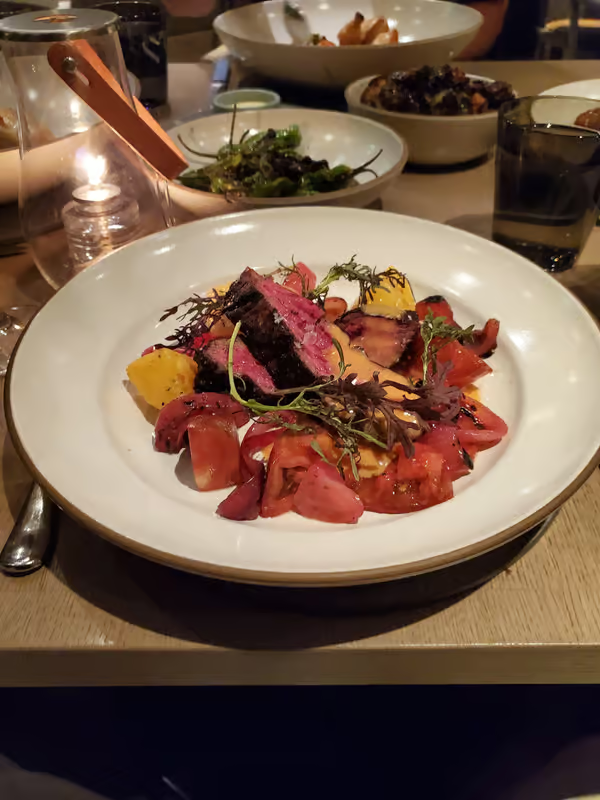
Local Heirloom Tomato Salad with Rutherford Sauvignon Blanc:
The natural sweetness of the tomatoes is enhanced by the wine’s tropical fruit notes, while the wine’s acidity matches the tomato’s pH level perfectly. This chemical alignment prevents the wine from tasting flat or the tomatoes from tasting overly sour. The “Rutherford Dust” character, often present even in white wines from this benchland, adds an earthy dimension that grounds the bright, sun-ripened flavors of the summer harvest.
Meyer Lemon Risotto with Carneros Pinot Blanc:
The wine’s subtle floral notes and moderate body complement the creamy texture of the arborio rice and the bright citrus zest of the local lemons. The wine’s structure provides a lift to the starch-heavy dish, ensuring it feels elegant rather than heavy. Pinot Blanc’s rounded mouthfeel acts as a textural mirror to the starch, while its clean finish provides the necessary acidity to refresh the palate after each rich spoonful.
California Red Wine and Local Food Pairing
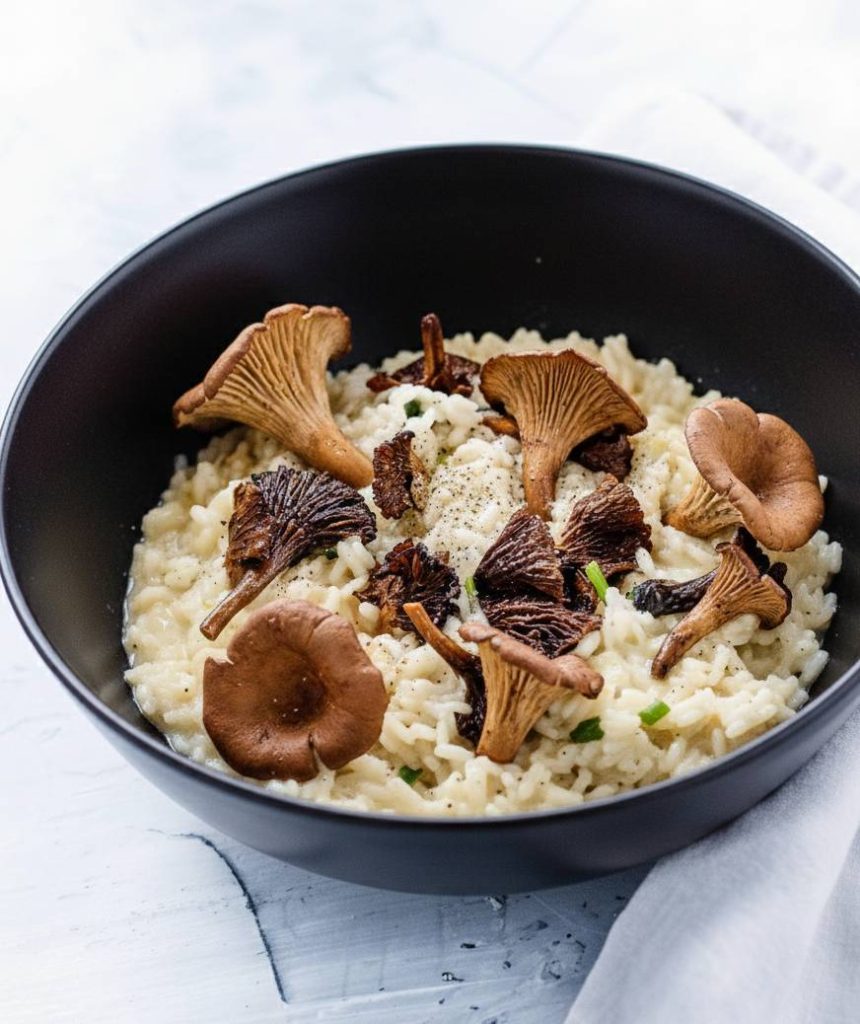
Rutherford Merlot “Dusty profil” Match with Wild Muhroom Risotto
Oakville Heritage Beef with Oakville Cabernet Sauvignon:
The wine’s robust tannins bind with the beef’s dense proteins, effectively softening the wine’s mouthfeel while emphasizing its dark fruit core. This molecular bonding is the hallmark of the Napa benchlands, where the soil’s minerality meets the cattle’s rich marbling. The intense flavor of the dry-aged beef stands up to the wine’s high alcohol and concentrated blackcurrant notes, creating a powerful, authoritative pairing.
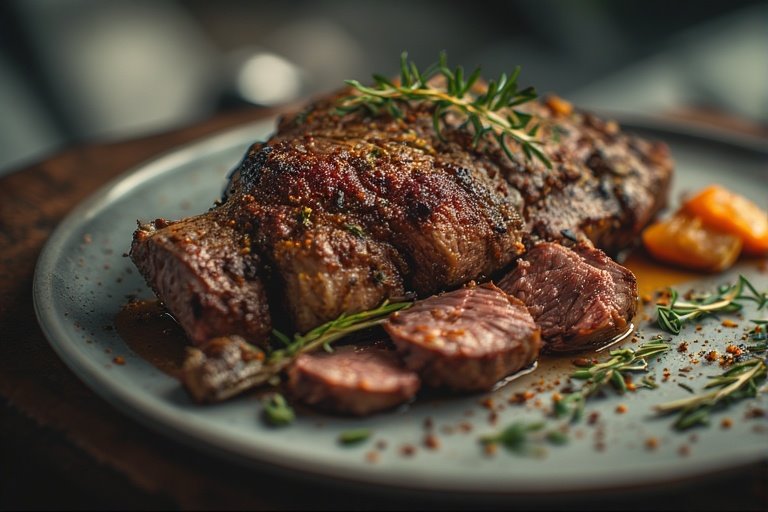
Braised Lamb Shank with Howell Mountain Cabernet Sauvignon:
The mountain-grown tannins provide a structural backbone that can withstand the rich, gelatinous textures of slow-cooked local lamb. The wine’s higher acidity and intense concentration prevent it from being lost amidst the deep, savory reductions of the braising liquid. The iron-rich, volcanic soils of the mountain contribute a graphite-like minerality that echoes the gamey, mineral notes of the lamb meat itself.
Wild Mushroom Risotto with Rutherford Merlot:
The earthy, “dusty” profile of Rutherford fruit mirrors the forest floor umami of the mushrooms, creating a seamless flavor transition. The softer tannin structure of Merlot ensures that the delicate, creamy texture of the risotto remains the focal point. Because Merlot possesses a plush, velvety mid-palate, it fills the gaps between the earthy fungus and the rich rice, acting as a “flavor bridge” for the entire dish.
Grass-Fed Venison with Stags Leap District Cabernet Sauvignon
The characteristic “velvety” tannins of this sub-appellation complement the lean, gamey profile of the venison without overpowering it. The wine’s inherent elegance provides a sophisticated bridge to the wild, herbaceous notes of the local game. Unlike valley floor Cabs, the Stags Leap profile often features a soft, floral undertone that highlights the venison’s delicate flavor rather than masking it behind heavy fruit.
Slow-Smoked Tri-Tip with Calistoga Zinfandel:
The high alcohol and jammy fruit profile of Calistoga Zin stand up to the charred, smoky flavors and spicy rubs of California-style barbecue. The wine’s residual glycerin provides a cooling effect that balances the heat of traditional Santa Maria-style seasonings. The pepper and spice notes inherent to the Zinfandel grape provide a direct aromatic link to the crust of the smoked meat, enhancing the overall sensory experience.
Grilled Duck Breast with Carneros Pinot Noir:
The wine’s bright red fruit and earthy undertones provide a light, acidic counterpoint to the rich, fatty skin of the duck. This pairing relies on the wine’s ability to cut through the lipid density of the duck while highlighting its more delicate, savory meat. Pinot Noir’s lower tannin count ensures that the pairing remains refreshing, as high tannins can often clash with the sweet and savory notes of a classic duck cherry glaze.
Sonoma Rabbit Ragù with Chiles Valley Cabernet Franc
The wine’s characteristic bell pepper notes and vibrant acidity lift the subtle, lean flavors of the rabbit and herbaceous sauce. The structural bridge here is the wine’s pyrazine content, which finds a natural partner in the herbs de Provence often used in rabbit preparations. The wine’s medium body provides enough weight to handle the pasta ragu without crushing the lean rabbit protein.
Artisanal Charcuterie Board with Atlas Peak Syrah
The wine’s black pepper and smoky notes resonate with the cured meats and spicy salamis produced by local Napa Valley purveyors. The high-altitude acidity of Atlas Peak ensures the palate is cleansed between bites of salty, fat-rich salumi and prosciutto. Syrah’s naturally high levels of rotundone (the pepper molecule) provide a spicy echo to the peppercorns and spices found in traditional Northern California charcuterie.
International Food pairing with Napa Valley wines Global Food and Wine Perspective
Napa Valley’s winemaking prowess extends beyond regional borders, offering a versatile range of wines capable of mastering the complex flavors of global cuisine. This section examines “contrastive harmony,” where the bold, ripe fruit of Napa creates a bridge to international spices, salts, and fats. Whether it is the heat of a Thai curry or the savory depth of a Cantonese roast duck, the scientific application of acid-to-fat and tannin-to-protein ratios allows Napa wines to act as a sophisticated global ambassador on the dining table.
Napa ValleyWhite Wines And International Food
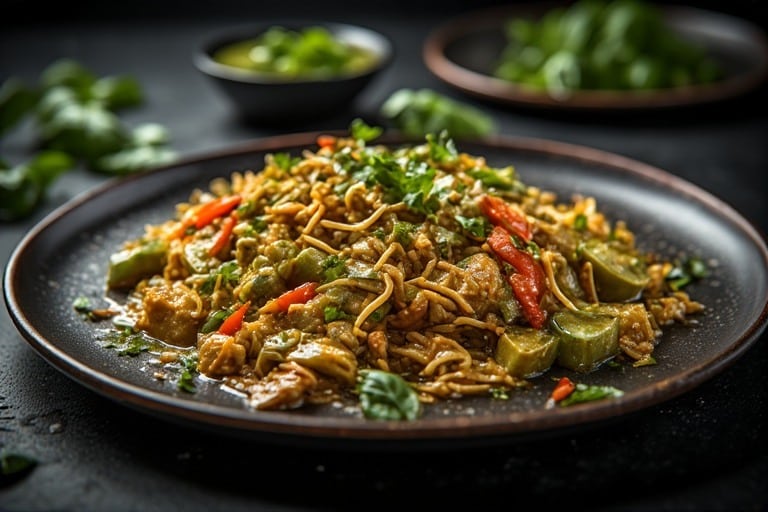
Thai Green Curry with Off-Dry Napa Riesling
The wine’s residual sugar acts as a buffer against the capsaicin heat, while its high acidity refreshes the palate from the coconut milk’s richness. This ensures that the complex aromatics of lemongrass and galangal are highlighted rather than suppressed by the spice. The sugar in the wine interacts with the chili peppers to lower the perception of heat, transforming a potentially aggressive dish into a balanced, aromatic symphony.
Traditional Greek Spanakopita and St. Helena Sauvignon Blanc
The sharp acids in the wine act as a citrus element, enhancing the salinity of the feta and the herbaceousness of the spinach. The wine’s flinty minerality echoes the briny nature of Mediterranean ingredients, providing a crisp and clean finish. By matching the “green” notes of the wine with the spinach and dill of the pastry, the pairing achieves an aromatic synergy that elevates the simple, rustic dish.
Japanese Sushi and Sashimi with Napa Valley Sparkling Wine
The carbonation and high acidity act as a palate cleanser for the oily fats in fish like Toro or Salmon. The wine’s yeast-derived autolytic notes (brioche and toast) provide a structural harmony with the seasoned sushi rice. The bubbles physically scrub the palate, removing the fatty residue of the fish and soy sauce, ensuring that each piece of nigiri tastes as fresh as the first.
Indian Vegetable Pakora with Napa Valley Chenin Blanc
The wine’s honeyed notes and bright acid balance the fried texture and complex spice blend of the chickpea flour batter. The wine’s weight ensures it is not overshadowed by the intensity of cumin and turmeric, while its acidity handles the oil. Chenin Blanc’s natural stone fruit profile provides a sweet counterpoint to the savory spices, mimicking the role of a traditional mango chutney.
French Sole Meunière with Oak-Aged Napa Chardonnay
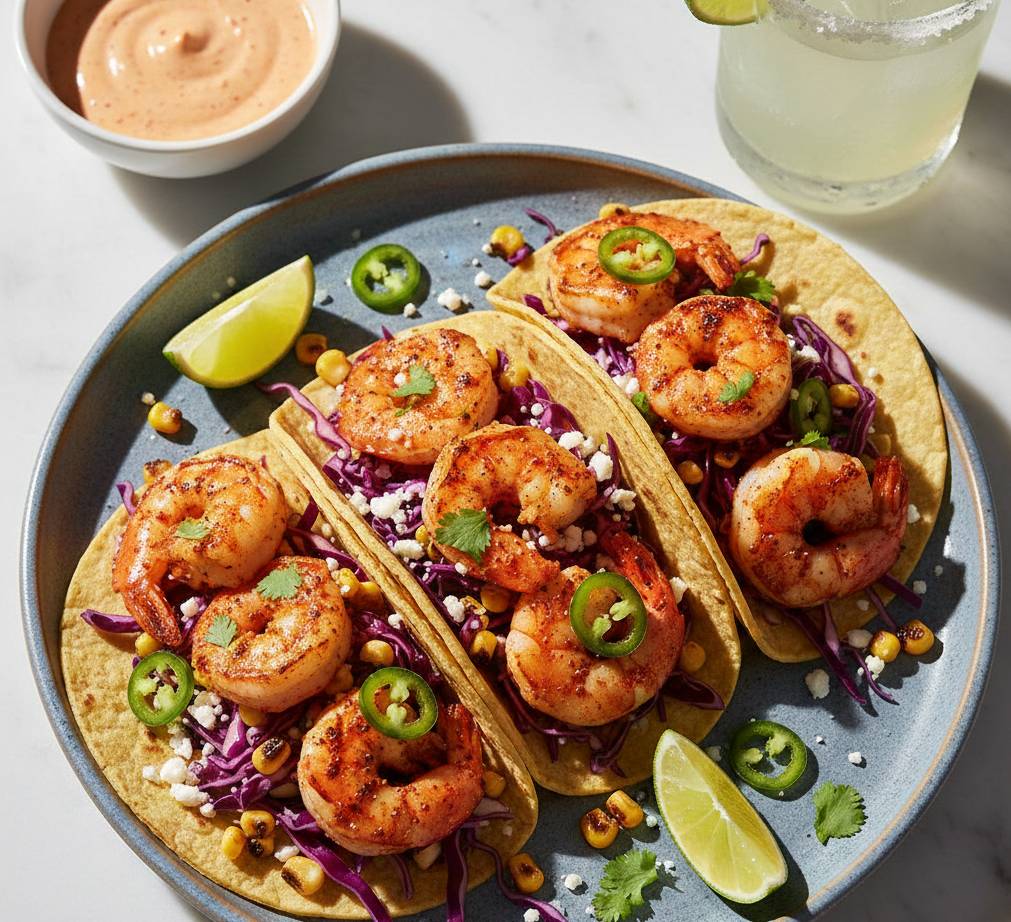
Fish or Shrimps Tacos with the saline minerality of Napa Vermebtino
The wine’s buttery texture and vanilla notes from French oak provide a structural mirror to the brown butter sauce of the fish. This pairing is a classic example of weight-matching, where the wine and dish share a luxurious, enveloping mouthfeel. The wine’s citrus-driven core ensures the lemon and parsley in the sauce remain vibrant, while the oak provides the necessary “body” to match the richness of the butter-basted sole.
Mexican Fish Tacos with Napa Valley Vermentino:
The wine’s saline minerality and citrus zest profile complement the lime-marinated fish and the spicy kick of a fresh salsa verde. The wine’s light body and high vibration ensure it remains a refreshing accompaniment to the street-food classic. The Mediterranean heritage of Vermentino makes it naturally suited to coastal flavors, where its high acid and low tannin profile won’t fight with the spice of a habanero or jalapeño topping.
Vietnamese Spring Rolls with Napa Valley Pinot Grigio
The light body and clean finish of the wine do not overwhelm the delicate rice paper or the fresh, crunchy herbs. The wine’s subtle stone fruit notes provide a soft backdrop to the salty punch of the fish sauce (nuoc cham). Because the wine is fermented in stainless steel, it retains a “purity” of fruit that allows the complex aromas of cilantro, mint, and shrimp to shine without interference.
Spanish Seafood Paella with Napa Valley Albariño
The wine’s peach and citrus profile highlights the saffron and seafood variety, providing a crisp finish to the rice-heavy dish. The wine’s natural salinity is a direct mirror to the ocean-sourced ingredients of the traditional Valencian recipe. Napa Albariños retain a zesty acidity that cuts through the starch of the Calasparra rice, ensuring that the heavy dish feels lighter and more approachable.
California Red Wines And International Food
Cantonese Roast Duck and Napa Valley Merlot:
The wine’s softer tannins and dark cherry notes resonate with the umami-rich soy and star anise flavors of the traditional glaze. The moderate alcohol levels ensure the wine does not become overly hot when paired with the dish’s subtle five-spice sweetness. Because Merlot lacks the “green” pyrazine notes of Cabernet, it provides a purer fruit experience that complements the sweet, lacquered skin of the duck.
Argentine Chimichurri Ribeye with Rutherford Cabernet Sauvignon:
The wine’s “Rutherford Dust” tannins are tamed by the steak’s fat, while its acidity handles the vinegar-based herb sauce. This interaction is critical; the wine must be powerful enough to handle the char but acidic enough to handle the chimichurri. The herbal, earthy notes of the wine echo the oregano and parsley in the sauce, creating a complex, layered profile that defines high-end New World pairing.
Italian Osso Buco with Napa Valley Sangiovese
The wine’s natural high acidity matches the tomato-based braising liquid, creating a harmonious balance with the rich veal marrow. The wine’s cherry and leather notes provide a classic Old World profile that complements the rustic nature of the dish. Even in Napa’s warmer climate, Sangiovese retains a tartness that is essential for cutting through the collagen and fat of the slow-cooked veal shank.
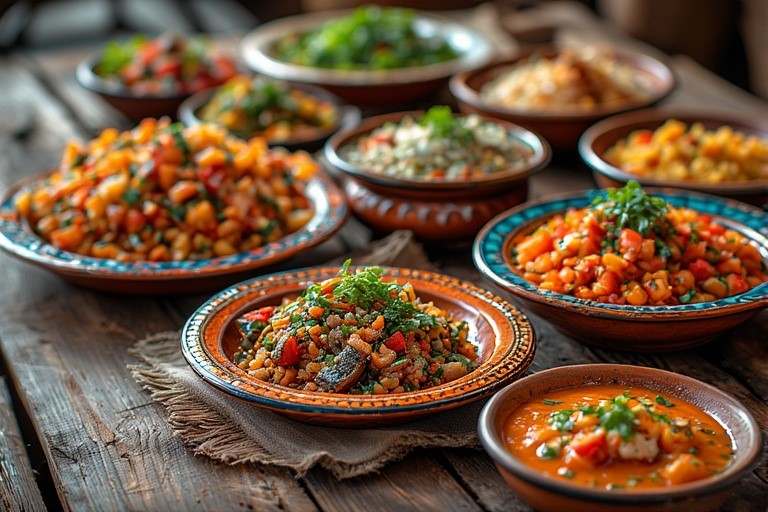
Moroccan Lamb Tagine with Napa Valley Syrah
The wine’s spicy, dark fruit profile complements the exotic spices like cinnamon and cumin used in the slow-cooked stew. The wine’s inherent smokiness finds a direct partner in the charred elements of the lamb, creating a layered and complex experience. Syrah’s full body and moderate tannins provide the necessary structure to stand up to the dried fruits, such as apricots and prunes, often found in North African cuisine.
Korean Galbi (Short Ribs) with Napa Valley Zinfandel
The wine’s bold fruit and touch of spice match the sweet and savory soy-pear marinade of the grilled beef. The high concentration of Zinfandel ensures the wine is not overwhelmed by the intense, caramelized sugars of the BBQ sauce. The wine’s high alcohol and rich texture act as a “blanket” for the intense umami and heat of the gochugaru (red pepper flakes) often used in Korean side dishes.
French Magret de Canard with Coombsville Pinot Noir
The cool-climate acidity and structural elegance of Coombsville fruit cut through the rich duck fat without masking the meat’s flavor. The wine’s silky texture is a mirror to the tender, medium-rare duck breast, leading to a refined culinary synergy. The earthy, forest-floor notes of the Pinot Noir resonate with the roasted fig or berry reductions commonly served with French-style duck.
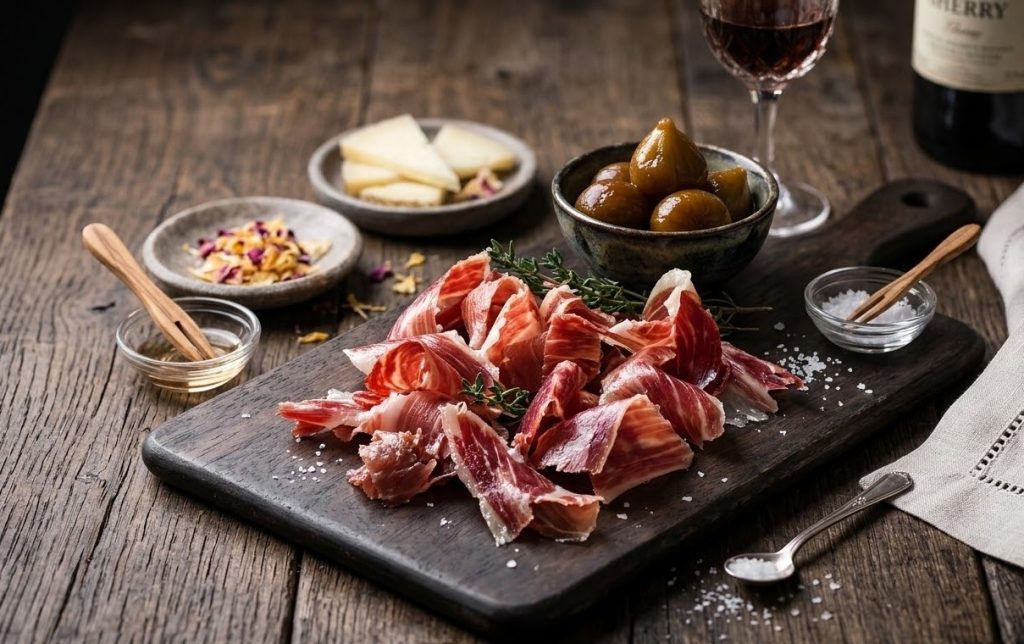
Jamon Iberico and Tempranillo from Napa Valley combines because wine structure is firm enough
Spanish Jamón Ibérico with Napa Valley Tempranillo
The wine’s leather and tobacco notes and moderate tannins are the classic companion for the nutty, savory fats of the acorn-fed ham. The wine’s structure is firm enough to stand up to the salt without becoming harsh, a testament to the versatility of Napa’s volcanic soils. The wine’s oak-derived coconut and vanilla notes provide a sweet structural contrast to the savory, cured meat, enhancing the complexity of each bite.
Brazilian Picanha with Diamond Mountain Cabernet Sauvignon:
The intense, gritty tannins of this high-altitude wine require the heavy fat cap of the Picanha to reach a state of velvet-like equilibrium. This pairing is the ultimate test of structural balance, where the wine’s massive fruit and the meat’s massive flavor meet in the middle. The high altitude ensures the wine has the acidity to refresh the palate from the salt-heavy crust of the churrasco-style beef.
A Symphony of Soil and Senses The Ultimate Pilgrimage for the Modern Epicurean
Exploring the Napa Valley wine and food pairing landscape is more than a simple meal; it is an immersion into a world where science meets soul. The region has transitioned from a rustic agricultural outpost to a global pinnacle of refinement, where every glass of Cabernet or Chardonnay tells the story of the ancient volcanic ash and maritime fog that shaped it. By understanding the molecular harmony between a wine’s structural acidity and a dish’s lipid profile, the traveler moves beyond passive consumption into active appreciation. Whether you are dining at a Michelin-starred estate or enjoying a simple local harvest, the synergy of Napa’s terroir ensures that every encounter is a masterpiece of balance and flavor.
How to Succeed in Your Napa Valley Wine Pairing? In a Nutshell
Napa Valley wine and food pairing is a sophisticated exercise in balancing high-intensity flavors with structural precision. The region’s diverse microclimates and volcanic soils produce wines with significant phenolic concentration, requiring a culinary approach that respects both the weight and the aromatic complexity of the varietals. By aligning the specific chemical markers of Napa’s terroir—such as the rich tannins of the mountains or the maritime acidity of the southern flats—with high-quality local and international proteins, the epicurean can achieve a level of gastronomic harmony that is rare in the viticultural world.
-
The Volcanic Majesty: Napa Valley’s unique geology, featuring over one hundred soil variations, creates the “Rutherford Dust” and mountain-tannin structures that define the region’s world-class Cabernet Sauvignon and Merlot.
-
Maritime Influence: The morning fog from the San Pablo Bay provides the essential cool-climate acidity for Los Carneros Chardonnay, making it the premier partner for local Dungeness crab and artisanal triple-cream cheeses.
-
Protein Interaction: The core of Napa pairing science lies in the binding of polyphenolic tannins to meat proteins, a chemical process that softens the wine’s mouthfeel while enhancing the savory umami of local heritage beef and game.
-
Acidic Versatility: Napa’s high-vibration white wines, particularly Sauvignon Blanc and Vermentino, act as a “liquid citrus” that cleanses the palate and harmonizes with the complex salts and spices of Mediterranean and Asian cuisines.
-
Microclimate Mastery: From the sun-soaked Zinfandels of Calistoga to the elegant, high-altitude Syrahs of Atlas Peak, the valley’s diversity allows for precision pairing with everything from smoky barbecue to delicate international seafood.