Table of Contents
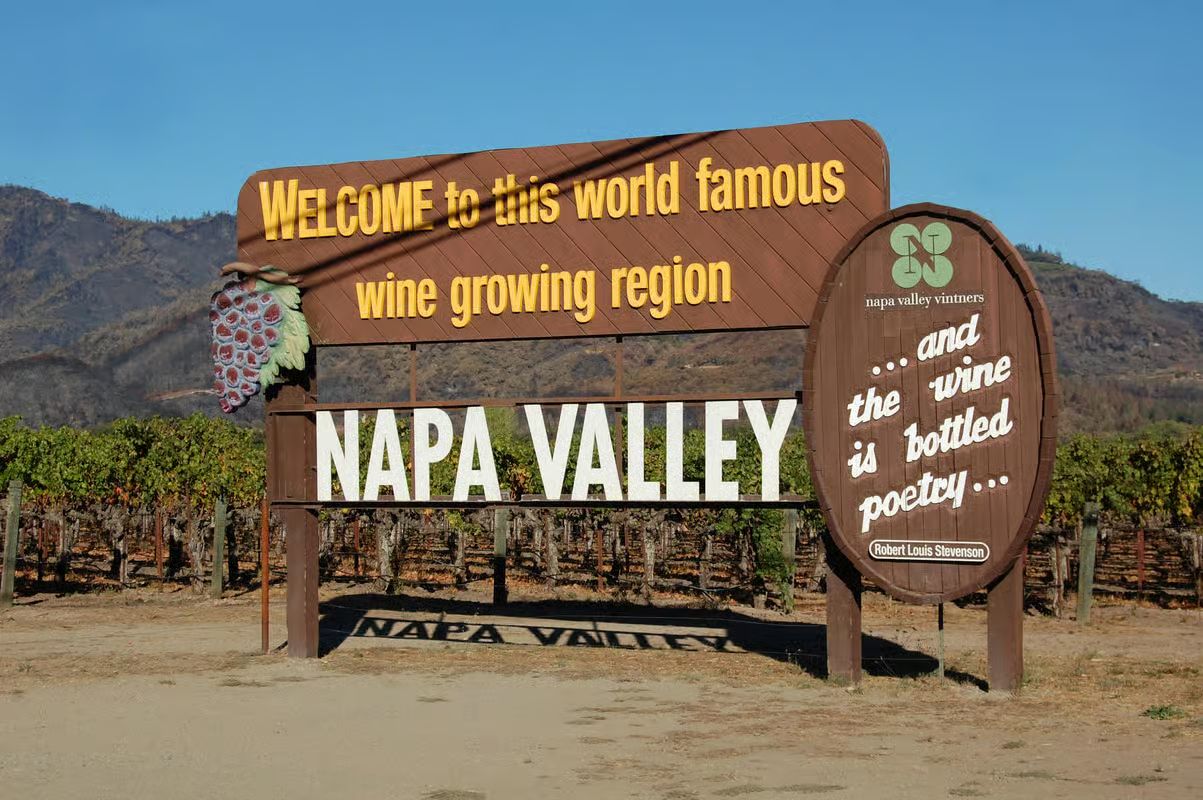
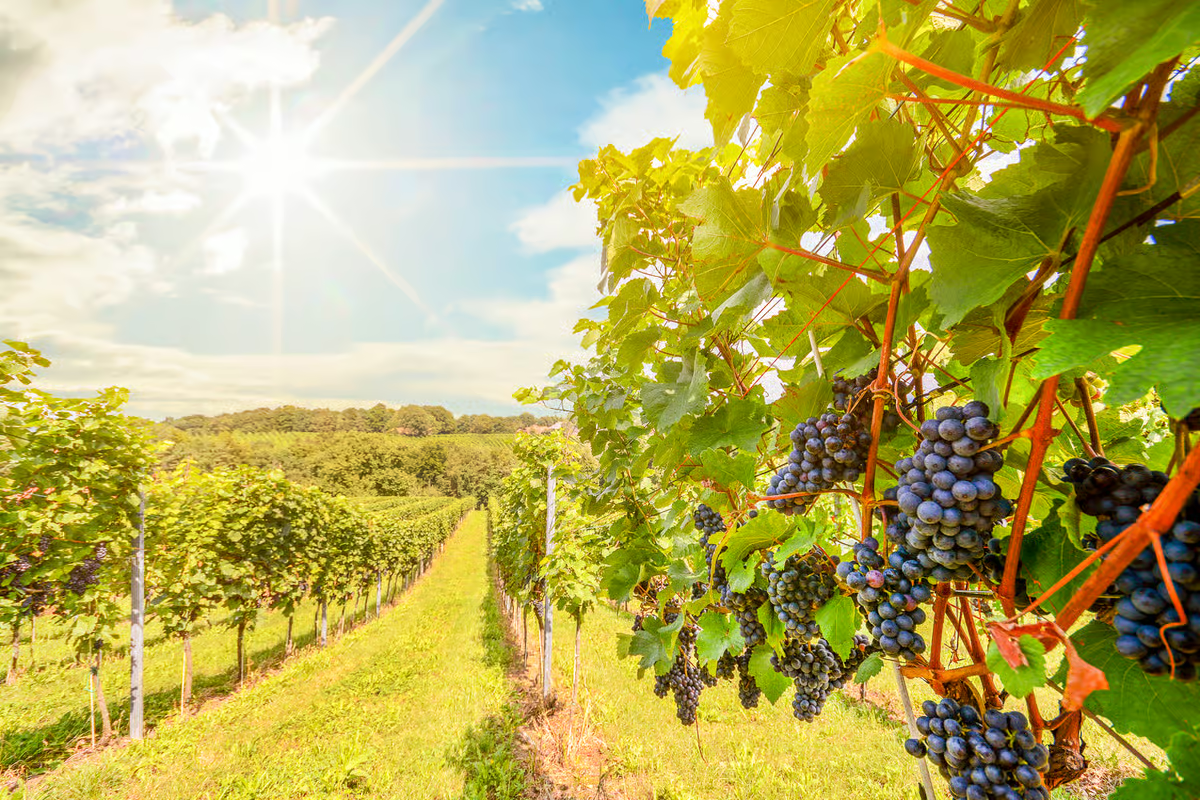
If you ask any wine lover about their “pilgrimage” site in the New World, the answer is invariably the same: Napa Valley. My first drive up Highway 29 felt less like a trip and more like an initiation. As the morning fog—the famous “marine layer”—lifted to reveal perfectly manicured rows of Cabernet Sauvignon, I understood why this 30-mile sliver of California soil changed the wine world forever in 1976.
Napa is a place of beautiful contradictions. It is home to some of the most technologically advanced winemaking facilities on earth, yet it feels deeply agricultural. You can spend $1,000 on a single dinner at The French Laundry, or you can grab a world-class tri-tip sandwich at a roadside shack and eat it overlooking a billionaire’s estate. During my last visit in the “Mustard Season,” when the vineyards were carpeted in brilliant yellow blooms, I realized that Napa isn’t just about the juice in the glass; it’s about the light, the hospitality, and that unmistakable sense of being exactly where the best of everything is happening. Whether you are hunting for a rare cult Cabernet or just want to feel the pulse of America’s premier wine region, Napa delivers an experience that is as polished as it is soul-stirring.
Beyond the Valley
Planning a wine tour or Winery in Napa Valley How to go there
Napa Valley is exceptionally accessible, located about 50 to 80 miles from four major international hubs. Navigating the “Gateway to Wine Country” requires a strategic choice of airport to minimize your time in transit.
Main Airport Hubs:
-
SFO (San Francisco International): 58 miles (approx. 1.5 – 2.5 hours). As the primary international gateway, SFO offers the most flight options but is most susceptible to the “Bay Area commute.” If arriving between 3:00 PM and 7:00 PM, expect significant delays on the bridges.
-
OAK (Oakland International): 51 miles (approx. 1 hour 15 mins). Often the preferred choice for domestic travelers. It is geographically closer to the East Bay routes that lead directly into Napa, often shaving 30 minutes off the drive compared to SFO.
-
SMF (Sacramento International): 63 miles (approx. 1 hour 15 mins). An excellent alternative that avoids the San Francisco fog and bridge traffic. The drive from the east is straightforward and scenic.
-
STS (Charles M. Schulz–Sonoma County Airport): 35 miles (approx. 45 mins). This is the closest commercial airport. While it serves fewer carriers (mostly Alaska and American), landing here puts you virtually on the doorstep of the valley, avoiding all major metropolitan traffic.
Book your Flight Ticket to Napa Valley
Rent a Car in Napa Valley
Distances from Napa Main Cities to Key Wine Regions
Robert Mondavi Winery
Understanding the geography of Napa Valley is essential for a seamless trip. The valley is structured like a ladder: two main vertical roads (Highway 29 on the west and the Silverado Trail on the east) connected by several horizontal “crossroads.” While distances are short in miles, the “Napa Crawl” (tourist traffic) can significantly impact your timing.
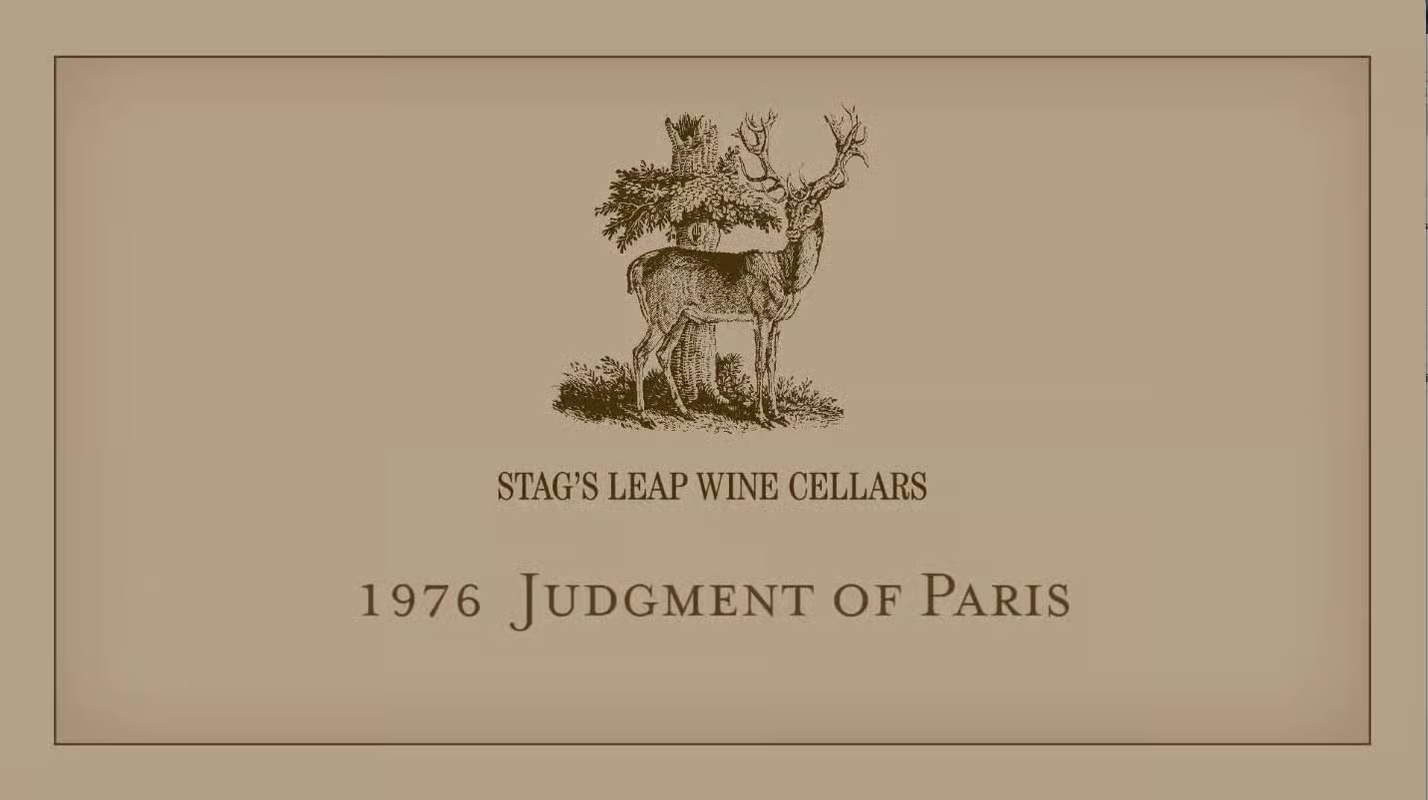
From Downtown Napa (The Southern Anchor): Downtown Napa serves as the logistical base for most visitors. From here, reaching the cooler-climate Stags Leap District is a short 6-mile drive (12 minutes), where you will find the estates responsible for the 1976 Paris victory. If you head slightly further north to Oakville, the 12-mile trip takes about 20 to 25 minutes. Oakville is the “Golden Mile” of Cabernet, home to legendary names like Opus One and To Kalon Vineyard. To reach the northernmost point, Calistoga, expect a 27-mile journey that takes approximately 50 minutes, as the road narrows and passes through the charming but slow-moving downtown of St. Helena.
From San Francisco (The Coastal Gateway): A day trip from the “City by the Bay” is a popular choice, but it requires discipline. To reach the Carneros AVA (the southernmost tip of Napa, famous for Pinot Noir and Chardonnay), the 50-mile drive takes roughly 1 hour and 15 minutes via the Golden Gate Bridge and Highway 37. To reach the heart of the valley in Rutherford (60 miles away), you should budget at least 1 hour and 45 minutes. Rutherford is famous for its “dust”—a unique terroir that gives its wines a distinct cocoa-powder tannin. If your Private tour is scheduled in the far north of the valley in Calistoga, the 75-mile trip can take upwards of 2 hours and 15 minutes, particularly on weekend mornings when leisure travelers flood the valley.
From Sonoma (The Neighboring Valley): Many visitors split their time between the two valleys. The drive from the Sonoma Plaza to the town of Napa is a scenic 14-mile trek across the “Carneros Highway” (Hwy 121/12), taking about 25 minutes. However, to cross from the heart of Sonoma Valley to the heart of Napa (St. Helena), you must traverse the Oakville Grade. This steep, winding mountain road is only 15 miles but takes a solid 35 minutes of careful driving. It offers one of the most spectacular aerial views of the Napa Valley floor before descending directly into the vines of Oakville.
Budgeting Your Napa Valley wine tour experience
Napa Valley is a premier global destination where pricing is dictated by exclusivity and demand. To help you plan your budget, we have categorized the primary expenses into three distinct tiers of service.
Accommodation Costs The hospitality landscape in Napa ranges from charming historic inns to ultra-modern vineyard resorts.
-
Budget Level: Even at the entry-level, Napa is premium. Expect to spend $280 – $400 per night. This typically covers well-rated chain hotels in South Napa or modest bed-and-breakfasts further from the vineyard center.
-
Mid-Range Level: For $500 – $850 per night, you can secure a boutique hotel in downtown Napa or a stylish inn in St. Helena. These properties often include amenities like wine hours and proximity to major tasting rooms.
-
Luxury Level: The “Napa Standard” for luxury starts at $1,500 and can exceed $4,000 per night. This tier includes world-renowned resorts like Auberge du Soleil or Meadowood, where you enjoy private villas, personalized butler service, and 5-star spa facilities overlooking the vines.
Dining Estimates Napa is arguably the culinary capital of the United States, offering everything from world-class street food to Michelin-starred temples of gastronomy.
-
Budget Level: Budget around $90 – $130 per day. This allows for a coffee and pastry at a local bakery, a high-quality deli sandwich for lunch (like those at Oakville Grocery), and a casual sit-down dinner at a local bistro or “burger joint.“
-
Mid-Range Level: Expect to spend $180 – $350 per day. This covers a gourmet brunch and a three-course dinner at a celebrated restaurant like Mustards Grill or Charter Oak, including a few glasses of local wine.
-
Luxury Level: For those chasing Michelin stars, dining can cost $600 – $1,500+ per day. A single tasting menu at a legendary Estate restaurant or The French Laundry can start at $350 per person before wine pairings, taxes, and gratuities are added.
Wine Experience Fees The cost of a Wine tasting has risen significantly as wineries shift toward personalized, seated experiences.
-
Budget Level: Tasting fees range from $45 – $65 per person. This typically involves a “bar tasting” or a standard flight of four to five wines at larger, more accessible wineries.
-
Mid-Range Level: Budget $85 – $175 per person. This level usually secures a seated, hosted experience, often including a brief tour of the cellar or vineyard and a focus on reserve-tier bottles.
-
Luxury Level: Premium experiences cost $250 – $750+ per person. This is the realm of the Private tour, often led by a head sommelier or winemaker. These sessions frequently include library vintages, food pairings from a private chef, and access to exclusive “members-only” tasting salons.
Find the Best Places to Stay in Côte Napa Valley
Chateau Montelena
Best Period to visit Napa Valley
Napa Valley undergoes a dramatic transformation every three months. Choosing your time to visit is less about “good or bad” weather and more about which version of the vineyard story you want to see.
Spring: Rebirth (March – May) This is widely considered the “insider’s season.” Starting in March, the valley floor is blanketed in a sea of wild yellow mustard flowers—a natural cover crop that creates one of the most photographed landscapes in the world. As April arrives, you will witness “Bud Break,” the magical moment when the first green leaves emerge from the dormant vines. The weather is unpredictable but generally mild (60–75°F), with crisp mornings and occasional spring showers. It is a season of optimism and renewal, where crowds are thin, and the air is fresh.
Summer: Peak (June – August) Summer is when Napa is at its most vibrant and high-energy. The days are long, hot, and dry (often reaching 90–95°F), but the evening brings the famous cool Pacific breeze that refreshes the valley. This is the season of “Veraison,” when the grapes turn from green to purple. The valley is filled with outdoor concerts, garden parties, and bustling restaurants. While it is the most crowded time to visit, the atmosphere is celebratory. It is the perfect time for a Private tour that includes a lunch in a shaded vineyard grove.
Autumn: Harvest (September – November) Often called “The Crush,” this is the valley’s most intense and exhilarating period. The energy is palpable as winemakers work 24-hour shifts and giant tractors haul bins of ripe fruit down the Silverado Trail. The scent of fermenting grapes fills the air in every town. As October turns to November, the vineyards change from green to brilliant golds, burnt oranges, and deep crimsons. It is visually the most stunning time of year, but it is also the most expensive. Expect peak pricing for hotels and the need for Wine tasting reservations many months in advance.
Winter: Quiet (December – February) Locals call this “Cabernet Season.” While the vines are dormant and the weather can be rainy and misty, the valley takes on a cozy, intimate character. This is the time for slow travel. Tasting rooms are quiet, and the hospitality is more personal; you might find yourself chatting with the winemaker themselves rather than a host. It is the best time for foodies, as securing a table at a three-Michelin-star restaurant becomes significantly easier. With wood fires roaring in every Estate and lower hotel rates, it is a sophisticated choice for those who prefer substance over spectacle.
Main towns and places in Napa Valley Sanctuaries of Stone: The Towns That Guard the Vines
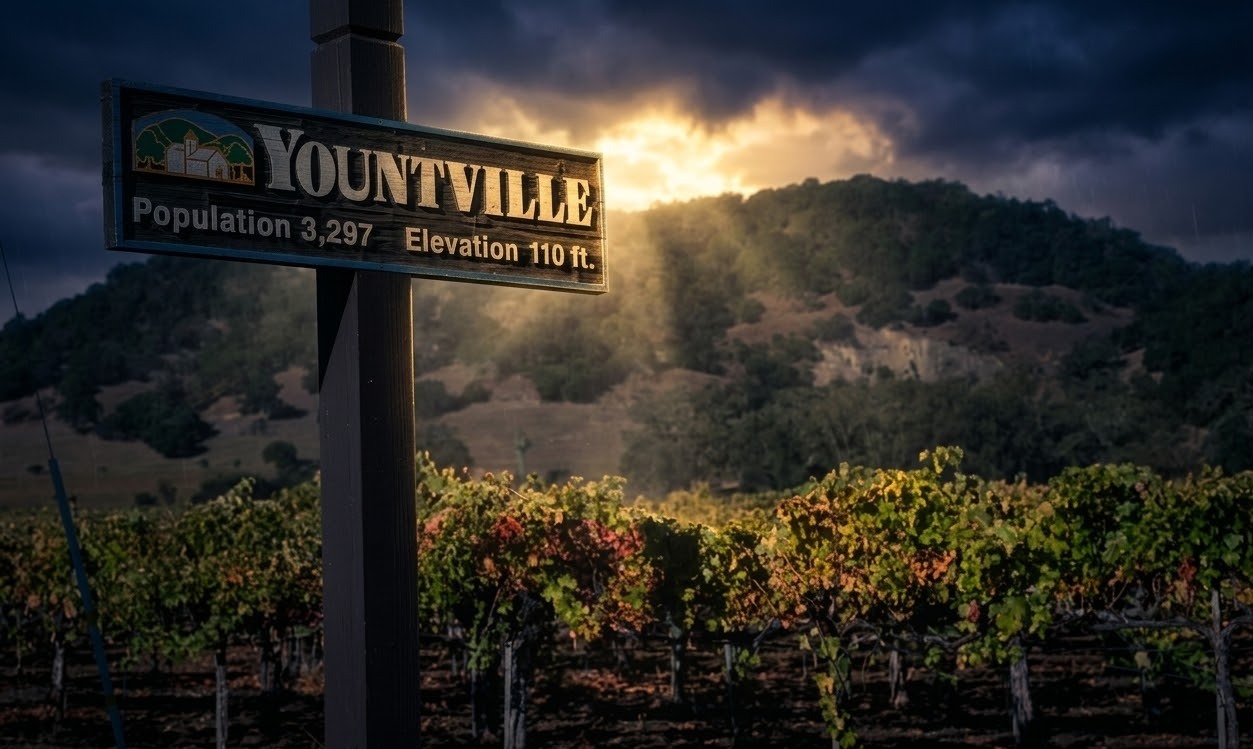
Yountville at Dusk
-
Napa (Downtown) The valley’s urban soul. Once a quiet industrial port, it is now a bustling riverfront filled with trendy tasting rooms, the Oxbow Public Market, and jazz clubs. It is the best place to stay if you want to walk to dinner after the wineries close at 5:00 PM. Visitors should not miss the Coombsville sub-region nearby, known for its cooler climate.
Yountville The culinary “Mecca” of North America. This pristine village is home to the highest density of Michelin stars in the world, centered around Thomas Keller’s empire. It offers a refined, “manicured” atmosphere where everything is curated to perfection. It serves as the gateway to the Stags Leap District and the Oakville AVA.
St. Helena The “Main Street” of Napa Valley. This town feels like a sophisticated throwback to early California, lined with historic stone buildings and high-end boutiques. It is the geographic and spiritual center of the winemaking community. Within a few minutes’ drive, you can reach the prestigious AVAs of Rutherford and Spring Mountain.
Calistoga The rustic, wellness-focused north. Famous for its natural hot springs and volcanic mud baths, Calistoga has a relaxed charm. It feels less formal than the southern towns, attracting those who want to “detox” in a mineral pool. It is the closest hub to the Diamond Mountain and Knight’s Valley regions.
Places to visit in Napa Valley Not to miss
Our Winery Selection (Top 10 Must-Visit Estates) In Napa Valley
Selecting the right Estate is the cornerstone of any Napa itinerary. We have curated these ten selections to represent the absolute pinnacle of history, architecture, and terroir.
-
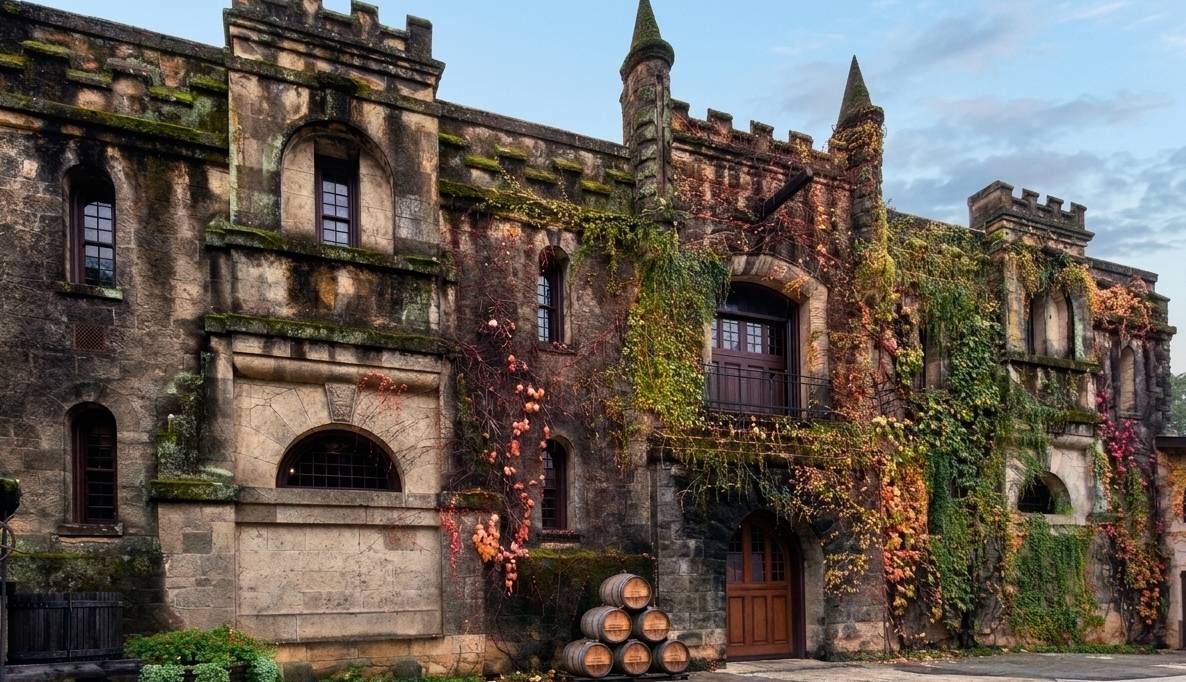
Chateau Montelena (Calistoga): The Historical Powerhouse. This stone castle is a monument to the 1976 “Judgment of Paris,” where its Chardonnay shocked the world by beating the French in a blind tasting. It offers one of the most serene settings in the valley, featuring the tranquil Jade Lake. A Wine tasting here is a masterclass in balance, focusing on their iconic, age-worthy Estate Cabernet and the Chardonnay that redefined American viticulture.
-
Inglenook (Rutherford): The Cinematic Legend. Established in 1879 by Gustave Niebaum and later meticulously restored by film director Francis Ford Coppola, this grand Château is the largest contiguous estate on the Rutherford Bench. The experience is museum-like, showcasing “Rutherford Dust” terroir through its flagship “Rubicon” red blend. A Private tour explores the grand vaulted cellars and the restored 19th-century staircase, blending Hollywood history with elite winemaking.
-
Schramsberg Vineyards (Calistoga): The Master of Caves. To understand Napa’s history, you must go underground. Schramsberg’s caves are the oldest hand-dug tunnels in the region, carved into volcanic rock in the late 1800s. Known as the first American winery to produce world-class sparkling wine from Pinot Noir and Chardonnay, it has been served at official State functions by every U.S. President since Nixon’s “Toast to Peace” with China. A Wine tasting in these lichen-draped corridors is an eerie, beautiful journey through time.
-
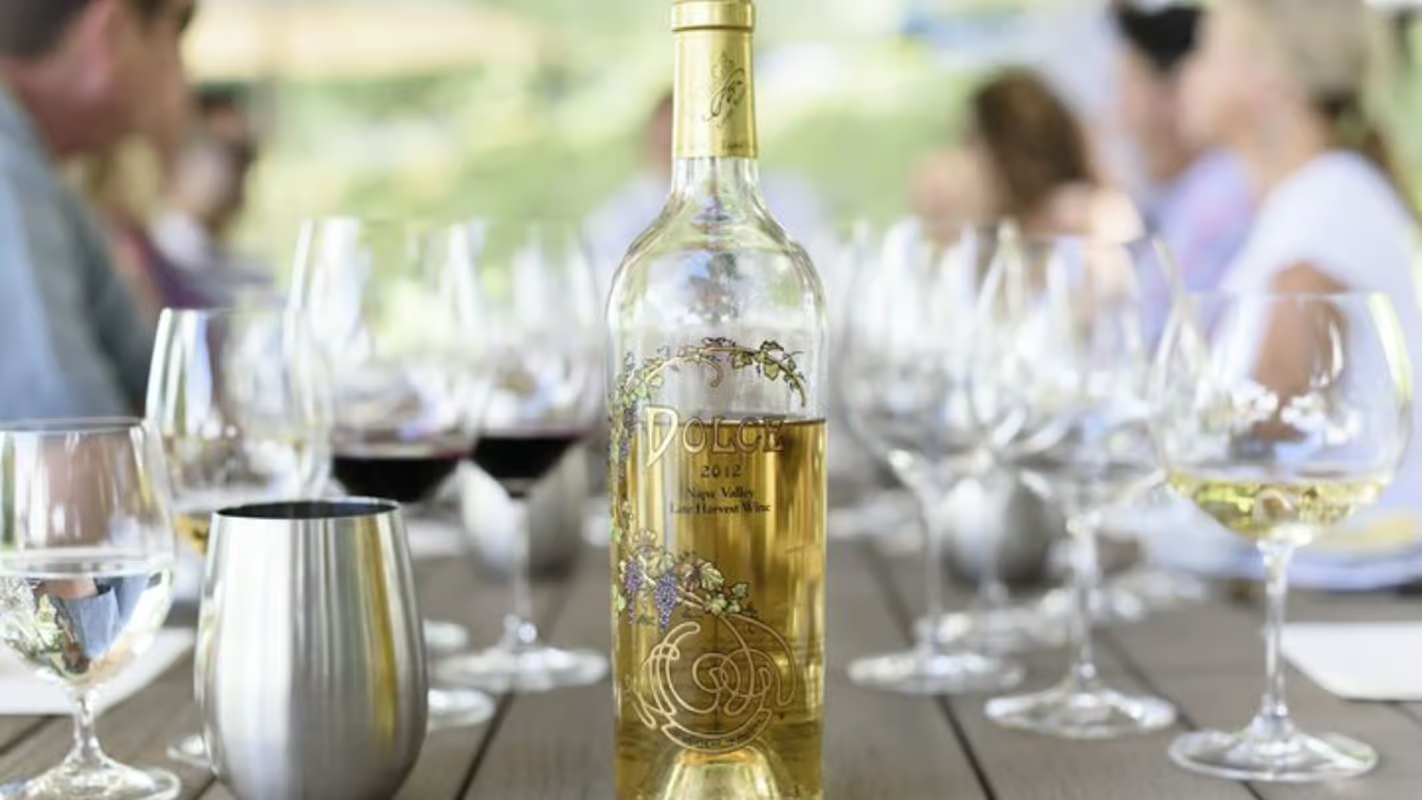
Far Niente (Oakville): The Epitome of Luxury. Walking onto the Far Niente grounds feels like stepping into a 19th-century painting. The Estate features tri-level gravity-flow winemaking and massive, immaculately clean wine caves. It focuses exclusively on two varietals: world-class Chardonnay and powerful Oakville Cabernet Sauvignon. Don’t miss their sister label, “Dolce,” often referred to as liquid gold—the closest American equivalent to a Premier Cru Sauternes.
-
Stags’ Leap Winery (Stags Leap District): The Ghostly Manor. Located in a private valley against the jagged Stags Leap Palisades, this 1893 stone manor house feels beautifully secluded and slightly gothic. It is the place for a sophisticated, quiet Wine tasting, focusing on their historic “Ne Cede Malis” vineyard and their legendary, peppery Petite Sirah. The “Moon Garden” and the ivy-covered stone walls make it one of the most romantic spots in the valley.
-
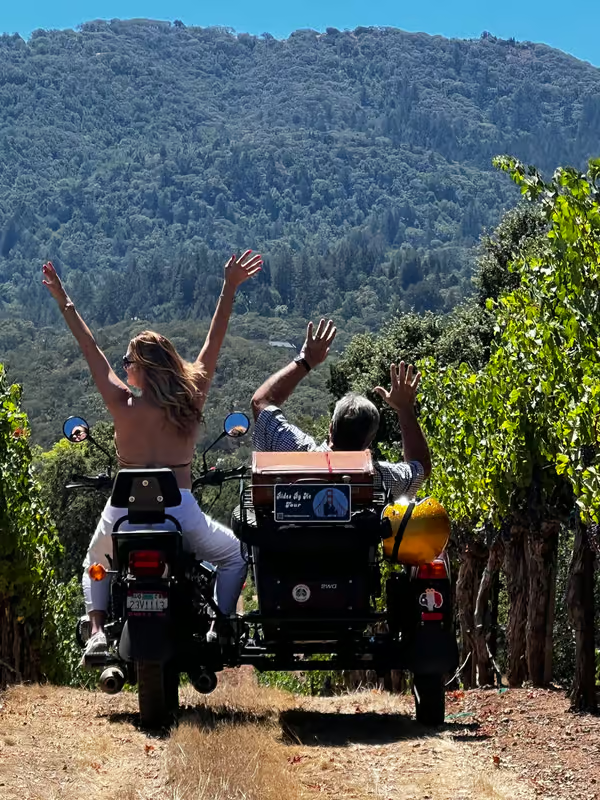
Hess Persson Estates (Mount Veeder): The Intersection of Art and Soil. Located high on the rugged slopes of an extinct volcano, this winery houses one of the world’s great private contemporary art collections. Sipping intense, mountain-grown Cabernets while viewing masterpieces by Francis Bacon or Andy Goldsworthy provides a multisensory experience. Their signature “ATV Vineyard Tour” is an immersive way to see the sustainable, high-altitude farming that defines Mount Veeder.
-
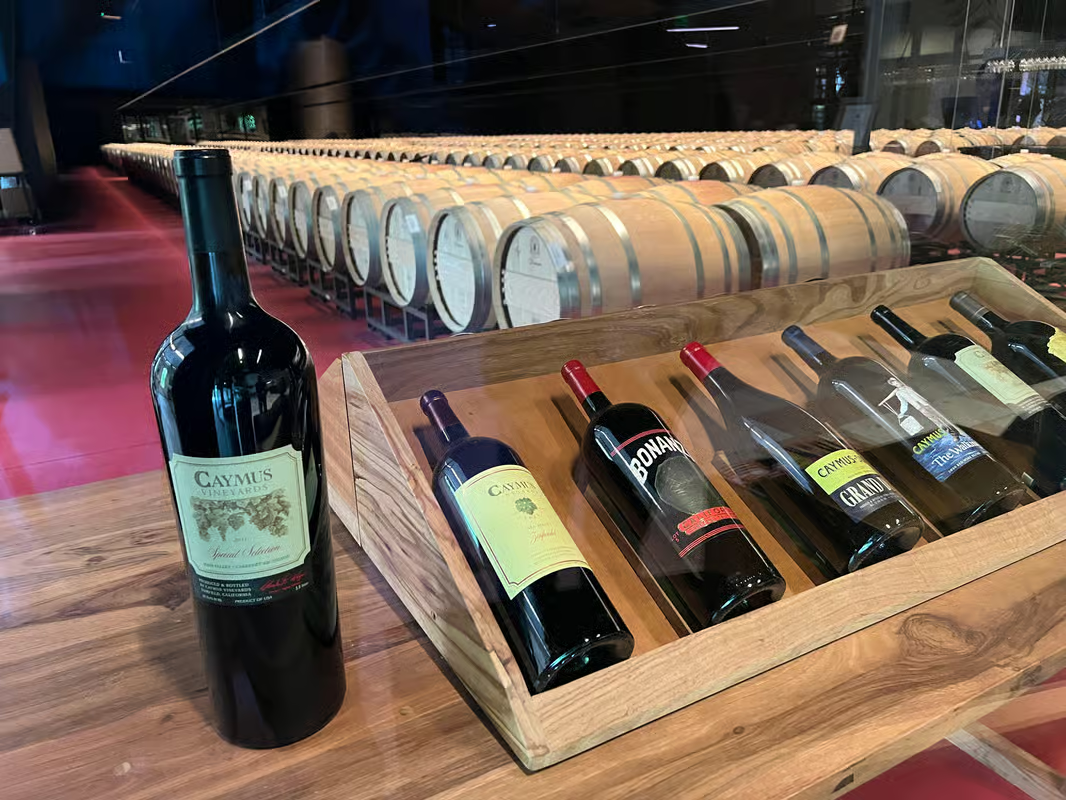
Opus One (Oakville): The Ultra-Premium Icon. Born from a partnership between Robert Mondavi and Baron Philippe de Rothschild, this futuristic building is dedicated to a single, Bordeaux-style blend. The architecture combines a stainless steel rotunda with neoclassical limestone colonnades. A Private tour here leads to the grand barrel hall where the wine ages in new French oak, representing the definitive meeting of Old World elegance and New World power.
-
Beringer Vineyards (St. Helena): The Heritage Giant. As the oldest continuously operating winery in Napa, Beringer is a living history book. Its Rhine House mansion, built in 1886, is renowned for its stunning stained-glass windows. Visitors can taste wine in the original caves where the Beringer brothers produced their first vintages. It was the first winery to offer public tours in 1934, effectively inventing Napa Valley wine tourism.
-
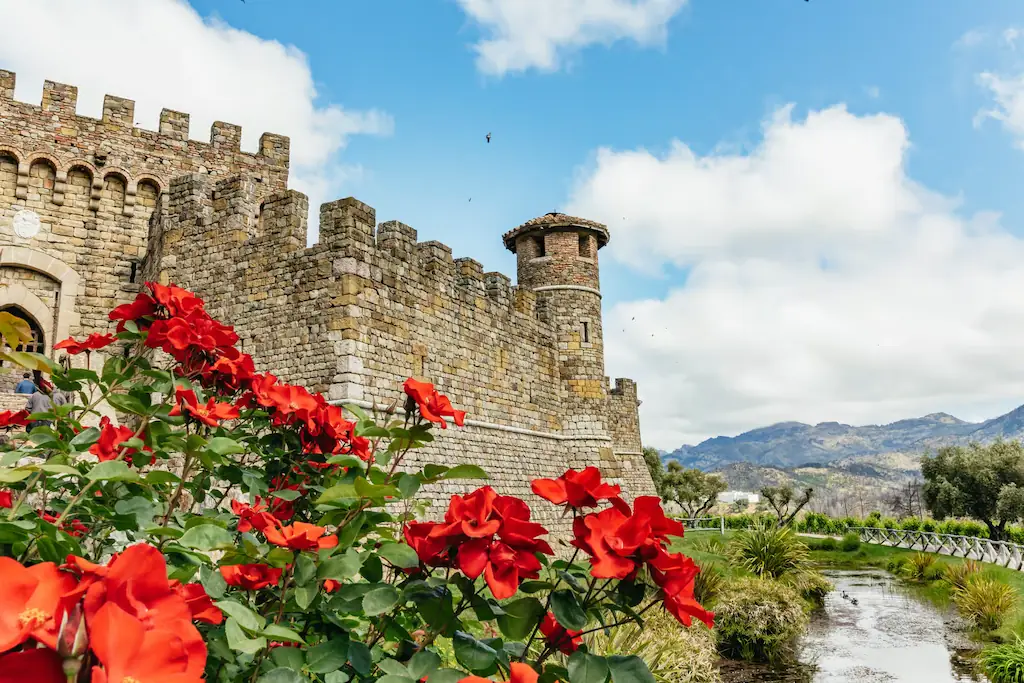
Castello di Amorosa (Calistoga): The Architectural Marvel. This is an authentically constructed 13th-century Tuscan castle, built with over a million antique bricks imported from Europe. It features a moat, drawbridge, five towers, and even an underground torture chamber. While grand, the winemaking is serious, focusing on Italian-style Sangiovese and high-end Cabernet Sauvignon. It is the most photographed Estate in the valley for a reason.
-
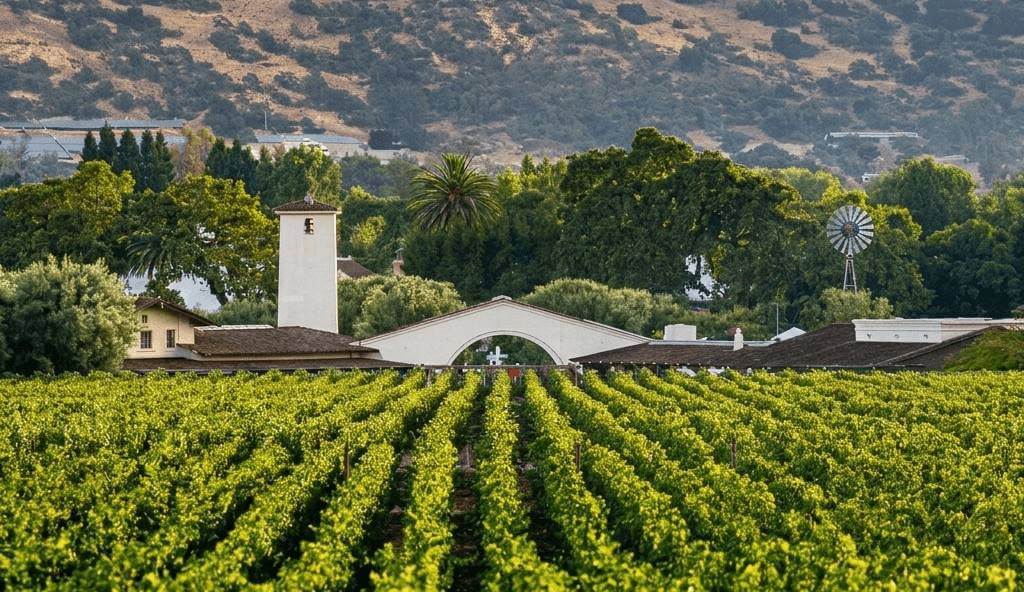
Robert Mondavi Winery (Oakville): The Pioneer. This mission-style winery is the spiritual home of modern California wine. Mondavi’s vision transformed Napa into a global destination, and his To Kalon Vineyard remains one of the most revered plots of land on Earth. Known for inventing “Fumé Blanc,” the winery offers educational experiences that emphasize the relationship between wine, food, and the arts.
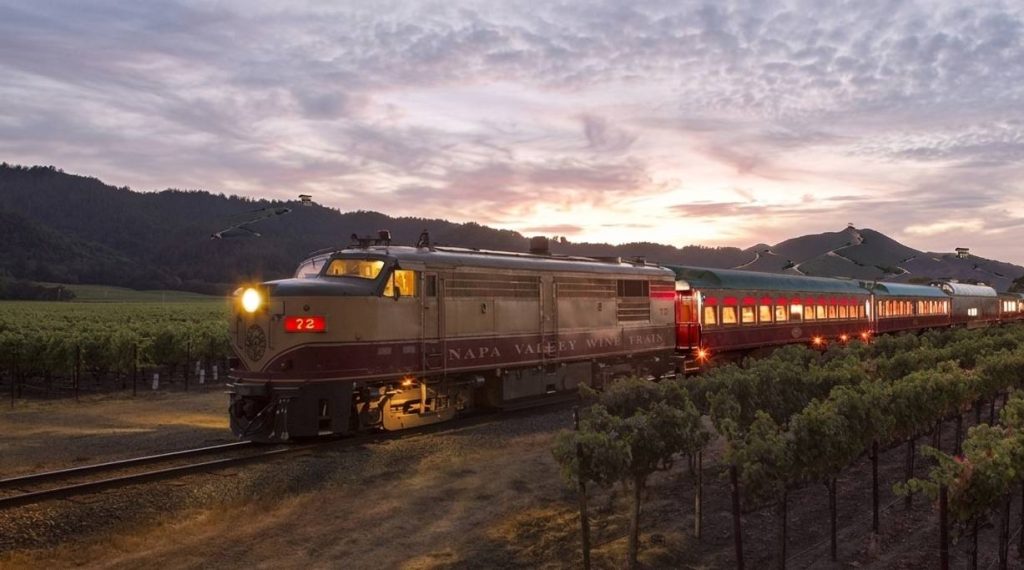
Napa Valley Wine Train Book your tour
Beyond the glass, Napa Valley offers experiences that capitalize on its unique geography and Mediterranean climate.
-
-
Sunrise Hot Air Ballooning: This is the definitive “grand gesture” of a Napa trip. You must wake up before the sun to watch the giant balloons inflate in the morning mist. As you lift off, the valley floor reveals itself as a giant green-and-gold quilt. Seeing the geometric precision of the vineyard rows from 2,000 feet, with the sun cresting over the Vaca Mountains, provides a scale of the region you simply cannot get from a car.
-
Castello di Amorosa (Calistoga): While some might call it “Disney-esque,” the craftsmanship of this 13th-century style Tuscan castle is undeniable. Built with over a million antique bricks imported from Europe, it features a moat, a drawbridge, high ramparts, and even a torture chamber. It is an architectural marvel and a playground for photographers, offering an immersive escape into medieval Italy in the middle of California.
-
The Silverado Trail Drive: If you want to experience the “soul” of the valley, avoid Highway 29 and take the Silverado Trail. This road hugs the eastern hills and is lined with some of the most prestigious estates in the world. It is quieter, more scenic, and offers countless turnouts where you can stop to take in the vastness of the valley floor without the hum of commercial traffic.
-
Mud Baths in Calistoga: Calistoga sits on a massive geothermal hot spot. Taking a traditional volcanic ash mud bath is a rite of passage. It is a messy, deeply relaxing, and ancient wellness ritual that has been drawing visitors to this specific corner of the valley since the 1860s. It is the perfect physical “reset” after several days of heavy tannins and fine dining.
-
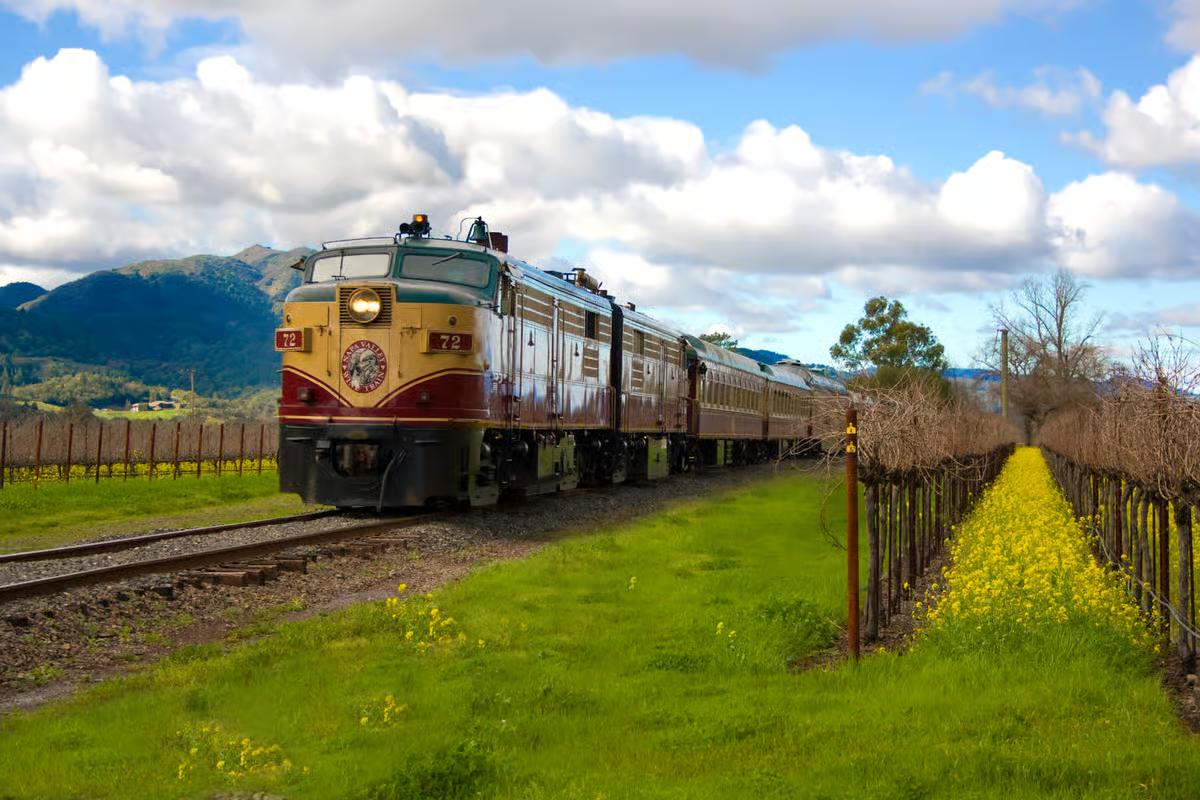
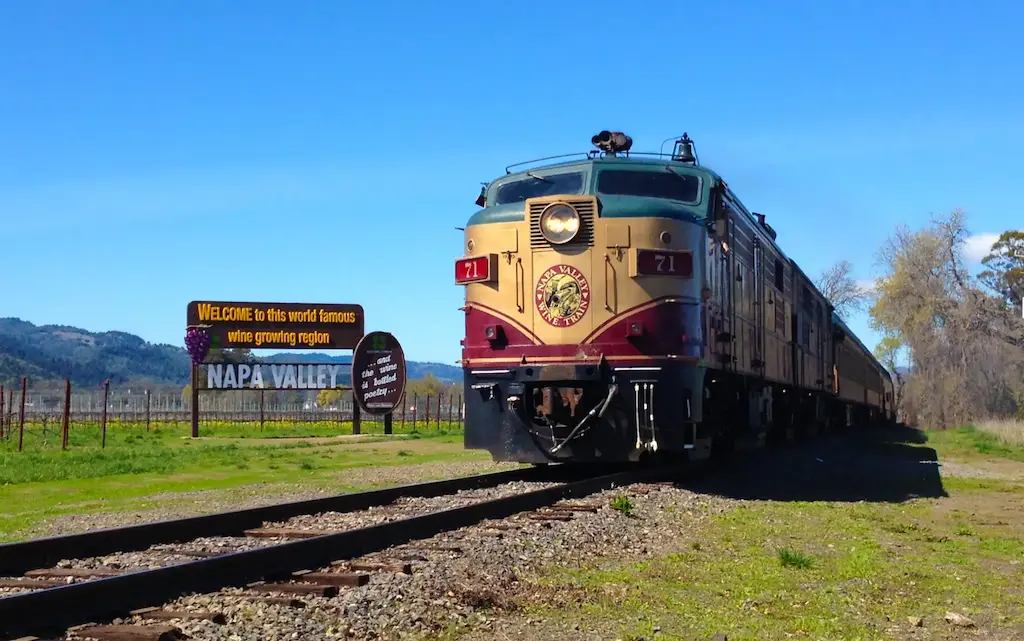
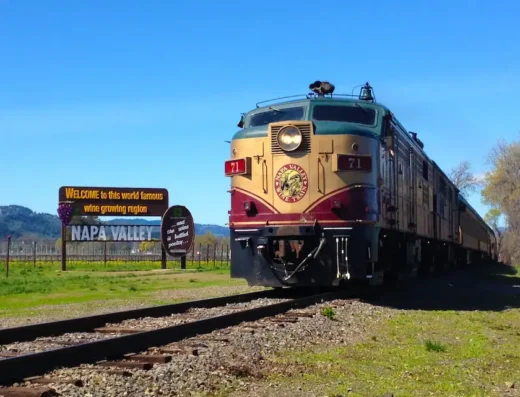
The Napa Valley Wine Train: For those who want to see the valley in one sweep, the Wine Train is a rolling restaurant in restored Pullman cars. It harks back to the golden age of rail travel. Whether you choose the “Quattro Vino” tour or a simple dinner run, it’s about the clink of silverware and the changing landscape through large mahogany-framed windows
-
Local Gastronomy: What to Taste Absolutely The Napa Valley Foodie experience
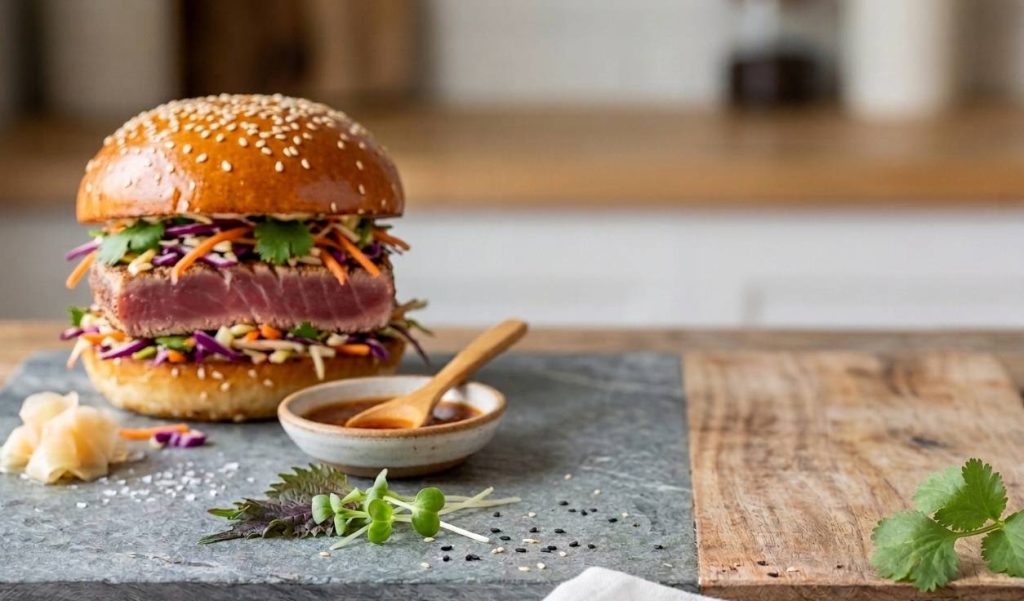
Ahi Burger
Napa’s culinary scene is as prestigious as its wine, focusing on hyper-local ingredients and artisanal craftsmanship.
-
-
Model Bakery’s English Muffins: These are colossal, deep-fried in butter, and famous enough to be on Oprah’s “Favorite Things” list. They are the essential Napa breakfast.
-
The Muffaletta at Oakville Grocery: Grab this legendary sandwich at California’s oldest continually operating grocery store (since 1881). It is the gold standard for a vineyard picnic.
-
Gott’s Roadside Ahi Burger: A Napa institution serving rare Ahi tuna burgers and local wine in paper cups at an upscale take on the classic American drive-in.
-
Mt. Tam Cheese: A buttery, triple-cream cow’s milk cheese from Cowgirl Creamery. It is the “official” cheese of Napa picnics and pairs perfectly with local Chardonnay.
-
Meyer Lemon Specialties: In the spring, local citrus is used in everything from vinaigrettes to delicate tarts found in Yountville bakeries.
-
Liberty Duck: A staple on Michelin-starred menus, this locally raised poultry is prized for its tender, rich flavor.
-
Wild Mushroom Risotto: During the winter “Cabernet Season,” menus feature locally foraged porcini or chanterelles.
-
Artisanal Charcuterie: Visit Fatted Calf in the Oxbow Market for locally cured meats that rival the best of Europe.
-
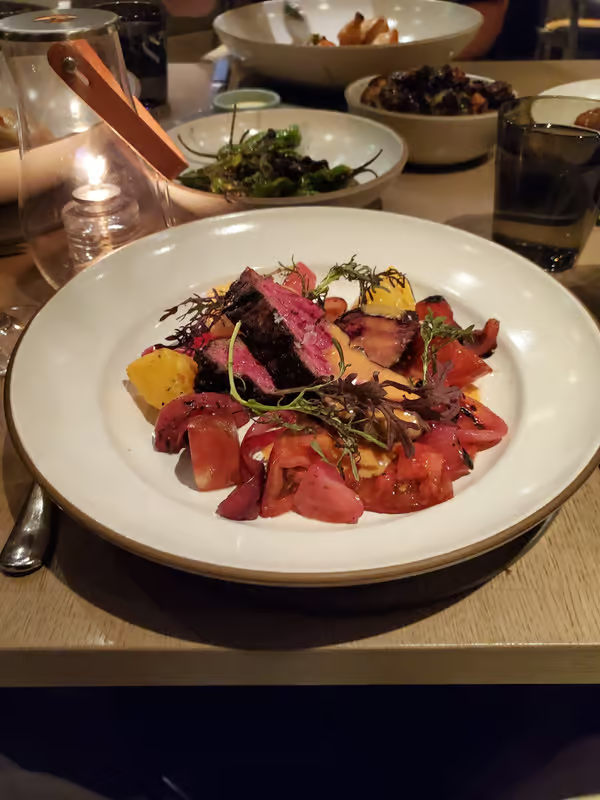
Stone Fruit and Heirloom Tomatoes: In the summer, farm stands overflow with sun-ripened produce that becomes the focal point of the valley’s “farm-to-table” dining.
-
Plan your Transportation Planning Your Pilgrimage in Napa Valley
Drunk driving is strictly enforced in California. Having a dedicated plan for your Wine tasting days is essential for both safety and the quality of your experience.
-
Private Chauffeur & Designated Drivers: This is the gold standard for Napa travel. You can hire a professional driver to drive your own rental car (starting at $55–$75/hr) or provide a luxury SUV (starting at $110–$170/hr). These drivers often act as concierges, using their local connections to secure last-minute reservations at fully booked estates.
-
Rideshare (Uber/Lyft): Plentiful in the town of Napa, Yountville, and St. Helena. However, be extremely cautious when visiting wineries on Howell Mountain, Mount Veeder, or the far north of Calistoga—cell service is spotty and drivers are rare. Always pre-schedule your return ride before the tasting begins.
-
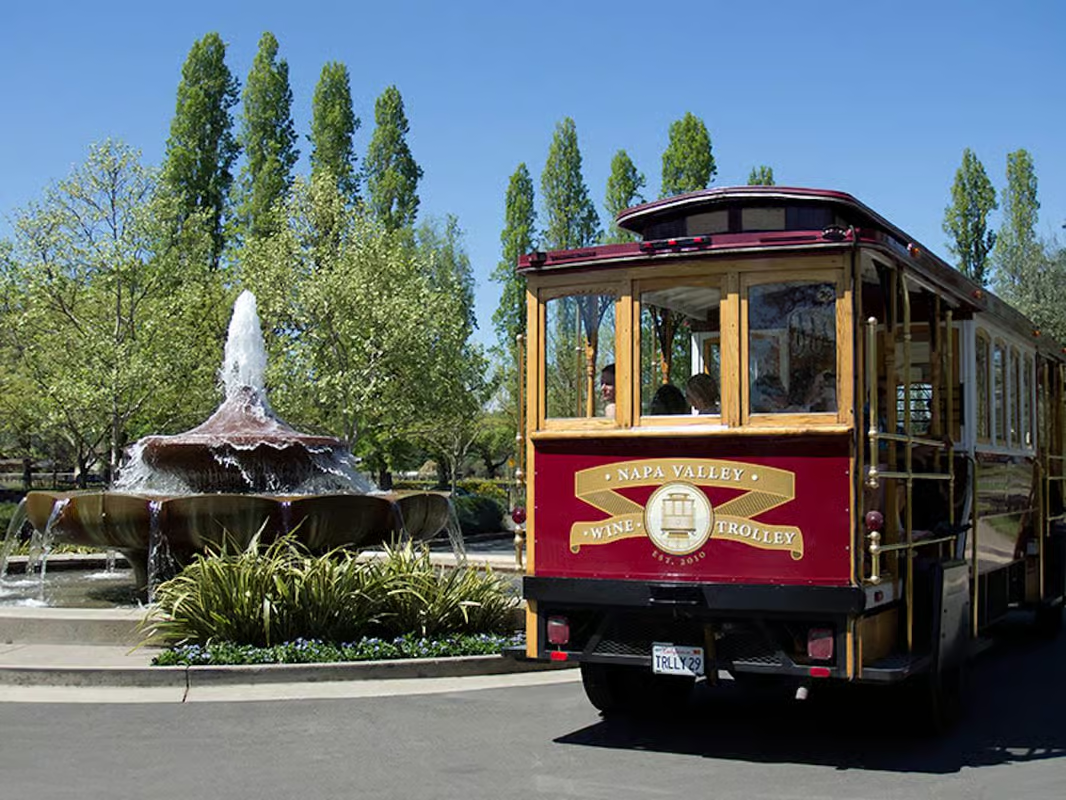
Napa Valley Wine Trolley: For a more social, nostalgic experience, these open-air cable car replicas tour the valley floor, stopping at three or four pre-selected wineries and providing a catered lunch.
-
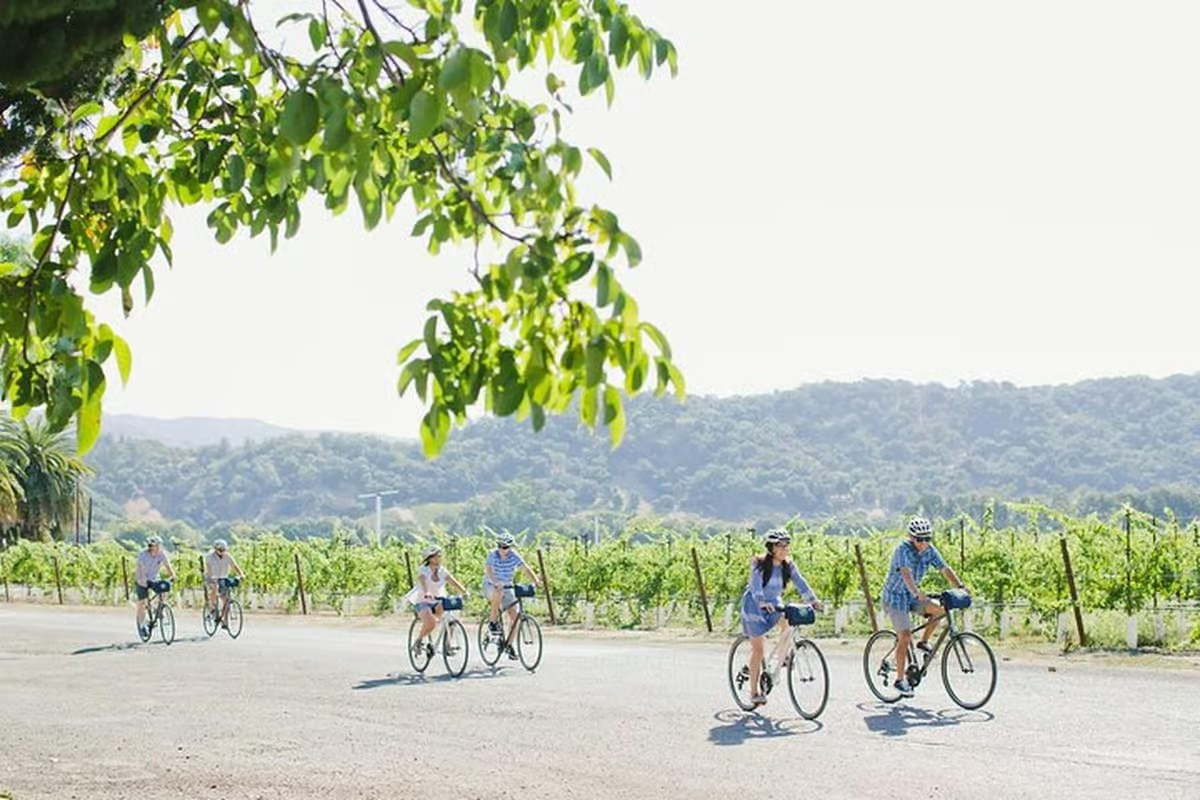
E-Biking the Vine Trail: The Napa Valley Vine Trail is an ambitious project providing a paved, car-free path through the heart of the vineyards. Renting a high-end e-bike in Yountville allows you to visit three to four wineries in a 10-mile radius without the stress of parking or traffic.
-
Napa Valley Wine Train: This is a 36-mile round-trip journey between Napa and St. Helena. It is an effortless way to see the valley floor while enjoying a multi-course meal in restored 1915-1917 Pullman cars.
-
Pre-Booked Private Shuttles: For groups of 6 or more, booking a private Mercedes Sprinter van for the day is the most cost-effective and comfortable way to ensure everyone stays together and arrives safely.
Shipping Costs, Payments modes How to Bring Your Favorite Wines Home
-
Acquiring a collection of world-class wines is only half the battle; getting them home safely is the other. Shipping wine is a highly regulated and complex logistical feat. Here is everything you need to know about the costs and laws involved:
-
Domestic Shipping (Within the USA): Domestic logistics are relatively straightforward but vary by state due to “Direct-to-Consumer” (DTC) shipping laws.
-
Cost: Expect to pay between $50 – $95 per case (12 bottles) for ground shipping. Overnight or 2-day air can spike costs to $150 – $250 per case.
-
Wine Clubs: This is the secret to saving. Almost every Estate offers “Penny Shipping” or flat-rate $20 shipping for members. If you plan to buy more than 6 bottles, joining the club often pays for itself in shipping savings alone.
-
Weather Holds: During peak Summer (heat) or Winter (freeze), wineries will place “Weather Holds” on your shipment to protect the wine. If you need it immediately, you must pay for refrigerated “Cold Chain” transport, which adds a $30 – $50 premium per box.
-
-
European Union & United Kingdom: Shipping to Europe is expensive due to the weight of the glass and air-freight requirements.
-
Cost: Logistics providers like Buffalo Shipping or Wine-Searcher partners typically charge $180 – $320 per case.
-
Duties & Taxes: You are responsible for VAT (usually 20%) plus excise duties upon arrival. Some high-end Estates can facilitate “all-in” pricing where duties are pre-paid, but this is rare. Expect the final cost per bottle to increase by roughly $15 – $25 after all fees.
-
-
Canada: Canada has some of the strictest wine import laws in the world.
-
Cost: Shipping typically costs $150 – $250 per case.
-
Logistics: Shipments must often go through provincial liquor boards (LCBO in Ontario, SAQ in Quebec). The “Landed Cost” is the real shock—between provincial markups, GST, and luxury taxes, you may end up paying 60% to 100% of the wine’s original retail value just to clear customs.
-
-
Asia (Hong Kong, Japan, Singapore):
-
Hong Kong: A wine lover’s paradise. HK has 0% wine tax, meaning you only pay for the freight (approx. $200 – $350 per case for temperature-controlled air).
-
Japan/Singapore: High excise taxes apply. Shipping remains in the $250+ per case range, with duties calculated based on alcohol content.
-
-
Pro-Tip (The Wine Check): For those who want to avoid shipping fees, consider a Wine Check—a specialized, padded luggage piece that holds 12 bottles. Most airlines allow this as a checked bag. Even with an “Oversize” or “Extra Bag” fee of $50 – $100, it is often the cheapest way to transport your Wine tasting finds.
-
Payment Methods
Visa, Mastercard, and American Express are universally accepted at every Estate and restaurant. Most tasting rooms are now fully equipped for “contactless” payments via Apple Pay or Google Pay. It is advisable to keep a small amount of cash ($10–$20 bills) for tipping valets, tour drivers, or housekeeping at luxury resorts.
-