Table of Contents
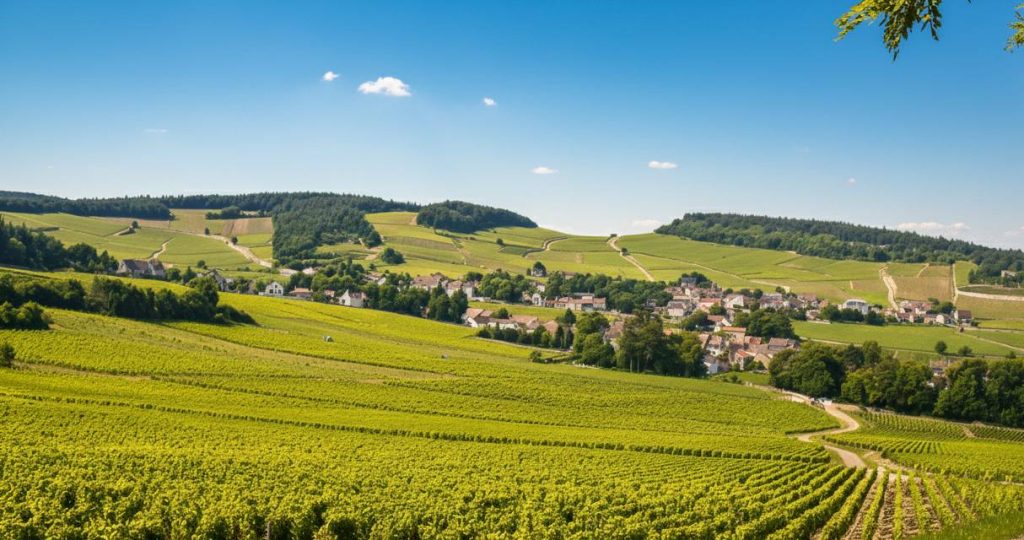
There is a profound sense of relief that washes over you as you cross the southern border of the Côte de Beaune and enter the Côte Chalonnaise. For me, this is where the true, rural heart of Burgundy beats loudest. Far from the sometimes intimidating glitz of its northern neighbors, the Côte Chalonnaise has always welcomed me with a disarming simplicity and an unparalleled generosity of spirit.
I vividly remember a late afternoon in Givry; the setting sun was setting the limestone walls of the vineyards ablaze in a warm, golden hue. I sat on a stone bench with a glass of Pinot Noir, chatting with a local winemaker who still had the dark earth of his “Climat” under his fingernails. We didn’t talk about market prices or investment portfolios; we talked about the wind, the drainage of the slope, and the patience required to let a wine find its voice. This raw, unpretentious connection to the land is what defines the region. Here, luxury isn’t found in gold-leafed gates, but in the crystalline purity of an Aligoté from Bouzeron or the serene, structural power of a Mercurey Premier Cru.
It is a landscape where vineyards play hide-and-seek with lush pastures and dense forests, offering a visual diversity that invites slow exploration. For any true wine lover, the Côte Chalonnaise is not merely a stopover on the way to the south—it is a destination of its own, a sanctuary for those seeking excellence without the ego, and deep vinous pleasure without the ostentation. It is Burgundy, unfiltered and unforgettable.
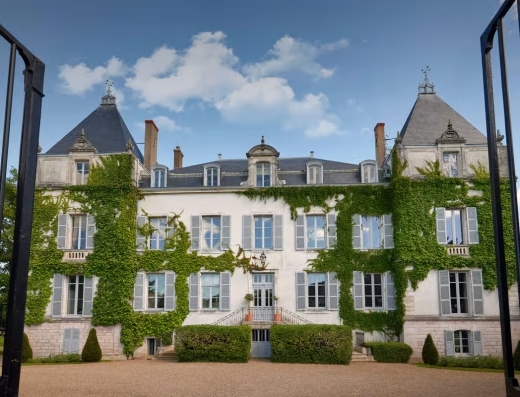
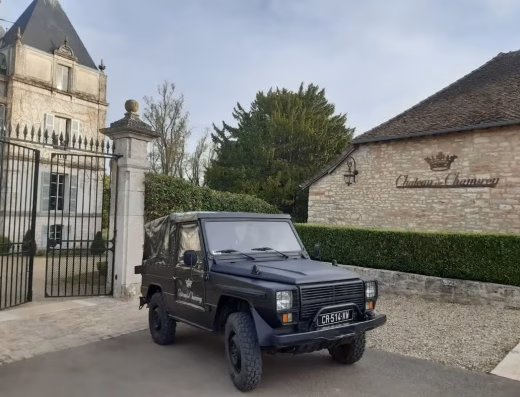
The Côte Chalonnaise: Where the Earth Finds its Rhythm
Planning a wine tour or Winery in Côte Chalonnaise How to go there
Navigating your way to this vinous paradise is simpler than many realize. Because the region sits at a geographical crossroads in eastern France, it is exceptionally well-connected by high-speed rail and major motorways, making it an accessible weekend escape or a deep-dive week-long destination.
-
By Plane: The primary international gateway is Lyon-Saint Exupéry (LYS), located approximately 1 hour and 30 minutes south by car. Alternatively, Geneva (GVA) in Switzerland is about 2 hours and 15 minutes away. For those arriving via Paris, Charles de Gaulle (CDG) is connected via a direct high-speed train to the region. For private aviation, the Chalon-Champforgeuil airfield is located right in the heart of the wine route.
-
By Train: The Le Creusot – Montchanin TGV station is the region’s magic carpet. It is just 1 hour and 20 minutes from Paris and 40 minutes from Lyon. From the station, you are only a 15-minute drive from the first vineyards.
-
By Road: The A6 motorway (The Sun Highway) bisects the region. Use the Chalon Nord (Exit 25) or Chalon Sud (Exit 26) ramps to enter the wine route immediately and begin your journey.
Book your Train or Flight Ticket to Côte Chalonnaise
Rent a Car in Côte Chalonnaise
Distances from Côte Chalonnaise Main Cities to Key Wine Regions
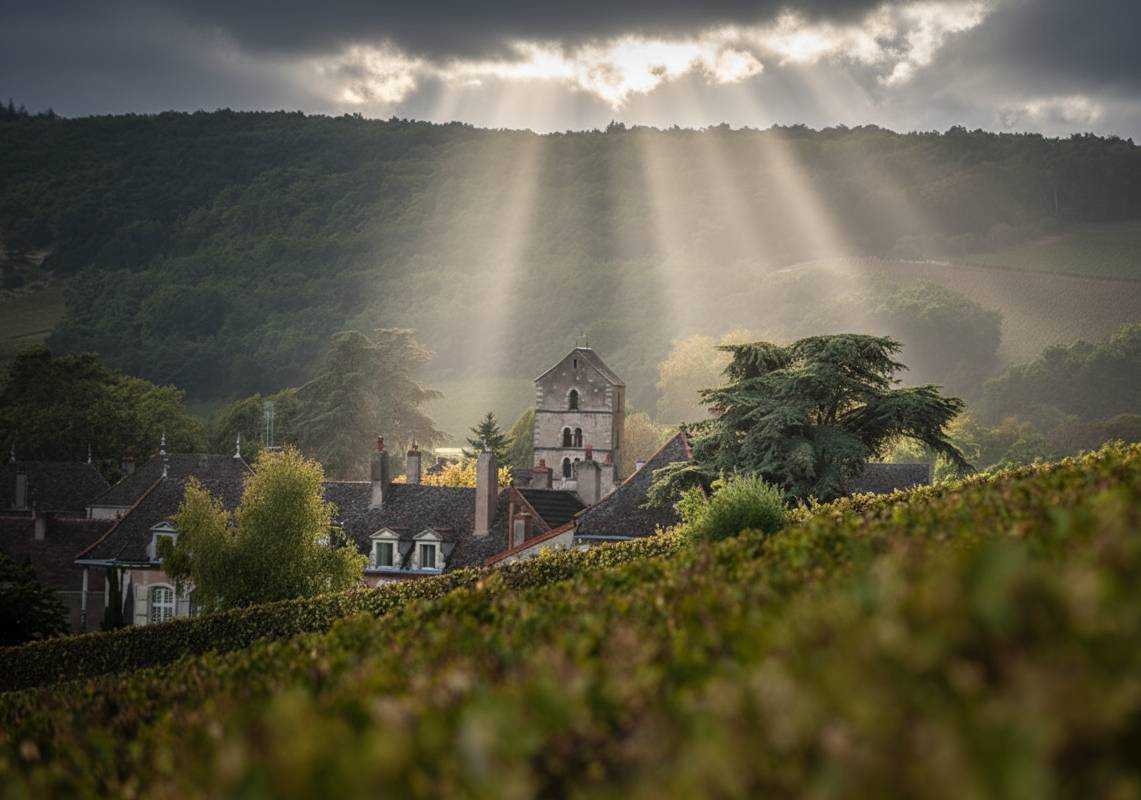
The Pretty village of Rully
One of the greatest joys of the Côte Chalonnaise is its compact nature. Unlike sprawling wine regions where you spend half the day in a car, here you can hop between world-class appellations in less time than it takes to finish a cup of coffee, allowing for a relaxed pace and spontaneous stops at an inviting Estate.
-
Chalon-sur-Saône to Rully: 20 minutes (18 km) via the D981. This route takes you through rolling hills and past ancient stone quarries.
-
Chalon-sur-Saône to Mercurey: 15 minutes (13 km) via the D978. A quick drive that lands you in the largest and most famous red-wine hub of the region.
-
Chalon-sur-Saône to Givry: 12 minutes (10 km) via the D69. This is a beautiful, flat drive that leads directly into the heart of the medieval village.
-
Chalon-sur-Saône to Montagny-lès-Buxy: 25 minutes (20 km) via the D981. A scenic southern route that rewards you with stunning limestone slopes.
-
Beaune to Mercurey: 30 minutes (30 km). If you are staying in the “Wine Capital,” the drive south to the Chalonnaise is a perfect day trip through the vines.
Budgeting Your Côte Chalonnaise wine tour experience
Planning your finances for a Burgundy trip often leads to “sticker shock,” but the Côte Chalonnaise is the refreshing exception. This region offers a high-tier lifestyle at a mid-tier price point, making it possible to extend your stay or indulge in a few extra cases of wine.
-
Accommodation:
-
Budget: €75 – €110 per night. You will find charming Gîtes and independent inns that offer clean, rustic comfort and a warm “local” welcome.
-
Mid-range: €130 – €200 per night. This is the sweet spot for the region—think beautifully renovated Châteaux or upscale Bed & Breakfasts nestled directly in the vineyards.
-
Luxury: €280 – €500+ per night. While rarer than in Beaune, there are stunning boutique hotels and private manor houses offering five-star amenities and gourmet breakfasts.
-
-
Dining:
-
Casual: €25 – €40 for a traditional three-course “Menu du Marché” at a local bistro.
-
Fine Dining: €60 – €150 per person. The region boasts several Michelin-starred and recommended spots where the wine list is as impressive as the plate.
-
-
Wine Experiences:
-
Standard Wine tasting: Often €15 – €25, though frequently waived if you purchase 6 bottles or more.
-
Private tour: €40 – €80. This usually includes a deep dive into the cellar, a walk through a specific “Climat,” and a tasting of library vintages or Premier Crus.
-
Find the Best Places to Stay in Côte Chalonnaise
Best Period to visit Côte Chalonnaise
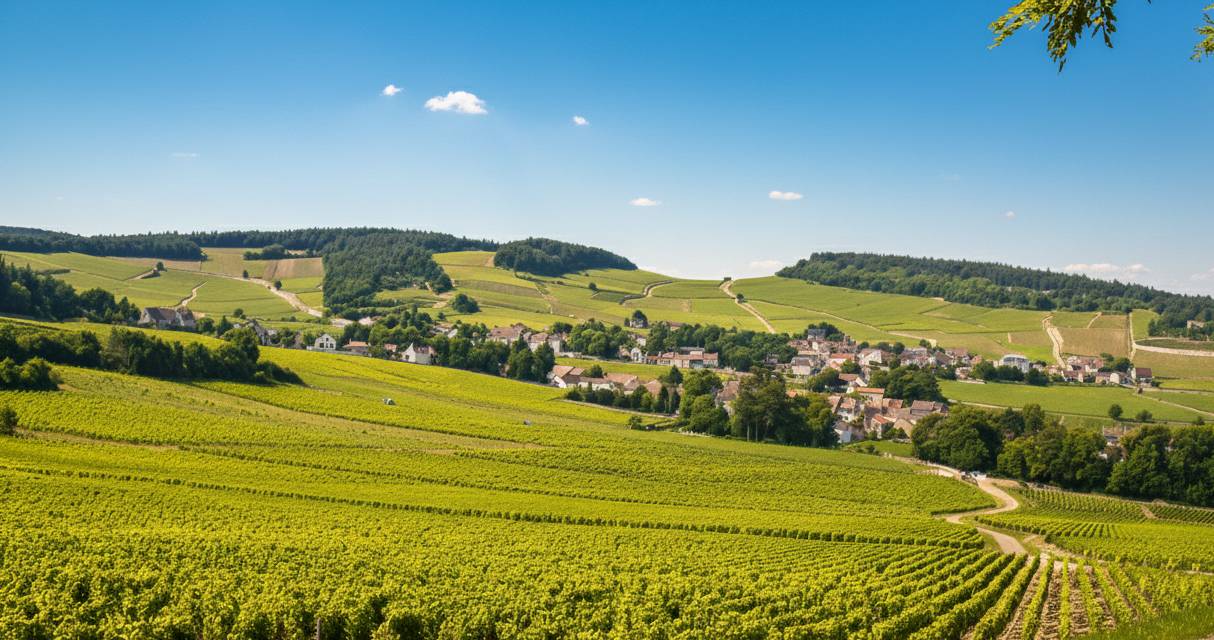
Vineyards of Mercurey
The rhythm of the Côte Chalonnaise is a dance with nature, and each season paints the landscape in a different light. Choosing when to visit depends entirely on whether you seek the high-energy buzz of the harvest or the quiet, intellectual solace of the cellar.
-
Spring: Rebirth (April to June): This is arguably the most beautiful time for nature lovers. As the sap rises, the vineyards burst into a vibrant, neon green. The weather is crisp and invigorating, ideal for long cycling trips along the Voie Verte. During this period, winemakers are finishing their spring pruning and are generally more available for a Private tour. It is the season of Aligoté and fresh goat cheese—a time of renewal where the terraces in Chalon-sur-Saône begin to hum with life again, but without the dense crowds of the peak summer months.
-
Summer: Peak (July and August): Summer in the Chalonnaise is an explosion of light and warmth. The days are long, allowing for sun-drenched Wine tasting sessions that bleed into late-night dinners under the stars. This is the season of festivals, outdoor concerts in village squares, and vibrant morning markets. The vineyards are lush and full, providing a stunning backdrop for photography. While it is the “Peak” tourist season, the region still feels remarkably spacious compared to the Côte d’Or, though booking your Estate visits in advance is highly recommended.
-
Autumn: Harvest (September and October): This is the soul of the wine year. The atmosphere is electric; the air is thick with the sweet, heavy scent of fermenting grapes and the sound of tractors echoing through the valleys. The foliage transforms into a mosaic of burning oranges and deep golds—the true “Golden Slope.” Visiting now means witnessing the “Vendanges” firsthand. While winemakers are at their busiest, many Châteaux offer special harvest-themed tours. It is the best time for those who want to feel the raw energy and tradition of winemaking in its most intense form.
-
Winter: Quiet (November to March): When the leaves fall and the mists roll in from the Saône river, a peaceful “Quiet” descends upon the hills. This is the connoisseur’s season. The frantic pace of the harvest is over, and the winemakers retreat to the warmth of their cellars. If you visit now, a Wine tasting often turns into a two-hour masterclass. It is also the season of the Truffle and hearty Burgundian stews. There is nothing quite like a glass of aged Mercurey by a crackling fireplace in a stone-walled Estate while the winter frost settles on the dormant vines outside.
Main towns and places in Côte Chalonnaise Sanctuaries of Stone: The Towns That Guard the Vines
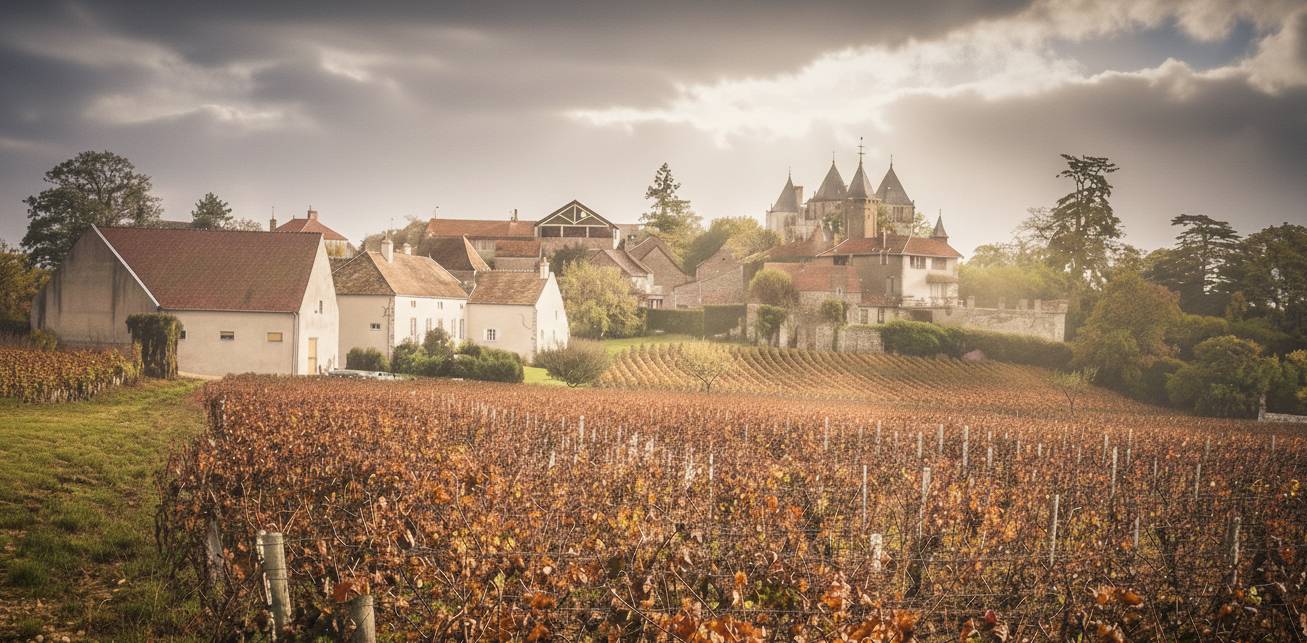
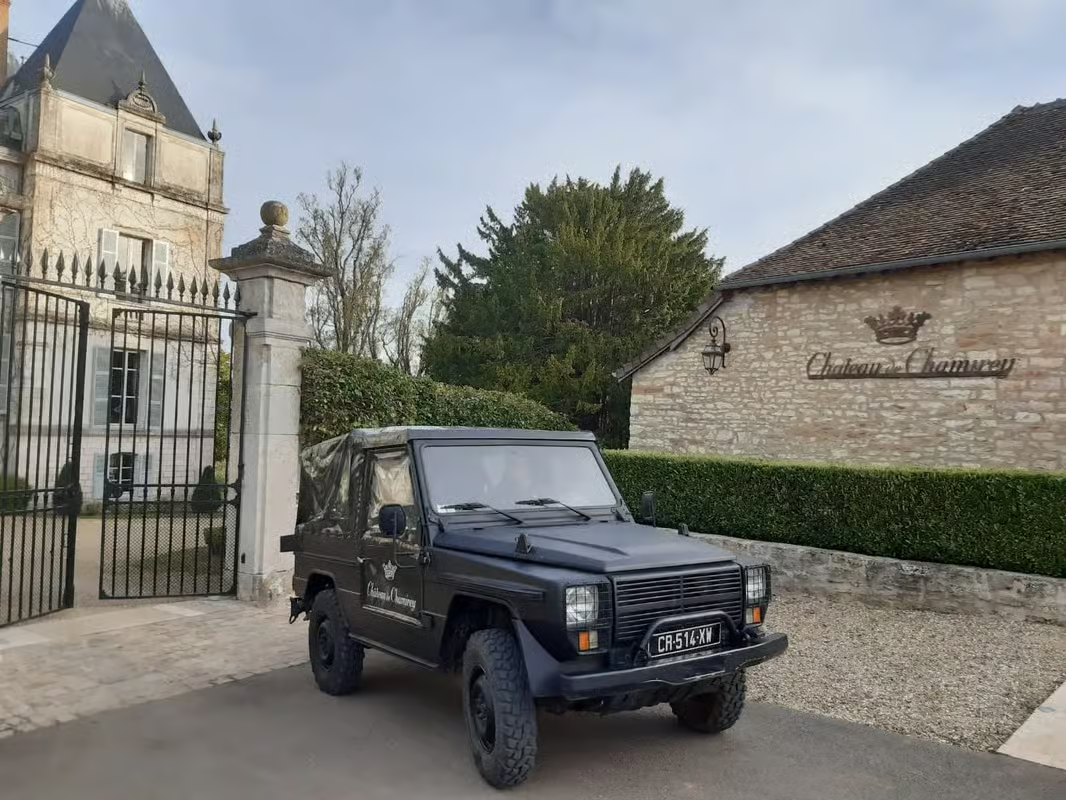
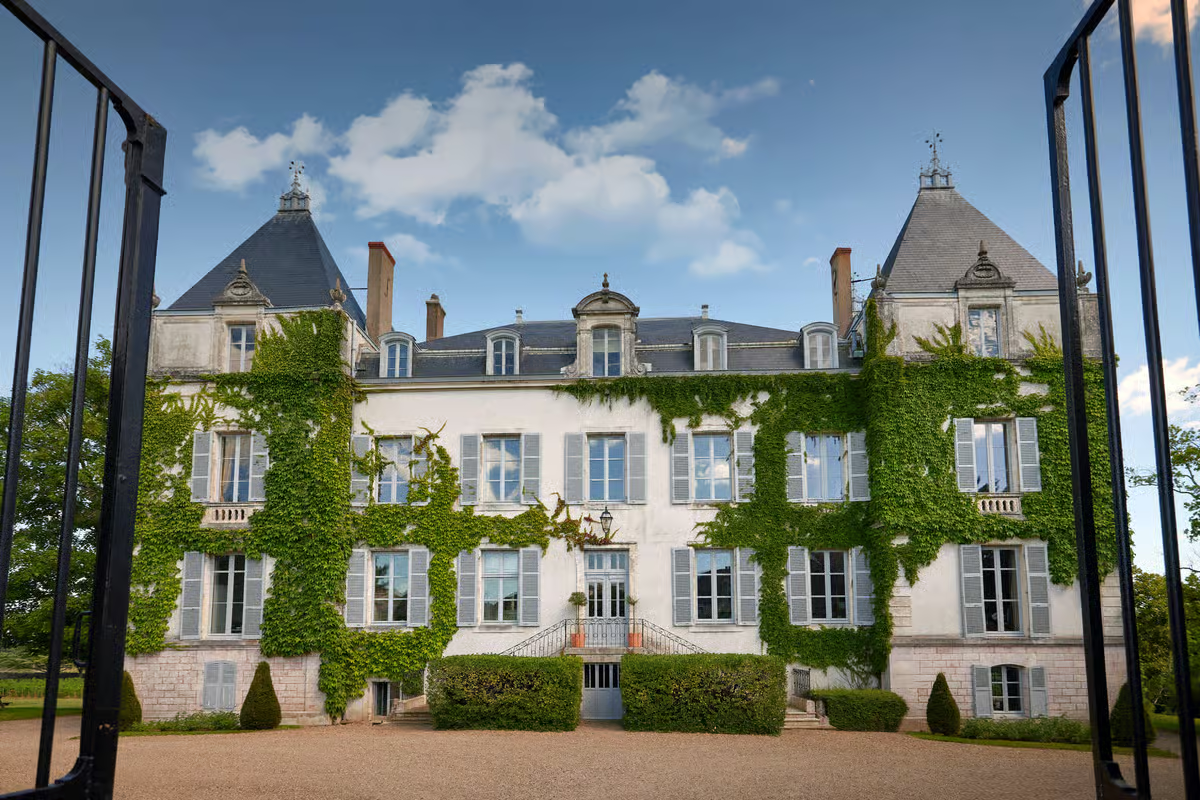
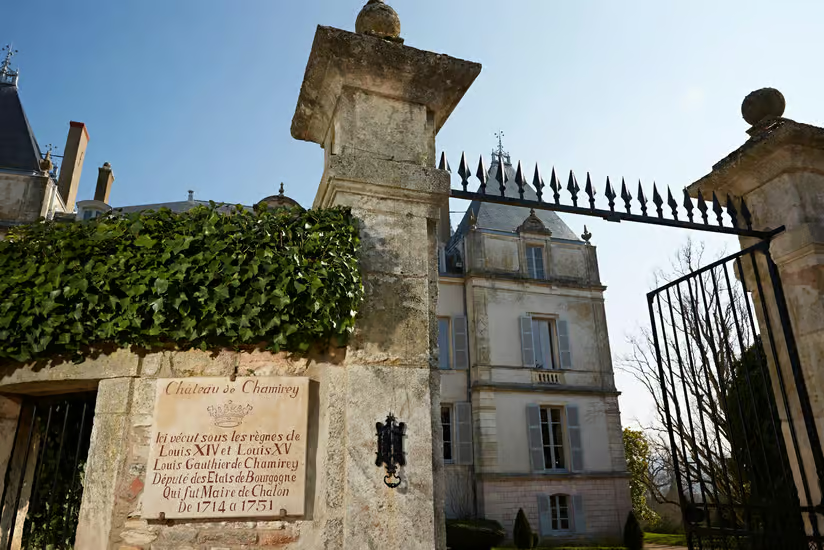
Mercurey and Chateau de Chamirey
The Côte Chalonnaise is defined by its distinct villages, each acting as a guardian of a specific terroir. To truly master the region, you must explore these five key hubs, each offering a unique atmosphere and a specific winemaking philosophy.
-
Rully: The White Wine Jewel: Rully is an elegant, tranquil village that serves as the northern gateway to the region. It is world-renowned for its Chardonnay, which rivals the greats of the Côte de Beaune for its tension and floral finesse. The atmosphere here is one of understated nobility, anchored by the stunning Château de Rully, a medieval fortress that has watched over these vines for centuries. For visitors, Rully is the perfect place for a refined Wine tasting of both still whites and the region’s famous Crémant de Bourgogne. It is a critical stop because it bridges the gap between the opulence of Meursault and the rustic charm of the south.
-
Mercurey: The Red Wine Powerhouse: Mercurey is the beating heart of the Côte Chalonnaise and its most famous appellation. The village itself is bustling and professional, reflecting its status as the region’s largest producer. Here, the Pinot Noir takes on a muscular, earthy, and sun-drenched character. With nearly 25% of its vineyards classified as Premier Cru, Mercurey is the ultimate destination for a serious Wine tasting of red Burgundy. The town is home to numerous high-end Estates and the “Caveau Divin,” making it the most important commercial and viticultural hub for red wine lovers.
-
Givry: The King’s Favorite: Enclosed by a circle of hills, Givry is a picturesque medieval village that feels like a film set. It gained historical fame as the preferred wine of King Henri IV. The atmosphere is intimate and artisanal; you won’t find industrial wine factories here, but rather small, family-run Estates tucked behind heavy wooden gates. Givry is prized for its spicy, elegant, and incredibly silky Pinot Noirs. A visit here is a “must” for the architecture alone, specifically the 18th-century circular grain market, which stands as a testament to the village’s long-standing prosperity.
-
Buxy & Montagny: The Limestone Stronghold: Buxy is a fortified hilltop village that serves as the center for the Montagny appellation. Unlike its neighbors, Montagny is dedicated exclusively to white wine. The town exudes a rugged, medieval charm with its narrow stone alleys and ancient ramparts. The wines here are defined by the high limestone content of the soil, resulting in Chardonnays that are remarkably mineral, fresh, and precise. Buxy is an essential wine hub because it offers some of the best value-for-money white wines in all of Burgundy, often discovered through a Private tour of its historic vaulted cellars.
-
Bouzeron: The Aligoté Exception: Located in a narrow valley at the northern tip of the region, Bouzeron is a small, quiet village with a massive reputation. It is the only village-level appellation in Burgundy dedicated solely to the Aligoté grape (specifically the “Aligoté Doré”). The atmosphere is modest and focused on the land. Visiting Bouzeron is a rite of passage for true wine geeks; it challenges the perception of Aligoté, offering wines with incredible depth, salinity, and aging potential. It is a tiny but vital hub that proves the Côte Chalonnaise’s incredible diversity of terroir.
Places to visit in Côte Chalonnaise Not to miss
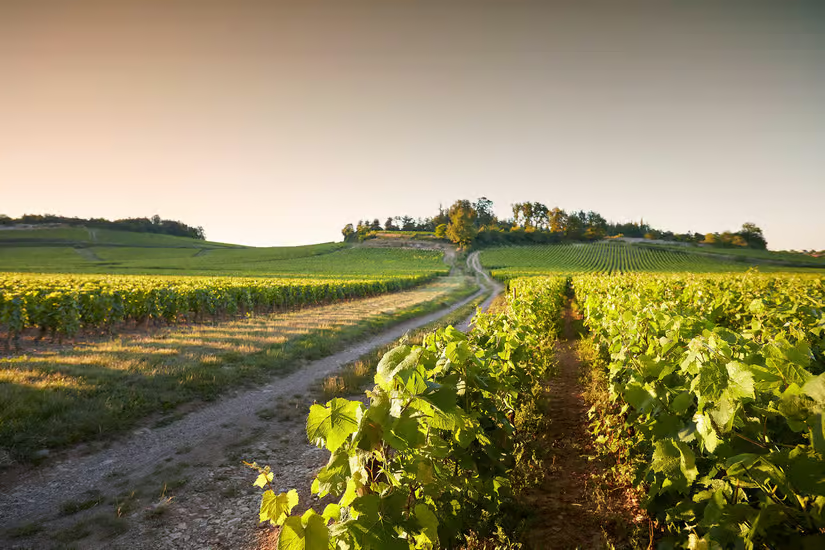
Vineyards of Mercurey
To truly understand the Côte Chalonnaise, you must step beyond the cellar door and immerse yourself in the textures of the land. This region is a playground for those who love history, nature, and the slow-living philosophy of provincial France.
-
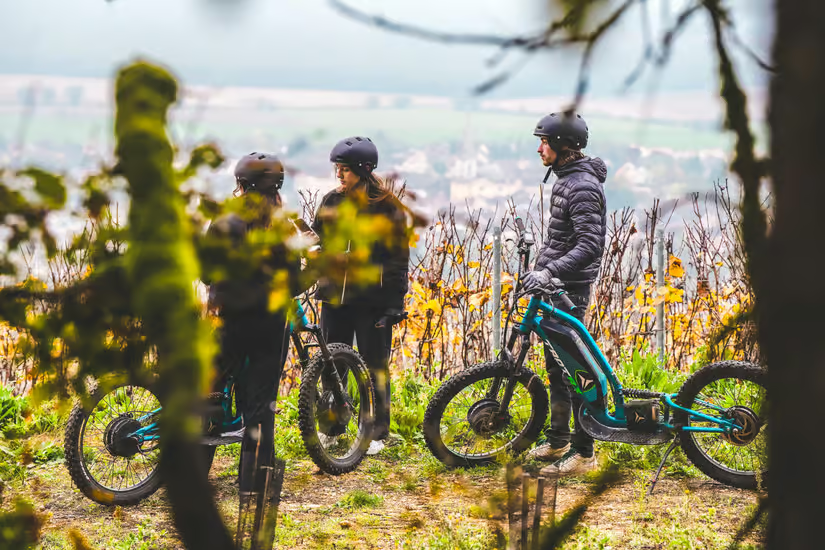
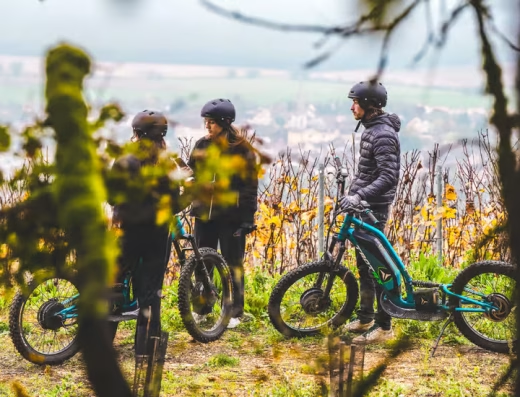
Cycling the Voie Verte (The Green Way): This is the quintessential Chalonnaise experience. Built upon a former railway line, this paved path stretches from Chalon-sur-Saône through the heart of the vineyards. I highly recommend renting an e-bike in Givry and riding toward Buxy. You will glide between ancient limestone slopes and the edge of the forest, offering an intimate view of the “Climats” that you simply cannot get from a car window. It is the best way to see the terroir up close at a human pace.
-
Explore the Château de Germolles: Located near Givry, this is not just another castle; it is the best-preserved residence of the Dukes of Burgundy. A Private tour here is like entering a time capsule. You can witness 14th-century wall paintings and original floor tiles that look exactly as they did when Philip the Bold walked these halls. It provides the essential historical context for why these wines became famous in the first place, long before the modern wine trade existed.
-
The Caveau Divin in Mercurey: If your time is limited but your curiosity is vast, this is your mecca. It is a collective tasting room where dozens of local producers showcase their best bottles in automated Enomatic dispensers. It allows you to create your own horizontal Wine tasting of Mercurey Premier Crus in a single hour. It is a brilliant way to compare different winemaking styles and vineyard exposures before deciding which individual Estate to visit for a deeper dive.
-
The Sunday Market in Chalon-sur-Saône: Set against the magnificent backdrop of the Saint-Vincent Cathedral, this is one of the most vibrant markets in Burgundy. It is a sensory explosion of local colors and scents. From artisanal “Bouton de Culotte” goat cheeses to crusty sourdough and locally cured meats, it is the perfect place to assemble a high-end picnic for your afternoon in the vines. Watching the locals negotiate over seasonal produce while the cathedral bells ring is an experience that stays with you forever.
Local Gastronomy: What to Taste Absolutely The Côte Chalonnaise Foodie experience
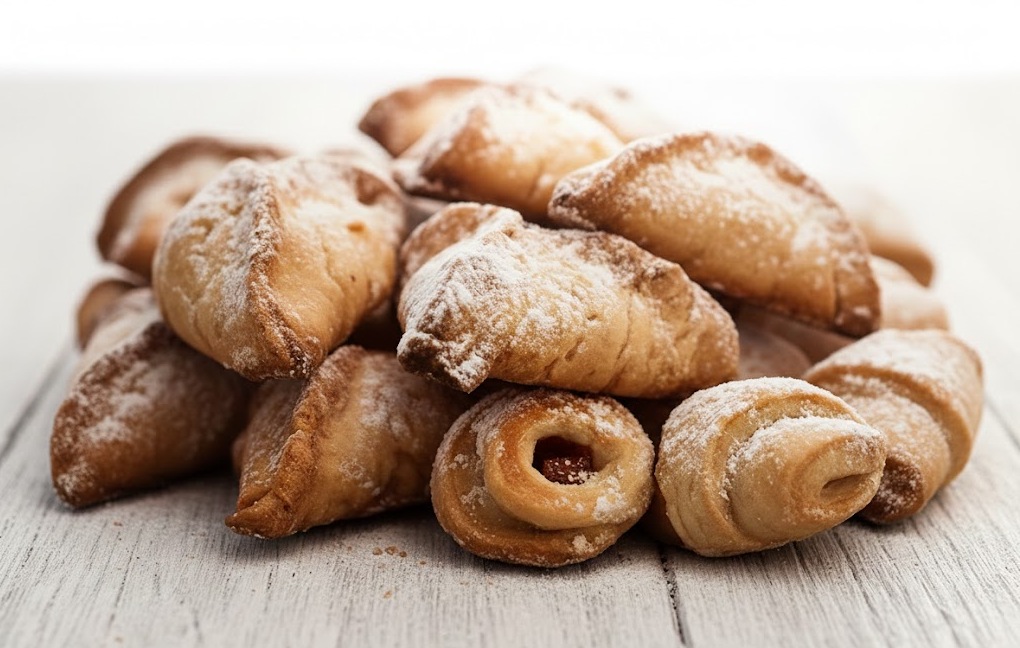
Corniottes from Chalon
The cuisine of the Côte Chalonnaise is a robust celebration of the “terroir,” where the products of the field, the pasture, and the river meet the elegance of the cellar. To eat here is to understand the soul of Burgundy through its flavors.
-
1. Iconic Dishes & Local Products
-
Oeufs en Meurette: Poached eggs bathed in a rich red wine reduction (ideally a structured Mercurey), with smoked lardons and mushrooms. It is the ultimate pairing for a spicy Givry Pinot Noir.
-
Jambon Persillé: A rustic terrine of ham hock and shoulder set in a jelly infused with fresh parsley and garlic. A true Chalonnaise version uses a splash of Aligoté from Bouzeron for a signature zing.
-
Gougères: Airy choux pastry puffs flavored with Comté cheese, served at every Wine tasting to highlight the mineral tension of a Rully Blanc.
-
Charolais Beef: Famous white cattle graze on the pastures west of the vines. Try it braised for 12 hours as Bœuf Bourguignon or as an Entrecôte grilled over dried vine shoots.
2. Local Cheeses: Beyond the Cow
Because the Côte Chalonnaise is the “gateway to the South,” the landscape shifts from lush cattle pastures to scrubby, limestone hills perfect for goats.
-
Le Charolais AOP: While the beef is famous, this goat cheese is the true hidden gem. It is a tall, cylindrical cheese with a natural blue-grey mold. In the Côte Chalonnaise (especially near Buxy), look for it “demi-sec”—it’s dense, slightly sweet, and has a characteristic vertical crack in the center.
-
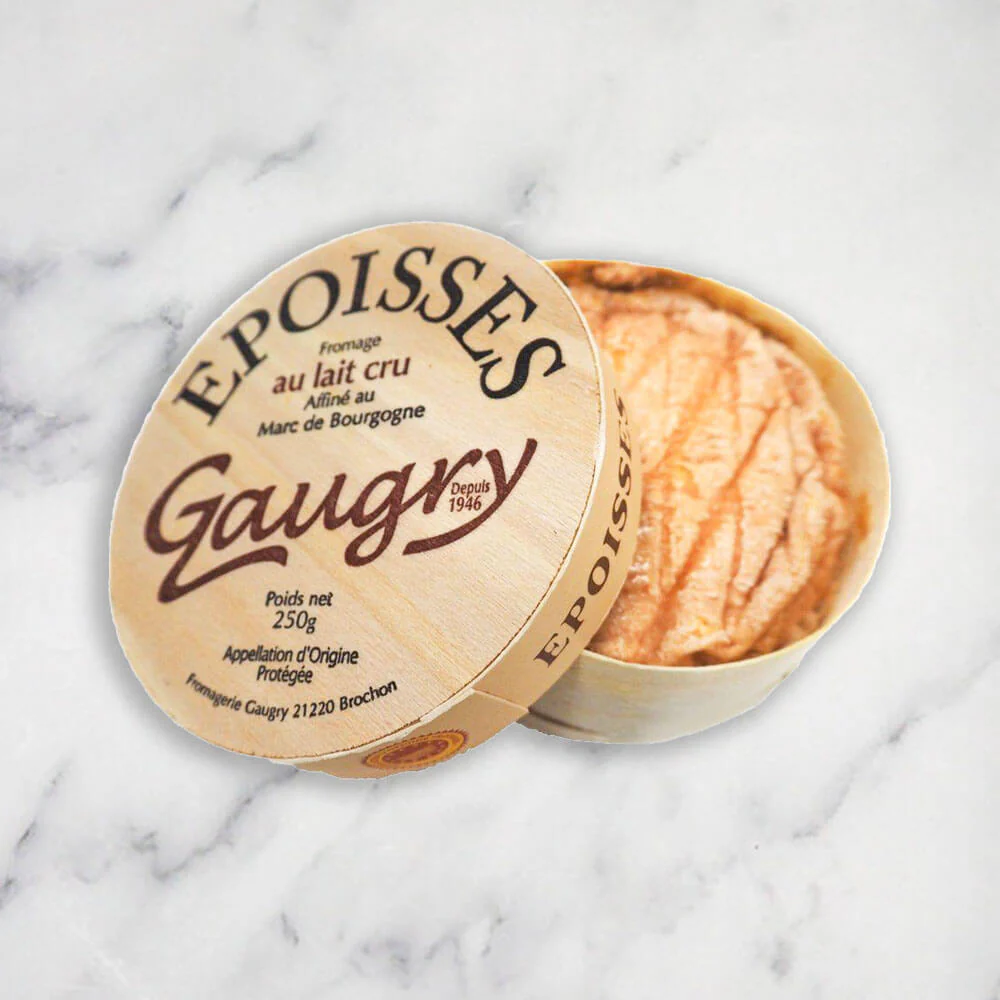
Ami du Chambertin (Local Adaptation): Although its origins are further north, several creameries near Chalon-sur-Saône make a local version of this washed-rind cheese, often using Marc de Bourgogne from the local distillery in Rully to wash the rind, giving it a pungent, boozy punch.
3. Specific Charcuterie & Savories
-
Grattons de Chalon: These are the local version of pork scratchings. Unlike airy versions, Grattons Chalonnais are small, dense, salty cubes of fried pork fat and meat. They are the mandatory snack served with a glass of Aligoté at any local Wine tasting.
-
Saucisson au Marc de Bourgogne: A dry-cured sausage where the meat has been macerated in local grape brandy. It’s darker and more “forest-like” in flavor than standard saucisson.
-
Pâté en Croûte (Chalonnaise Style): Local butchers in Givry often include Bresse poultry or local rabbit in the mix, reflecting the region’s proximity to the Bresse plains.
4. Sweets and Cakes: The Sugar of Chalon
-
Les Corniottes: The iconic pastry of the region. It is a triangular pastry made of choux or shortcrust dough, filled with a dense, sweet cheese curd. The name comes from the “cornes” (horns) of the tricorn hats once worn by local clergy.
-
Le Bourdon: A simple, honey-based gingerbread-style cake found near Mercurey, denser than usual and often filled with a thick layer of local apricot or vineyard peach jam.
-
Les Chalonnettes: Small, bite-sized chocolate truffles created in Chalon-sur-Saône, typically flavored with local hazelnuts or raspberries.
5. Unique Terroir Products
-
Vinaigre de l’Abbaye: Near the southern end of the Côte, artisanal vinegars are produced using “leftover” wines. Look for Bouzeron Aligoté Vinegar—it’s exceptionally sharp and floral, used locally to deglaze pans for chicken dishes.
-
Miel de Forêt (Forest Honey): The hills above the vineyards are heavily wooded. Local honey from Rully or Fontaines is often dark, “meaty,” and intensely flavored with chestnut and oak.
-
Plan your Transportation Planning Your Pilgrimage in Côte Chalonnaise
The Côte Chalonnaise is a region meant for slow discovery, where the journey between two Estates is often as beautiful as the tasting itself. To truly unlock the secrets of these rolling hills, you must choose a mode of transport that balances flexibility with the indulgence of the wine.
-
Self-Driving (The Freedom of the Road): Renting a car remains the most popular way to navigate the region. Major international agencies (Avis, Europcar, Hertz) are located at the Le Creusot-Montchanin TGV station and in downtown Chalon-sur-Saône. Having your own vehicle allows you to explore the remote “haute-côtes” and carry back cases of wine comfortably. Pro Tip: The D981 and D122 are the most scenic arteries, winding through the valley floors and offering spectacular views of the vineyard amphitheaters.
-
The “Voie Verte” & Cycling (The Human Pace): This region is the birthplace of France’s first Green Way. This paved, car-free path follows an old railway line from Givry all the way to Cluny. Cycling is not just a leisure activity here; it is a way to feel the micro-climates of the terroir. Numerous rental shops in Givry and Buxy offer high-quality e-bikes (electrically assisted), which are essential for conquering the sudden, steep limestone ridges. It is perfectly safe and allows you to hop from one village Wine tasting to another while breathing in the scents of the vineyard.
-
Private Chauffeur & VTC (The Connoisseur’s Choice): If you plan on a serious day of tasting—perhaps visiting three or four Châteaux—hiring a private driver is the ultimate luxury and safety measure. Local specialized services offer half-day or full-day itineraries. These drivers are often local experts who can facilitate introductions at smaller, private Estates that are not usually open to the public. This removes the stress of navigation and legal limits, allowing you to focus entirely on the complexity of the wine.
-
Local TER Trains (The Village Hopper): While not as flexible, the local train network connects Chalon-sur-Saône to the northern hubs of Rully and Chagny. It is an affordable way to move between the larger towns, but be aware that the stations are often a 15-20 minute walk from the actual vineyard centers. For the southern appellations like Montagny, a car or bike is necessary.
-
Walking (The Slowest Sip): Many villages, particularly Givry and Mercurey,
Shipping Costs, Payments modes How to Bring Your Favorite Wines Home
Most major Estates have partnerships with global shippers to ensure your wine arrives safely at your doorstep.
-
European Union: Shipping is seamless. Expect to pay €50 – €80 for a case of 12 bottles. Delivery usually takes 3 to 7 business days with no customs duties.
-
USA: Shipping is available to most states. Costs are approximately €160 – €220 per 12-bottle case, which typically includes insurance and customs clearance. Delivery can take 2–4 weeks.
-
UK: Since Brexit, additional paperwork is required. Shipping for 12 bottles costs roughly €110 – €150, including customs handling fees and VAT.
-
Canada: This varies by province. Expect costs around €240+ per case due to provincial liquor board fees and strict import regulations.
Payment methods
-
Credit Cards: Visa and Mastercard are the gold standard and are accepted by virtually every Estate, hotel, and restaurant.
-
American Express: While accepted in high-end establishments and larger Châteaux, it is less common in smaller, family-run cellars.
-
Cash: Always carry some Euros for local farmers’ markets or very small tasting rooms in remote villages.
-