
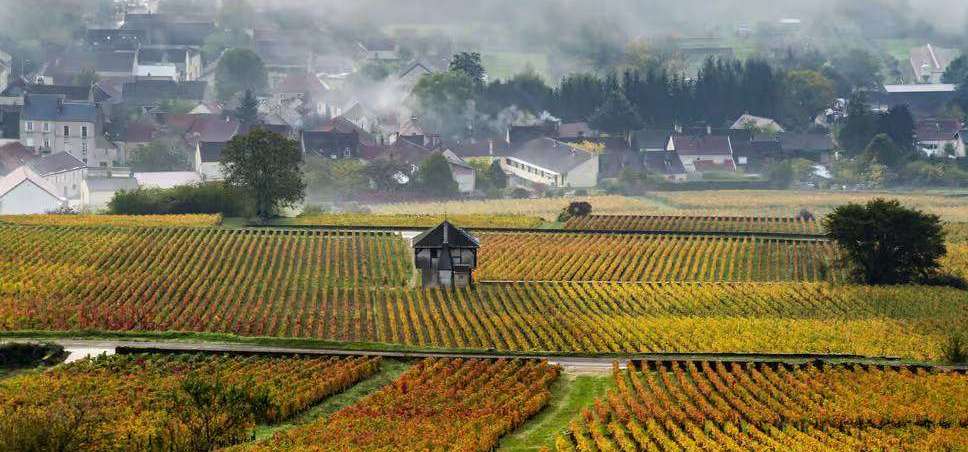
Discovering France's Vineyards A Journey Through Its Wine Heritage
Welcome to the heart of classic winemaking, where centuries of tradition, diverse terroirs, and unparalleled expertise have shaped the world’s most revered wines. France, with its picturesque landscapes, charming villages, and profound viticultural heritage, stands as the quintessential paradise for wine lovers. This comprehensive guide invites you on an immersive journey through France wine country, exploring its storied history, iconic French wine regions, the nuances of its appellation system, its foundational grape varieties, and the irresistible connection between French wine and its celebrated gastronomy
History of French wine production. Roots of Excellence: An Historical Perspective on French Winemaking
The narrative of winemaking in France is a testament to its cultural and historical significance, a tradition that has evolved with the country itself.
From Antiquity to the Romans
The very first vines were introduced to France’s southern coast by Greek colonists around 600 BC, who founded the city of Massalia (modern-day Marseille). However, it was the Romans who truly established the French wine industry as a commercial powerhouse. From their base in Narbonne, they spread viticulture throughout the region, developing large-scale vineyards and introducing sophisticated winemaking techniques. By the 2nd century AD, Roman demand and trade had propelled French wine production northwards along the major river valleys of the Rhône, Garonne, and Loire, laying the groundwork for many of today’s most famous wine regions.
The Age of the Monasteries and the Feudal Lords
After the fall of the Roman Empire, winemaking was preserved and perfected by the Catholic Church. Monasteries, particularly those of the Benedictine and Cistercian orders, became the central hubs of viticultural knowledge. The monks meticulously studied the effects of different soils and microclimates on the grapes, documenting their findings and establishing the concept of the climat in Burgundy, which still defines its vineyards today. Simultaneously, the English acquisition of the Bordeaux region in the 12th century, through the marriage of Eleanor of Aquitaine and Henry II, established a massive and profitable trade route, cementing Bordeaux’s future as a global wine hub.
The Renaissance and the Birth of Sparkling Wine
As France emerged from the Middle Ages, winemaking became a symbol of prosperity and sophistication for the nobility and the merchant class. In the 17th century, a breakthrough occurred in the cool, northern region of Champagne. Though he didn’t invent the process, a Benedictine monk named Dom Pérignon made critical advancements in the production of what would become sparkling wine. He championed the blending of grapes from different vineyards to improve quality and consistency, laying the foundation for the region’s famous bubbly. During this period, wines began to be bottled and sealed with corks, allowing for extended aging and further enhancing their complexity.
Phylloxera and the Modern Era
The 19th century brought an unprecedented crisis: the phylloxera aphid, accidentally imported from North America, began to systematically destroy Europe’s vineyards. By the end of the century, nearly all of France’s vines had been wiped out. The French wine industry was saved only by a drastic measure: grafting French vines onto American rootstock, which was naturally resistant to the pest. The replanting process was a turning point, leading to the creation of the Appellation d’Origine Contrôlée (AOC) system in the 1930s. This legal framework was a response to widespread fraud after the phylloxera crisis, creating a set of strict rules to guarantee the origin, quality, and authenticity of French wines, a system that still governs the industry today.
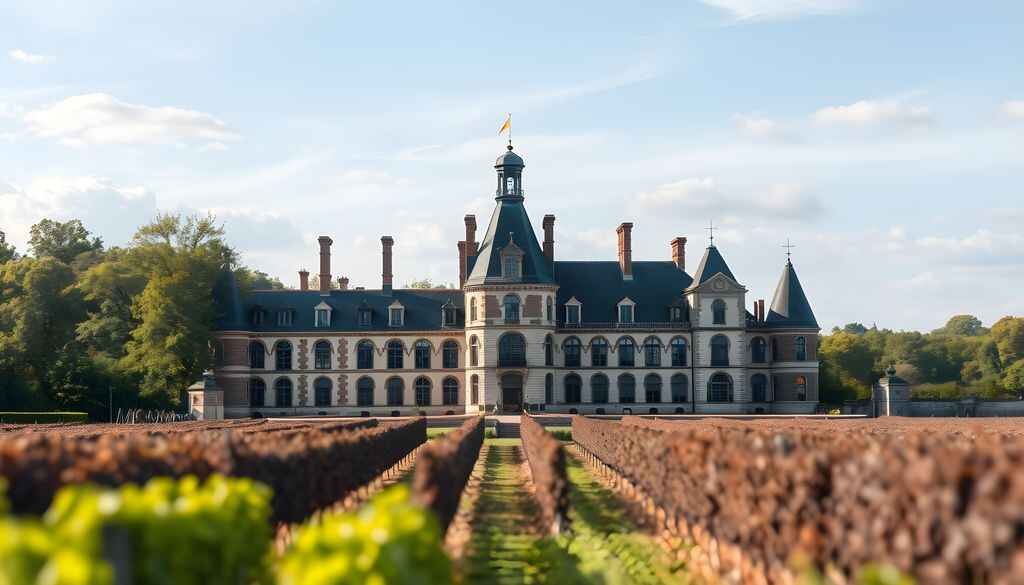
Decoding French Wine Appellations (AOP/AOC The Regulatory Framework:
France’s appellation system is one of the oldest and most influential in the world, serving as a model for many other wine-producing countries. Its core purpose is to guarantee the origin, style, and quality of a wine based on its terroir.
AOP (Appellation d’Origine Protégée – Protected Designation of Origin)
Since 2009, this is the overarching EU classification, largely replacing the traditional French AOC. It signifies wines with strict geographical and production regulations, ensuring authenticity and quality linked to a specific place.
AOC (Appellation d’Origine Contrôlée – Controlled Designation of Origin)
This is the traditional French designation within the AOP framework. An AOC specifies precise geographical boundaries, permitted grape varieties, maximum yields, minimum alcohol levels, winemaking techniques, and even aging requirements. The hierarchy can be very granular, from broad regional AOCs (e.g., Bourgogne AOC) down to village-specific AOCs (e.g., Gevrey-Chambertin AOC) and even single-vineyard Premier Cru or Grand Cru appellations (e.g., Romanée-Conti Grand Cru). There are over 360 AOCs for wine and spirits in France.
IGP (Indication Géographique Protégée – Protected Geographical Indication)
Formerly known as Vin de Pays (Country Wine), this category offers more flexibility than AOP/AOC. While still tied to a specific geographical area, the rules regarding grape varieties, yields, and winemaking are less restrictive. This allows winemakers more freedom to innovate and often produces excellent value wines. Examples include Pays d’Oc IGP.
Vin de France (Wine of France)
This is the most basic classification, replacing the former Vin de Table (Table Wine). It allows winemakers the greatest freedom, with no specific geographical origin or grape variety restrictions on the label (though it must be 100% French). Quality can vary widely, but some adventurous producers use this category for experimental wines that fall outside traditional AOC rules.
The hierarchical nature of the AOP/AOC system, particularly in regions like Burgundy and Bordeaux, can be complex but provides a roadmap to understanding the expected style and quality of a wine based solely on its label.
France’s Most Significant Grape Varieties
French winemakers work with a wide range of grape varieties, from ancient indigenous grapes to popular international varieties. Each region has its own signature grapes that are best suited to its specific terroir.
Signature White Grapes and Styles
Chardonnay:
The most important white grape in France, it is used to produce a wide range of styles, from the lean, mineral-driven wines of Chablis to the rich, buttery whites of Burgundy.
Sauvignon Blanc:
This grape is known for its crisp, high-acid style with notes of citrus, green apple, and a distinct herbal character. It is the signature grape of the Loire Valley and Bordeaux.
Chenin Blanc:
A highly versatile grape from the Loire Valley, it can produce everything from bone-dry, crisp wines to sweet dessert wines and elegant sparkling wines. It is known for its high acidity and notes of honey, quince, and green apple.
Viognier:
The signature white grape of the Northern Rhône, Viognier produces full-bodied, aromatic wines with notes of apricot, peach, and a distinct floral character.
Melon de Bourgogne:
This grape is the signature of the Muscadet region in the western Loire Valley. It produces light-bodied, crisp, and saline-driven wines that are a classic pairing for oysters and other seafood.
Gewürztraminer:
A highly aromatic grape from Alsace, it produces full-bodied wines with a distinct spicy character and notes of lychee, rose, and ginger.
Riesling:
The signature white grape of Alsace, it is known for its elegant, aromatic style with notes of green apple, citrus, and a distinct flinty minerality.
Signature Red Grapes and Styles
Pinot Noir:
The most important red grape of Burgundy, it is known for its light-bodied, elegant style with notes of red cherry and a hint of spice. It is a chameleon grape that truly expresses its terroir.
Cabernet Sauvignon:
This grape is known for its ability to produce a wide range of styles, from light, fruity rosés to structured, age-worthy reds. It is a cornerstone of the Bordeaux blend.
Merlot:
This grape is known for its plush, full-bodied style with notes of plum and a hint of spice. It is also a cornerstone of the Bordeaux blend.
Syrah:
The signature red grape of the Northern Rhône, Syrah produces dark, structured, and powerful wines with notes of black pepper, blackberry, and cured meat. It is a key component in the blends of the Southern Rhône as well.
Grenache:
A key grape of the Southern Rhône, Grenache produces ripe, full-bodied wines with soft tannins and notes of raspberry, cherry, and spice. It is the backbone of the famous Châteauneuf-du-Pape blend.
Mourvèdre:
This grape is known for its savory, structured style with notes of dark fruit, pepper, and a distinct gamey character. It is often used in blends in the Southern Rhône and Provence.
Gamay:
The signature red grape of Beaujolais, Gamay produces light-bodied, fruity, and easy-drinking wines with notes of red cherry and a hint of spice.
Cabernet Franc:
A key grape of the Loire Valley, Cabernet Franc produces elegant, herbaceous red wines with notes of red fruit, bell pepper, and graphite.
A Tour Through France Wine regions and Their Signature Styles Regional Character
France is divided into numerous distinct wine regions (11 majors) each defined by its unique climate, geological formations, traditional grape varieties, and winemaking philosophies. This diversity results in an unparalleled spectrum of wine styles.
Bordeaux: The Home of Legendary Blends
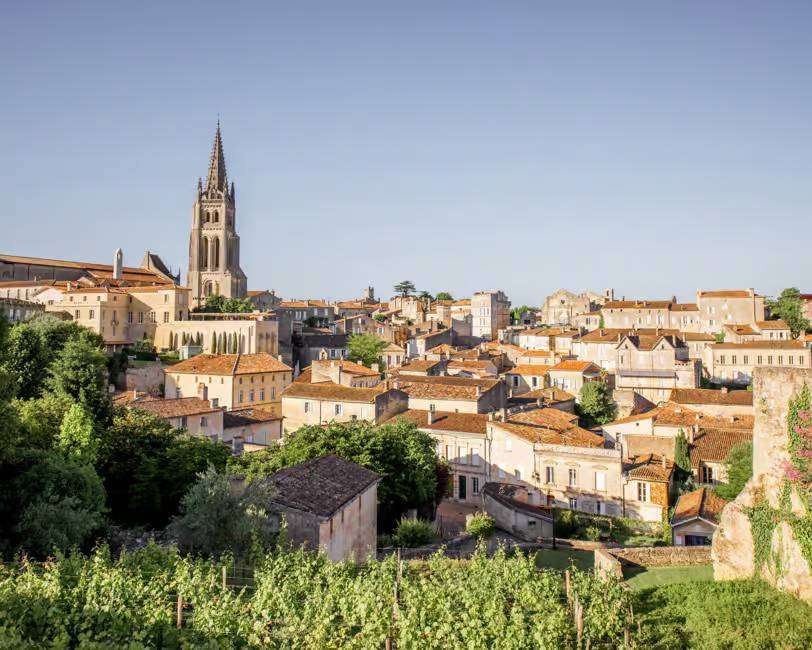
Located in the southwest, straddling the Gironde estuary, Bordeaux is synonymous with world-renowned red blends and sophisticated whites. Its temperate climate, moderated by the Atlantic Ocean and the Gironde River, provides ideal conditions for grape ripening, while diverse soil types, from gravel to clay and limestone, contribute to the region’s complexity. Bordeaux is broadly divided by the Gironde into the Left Bank and Right Bank, each favoring different grape varieties and yielding distinct styles.
Left Bank (Médoc, Graves, Sauternes)
Dominated by Cabernet Sauvignon, often blended with Merlot and Cabernet Franc. The gravelly soils here are perfect for Cabernet Sauvignon, producing wines known for their firm structure, high tannins, and intense flavors of blackcurrant, cedar, tobacco, and graphite. These wines are typically powerful, age-worthy, and highly prized. Key appellations include Pauillac (producing rich, powerful wines), Margaux (elegant, aromatic), Saint-Julien (balanced, refined), and Saint-Estèphe (structured, robust). Further south in Graves, Pessac-Léognan produces excellent red and dry white wines (Sauvignon Blanc and Sémillon). The region is also home to the luscious sweet wines of Sauternes and Barsac, made from Sémillon, Sauvignon Blanc, and Muscadelle grapes affected by noble rot, yielding wines with honeyed apricot, citrus marmalade, and floral notes.
Right Bank (Saint-Émilion, Pomerol)
Here, Merlot reigns supreme, often blended with Cabernet Franc. The clay and limestone soils are particularly suited to Merlot, resulting in wines that are generally softer, more voluptuous, and fruitier (red plum, cherry, black raspberry), with notes of chocolate, truffle, and sometimes violet. They tend to be more approachable in their youth than Left Bank reds. Saint-Émilion, with its ancient town and diverse soils, offers a range of styles from elegant to powerful. Pomerol, though small, produces some of the most highly sought-after and expensive wines in the world, known for their richness and velvety texture.
Find Your Ultimate
Bordeaux wine experience
A curated collection of wine experiences to inspire your next wine trip
Burgundy (Bourgogne): Terroir in Every Bottle
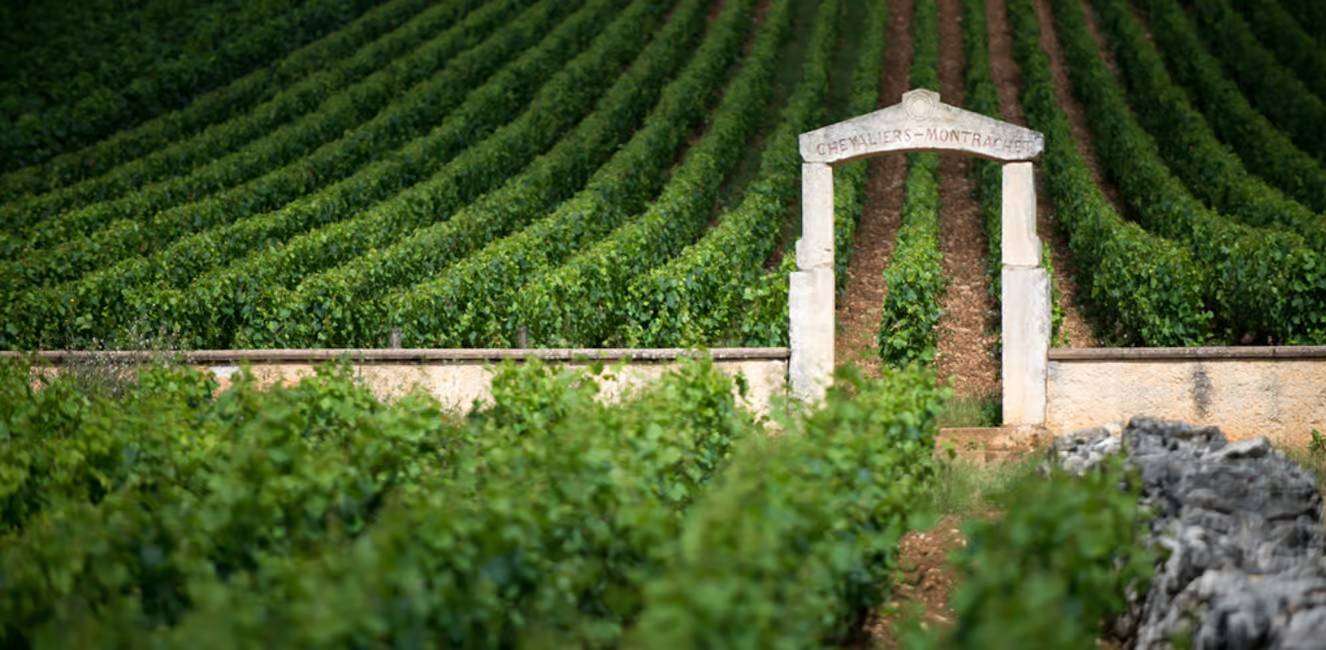
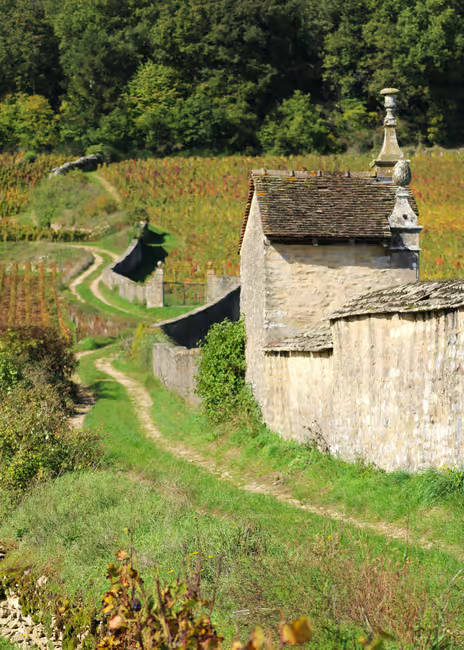
Burgundy is famous for its mosaic of “climats”
Burgundy is not a single region but a complex mosaic of small vineyards (climats), often walled (clos), each with unique geological features and microclimates. This focus on terroir makes Burgundy the ultimate expression of the interplay between land, grape, and human hand. It is primarily a region of single-varietal wines, focusing almost exclusively on Pinot Noir for reds and Chardonnay for whites.
Chablis:
Located in the cooler, northernmost part of Burgundy, Chablis is renowned for its crisp, bone-dry white wines made exclusively from Chardonnay. The distinctive Kimmeridgian clay soils, rich in marine fossils, impart a unique steely minerality, high acidity, and notes of green apple, citrus, and a characteristic “oyster shell” or flinty aroma. These wines are typically unoaked to preserve their purity and freshness.
Côte de Nuits:
This narrow strip of vineyards in the northern part of the Côte d’Or is the heartland of Burgundy’s most prestigious red wines, almost exclusively made from Pinot Noir. Known for producing powerful, structured, and age-worthy reds, the Côte de Nuits wines often exhibit complex aromas of red and black fruits, forest floor, mushroom, and savory notes that develop beautifully with age. Famous appellations include Gevrey-Chambertin (robust, masculine), Chambolle-Musigny (elegant, perfumed), Vosne-Romanée (rich, velvety, with spicy notes), and Nuits-Saint-Georges (firm, earthy).
Côte de Beaune:
South of the Côte de Nuits, the Côte de Beaune is celebrated for its world-class white wines made from Chardonnay, though it also produces excellent Pinot Noir. The Chardonnay wines here are typically richer, fuller-bodied, and often undergo barrel fermentation and aging, developing notes of apple, pear, hazelnut, butter, and toast. Key white wine appellations include Meursault, Puligny-Montrachet, and Chassagne-Montrachet. For reds, Volnay and Pommard produce elegant to structured Pinot Noirs.
The Mâconnais:
Further south, the Mâconnais is known for its more generous and immediately approachable Chardonnay wines. Wines like Pouilly-Fuissé, Saint-Véran, and Viré-Clessé are generally fruitier, with notes of white peach, melon, and citrus, and are less reliant on oak aging, offering a delightful and often excellent value expression of Burgundian Chardonnay.
Côte Chalonnaise:
Situated just south of the Côte de Beaune, this region offers more accessible yet still high-quality Burgundy wines. It’s known for both excellent Pinot Noir and Chardonnay, often at a more approachable price point than its northern neighbors. Appellations like Mercurey and Givry produce vibrant, fruity reds, while Rully and Montagny are celebrated for their crisp, elegant Chardonnays, with Rully also producing some sparkling Crémant de Bourgogne.
Beaujolais:
Though often considered a separate region due to its distinct grape variety and winemaking methods, Beaujolais is technically the southernmost sub-region of Burgundy. It is known almost exclusively for its vibrant, fruit-driven red wines made from Gamay grapes. Utilizing carbonic maceration, these wines are typically light-bodied with bright red fruit (cherry, raspberry), banana, and bubblegum notes. While Beaujolais Nouveau gains global attention for its early release, the ten “Cru” villages (e.g., Morgon, Fleurie, Moulin-à-Vent) produce more serious, structured wines that can age gracefully and often exhibit a complexity akin to their Pinot Noir cousins.
Discover Burgundy, the land of Pinot Noir and Chardonnay
A curated collection of wine experiences to inspire your next wine trip in Burgundy
Champagne: The World’s Signature Sparkle
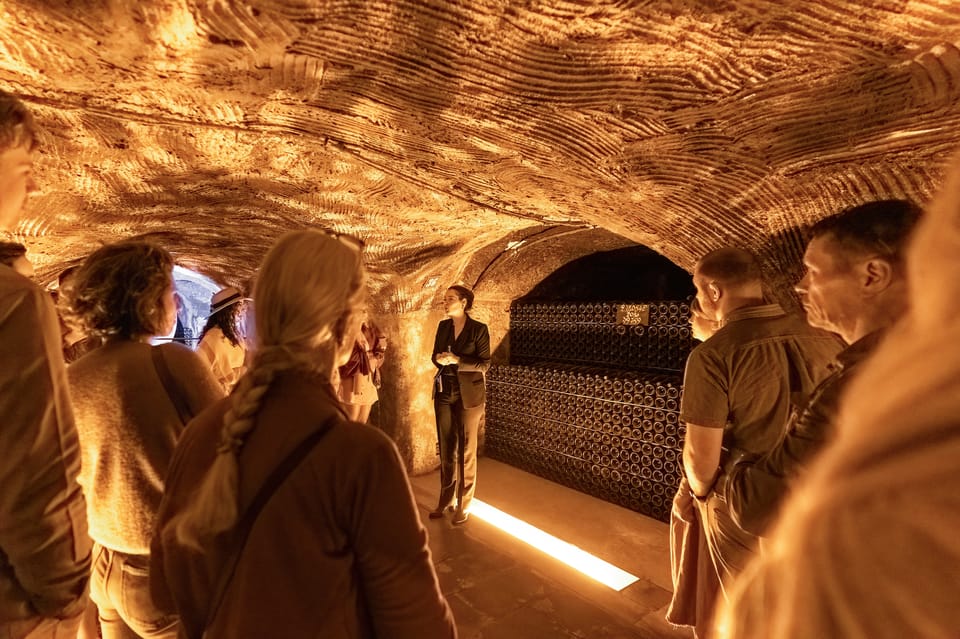
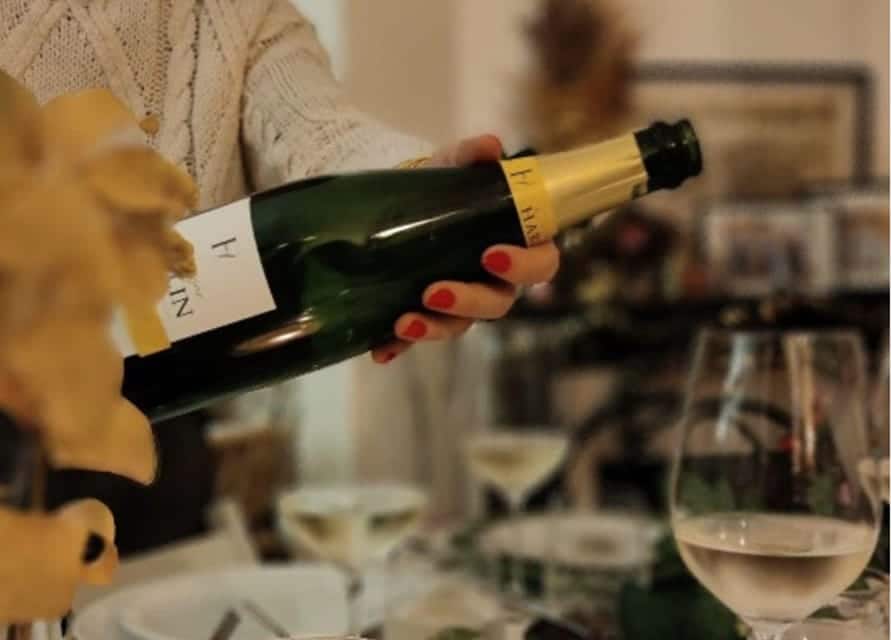
Located northeast of Paris, Champagne is a region defined by its cool, challenging climate, chalky soils, and the meticulous Méthode Champenoise (also known as Méthode Traditionnelle) – the process of secondary fermentation in the bottle that creates its signature effervescence. Champagne is the undisputed home of the world’s most prestigious sparkling wine.
Grape Varieties:
The production is primarily based on three grape varieties: Chardonnay (contributing elegance, freshness, and citrus notes), Pinot Noir (providing structure, body, and red fruit character), and Pinot Meunier (offering fruitiness, roundness, and often notes of apple). Although, there are other grape varieties permitted in AOC Champagne: Arbane, Petit Meslier, Pinot Blanc, and Pinot Gris
Styles:
Characterized by fine, persistent bubbles, high acidity, and complex aromas of brioche, toast, green apple, citrus, and sometimes nutty or mushroom notes (especially in aged examples). Champagne can be Brut (dry), Extra Dry, Sec, or Demi-Sec (sweet), depending on the dosage. Further categorizations include non-vintage (a blend of multiple vintages), vintage (from a single, exceptional year), Blanc de Blancs (100% Chardonnay), Blanc de Noirs (100% Pinot Noir and/or Pinot Meunier), and Rosé Champagne. The major sub-regions include the Montagne de Reims (Pinot Noir), Côte des Blancs (Chardonnay), Vallée de la Marne (Pinot Meunier), and the Aube (Pinot Noir, with a distinct character).
Champagne, the homeland of finest bubbles
A curated collection of wine experiences to inspire your next wine trip in Champagne
Rhône Valley: Power and Spice from North to South
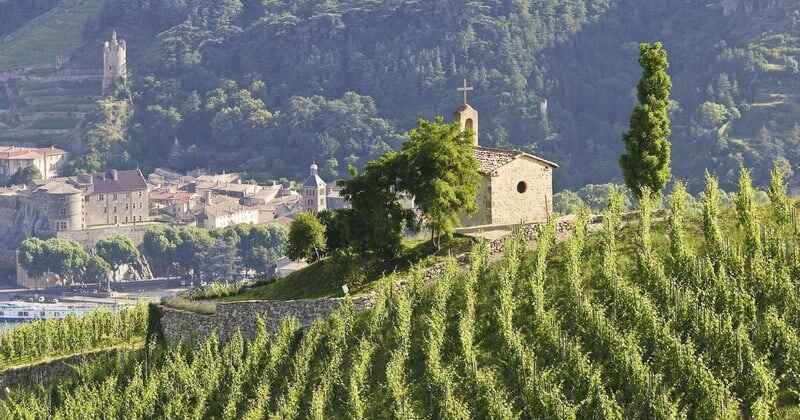
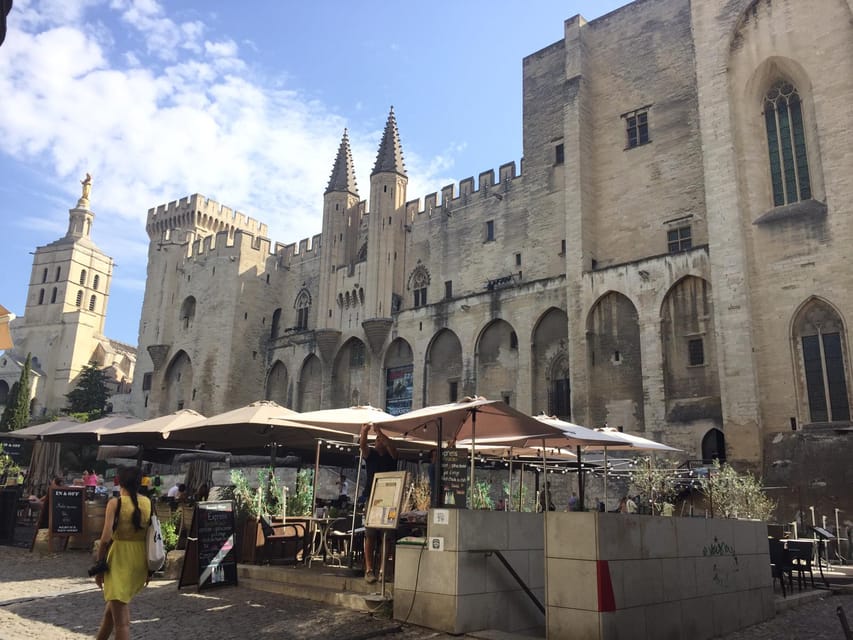
Chapelle de l’Hermitage
Stretching almost 150 miles south from Lyon to Avignon, the Rhône Valley is a diverse region broadly divided into two distinct parts, each with its own climate, topography, and favored grape varieties.
Northern Rhône:
This narrower, cooler section is characterized by steep, granite-rich hillsides and a continental climate. It is almost exclusively dedicated to single-varietal wines. Syrah is the sole red grape, producing powerful, intensely aromatic reds with notes of black pepper, violet, olive, bacon fat, and smoked meat. Appellations like Côte-Rôtie (elegant, perfumed, sometimes with Viognier co-fermented), Hermitage (structured, age-worthy), and Crozes-Hermitage (more approachable) are celebrated. For whites, Viognier is the star, yielding full-bodied, aromatic wines with notes of apricot, white flowers, and honeysuckle, particularly in Condrieu.
Southern Rhône:
A broader, warmer, and flatter region with a Mediterranean climate and the iconic galets roulés (rounded stones) in its vineyards. Here, wines are predominantly red blends, often based on Grenache, with Syrah, Mourvèdre, Cinsault, and other local varieties playing supporting roles. These reds are typically rich, warm, and often spicy, with flavors of ripe red fruit, garrigue (wild herbs like thyme and lavender), black cherry, and leather (e.g., Châteauneuf-du-Pape, Gigondas, Vacqueyras). The vast Côtes du Rhône appellation offers a wide range of accessible and delightful wines. Rosé wines, particularly from Tavel, are also prominent – known for being dry, full-bodied, and vibrant.
Rhone, the Playground of Syrah
A curated collection of wine experiences to inspire your next wine trip in Rhône Valley
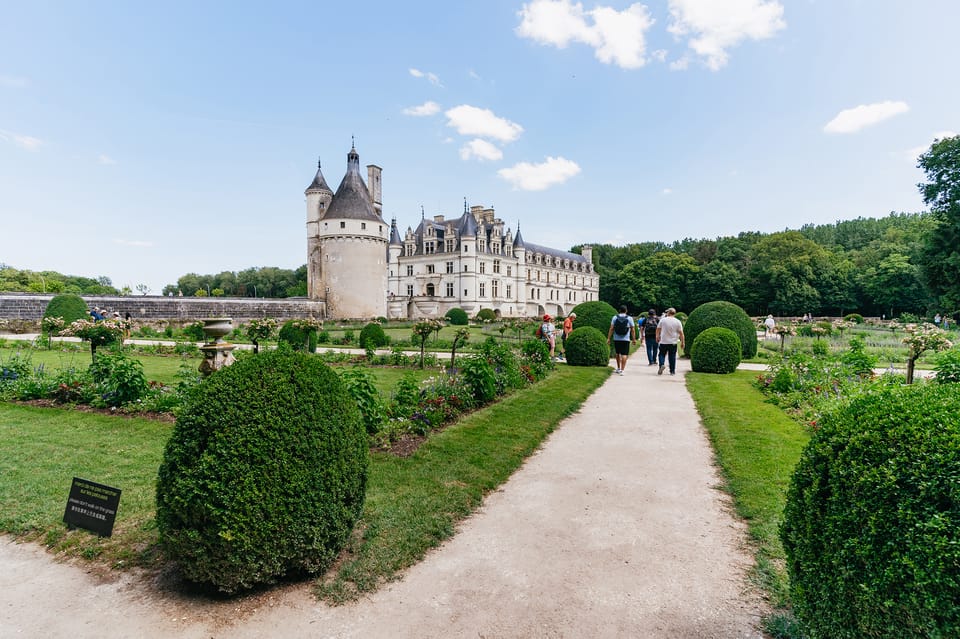
Loire Valley: The River of Diverse Wines
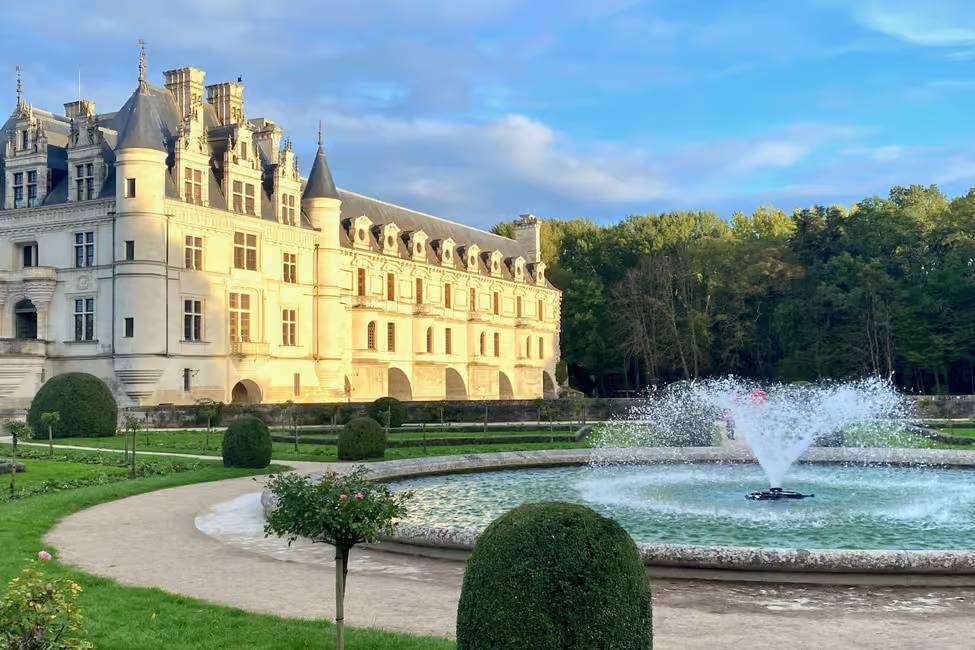
Following the Loire River from its mouth on the Atlantic coast to central France, the Loire Valley is France’s most geographically diverse wine region, producing a wide range of white, red, rosé, and sparkling wines. Its cool climate is heavily influenced by the river itself.
Western Loire (Pays Nantais):
Close to the Atlantic, it’s famous for Muscadet (Melon de Bourgogne grape), producing crisp, bone-dry whites with high acidity, saline notes, and often aged sur lie (on its lees) for added texture, perfect with seafood.
Middle Loire (Anjou-Saumur, Touraine):
This section is the heartland of Chenin Blanc and Cabernet Franc. Chenin Blanc is incredibly versatile here, ranging from bone-dry (Savennières – powerful, age-worthy, mineral) to off-dry, semi-sweet (Vouvray – apple, quince, honey), and lusciously sweet, noble rot wines (Coteaux du Layon – apricot, marmalade). Cabernet Franc reds (Chinon, Bourgueil, Saumur-Champigny) are typically light to medium-bodied, with vibrant red fruit, bell pepper, pencil shavings, and earthy notes, often enjoyed slightly chilled. Excellent sparkling wines (Crémant de Loire) are also produced from Chenin Blanc.
Eastern Loire (Central Vineyards):
Here, Sauvignon Blanc reigns supreme, producing crisp, aromatic whites with distinctive notes of gooseberry, passionfruit, lime, grapefruit, green bell pepper, and characteristic “flint” or “pipi de chat” (cat’s pee) notes in the renowned appellations of Sancerre and Pouilly-Fumé. Menetou-Salon and Reuilly offer similar, often more value-driven, styles.
Discover Loire, and its various wine styles, from Chenin to cabernet Franc
A curated collection of wine experiences to inspire your next wine trip in Loire Valley
Alsace: Aromatic Treasures from the East
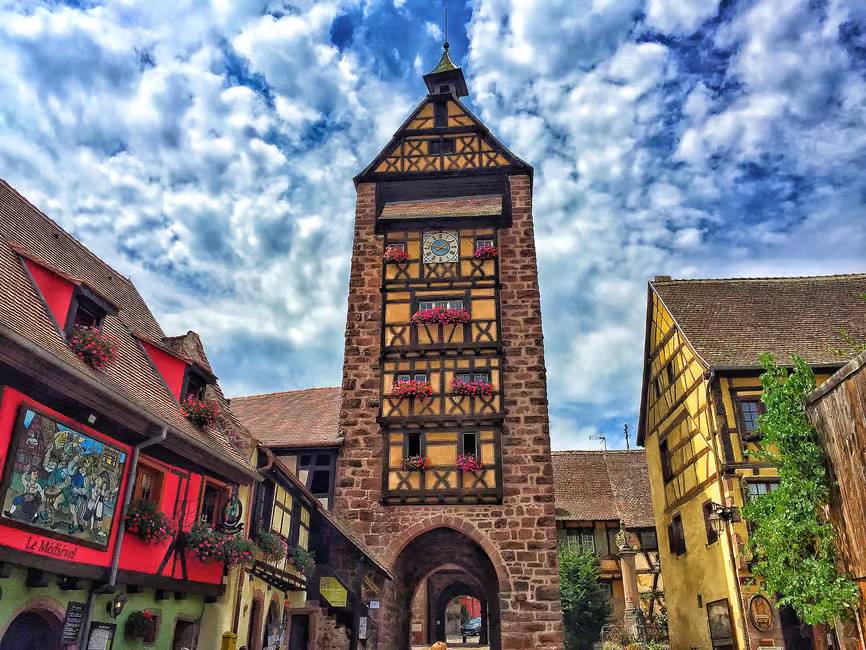
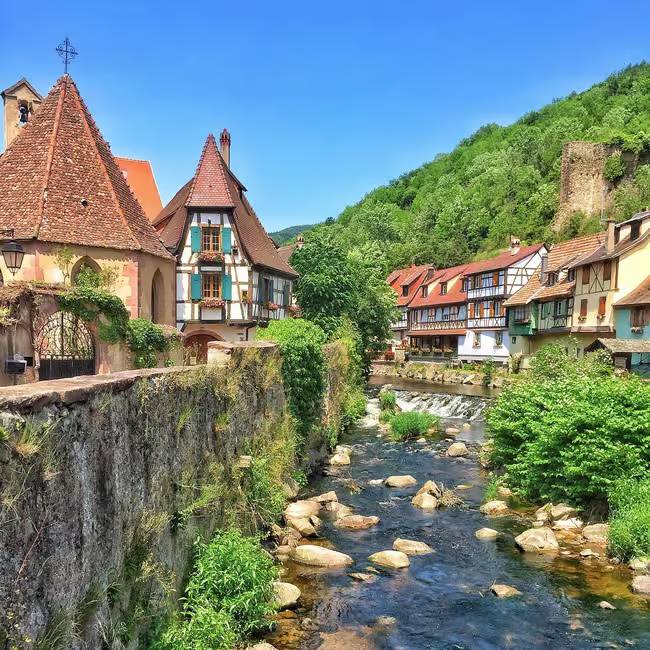
Located on France’s eastern border with Germany, nestled between the Vosges Mountains and the Rhine River, Alsace is a unique French wine region. Unlike most other French regions that emphasize terroir over grape variety on the label, Alsace typically labels its wines by the dominant grape. Its cool, dry climate and diverse soils contribute to highly expressive, aromatic white wines presented in tall, slender “flûte” bottles.
Grape Varieties:
The “noble grapes” are Riesling (dry, mineral, citrus, floral), Gewürztraminer (highly aromatic, lychee, rose, spice), Pinot Gris (rich, smoky, honeyed, apricot), and Muscat (grapey, aromatic, often dry). Other important varieties include Pinot Blanc (soft, approachable white) and Pinot Noir (the only red grape, producing light-bodied, cherry-fruited wines).
Styles:
Alsace wines are primarily dry, aromatic, and full-bodied whites, known for their purity of fruit and expressiveness. Grand Cru vineyards represent the highest quality. Late-harvest (Vendanges Tardives) and noble rot (Sélection de Grains Nobles) wines offer exquisite sweet expressions.
Explore Alsace, the Realm of Riesling and Gewurztraminer
A curated collection of wine experiences to inspire your next journey along the historic Alsace Wine Route.
Languedoc-Roussillon The Dynamic South
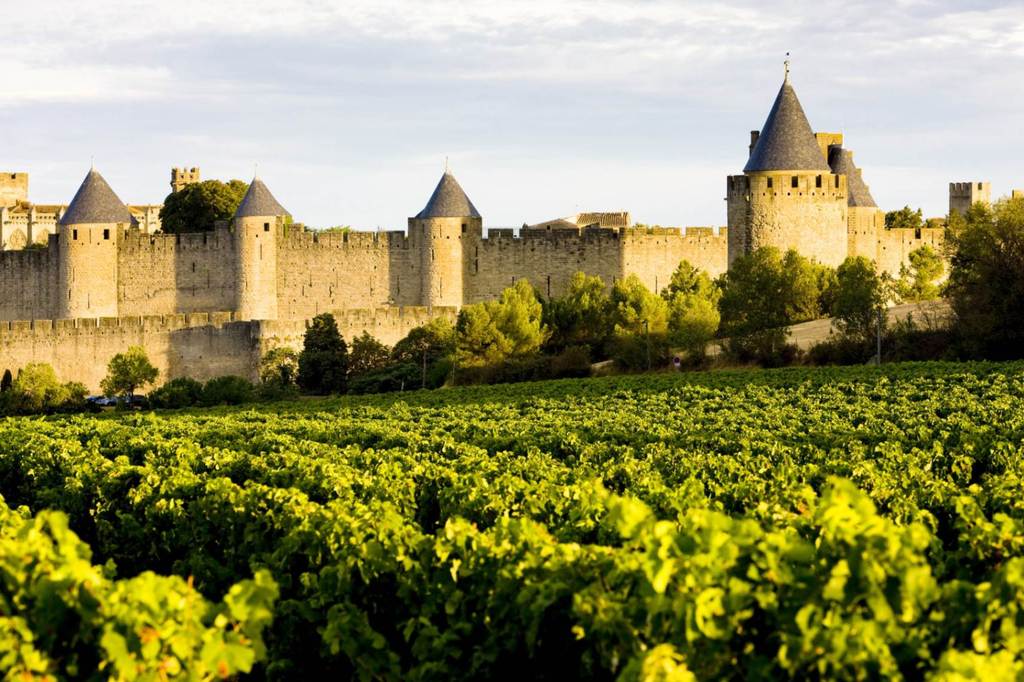
Stretching along the Mediterranean coast from the Rhône Delta to the Spanish border, Languedoc-Roussillon is France’s largest single wine-producing region. Historically known for volume production, it has undergone a remarkable quality revolution over the past few decades, combining traditional grapes with modern winemaking.
Diversity and Innovation: This sun-drenched region benefits from a Mediterranean climate, diverse soils, and a vast array of grape varieties, both indigenous and international. It’s a hotbed of experimentation and offers incredible value.
Grape Varieties
For reds, a diverse mix including Grenache, Syrah, Mourvèdre, Carignan, Cinsault, and international varieties like Merlot and Cabernet Sauvignon. For whites, Picpoul de Pinet (crisp, saline, seafood-friendly), Grenache Blanc, Vermentino, Chardonnay, and Sauvignon Blanc.
Styles:
Produces robust, full-bodied red wines (often blends of Syrah, Grenache, Mourvèdre) with dark fruit, spice, and herbal notes. Fresh, vibrant whites, and an abundance of refreshing rosés. Look for appellations like Corbières, Minervois, Faugères, Saint-Chinian, and the increasingly popular Pic St-Loup, each offering distinct expressions of the region’s dynamic character. The region also produces sweet fortified wines known as Vins Doux Naturels (e.g., Banyuls, Maury).
Discover Languedoc-Roussillon, the Mediterranean’s Boldest Terroir
A curated collection of wine experiences to explore the sun-drenched vineyards of France's most diverse wine region.
Savoie-Jura
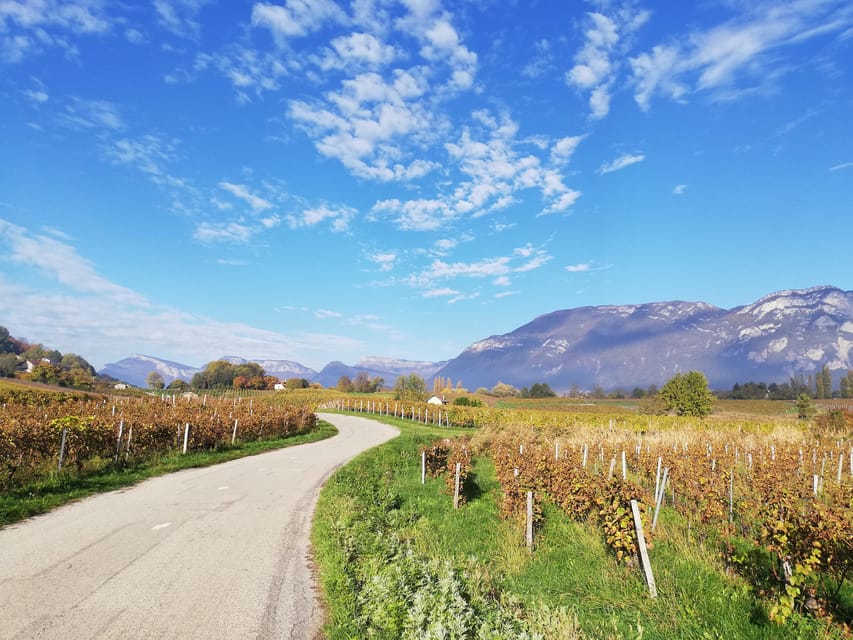
Perched in the heart of the French Alps, the Savoie and Jura wine regions are two of France’s most unique and fascinating, often grouped together due to their close proximity and shared Alpine identity. Known for their dramatic landscapes, these regions have a winemaking history rooted in tradition, focusing on rare indigenous grapes that express a true sense of place.
A Land of Uniqueness and Tradition
These Alpine regions are characterized by a cool, continental climate, challenging mountainous terrains, and a mosaic of limestone and marl soils. This environment, combined with a focus on low-yield viticulture, results in wines of exceptional typicity and character that you won’t find anywhere else in the world.
Grape Varieties
The wine world of Savoie and Jura is dominated by native grapes. For whites, the key players are Jacquère (producing light, crisp, and mineral-driven wines), Altesse (also known as Roussette, offering more complex and aromatic whites with notes of honey and nuts), and Chasselas. In the Jura, the unique Savagnin grape is king, used for both dry wines and the famous Vin Jaune. Red grapes include Mondeuse (Savoie’s answer to Syrah, with dark fruit and peppery notes), and Poulsard and Trousseau in the Jura, which produce light-bodied, earthy, and aromatic reds.
Styles
Savoie is renowned for its vibrant, high-acid white wines that are perfect companions for Alpine cuisine, particularly fondue. The wines are often unoaked and reflect a clean, refreshing profile. The Jura, on the other hand, is celebrated for its oxidative winemaking style, which gives its wines a distinct nutty, bruised apple flavor. Look for appellations like Arbois, L’Étoile, and Château-Chalon for their unique expressions. The region’s most iconic wine is Vin Jaune, a “yellow wine” made from Savagnin and aged for over six years under a veil of flor yeast. The Jura also produces a unique sweet wine called Vin de Paille, a sparkling wine called Crémant du Jura, and a spirit known as Marc du Jura.
Discover Savoie & Jura, the High-Altitude Gems of the French Alps
From crisp alpine whites to the legendary Vin Jaune, find handpicked tastings in France’s most authentic mountain estates.
Provence
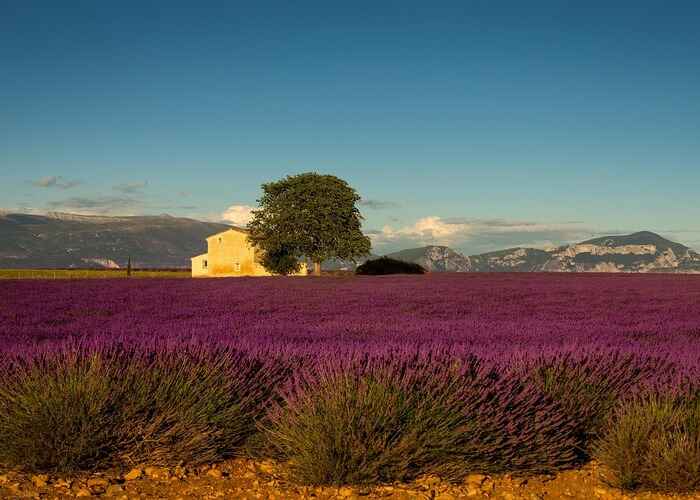
Provence is the oldest wine-producing region in France, with a history dating back over 2,600 years to the ancient Greeks. Located in the southeastern corner of the country, it’s a land of sun-drenched vineyards, rugged coastlines, and the fragrant “garrigue” of wild herbs. While it produces excellent reds and whites, Provence is globally synonymous with rosé, pioneering the pale, crisp, and refreshing style that is now celebrated worldwide.
The Heart of Rosé
Over 85% of Provence’s wine production is dedicated to rosé, a testament to its mastery of the style. The region’s Mediterranean climate, characterized by abundant sunshine, hot, dry summers, and the cooling influence of the Mistral wind, provides ideal conditions for grape ripening. This allows winemakers to produce rosés that are a perfect blend of delicate fruit flavors, bright acidity, and a distinctive minerality often attributed to the region’s diverse soils.
Grape Varieties
Provence’s winemakers rely on a traditional blend of grapes to achieve their signature style. The primary red grape varieties are Grenache, which provides body and red fruit flavors; Cinsault, contributing floral and light, fruity notes; Syrah, for hints of spice and color; and Mourvèdre, which adds structure and complexity, especially in the richer rosés of Bandol. For whites, key varieties include Rolle (Vermentino), known for its citrus and pear notes, and Clairette, which adds a refreshing acidity.
Styles and Appellations
While most of Provence’s rosé is produced under the large Côtes de Provence appellation, a few smaller, distinct appellations are worth seeking out.
Bandol: This appellation is famous for its powerful, age-worthy red wines made primarily from Mourvèdre, but it also produces a small amount of concentrated, structured rosé that is a perfect food wine.
Cassis: Situated on the coast, Cassis is uniquely celebrated for its dry, aromatic white wines, often made from Marsanne and Clairette. These are excellent partners for local seafood.
Les Baux-de-Provence: Located in the Alpilles mountains, this area is a hotbed for organic and biodynamic viticulture and is known for its full-bodied red wines.
Coteaux d’Aix-en-Provence: The second-largest appellation, this region produces a wide range of red, white, and rosé wines with a characteristically fresh, floral profile.
Explore Provence: Where Mediterranean Elegance meets Iconic Vineyards
From coastal estates in Cassis to the rolling hills of Aix, browse our handpicked wine trips in the heart of the South.
South-West
Wedged between the powerful wine regions of Bordeaux and the Languedoc, the Southwest (or Sud-Ouest) of France is a treasure trove of vinous diversity. Historically overshadowed by its famous neighbors, this vast region is now a source of incredible value and unique, characterful wines, many of which are made from grape varieties found nowhere else on earth.
A Mosaic of Terroirs
The Southwest is not a single, unified region but rather a collection of distinct wine areas, each with its own identity. Its climate ranges from the Atlantic influence in the west to more continental and even Mediterranean influences in the east. This, combined with a variety of soils, from limestone to clay and gravel, allows for an extraordinary array of wine styles.
Grape Varieties
The region is a living museum of indigenous grapes, many of which are ancient and have been cultivated for centuries. For powerful reds, the star is Tannat in Madiran, known for its high tannins and robust structure. In Cahors, Malbec (locally known as Côt or Auxerrois) reigns supreme, producing the region’s famous “black wines.” Other notable red grapes include Négrette (which gives Fronton its signature violet and spice notes), Fer Servadou (Braucol), and Duras.
For whites, the diversity is just as exciting. The Gros Manseng and Petit Manseng grapes of Jurançon create stunning dry and sweet wines with vibrant acidity and aromas of citrus and exotic fruits. In the Côtes de Gascogne, the crisp, aromatic whites are often made from Colombard and Ugni Blanc. You’ll also find Mauzac in Gaillac, used for both still and sparkling wines.
Styles and Appellations
The Southwest offers a wine for every palate and occasion.
Robust Reds: Look to Madiran for muscular, age-worthy reds from Tannat, or Cahors for inky, structured Malbecs. These wines are perfect partners for hearty, traditional dishes like duck confit.
Aromatic Whites: The dry whites from Jurançon and Pacherenc du Vic-Bilh are fresh and lively, while the easy-drinking Côtes de Gascogne whites are ideal as an apéritif.
Sweet Wines: The region excels at producing magnificent dessert wines, particularly the rich, honeyed wines of Monbazillac (often compared to Sauternes) and the intensely aromatic, late-harvest whites of Jurançon.
Other Gems: The wines of Gaillac are a world unto themselves, offering everything from light, fruity reds to sparkling wines made using the traditional méthode ancestrale. The appellation of Fronton is a must for fans of unique, perfumed reds and rosés from the Négrette grape.
Discover the South West, France’s Best-Kept Wine Secret
From the black wines of Cahors to the foothills of the Pyrenees, find handpicked tastings in the heart of French country life.
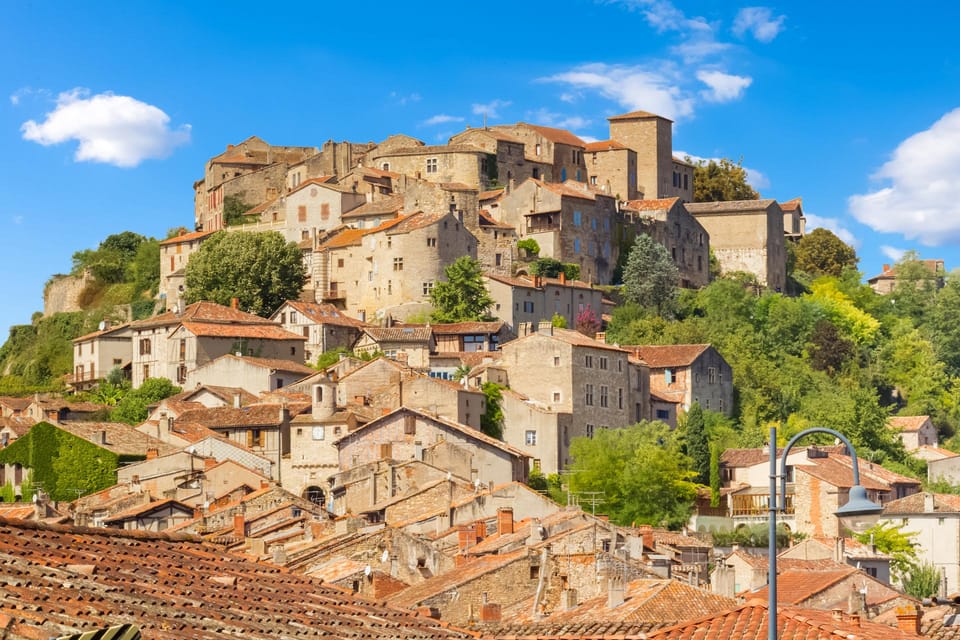
Corsica
A mountainous island of rugged beauty in the Mediterranean, Corsica is a French territory with a distinctly Italian soul. This unique blend is perfectly reflected in its wines, which are a captivating expression of the island’s history, diverse terroirs, and indigenous grape varieties. While historically a source of bulk wine, a new generation of winemakers has embraced the island’s potential, creating wines of elegance and character.
An Island of Microclimates
Despite its relatively small size, Corsica has an incredible range of soils and climates. From the schists of the northern Cap Corse to the granite of the west and the limestone of the famous Patrimonio region, the geology is a mosaic. The climate is hot and dry, but the influence of the sea and the high altitude of the vineyards create a crucial diurnal temperature variation, helping to maintain acidity and freshness in the grapes.
Grape Varieties
Corsica’s identity is defined by its unique native grapes. The most important red variety is Nielluccio, genetically linked to Sangiovese. It is the star of the Patrimonio appellation and produces powerful, structured wines with red fruit and spice notes. The other key red grape is Sciaccarello, known for its floral, peppery, and red berry aromas, which is the cornerstone of the Ajaccio appellation.
For whites, the Italian influence is clear with Vermentino (known locally as Vermentinu) as the dominant variety. It produces vibrant, aromatic white wines with notes of citrus, herbs, and a distinctive saline minerality that speaks of the sea. Other unique local grapes like Biancu Gentile are also gaining recognition.
Styles and Appellations
Corsica produces a full spectrum of wine styles, from crisp whites to structured reds and an abundance of refreshing rosés.
Patrimonio: The island’s first and most famous appellation, known for its superb Nielluccio-based reds and elegant Vermentino whites. The wines here are a fantastic example of the island’s potential for quality.
Ajaccio: Situated around the birthplace of Napoleon Bonaparte, this appellation’s identity is defined by the fragrant and spicy Sciaccarello grape. Its red and rosé wines are known for their finesse and unique character.
Vin de Corse: This is the largest regional appellation, covering the entire island and encompassing several sub-regions like Calvi, Figari, and Sartène, each with its own style. They are a great entry point into Corsican wines, offering excellent value and a taste of the island’s diversity.
Muscat du Cap Corse: A small but highly-regarded appellation dedicated to sweet fortified wines (Vins Doux Naturels) made from Muscat à Petits Grains. They are luscious and aromatic, with notes of candied fruit and honey.
Discover Corsica,The Island of Beauty Where Granite Cliffs meet Emerald Vineyards
Browse our handpicked wine adventures to uncover the salt-kissed whites and bold reds of the Île de Beauté.
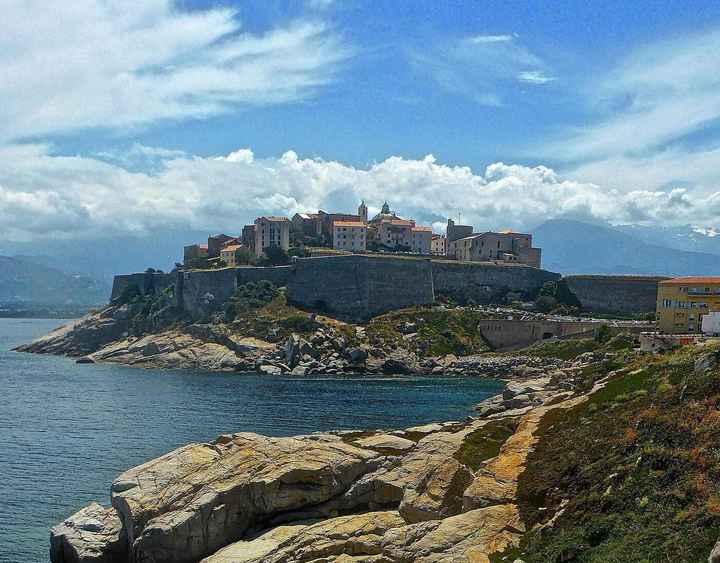
Key Facts About French Wine Production Statistical Snapshot
France’s wine industry is not only steeped in tradition but also remains a dominant force on the global stage, continually adapting to market demands while preserving its heritage.
Production Volume:
France is consistently one of the world’s top two wine producers, often vying with Italy for the lead. In 2023, French wine production reached approximately 48 million hectoliters, a robust output despite climatic challenges.
Vineyard Superficy:
France maintains a significant vineyard footprint, estimated at around 792,000 hectares in 2023, making it the second-largest in the world after Spain. This vast acreage supports its diverse wine regions and varietals.
Native Grape Diversity:
While not as numerically diverse as Italy, France boasts over 200 officially recognized grape varieties. Importantly, the French approach often emphasizes the terroir over the grape variety on the label, particularly for AOC wines. However, its most important grapes (Cabernet Sauvignon, Merlot, Pinot Noir, Chardonnay, Syrah, Grenache, Sauvignon Blanc, Chenin Blanc) have become international benchmarks, originating from French soil.
Export Powerhouse:
French wine and spirits remain a cornerstone of the country’s export economy. In 2023, exports reached €16.2 billion, making the wine and spirits sector France’s third-largest trade surplus. Key markets include the United States, United Kingdom, and various Asian countries.
French Wine and Its Gastronomic Companions: food and wine pairing
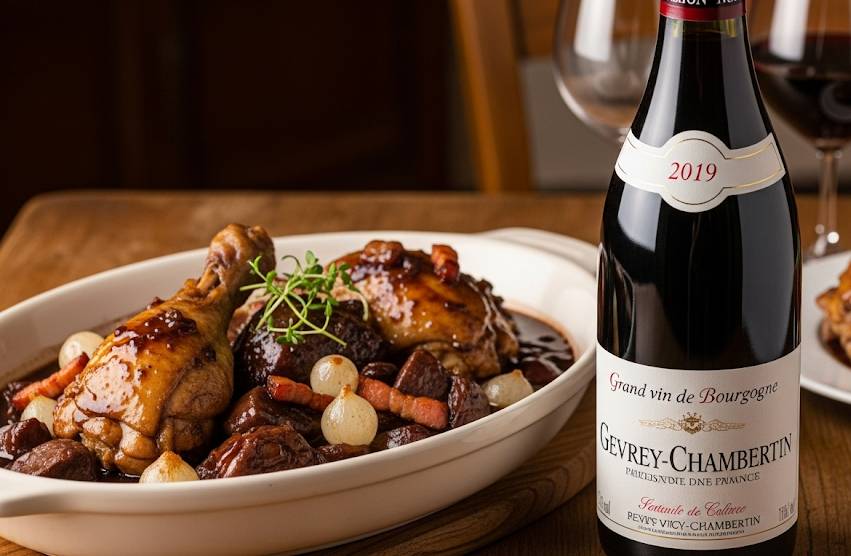
Bourgogne is of course the ideal companion of Burgundy specialties like Coq au Vin
In France, wine is not just a drink; it’s an indispensable component of the meal, embodying the concept of Art de Vivre (the art of living). The guiding principle is synergy, where wine and food elevate each other, a philosophy deeply ingrained in regional culinary traditions.
The Art of Pairing: General Principles
The French approach to pairing is less about rigid rules and more about understanding balance. The key is to match the weight and flavor intensity of the food with the wine. For example, you wouldn’t pair a delicate Dover sole with a powerful red Bordeaux. Acidity is a crucial element: a wine with high acidity can cut through rich, fatty foods, cleansing the palate and making the next bite as delicious as the first. This is a powerful, contrasting pairing. You can also create complementary pairings by matching flavors. A wine with earthy notes, for instance, will pair beautifully with mushroom risotto or roasted root vegetables. The perfect pairing creates a “bridge” between the food and the wine, where both elements are enhanced by the other.
Regional Pairings: A Culinary Journey
Bordeaux: Red Meat and Rich Dishes
The structured, full-bodied red wines of Bordeaux are a perfect match for the country’s classic red meat dishes. The firm tannins in a Left Bank Cabernet Sauvignon, for example, soften beautifully when paired with the savory fats of a steak. A traditional entrecôte à la bordelaise (steak with a red wine sauce) is a quintessential pairing, as the wine in the sauce creates a perfect flavor bridge to the wine in the glass. For a softer, Right Bank Merlot, consider pairing with a roast duck or lamb, where the wine’s softer fruit character complements the richness of the meat without overwhelming it. The sweet white wines of Sauternes, with their opulent flavors of apricot and honey, are famously paired with foie gras, creating a powerful contrast of sweet and savory.
Burgundy: Roasted Poultry and Earthy Flavors
Burgundy’s elegance calls for more refined pairings. The delicate, aromatic Pinot Noir is one of the most food-friendly red wines in the world. Its high acidity and light body make it a natural fit for roasted chicken, duck, or a simple grilled salmon. When Pinot Noir develops its classic earthy, “forest floor” notes with age, it becomes an exquisite partner for mushroom-based dishes like a creamy wild mushroom risotto. For Burgundy’s Chardonnay, a classic pairing is the region’s famous escargots in garlic butter, as the wine’s acidity cuts through the richness of the butter, or a simple roast chicken with herbs, allowing the wine’s subtle complexity to shine.
Loire Valley: Goat Cheese and Fresh Flavors
The Loire Valley is a treasure trove of light-bodied, high-acid wines that are perfect for lighter fare. A crisp Sauvignon Blanc from Sancerre or Pouilly-Fumé is a legendary pairing for goat cheese. The wine’s tangy, herbaceous character mirrors the fresh, tangy flavor of the cheese, creating a harmonious complementary pairing. The region’s red Cabernet Franc, with its notes of raspberry and green bell pepper, is a fantastic partner for a charcuterie board, especially those with pâtés and terrines. The versatile Chenin Blanc can be paired from start to finish: a bone-dry sparkling Vouvray with fish and chips, a crisp dry version with baked fish, or a sweet dessert wine with a classic French fruit tart.
Rhône Valley: Grilled Meats and Hearty Stews
The wines of the Rhône Valley are bold, full-bodied, and ready for rich, rustic dishes. The powerful Syrah from the Northern Rhône, with its notes of black pepper and cured meat, is a perfect match for grilled lamb, beef short ribs, or a hearty beef stew. The warm, sun-drenched wines of the Southern Rhône, based on a blend of Grenache, Syrah, and Mourvèdre, are excellent with spicy sausages, roasted lamb with herbs, and hearty vegetable dishes. Their spicy, ripe fruit character can handle the boldest of flavors.
Champagne: An All-Purpose Pairing
Beyond celebrations, the high acidity and effervescence of Champagne make it an incredibly versatile food wine. Its bubbles and crisp acidity act as a palate cleanser, making it a perfect partner for salty and fried foods like french fries, fried chicken, or even rich, fatty dishes. It’s also a superb match for shellfish and fresh oysters, where its acidity brightens the briny flavors. Don’t limit it to toasts; Champagne can elevate an entire meal.