he Renaissance transformed Italy culturally, economically, and scientifically. Wine benefited enormously from this rebirth.
Powerful families such as the Medici in Tuscany invested heavily in agriculture and trade. Improved economic conditions encouraged vineyard expansion and experimentation.
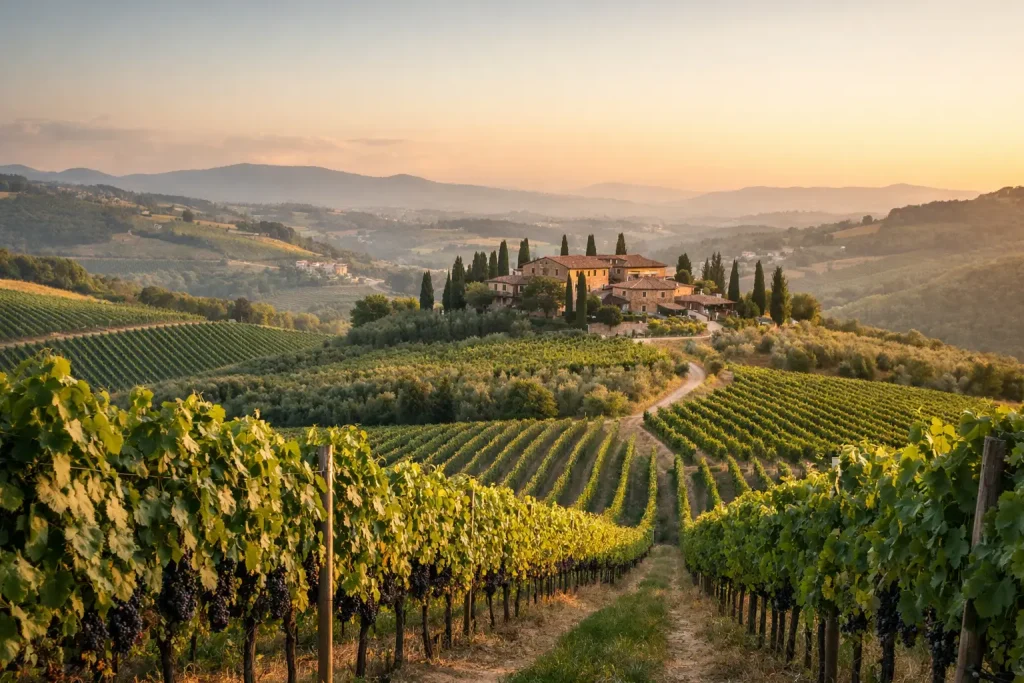
During this period, Italian producers became increasingly aware of the relationship between soil, climate, and wine quality. Distinctions among vineyard sites grew more important, foreshadowing modern concepts of terroir.
The rise of merchant classes also stimulated demand for higher-quality wines. Wealthy consumers sought products associated with specific regions and estates, encouraging producers to focus on quality rather than volume.
Venice’s international trade routes connected Italian wines with markets across Europe and the eastern Mediterranean. Wine became not merely an agricultural product but an expression of regional prestige and cultural identity.
By the end of the eighteenth century, many of the foundations of modern Italian wine regions had already been established.
The nineteenth century brought dramatic challenges and opportunities.
Italian unification in 1861 created a national framework that encouraged economic integration. However, vineyards soon faced one of the greatest disasters in wine history: phylloxera.
This tiny vineyard pest devastated European vineyards, destroying vast areas of Italian vine plantings. Recovery required grafting European vines onto resistant American rootstocks, fundamentally reshaping Italian viticulture.
The twentieth century introduced further disruptions through two world wars and economic instability. Yet it also sparked modernization.
Mechanization improved vineyard efficiency. Scientific research enhanced disease management and grape selection. Cooperative wineries expanded production capacity.
The most significant milestone arrived with the establishment of Italy’s quality classification system.
The introduction of DOC (Denominazione di Origine Controllata) in 1963 and later DOCG (Denominazione di Origine Controllata e Garantita) created legal protections for geographic origin, grape varieties, production methods, and quality standards.
These regulations helped preserve regional identity while elevating Italy’s international reputation.
The late twentieth century witnessed a remarkable transformation in global perceptions of Italian wine.
Historically, Italy had been associated with quantity and everyday consumption. During the 1980s and 1990s, producers increasingly focused on premium quality and international competitiveness.
One of the most influential developments was the emergence of the Super Tuscans. Visionary producers challenged rigid DOC regulations by blending international grape varieties such as Cabernet Sauvignon and Merlot with local varieties such as Sangiovese,
These wines demonstrated that innovation could coexist with tradition.
Meanwhile, regions such as Barolo, Barbaresco, Brunello di Montalcino, Amarone della Valpolicella, and Etna gained international acclaim.
Advances in cellar technology, temperature-controlled fermentation, vineyard mapping, and clonal selection elevated quality across the country.
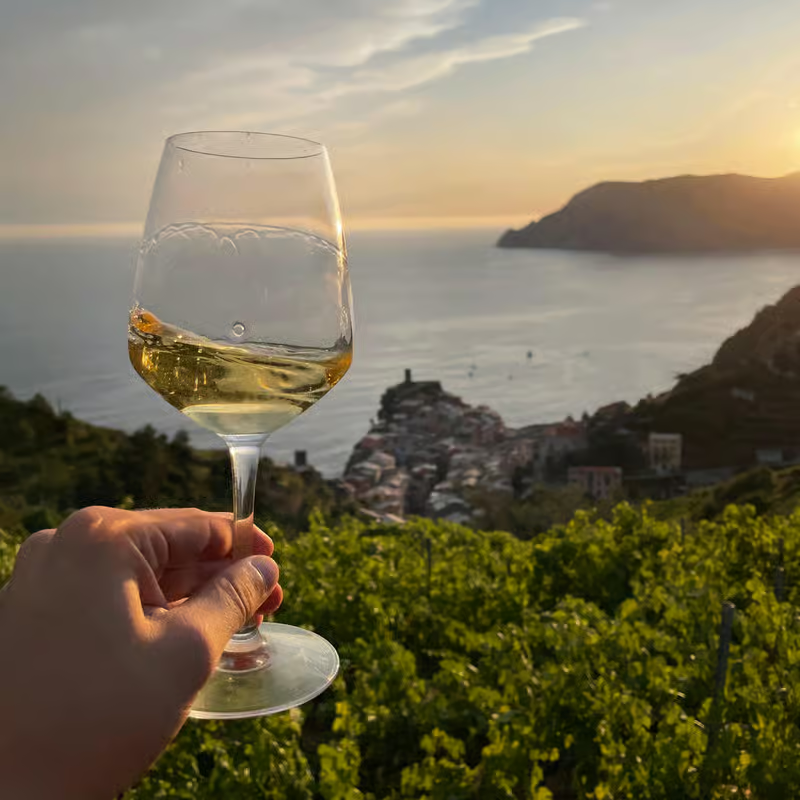
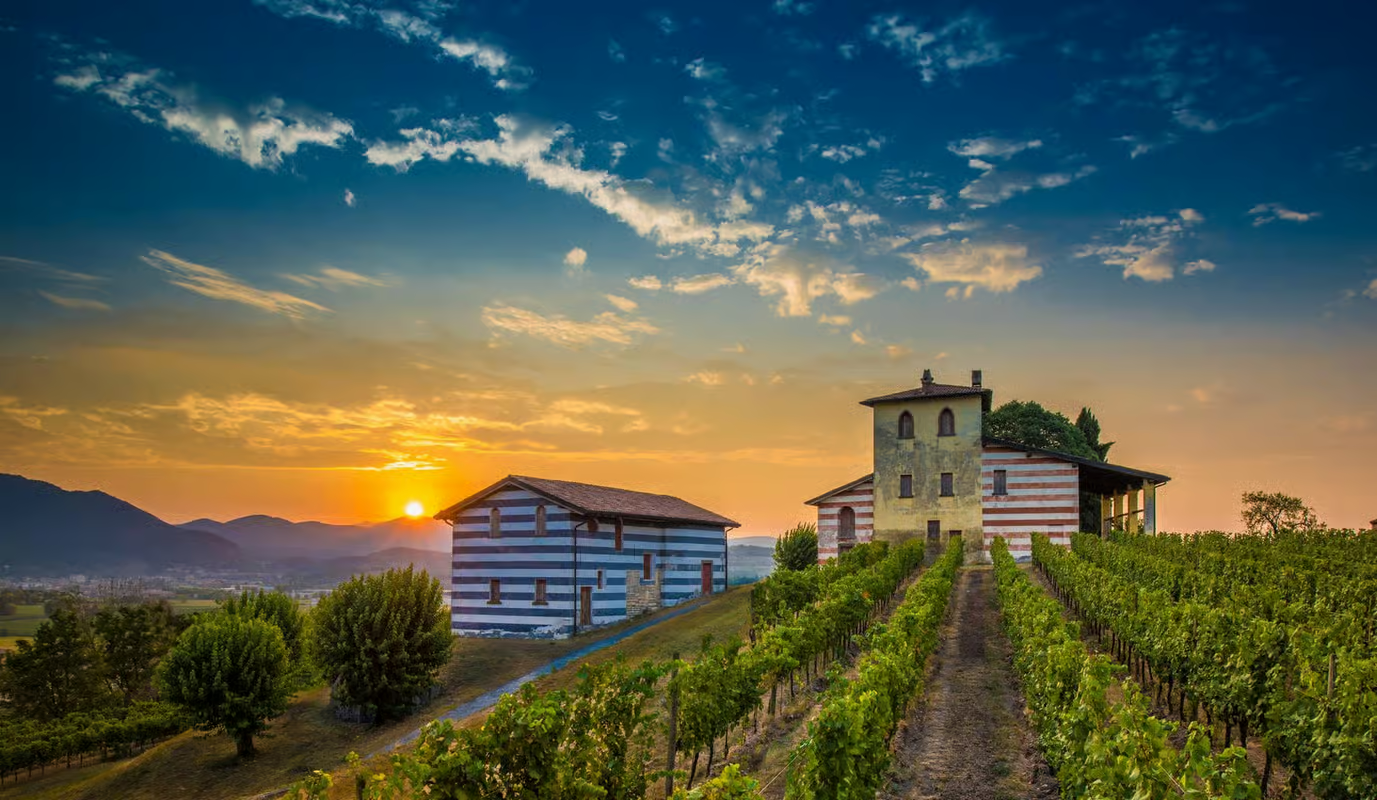
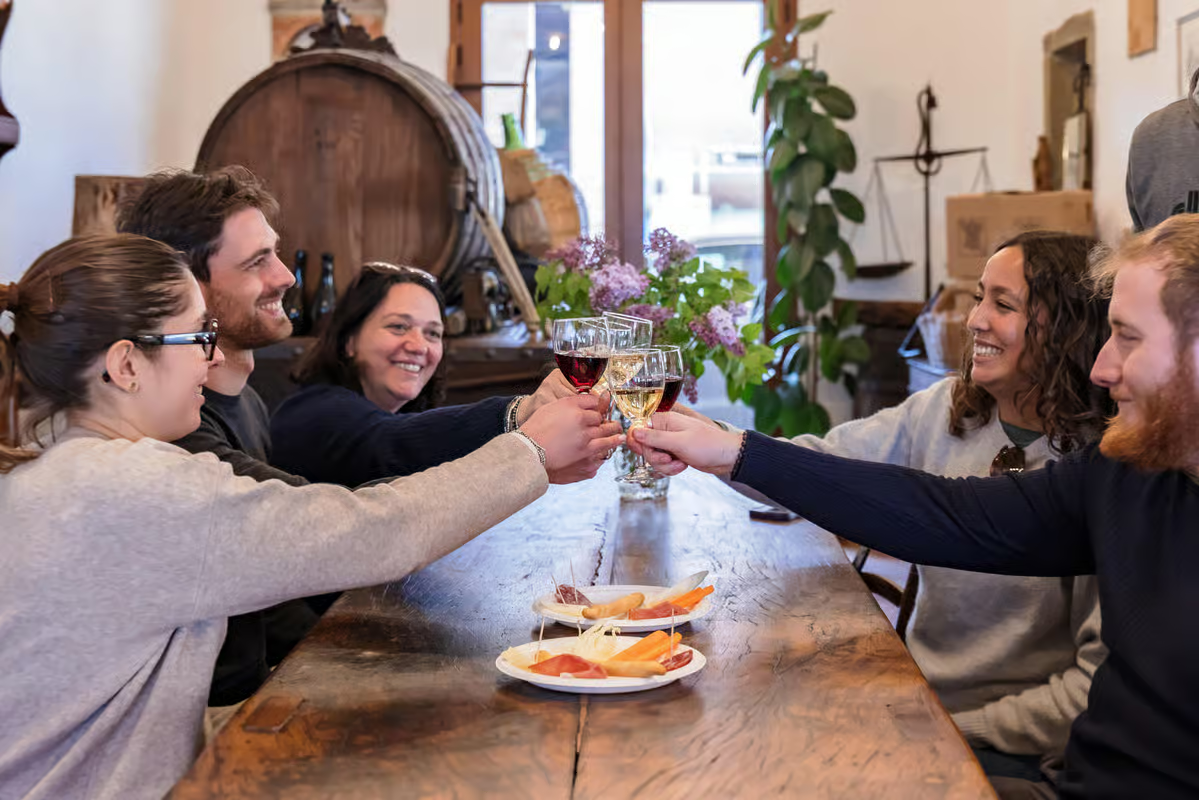
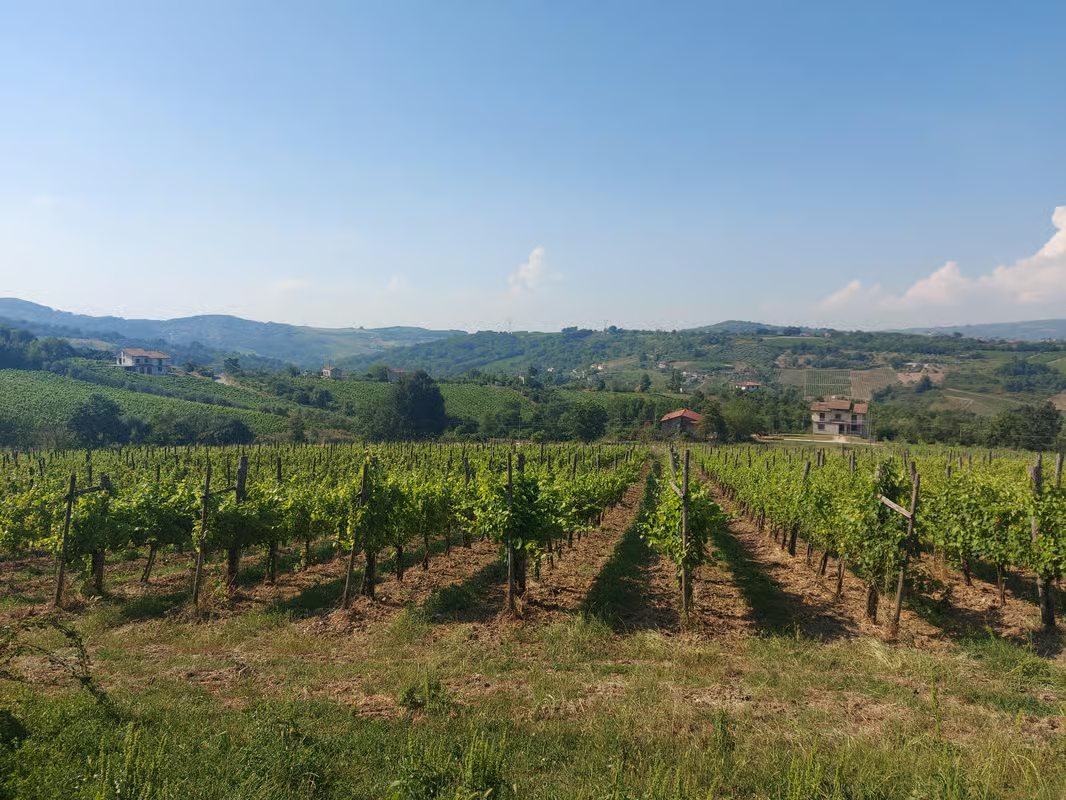
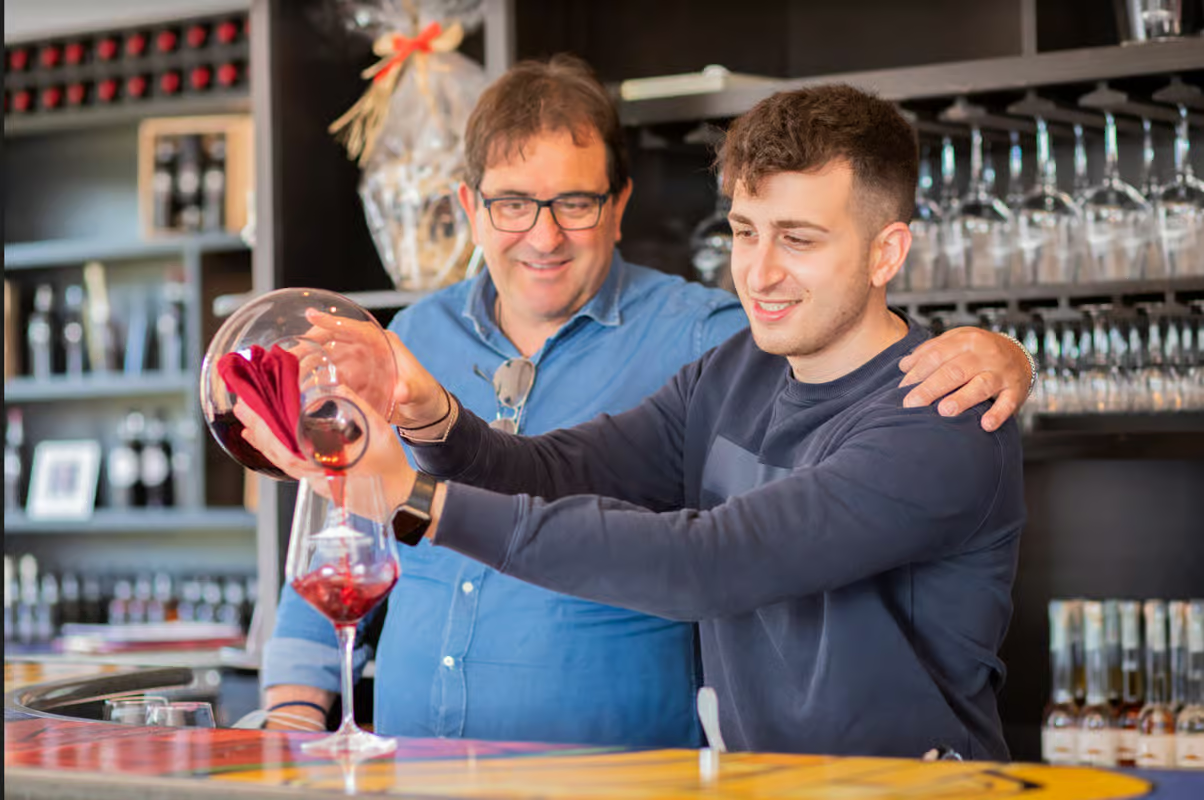
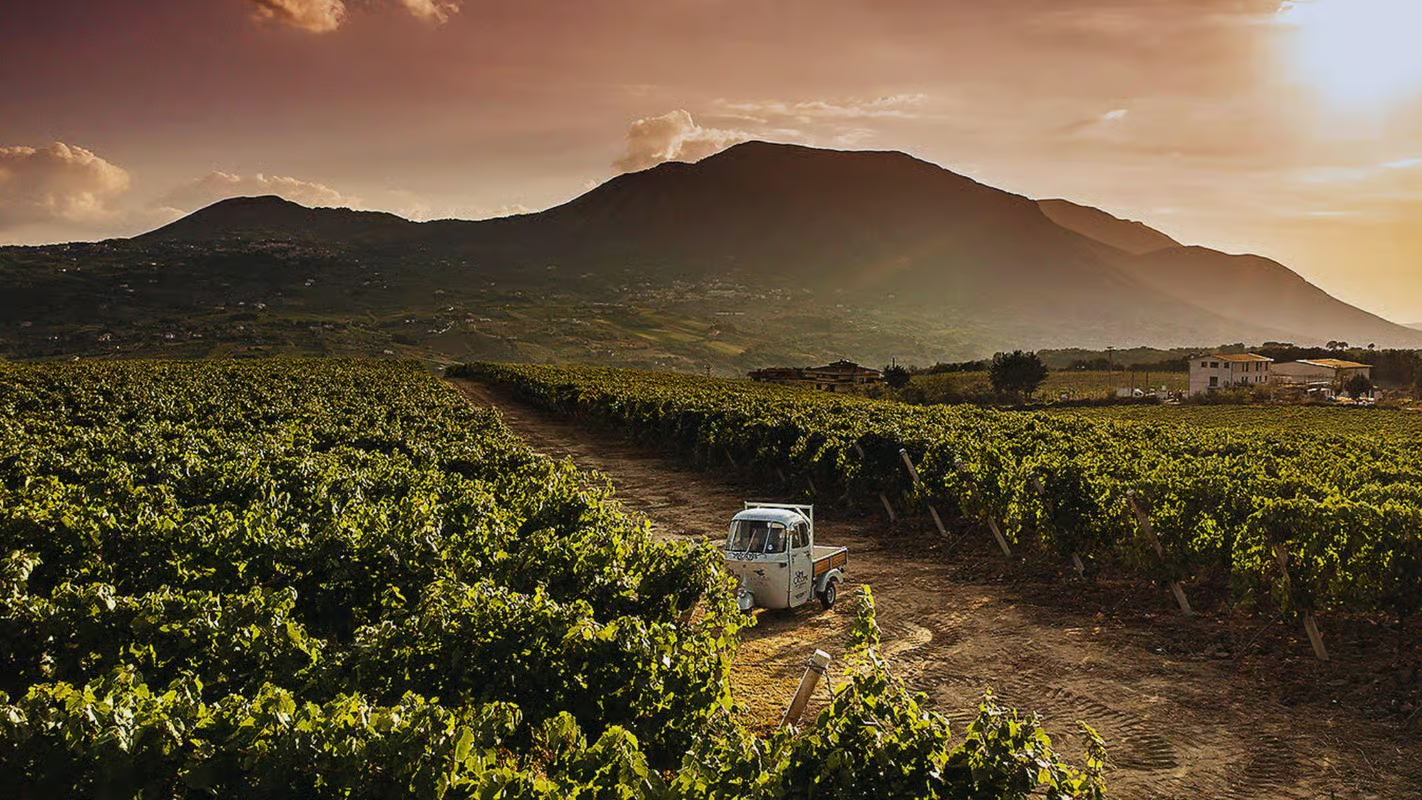
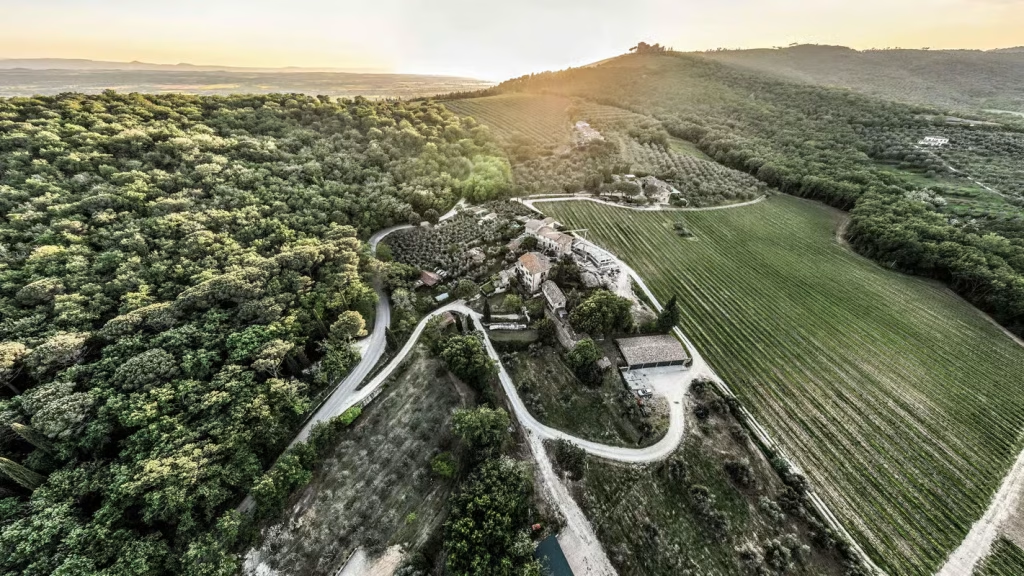
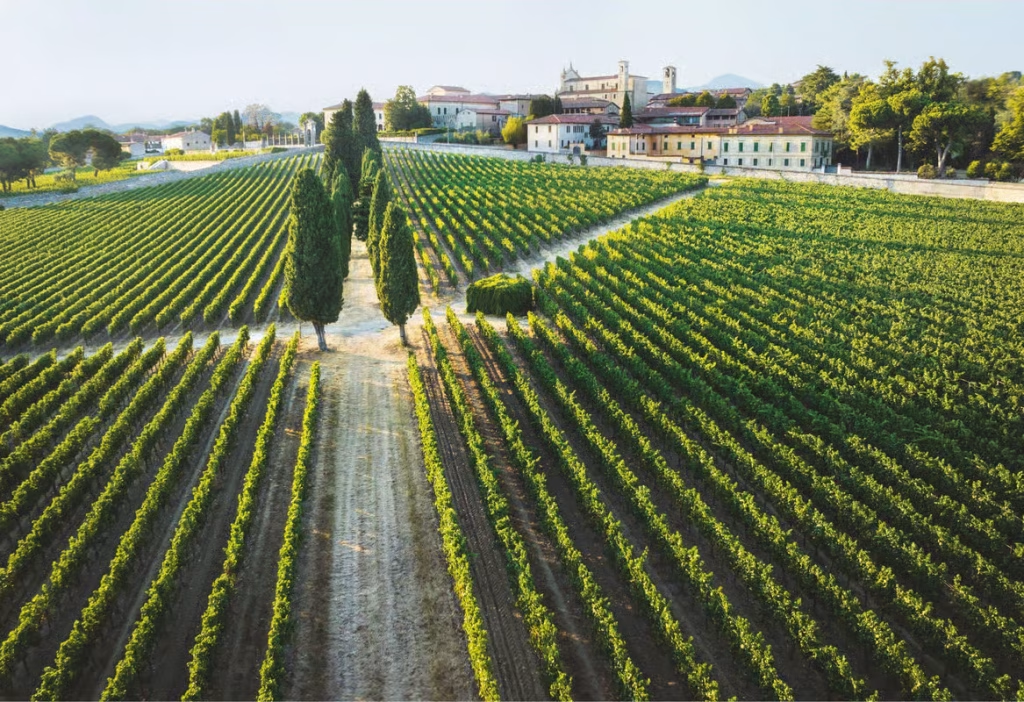
Italian wine tourism also expanded dramatically. Historic estates, family wineries, and scenic vineyard landscapes attracted visitors seeking authentic cultural experiences.
Italy successfully repositioned itself as one of the world’s premier wine destinations.
Modern Italy faces a new set of opportunities and challenges.
Climate change is altering harvest dates, increasing drought risks, and forcing producers to reconsider traditional vineyard practices. Regions throughout the peninsula are experimenting with canopy management, drought-resistant rootstocks, and higher-altitude plantings.
At the same time, sustainability has become a defining theme of contemporary Italian wine.
Many producers have embraced organic, biodynamic, and regenerative farming methods. The preservation of indigenous grape varieties has emerged as a key strategy for maintaining biodiversity and adapting to changing environmental conditions.
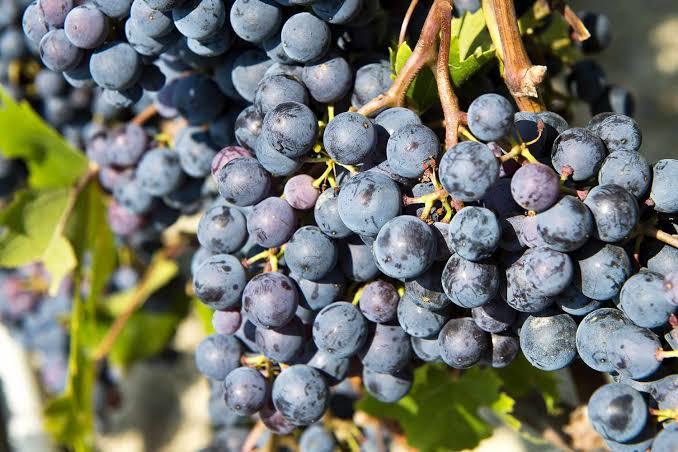
Italy possesses more native grape varieties than any other major wine-producing nation. This extraordinary genetic heritage offers resilience and uniqueness in an increasingly competitive global marketplace.
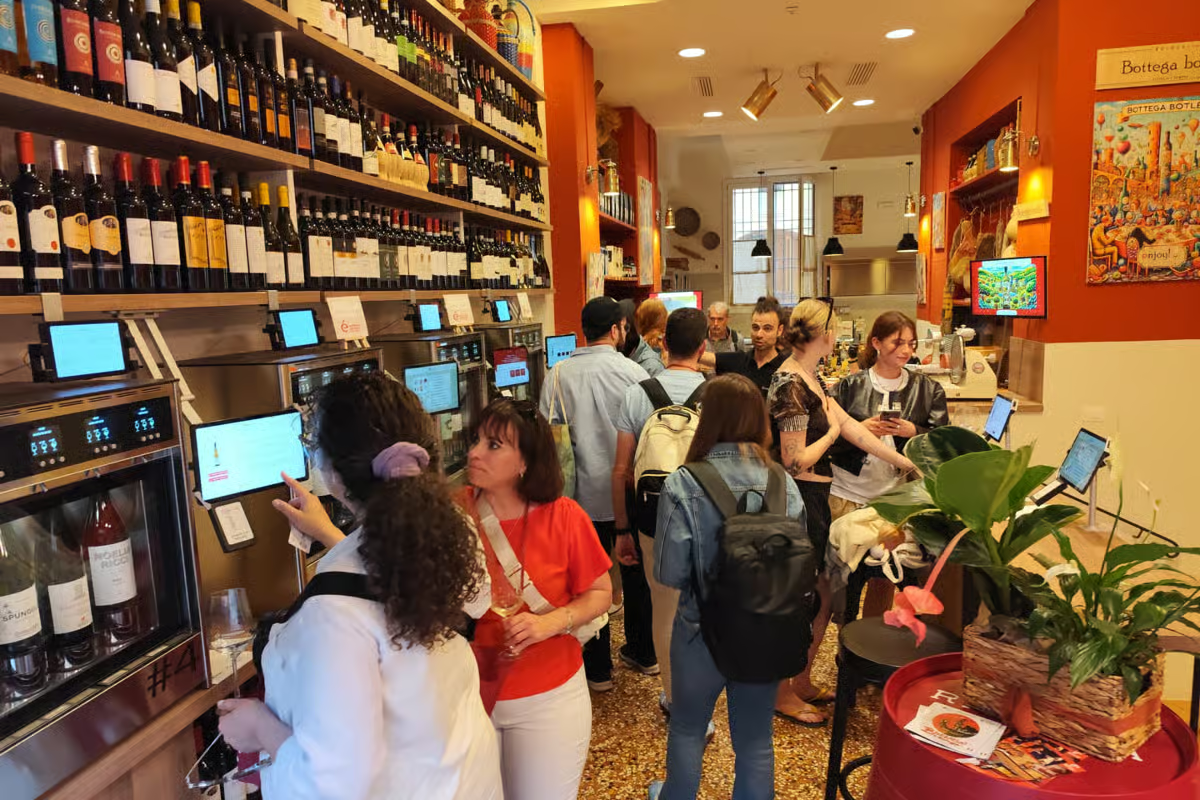
Digital technologies, precision viticulture, and advanced climate monitoring systems are helping wineries make informed decisions while reducing environmental impact.
The future of Italian wine will likely depend on balancing centuries-old traditions with scientific innovation.
Italy’s wine industry enters the coming decades from a position of remarkable strength, yet significant challenges remain.
Climate Adaptation
Rising temperatures may alter traditional wine styles and shift vineyard suitability toward cooler elevations and northern zones.
Labor and Generational Transition
Many family wineries face succession challenges as younger generations decide whether to continue agricultural traditions.
Global Competition
Producers must compete with increasingly sophisticated wine regions across the New World and Europe.
Sustainability Expectations
Consumers increasingly demand environmental responsibility, transparency, and ethical production practices.
Preservation of Indigenous Varieties
Maintaining Italy’s unique genetic vineyard heritage like Canaiolo, Vermentino, will be essential for differentiation and long-term resilience.
Despite these challenges, Italy’s extraordinary diversity, cultural heritage, and commitment to quality position it exceptionally well for the future.
The history of Italian wine is ultimately a story of continuity.
Few agricultural traditions have survived as many empires, invasions, political transformations, technological revolutions, and economic upheavals. From Etruscan vineyards and Roman vinum to medieval monasteri, Renaissance merchants, DOCG regulations, and sustainable viticulture, Italy has continuously reinvented itself while remaining rooted in its past.
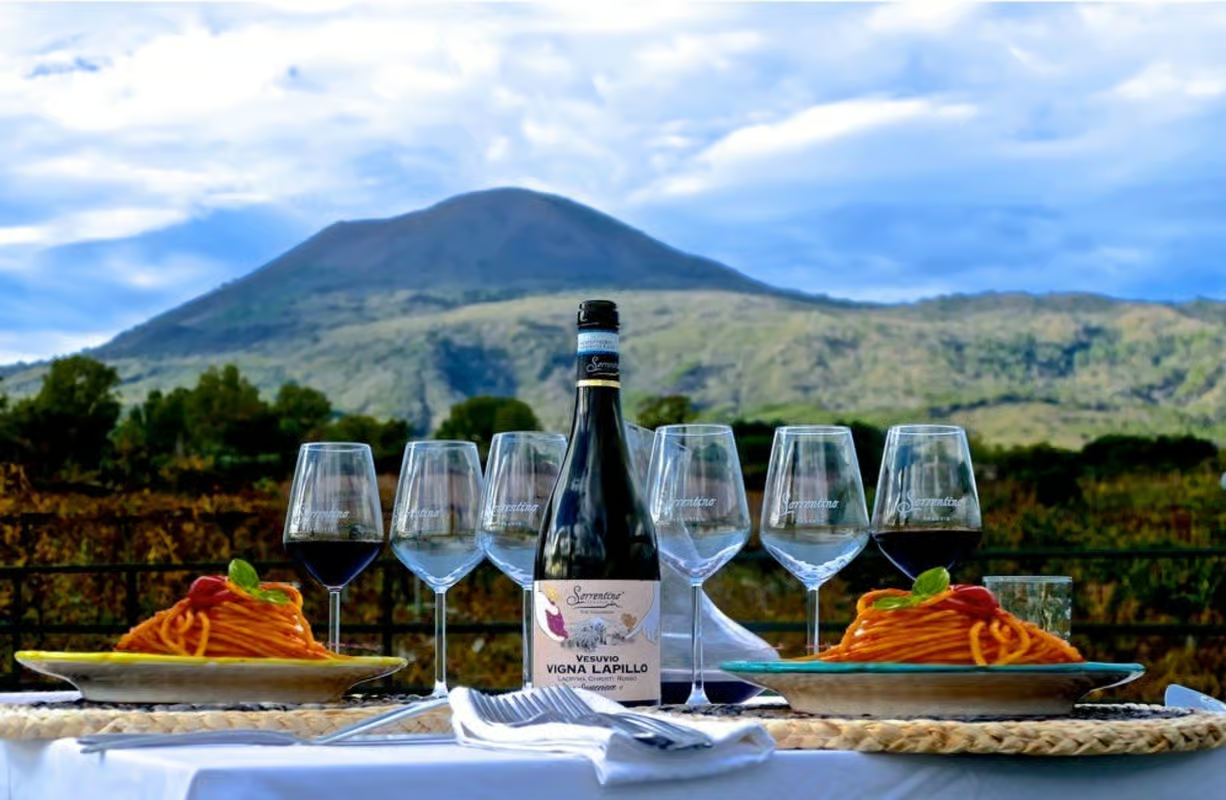
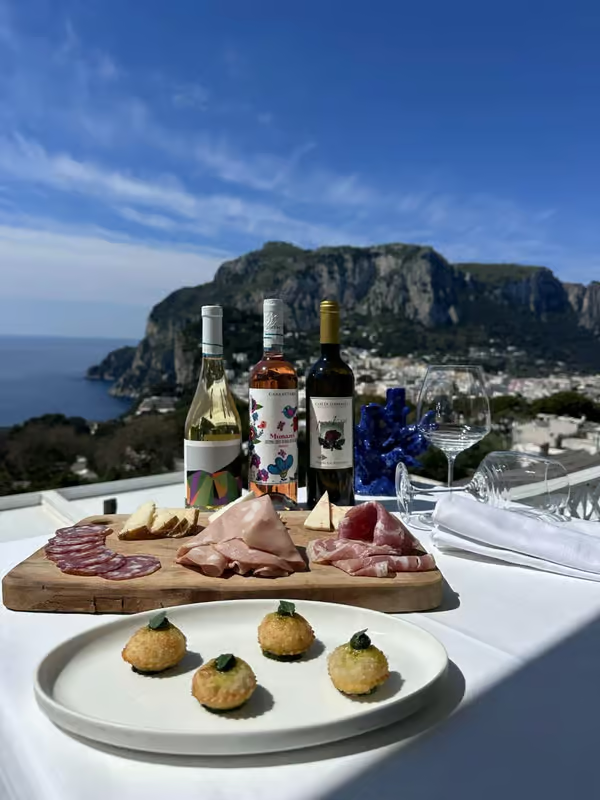
Today, every bottle from Tuscany, Piedmont, Sicily, Veneto, Friuli, Campania, and countless other regions carries echoes of this remarkable journey.
Italian wine is not merely a beverage. It is a living historical document—one that continues to evolve with every harvest.