Table of Contents
Champagne is far more than a mere beverage; it is a global symbol of celebration, luxury, and the sophisticated French “art de vivre.” My first trip to the region felt like stepping into a living museum where the weight of history and the delicate science of bubbles collide. Walking down the iconic Avenue de Champagne in Épernay, there is a profound sense of awe when you realize that beneath your feet lies a labyrinth of over 200 million bottles aging in silent, chalky darkness.
I found a distinct thrill in the region’s duality: visiting a prestigious Grande Marque like Veuve Clicquot or Moët & Chandon in the morning to witness grand-scale opulence, only to spend the afternoon in a muddy-boot vineyard with a small grower-producer in Hautvillers.
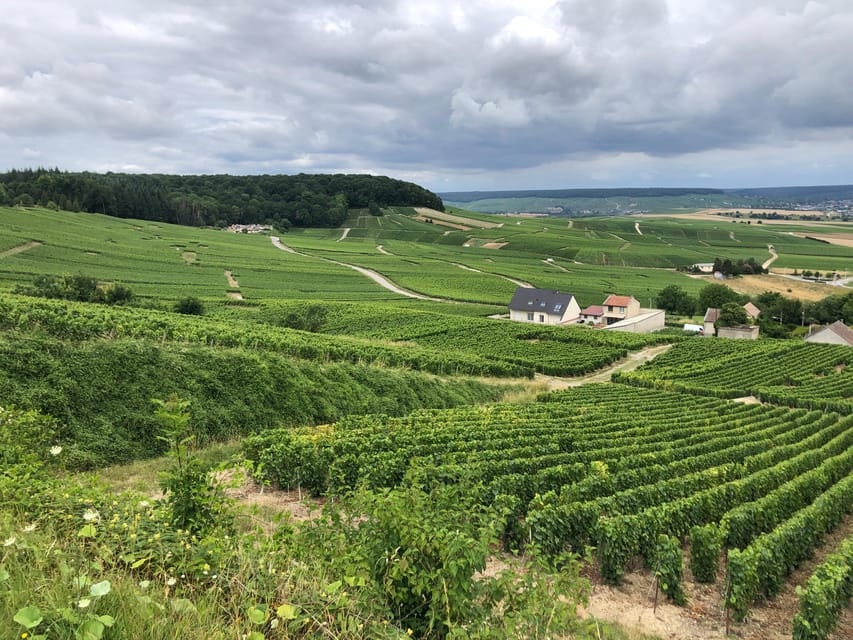
The contrast between the magnificent limestone mansions of Reims and the rolling, vine-covered hills of the Marne Valley is what makes this region truly addictive. Whether you are sipping a crisp, mineral-driven Blanc de Blancs overlooking the Côte des Blancs or enjoying a heavy, traditional three-course lunch paired with a robust vintage cuvée, Champagne offers a refined yet deeply authentic experience that stays with you long after the last bubble has faded.
Planning a wine tour or Winery in Champagne How to go there
The Champagne region is exceptionally accessible, especially from Paris, making it one of the easiest and most rewarding wine regions to visit in France. Because of its proximity to major transportation hubs, travelers can transition from an international flight to a historic wine cellar in just a few hours.
-
Main Airport Hubs:
-
CDG (Paris Charles de Gaulle): This is the primary international gateway for most travelers. From here, you do not even need to enter central Paris; you can take a direct TGV (high-speed train) from the airport station to the Champagne-Ardenne TGV station in just 30 minutes.
-
ORY (Paris Orly): Extremely useful for those arriving on European or domestic flights. While it lacks a direct TGV to Champagne, it requires only a short transfer into central Paris (Gare de l’Est) to catch a high-speed connection.
-
XCR (Paris-Vatry): A smaller regional airport located about 50 to 60 minutes south of Épernay. It is mostly served by budget carriers and is an excellent alternative for those looking to start their trip in the southern part of the region.
-
-
By Train:
-
The TGV Est is the lifeline of the region, connecting Paris Gare de l’Est to Reims in a mere 45 minutes.
-
Épernay is reachable via a regional TER train from Paris in about 1 hour and 20 minutes, or by a quick connection from the Reims TGV station.
-
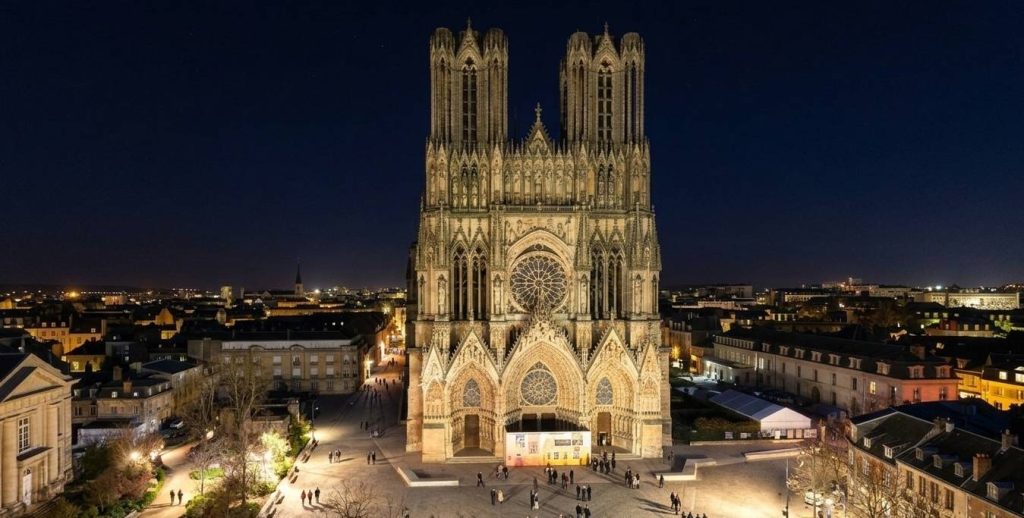
Reims Cathedral
Book your Flight Ticket to Champagne
Rent a Car in Champagne
Distances from Champagne Main Cities to Key Wine Regions
To plan your Champagne wine tour effectively, it is vital to understand the travel times between the main urban hubs and the diverse vineyard sub-regions. The region is relatively compact, but the winding vineyard roads and picturesque villages often require more time than a straight line on a map would suggest.
From Reims (The Northern Hub):
-
To Montagne de Reims (Rilly-la-Montagne/Verzenay): 15–20 minutes (approx. 15 km). This area is dominated by Pinot Noir and features the famous “faux de Verzy” twisted trees. The proximity makes it a perfect morning excursion from the city center.
-
To Vallée de la Marne (Châtillon-sur-Marne): 35–40 minutes (approx. 35 km). Driving west follows the river through the heart of Pinot Meunier country, offering dramatic valley views.
-
To Côte des Bar (Troyes/Les Riceys): 1 hour 15 minutes to 1 hour 30 minutes (approx. 125 km). This southern sector requires a dedicated day trip via the A26 motoraway, offering a more rustic, artisan feel compared to the northern hubs.
From Épernay (The Central Hub):
-
To Côte des Blancs (Avize/Le Mesnil-sur-Oger): 15–20 minutes (approx. 12 km). Driving south from Épernay brings you immediately into the kingdom of Chardonnay, where the soil is the purest white chalk.
-
To Vallée de la Marne (Hautvillers/Aÿ): 10–15 minutes (approx. 7 km). These historic slopes are almost an extension of the town, home to the birthplace of Champagne and the UNESCO-listed hillsides.
-
To Côte de Sézanne: 45–50 minutes (approx. 45 km). Located further south of the Côte des Blancs, this sub-region is gaining fame for its exotic, fruit-forward Chardonnays and offers a quieter touring experience away from the main crowds.
Budgeting Your Champagne wine tour experience
Budgeting for a Champagne wine tour requires a nuanced understanding of the local market. Champagne is arguably the most prestigious wine region in the world, and prices for services reflect this status.
Accommodation (per night)
-
Budget (€90 – €130): Includes charming “Chambres d’Hôtes” (B&Bs) run by local families, or 3-star chain hotels on the outskirts.
-
Medium (€150 – €300): Stylish boutique hotels in the centers of Reims and Épernay, or high-quality Estate rentals in the heart of the vineyards.
-
Luxe (€400 – €900+): The pinnacle of French hospitality, including stays in a historic Château or 5-star palace hotels like Les Crayères.
Dining (per person, excluding wine)
-
Budget (€20 – €35): Focuses on local brasseries and bistros where you can enjoy a Plat du Jour.
-
Medium (€45 – €80): Contemporary French bistros and “Bib Gourmand” restaurants using seasonal local produce.
-
Luxe (€120 – €350+): Fine dining at Michelin-starred establishments with multi-course menus designed for prestige cuvée pairings.
Wine Tasting (per session)
-
Budget (€20 – €30): Usually involves a visit to a small grower-producer where you taste 2-3 cuvées in a personal, family setting.
-
Medium (€40 – €75): The standard for a tour and tasting at a famous house, including cellar visits and a flight of 3 wines.
-
Luxe (€100 – €250+): Tailored Private tour experiences, including private library access, prestige-only flights, or food-pairing workshops.
Find the Best Places to Stay in Champagne
Best Period to visit Champagne
The region transforms dramatically with the seasons, offering a completely different atmosphere and sensory experience for your Private tour depending on when you choose to arrive.
-
Spring: Rebirth (April – June): This is the season of hope and visual wonder. As the frost recedes, the vineyards wake up and the first “debourrement” (bud burst) carpets the hillsides in a delicate, pale green. The weather is typically mild and pleasant, ideal for long walks through the vines or exploring the Avenue de Champagne without the summer heat. This is also a fantastic time for Wine tasting because the cellars are less crowded, and winemakers are often available to discuss the previous year’s vintage which is just beginning its long sleep in the bottles.
-
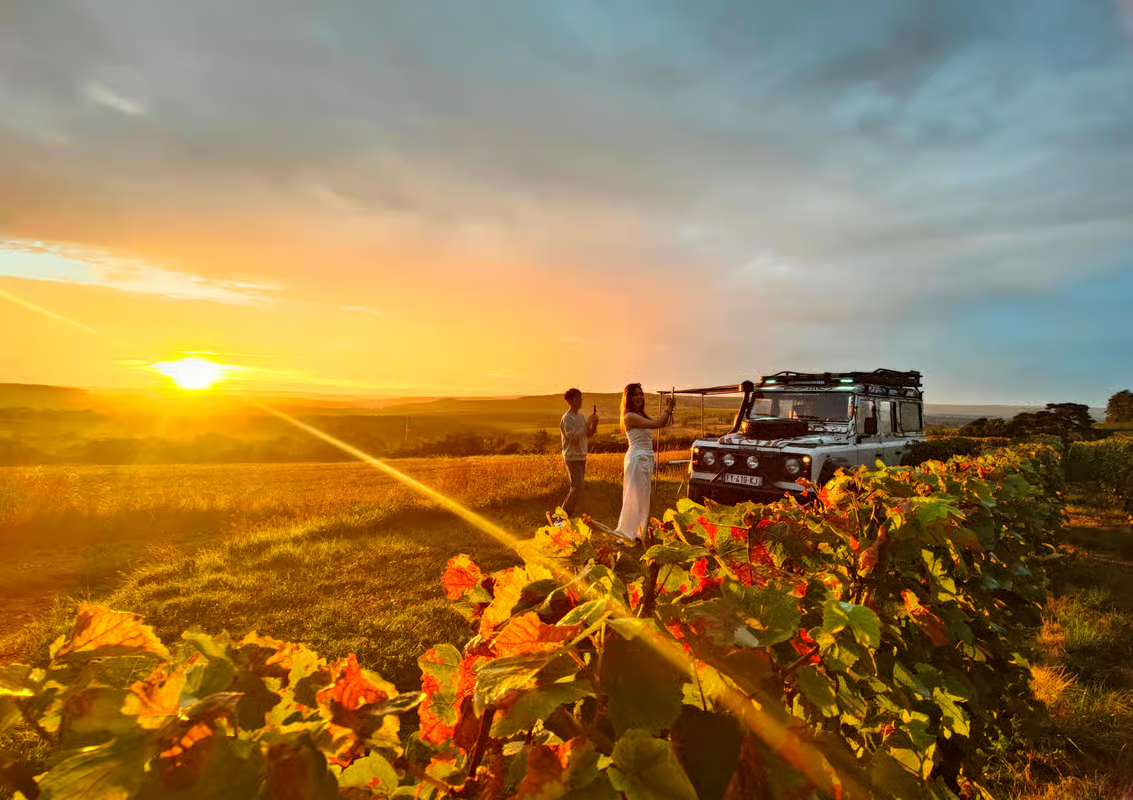
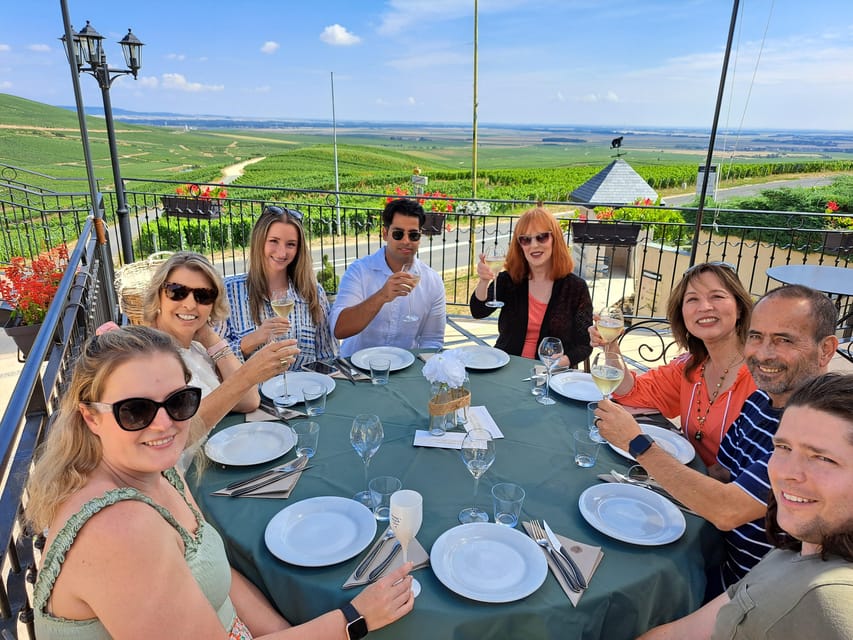
Summer: Peak (July – August): During the height of summer, the vineyards are at their most lush and vibrant. The canopy is full, and the small green grapes begin to swell. The region truly comes alive with outdoor events, terrace tastings, and evening light shows on the facade of the Reims Cathedral. While it is the busiest and most expensive tourist season, the long, sunny days provide the perfect backdrop for a Private tour that includes a picnic in the heart of a Grand Cru vineyard or a sunset glass of Rosé overlooking the Marne Valley.
-
Autumn: Harvest (September – October): This is the soul of Champagne. The entire region hums with an electric energy during the vendange (harvest). The air is thick with the scent of pressed grapes, and tractors dominate the narrow village roads. Visually, the landscape turns into a sea of gold and ochre. While it is the most exciting time to see the work in the press houses, it requires careful planning: many small grower-producers are physically picking grapes and may close their doors to tourists. However, the larger Estates often offer special harvest-themed tours that allow you to taste the “moût” (fresh juice) before it ferments.
-
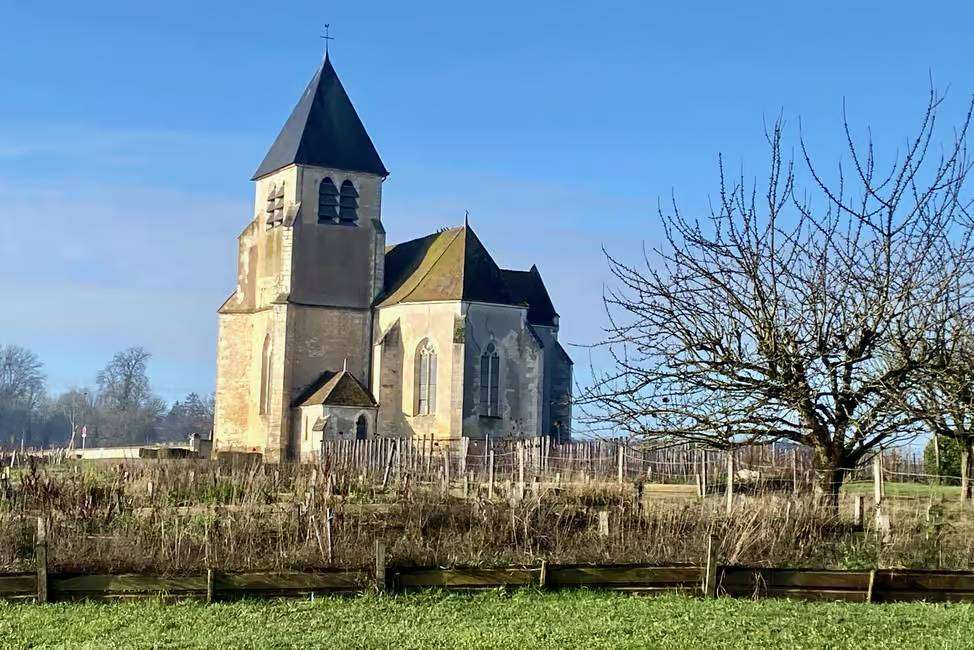
Winter: Quiet (November – March): As the vines enter their winter dormancy, a peaceful, introspective silence falls over the region. While the landscape is stark and often misty, the experience moves entirely underground. The Wine tasting sessions feel more intimate and cozy in the warm tasting rooms. The underground cellars remain a constant 12°C year-round, making them a perfect refuge from the cold. December is particularly magical with the Reims Christmas Market and the “Habits de Lumière” festival in Épernay, where the grand houses are illuminated by spectacular light installations and street parades.
Main towns and places in Champagne Sanctuaries of Stone: The Towns That Guard the Vines
Reims
Reims is the unofficial capital and the “City of Kings,” offering a grand, sophisticated urban atmosphere that blends ancient Roman roots with high-end modern luxury. The city is anchored by the awe-inspiring Reims Cathedral, a UNESCO masterpiece where 33 French kings were crowned, and the nearby Palais du Tau. As a wine hub, Reims is essential because it sits atop “Les Crayères”—massive, cathedral-like Roman chalk quarries that serve as naturally climate-controlled cellars for world-famous houses like Veuve Clicquot, Taittinger, and Pommery. Visitors should expect a refined lifestyle with Michelin-starred dining, chic boutiques, and an immediate gateway to the Montagne de Reims sub-region, famous for its powerful Pinot Noir.
Epernay
Smaller and more intimate than Reims, Épernay is the self-proclaimed “Capital of Champagne,” where life revolves almost entirely around the grape. Its beating heart is the legendary Avenue de Champagne, a mile-long stretch of 19th-century mansions representing the industry’s elite, including Moët & Chandon, Perrier-Jouët, and Pol Roger. Beneath these opulent facades lie over 110 kilometers of tunnels storing hundreds of millions of bottles. It is a must-visit for its sheer density of world-class Wine tasting rooms and its strategic location at the intersection of the Côte des Blancs (Chardonnay) and the Vallée de la Marne (Pinot Meunier).
Troyes
Located in the southern Aube department, Troyes is a historical gem known for its remarkably well-preserved half-timbered houses and a town center shaped like a Champagne cork. It offers a more rustic, “old-world” French vibe compared to the northern cities, with winding medieval streets and stunning Gothic churches. For the wine lover, Troyes is the vital gateway to the Côte des Bar, a sub-region that has become the darling of sommeliers for its expressive, terroir-driven Pinot Noirs and avant-garde grower-producers. It is the perfect destination for those seeking an authentic, less commercial experience away from the traditional tourist trail.
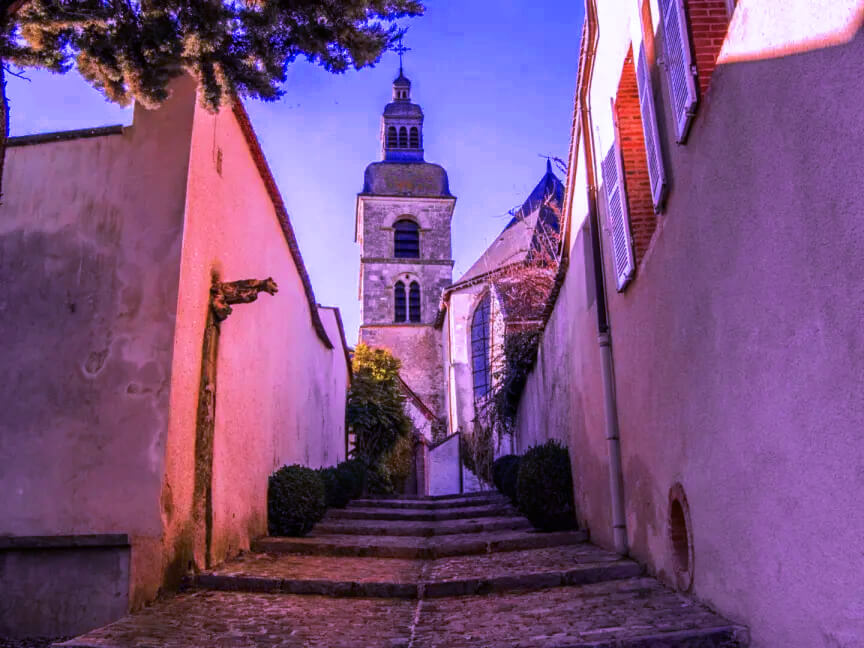
Hautvillers, the home of Dom Perignon
Hautvillers
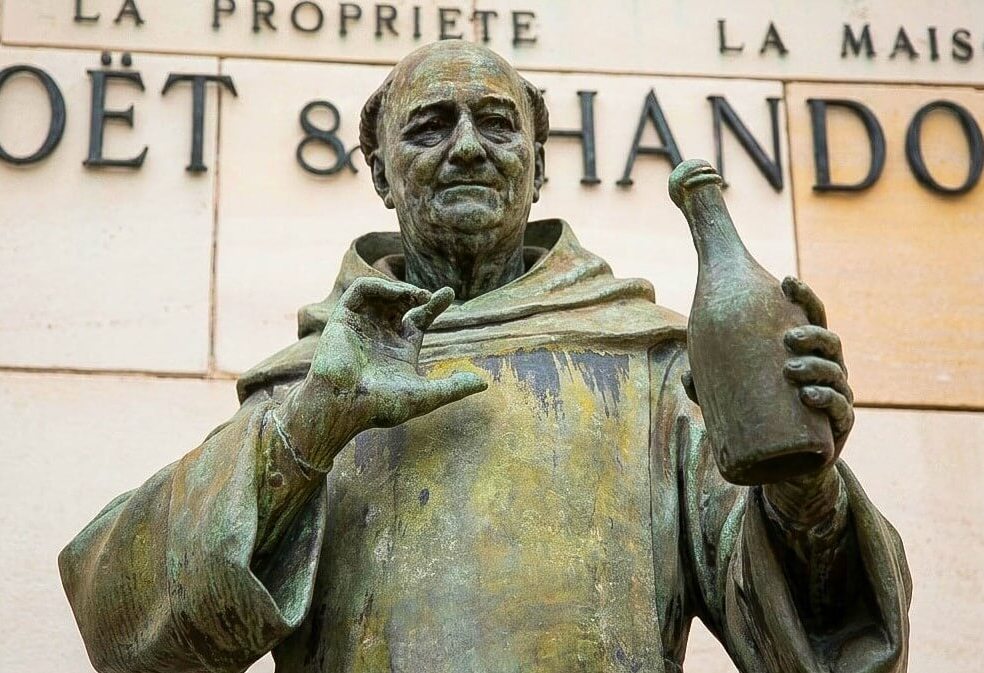
Commonly referred to as the “Cradle of Champagne,” this picturesque village is perched on a hill overlooking the Marne Valley. It is famously the home of the Abbey where the monk Dom Pérignon lived and refined the “méthode champenoise.” The village is a living postcard, characterized by narrow streets and hundreds of unique wrought-iron signs (enseignes) depicting the trades of its inhabitants. It is a vital stop for any Private tour because it offers a village-scale perspective on the industry, surrounded by some of the most historic Premier Cru vineyards in the region.
Aÿ-Champagne
Situated just minutes from Épernay, Aÿ is a historic Grand Cru village that has been famous for its wines since the Middle Ages—kings of France once owned vineyards here. It feels more industrial and hardworking than its neighbors, with many grand houses like Bollinger and Deutz hidden behind large gates and stone walls. A visit here is important for understanding the depth of Grand Cru terroir. It is also home to the Pressoria, a state-of-the-art sensory museum that explains the winemaking process in a beautifully restored historical pressing house.
Top 20 Must Visit Wineries in Champagne And Why
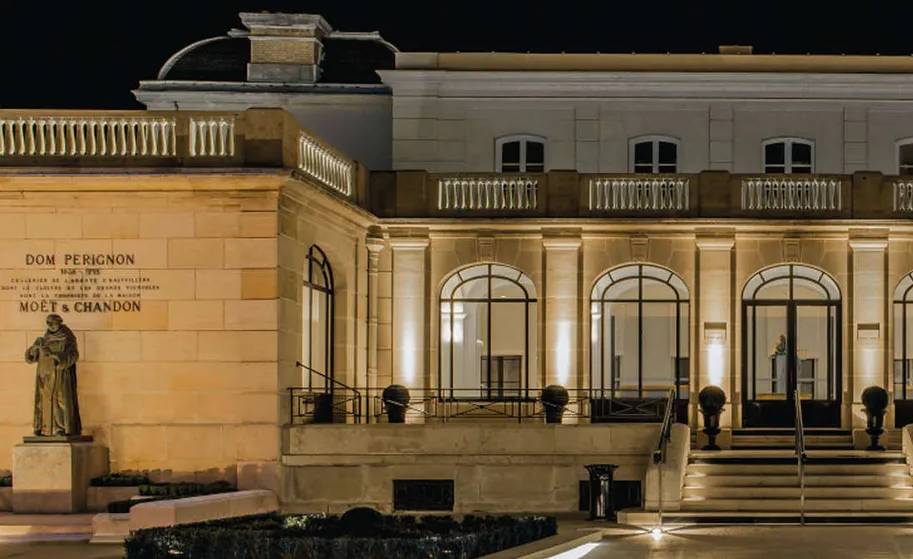
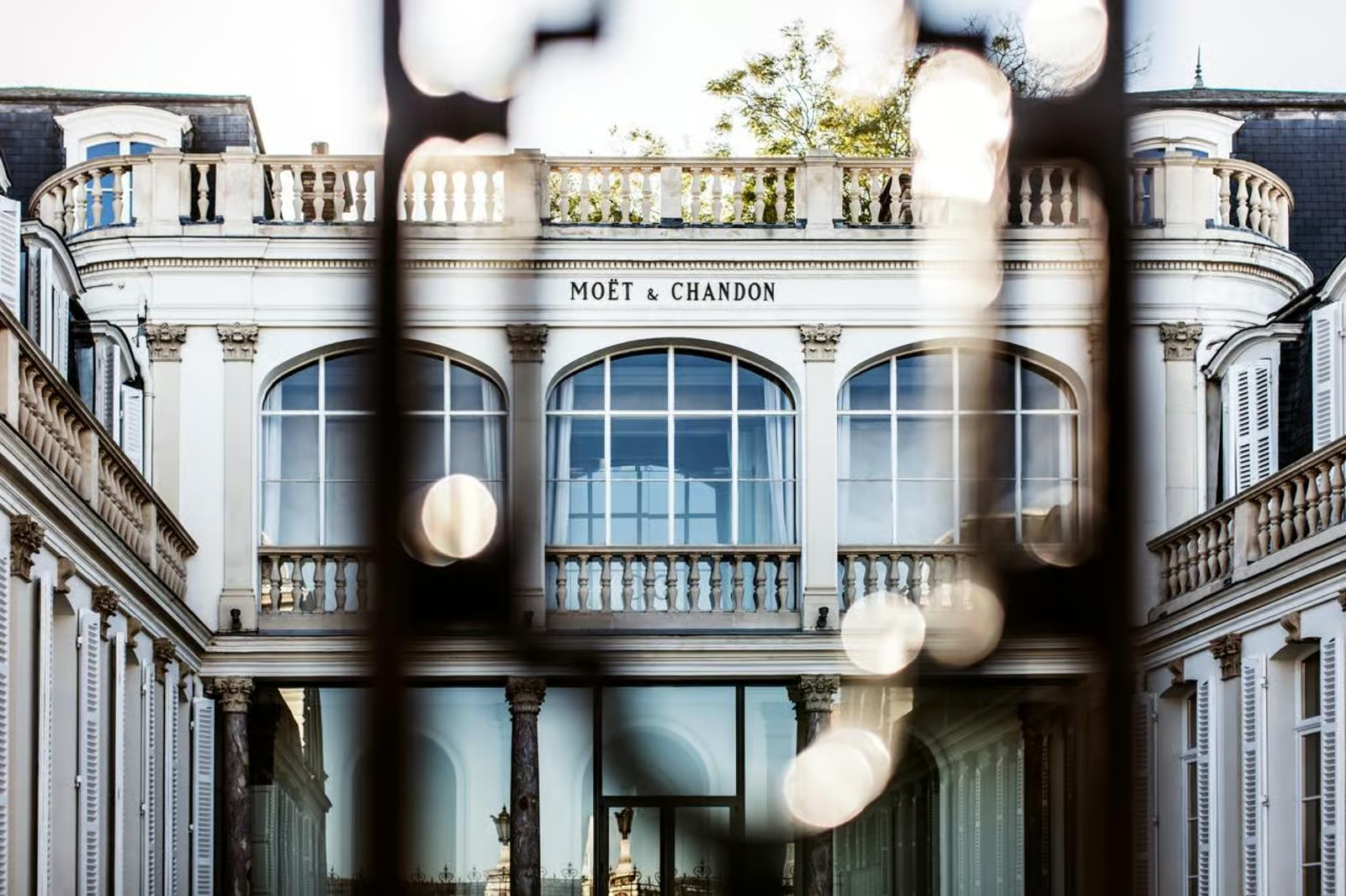
Maison Moët & Chandon, Epernay
To truly understand the multifaceted soul of Champagne, one must navigate the delicate balance between the historic power of the Grandes Marques and the raw, terroir-driven passion of the Grower-Producers. Selecting which Châteaux or Estates to visit can be overwhelming, as the region boasts over 16,000 growers and 340 houses. However, some destinations are simply non-negotiable for a complete experience.
Whether you are seeking the cinematic grandeur of ancient Roman chalk cellars in Reims, the floral Art Nouveau elegance of Épernay’s most famous mansions, or a muddy-boot encounter with a visionary winemaker in a tiny Grand Cru village, these twenty selections provide a comprehensive masterclass in bubbles. From the “Holy Trinity” of the oldest houses to the avant-garde rebels practicing biodynamics, each stop on this list has been chosen for its historical significance, architectural beauty, and, most importantly, the exceptional quality of the Wine tasting experience they provide.
-
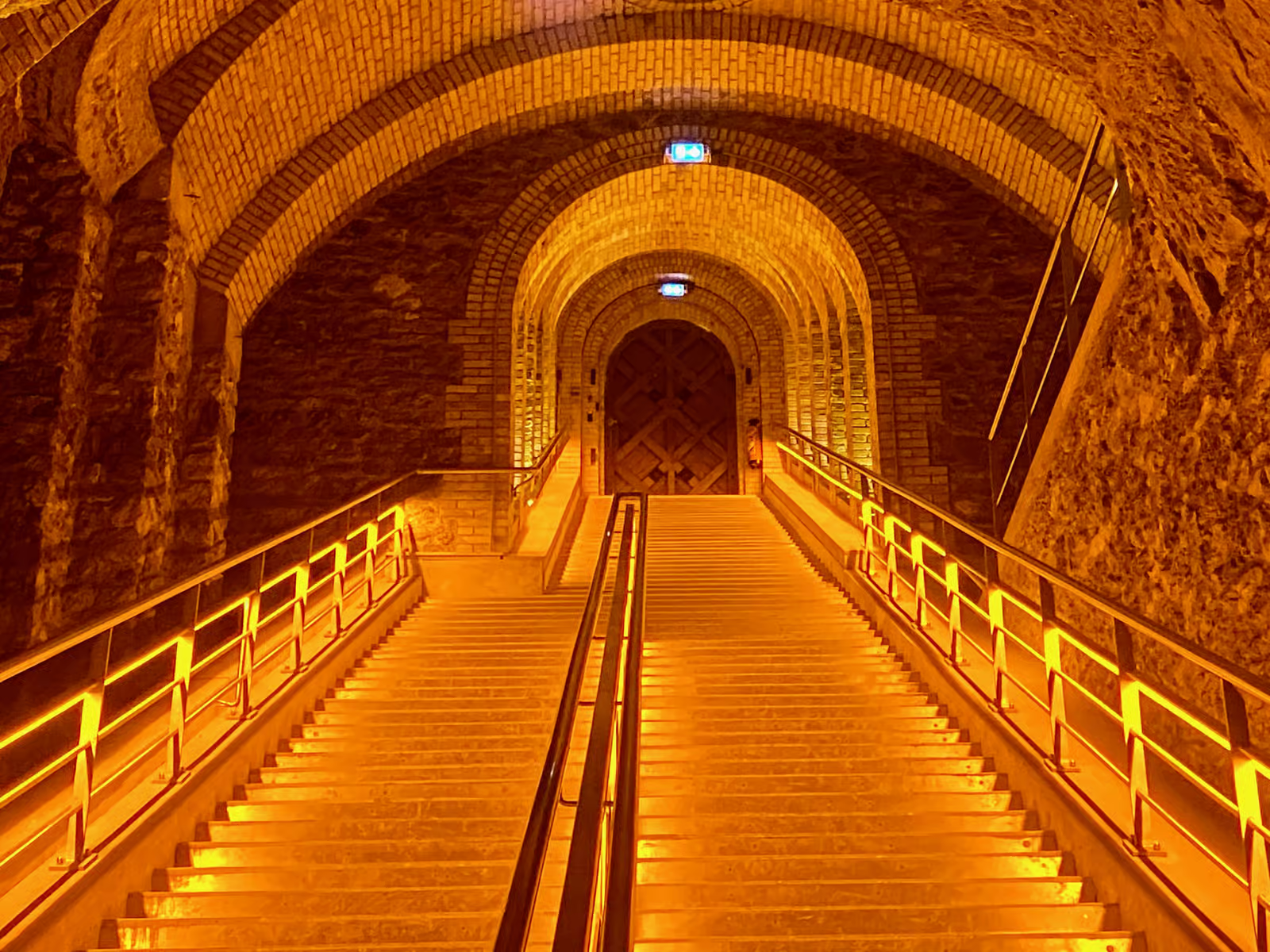
Moët & Chandon (Épernay): As the largest and perhaps most famous house in the world, this Estate represents the pinnacle of Champagne’s global reach. Founded in 1743, it has played host to historical figures from Napoleon Bonaparte to modern-day royalty. Why visit: To descend into the most extensive network of cellars in the region (28km) and witness the sheer scale of production while walking beneath the iconic Avenue de Champagne.
-
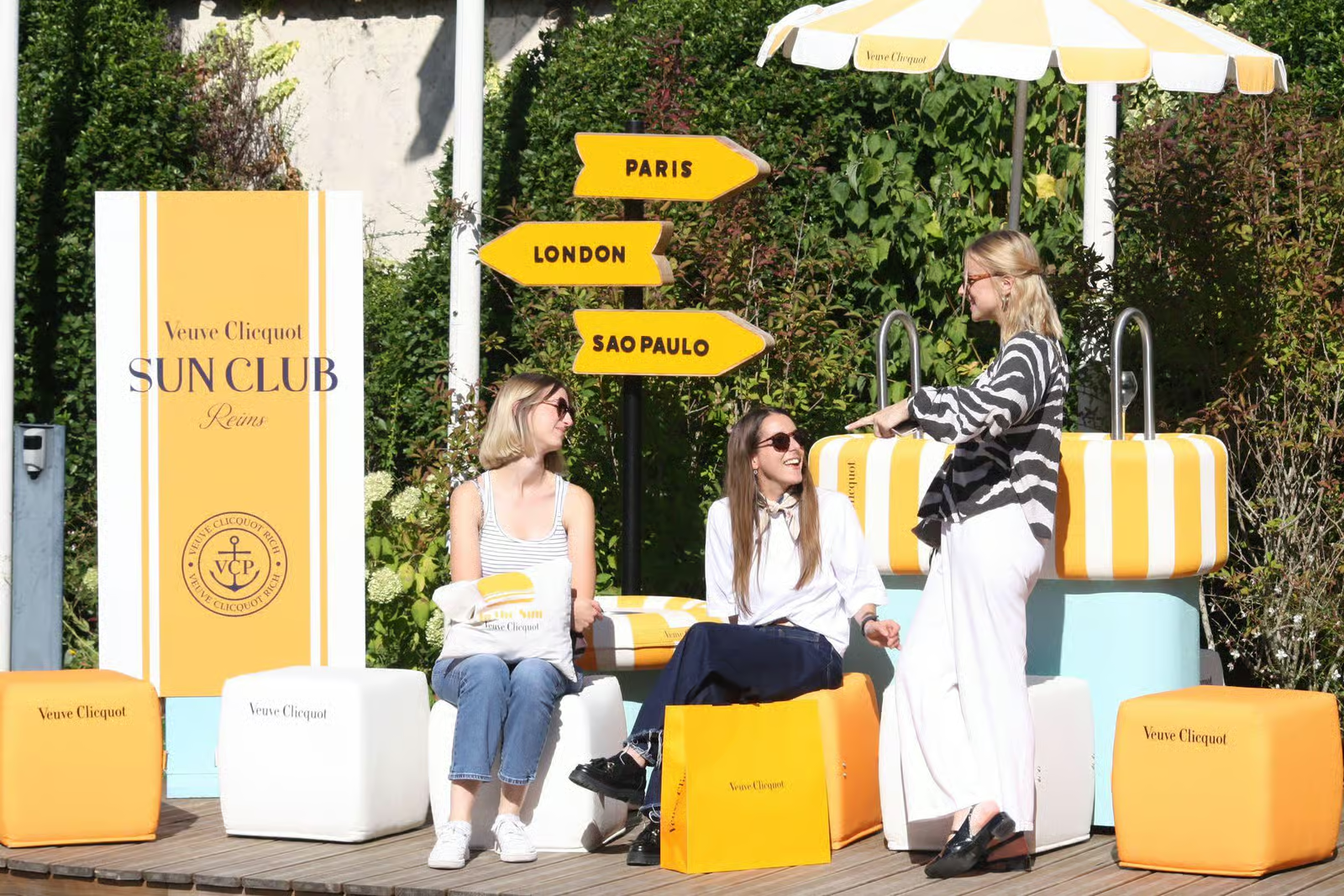
Veuve Clicquot (Reims): This house is an icon of female-led audacity and technical innovation. Madame Clicquot, the “Grand Dame of Champagne,” revolutionized the industry by inventing the riddling table to clarify wine. Why visit: To explore their stunning Crayères (UNESCO-protected chalk quarries) and see where the distinctive yellow-label bottles age in a setting that feels like a subterranean cathedral.
-
Ruinart (Reims): Established in 1729, Ruinart holds the title of the oldest established Champagne house. It is synonymous with the elegance of Chardonnay and has a long-standing relationship with the arts. Why visit: Their cellars are widely considered the most beautiful in the world, featuring deep, prehistoric chalk pits that provide a high-end, mystical backdrop for a refined Wine tasting.
-
Taittinger (Reims): A major family-run house that remains one of the few large Estates to bear the name of the family that manages it. They are masters of the Chardonnay-dominant style. Why visit: The cellars are built into the remains of the 13th-century Saint-Nicaise Abbey; walking through these medieval ruins provides a profound sense of the intersection between religious history and viticulture.
-
Billecart-Salmon (Mareuil-sur-Aÿ): Located in a charming village outside the main hubs, this house is world-renowned for its legendary Rosé and its obsession with freshness. Why visit: This is a meticulous Estate featuring a stunning traditional “clos” (walled vineyard) and a production facility that prioritizes cold fermentation to preserve the delicate aromas of the fruit.
-
Bollinger (Aÿ): Known affectionately as “Bolly,” this house is a bastion of traditionalism and the preferred pour of James Bond. It is one of the few houses to maintain its own cooperage. Why visit: To see their master coopers at work repairing oak barrels and to experience a “Pinot Noir power” house that uses old-school fermentation techniques to create muscular, complex wines.
-
Pommery (Reims): Madame Pommery was a visionary who created the first “Brut” (dry) Champagne and transformed her Estate into a visual marvel of Elizabethan-style architecture. Why visit: The house integrates contemporary art exhibitions directly into its Roman chalk quarries, creating a vibrant, subterranean gallery that makes for a unique and colorful Private tour.
-
Perrier-Jouët (Épernay): This house is the ultimate destination for lovers of the “Belle Époque” era. Their signature anemone flower design is recognized worldwide as a symbol of floral elegance. Why visit: To tour the “Maison Belle Époque,” which houses the largest private collection of French Art Nouveau furniture and art in Europe, offering an aesthetic experience as delicate as the wine itself.
-
Champagne Geoffroy (Aÿ): A top-tier grower-producer that recently moved to a stunning new facility in the heart of Aÿ. They are leaders in sustainable viticulture and “saignée” Rosé. Why visit: To witness a modern, gravity-fed winery in action and taste highly expressive, terroir-driven wines that offer a more intimate, “hand-crafted” perspective compared to the large brands.
-
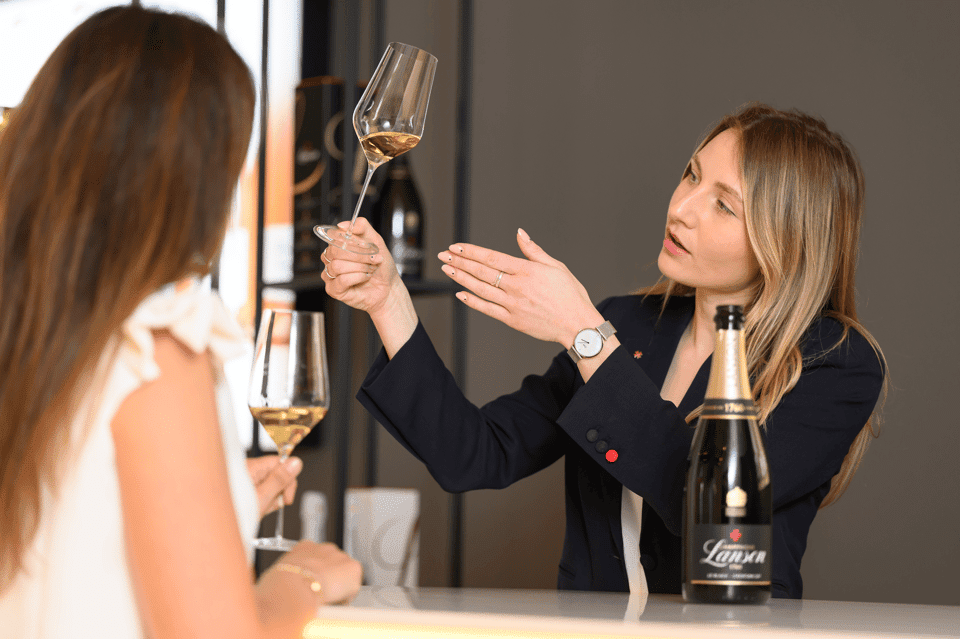
Lanson (Reims): One of the few major houses that has resisted malolactic fermentation, resulting in a signature style characterized by exceptional crispness and longevity. Why visit: Their “Clos Lanson” tour is unique, as they own a rare 1-hectare vineyard right in the city of Reims, allowing you to experience the full “vine-to-glass” process in a single urban location.
-
Gosset (Épernay): While Ruinart is the oldest house for sparkling wine, Gosset is the oldest wine house in the region, dating back to 1584 when they produced still red wines. Why visit: To taste the history of a house that prides itself on “extreme freshness.” Their Wine tasting highlights wines with high acidity and incredible aging potential, often presented in their signature antique-style bottles.
-
Leclerc Briant (Épernay): An avant-garde house that has become a global pioneer in biodynamic viticulture and “energetic” winemaking. They are famous for experimenting with unconventional aging vessels. Why visit: For a modern, spiritual experience involving gold-lined barrels and even bottles aged under the sea, providing a deep dive into the future of ecological Champagne production.
-
Champagne Drappier (Urville): The undisputed kings of the Côte des Bar in the south. They are famous for their Pinot Noir-heavy blends and their commitment to “natural” winemaking. Why visit: To taste Champagnes with very low sulfur and see the 12th-century cellars originally built by Cistercian monks, offering a rustic and authentic contrast to the northern houses.
-
Krug (Reims): Often cited as the ultimate luxury for true connoisseurs, Krug is legendary for its “Grande Cuvée,” a blend of over 120 different wines from ten or more vintages. Why visit: A Private tour here is highly exclusive; the experience focuses on the art of individual plot selection and the musicality of blending, often involving immersive sensory and auditory elements.
-
Pierre Gimonnet & Fils (Cuis): A premier grower Estate located in the heart of the Côte des Blancs. They are masters of the Chardonnay grape and possess some of the oldest vines in the region. Why visit: For a technical masterclass in “Blanc de Blancs.” Their tastings explain the subtle geological differences between Grand Cru villages with surgical precision.
-
Philipponnat (Mareuil-sur-Aÿ): This historic house is home to the “Clos des Goisses,” the most famous single vineyard in the region. It is a 5.5-hectare plot on a pure chalk slope. Why visit: To see the steepest vineyard in Champagne (a 45-degree angle) and taste wines that are uniquely powerful, structured, and capable of aging for decades.
-
Vilmart & Cie (Rilly-la-Montagne): A boutique Estate that has earned a cult following among sommeliers for its rich, oak-influenced style and impeccable vineyard management. Why visit: Often called “The Poor Man’s Krug,” a visit here allows you to see how large oak casks (foudres) are used to create creamy, complex Champagnes in an intimate, family-run setting.
-
AR Lenoble (Damery): One of the few remaining 100% independent and family-owned houses of its size. They are celebrated for their environmental stewardship and artisanal techniques. Why visit: To learn about their unique “perpetual reserve” kept in magnums under natural cork, a rare process that adds incredible depth and “gastronomic” weight to their wines.
-
Deutz (Aÿ): Founded in 1838, Deutz combines the rigor of a large house with the soul of a boutique producer. The Estate is hidden behind elegant stone gates in a quiet Grand Cru village. Why visit: For a sophisticated and private atmosphere. Tasting their “Amour de Deutz” prestige cuvée in their beautiful 19th-century salon is one of the most refined experiences in the region.
-
Champagne Tarlant (Oeuilly): The Tarlant family has been working the soil since 1687 and are considered the “rebels” of the Vallée de la Marne for their focus on non-dosed wines. Why visit: To taste “Zero Dosage” (no added sugar) Champagnes that offer the purest, most bone-dry expression of the fruit and soil possible, perfect for those who want to experience the “naked” truth of Champagne.
Not to Miss: Must-Visit Experiences
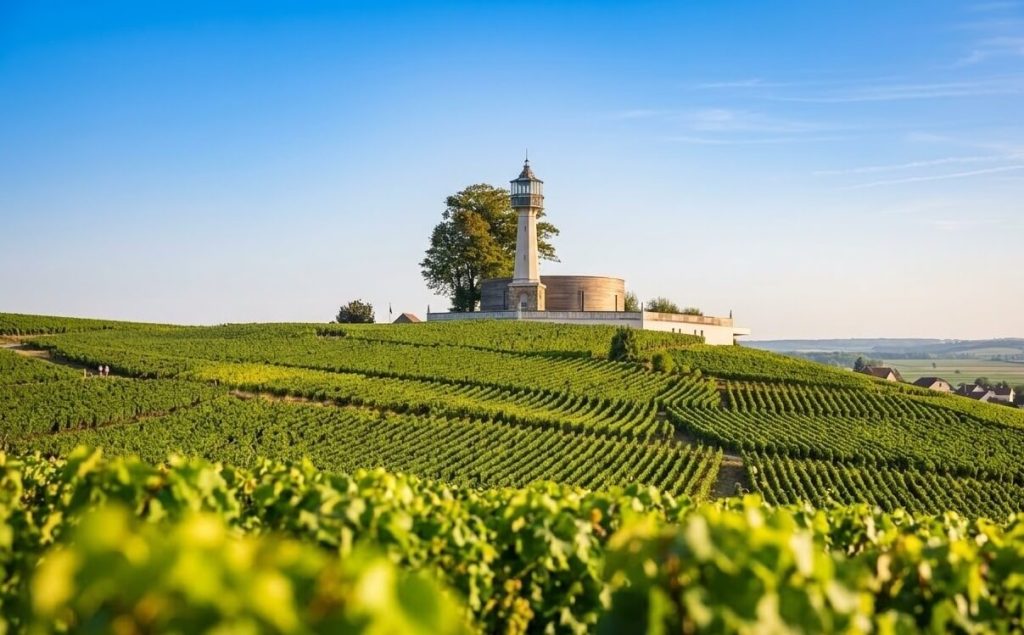
The Phare de Verzenay in the middle of vineyards
The Champagne region offers several landmark experiences that define its heritage and provide breathtaking views of its unique landscape. Beyond the cellars, these sites tell the story of the people and the land that make the region famous.
-
Hautvillers & the Abbey of Saint-Pierre: You must visit the final resting place of Dom Pérignon in the historic Abbey church. Wander through this picturesque village, famous for the decorative wrought-iron signs that hang from almost every house, each telling a story of the resident’s profession. It offers the most soul-stirring views of the Marne Valley.
-
The Phare de Verzenay: A literal lighthouse standing in the middle of a sea of vines. Built as an advertisement in 1909, it now houses a comprehensive vine museum. Climbing the 101 steps to the observation deck rewards you with the best panoramic views of the Montagne de Reims and its rolling hillsides.
-
Cellar Tours in Les Crayères: Descending into the deep, cold, and humid chalk pits of legendary houses like Ruinart, Veuve Clicquot, or Pommery is a spiritual experience. These ancient Roman quarries are carved deep into the white earth, and seeing centuries of history etched into the walls while tasting a glass of prestige cuvée is the emotional highlight of any trip.
-
The Avenue de Champagne: Often described as the “most expensive street in the world,” this mile-long stretch in Épernay is a UNESCO World Heritage site. Walking it at dusk, when the magnificent mansions of Pol Roger, Perrier-Jouët, and Moët & Chandon are illuminated, is quintessential. It is the ultimate display of 19th-century grandeur.
-
Les Faux de Verzy: Located in the forest of the Montagne de Reims, this is home to the world’s largest concentration of rare dwarf beech trees. Their twisted, eerie branches create a fairy-tale atmosphere, offering a unique natural break from the formal vineyard scenery and a glimpse into the region’s biodiversity.
-
Reims Cathedral (Notre-Dame de Reims): Even if you aren’t a history buff, the sheer scale of this Gothic masterpiece is breathtaking. As the coronation site of French kings, its spiritual and political importance is immense. Look for the “Smiling Angel” statue and the stunning modern stained-glass windows designed by Marc Chagall.
-
Villa Demoiselle: A masterpiece of Art Nouveau and Art Deco architecture in Reims, perfectly restored to its former glory. A tour here offers a glimpse into the opulent, artistic lifestyle of the Champagne elite during the Belle Époque, complete with a tasting of Champagne Vranken in a setting of unmatched elegance.
-
The Pressoria in Aÿ: A modern, immersive sensory museum located in a former pomace press. It explains the “metamorphosis” of the grape into Champagne through touch, smell, and sound, concluding with a panoramic tasting that helps you identify the different sub-regions you’ve visited.
-
The Vineyards of Les Riceys: In the far south, this village is the only one in France with three AOCs (Champagne, Coteaux Champenois, and Rosé des Riceys). The steep, sun-drenched slopes offer a completely different visual and viticultural experience compared to the northern “Big Houses.“
Local Gastronomy: What to Taste Absolutely The Champagne Foodie experience
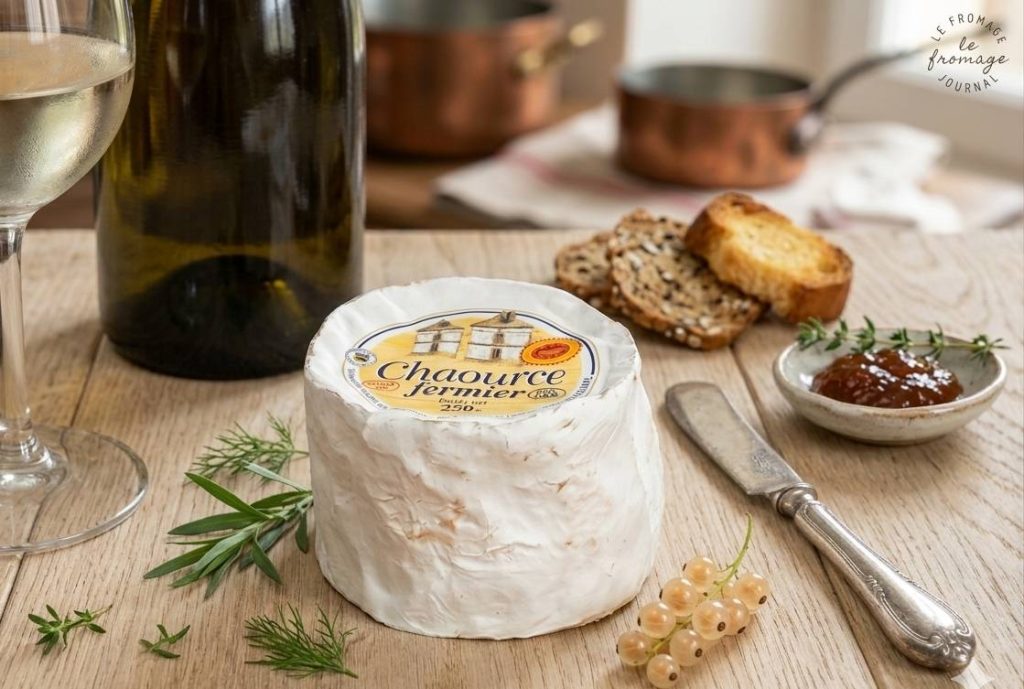
Chaource Cheese
Exploring Champagne’s culinary landscape is as important as its liquid exports, as the local food is specifically evolved to complement the region’s famous bubbles. From delicate sweets to hearty terroir-driven meats, these specialties are a must-try for any gourmet traveler.
-
Le Jambon de Reims: A true staple of the Reims culinary identity. This is a marbled ham, salted and seasoned with nutmeg and parsley, then cooked in a special broth. It’s typically served cold, sliced into cubes as an elegant aperitif snack or as a starter. Its savory, salty profile is the perfect foil for the acidity of a young Blanc de Blancs.
-
Biscuits Roses de Reims: Created by the Fossier house in the 1690s, these light, crunchy pink vanilla biscuits are a regional icon. They are double-baked to remain firm and are specifically designed to be dipped into a glass of Champagne; the biscuit absorbs the wine without crumbling, a tradition known as faire chabrol.
-
Chaource & Langres Cheeses: These are the two essential local creamy cheeses. Chaource is a cow’s milk cheese with a delicate white rind and a creamy, slightly salty heart. Langres, from the southern end of the region, is more pungent with a distinctive “well” on top; locals often pour a splash of Champagne or Marc de Champagne into the well to soak the paste before serving.
-
Andouillette de Troyes: For the adventurous palate, this traditional chitterling sausage is hand-made and protected by the AAAA label. It is best enjoyed grilled, releasing a powerful, earthy aroma that pairs surprisingly well with a robust, structured vintage Pinot Noir-based Champagne or a Private tour lunch in the Aube.
-
Boudin Blanc de Rethel: A delicate white sausage made with high-quality pork, fresh milk, and whole eggs. It has a Protected Geographical Indication (PGI) and contains no breadcrumbs or starch. Often served pan-seared with caramelized apples, its smooth texture and mild flavor are a dream pairing with a rich, barrel-aged cuvée.
-
Potée Champenoise: The ultimate comfort food of the region. This is a rustic, hearty stew made with smoked pork, ham hock, sausages, and local vegetables like cabbage, potatoes, and carrots. It is the traditional, soul-warming meal shared by vineyard workers during the chilly days of the harvest.
-
Lentilles Vertes de la Champagne: These small, dark green lentils are grown in the chalky soils around Châlons-en-Champagne. They have a subtle nutty flavor and a firm texture that holds up well in salads or as a garnish for local duck or fish dishes, embodying the region’s mineral-rich terroir.
-
Moutarde de Reims: A historical mustard made from the seeds of local plants and the “verjus” (unripe grape juice) or vinegar of Champagne. It has a lighter, more refined acidity than Dijon mustard and is often flavored with honey or cloves, frequently served alongside the local charcuterie.
-
Marc de Champagne & Ratafia: Two essential local spirits. Marc is a potent brandy distilled from grape pomace, while Ratafia is a sweet, fortified mistelle made from unfermented grape juice and brandy. Both are traditionally served as digestifs or used to deglaze pans for rich local sauces.
Plan your Transportation Planning Your Pilgrimage in Champagne
Navigating the Champagne region requires a strategic approach to balance the logistics of moving between rural vineyards and historic city centers while ensuring safety during a day of Wine tasting.
-
By Train (The Inter-City Lifeline): The high-speed TGV and regional TER networks are perfect for travelers focusing on the major hubs of Reims and Épernay. Trains between these two cities run frequently (about every 30-40 minutes) and the journey takes just 20 to 30 minutes, cutting through the picturesque scenery. Both city stations are centrally located, making it easy to visit legendary Estates like Veuve Clicquot or Moët & Chandon on foot.
-
Renting a Car (The Explorer’s Choice): To truly discover the “secret” spots of the Montagne de Reims or the Côte des Blancs, a car is essential. Major rental agencies (Hertz, Sixt, Avis) are located directly inside the Reims and Champagne-Ardenne TGV stations. Having your own vehicle allows you to follow the Route Touristique du Champagne, stop at panoramic viewpoints, and visit tiny grower-producers in villages like Ambonnay or Le Mesnil-sur-Oger where public transport is non-existent.
-
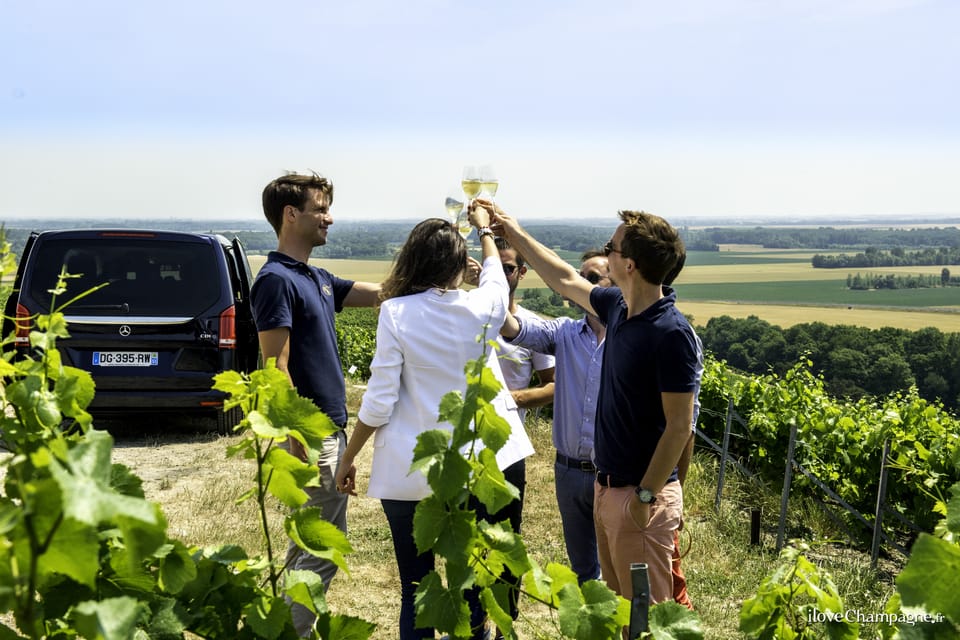
Private Tour & Chauffeurs (The Luxury Standard): This is the gold standard for a Champagne wine tour. Hiring a dedicated chauffeur or booking a guided Private tour means you can fully indulge in the tastings without navigating the strict French drink-driving laws (0.5g/l limit). Many local companies offer half-day or full-day itineraries in luxury vans or even vintage Citroën 2CVs, providing deep historical context and managing all appointment logistics for you.
-
Taxis and Rideshares (The Urban Gap-Filler): Within Reims, Uber is available but can be sparse during peak hours or late at night. Local taxi companies (like Taxis de Reims) are reliable but should be booked in advance, especially for transfers to dinner or for returns from vineyards back to your hotel. Be aware that taxis are significantly more expensive than in Paris and may charge a call-out fee from the station.
-
Biking & Electric Scooters (The Eco-Friendly Way): For those staying in Épernay, renting an electric bike is a fantastic way to reach nearby Hautvillers
Shipping Costs, Payments modes How to Bring Your Favorite Wines Home
-
Bringing home a case of your favorite bubbles is a common goal for any Wine tasting enthusiast, and many Châteaux and Estates can facilitate this directly from their cellar doors. Understanding international export laws and shipping logistics is essential to ensure your bottles arrive safely and legally at your doorstep.
-
European Union (EU): Shipping within the EU is remarkably seamless thanks to the single market. Most large houses and many small growers use specialized couriers like UPS or DHL. Delivery is fast (3–5 working days), and a standard case of 6 bottles typically costs between €30 and €50, while a 12-bottle case ranges from €60 to €85. There are no additional customs duties to pay upon arrival for personal consumption.
-
United States (USA): Shipping to the U.S. is the most complex due to the “three-tier system” and varying state laws. You must use a specialized wine forwarder (like Cote d’Or or Hillebrand) who holds the necessary import licenses. Costs are higher because they include mandatory FDA prior notice, customs clearance, and local state taxes. Expect to pay approximately €140 to €190 for a 12-bottle case. This price often includes specialized climate-controlled transit to protect the wine from heat spikes during the Atlantic crossing. Note that some states (like Utah or Mississippi) remain strictly “no-ship” zones.
-
United Kingdom (UK): Since Brexit, shipping to the UK has become significantly more expensive and paperwork-heavy. While the logistics are handled by the Estate, you should expect to pay €50 to €80 per case for shipping alone, plus UK VAT (20%) and alcohol excise duty which will be invoiced separately by the courier before delivery. This can add roughly £20–£30 to the cost of a standard case.
-
Canada: Canada remains the most difficult and expensive destination globally. Due to the monopoly of provincial liquor boards (LCBO, SAQ, etc.), private shipping is highly restricted and often requires the recipient to apply for a personal importation permit. Total costs, including shipping, provincial markups, and federal taxes, can often equal or exceed the original price of the wine itself. Most Châteaux will advise against shipping to Canada unless you are using a dedicated professional importer.
-
Asia (HK/Singapore/Japan): Shipping to hubs like Hong Kong is very efficient and duty-free, costing around €100–€130 per case. Japan and Singapore involve moderate duties but have excellent cold-chain infrastructure to ensure your Champagne arrives in perfect condition despite the
-
Payment methods
Modern payment methods are the norm, but a mix is recommended for rural villages.
Credit Cards: Widely accepted in all major Châteaux and hotels. Visa and Mastercard are standard; Amex is accepted in larger houses.
Cash: Helpful for small purchases at local bakeries or very small grower-producers in remote villages.