
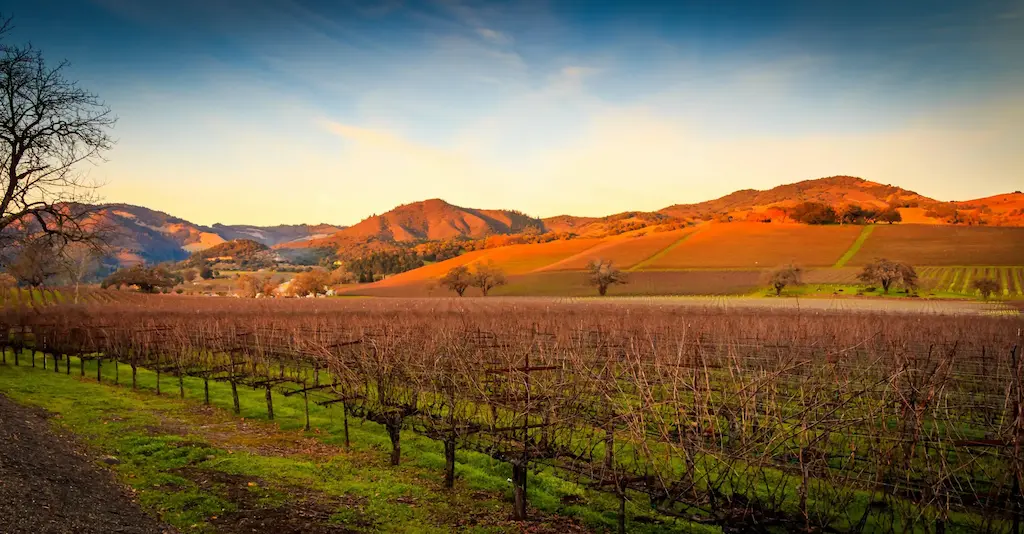
As the crown jewel of the United States viticultural landscape, California is not merely a wine producer; it is a state of mind where the rugged Pacific coastline meets the sun-drenched sanctuary of the valley floor. In the modern era, the Golden State remains the global vanguard of the New World, blending a rebellious spirit with a sophisticated mastery of terroir. From the morning mists of the Russian River to the heat-soaked ancient vines of Lodi, every glass tells a story of ambition, resilience, and earth. This is a place where luxury is redefined—not by price tags, but by the depth of the soil, the warmth of the hospitality, and the lingering finish of a world-class vintage.
Sip the Pacific mist and golden sun. From rugged coastal cliffs to the heart of Napa, journey through California’s iconic terroir to discover the bold, soulful elegance of the world’s finest vines.
Some of our Popular Tours in California

California Terroir & Climate: A Mosaic of Microclimates
California’s geology is a complex puzzle of tectonic shifts, ancient seabeds, and volcanic activity. The defining environmental feature is the “Maritime Influence”—the cold Pacific air drawn inland through coastal gaps like the Petaluma Gap and the Templeton Gap. This creates a dramatic diurnal temperature swing, allowing grapes to retain vibrant acidity while achieving optimal sugar ripeness under the consistent California sun. From the gravelly loams of the Rutherford Bench to the high-altitude volcanic soils of Howell Mountain, the diversity of “dirt” here allows for an incredible range of stylistic expressions across the state’s diverse geography.
California Wine Regions: A Side-by-Side Comparison At a Glance: Terroir and Profiles of California’s Top AVAs
| Region | Primary Grapes | Terroir & Climate | Vibe & Experience |
|---|---|---|---|
| Napa Valley | Cabernet Sauvignon, Chardonnay | Volcanic soils, warm days with "Rutherford Dust" influence. | Ultra-Luxury: Grand estates and prestigious tastings. |
| Sonoma County | Pinot Noir, Chardonnay | Diverse; cooling Pacific fog and rugged coastal ridges. | Artisanal: Farm-to-table and family-owned heritage. |
| Paso Robles | Rhône Blends, Cabernet | Calcareous (limestone) soils with high diurnal shifts. | Experimental: Bold wines and "rule-breaking" blends. |
| Santa Barbara | Pinot Noir, Chardonnay | Transverse valleys with direct maritime airflow. | Elegant: Boutique wineries and saline minerality. |
The Genesis: From Mission Grapes to the Judgment of Paris The Chronological Evolution of California Viticulture.
The history of California wine is a narrative of rapid, brilliant ascension. While Franciscan monks planted the first “Mission” grapes in the 18th century for sacramental use, the modern era was truly forged by European immigrants in the late 1800s. The most pivotal milestone remains the 1976 “Judgment of Paris.” In a blind tasting that shocked the world, California Chardonnay and Cabernet Sauvignon outranked the finest French counterparts. This moment shattered the old-world monopoly on excellence and established California as a premier global force. Today, the landscape reflects both this historic pedigree and a modern commitment to regenerative viticulture that ensures the land thrives for centuries to come.
The Appellations: Navigating the Map of Excellence The Elite Appellations of the California Wine Region.
The sheer scale of California’s viticultural map is organized into over 140 official AVAs (American Viticultural Areas). These designations are far more than administrative lines on a map; they represent a legal guarantee of origin and a specific environmental “fingerprint.” Within these borders, factors like elevation, proximity to the Pacific, and soil composition create distinct regional profiles. Navigating these appellations allows an oenophile to move from the prestigious, structured estates of the north to the experimental, Rhône-inspired hillsides of the central coast..
Napa Valley: The Global Standard of Luxury
Napa is the most famous wine region in the Americas for a reason. Stretching only 30 miles, it is home to sixteen distinct sub-AVAs, including the legendary Oakville, Stags Leap District, and Rutherford. The valley floor is world-renowned for “Rutherford Dust” Cabernets—wines with a unique mineral tannin structure—while mountain appellations like Howell Mountain and Mount Veeder produce intensely concentrated, structured reds from volcanic soils. In 2026, Napa continues to set the pace for ultra-premium estate experiences and high-tech sustainable farming.
Sonoma County: Diversity and Artisanal Craft
Twice the size of Napa, Sonoma offers a more rugged and diverse landscape. From the fog-shrouded Russian River Valley, famous for its world-class Pinot Noir and Chardonnay, to the sun-baked Alexander Valley, where Cabernet takes on a silkier, more approachable character. The Sonoma Coast AVA is the frontier of “cool-climate” viticulture, where vineyards are planted on ridges above the fog line, producing wines with electric acidity and incredible tension. Sonoma remains the heart of the “farm-to-glass” movement, where family-owned heritage meets cutting-edge oenology.
The Central Coast: The New Frontier of Innovation
Stretching from south of San Francisco to Santa Barbara, this region is California’s most exciting experimental playground. Paso Robles is the star of the north, famous for bold, “rule-breaking” Rhône-style blends and muscular Cabernets grown in calcareous (limestone) soils. Further south, the Sta. Rita Hills and Santa Maria Valley act as a funnel for Pacific winds, creating some of the longest growing seasons in the world. This results in Pinot Noirs and Chardonnays of immense depth, salinity, and aromatic complexity that rival the best of Burgundy.
The North Coast: High Altitudes and Ancient Forests
Beyond Napa and Sonoma lies the wilder North Coast. The Anderson Valley in Mendocino is a secluded sanctuary for sparkling wine and aromatic whites like Gewürztraminer and Riesling. Meanwhile, Lake County sits at high elevations around Clear Lake, utilizing intense UV light and red volcanic soils to produce Cabernets and Sauvignon Blancs with incredible vividness and “mountain” grip. This region represents the untamed spirit of California, where nature still dictates the terms of the harvest.
Classifications
American Viticultural Area (AVA): The legal designation of a wine’s geographic origin.
Estate Bottled: Ensures the winery controlled one hundred percent of the grapes and production process.
Reserve: A non-regulated term often used by producers to indicate their highest quality selections.
Signature Grapes: The Varietal Identity of the West
To understand California wine is to understand the grapes that have found their spiritual home in its diverse soils. While the state grows over 100 different varieties, a select few have come to define its international reputation. These signature grapes are more than just agricultural products; they are the medium through which winemakers express the unique character of their specific vineyards. From the high-tannin powerhouses of the mountains to the delicate, ethereal berries of the fog-swept coast, the current landscape shows a region that has mastered the classics while embracing a new era of stylistic diversity.
Cabernet Sauvignon
As the most prestigious variety within the California Wine Region, Cabernet Sauvignon has become synonymous with the luxury estates of Napa Valley. This grape thrives in the well-drained volcanic and gravelly soils of the inland valleys, where the heat allows for full phenolic ripeness. The resulting wines are characterized by their deep color, structural tannins, and complex aromatic profiles featuring blackcurrant, cedar, and graphite.
Chardonnay
Chardonnay is the most widely cultivated white grape variety in the region, exhibiting remarkable stylistic versatility depending on the specific micro-climate. In cooler coastal zones, it produces crisp, high-acid wines with notes of citrus and flint. Conversely, in the warmer interior regions, it is often crafted into a richer, more opulent style with flavors of tropical fruit and vanilla derived from malolactic fermentation and oak aging
Pinot Noir
Pinot Noir finds its ideal expression in the fog-shrouded, cooler enclaves of the California Wine Region. This delicate variety is highly sensitive to terroir, requiring the precise cooling influences of the Pacific to maintain its elegance. The finest examples offer a sophisticated balance of bright red fruit, such as raspberry and cherry, with earthy undertones of forest floor and spice.
Zinfandel
Often referred to as California’s “national grape,” Zinfandel is the soul of the state’s viticultural history. In regions like Lodi, Dry Creek Valley, and Paso Robles, you will find “Old Vine” plantings—some over a century old—with deep root systems that survive without irrigation. These gnarly, head-trained vines produce concentrated, soul-stirring wines characterized by bold blackberry, cracked black pepper, and exotic spice. Unlike the mass-market versions of the past, modern California Zinfandel is a serious, terroir-driven varietal that balances its natural brambly fruit power with a surprising, sophisticated acidity.
Wine & Food: The Farm-to-Fork Heritage
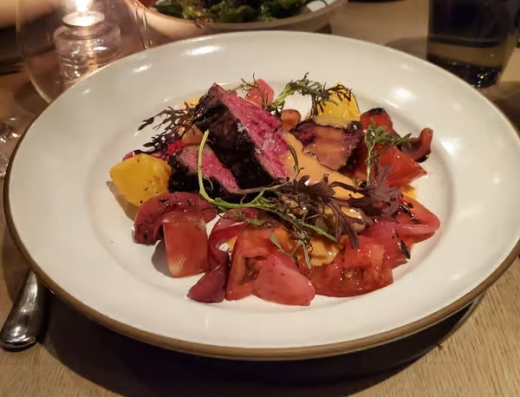
In California, the kitchen is an extension of the vineyard. The “California Cuisine” movement emphasizes seasonal, hyper-local ingredients that mirror the freshness of the wines. The current focus has shifted toward “Regenerative Gastronomy”—dishes created from the same estates that grow the grapes. Imagine a pairing of estate-grown olives, artisan goat cheese, and grass-fed Wagyu, all designed to elevate the specific tannic structure of a mountain-grown Cabernet. The culinary experience here is as much about the soil as it is about the chef’s table.
Wine Experiences: The Future of Luxury
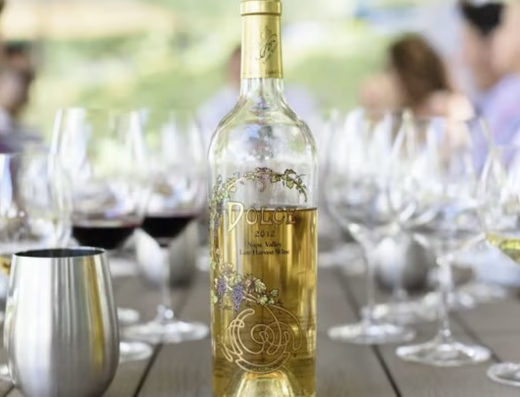
The modern California wine journey has evolved far beyond the traditional tasting bar, transforming into a deeply immersive narrative of the land and the cellar. Discerning visitors can now step into the inner sanctum of the world’s most prestigious wineries through the Luxury Estate Experience, a private, multi-hour odyssey that often involves tasting rare vintages within hand-carved stone caves and exploring the library collections of iconic producers.
For those seeking a more visceral connection to the earth, the Terroir Hike offers a guided pilgrimage through the vine rows alongside a master viticulturist. Here, you can feel the varied soil textures and witness the intricate cycle of the vines firsthand, culminating in an elegant, rustic lunch paired with wines grown on the very slopes where you stand. These experiences represent the pinnacle of viticultural tourism, blending education with the sheer sensory pleasure of the California landscape.
Our Guide’s Secret Tip: The "Golden" Strategy
Most travelers flock to the valleys in peak summer (July-August). However, as a seasoned visitor, my secret for the ultimate experience is the “Cuvée Season”—late October. The harvest intensity has shifted into the cellar, the air is crisp, and the vineyard canopy turns a brilliant, fiery orange. You will find the winemakers more relaxed, the tasting rooms less crowded, and the light for photography at its absolute peak.
Frequently Asked Questions about California Wine Country
When is the best time to visit California Wine Country?
While the summer months are the busiest, the “Secret Season” is late October and early November. This is the post-harvest period where the vineyard canopies turn brilliant shades of gold and orange. The weather is crisp, the crowds have thinned, and winemakers are often more available for personal interactions in the tasting rooms.
Do I need to make reservations for wine tastings in California?
Yes, advance reservations are now standard and highly recommended throughout the United States‘ premier wine regions, especially in Napa and Sonoma. For luxury estate experiences or weekend visits, we suggest booking your appointments at least 4 to 6 weeks in advance to secure your preferred time slots.
What is the main difference between Napa Valley and Sonoma County?
Napa Valley is internationally recognized as the epicenter of luxury, famous for its structured, world-class Cabernet Sauvignons and grand estates. Sonoma County is much larger and more geographically diverse, offering a more rustic, “farm-to-glass” atmosphere with a heavy focus on cool-climate Pinot Noir and Chardonnay.
How many wineries should I visit in one day?
To truly appreciate the terroir and the “Luxury Estate Experience,” we recommend a maximum of two deep-dive winery visits per day. This allows for a relaxed pace, including a proper meal pairing, and prevents “palate fatigue,” ensuring you can fully enjoy the nuances of each vintage.
What makes California wine terroir unique?
The uniqueness of California terroir lies in the “Maritime Influence.” Cold Pacific air is drawn inland through coastal gaps, creating a dramatic temperature swing (diurnal shift). This allows grapes to achieve full phenolic ripeness during the sunny days while maintaining the vibrant acidity necessary for high-quality, age-worthy wines.