Organic Winery Tour Experiences: Where Wine Tells the Story of the Land
A vineyard is often at its most revealing before a single glass is poured. Morning light settles over rows of vines broken by flowering cover crops, bees drift lazily between wild herbs, and the soil underfoot feels alive rather than managed. Somewhere nearby, a winemaker pauses to point out the plants growing naturally between the rows—not because they make for a beautiful photograph, but because they help protect the health of the vineyard itself.
This is the quiet appeal of organic winery tour experiences. They invite you to look beyond the tasting room and discover wine where it truly begins. Rather than focusing solely on aromas and vintages, these visits reveal how farming decisions, local ecosystems and generations of craftsmanship shape every bottle. The result is a richer form of wine tourism, one that feels less like consuming a destination and more like understanding it.
That distinction matters. As wine travel has become increasingly sophisticated, many visitors are no longer satisfied with moving from one tasting bar to the next. They want to understand why a wine tastes the way it does, how a vineyard responds to changing seasons, and what makes one estate fundamentally different from another. Organic wineries often answer those questions with unusual honesty because their philosophy is visible long before it reaches the cellar.
More Than Organic Farming
Organic viticulture is frequently reduced to a simple definition: farming without synthetic herbicides, pesticides or fertilisers. While technically correct, that explanation barely scratches the surface of what visitors experience on an organic estate.
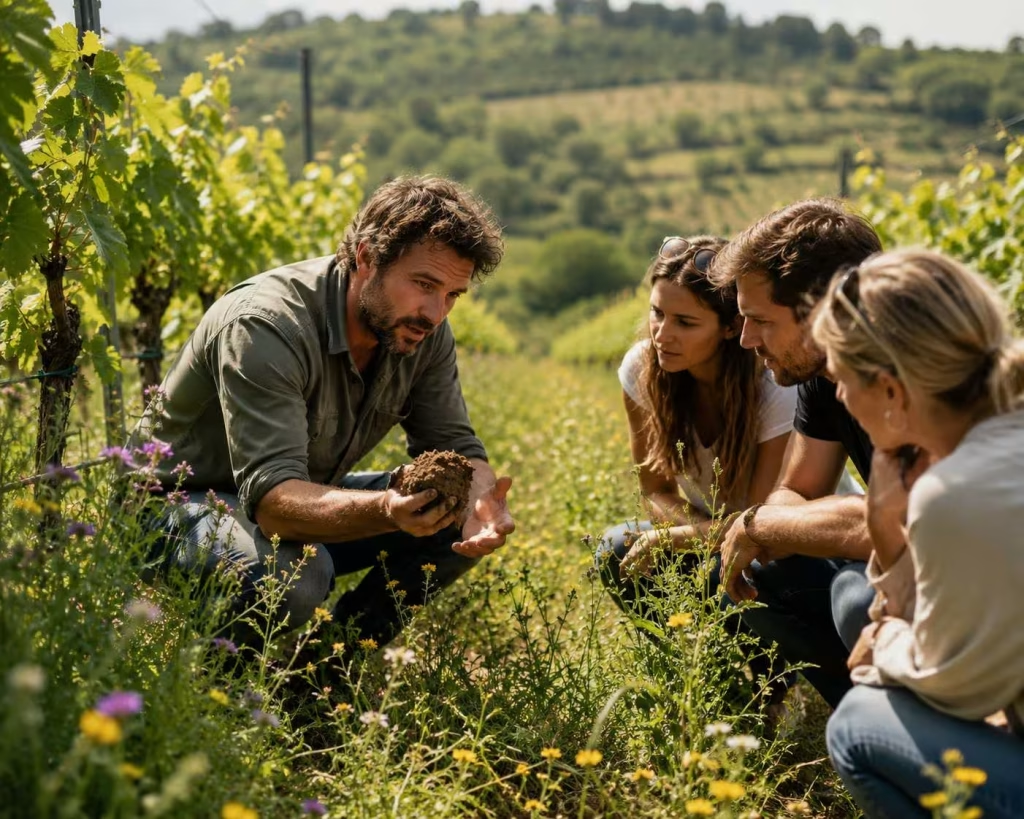
Walk through an organic vineyard and you’ll quickly notice that it rarely feels uniform. Native plants are allowed to grow between the vines, cover crops enrich the soil instead of leaving it bare, and insects are regarded as part of the ecosystem rather than simply a problem to eliminate. Many estates encourage biodiversity through hedgerows, nesting boxes or carefully managed habitats, recognising that a healthier vineyard is one capable of finding its own balance over time.
These choices require considerably more attention than conventional farming. Vineyard teams often spend countless additional hours working by hand, adapting to weather conditions that can no longer be solved with routine chemical treatments. Frost, humidity, mildew and drought become part of the daily conversation, reminding visitors that producing organic wine is rarely the easier path. It is precisely this transparency that makes these tours so engaging. Rather than presenting an idealised version of winemaking, the best estates openly discuss both the rewards and the compromises of farming in harmony with nature.
For travellers, that conversation transforms the tasting that follows. The wine no longer appears as an isolated product but as the natural conclusion of hundreds of decisions made throughout the growing season.
A Different Kind of Winery Visit
Every winery welcomes guests differently, yet organic winery tour experiences often follow a rhythm that feels remarkably natural. The vineyard comes first. Before entering the cellar, visitors are invited to explore the landscape itself, learning how grape varieties interact with soils, why cover crops matter, how pruning influences fruit quality and how each vintage reflects the year’s unique weather conditions.
Only then does the visit move indoors, where attention shifts to fermentation, ageing and the quieter work of the cellar. Here, many travellers discover another important distinction. Organic farming and organic winemaking are closely related, but they are not identical. An estate may cultivate its vineyards organically while adopting a more interventionist philosophy once the grapes reach the winery. Others extend the same minimal-intervention approach throughout fermentation and ageing, seeking to preserve the vineyard’s character as faithfully as possible.
The difference is rarely presented as a matter of right or wrong. Instead, experienced hosts explain why certain decisions are made, encouraging visitors to think critically rather than simply accepting fashionable terminology. For anyone interested in wine beyond tasting notes, these conversations often become the highlight of the day.
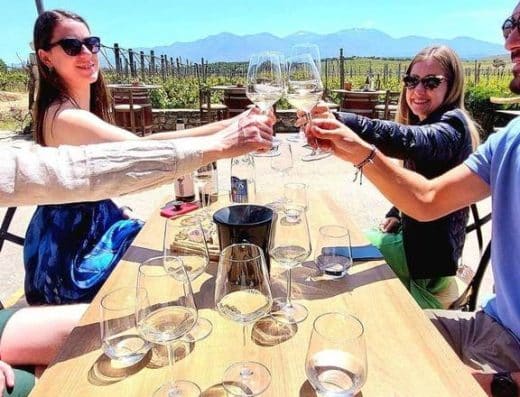
When the tasting finally begins, every glass carries a little more meaning. Acidity is no longer just freshness; it reflects harvest timing and vineyard exposure. Texture speaks of soils and growing conditions. Aromas become linked to a place you have already walked through rather than imagined from across a tasting counter.
Organic, Biodynamic or Sustainable?
Travellers planning winery visits frequently encounter three words that appear almost interchangeable: organic, biodynamic and sustainable. In reality, each describes a different philosophy.
Organic certification focuses on farming practices, excluding synthetic herbicides, pesticides and fertilisers while promoting healthier soils and biodiversity. Biodynamic viticulture builds upon those foundations by treating the vineyard as a self-contained living organism, where soils, plants, animals and seasonal rhythms work together as part of a broader ecological system. Sustainable winegrowing, meanwhile, encompasses a wider range of environmental, social and economic practices, allowing producers greater flexibility while encouraging responsible long-term stewardship.
The distinction matters, but not always in the way visitors expect. Some of the world’s most thoughtful growers choose not to pursue formal certification despite following organic principles for decades. Others proudly display certification while offering fairly conventional visitor experiences. Ultimately, what leaves the strongest impression is rarely the logo on a bottle. It is the willingness of the people behind the wine to explain how they farm, why they farm that way, and what those decisions mean for both the vineyard and the finished wine.
Discovering Organic Wine Regions
Organic wine tourism has evolved differently across the world’s major wine regions, shaped as much by local history as by climate.
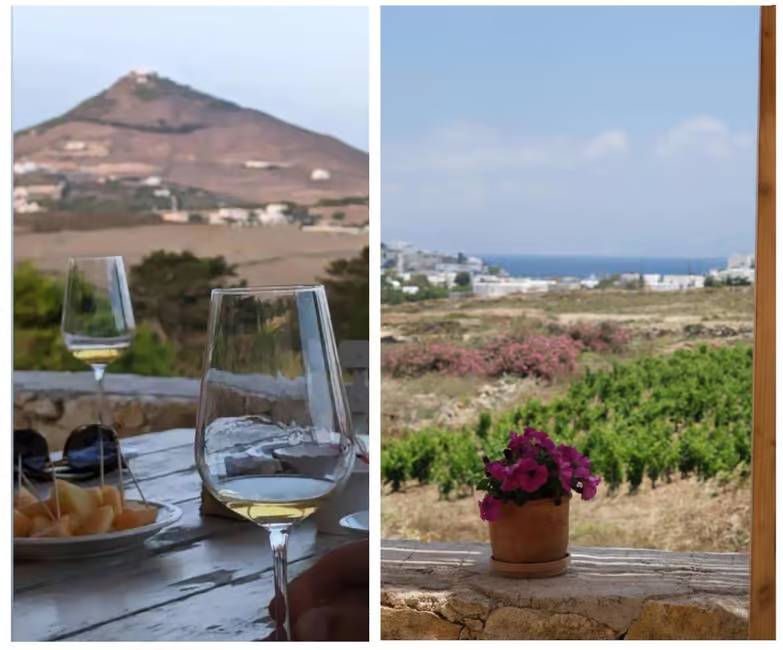
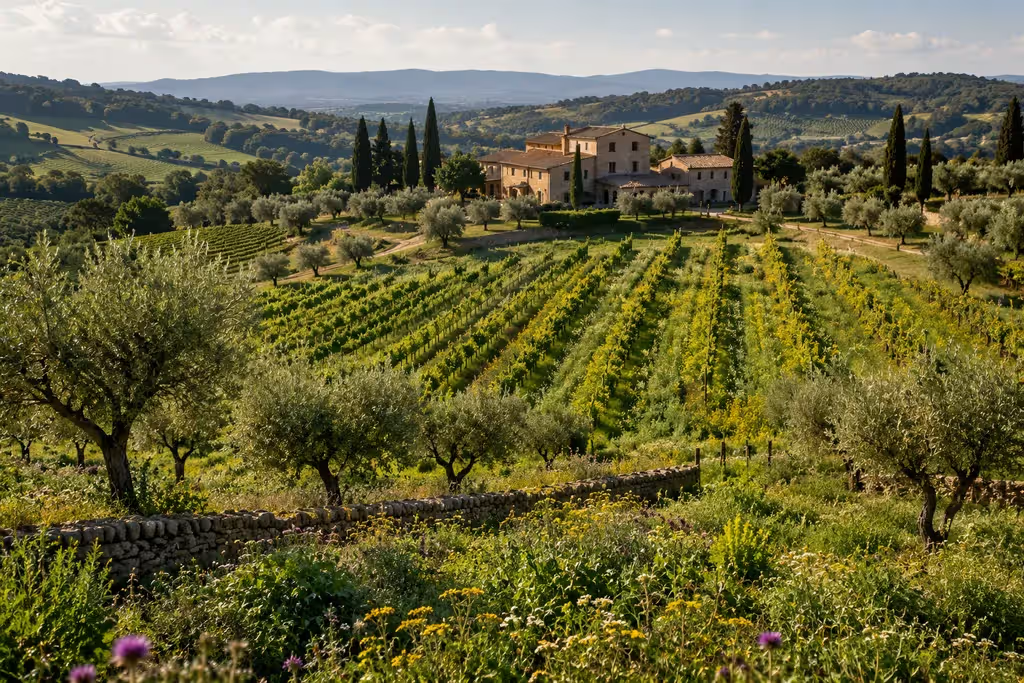
In Tuscany, organic estates often sit among olive groves, cypress-lined hills and medieval villages where wine remains deeply intertwined with family life. Visits feel rooted in tradition, revealing how generations of growers have gradually adapted historic vineyards to contemporary environmental challenges without losing sight of their cultural identity.
Further west, Provence offers a different expression of organic viticulture. Here, Mediterranean light, fragrant garrigue and coastal influences create landscapes where biodiversity seems almost inseparable from the wines themselves. Conversations often extend beyond viticulture to include olive oil, local cuisine and the broader rhythm of Provençal life.
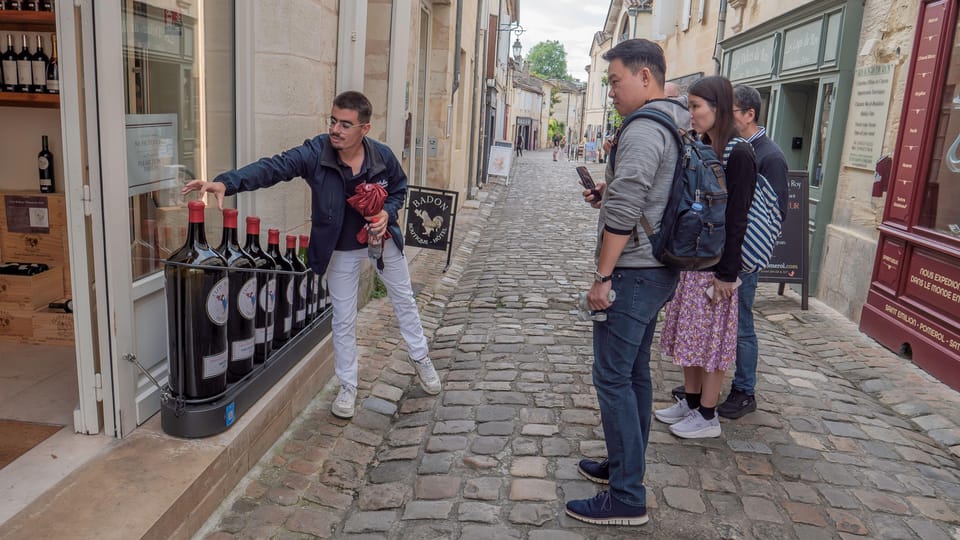
Bordeaux presents another fascinating perspective. Some of its most historic estates are embracing organic and regenerative farming not as a marketing exercise but as a practical response to changing climatic conditions. The contrast between centuries-old architecture and forward-looking agricultural practices gives these visits particular depth.
Across Napa Valley, sustainability frequently intersects with innovation. Organic vineyards coexist with ambitious architecture, precision viticulture and some of the world’s most refined hospitality programmes, demonstrating that environmental responsibility and luxury are no longer seen as opposing ideas.
Beyond these celebrated destinations, emerging wine regions throughout South America, South Africa and Australia continue to redefine organic wine tourism through experimentation, younger producers and an openness to new farming philosophies. For curious travellers, these regions often provide some of the most surprising and rewarding experiences.
Choosing the Right Organic Winery Experience
Not every organic winery offers the same kind of visit, and understanding your own expectations is often the best place to begin.
Some travellers are looking for an in-depth exploration of viticulture, where discussions about soils, grape varieties and vineyard management take centre stage. Others are searching for a slower, more immersive day that combines wine with local food, beautiful landscapes and meaningful conversations. Neither approach is inherently better. The most memorable experience is usually the one that matches the purpose of your journey.
It is also worth looking beyond the word organic itself. A technically certified estate may provide a polished but relatively conventional tasting, while a smaller family producer without formal certification can sometimes offer extraordinary insight into local farming traditions. Authenticity comes from openness rather than labels alone.
Timing also shapes the experience in subtle ways. Spring brings flowering vineyards alive with biodiversity, while early summer reveals the full vitality of the growing season. Harvest introduces an unmistakable energy as grapes arrive at the winery, although staff naturally have less time to spend with visitors. Winter, often overlooked, can be surprisingly rewarding for travellers interested in cellar work, blending and quieter conversations with winemakers.
Why These Experiences Stay With You
The finest winery visits are rarely remembered because of a single exceptional bottle.
They stay with us because they change the way we understand wine itself.
After spending time in an organic vineyard, tasting becomes an act of observation rather than simple appreciation. You remember the scent of wild herbs carried across the rows, the texture of living soils beneath your feet, the careful explanation of why one parcel is harvested before another, or the quiet pride in a grower’s voice when speaking about restoring biodiversity to land that has belonged to the family for generations.
Those memories linger because they connect wine to something larger than flavour alone. They reveal wine as an expression of landscape, climate, culture and patience.
For travellers seeking meaningful experiences rather than carefully staged attractions, organic winery tour experiences offer exactly that. They invite you to slow down, ask better questions and discover that the most memorable wines often begin long before the cork is removed.
Continue Exploring Organic Wine
Inspired to discover wineries where sustainability, craftsmanship and a true sense of place come together? Explore our collection of organic wineries, biodynamic estates and sustainable wine experiences across the world’s most celebrated wine regions.
Whether you’re planning a trip to Tuscany, Bordeaux, Napa Valley or looking for hidden gems off the beaten path, WineTourSearcher helps you find authentic winery visits that reflect the character of each destination.