
The fastest way to ruin a beautiful day in wine country is to turn it into a logistics problem. The route looks simple on a map, but tasting rooms run late, rural roads are unfamiliar, and the person behind the wheel misses half the pleasure. If you’re wondering how to plan a wine tour without driving, the good news is that many of the world’s best wine regions are easier, safer, and far more enjoyable when someone else handles the road.
A no-driving wine tour is not just a safety choice. It is often the better travel experience. You can linger over a cellar tasting, say yes to the library pour, admire the landscape instead of watching traffic, and shape the day around atmosphere rather than parking. In places as varied as Napa Valley, Tuscany, Bordeaux, Stellenbosch, Mendoza, and the Yarra Valley, the right transport plan changes everything.
Why a wine tour without driving often works better
Wine regions are rarely built for casual hopping between estates by car-sharing app alone. Vineyards can be spread across long country roads, phone signal may be uneven, and return rides are not always easy to secure after a leisurely lunch. Public transportation sometimes works for one or two famous towns, but it rarely delivers a graceful full-day tasting itinerary.
That is why the smartest approach is to plan transport first and wineries second. It sounds backward, but it is what creates a day that feels relaxed rather than rushed. Once you know whether you are relying on a guided group tour, a private driver, a train-and-transfer combination, or a hotel-based shuttle, the rest of the itinerary becomes more realistic.
Start with the right wine region
If your priority is learning how to plan a wine tour without driving, choose a region that suits that style of travel. Some destinations are naturally better for it than others.
Compact regions with a concentration of wineries, tasting villages, and organized tours are the easiest. Think of areas where several estates sit within a short radius, where local operators regularly run tasting routes, or where towns are connected to vineyards by shuttle services. In these places, not driving feels intentional and elegant.
More spread-out regions can still work beautifully, but they need stronger planning. Napa Valley, for example, offers abundant tour options, yet its estates are dispersed enough that relying on spontaneous rides can be frustrating. Tuscany can be magical without driving, but the difference between staying in Florence and staying in a smaller wine town changes the entire day. Bordeaux is one of the clearest examples of a region where city-based travelers can join highly organized day tours into surrounding appellations.
The trade-off is simple. Famous regions often have better transport infrastructure and more curated experiences, while emerging regions may feel more intimate but require more advance coordination.
Choose your transport style before you book tastings
There is no single best way to tour wine country without driving. The right choice depends on your budget, how much freedom you want, and whether the day is about discovery or depth.
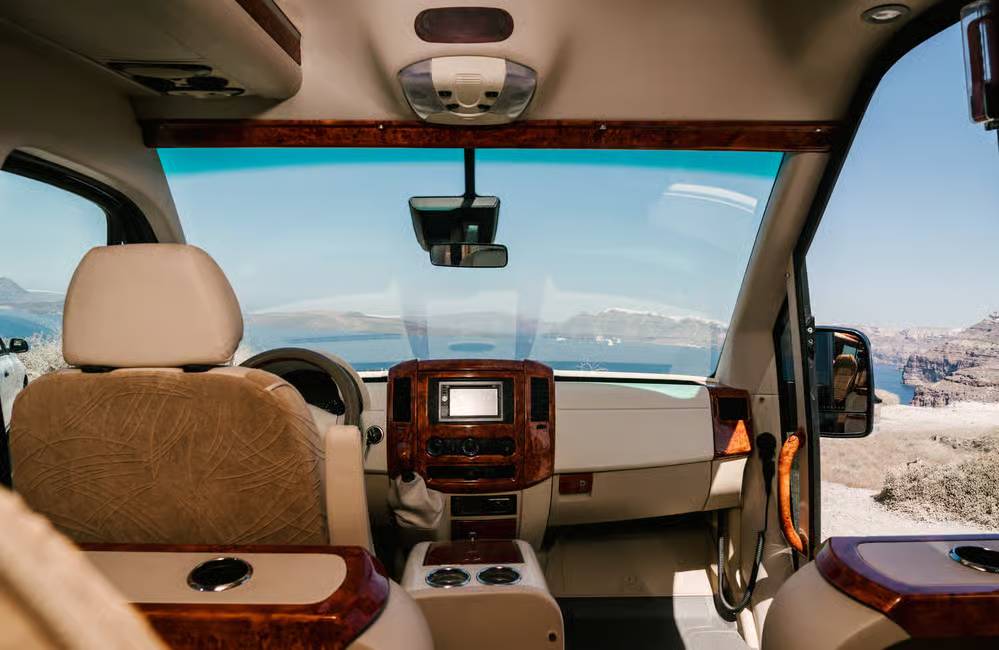
Guided small-group tours
This is often the most efficient option for first-time visitors. A well-designed small-group tour removes the hardest parts of the day: timing, routing, reservations, and local navigation. It also works well if you want a balanced introduction to a region rather than a highly specific list of producers.
The compromise is flexibility. You may not control every stop, and the pace can feel brisk if you prefer long, unhurried tastings. Still, for many travelers, especially in a new country, this is the cleanest way to experience wine country
Private driver or chauffeured car
If the day matters – an anniversary, a milestone trip, a serious tasting agenda – a private driver is often worth it. You keep the pleasure of a custom itinerary without the burden of driving. This format is especially valuable in regions with rural estates, scenic backroads, or a mix of prestigious wineries and smaller hidden addresses.
It costs more, of course, but it gives you the freedom to stay longer where the energy feels right. It also allows for a better lunch, and in wine country, lunch is rarely a side note.
Train plus local transfers
Some regions lend themselves to a hybrid approach. You arrive by train from a major city, then use pre-booked local transfers, a winery shuttle, or a short guided circuit. This can be an excellent solution in Europe, where rail access is often strong but vineyard access from the station is not always walkable.
This approach works best when you keep the plan tight. One town, two wineries, one lunch reservation, one return time. If you overpack the day, rail schedules start to feel less romantic.
Walking-based or village-based tasting days
In a few destinations, you can stay in or near a wine village and walk between tasting rooms, or take very short local transfers. This is one of the most pleasurable ways to experience wine country because it turns the trip into a place-based stay rather than a route-based excursion.
It is ideal for travelers who care as much about atmosphere as volume. You may visit fewer estates, but the day feels richer.
Build an itinerary that respects the rhythm of tasting
A common mistake is trying to visit too many wineries. Three is usually enough for a full day if one stop includes a proper lunch or a deeper cellar experience. Four can work if the estates are close together and the tastings are lighter. More than that, and the day often starts to feel like collecting stamps.
Balance matters more than quantity. A good wine day usually combines contrast: perhaps one architectural estate with polished hospitality, one smaller producer with a personal story, and one vineyard lunch with a strong sense of place. The memory comes from variety and pacing, not from the total number of pours.
Try to leave breathing room between appointments. Rural travel always takes a little longer than expected, and the most memorable tastings often run over time because someone opens an extra bottle or invites you into a barrel room. That kind of generosity is part of the charm. Your schedule should be able to hold it.
Book tastings with transport in mind
When planning winery visits, always read the practical details as carefully as the romantic ones. Start times, visit length, meeting points, and cancellation policies matter. So does the style of experience. A vertical tasting, a food pairing, or a vineyard walk will shape the transport timing differently from a simple seated pour.
This is also where curation becomes valuable. A platform such as Wine Tour Searcher helps narrow the field by region and experience style, which is especially useful when you are trying to match transport logistics with the kind of wine day you actually want.
One more point that seasoned travelers know well: not every famous winery makes sense without a car. Some are difficult to reach independently, while others are perfect because they sit on established tour routes. Prestige matters, but accessibility matters too.
Think about where you stay, not just where you taste
Your hotel can make or break the ease of a no-driving wine trip. Staying in a major city gives you restaurant choice and broader sightseeing, but it adds transfer time. Staying in a wine town or near a vineyard reduces logistics and often creates a more immersive atmosphere.
If the trip is short, sleeping closer to the wineries is usually the better move. You gain a slower morning, a simpler pickup, and the chance to enjoy dinner without watching the clock for a long ride back. If the trip is part of a larger city vacation, a structured day tour from the city may be more practical.
It depends on what you want from the trip. If wine is the centerpiece, stay close to the vines. If wine is one part of a wider itinerary, let a guided excursion do the heavy lifting.
Do not leave lunch and timing to chance
In wine country, lunch is part of the experience, not a gap between tastings. Some estates offer excellent seasonal menus, others have only snacks, and in more rural regions there may be very few nearby options. If you are not driving, this becomes even more important because detours are harder.
Book lunch in advance when possible, ideally near one of your planned stops. A long, relaxed meal can also act as the perfect midpoint, especially if the morning includes richer tastings. It gives the day shape and keeps the pace civilized.
And pay attention to timing. Late lunches can compress the afternoon. Early tastings can feel rushed if your transfer starts far away. The best wine itineraries have a natural flow: easy departure, first tasting with energy, lunch at the right moment, then one or two more experiences before heading back.
The details that keep the day elegant
A no-driving plan still needs practical thinking. Confirm pickup points the day before. Keep water with you. Wear shoes that work on gravel, cellar floors, and vineyard paths. If you plan to buy bottles, ask whether shipping is available or whether your transport can accommodate purchases safely.
Also remember that not every traveler wants the same tone. Some want a festive tasting circuit. Others want thoughtful, appointment-led visits focused on terroir and winemaking. Neither is better, but the transport style should match the mood. A shared group tour may suit a lively social day. A private transfer is better if you want calm, depth, and a little more intimacy.
The real luxury of wine travel is not simply access to beautiful estates. It is the freedom to be fully present once you arrive. Plan the route carefully, let someone else take the wheel, and the day opens up the way it should – with more conversation, more landscape, and more room for the wine itself to tell the story.