Santorini’s Assyrtiko and Basket-Woven Vines
Perched on the volcanic cliffs of the Aegean, Santorini’s ancient vineyards defy nature. Here, the legendary Assyrtiko grape thrives not in traditional rows, but inside unique, hand-woven ground baskets called Kouloura—a centuries-old secret engineered to shield the vines from fierce Mediterranean winds and scorching sun. Dive into the fascinating history of this heroic viticulture and discover how prehistoric ash and sea-breeze mist shape Europe’s most dramatic, bone-dry volcanic wines.
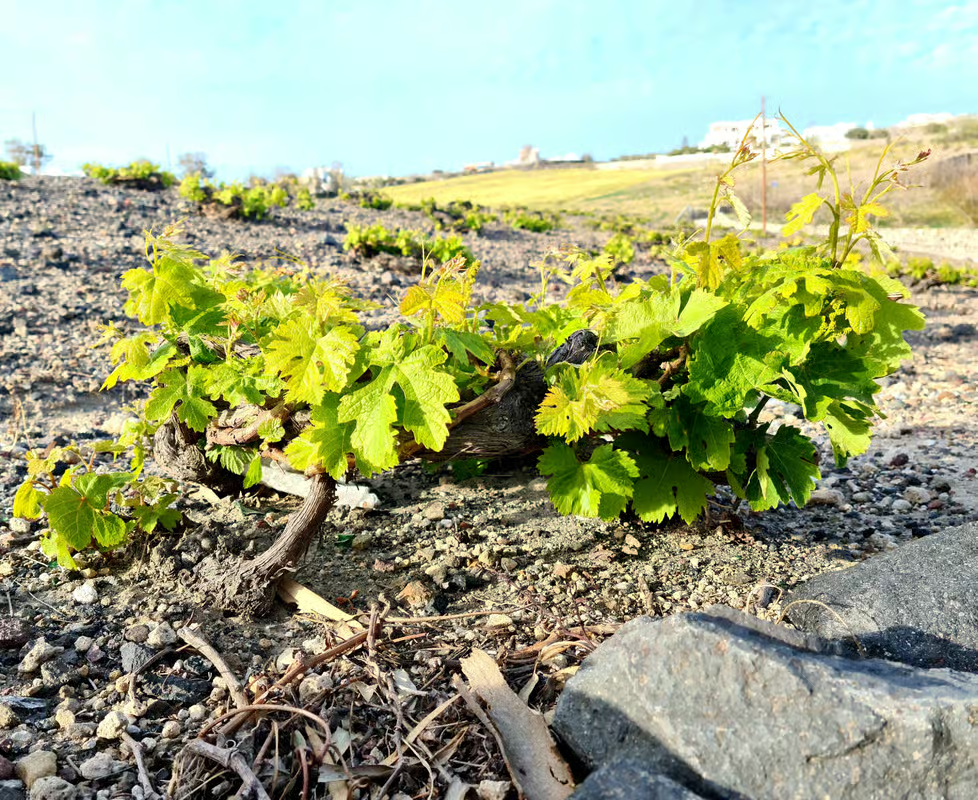
Stand on a Santorini vineyard in late afternoon and the first thing you notice is not height, shade, or neat rows. It is the strange, low spiral of the vines themselves – woven close to the ground like living baskets, shaped by necessity rather than aesthetics. Santorini’s Assyrtiko: the basket-woven vines defying fierce Aegean winds is not just a poetic image. It is the practical expression of a landscape where viticulture has had to negotiate with salt, drought, sun, and relentless wind for centuries.
For wine travelers, this is what makes Santorini unforgettable. The island does not simply produce a famous white wine. It presents a rare case where vine training, terroir, and survival are visibly inseparable. You can taste Assyrtiko in the glass, but on Santorini, you can also see why it tastes the way it does.
Assyrtiko is now planted well beyond Greece, and with good reason. It keeps its acidity in warm climates, carries citrus and mineral tones with precision, and can perform beautifully in both stainless steel and oak. Yet Santorini remains its spiritual and sensory benchmark.
That difference begins with the island itself. Santorini’s soils are volcanic, made up of ash, pumice, lava, and other fragmented materials left by eruptions that reshaped the island. These soils are poor in organic matter and exceptionally well-draining, which means the vine must work hard. Phylloxera, the pest that devastated so many European vineyards, never gained a foothold here, largely because the sandy volcanic ground is inhospitable to it. As a result, many Santorini vines remain ungrafted and, in some cases, remarkably old.
Then there is the climate. Rainfall is scarce. Summer heat is intense. Strong Aegean winds sweep across the vineyards carrying salt from the sea. In another place, this combination might feel punishing enough to make quality viticulture impossible. On Santorini, it has shaped one of the wine world’s most distinctive growing environments.
The result in the glass is often striking. Santorini Assyrtiko tends to show lemon peel, grapefruit, crushed stone, and a kind of smoky, saline tension that feels almost architectural. It is generous in flavor but rarely loose. Even ripe examples usually hold a line of acidity that gives the wine its poise.
The famous basket form is known locally as kouloura. Instead of being trained upward on wires or stakes, the vine is coaxed into a low, circular shape. As shoots grow, growers weave them into the basket over time, creating a thick wreath close to the ground. The grape clusters develop inside this natural cradle, shielded from the harshest gusts and from direct sun.
This is not a quaint tradition preserved for tourists. It is a highly intelligent response to a difficult island climate. The basket reduces wind exposure, helps protect the fruit from sandblasting, and creates a small internal microclimate where grapes can ripen with less stress. It also allows the plant to make use of the slight humidity and nighttime moisture that collect closer to the soil surface.
There is, however, a trade-off. Basket-trained vines are labor-intensive and low-yielding. They cannot be managed with the efficiency of modern, mechanized vineyard systems. For growers, this means more hand work and often less fruit. For travelers and wine lovers, it means the landscape keeps its authenticity and the wines keep their identity – but it also helps explain why top Santorini bottlings can command premium prices.
The visual impact of these vineyards is part of the island’s allure. If you are used to the vertical order of Bordeaux, Napa, or Mendoza, Santorini feels almost surreal. The vines seem to crouch against the earth, as if listening to it. Once you understand the wind, the salt, and the dryness, their shape begins to look less unusual and more inevitable.
Santorini is one of those wine regions where abundance is not the story. Scarcity is. Water is limited, fertile soil is limited, and productive vineyard land faces pressure from tourism and development. That tension matters because it gives every surviving vineyard a stronger sense of value.
Old vines are especially important here. Because many have survived ungrafted for generations, some vineyard parcels represent a living archive of Santorini’s viticultural past. Older root systems can reach deeper and respond differently to the island’s dry conditions. They do not guarantee better wine on their own, but in skilled hands they can produce depth, concentration, and a particularly compelling sense of place.
This is also why vintage variation should not be ignored. Santorini is consistent in broad character, but not every bottle will show the same balance of fruit, salinity, and austerity. Some are razor-sharp and almost severe in youth. Others feel more generous, especially if lees aging or oak has softened the edges. That range is part of the pleasure. Assyrtiko is not a one-note grape, and Santorini is not a one-style island.
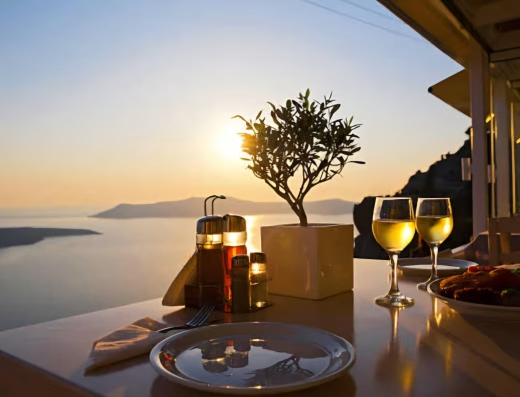
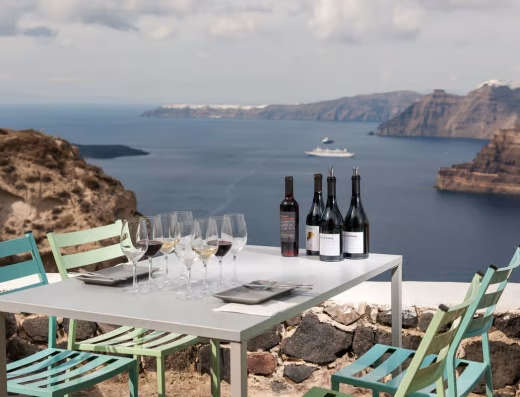
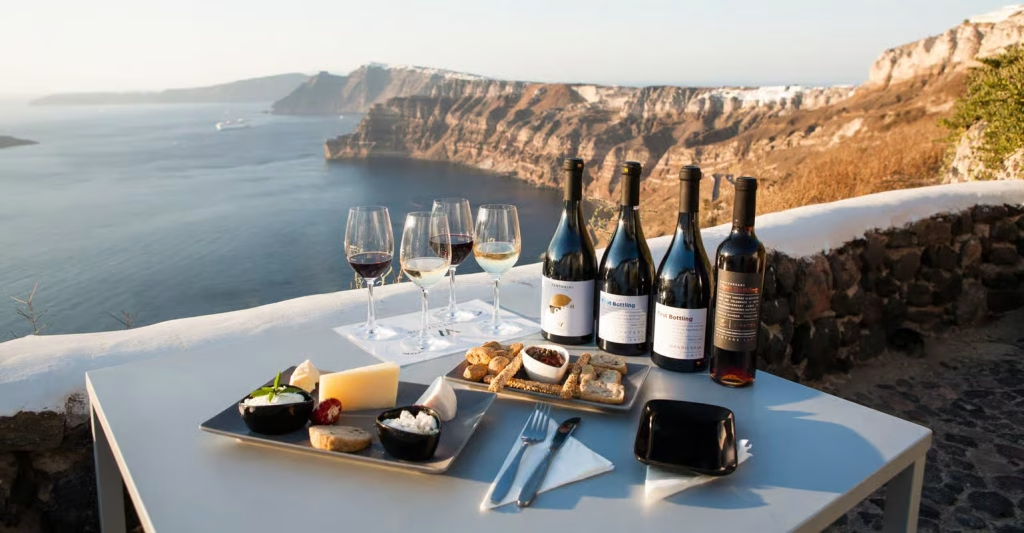
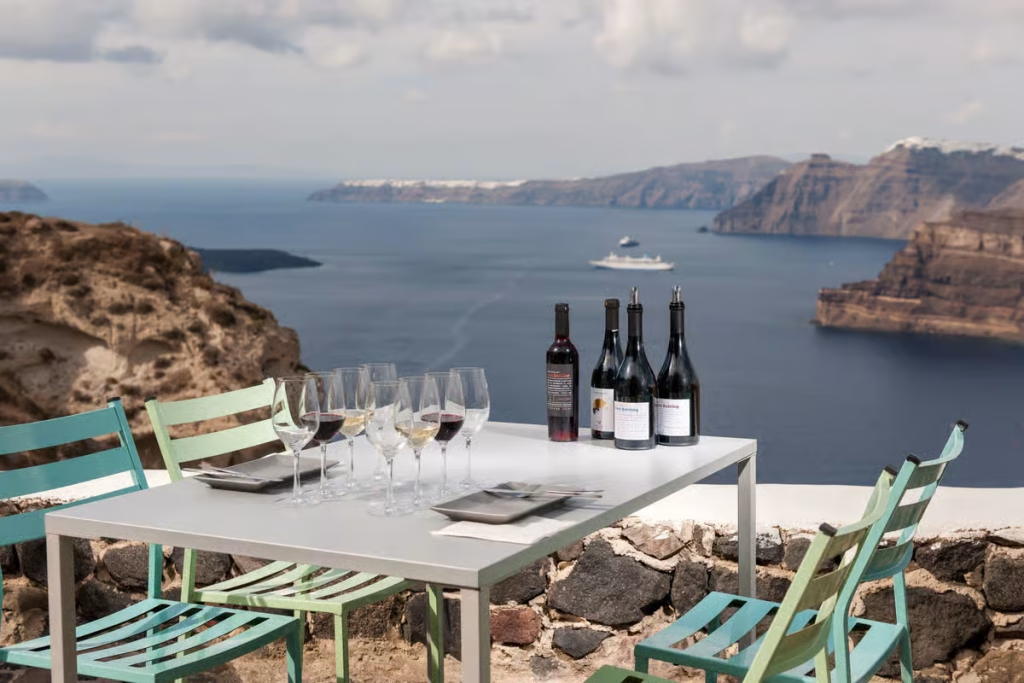
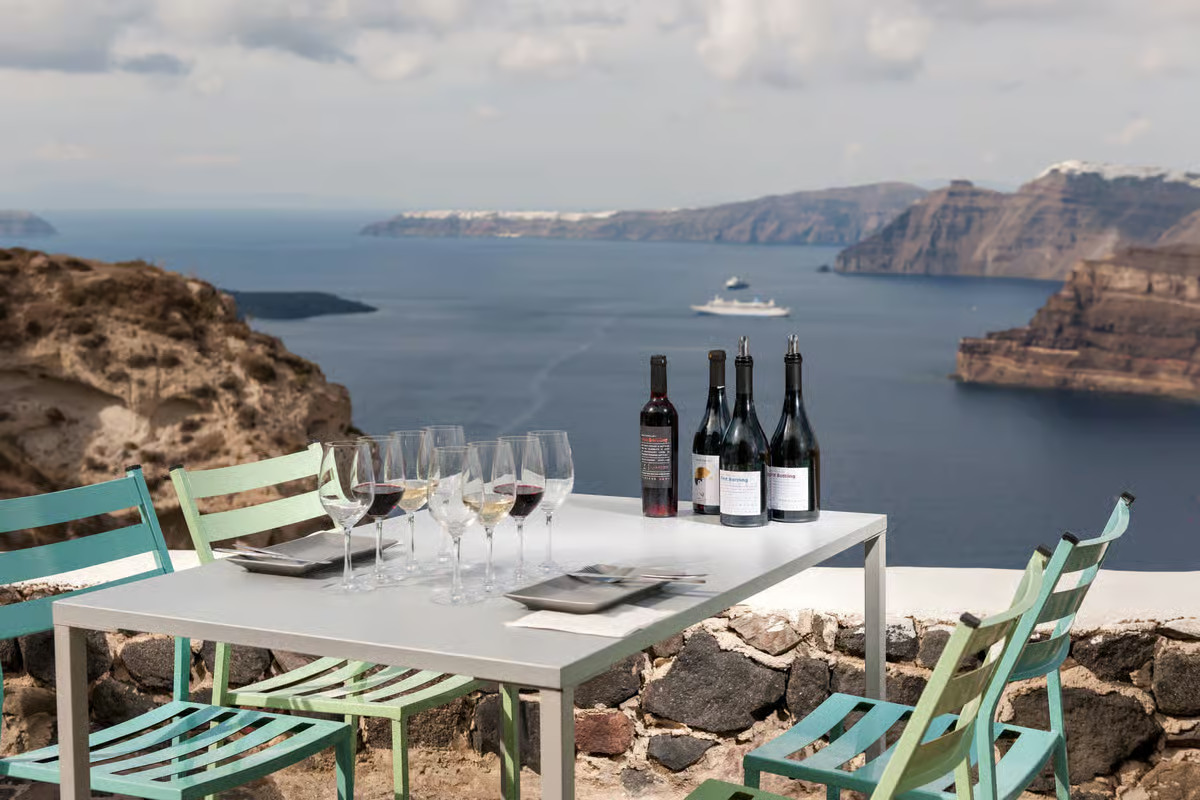
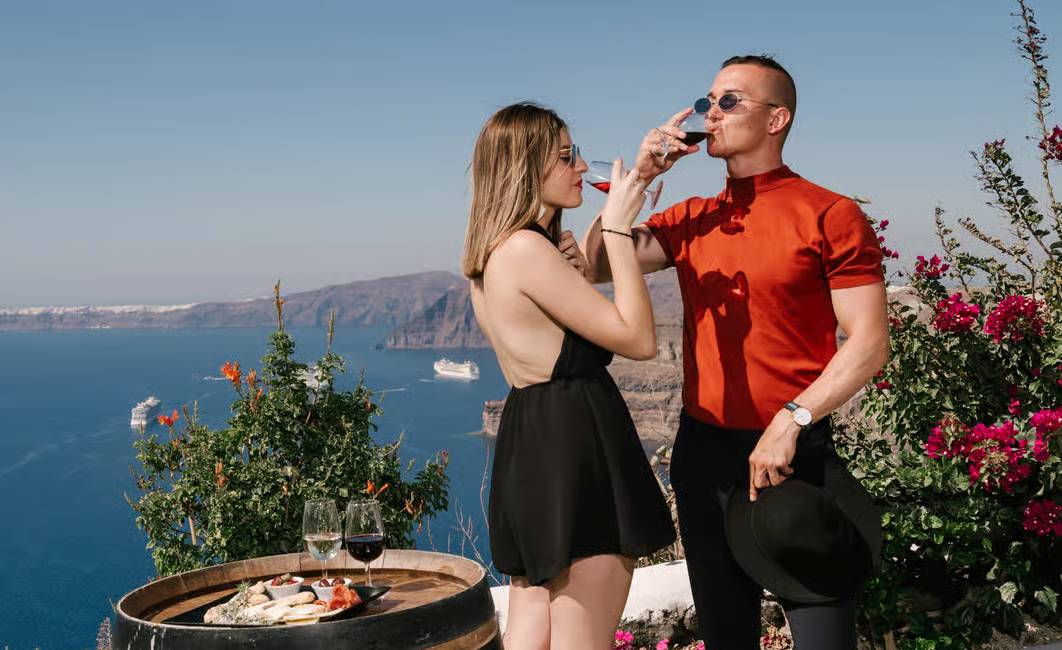
Tasting Santorini Assyrtiko where it is grown changes your understanding of the wine. The sea is never conceptually far away because it is physically close. The volcanic landscape is not a marketing phrase because it is all around you. Place becomes less abstract.
At many estates, the tasting experience begins with the vineyard itself. Seeing the kouloura up close makes the wine instantly more legible. In the glass, you may notice a firm citrus profile, often leaning toward lemon rather than tropical fruit, followed by a stony, salty finish. Texture can be just as impressive as aroma. Good examples often feel broad across the palate while staying taut and linear.
Some producers emphasize purity and freshness through stainless steel fermentation. Others use oak or extended lees contact to add breadth and savory complexity. Neither approach is automatically superior. If you prefer steely, high-acid whites, the more restrained versions will be thrilling. If you enjoy layered whites with texture and subtle spice, barrel-influenced Assyrtiko can be superb. The best estates manage to preserve the grape’s natural tension either way.
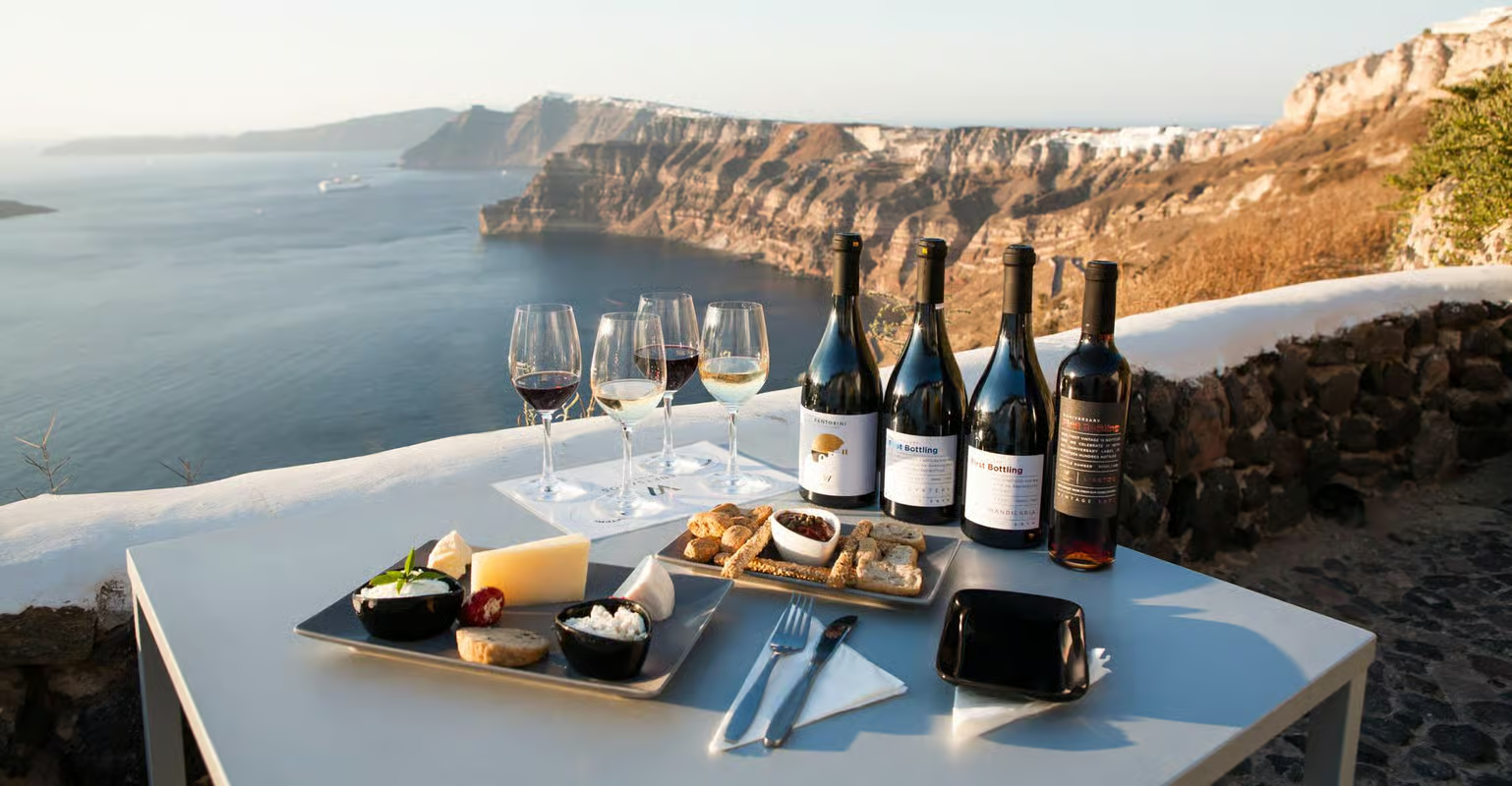
And while dry Assyrtiko is the headline act, Santorini also has a long tradition of Vinsanto, the island’s luscious sweet wine made from sun-dried grapes. Tasting both styles side by side reveals another side of the grape and the region. One shows precision and salt-edged freshness. The other offers depth, amber richness, and extraordinary persistence.
Some wine destinations are rewarding because the estates are polished. Others because the history is deep or the scenery is dramatic. Santorini offers all three, but with an added advantage: the vineyard story is visible at a glance.
You do not need to be an advanced collector to appreciate what is happening here. Casual travelers can immediately grasp that these basket-woven vines are doing something unusual and meaningful. More experienced wine lovers will appreciate the finer details – ungrafted old vines, volcanic soils, adaptation to climate, stylistic differences among producers. It is one of those rare places that speaks fluently to both audiences.
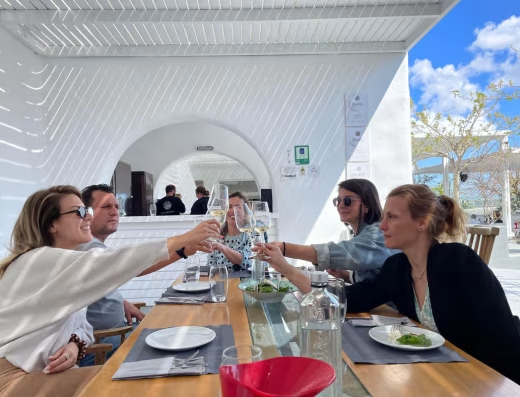
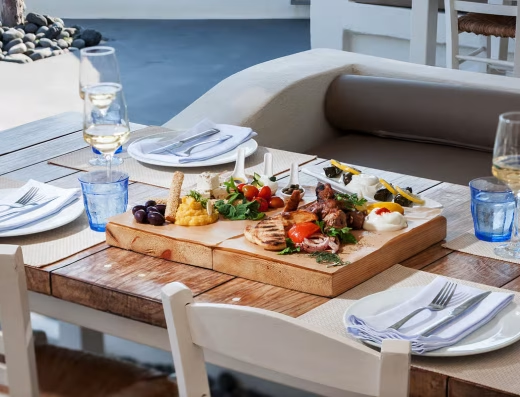
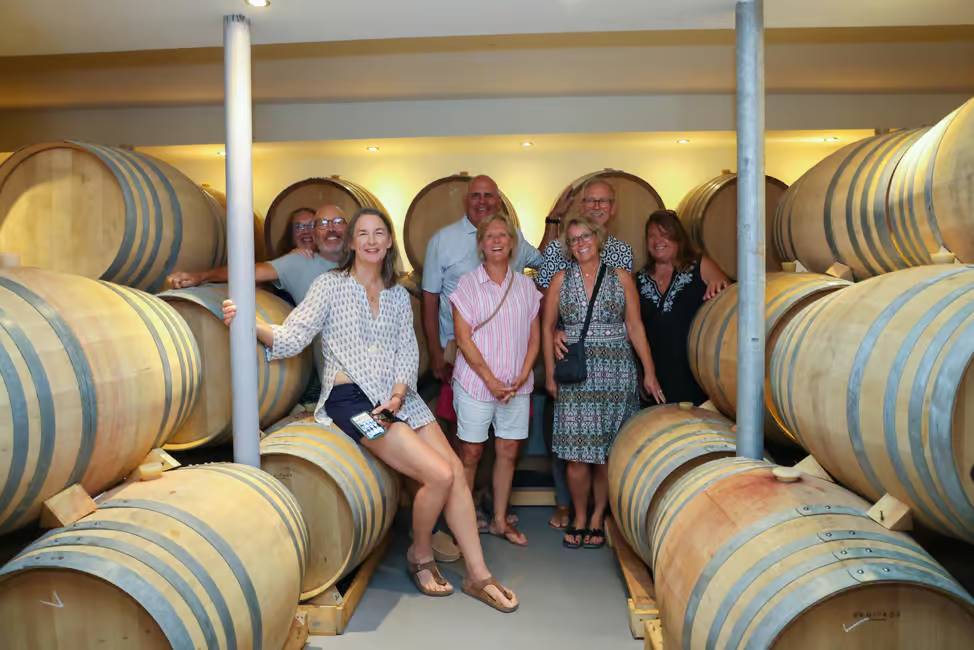
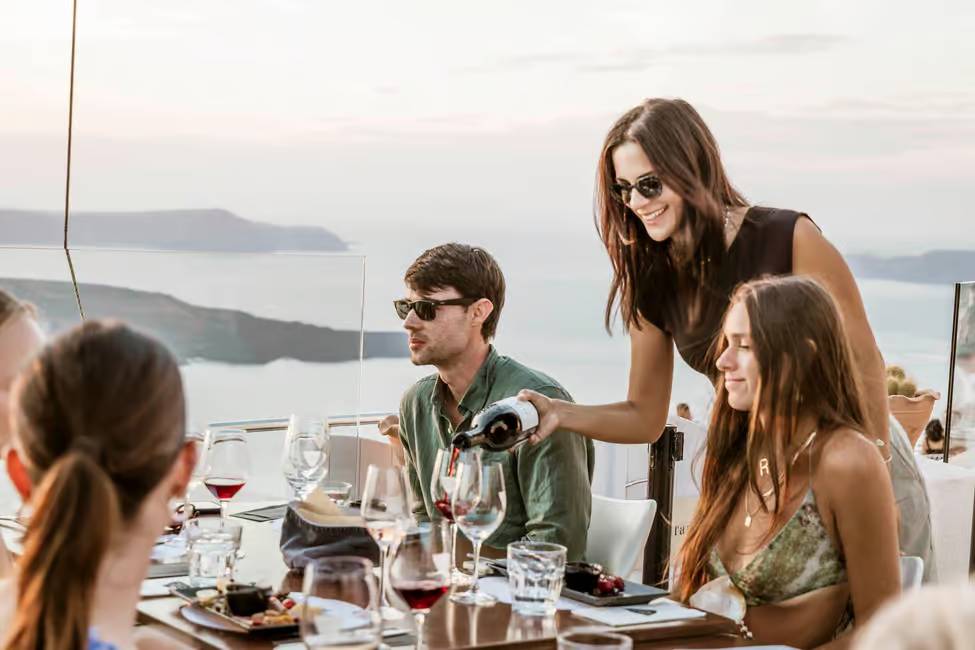
That makes Santorini especially appealing for visitors who want more than a scenic tasting room. The island rewards curiosity. A well-planned winery visit can connect geology, farming, architecture, cuisine, and regional history in a single afternoon. For travelers using platforms like Wine Tour Searcher, that combination is exactly what elevates a booking from pleasant to memorable.