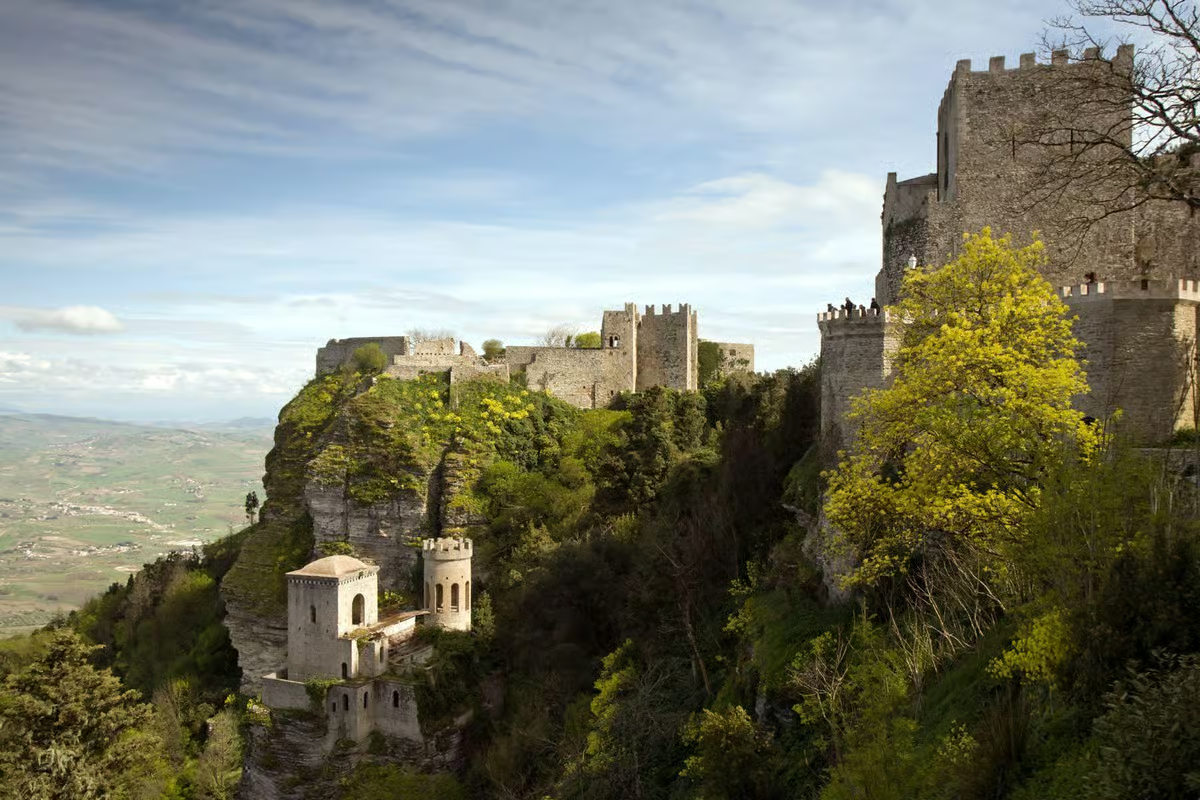
The first thing you notice on Mount Etna is not the wine. It is the scale. Black lava stone walls cut across steep terraces, vineyards cling to the volcano’s slopes, and the light feels sharper somehow, as if the mountain has edited out anything soft or casual. Walking on fire: a deep dive into the heroic wines of Mount Etna begins here, in a landscape that makes every bottle feel improbable before it ever reaches the glass.
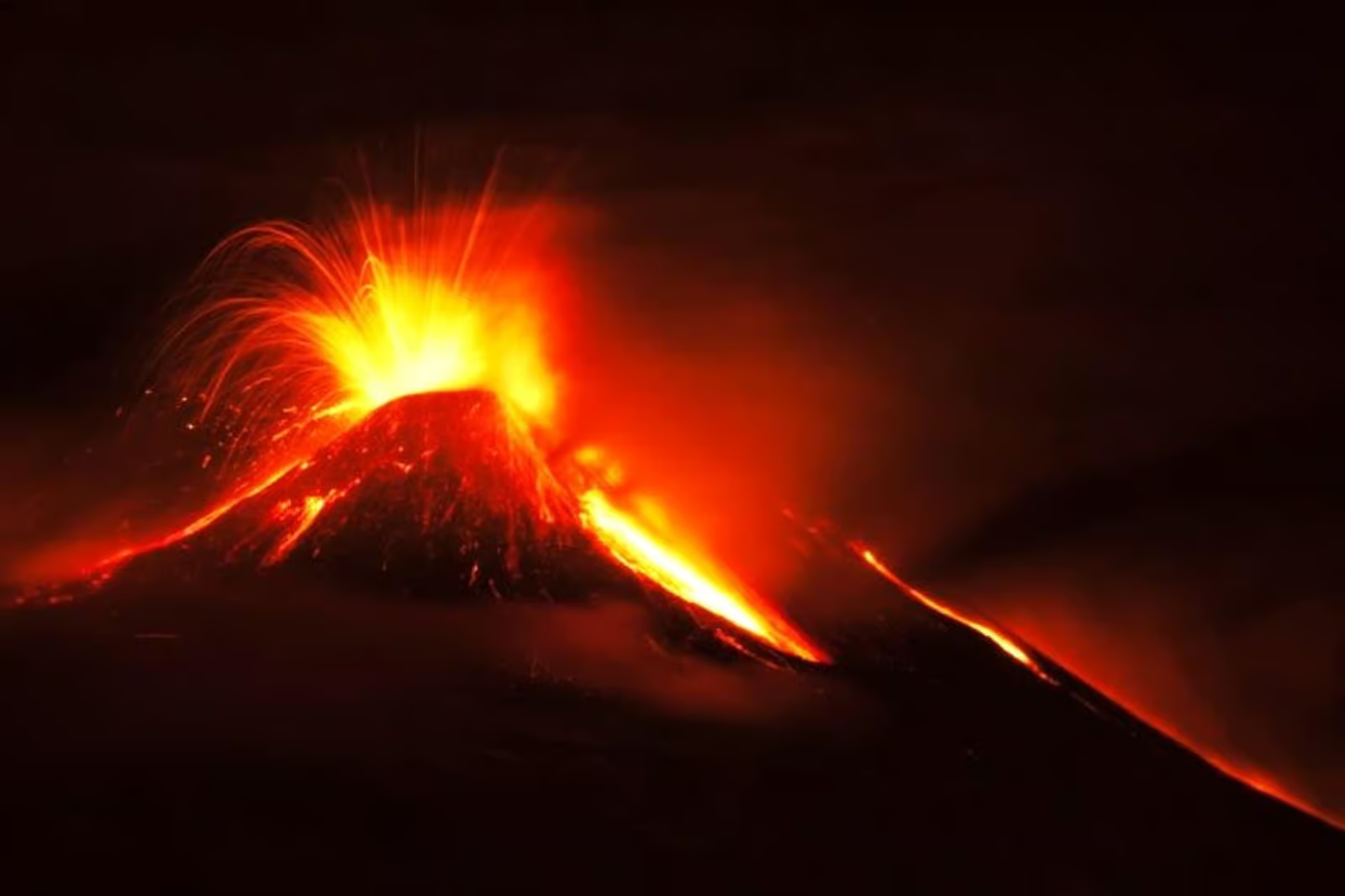
Etna is one of those wine regions that changes your sense of proportion. Sicily already carries a mythic charge for travelers, but Etna narrows the focus. This is not island sunshine and easy abundance. It is altitude, ash, and constant negotiation with a living volcano. The wines that come from these slopes are often described as heroic because the work is difficult, the sites are extreme, and the old vineyards have survived where logic might have suggested easier choices.
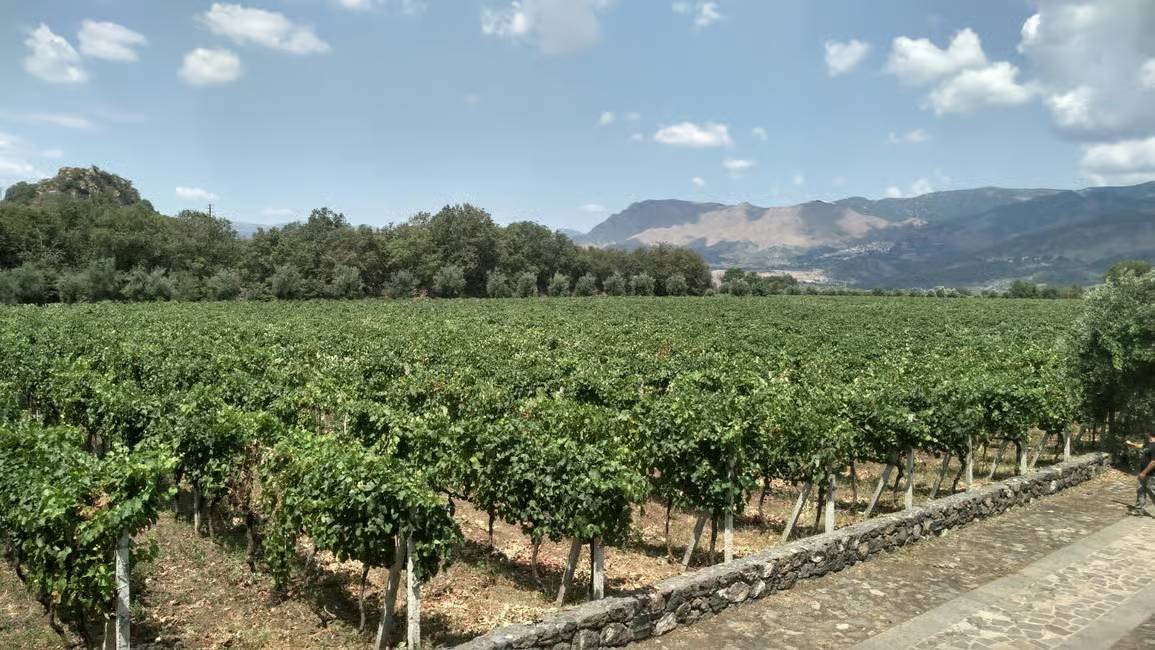
The phrase is not just poetic. Viticulture on Etna can be physically punishing. Many vineyards sit on steep, terraced sites where machine work is limited or impossible, and growers often move through narrow parcels edged with dry stone walls built from lava rock. Elevation matters too. Some vineyards rise well above what many travelers expect from southern Italy, bringing dramatic day-night temperature swings that preserve freshness and slow ripening.
Then there is the volcano itself. Etna is active, and its eruptions have shaped the region for centuries. Lava flows, ash deposits, and fractured basalt create a patchwork of soils that can change from one contrada to the next. A few rows can tell one story, the next parcel another. That is part of Etna’s fascination and part of its challenge. Precision is not optional here.
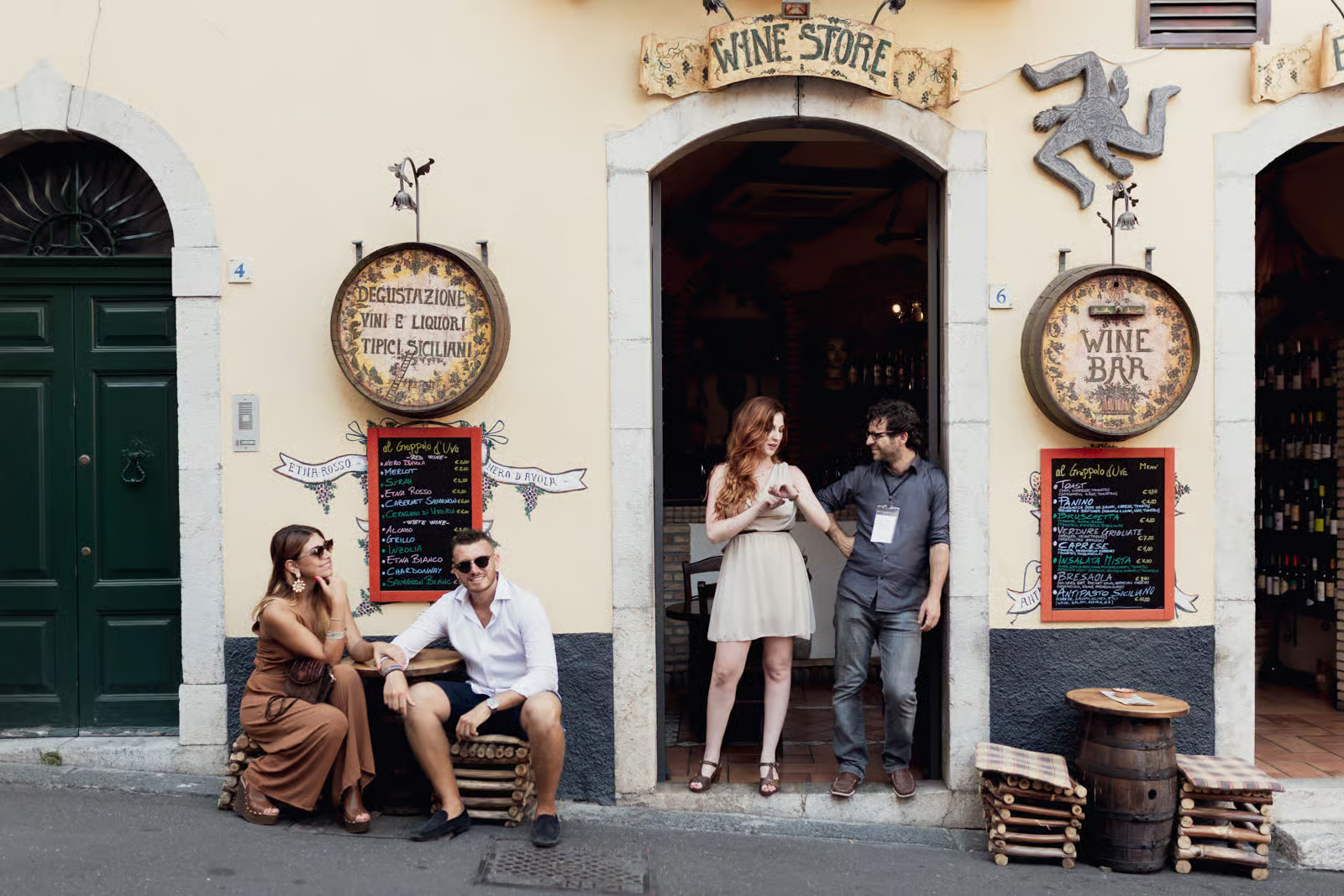
For visitors, this means Etna is not a region best understood by tasting one red and one white in a generic cellar. It rewards movement. Drive the mountain, visit producers on different slopes, and pay attention to how exposure, altitude, and soil shift the mood of the wines. This is a destination where wine tourism feels inseparable from geography.
The grapes behind Mount Etna’s heroic wines
Etna’s identity rests largely on native varieties, and that is one reason the region feels so distinct. Etna Rosso is led by Nerello Mascalese, usually with Nerello Cappuccio in a supporting role. Nerello Mascalese is the star – pale in color compared with many southern reds, fragrant rather than heavy, and capable of remarkable finesse. In the right hands, it can suggest sour cherry, blood orange, rose, wild herbs, smoke, and a salty, stony edge that seems to echo the mountain itself.
If that sounds unexpectedly refined for Sicily, that is exactly the point. Etna often surprises travelers who arrive expecting ripe, broad, sun-drenched reds. Instead, many wines carry tension and lift. There is fruit, certainly, but also structure, savory notes, and a transparency that has invited comparisons to far more northerly fine wine regions. Those comparisons can be useful as shorthand, but they can also flatten Etna’s individuality. Nerello Mascalese is not trying to be anything else.
On the white side, Carricante is the grape to know. It thrives at altitude and produces wines of striking freshness, often marked by citrus, fennel, saline notes, and a tensile, mineral profile that ages beautifully. Etna Bianco can be one of Italy’s most compelling white wine experiences, especially for travelers who value energy and texture over easy fruit.
There are trade-offs, of course. Not every Etna wine is immediately generous. Some reds can feel firm and angular in youth, and some whites show more nerve than plushness. For enthusiasts, that is part of the allure. For casual tasters, producer style matters. A thoughtful winery visit can make all the difference between admiring Etna and truly connecting with it.
Born of Fire and Ash
Discover the elegant, mineral-rich wines crafted in the shadow of Europe’s most active volcano.
To understand Etna, it helps to think small. The region is often discussed through its contrade, named vineyard areas that function almost like local place markers. These sites, especially on the north slope and in parts of the east and south, can produce very different expressions despite close proximity.
The north slope is often the first stop for serious wine lovers. It tends to deliver reds with perfume, structure, and elegance, shaped by high elevations and significant temperature variation. The east side can bring greater freshness and a cooler feel, influenced by proximity to the sea. Southern sectors may show more generosity, though generalizations only go so far on Etna. The mountain resists simplification.
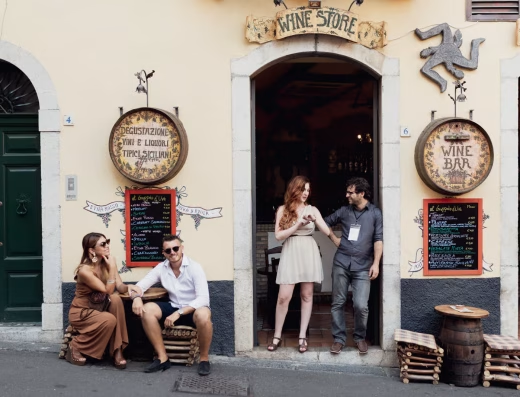
This is where visiting producers becomes invaluable. Tasting across contrade turns abstract terroir language into something vivid and memorable. You begin to notice how one wine carries more ash and grip, while another leans floral and lifted. You see why Etna has captured the attention of winemakers, collectors, and travelers who want more than a scenic tasting room.
Old vines, alberello training, and real vineyard labor
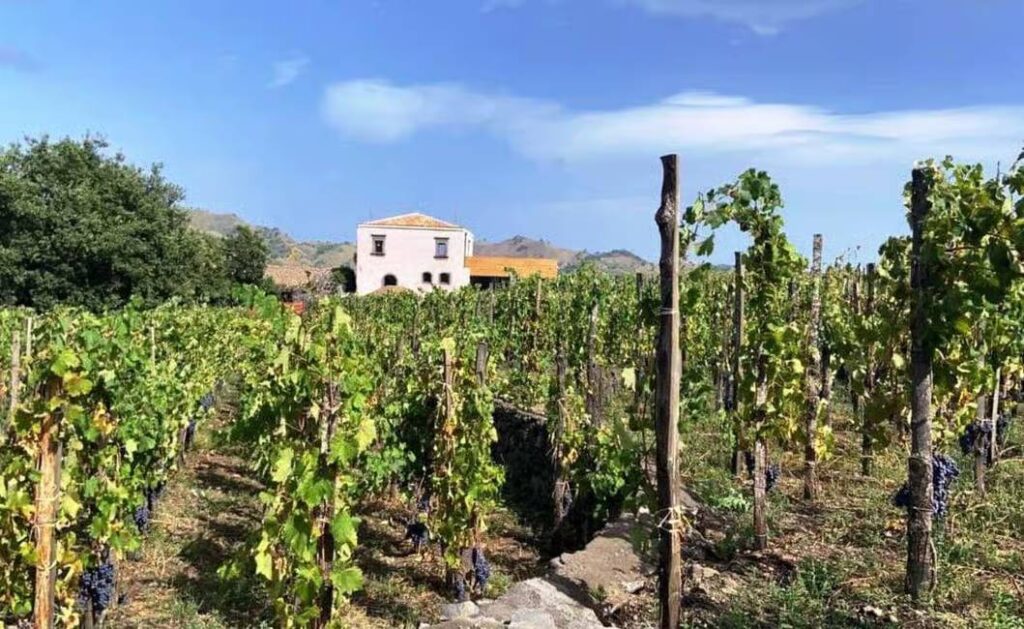
Part of Etna’s romance comes from its old vines, many of them trained in alberello, the traditional bush-vine system that suits the region’s harsh conditions. These low, head-trained vines can be beautiful to behold, especially against the stark black soils and lava stone terraces, but they are also labor-intensive. Pruning, tending, and harvesting them requires skill and patience.
In some parts of Etna, phylloxera had less impact than in many other European regions, allowing very old vineyards to survive on their own roots. That history matters. It adds another layer of rarity to the region and another reason wine travelers feel such magnetism here. You are not only tasting volcanic wine. You are often tasting from living agricultural history.
That said, old vines alone do not guarantee greatness. Etna’s rise has brought investment, attention, and ambitious new projects, but also the usual growing pains of a celebrated region. Some wines lean too hard on the Etna story without delivering the clarity or balance the place deserves. For visitors, curation matters. The most memorable estates are the ones where the spectacle of the volcano is matched by discipline in the cellar.
How Etna tastes in the glass
To pour a glass of Etna wine is to encounter a paradox: these are liquid expressions of a fiery, destructive volcano, yet they land on the palate with ethereal grace and cooling precision. They do not rely on high alcohol or heavy oak to make an impression. Instead, they captivate through a unique interplay of delicate aromatics, intense savory depth, and an undeniable structural backbone.
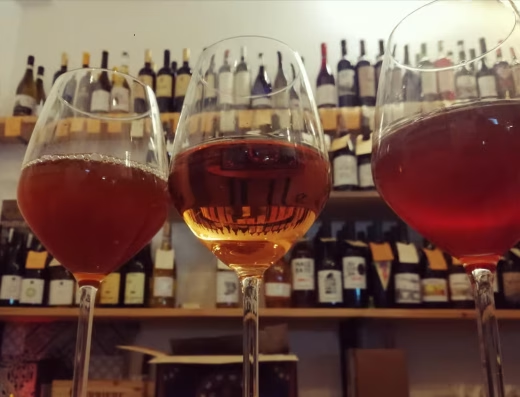
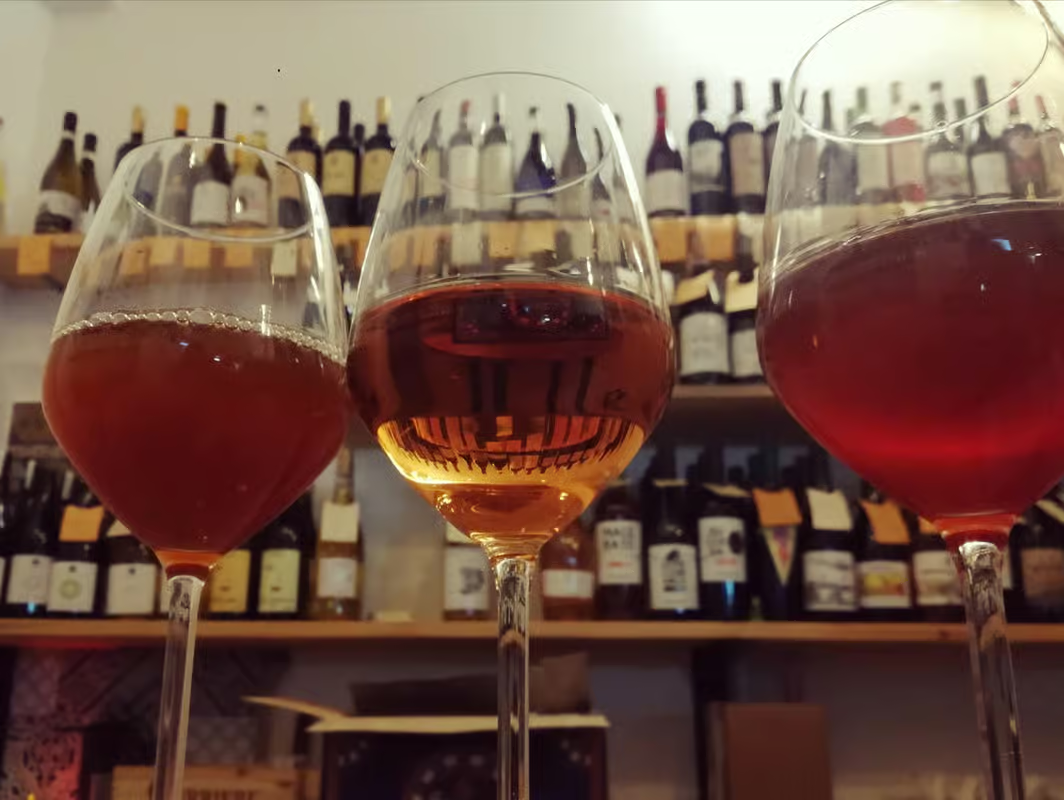
The best Etna Rosso often enters quietly, subverting expectations for a southern Italian red. In the glass, it is visually deceptive—pale, translucent, and resembling a delicate Pinot Noir or Nebbiolo. Yet, the aromatics are immediately arresting. It opens with a perfume of sour red cherry, pomegranate, wild strawberry, and dried rose petals, quickly followed by more complex notes of orange peel, black tea, and wild Mediterranean brush (macchia mediterranea).
On the palate, Etna Rosso reveals its true volcanic signature. It is lean but muscular. There is a distinct smoky, flinty undertone that tastes less like a flashy bonfire and more like cold ash, crushed basalt, or smoldering embers. The tannins are fine-grained but firm, providing a chalky, architectural grip that coats the mouth, while a bright streak of acidity ensures the wine never feels heavy or fat. Etna Bianco, particularly when crafted from the high-altitude Carricante grape, can be even more startling for the uninitiated. These are whites defined by sheer mountain energy and chiseled definition rather than plush fruit. In its youth, a glass of Etna Bianco is pale straw with greenish glints, exploding with aromas of lime zest, green apple, white peach, wild fennel, and white flowers.
The magic of Carricante, however, is its texture and mineral drive. It tastes intensely savory, almost as if it were filtered through the volcano’s porous stone. A distinct, mouth-watering salinity—reminiscent of sea spray and crushed oyster shells—runs down the center of the palate, a nod to the marine winds that sweep up the mountain’s eastern slopes. While some versions are taut, linear, and laser-focused, others undergo lees aging to add a creamier, weightier texture that balances the grape’s natural, electric acidity. With a few years in the bottle, these whites evolve brilliantly, developing complex notes of petrol, kerosene, and beeswax.
The absolute common thread across all Etna wines is tension. Even when the fruit is beautifully ripe, the wines rarely feel lazy or sun-baked. There is a constant, vibrating energy between the fruit and the stone.
This makes Etna a remarkably versatile and rewarding companion at the dinner table:
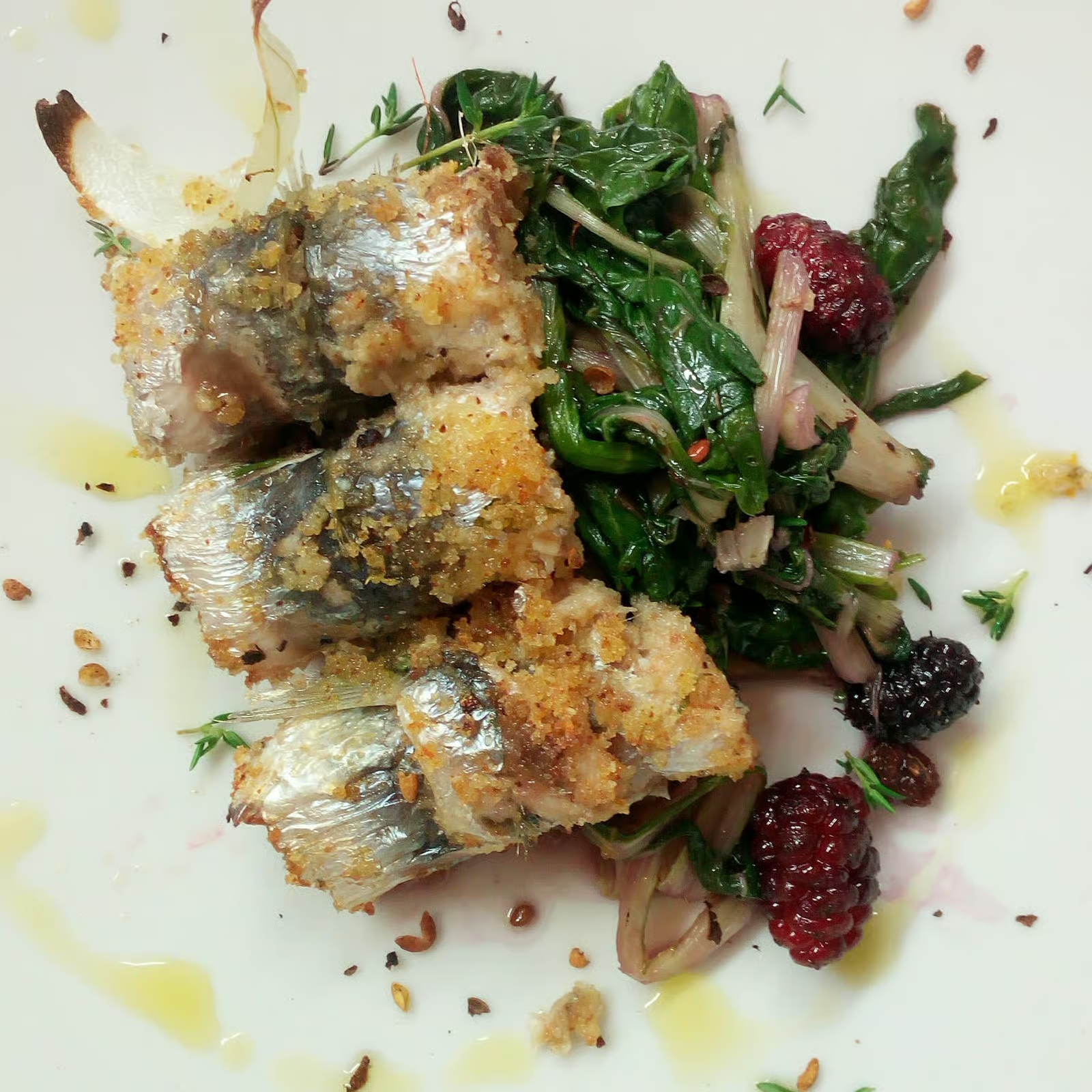
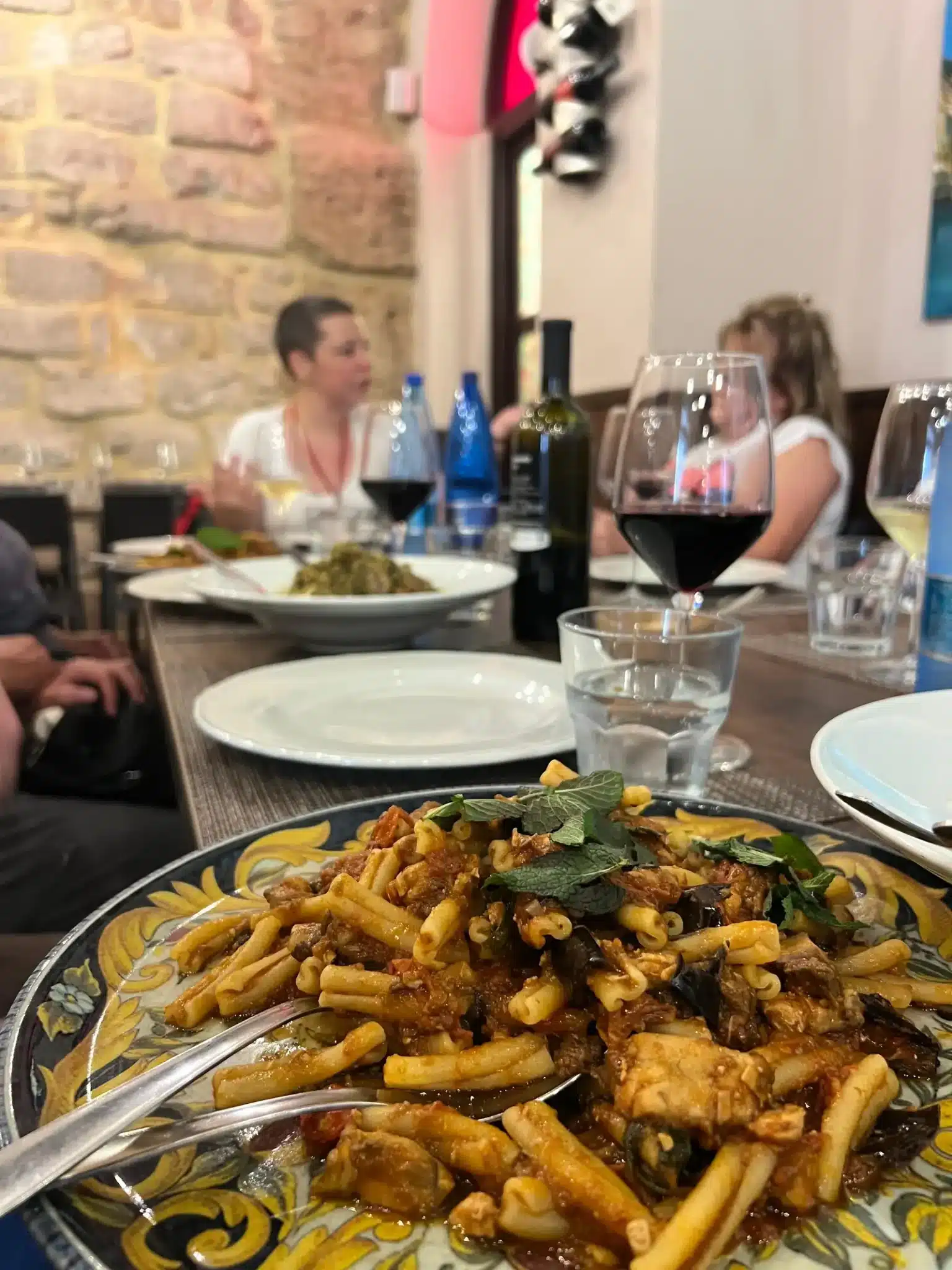
Etna Rosso cuts beautifully through the richness of roasted meats, duck, earthy mushroom risottos, and classic Sicilian pasta alla Norma.
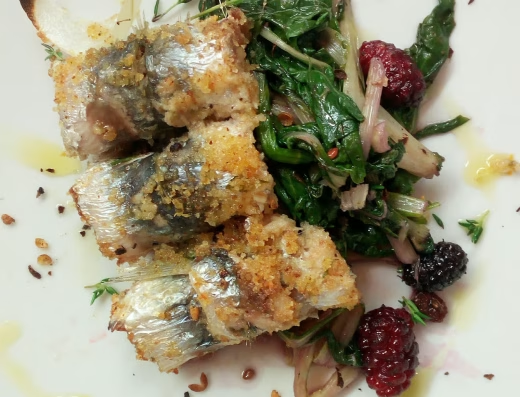
Etna Bianco acts as a perfect foil for grilled seafood, octopus, capers, and dishes that play sweet against saline.
.
Planning a wine trip to Etna
Mount Etna is not a region to rush. If your main goal is beach time with a casual tasting attached, other parts of Sicily may suit you better. Etna rewards travelers who are willing to structure a day or two around the mountain itself, ideally with winery visits spaced across different slopes and elevations.
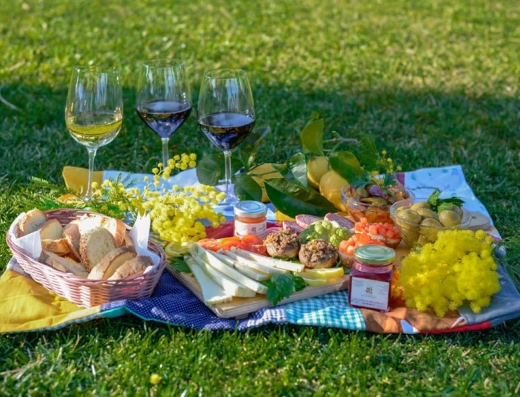
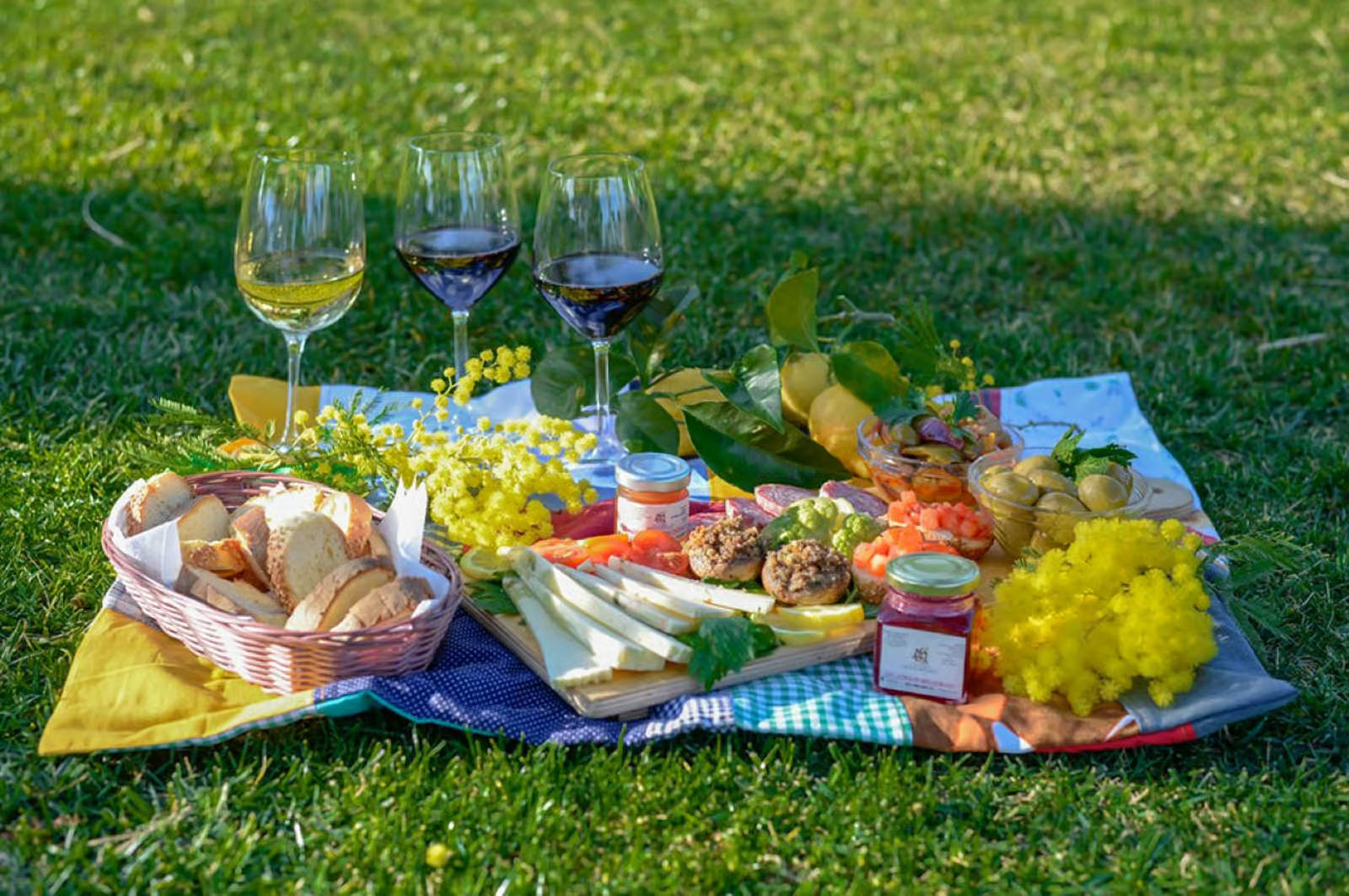
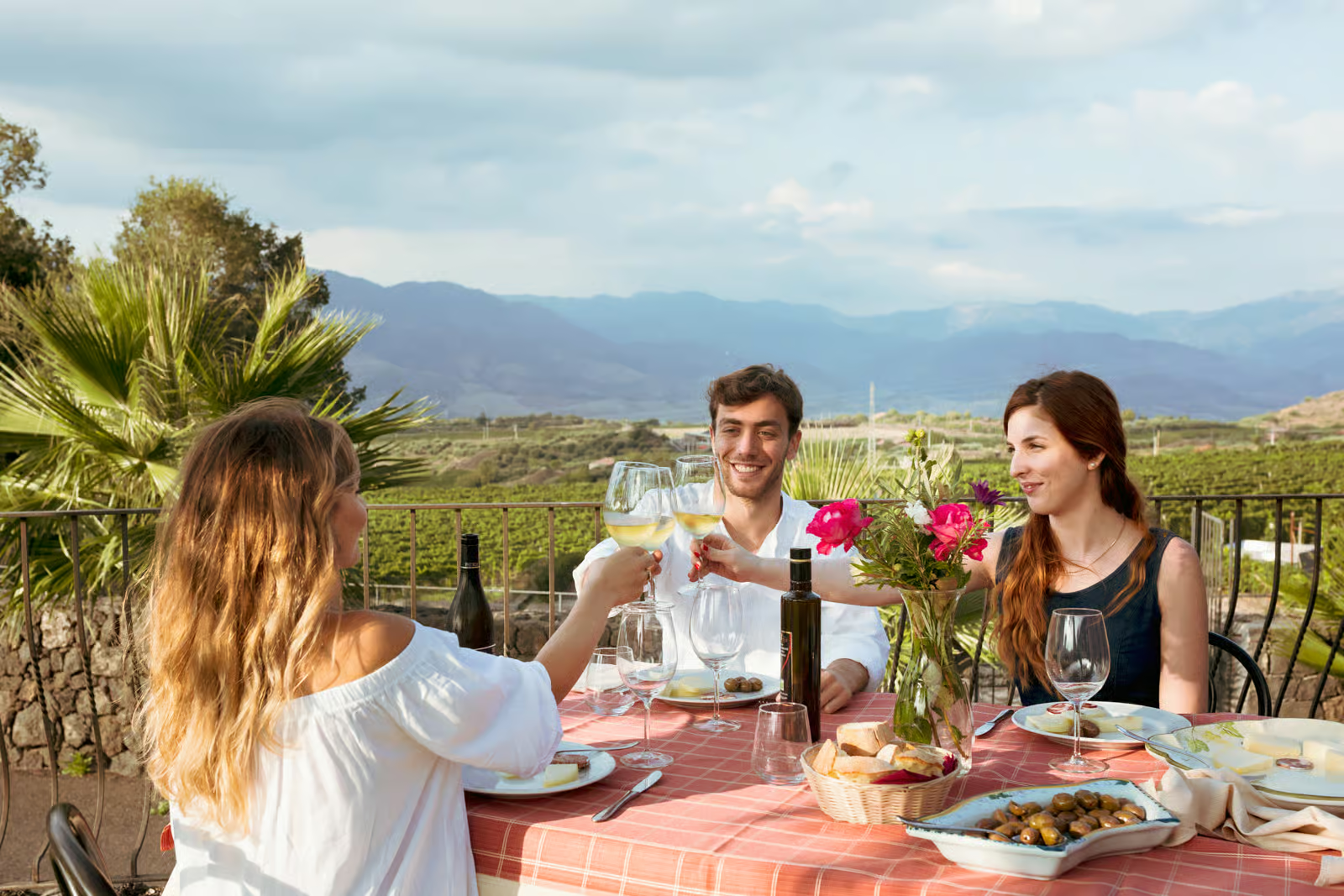
The most satisfying experiences usually combine landscape, cellar, and table. A strong Etna itinerary includes time in the vineyards, not just the tasting room, because seeing the lava terraces explains the wines in a way words cannot. If possible, pair a visit with local food. Etna’s wines become even more compelling when they are grounded in the flavors of the region.
For travelers comparing destinations, Etna offers something different from Tuscany’s polish or Napa’s ease. It is rawer, more dramatic, and slightly less predictable. That is part of the appeal. If you are planning a Sicily wine journey and want experiences that feel deeply rooted in place, Wine Tour Searcher can help narrow the field toward visits that capture Etna at its best rather than its most convenient.
Where to stay during your trip in Sicily
Browe our map of selected stays, from hotels to guest houses, appartments, villas, to experience the best of your trip in Sicily
Walking on fire: a deep dive into the heroic wines of Mount Etna
What makes Etna so memorable is not only quality, though the best wines are exceptional. It is the sense of friction behind them. Everything here feels earned: the vineyards carved from volcanic slopes, the old vines held in place by generations of labor, the freshness preserved under a southern sun, the elegance coaxed from a landscape better known for destruction than delicacy.
That tension gives Etna its emotional pull. You taste the mountain, yes, but you also taste adaptation, persistence, and restraint. For wine travelers, that combination is irresistible. It turns a tasting into a story and a bottle into a place you can almost walk back into.
If you find yourself on Sicily’s eastern side, give Etna more than a passing glance. Let the volcano set the pace, follow the terraces upward, and choose wineries that treat the mountain as a partner rather than a backdrop. The most rewarding glasses here do not simply show volcanic character. They show what happens when beauty has to fight for its footing.
Enter your search
Our Post Themes
Search by wine region
Some other Tours
Uncork the Unexpected Let fate guide your glass. Explore handpicked, secret wine tours designed for the curious soul.
To provide the best experiences, we use technologies like cookies to store and/or access device information. Consenting to these technologies will allow us to process data such as browsing behavior or unique IDs on this site. Not consenting or withdrawing consent, may adversely affect certain features and functions.
Functional
Always active
The technical storage or access is strictly necessary for the legitimate purpose of enabling the use of a specific service explicitly requested by the subscriber or user, or for the sole purpose of carrying out the transmission of a communication over an electronic communications network.
Preferences
The technical storage or access is necessary for the legitimate purpose of storing preferences that are not requested by the subscriber or user.
Statistics
The technical storage or access that is used exclusively for statistical purposes.The technical storage or access that is used exclusively for anonymous statistical purposes. Without a subpoena, voluntary compliance on the part of your Internet Service Provider, or additional records from a third party, information stored or retrieved for this purpose alone cannot usually be used to identify you.
Marketing
The technical storage or access is required to create user profiles to send advertising, or to track the user on a website or across several websites for similar marketing purposes.