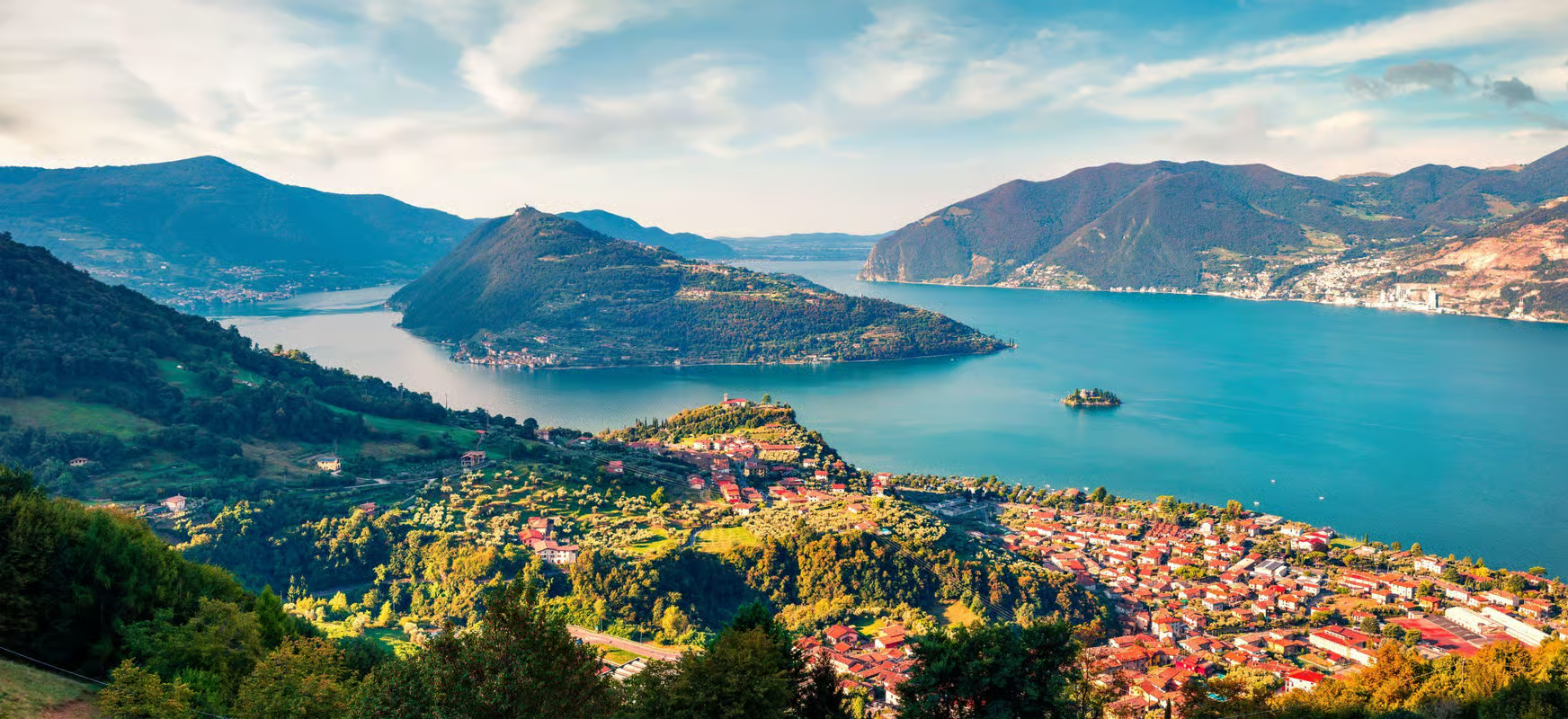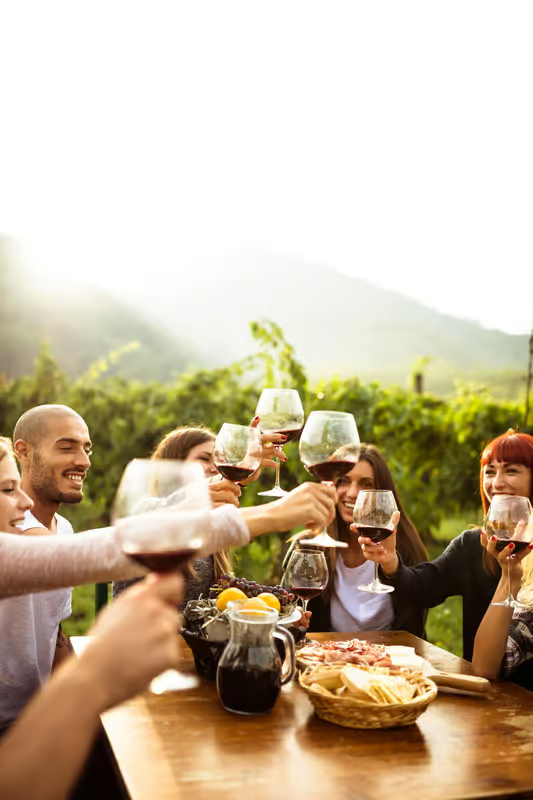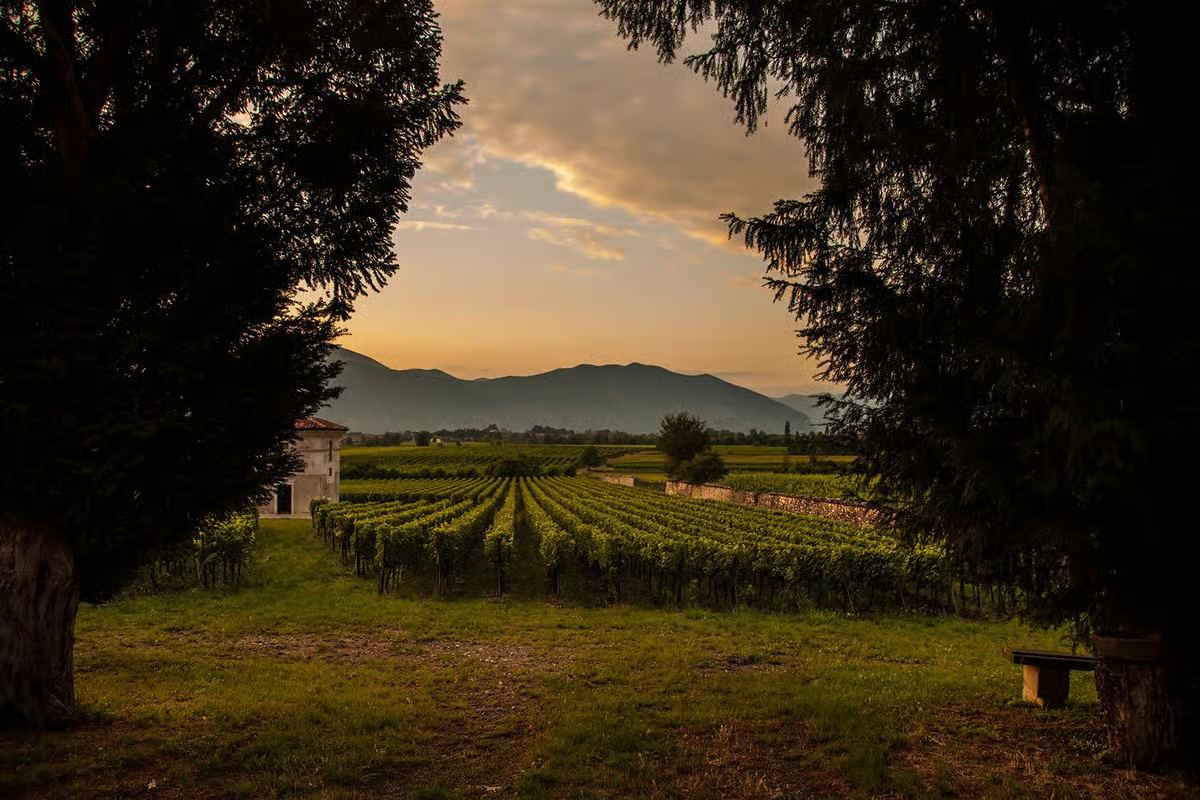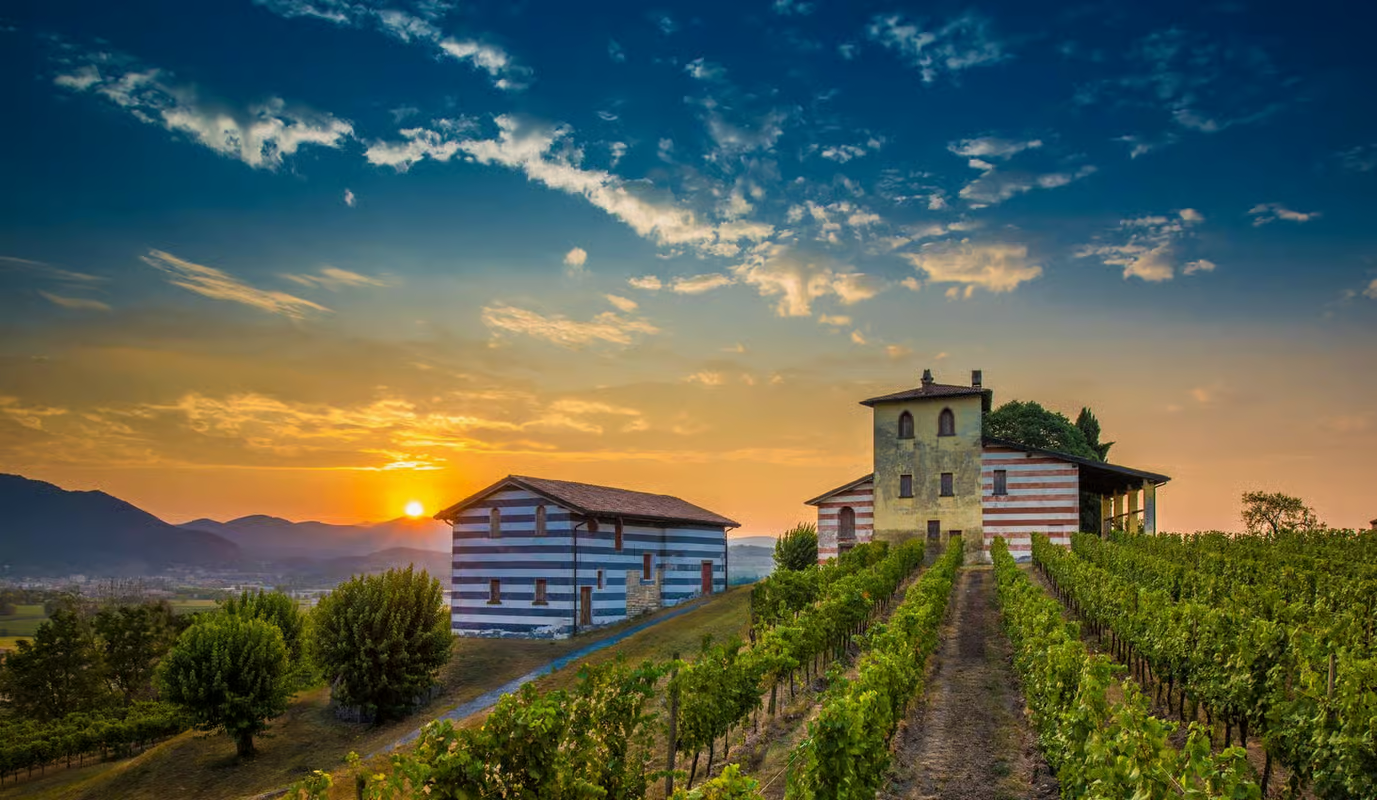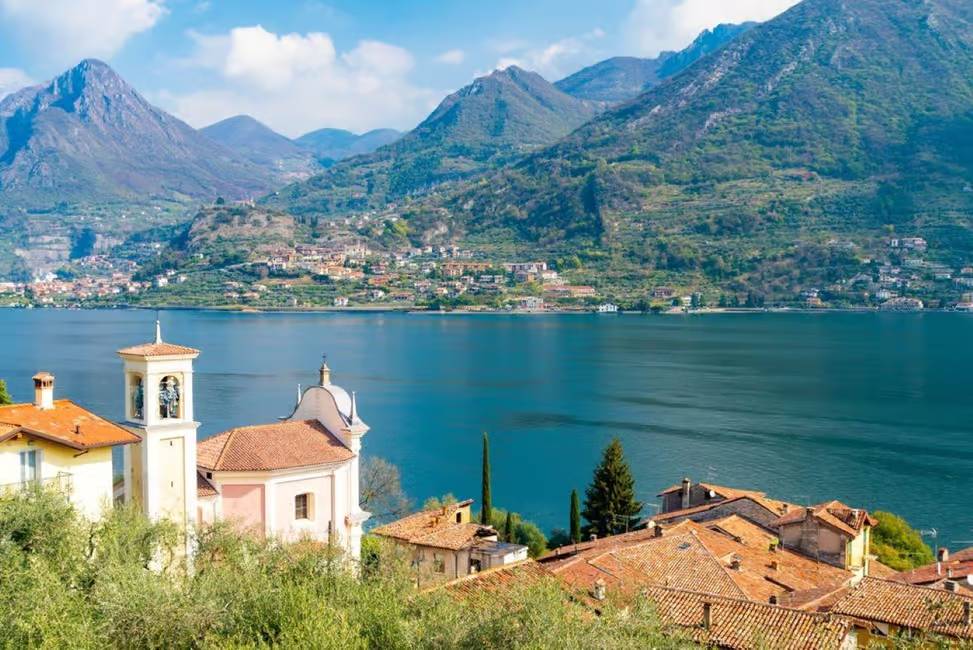
You can truly feel Franciacorta before you fully understand it. The transition is subtle yet unmistakable: the busy arterial highways radiating from Milan gradually dissolve into gentle, vineyard-draped hillsides. Lake Iseo begins to flash like liquid silver between rows of ancient cypresses and grand stone villas, and your internal pace shifts instinctively from hectic sightseeing to deliberate savoring.
If you are searching for a comprehensive Franciacorta weekend guide designed specifically for discerning sparkling wine lovers, this is the definitive version. This guide is crafted not merely to help you taste widely across the appellation, but to help you travel well, understand the intricate nuances of the terroir, and experience the absolute best of Lombardy’s premier wine region.
Franciacorta is frequently introduced to international travelers as Italy’s answer to Champagne, but that convenient marketing comparison only gets you halfway there. It is true that the technical foundations are identical: the wines are strictly crafted using the metodo classico (traditional method), requiring a meticulous secondary fermentation in the bottle, hand-riddling, and extensive aging on the dead yeast cells (lees).
However, Franciacorta possesses a distinct soul all its own. The terroir benefits from a softer, warmer northern Italian light, a unique microclimate regulated by the thermal mass of Lake Iseo, and a local lifestyle rooted in understated Lombard elegance. The resulting wines are inherently more generous, sun-kissed, and structural at the dinner table than their austere French cousins.
Why Franciacorta is the Ultimate 2-Day Wine Escape
Some world-class wine regions demand an exhausting week-long commitment, vast driving distances, and a designated driver with heroic stamina. Franciacorta is entirely different. It is wonderfully compact, highly polished, and remarkably easy to shape into a seamless two- or three-day weekend itinerary.
Because it sits just an hour’s drive east of Milan, you can easily land at the airport, pick up a vehicle or meet a driver, and escape the urban rush without turning the transit into a stressful production. Yet, the moment you cross into the official boundaries of the DOCG, the frantic energy of the city completely evaporates.
That accessibility fundamentally changes the physics of your trip. A truly great wine weekend shouldn’t feel like a marathon or a box-checking exercise; it is entirely about rhythm. Franciacorta allows you to settle into a remarkably luxurious cadence.
Mornings begin with a slow espresso and a long breakfast on a terrace overlooking rolling, mist-shrouded rows of vines. Afternoons are dedicated to deep-dive estate visits, historic cellar walks, and structured comparative tastings. Evenings conclude by winding down with fresh lake fish, creamy saffron-infused risotto, and a bottle of locally born sparkling wine that perfectly mirrors the geography of the plate.
For travelers who appreciate structure without wanting to feel over-scheduled, this territory hits a rare sweet spot. You can comfortably visit two distinct wineries in a single day without ever feeling rushed. You can effortlessly weave in a lazy lakeside lunch or a therapeutic spa afternoon without sacrificing the core integrity of your wine journey. If your personal definition of luxury leans toward the thoughtful, architectural, and authentic rather than the flashy and ostentatious, Franciacorta wears that exact style with effortless grace.
What to Know Before You Plan Your Franciacorta Itinerary
The first essential step in planning is recognizing that not every wine enthusiast wants the same thing out of their northern Italian journey. The region accommodates two very different styles of exploration, and understanding your preference will dictate how you build your itinerary.
On one hand, Franciacorta features legendary, globally renowned institutions. These grand houses boast striking architectural compounds, ultra-polished hospitality centers, and historic, labyrinthine aging cellars where millions of bottles sleep in the dark.
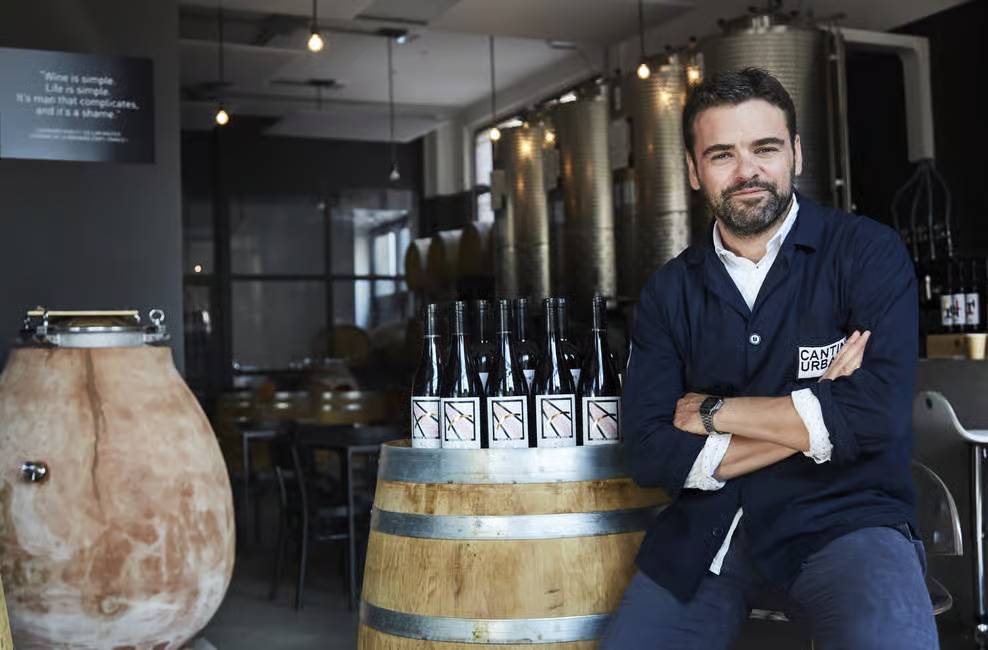
On the other hand, the region is home to a vibrant community of small, avant-garde, family-run organic and biodynamic estates. Here, the person pouring the wine is often the winemaker or owner, and the conversation naturally steers toward soil composition, clonal selections, and experimental low-dosage choices. A truly balanced weekend successfully bridges both worlds.
The identity of the wine relies heavily on its grape composition. Chardonnay acts as the definitive backbone, providing elegance, citrus notes, and incredible longevity. Pinot Nero brings vital structure, red fruit complexity, weight, and profound gastronomic capability. Pinot Bianco is utilized in smaller percentages to add freshness, brightness, and a floral lift. Finally, an ancient, high-acid native grape called Erbamat is playing an increasingly vital role in modern blends, helping winemakers balance warmer modern growing seasons.
As you taste your way through the region, you will navigate several core labeling categories that dictate the profile in your glass:
- Non-Vintage (NV): The definitive business card of any estate, blended across years to showcase a consistent, recognizable house style. It must spend a minimum of 18 months aging on its lees.
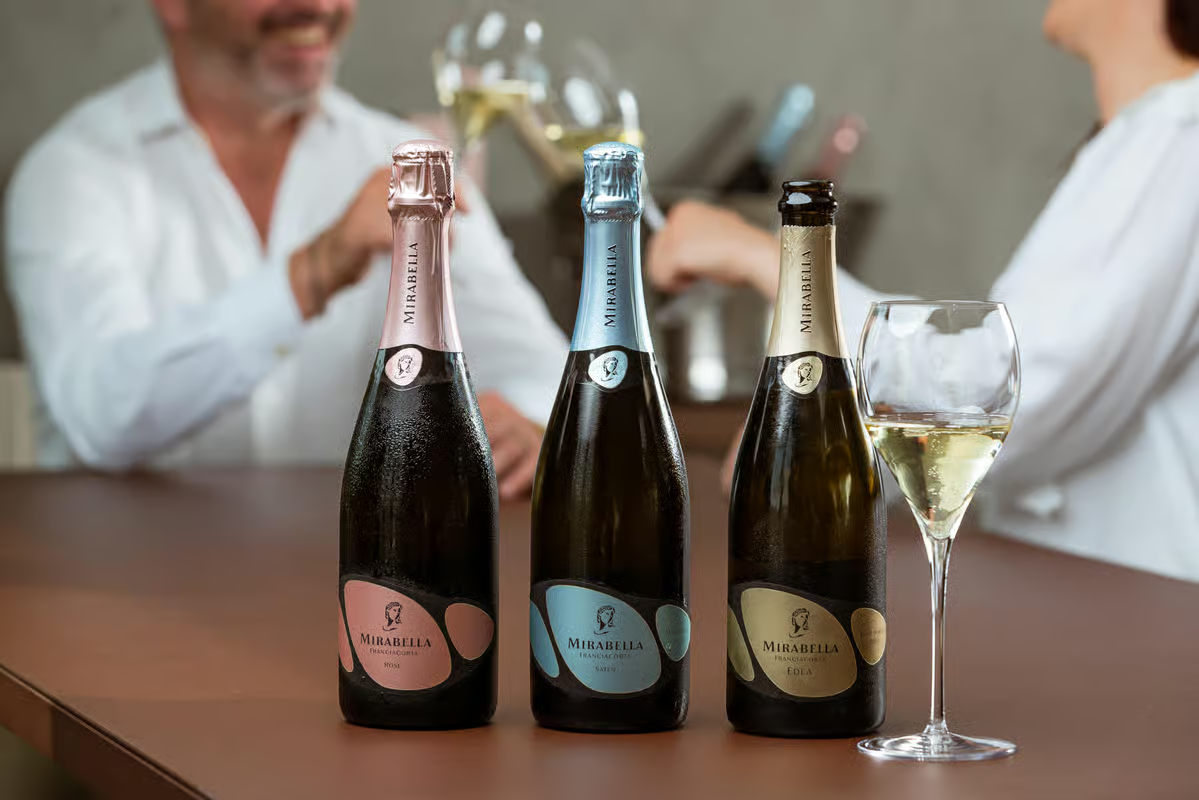
- Satèn: A style completely unique to Franciacorta. Crafted exclusively from white grapes, primarily Chardonnay and Pinot Bianco, it is bottled at a lower internal pressure, under five atmospheres compared to the standard six. This technical difference yields an incredibly silky, velvety mousse and a remarkably creamy texture.
- Rosé: Requiring a minimum of 35% Pinot Nero, these expressions can range from pale, delicate salmon-pink aperitifs to deeply structured, vinous wines capable of pairing with roasted meats.
- Millesimato (Vintage): Produced only in exceptional years, these wines require a minimum of 30 months on the lees and display the specific climatic story of a single harvest.
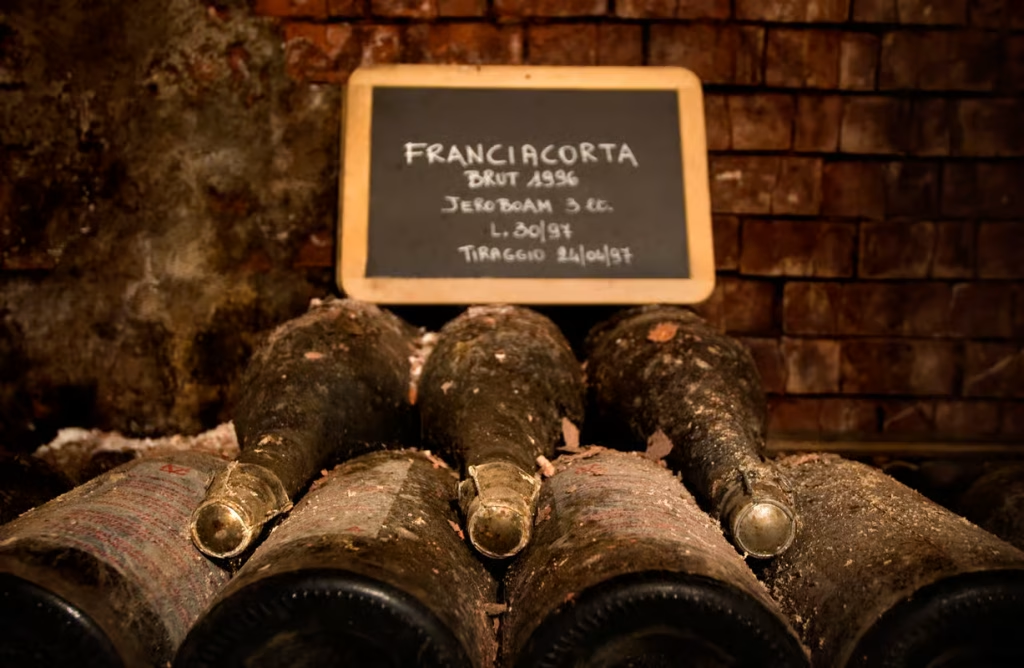
- Riserva: The absolute pinnacle of the region. These are vintage-dated wines that have spent an extraordinary minimum of 60 months, and often much longer, resting in the cellars, resulting in intense aromatic complexity, deep brioche notes, and profound depth.
Do not treat Franciacorta as a destination for spontaneous drop-ins. The top-tier estates pride themselves on highly structured, intimate, and educational hosting. To ensure you secure a spot at the properties that match your palate, booking a tailored Franciacorta sparkling wine tasting well in advance is highly recommended.
The Perfect 3-Day Weekend Architecture
If your schedule permits, always plan for a Friday afternoon arrival. Checking into your accommodation before sunset completely alters the emotional energy of the trip. It gives you the space to unpack, shake off the travel fatigue, and enjoy an unhurried, welcoming dinner at a local osteria. By choosing a slow start, you ensure that you wake up on Saturday morning fully refreshed and ready to taste, rather than spending your prime morning hours stuck in transit or rushing through a hotel check-in.
Saturday is your dedicated anchor day, and the most rewarding strategy is to design it around thematic contrast. In the morning, when your palate is completely fresh, target one of the region’s iconic, historic names. Securing a premium visit in Franciacorta allows you to witness the staggering scale of traditional method production, walk through breathtaking, historic tunnels of aging bottles, and understand the benchmark house styles that put this region on the global wine map.
Following a long, relaxed lunch, shift gears entirely for your afternoon appointment. Dedicate this time to the smaller, artisanal side of the hillsides by organizing a private tasting of Franciacorta .Moving from an architectural powerhouse to an intimate, family-run barn or boutique gravity-fed cellar provides an incredibly illuminating comparative lesson in production philosophy, soil variation, and artistic intent.
Keep your Sunday itinerary gentle and open. Packing your final day with multiple, rigid appointments often backfires, leaving you fatigued. Instead, book a single, highly focused morning tasting—perhaps concentrating specifically on late-disgorged library releases or zero-dosage single-vineyard expressions. Once finished, let the rest of your day breathe. Head directly toward the water to enjoy a multi-course seafood lunch, allowing the afternoon to unfold naturally along the shores of the lake before you begin your journey home.
Where to Stay: Choosing Your Aesthetic Base
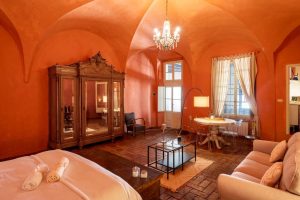
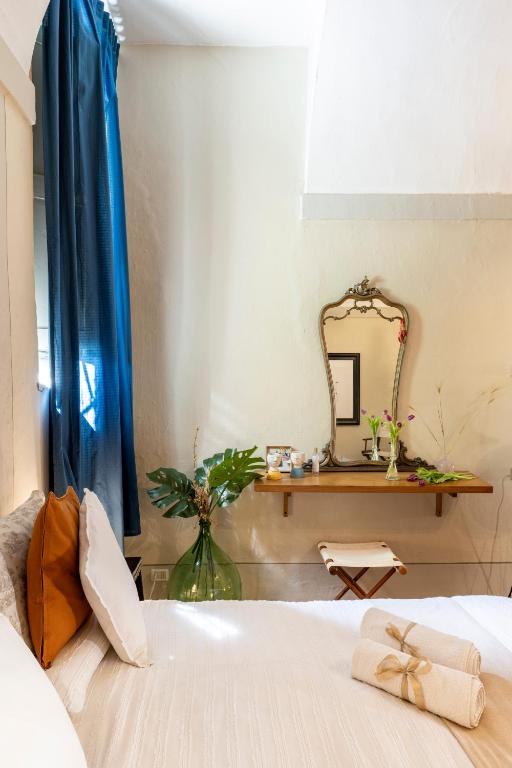
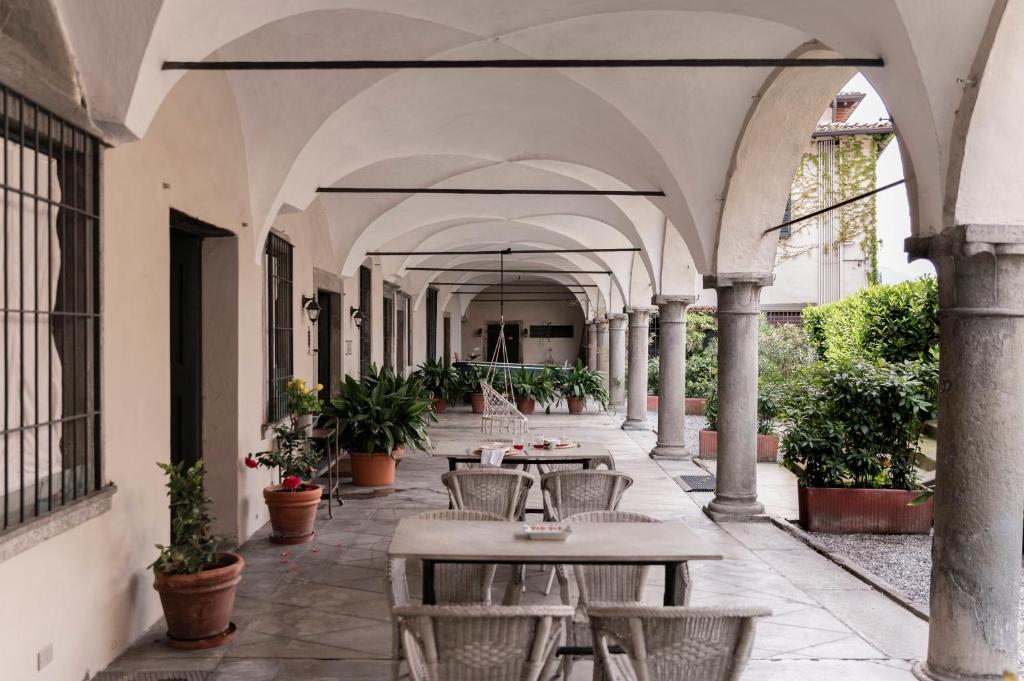
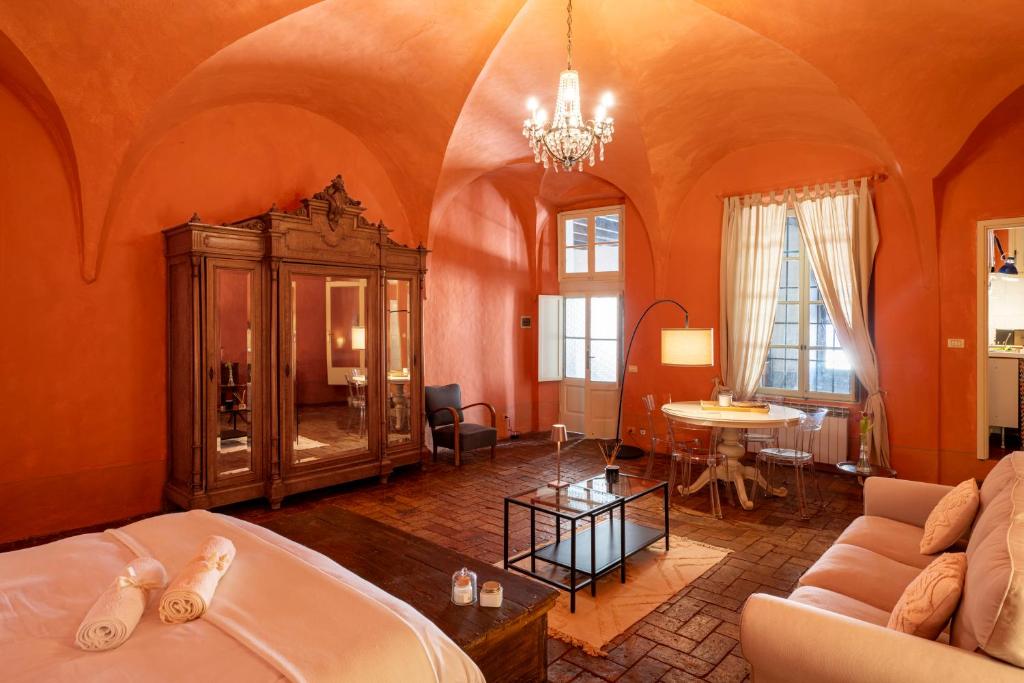
Your choice of accommodation will quietly dictate the entire logistical flow and mood of your weekend. The region essentially splits its hospitality into two distinct environments:
The Vineyard Immersion
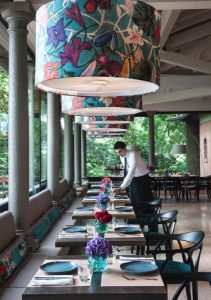
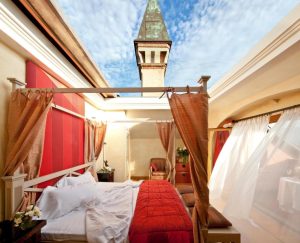
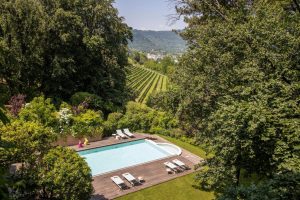
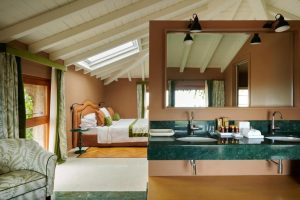
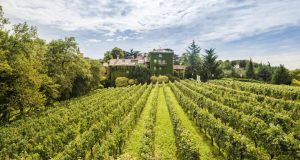
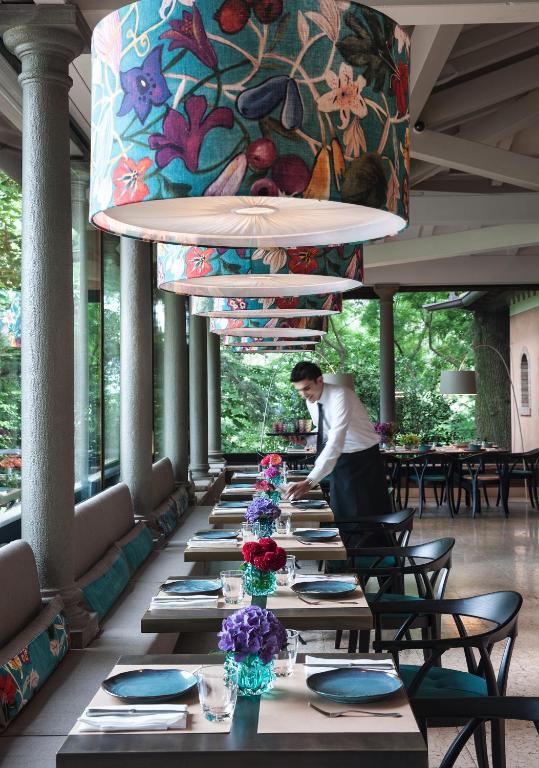
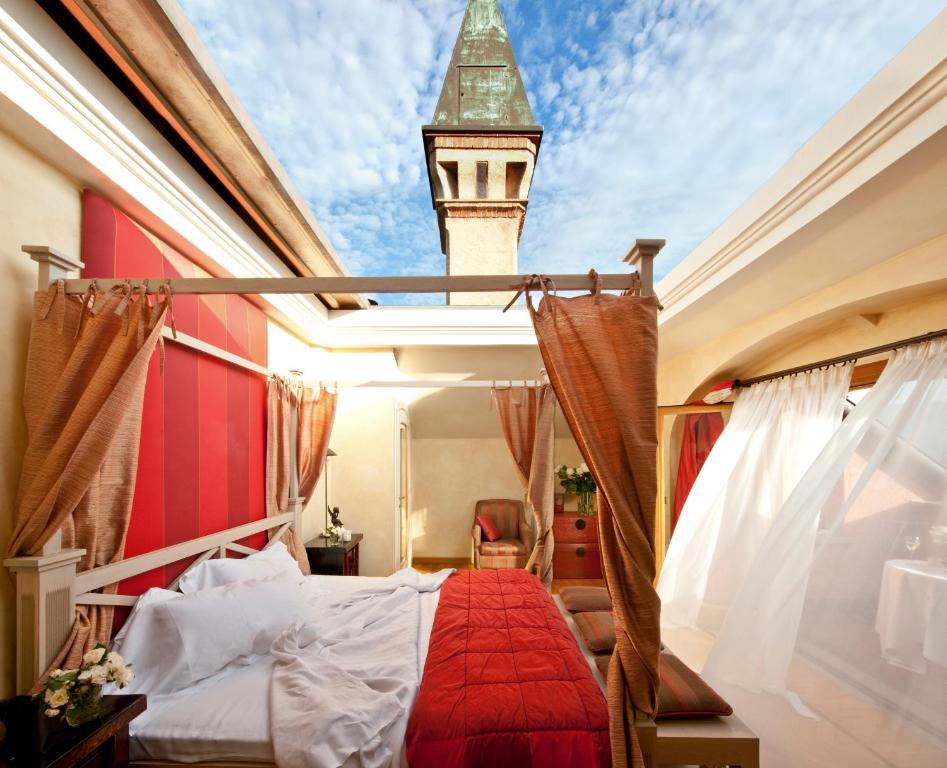
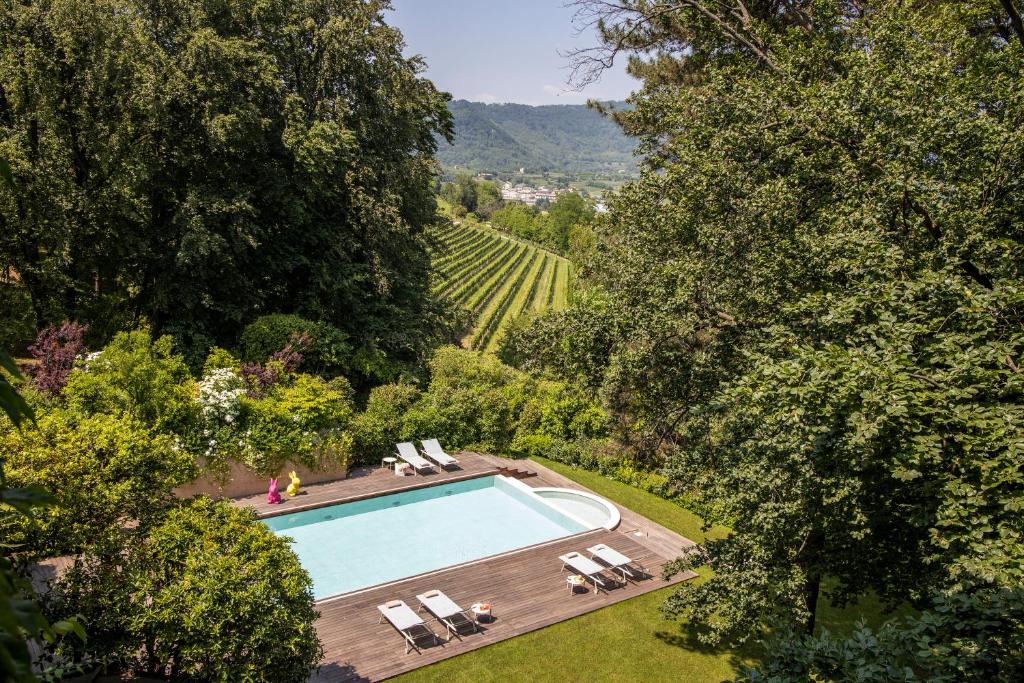
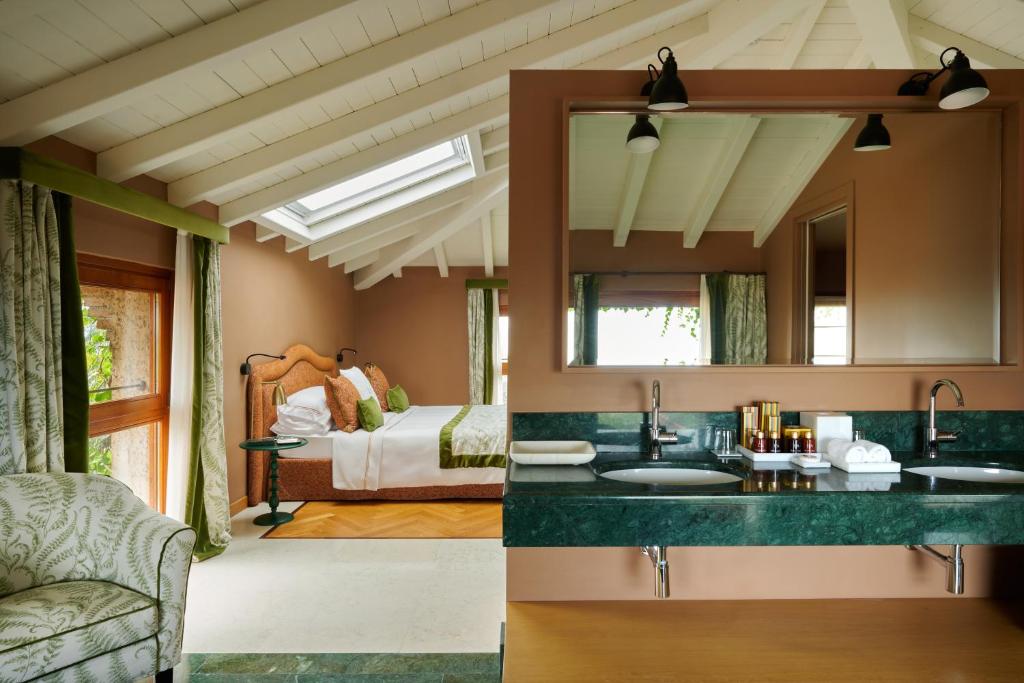
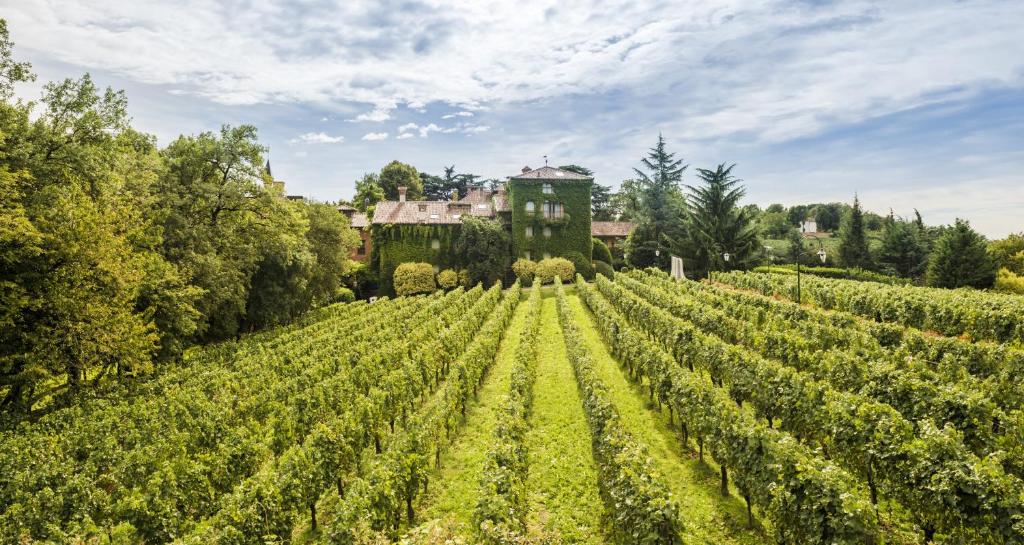
For those whose primary focus is the wine, staying inland among the rolling hillsides is an unmatched experience. The territory is rich with beautifully restored relais, historic luxury stone farmhouses, and working wine estates that offer boutique guest rooms.
The primary advantage here is total serenity. When the day-trippers leave the region around dusk, the vineyards become incredibly quiet. You can sit on your terrace with a glass of wine, listening to nothing but the wind through the vines, and your Saturday morning commute to your first tasting is often less than five minutes away.
The Lakeside Retreat
If you prefer a weekend where wine is a central pillar but not the entire narrative, look toward the southern shoreline of Lake Iseo. Towns like Iseo, Sarnico, and Clusane offer beautiful boutique hotels directly overlooking the water.
Choosing a lakeside base introduces a lovely resort-style atmosphere to your trip. It allows for romantic evening walks along the waterfront promenades, immediate access to private ferry piers, and a slightly more diverse, dense concentration of bars and restaurants that you can easily walk to at night without needing to get back behind the wheel of a car.
Tasting Intelligently: How to Train Your Palate
The most common mistake international travelers make when arriving in Franciacorta is treating the wine as a simple, refreshing celebratory bubble—a pleasant drink to gulp down during a sunny aperitivo hour. To truly appreciate this territory, you must approach the glass with the same analytical focus and respect you would accord to the grand, still white and red wines of Burgundy or Piedmont.
When tasting metodo classico wines, train yourself to pay close attention to texture, mouthfeel, and the architecture of the bubble profile just as much as you focus on fruit aromas.
In a premium glass of Satèn, notice how the lower pressure creates a velvety, pillowy texture that rolls softly across the tongue without any aggressive carbonated sting. When exploring a Rosé, look for the underlying tannic structure, skin-contact grip, and vinous weight that makes it a formidable partner for food. With extended-lees Millesimato and Riserva bottlings, shift your focus away from primary fruit like green apple and lemon, and look instead for the complex autolytic signatures: toasted brioche, hazelnut, candied ginger, crushed oyster shells, and warm pastry cream.
Furthermore, try to disabuse yourself of the common amateur bias that drier is always inherently better. The terminology of sweetness can be confusing, moving from Pas Dosé or Nature, which is completely bone-dry with zero added sugar, to Extra Brut, which is taut and crisp, and finally to Brut, which represents the classic balance with a touch more roundness.
While fashion currently leans heavily toward Pas Dosé expressions because of their razor-sharp, electric acidity and unmasked mineral purity, a well-balanced Brut is often a spectacular work of art. The addition of a tiny, judiciously measured dosage can elevate the fruit profile, soften aggressive structural edges, and create a harmonious balance that shines beautifully when paired alongside the rich, savory fats of northern Italian cuisine. Whenever an estate allows, always ask for a horizontal or vertical comparative flight so you can see exactly how the winemaker manipulates dosage and aging time to achieve their signature style.
Beyond the Cellar: Enhancing Your Journey with Excursions
A world-class wine vacation reaches its full potential when you step outside the tasting room and let the local landscape add context to what you’ve been drinking. Franciacorta is not merely a legal wine appellation; it is an ancient, culturally rich topography waiting to be explored.
Lake Iseo and the Magic of Monte Isola
Lake Iseo is the crown jewel of the local landscape, offering an immediate sense of openness and dramatic visual contrast to the tightly manicured vineyard hills. No weekend here is complete without spending time on the water.
Make your way to the town of Sulzano or Iseo and hop on a local ferry to Monte Isola, the largest lake island in all of Europe. Because private cars are completely banned on the island, stepping off the boat feels like stepping back into a quieter century. You can rent a bicycle to ride past old fishing villages, hike up through olive groves to the sanctuary at the summit for a 360-degree view of the pre-Alps, or sit at a waterfront trattoria watching the traditional wooden boats glide by.
For travelers who want to effortlessly weave these elements together without dealing with ferry schedules and logistics, booking a cohesive Iseo lake and Franciacorta wine tasting is an exceptional way to experience the transition from land to water seamlessly.
The Monastic Roots of Viticulture
If you appreciate history, carve out an hour to visit the Abbazia di San Nicola in Rodengo-Saiano or the stunning Monastero di San Pietro in Lamosa. The latter sits directly on the edge of the Torbiere del Sebino—a breathtaking nature reserve of peat bogs and wetlands. These sacred stone structures are not just beautiful photo opportunities; they are the literal birthplace of local viticulture, where Benedictine and Cluniac monks cultivated grapes and engineered the agricultural foundations of the region centuries before the modern DOCG was ever conceived.
The Lombard Gastronomy Scene
The culinary landscape here is a revelation for food lovers who prefer authentic, regional cooking over theatrical presentation. The local kitchen brilliantly balances the rich, butter-and-meat-heavy traditions of mainland Lombardy with the delicate, fresh profiles of lake cuisine.
Seek out local trattorie to try Casoncelli della Franciacorta, which are stuffed pasta pillows filled with spiced meat, served drenched in sage-infused melted butter and pancetta. Another masterpiece is Manzo all’Olio di Rovato, a historic recipe of beef slow-braised in local extra virgin olive oil, anchovies, and breadcrumbs until it collapses into tender perfection.
Pair these alongside locally caught baked sardine or tench from the lake. Because of the natural cleansing power of sparkling wine’s high acidity and effervescence, these rich, savory dishes become miraculously light and vibrant on your palate.
Smart Practical Choices for the Discerning Traveler
It is vital to remember that Italy enforces a strict zero-tolerance policy for drinking and driving. Furthermore, navigating the tiny, winding rural roads while trying to read obscure winery gates can easily induce unneeded travel stress. To transform your trip into an experience of pure relaxation and luxury, investing in an excursion with private chauffeur in Franciacorta is the ultimate upgrade. Having a professional driver handle the navigation, parking, and timing allows you to indulge fully in every single tasting flight with absolute peace of mind.
Timing your visit also plays a massive role in the overall experience. Spring, from April to June, is arguably the most beautiful window, offering mild alpine air, lush green vines, and active, welcoming tasting rooms. Early autumn brings the electric energy of the harvest; while the energy in the air is infectious, keep in mind that winemakers are incredibly busy, meaning cellar tours may be shorter or restricted to non-production areas. Summer brings spectacular lakeside dining weather, but the heat can be intense and crowds peak. Finally, winter is a hidden gem for couples who prefer absolute quiet; though the vineyards are dormant and bare, the tasting rooms are peaceful, and the local hearty comfort food tastes infinitely better next to a roaring open fireplace.
The ultimate secret to success lies in curation. Resist the temptation to treat this breathtaking region as a numbers game. Do not try to crowd your itinerary with four visits a day just to maximize your tasting count. Instead, choose fewer, higher-quality appointments that line up precisely with your personal travel philosophy. Franciacorta rewards the slow, intentional traveler. Give this magical corner of Lombardy one well-planned, deliberate weekend, and you will leave with far more than a box of premium wine—you will return home with a profound understanding of why the metodo classico can express a sense of place with such grace, nuance, and effortless sophistication.