
The first thing you notice at high altitude wineries is often the light. It feels cleaner, sharper, almost theatrical across the vines. Then comes the air – cooler than expected, thinner on the skin, carrying a sense that growing grapes here is both an act of precision and a small defiance of geography.
That tension is exactly what makes these estates so compelling for wine travelers. High altitude wineries are not defined by scenery alone, even if the scenery is often spectacular. Their appeal comes from the way elevation changes the vine’s daily life, shaping ripening patterns, preserving freshness, and producing wines with a different kind of energy in the glass. For travelers who want more than a pleasant tasting room stop, they offer a chance to experience terroir in one of its most vivid forms.
What makes high altitude wineries different
There is no universal global cutoff for what counts as high altitude. In some regions, vineyards at 1,000 feet feel meaningfully elevated. In others, especially in parts of Argentina, Spain, or the Alps, serious altitude may begin much higher. The point is less about a fixed number and more about the conditions elevation creates.
As vineyards climb, temperatures generally drop. That cooling effect can slow ripening and help grapes hold onto acidity, which is one reason wines from elevated sites often taste fresher and more lifted. At the same time, stronger sun exposure can encourage thicker grape skins and deeper concentration. The result can be a striking balance: ripe fruit without heaviness, intensity without losing shape.
That balance is what draws both winemakers and wine lovers. In warm climates, altitude can be a tool for freshness. In cooler regions, it can become a gamble, because the growing season may already be tight. This is where high altitude wineries become especially interesting. They are often working at the edge of what a place can comfortably ripen, and that edge tends to produce character.
Why elevation changes the wine in the glass
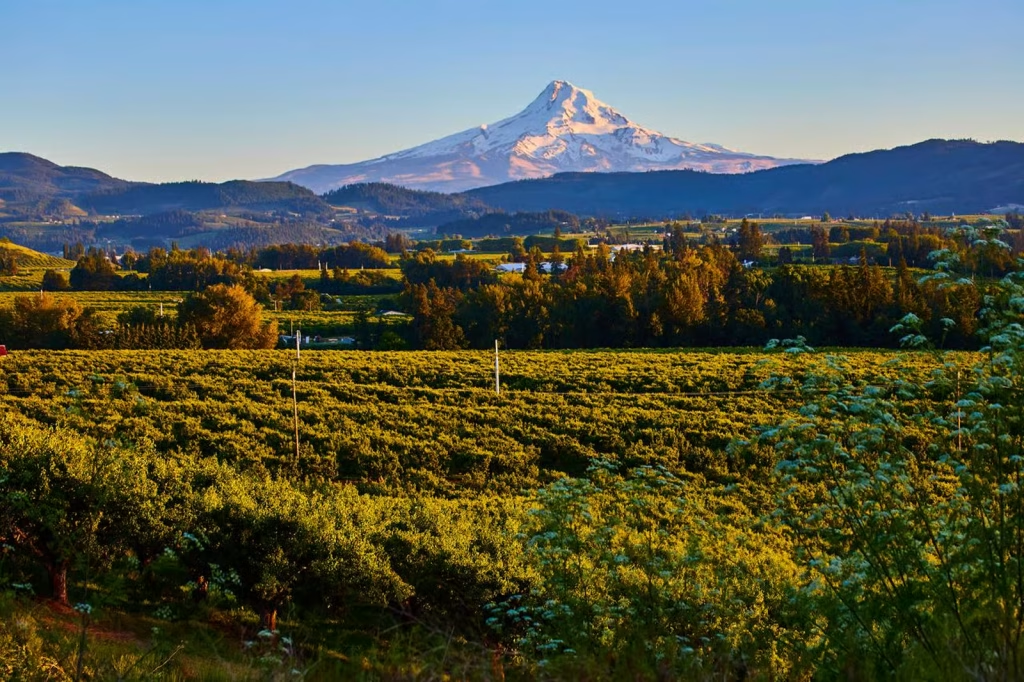
Mount Etna and vineyards, Sicily
If you visit several elevated estates in one trip, patterns start to emerge. Whites often show bright acidity, floral lift, and a certain tension that makes them feel precise rather than broad. Reds can carry vivid color, firm structure, and aromatic detail, even when the fruit profile is generous.
Still, altitude is not magic on its own. Soil, latitude, grape variety, exposure, and farming choices all matter. A Malbec grown at altitude in Mendoza will not express itself like a Nerello Mascalese from the slopes of Mount Etna, and neither will resemble mountain Syrah from another continent. Elevation is one influence among many, but it is one you can often sense immediately.
There is also a practical side to this style. Cooler nights can help preserve natural acidity after warm days, extending the diurnal shift that many growers value. That contrast between daytime heat and nighttime coolness can support slower, steadier development. For the traveler, it often translates into wines that feel vibrant and composed, with enough freshness to pair beautifully with food and enough personality to justify the journey.
The most exciting regions for high altitude wineries
Some of the world’s most memorable elevated wine experiences are found in places where mountain landscapes and wine culture are inseparable. Mendoza is the obvious benchmark for many travelers. In areas such as the Uco Valley, altitude is not a marketing flourish – it is central to the identity of the wines. Tastings here often combine dramatic Andean views with refined expressions of Malbec, Cabernet Franc, and Chardonnay that show freshness as much as power.
Argentina is only part of the picture. High altitude wineries in Spain, especially in regions with mountain influences, can produce wines with aromatic clarity and firm structure. Sicily’s Etna offers a different version of elevation, where volcanic soils and cooler conditions shape wines of tension and minerality. In South Africa, elevated vineyards can moderate warm sunshine and help preserve detail in the fruit. Parts of California, from mountain AVAs to hillside estates, also show how altitude can create smaller yields, slower ripening, and a more structured profile.
For travelers planning a wine-focused itinerary, this matters because the destination experience tends to be as distinctive as the wine. Mountain roads, panoramic terraces, dramatic vineyard contours, and estates designed around the landscape all add to the sense of occasion. A tasting at altitude rarely feels interchangeable with one on a broad valley floor.
Visiting high altitude wineries is a different kind of wine trip
There is a romance to mountain vineyards, but there is also logistics. Reaching high altitude wineries may involve longer drives, winding roads, or remote locations with fewer spontaneous drop-ins. That is part of their charm, though it does reward better planning. When the journey itself becomes part of the experience, timing matters more.
This is especially true if you are building a day around multiple tastings. Distances may look modest on a map yet take longer than expected. Weather can shift more quickly. Lunch options may be limited unless they are built into the estate experience. The upside is that these visits often feel more immersive, more intentional, and less crowded than high-traffic tasting circuits in easier-to-reach zones.
Many travelers find that altitude also heightens the sensory side of the visit. Views appear more cinematic, temperature changes are more noticeable, and the contrast between the rugged setting and the polish of the hospitality can be unforgettable. The best estates understand this instinctively. They do not treat the landscape as background. They frame tastings around it, pairing wine with local cuisine, architecture, and a strong sense of place.
What to look for when booking high altitude winery experiences
Not every elevated estate offers the same kind of visit. Some are deeply educational, with vineyard walks and detailed explanations of microclimates, soils, and winemaking choices. Others lean into the luxury of the setting, offering long lunches, private tastings, and terrace views that invite you to slow down. Neither approach is better. It depends on what kind of wine traveler you are.
If your interest is more wine-first, look for experiences that include comparative tastings across different vineyard elevations or parcels. These can be especially revealing because they show how a relatively small change in altitude can shift texture, aroma, and structure. If your trip is more about atmosphere and destination, seek out estates where hospitality is part of the appeal – places where the tasting is integrated with food, architecture, or broader landscape access.
It also helps to think about pace. High altitude regions reward fewer, better visits rather than a rushed checklist. One exceptional estate with a thoughtful guided tasting and lunch can deliver far more than three hurried stops. Platforms like Wine Tour Searcher make that planning easier by helping travelers compare experiences with more clarity before committing to a route.
The trade-offs behind the beauty
High altitude wineries are often admired for elegance and freshness, but elevation brings challenges as well. Frost risk can be more severe. Harvest windows may be narrower. Wind, intense UV exposure, and difficult terrain can all complicate farming. Mechanization is often harder on steep or rugged sites, which can increase labor demands and costs.
Those pressures are part of what makes the wines feel so expressive. They are often the product of sites that are less forgiving and more exacting. Yet this does not mean every high-altitude wine is automatically better. Some can lean too sharp or austere if ripeness is not achieved. Others may trade generosity for tension in ways that appeal more to experienced palates than casual drinkers.
That is why visiting matters. Tasting in place gives context to style. A wine that seems tightly wound in isolation can make perfect sense beside local food, mountain air, and a guide explaining the site’s daily temperature swing. The estate visit fills in what the label cannot.
Why high altitude wineries leave such a lasting impression
The best wine trips are rarely about checking famous names off a list. They stay with you because a place, a wine, and a moment align. High altitude wineries excel at creating exactly that kind of memory. They give travelers more than a tasting – they offer a direct encounter with the extremes and possibilities of terroir.
If you are choosing between a standard cellar-door afternoon and a winery experience that asks you to climb a little higher, the elevated route is often the one you remember longer. Not simply for the views, though those help, but for the feeling that the wines could only have come from there. That sense of specificity is the real luxury in wine travel, and it is worth seeking out.