
Table of Contents
Piedmont Wine: A Comprehensive Guide
Piedmont: The Royal Heart of Italian Wine & Culinary Excellence. Piedmont Awaits: An Exclusive Escape into Italy's Most Refined Wine Country
Piedmont, or Piemonte as it is known to the Italians, translates literally to “at the foot of the mountains,” a name that perfectly encapsulates its majestic geographical embrace. Cradled by the towering Alps to the north and west, this region in northwestern Italy is not merely a destination; it is an experience, a journey into the heart of Italian refinement, history, and unparalleled gastronomic and vinous excellence. It is the birthplace of the Slow Food movement, a region where quality, tradition, and the pleasure of the table are not trends but a way of life.
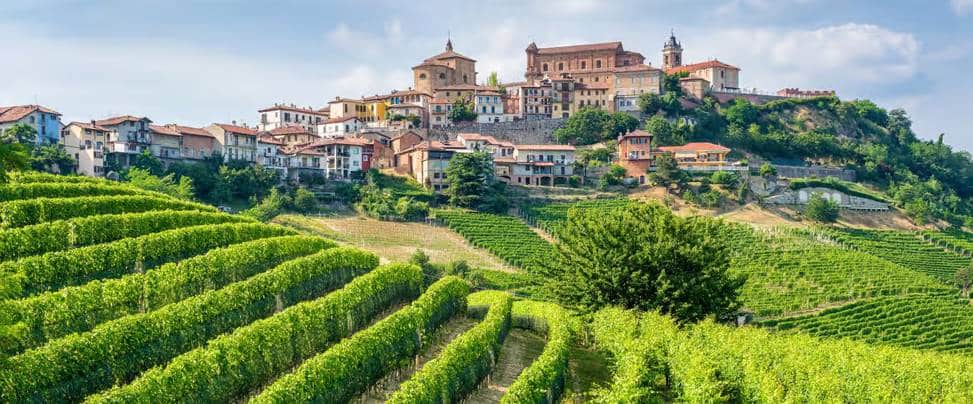
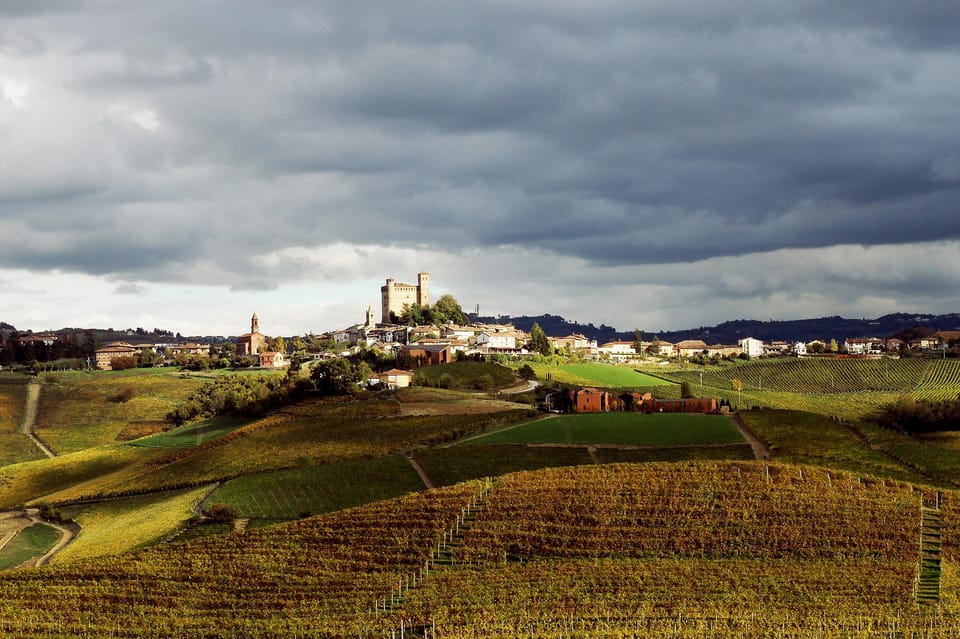
The landscape itself is a UNESCO World Heritage site, a tapestry of mist-shrouded rolling hills, medieval hilltop villages, and orderly rows of meticulously tended vineyards that stretch as far as the eye can see. This breathtaking panorama, particularly in the Langhe, Roero, and Monferrato areas, changes its colours dramatically with the seasons—from the vibrant emerald green of spring to the golden-red tapestry of autumn, culminating in the ethereal fog that gives the native Nebbiolo grape its name (nebbia meaning “fog”). This visual feast alone is enough to compel any traveller to drop their bags and dive headfirst into the local culture.
Some selected Tours in Piedmont The best way to understand Piedmont terroir and wines
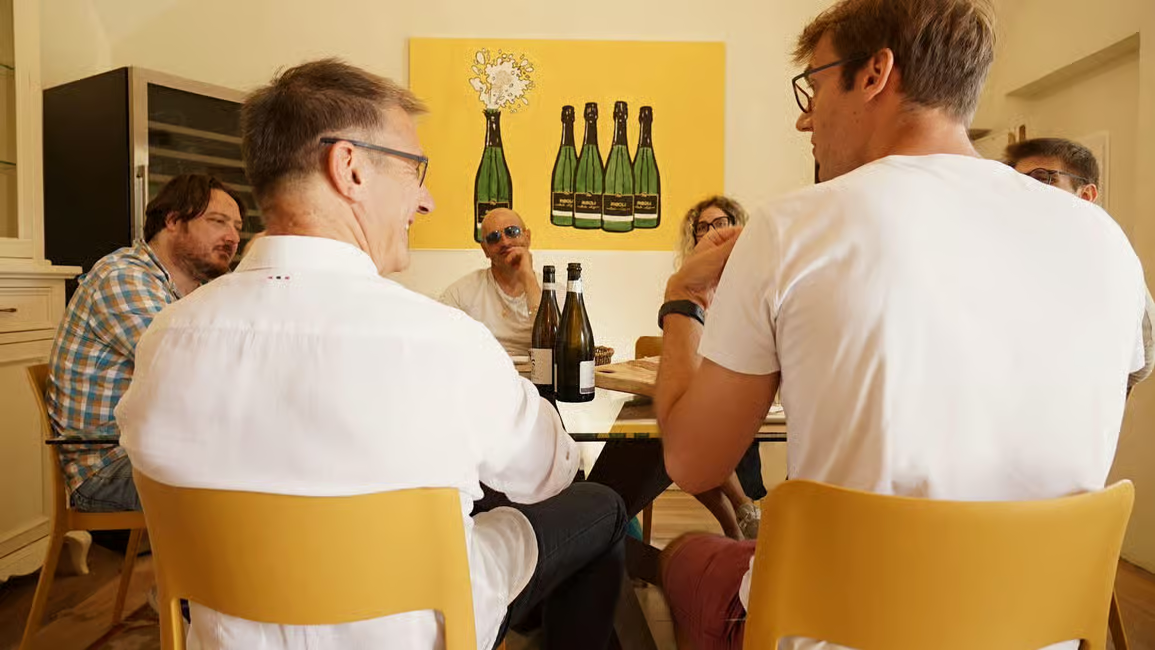
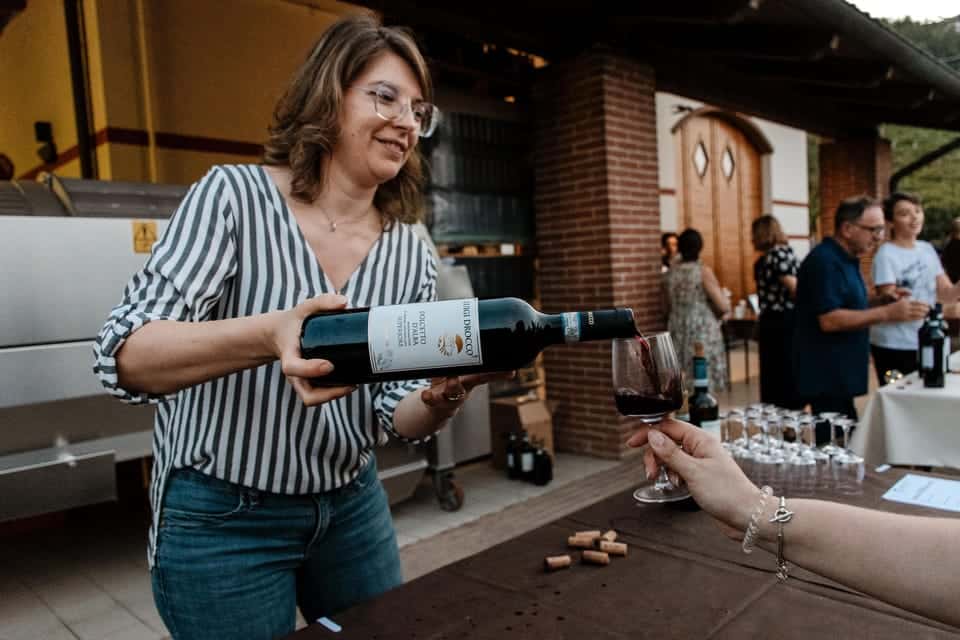
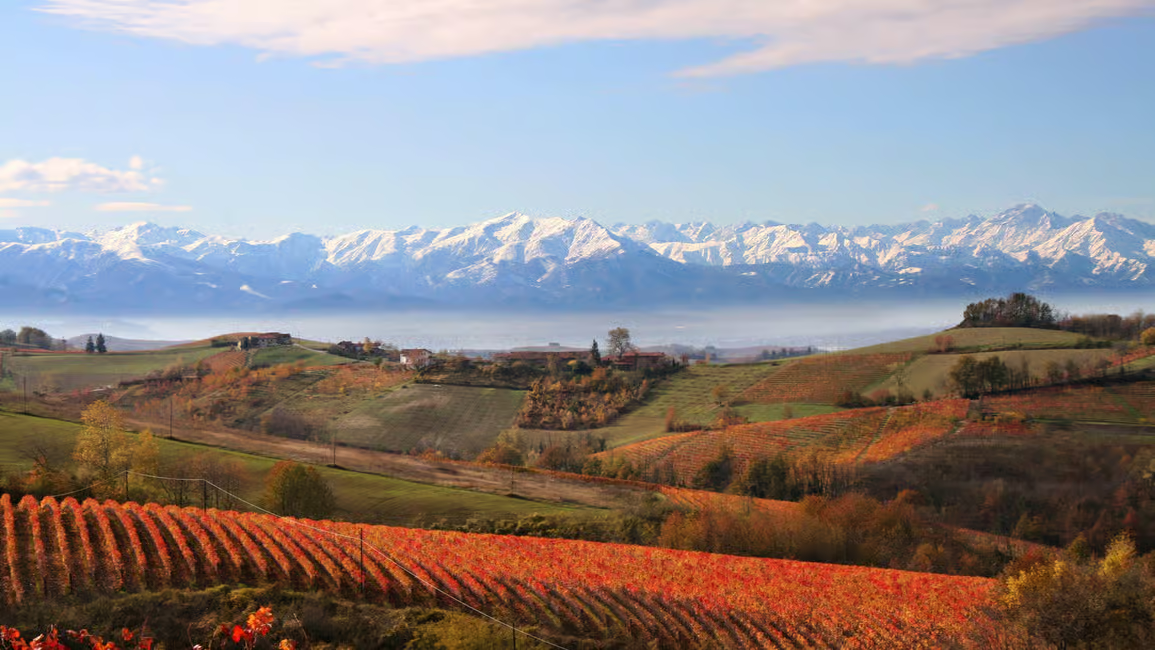
Piedmont is the ultimate escape for those who seek luxury not in ostentation, but in authenticity and world-class quality. It is here that you will find Italy’s most prestigious wines, the regal Barolo and the elegant Barbaresco, both crafted from the noble Nebbiolo grape. These are wines of structure, complexity, and extraordinary longevity—true collector’s items that are often lauded as the “King of Wines and the Wine of Kings.” Yet, the region’s viticultural story is far richer, encompassing the vibrant, food-friendly Barbera and the soft, fruity Dolcetto, alongside the delightful sparkling Moscato d’Asti and the crisp white Gavi. This remarkable diversity means every day of your wine tour can bring a new, exciting discovery.
The capital, Turin (Torino), with its stately Baroque architecture, grand squares, and historic cafes, provides a sophisticated urban counterpoint to the rustic charm of the wine country. Turin is a city of chocolate, cinema, and the House of Savoy, whose history and Royal Palaces further enrich the region’s cultural fabric. A short drive from the city, you are immersed in the quiet elegance of the Langhe, home to charming towns like Alba, the international capital of the revered White Truffle.
Piedmontese cuisine is the perfect partner to its wines. It is an intricate, yet unpretentious, cuisine rooted in butter, slow cooking, and the extraordinary richness of local ingredients—from the aforementioned truffles to the famous Fassona beef, delicate agnolotti al plin, and the nutty, sweet Tonda Gentile hazelnuts. Dining in Piedmont is not just eating; it is a ritual, a celebration of the earth’s bounty where every dish is elevated by a perfectly paired local wine.
Unlike some Italian regions that can feel overwhelmed by mass tourism, Piedmont retains a sense of exclusivity and quiet sophistication. Its network of family-run wineries, luxurious agriturismi, and Michelin-starred restaurants—a concentration rivalled by few other places in the world—offer intimate, high-quality experiences. The focus here is on slow, thoughtful travel, allowing you to truly connect with the producers, the land, and the deep traditions that define this special corner of Italy.
If you are looking for an immersive experience that combines breathtaking scenery, historical depth, the world’s finest wines, and a culinary tradition that champions quality over speed, then Piedmont awaits. This is your moment to step into the life of la dolce vita, enhanced by the complexity and elegance that only this regal region can offer.
Find the perfect wine activity in Piedmont Browse some of the most popular wine experiences styles
Piedmont is a place of endless discovery, and its wine tourism offerings are structured to cater to every passion and pace. The core of the experience is built around intimate, authentic encounters with the producers and the landscape.
Luxury and Immersive Tours
For the discerning traveller, a Luxury Tour in the Barolo or Barbaresco sub-zones is a must. These often include exclusive access to the cellars of historic, top-tier producers, private tastings of rare, older vintages (Red Wine), and sometimes an intimate lunch or dinner with the winemaking family. Imagine a Full Day Private Tour where a Sommelier accompanies you, guiding you through a cru vineyard walk, followed by a Fine Dining experience where each course is meticulously paired with a single-vineyard Nebbiolo. This is not just a tour; it’s an education and a status experience.
Adventure and Active Exploration
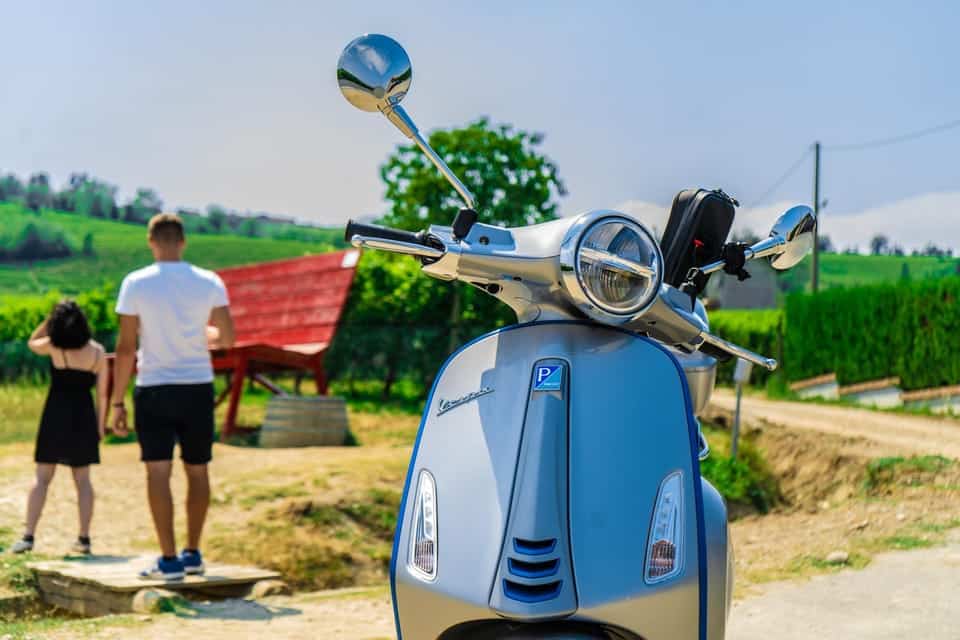
The rolling hills are perfect for active exploration. A Bike Tour or Vespa/Scooter excursion offers a fresh perspective on the vineyard landscape. You can book a Half Day Self Guided Bike Tour that includes a pre-packed Pic Nic basket of local cheeses and charcuterie, along with a bottle of Barbera d’Alba to enjoy amongst the vines. Alternatively, a guided 4×4 Tour can take you off the beaten track into the most remote and scenic vineyards for an adventurous tasting experience. For those who prefer to proceed at a slower pace, a dedicated Vineyard Walk or Walking Tour will allow you to feel the unique marl and clay soil beneath your feet, concluding with a Cellar Tour and Wine Tasting.
Gastronomy and Culinary Arts
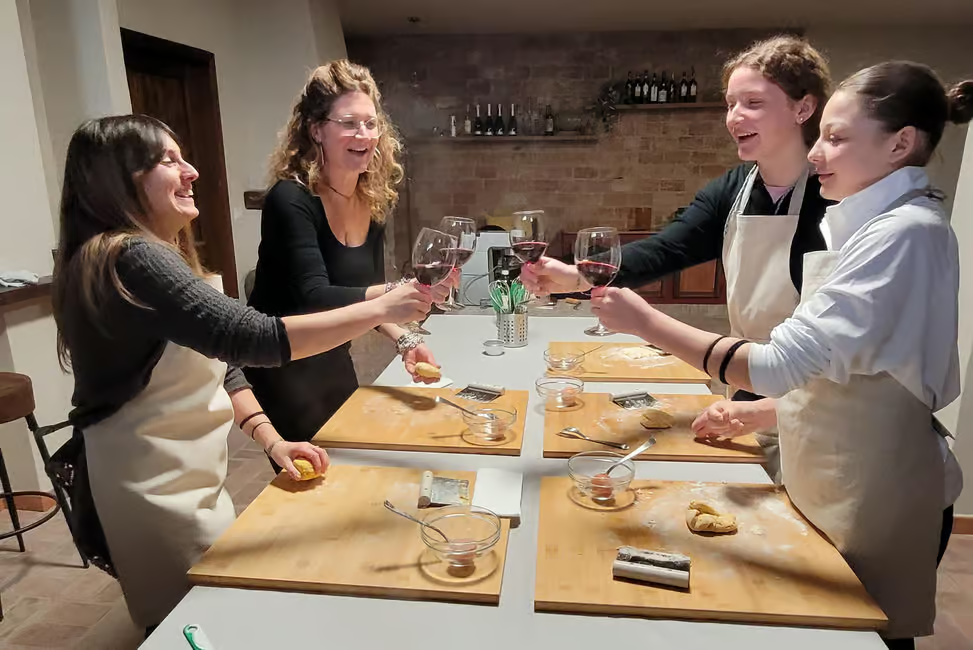
Piedmont is a culinary powerhouse. The pairing of food and wine is elevated here. A Truffle Tour, especially in the autumn, is an exhilarating quest, followed by a tasting of the “white gold” shaved over simple but perfect tajarin pasta. The Cooking Class is highly popular, focusing on the preparation of local classics like Agnolotti al Plin or Vitello Tonnato. Many wineries now offer Farm to Table experiences, where the meal is prepared entirely with ingredients sourced from their own estate or immediate vicinity, offering a true taste of the terroir. A Food and Wine Pairing can focus on local cheeses like Castelmagno or Robiola with different White Wine and Red Wine styles, or on the famed local chocolates and hazelnuts (Gianduiotti and Torta di Nocciole) with a sweet Sparkling Wine like Moscato d’Asti.
Special Interest and Niche Tastings
For those interested in sustainable and cutting-edge winemaking, specific Organic Wine or Natural Wine tours are available, often hosted by forward-thinking, typically Family run wineries. You can spend an Evening Tour at a winery focusing on Rosé Wine or discovering the lesser-known, aromatic local white varieties like Erbaluce or Timorasso. The trend of seeking authentic, smaller-production wines means that Small Group experiences are widely available, fostering a sense of camaraderie and intimate learning.
Choose your Piedmont culinary journey Olive oil, food, fine dinning
The Foundation of Flavor: Olive Oil and Wine Tasting
The Piedmont food and wine pairing
The Piedmont fine dining with wines
Taste the Heart of Piedmont: Full Day, Hal Day or Private tours
Escape to the misty hills and UNESCO World Heritage vineyards of the world’s most noble wine region. Our Piedmont wine tours are an intimate journey into the art of winemaking and the profound joy of Northern Italian living.
Whether you’re looking for a swift immersion or a day of complete indulgence, we have the perfect itinerary. Choose a Half-Day Tour for an authentic cantina (cellar) visit and a guided tasting of classic varietals, or dive deeper with a Full-Day Tour that includes cellar secrets and a traditional Piemontese lunch, featuring local specialties like tajarin pasta.
For a truly personal experience, our Private Tours offer bespoke itineraries crafted just for you, focusing on the villages and crus that matter most. Discover world-class Barolo and Barbaresco, stroll the aging rooms where these kings of wine mature, and savor the unforgettable taste of this majestic land.
Adventure Awaits: Explore Piedmont's Vineyards on Wheels 4X4, Vespa or Bike
Experience the world of wine, where every sip tells a story and every landscape is a masterpiece. Our wine tours are more than just tastings; they are curated experiences designed to ignite your senses and create lasting memories. With our diverse range of themed tours, you can choose the perfect escape that resonates with your passion.
Are you an adventurer at heart? A 4×4 tour, or a thrilling Vespa/scooter ore ebike ride through sun-drenched vineyards of Piedmont is calling your name. Feel the wind in your hair as you explore hidden gems and panoramic vistas. If you prefer a more leisurely pace, a bike tour or a serene walking tour offers a chance to connect with the land and its history, one step at a time.
No matter your preference, we have a wine tour crafted just for you. So, what’s your perfect wine moment? Choose your theme and let the adventure begin!
Sip, Stroll, and Discover: Piedmont's Cultural Wine Tours City tour, village walk, cultural tour
Discover Piedmont, a region of captivating contrasts, where the elegance of a royal past meets the rugged beauty of the Alps and the rich bounty of the Langhe vineyards. Situated in Italy’s northwest, Piedmont is a land defined by its sophisticated cities, its unparalleled gastronomic tradition, and its commitment to preserving cultural heritage.
Piedmont’s heart beats in Turin, its majestic capital. Once the seat of the House of Savoy and the first capital of unified Italy, Turin offers a regal experience with its stately arcades, Baroque architecture, and grand squares like Piazza Castello. Explore magnificent royal residences, including the Palazzo Reale and the Venaria Reale, which tell the story of a powerful dynasty. Our City Visit Tours delve into Turin’s fascinating layers—from its historic cafes and renowned Egyptian Museum to its modern automotive and cinematic culture. A tour here is a walk through history and contemporary flair.
Beyond the city’s urban grace, Piedmont is an invitation to the Slow Food movement’s homeland and a UNESCO World Heritage site: the wine landscapes of the Langhe, Roero, and Monferrato. This is where the world’s most prized wines—Barolo and Barbaresco—are born. Our specialized Cultural and Culinary Tours guide you through rolling hills blanketed in nebbiolo and barbera vines. You’ll have the chance to meet passionate producers, descend into historic cellars, and indulge in exclusive tastings. But the culinary journey doesn’t stop at wine; taste the legendary white truffles of Alba, savor the rich plin pasta, and sample the region’s famed chocolates, including the velvety gianduja.
For a complete picture of Piedmontese life, our Village Visit Tours will transport you to picturesque, time-honored hamlets nestled among the hills and mountains. Wander the cobblestone streets of towns like Barolo, with its castle and Wine Museum, or Asti, famed for its sparkling wines and medieval Palio. Travel further afield to discover the serenity of the Lake Maggiore area and its Borromean Islands, or journey into the vast, untouched beauty of the Piedmontese Alps. Each village, whether high in the mountains or deep in the wine country, offers a unique window into local craftsmanship, folklore, and a slower pace of life, ensuring an authentic and memorable Italian experience.
Embrace the refined allure of Piedmont, where every sight, scent, and taste is a testament to Italy’s rich and enduring legacy.
Earth’s Elegance: Gastronomic & Wine Immersion in Piedmont Cooking classes, pic-nic, Farm to Table
Piedmont’s soul is found where the misty hills of Langhe meet the precision of the kitchen. While the region is home to the “Kings of Wine,” its true magic lies in the quiet, sophisticated harmony between the glass and the plate. Our curated experiences invite you to step beyond the tasting room and into the heart of Italy’s most prestigious culinary landscape.
This isn’t just a tour; it’s an education in excellence. You will discover the art of the “Slow Food” philosophy, foraging for the elusive white truffle, or mastering the delicate fold of handmade agnolotti. By sourcing ingredients from local Alpine pastures and family-run estates, you will experience a meal where every flavor is a direct reflection of the surrounding hills. Whether you are dining in a historic farmhouse or learning the nuances of Nebbiolo pairings, these journeys offer a profound connection to a land of tradition and refinement.
We have designed three distinct ways to weave together your love for world-class wines and Piedmont’s rich heritage, creating a sensory journey that is as elevated as it is authentic.
From Grape to Glass: The Heart of the Piedmont Wine Journey vineyard walk, cellar visit, wine tasting
Piedmont is the cradle of Italy’s most prestigious vintages, where the landscape itself is a UNESCO World Heritage site. While the world knows the names Barolo and Barbaresco, the true soul of these wines is found in the silent rhythm of the hills and the cool shadows of the cellar. Our exclusive experiences invite you to trace the lineage of these “Kings of Wine” from the ground up.
You won’t just observe; you will walk the steep, amphitheater vineyards where the noble Nebbiolo grape meets the Alpine breeze, descend into historic “underground cathedrals” carved into the earth, and engage with the visionary winemakers who balance modern precision with ancient heritage. We provide intimate access to the private estates and traditional techniques that make this region a sanctuary for wine lovers. These journeys evolve beyond a standard tasting, offering a sophisticated, deep-dive education into the artistry, terroir, and patience required to produce the world’s most cellar-worthy wines.
We have curated three essential pathways to elevate your appreciation of Piedmont’s viticultural mastery, ensuring every sip is a discovery of history and terroir.
Your Tuscany Wine Tour, Your Way Small groups, self guided or with Sommelier
Piedmont’s viticultural landscape offers a profound depth for every type of enthusiast. Whether you value the independence of a personal journey, the shared joy of an intimate circle, or the intellectual rigor of an expert-led masterclass, our tours are designed to reflect your unique style. We provide versatile options to ensure your encounter with the legends of Barolo, Barbaresco, and Barbera is precisely as you envisioned.
We believe that the way you explore is as important as the wine itself. You have the power to choose your path: navigate the winding hilltops at your own pace with our self-guided itineraries, join a small group of like-minded travelers for an authentic shared experience, or elevate your palate with a private Sommelier-led immersion. These curated formats ensure your visit is not just a tasting, but a sophisticated, personalized discovery of the artistry and refinement that define the Piedmontese way of life.
We have crafted three distinct ways to tailor your exploration, ensuring every moment in these historic hills is a perfectly balanced discovery.
Inside the Bottle: Your Authentic Piedmontese Winery Experience Tours with winery visit, Meet the winemaker, Family wineries
Piedmont’s identity is etched into its cantine, which serve as more than just production sites—they are custodians of the land, architectural treasures, and the private homes of generations of visionary families. Our tours grant you intimate access to the very heart of this prestigious tradition. You’ll move beyond the tasting room to explore the historic vaults where the “Kings of Wine” age in Slavonian oak and meet the producers who pour their personal legacy into every bottle.
This is your opportunity to understand the sophisticated life cycle of world-class wine, from the steep, fog-kissed “Crus” to the final, complex pour. We focus on the human element of winemaking, connecting you with the passionate individuals who balance traditional craftsmanship with modern excellence. These experiences transform a simple tasting into a complete, educational, and heartfelt immersion into the artistry and legacy of Piedmontese viticulture.
We have crafted three essential ways to connect with the soul of a Piedmontese winery, ensuring every moment is a harmonious discovery.
The Magic Hours: Piedmont Wine Tours from Afternoon to Night Sightseing, Sunset, Evening tours
The landscape of Piedmont transforms as the sun dips toward the Alps, casting long shadows across the UNESCO-listed ridges and creating an atmosphere of pure serenity. Our tours are expertly timed to capture these most enchanting moments—from the crisp afternoon light illuminating the hilltop castles to the soft, ethereal glow of a Barolo sunset.
Whether you wish to explore panoramic viewpoints with a glass of sparkling Alta Langa in hand, witness the sky turn purple over the Nebbiolo vines, or indulge in a refined dinner at a historic estate as the stars appear, we offer a setting of unparalleled elegance. These experiences are designed to be more than a tasting; they are visually stunning, atmospheric immersions into the sophisticated rhythm of the Piedmontese way of life.
We have crafted three ways to experience the magic hours of the north, ensuring every moment is a harmonious discovery.
History and Identity of Piedmont Wine
The story of Tuscan winemaking is as old as civilization itself, a rich and layered history that has shaped not only the wines but also the culture and landscape of the region. itself.
Ancient Roots and Royal Endorsement
Winemaking in Piedmont has a rich and storied history, with archaeological evidence suggesting viticulture as far back as the 5th century BC, cultivated by the Celtic and Ligurian tribes. However, it was the arrival of the Romans that truly expanded and refined the practice. The Roman chronicler Pliny the Elder praised the region’s wines, specifically noting the high quality of its “Alba” wines—a clear precursor to the modern-day Barolo and Barbaresco. The region’s strategic location, at the crossroads of ancient trade routes, further cemented its role as a key agricultural and viticultural hub.
Monastic Influence and Noble Pursuit of Perfection
Following the fall of the Roman Empire, winemaking knowledge was preserved and advanced by Benedictine and Cistercian monasteries, particularly in the Langhe and Monferrato areas. These monastic orders systematically documented their viticultural practices, meticulously selecting the best sites and propagating superior grape clones. During the Middle Ages and Renaissance, the Savoy dynasty, who would eventually unify Italy, recognized the economic and cultural importance of wine. They actively promoted viticulture, and wine became a symbol of status and wealth among the Piedmontese nobility. This patronage led to the formalization of vineyards and the establishment of “Crus” or single-vineyard sites, laying the groundwork for the region’s future focus on terroir-driven wines.
A Modern Renaissance: From Quantity to Quality
The 19th century brought significant challenges, most notably the devastating phylloxera louse that ravaged vineyards across Europe. Piedmont was not spared, and many of its traditional vineyards were destroyed. This catastrophe, coupled with the instability of the two World Wars and the challenges of a fragmented post-war economy, led to a period of decline. However, a new generation of winemakers emerged in the mid-20th century, determined to restore the region’s reputation. They shifted their focus from high-yield, low-quality production to low-yield, high-quality wines. This movement was led by iconic producers like Giacomo Conterno and Angelo Gaja, who championed single-vineyard expressions and modern winemaking techniques. This quality revolution culminated in the establishment of the Denominazione di Origine Controllata (DOC) and Denominazione di Origine Controllata e Garantita (DOCG) systems in the 1960s and 1980s, which officially recognized and regulated the superior quality of Piedmontese wines.
A Guide to Piedmont Terroir
Terroir is the complete natural environment in which a particular wine is produced, encompassing factors such as soil, topography, and climate. In Piedmont, this concept is paramount, as the subtle variations in these elements across the region’s hills create a vast mosaic of distinct wine styles.
Climate and Its Influence on Piedmont Wine
Piedmont’s climate is predominantly continental, characterized by cold, snowy winters and hot, dry summers. The region’s defining feature, however, is the nebbia (fog) that blankets the valleys in the late summer and autumn. This fog plays a crucial role, helping to regulate temperature, slow down grape ripening, and extend the growing season, particularly for late-ripening varieties like Nebbiolo. The proximity to the Alps and the Apennine Mountains creates a wide range of microclimates, with vineyards at higher altitudes experiencing cooler temperatures and greater diurnal shifts (the difference between day and night temperatures). This wide temperature swing helps grapes retain acidity and develop complex aromatic compounds, contributing to the famous structure and longevity of wines like Barolo.
Soils and Topography in Piedmont: Terroir in Action
The topography of Piedmont is a dramatic landscape of rolling hills and steep slopes, carved by ancient rivers and geological shifts. The Langhe and Monferrato hills, in particular, are the heart of the region’s most prestigious vineyards.
The soils are incredibly diverse, with the most famous being the marls of the Langhe. These marine sedimentary soils, rich in limestone and clay, are the foundation for the world-class wines of Barolo and Barbaresco. In the Barolo area, two primary soil types dominate: the Tortonian soils, which are younger and more fertile, producing softer, more approachable wines with aromatic complexity; and the Serravallian soils, which are older, producing more structured and powerful wines that require more time to age. This intricate interplay between soil type and location is a hallmark of the region, allowing for distinct single-vineyard expressions. For example, a Barolo from the Serravallian soils of Serralunga d’Alba will show more power and tannic structure, while one from the Tortonian soils of La Morra will be more elegant and aromatic.
The Tapestry of PiedmontTerroir and Unique Wine Experiences
Piedmont’s prestige is inseparable from its varied and distinctive terroirs, which impart unique characters to its wines. By focusing on these specific micro-regions, you unlock tailored experiences that connect you directly with the soul of the land.
The Tortonian Soils of La Morra
The vineyards around La Morra, within the Barolo DOCG, sit on younger, Tortonian-era soils, predominantly rich in calcareous marl and sand. These lighter soils yield Barolo wines that are often described as more immediately fragrant, elegant, and “feminine.” They are generally softer and more approachable in their youth than those from the other villages. A visit here offers stunning views and a chance to taste Nebbiolo with pronounced floral notes—violets and roses—and velvety tannins.
The Helvetian Terroir of Serralunga d’Alba
Serralunga d’Alba, on the eastern side of the Barolo zone, is defined by older, Helvetian-era soils, which are denser, richer in clay, and poorer in nutrients. Wines from this terroir are famously structured, powerful, and tannic—the “masculine” side of Barolo. They demand longer ageing to tame their intensity. A tour here means experiencing a deep connection to the earth, tasting wines that promise decades of evolution, with classic notes of tar and roses.
The Volcanic and Calcareous Roero Hills
The Roero DOCG, across the Tanaro River from the Langhe, is characterized by its sandy, often ancient seabed, alluvial soils, interspersed with calcareous and sometimes volcanic elements. This terroir is perfect for the white Arneis grape, giving it a characteristic note of pear, apricot, and a slight nuttiness, while also producing robust Nebbiolo-based reds (Roero Rosso). The region features dramatic sandstone cliffs called the Rocche.
The Limestone-Clay Slopes of Nizza Monferrato
Nizza DOCG is a sub-zone within Barbera d’Asti, widely celebrated for producing Barbera at its most refined. The high concentration of clay-limestone soils here contributes to wines with deep colour, a robust structure, and a beautiful balance of high acidity and concentrated, dark fruit flavour. This terroir coaxes a serious, age-worthy character from the typically more immediate Barbera grape. It is a region for those who appreciate red wines with vibrant energy and complexity.
The Ancient Maritime Sediments of Gavi
The Gavi DOCG area, close to the Ligurian border, boasts mineral-rich white clay and marl soils from ancient maritime sediments. This cool, sea-influenced microclimate is the exclusive home of the Cortese grape. The result is Gavi di Gavi, a crisp, highly mineral, and aromatic white wine with refreshing citrus, green apple, and almond notes, perfect for pairing with fish and seafood. It is an unexpected, bright contrast to Piedmont’s powerful reds.
Appellations and Classifications: Defining Quality and Terroir
Piedmont’s wine classification system is designed to protect and promote the region’s unique terroirs and traditional winemaking practices. At the top of the pyramid is the Denominazione di Origine Controllata e Garantita (DOCG), reserved for the highest quality wines with strict production rules. Below this is the Denominazione di Origine Controllata (DOC), which covers a wider range of wines. The system ensures that wines carrying these labels adhere to specific standards for grape variety, geographical origin, and winemaking methods, guaranteeing authenticity and quality
The Heart of the Vine: Piedmont's Most Important Grape Varieties
Piedmont is home to a unique and diverse array of indigenous grapes, each expressing the region’s terroir in a different way. While Nebbiolo is the undisputed king, other varieties produce equally compelling and distinctive wines.
White grapes
Arneis
Arneis is a historic and highly esteemed indigenous white grape from the Roero hills of Piedmont. Once known as “Barolo Bianco” (White Barolo), it was traditionally planted next to Nebbiolo to lure birds away with its sweet scent or to soften the region’s powerful reds. After nearly facing extinction in the 1970s, it has seen a prestigious revival and is now considered the flagship white of the region.
Characteristics
Arneis wines are celebrated for their elegant floral perfume and a creamy yet crisp texture. The aromatic profile is typically rich with notes of white peach, pear, and apricot, accented by hints of white flowers and chamomile. On the palate, it is known for its low acidity compared to other whites, offering a smooth, medium-bodied mouthfeel and a characteristic subtle nutty or herbaceous finish. The name “Arneis” literally translates to “little rascal” in the local Piedmontese dialect, a nod to its reputation as a difficult grape to grow.
Styles
Most Arneis is vinified in stainless steel to highlight its fresh, delicate fruit and floral aromatics. This results in a vibrant, easy-drinking wine meant to be enjoyed young. However, a growing number of producers in the Roero DOCG are exploring more structured styles, utilizing extended lees aging or controlled fermentation to add depth, complexity, and a savory mineral backbone that reflects the sandy soils of its origin.
Cortese
Cortese is an ancient and distinguished indigenous white grape primarily grown in the southeast of Piedmont, particularly in the province of Alessandria. It reached international fame through the Gavi DOCG, often referred to as Italy’s first great white wine. Historical records of the grape date back to the 17th century, where it was prized for providing the fresh, elegant wines demanded by the Genoese nobility.
Characteristics
Cortese is celebrated for its lean, flinty elegance and its high natural acidity. The aromatic profile is delicate and refined, featuring notes of green apple, citrus zest (lemon and lime), and honeydew melon, often underpinned by a distinct stony minerality. Because the vineyards are located relatively close to the Ligurian Sea, the wines frequently exhibit a subtle saline quality on the finish. The name “Cortese” translates to “courteous,” reflecting the wine’s polite, balanced, and graceful character.
Styles
To maintain its signature “steely” precision, Cortese is almost exclusively fermented in stainless steel at cool temperatures. This preserves its crisp, bone-dry nature and bright fruit. While the majority are intended for immediate enjoyment as a refreshing aperitivo, “Gavi di Gavi” (from the specific municipality of Gavi) often sees extended lees contact, resulting in a richer texture and greater aging potential. You may also find rare sparkling Metodo Classico versions that highlight the grape’s superb acidity.
Moscato Bianco
Moscato Bianco is an ancient and noble member of the Muscat family, widely considered the highest quality version of the grape. In Piedmont, it finds its ultimate expression in the steep, sun-exposed chalky soils of Asti and Canelli. It is a cornerstone of Italian viticultural history, producing wines that are as culturally significant as they are refreshing.
Characteristics
Moscato Bianco is one of the few grapes that actually tastes like “grape” even after fermentation. It is celebrated for its intense and unmistakable bouquet, featuring notes of orange blossom, honey, fresh sage, and ripe yellow fruits like apricot and peach. On the palate, it strikes a masterful balance between sweetness and a bright, refreshing acidity. The grape’s high sugar content and aromatic complexity make it the world’s gold standard for aromatic sparkling wines.
Styles
Moscato Bianco in Piedmont is most famously produced in two distinct, lightly sparkling styles:
Moscato d’Asti DOCG: A “frizzante” (gently sparkling) wine that is low in alcohol (usually around 5.5%) and naturally sweet. It is bottled under a traditional cork and is prized for its delicate, creamy bubbles and intense fruit purity.
Asti Spumante DOCG: A fully sparkling “spumante” version that is more effervescent and typically slightly higher in alcohol, perfect for festive toasts. While most enjoy it fresh and young, a few producers create rare, luscious Passito styles by air-drying the grapes to concentrate their sugars and aromas into a rich dessert nectar.
Red grapes
Nebbiolo
Nebbiolo is the most prestigious and ancient indigenous red grape of Piedmont, responsible for the region’s most iconic wines, Barolo and Barbaresco. Its name is thought to derive from nebbia (fog), a tribute to the thick autumnal mists that blanket the Langhe hills during its late harvest, or perhaps the “fog-like” waxy bloom that covers the dark berries at maturity.
Characteristics
Nebbiolo is celebrated for its fascinating paradox: it is light in color—often a translucent garnet—but possesses powerful tannins and high acidity. It is world-renowned for its hauntingly complex aromatic profile, famously described as “tar and roses.” As it ages, it develops deep layers of dried cherries, licorice, leather, and truffles. It is a highly “terroir-expressive” grape, meaning it mirrors the specific soil and microclimate of the individual vineyard (or Cru) where it is grown.
Styles
Nebbiolo is almost always produced as a 100% varietal wine. While Langhe Nebbiolo is often crafted to be fresher and approachable in its youth, the prestigious Barolo and Barbaresco styles require long periods of aging—traditionally in large Slavonian oak casks (botti) or smaller French oak—to tame the tannins and unlock its profound complexity. These wines are among the most cellar-worthy in the world, evolving beautifully over decades.
Barbera
Barbera is a historic and deeply cherished indigenous red grape that serves as the soul of Piedmontese daily life. While Nebbiolo is the “King,” Barbera is often called the “People’s Wine”—a versatile, robust variety that thrives across the rolling hills of Asti and Alba. It is a grape that perfectly balances rustic heritage with modern elegance.
Characteristics
Barbera is celebrated for its striking deep ruby color and its naturally high acidity, which gives the wine an incredible freshness and “food-friendly” vibrance. Its aromatic profile is dominated by a lush bouquet of red and black cherries, blackberries, and plums, often accompanied by subtle notes of dried herbs or violets. Unlike many other Piedmontese reds, Barbera is notably low in tannins, resulting in a smooth, juicy mouthfeel that makes it approachable even in its youth.
Styles
Barbera is a highly adaptable grape produced in two primary styles. The traditional style is often fermented in stainless steel or large neutral oak to preserve its bright fruit and zesty acidity, creating a refreshing and energetic wine. In contrast, many premium producers of Barbera d’Asti and Barbera d’Alba utilize aging in small French oak barrels (barriques); this adds structural complexity, softening the acidity and introducing sophisticated layers of vanilla, toasted spice, and cocoa.
Dolcetto
Dolcetto is a cherished and deeply traditional indigenous red grape grown throughout Piedmont, with its most prestigious expressions found in Dogliani, Diano d’Alba, and Alba. Despite its name—which translates to “little sweet one”—the wine is always fermented bone-dry; the name actually refers to thelow acidity and the natural sweetness of the grapes when eaten off the vine.
Characteristics
Dolcetto wines are celebrated for their deep ruby-purple color and their immediate, fruit-forward charm. The aromatic profile is dominated by intense notes of dark cherry, blackberry, and raspberry, often accompanied by hints of violets and licorice. On the palate, it is characterized by soft acidity and a distinctively grippy, almond-like tannic finish. It is beloved as the “everyday” wine of Piedmontese winemakers, prized for its ability to pair perfectly with a wide array of local appetizers and pastas.
Styles
To preserve its vibrant fruit and characteristic freshness, Dolcetto is almost exclusively fermented and aged in stainless steel or cement vats. While it is typically enjoyed young to capture its primary fruit energy, “Superiore” versions from regions like Dogliani may see a short period of oak aging to add structure and longevity. Regardless of the style, Dolcetto remains the ultimate expression of the Piedmontese table: honest, flavorful, and deeply connected to the land.
Piedmont regions Wine Guide
Piedmont’s wine character is best understood by exploring its distinct sub-regions, each with a unique identity shaped by its specific microclimate and soil composition.
Barolo
Located in the heart of the Langhe, Barolo is considered the “King of Wines” and is home to the most powerful and structured expressions of Nebbiolo. This sub-region is defined by its diverse marl soils, steep hills, and a focus on single-vineyard wines.
- La Morra: Situated on younger, Tortonian soils, La Morra wines are known for their elegance, softer tannins, and delicate floral and red fruit aromas.
- Serralunga d’Alba: This area has older, Serravallian soils that produce highly structured, powerful, and age-worthy Barolos with firm tannins and savory, earthy notes.
- Monforte d’Alba: Wines from this sub-region are known for their intensity and complexity, combining power with refined aromatics.
Barbaresco
Just northeast of Barolo, Barbaresco is often referred to as the “Queen of Wines.” While also made from Nebbiolo, its wines are generally more elegant and approachable at a younger age due to warmer, maritime-influenced soils and a slightly different microclimate.
- Neive: This village is celebrated for its full-bodied and well-structured Barbaresco wines, often showing notes of ripe fruit and spices.
- Treiso: Known for producing highly aromatic and mineral-driven wines, the Barbarescos from Treiso are praised for their elegance and finesse.
- Barbaresco: The wines from the village of Barbaresco itself are often considered a perfect balance of power and grace, with a classic aromatic profile.
Roero
Located north of the Langhe, Roero is known for its steep, sandy hills and its exceptional white wines from Arneis, alongside fine Nebbiolo reds. The sandy soils give the wines a delicate and perfumed character.
- Roero Arneis DOCG: The region’s most famous white wine, it’s produced from the Arneis grape and known for its vibrant fruit and mineral notes.
- Roero Rosso DOCG: This is a red wine made from Nebbiolo. The sandy soils lend a softer, more perfumed character to the wines, making them more approachable than their counterparts in Barolo or Barbaresco.
Numbers that Tell a Story: Piedmont Wine in Focus
Piedmont is synonymous with some of the world’s most prestigious and age-worthy wines. It is not just a breathtaking UNESCO World Heritage landscape; it is a sophisticated and strategic leader in the global luxury wine market.
Production Volume: Piedmont is a vital contributor to Italy’s viticulture, producing approximately 2.4 million hectoliters annually. While it ranks behind high-volume regions in quantity, it is the undisputed leader in quality designations, consistently prioritizing character over mass production.
Vineyard Superficy: Piedmont’s wine heritage is carved into over 45,000 hectares of steep, hillside vineyards. This concentrated area is a testament to the region’s specialized craftsmanship. Remarkably, nearly 90% of its vineyards are dedicated to PDO (DOC/DOCG) wines, the highest percentage of any major Italian region.
Dominance of Red Wine: While Piedmont produces world-class whites and sparkling wines, its heart belongs to red. Approximately 65% of production is red, centered around the noble Nebbiolo, Barbera, and Dolcetto grapes. Nebbiolo, in particular, defines the region’s global prestige through the legendary Barolo and Barbaresco denominations.
Exports: Piedmontese wines are a global benchmark for luxury. The region’s wine exports are a massive economic engine, with annual revenues exceeding $1.3 billion. International markets, led by the United States and Northern Europe, prize Piedmont for its high “value-per-bottle,” which far exceeds the national average.
DOCG, DOC, and IGT: Piedmont is the king of quality classifications in Italy. It boasts the highest number of DOCGs in the country (19) along with 41 DOCs. This obsession with excellence allows Piedmont to account for a staggering 18% of the total economic value of all Italian PDO wines, despite representing a much smaller fraction of the total volume.
The Art of Pairing: Piedmont Wine and Gastronomy

Pana Cotta benefit from light bubbles and freshness to balance fatty richness of cream
The Art of Pairing Piedmont Wine and Gastronomy
Piedmont’s cuisine is a royal inheritance, influenced by the court of Savoy and the region’s proximity to France, resulting in a unique blend of sophisticated techniques and earthy, high-quality, local ingredients. It is a kitchen defined by the elegance of its raw materials, rich dairy products, and the generosity of the land.
The Golden Trio and Starters (Antipasti):
The culinary reputation begins with Truffles, most notably the prized White Truffle of Alba. Simple shavings over a fried egg or buttery tajarin pasta are a luxury experience. The region also champions the Tonda Gentile delle Langhe Hazelnuts and Butter, which is used extensively to provide a creamy, rich foundation for many dishes.
Vitello Tonnato: Thinly sliced veal with a creamy tuna and caper sauce.
The Pairing: Roero Arneis. This white wine’s crisp acidity and notes of white peach cut through the creamy sauce while respecting the delicate veal.
Carne Cruda all’Albese: Lean Fassona beef tartare with lemon and olive oil.
The Pairing: Dolcetto d’Alba. A dry, fruity red with soft tannins that complements the raw meat without overpowering its clean, mineral flavors.
Bagna Càuda: A warm, pungent dip of garlic and anchovies for seasonal vegetables.
The Pairing: Barbera d’Asti. The high acidity of Barbera is essential here to slice through the intense garlic and oil, refreshing the palate after every dip.
Pasta, Rice, and Meats:
Piedmont is the land of egg-yolk-rich pasta and premium carnaroli rice. These dishes are designed to be hearty yet refined, often serving as the primary vehicle for the region’s boldest red wines.
Agnolotti al Plin: Tiny “pinched” pasta filled with roasted meat, served in sugo d’arrosto (roast juices).
The Pairing: Barbaresco. Known as the “Queen,” its elegance and floral aromatics perfectly match the delicate, savory parcels of meat.
Tajarin with White Truffle: Fine ribbon pasta tossed in mountain butter and topped with Alba truffles.
The Pairing: Aged Barolo. The earthy, “forest floor” notes of a mature Barolo mirror the pungent, subterranean aroma of the truffle, creating a legendary sensory match.
Brasato al Barolo: Beef pot roast slow-cooked in the very wine it is paired with.
The Pairing: Barolo. A powerful dish requires a powerful wine. The intense tannins of the Barolo bind with the proteins of the slow-cooked beef, making the wine taste smoother and the meat more flavorful.
Bollito Misto: A platter of various boiled meats served with Bagnet Verd (green sauce).
The Pairing: Barbera d’Alba. The wine’s vibrant red fruit and lack of heavy wood aging provide a bright contrast to the rich, boiled meats and piquant sauces.
Cheeses and Desserts:
Piedmontese cheese production is vast, ranging from alpine pastures to the misty hills of the Langhe. The desserts often lean on the region’s world-famous hazelnuts and cocoa, as well as its centuries-old dairy traditions.
Castelmagno Cheese: A crumbly, sharp, and slightly veined alpine cheese.
The Pairing: Barolo Chinato. This aromatized wine, infused with herbs and cinchona bark, has the sweetness and bitterness to stand up to the pungent strength of Castelmagno.
Panna Cotta: Meaning “cooked cream,” this silky, molded dessert originated in Piedmont. It is often served with a berry coulis or a caramel drizzle.
The Pairing: Moscato d’Asti. The wine’s gentle bubbles and notes of fresh grape and orange blossom provide a light, airy contrast to the dense, fatty richness of the cream.
Bunet & Gianduiotti: Chocolate-rum custard with amaretti or the famous hazelnut-chocolate pralines.
The Pairing: Brachetto d’Acqui. A sweet, sparkling red wine with intense aromas of rose and strawberry that creates a classic “red fruit and chocolate” harmony.
International Food and Piedmont Wine Pairing
These pairings are a testament to the versatility and aromatic complexity of Piedmontese wines. Whether you’re enjoying a traditional truffle pasta or a bold dish from across the globe, there’s a bottle from the “land of fog” waiting to elevate the experience.

Cortese and Roero are matching with chicken souvlaki
Piedmont White and Sparkling Wines with International Food
Gavi (Cortese) and Roero Arneis:
These wines are celebrated for their crisp minerality, floral aromas, and refreshing acidity, making them exceptional companions for lighter global fare.
Vietnamese Spring Rolls: The bright citrus notes and clean finish of a Gavi or Arneis complement the fresh herbs and shrimp without overpowering the delicate rice paper.
Seafood Paella: The wine’s minerality echoes the brininess of the shellfish, while its vibrant acidity balances the richness of the saffron-infused rice.
Chicken Souvlaki: The herbal undertones of the wine pair beautifully with lemon and oregano-marinated poultry and creamy tzatziki.
Moscato d’Asti:
With its low alcohol, gentle bubbles, and notes of orange blossom, this wine is a surprising hero for spicy and sweet cuisines.
Spicy Sichuan Kung Pao Chicken: The natural sweetness of the Moscato acts as a fire extinguisher for the chili heat, while the bubbles refresh the palate.
Middle Eastern Baklava: The honeyed profile of the wine perfectly matches the layers of nuts and syrup in this classic dessert.

Barbera high acidity cuts melted cheese and fatty beef for a refreshing counterpoint
Piedmont Red Wines with International Food
Barbera and Dolcetto:
Known as the “gastronomic” reds, these wines offer high acidity (Barbera) or soft tannins (Dolcetto), making them some of the most versatile food wines in existence.
Classic Cheeseburger: Barbera’s high acidity cuts right through the melted cheese and fatty beef, providing a refreshing counterpoint to every bite.
Mexican Carnitas Tacos: The bright red fruit of a Barbera complements the savory, slow-cooked pork and stands up to the tang of fresh lime and salsa.
Mushroom Risotto or Wild Mushroom Pizza: Both wines share an earthy profile that enhances the umami of the mushrooms, especially in Japanese or European-style preparations.
Barolo and Barbaresco (Nebbiolo):
Their powerful tannins, high acidity, and complex aromas of dried roses, tar, and spice require dishes with significant structure and depth.
Peking Duck: The wine’s high acidity and firm tannins are a spectacular match for the crispy, fatty skin and the rich hoisin sauce of this Chinese delicacy.
American Smoked Brisket: The intense structure of a Barolo can stand up to the heavy smoke and rich fat of Texas-style BBQ, while its cherry notes complement the savory crust.
Practical informations for travelers: Best way to prepare your tour: When to go in Piedmont, How to get in Piedmont, average price of Trip in Piedmont,...
To fully enjoy your Tuscan wine experience, a little practical knowledge goes a long way.
How to Go There
The primary international gateway is Turin Airport (TRN), also known as Torino-Caselle. However, many international travelers find it more convenient to fly into Milan Malpensa (MXP), which is only about 1.5 to 2 hours away from the heart of the wine country. Genoa (GOA) is another alternative, particularly for reaching the southern Gavi region.
While trains connect major hubs like Turin, Asti, and Alba, a rental car is essential for exploring the Langhe, Roero, and Monferrato hills. Most prestigious wineries are tucked away on steep hillsides far from public transport. For those who wish to taste without worry, booking a Private Tour with an NCC-licensed driver is the gold standard, as it navigates the winding, narrow roads and strict local ZTL (restricted traffic) zones with ease.
Distances from Main Cities to Key Wine Regions (Approximate Driving Time)
Piedmont’s wine regions are relatively compact but involve winding hill roads. Keep these times in mind for your Full Day or Half Day planning:
From Turin:
To Alba (The Truffle Capital) is about 1 hour.
To Barolo or La Morra is about 1 hour to 1 hour 15 minutes.
To Asti (Monferrato region) is about 45 minutes to 1 hour.
From Alba:
To Barbaresco is a short 15-minute drive.
To Neive is about 20 minutes.
To Dogliani (Dolcetto country) is about 30 minutes.
Average Price Estimates for Planning Your Trip
Piedmont offers a range of experiences, from rustic farm stays to some of Italy’s most sophisticated luxury resorts.
Accommodation (Per Night)
Agriturismo: A charming farm stay among the vineyards typically starts from €80 to €130.
Mid-Range/Boutique: A high-quality hotel or renovated farmhouse in towns like Alba or La Morra ranges from €150 to €300.
Luxury Tour: High-end Wine Resorts and five-star Relais properties in the Langhe often exceed €350 to €500+ per night.
Food and Restaurant (Dinner Per Person)
Trattoria/Osteria: A traditional meal featuring Tajarin or Vitello Tonnato averages €30 to €45 (excluding wine).
Mid-Range: More refined dining or creative local cuisine costs between €50 and €90.
Fine Dining: Piedmont has one of the highest concentrations of Michelin stars in Italy. A tasting menu at a top-tier restaurant starts at €120 and can go much higher, especially during White Truffle season (October–December), when market prices for truffles are added by the gram.
Wine Tasting Experiences
Standard Visit: A tour and tasting of 3–4 wines (Barbera, Dolcetto, Nebbiolo) is generally €25 to €45.
Premium/Cru Tasting: A structured tasting focusing on specific Barolo or Barbaresco Crus (single vineyards) typically costs €50 to €100.
Luxury/Private: Private technical tastings with the winemaker or vertical tastings of older vintages can range from €120 to €250+.
Traveler Tip: Unlike some regions, Piedmontese wineries are often small, family-run operations. Pre-booking is not just recommended—it is often mandatory, as the person pouring your wine might also be the one working in the vineyards.
To ensure a seamless, stress-free experience, pre-booking all winery visits and tour activities is highly advised, particularly for private and luxury options.
Best period to visit Piedmont
To fully enjoy your Piedmontese wine journey, timing is everything. Because the region is tucked against the Alps, its seasons are more distinct than those in Tuscany, offering a completely different atmosphere throughout the year.
Spring: The Reawakening
From April to June, the rolling hills of the Langhe and Monferrato transition from winter slumber to vibrant green.
The Weather: Daytime temperatures climb from 13°C to 23°C (55°F to 73°F). Nights remain cool, especially in April.
The Experience: This is the perfect time for those seeking a tranquil, intimate experience. You will have more personal time with producers, and the villages like Neive and La Morra are peaceful before the harvest rush.
Highlight: The “Cantine Aperte” (Open Cellars) event in May is ideal for strolling through blooming vineyards in comfortably mild weather.
Summer: Golden Light and Festivals
July and August bring warmth and long, sunny days to the region.
The Weather: These are the warmest months, with averages between 24°C and 29°C (75°F and 84°F), though recent summers have seen peaks reaching 35°C (95°F) in the valleys.
The Experience: The vineyards are at their most lush. While it can be hot, the elevation of the hills often provides a cooler breeze than the plains of Turin.
Planning Tip: This is a season of outdoor concerts and village festivals (sagre). Book air-conditioned accommodation and plan cellar visits for the early morning to avoid the midday heat.
Autumn: The White Truffle and Harvest Magic
September and October are the pinnacle of the Piedmontese year. This is the time of the vendemmia (grape harvest).
The Weather: Pleasant and cooling, with temperatures ranging from 14°C to 21°C (57°F to 70°F).
The Experience: The air is often filled with the famous “Langa fog” (nebbia). The vineyards turn spectacular shades of ochre and gold.
Highlight: This season coincides with the International White Truffle Fair of Alba. It is the busiest time of year; the vibrant atmosphere is unforgettable, but you must book 6–12 months in advance.
Winter (November – March): The Connoisseur’s Season
The quietest months are a dream for serious wine lovers seeking a cozy, crowd-free escape.
The Weather: Temperatures typically range from 0°C to 9°C (32°F to 48°F). Snow is common in the higher hills of Barolo, turning the landscape into a white wonderland.
The Experience: This is the season for “slow food” and indoor intimacy. It is the best time for a Cooking Class or a focused Cellar Tour where winemakers have more time for deep conversation.
Comfort: Many trattorias feature roaring fireplaces, providing the perfect setting to enjoy a powerful glass of aged Barolo alongside hearty stews.
Informations about shipping costs and tax regulations for buyers
Piedmont’s prestigious wineries offer an unparalleled opportunity to purchase world-class wines—such as the “King” Barolo and “Queen” Barbaresco—directly from the source. Most estates in the Langhe, Roero, and Monferrato have dedicated tasting rooms where you can buy bottles right after a tour. Wineries in this region are highly specialized in providing protective, shock-absorbent packaging to ensure your vintage finds reach home in perfect condition.
The Logistics of Shipping
One of the most important considerations for international visitors to Piedmont is shipping. While you can carry a few bottles in your checked luggage (provided they are well-wrapped), for serious collectors, shipping directly from the winery is the safest option. Piedmontese wineries frequently partner with specialized global couriers who provide temperature-controlled shipping to protect these sensitive, high-tannin wines from heat spikes during transit.
Shipping costs vary based on the destination and the weight of the bottles. It is wise to budget for the following estimates:
Within the European Union: Shipping from Piedmont to another EU country is the most cost-effective. Due to the free movement of goods, there are no customs duties. Shipping a case of 6 to 12 bottles to countries like France, Germany, or the Netherlands typically costs between €25 and €65. Many wineries offer free shipping within the EU for orders exceeding €200 or €250.
United States: Shipping a case of 12 bottles to the U.S. generally ranges from €90 to €180. Costs depend on the weight and the specific destination state, as shipping laws vary significantly across the US. Note that most couriers can only ship to “reciprocal” states that allow direct-to-consumer alcohol imports.
United Kingdom: Since Brexit, shipping to the UK involves more paperwork. A 12-bottle case usually costs between €40 and €80. You must account for Excise Duty (alcohol tax) and UK VAT, which are usually collected by the courier before delivery.
Canada: This is one of the more complex routes due to provincial liquor board monopolies (like the LCBO or SAQ). Shipping a 12-bottle case can cost €150 to €220, and you should expect to pay significant provincial markups and taxes upon arrival.
Taxes and Regulations
Beyond the shipping fee, international buyers must consider import taxes. The price you pay at a Barolo cellar door usually includes Italian VAT (IVA), but it does not include your home country’s import fees. The courier usually handles the customs clearance and will contact you for payment of:
Customs Duties: Based on the wine’s value and alcohol volume.
Excise Tax: A specific tax levied on alcohol.
Local Sales Tax: Applied by your specific state or province.
Piedmontese winemakers are very experienced with international shipping and can often give you a “landed cost” estimate (shipping + taxes) before you finalize your purchase.
Payment Methods
When visiting wineries in Piedmont, you will find that most are well-equipped for modern commerce. Credit and debit cards (Visa and Mastercard) are the standard for vineyard purchases. Apple Pay and Google Pay are widely accepted in the tasting rooms of Alba, Asti, and the larger Barolo estates.
However, for small, family-run cantine in the rural hills of the Monferrato or for buying a few bottles at a local “Enoteca Regional,” it is highly recommended to carry some cash (Euros). Cash is also the preferred way to leave a small tip for a winery guide, as Italian credit card systems rarely allow for a gratuity to be added to the total. If you are using a non-EU credit card, check if your bank charges foreign transaction fees to avoid surprises on your statement.
Plan your transportation to the vineyards
Torino
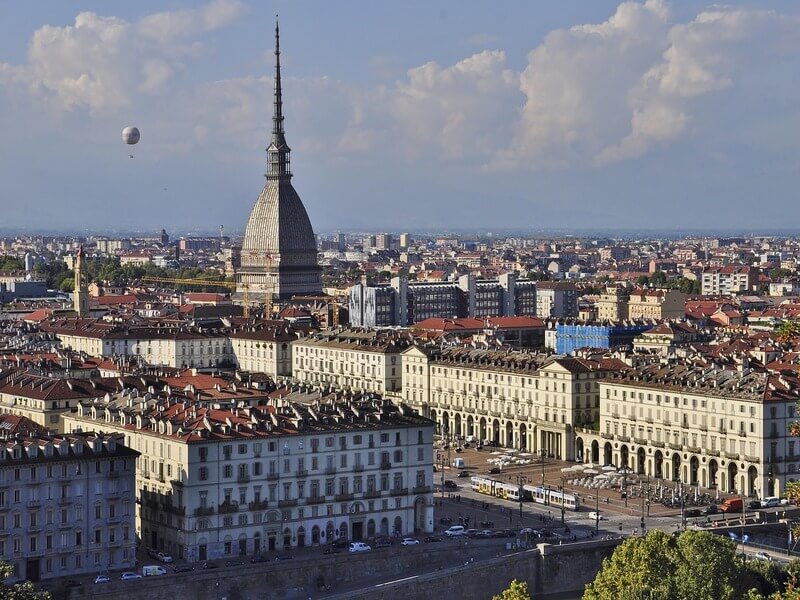
The elegant gateway to Northern Piedmont. Turin is the grand capital of the region and provides a sophisticated base for exploring the nearby Monferrato and northern Alto Piemonte regions.
Train: Frequent regional trains run from Torino Porta Nuova to Asti (approx. 35 mins) and Alba (approx. 1h 15m). This is an affordable way to reach the city centers, but you will likely need a taxi or a local tour to reach the actual vineyards on the hills.
Driving: Renting a car from Turin is straightforward. The A6 motorway takes you directly toward the Langhe (Barolo/Barbaresco), while the A21 heads toward the Monferrato. Remember that Italian “ZTL” (restricted traffic zones) are strictly enforced in the city center.
Guided Tours: Many high-end tour companies offer pickups from Turin hotels. These are ideal for those who want to visit the famous Barolo hills for a full day without the 2-hour round-trip driving responsibility.
Private Driver (NCC): For a luxury experience, hiring a private NCC (Noleggio Con Conducente) driver from Turin is highly recommended. It allows you to enjoy vertical tastings of aged Nebbiolo while someone else navigates the winding mountain roads.
Alba
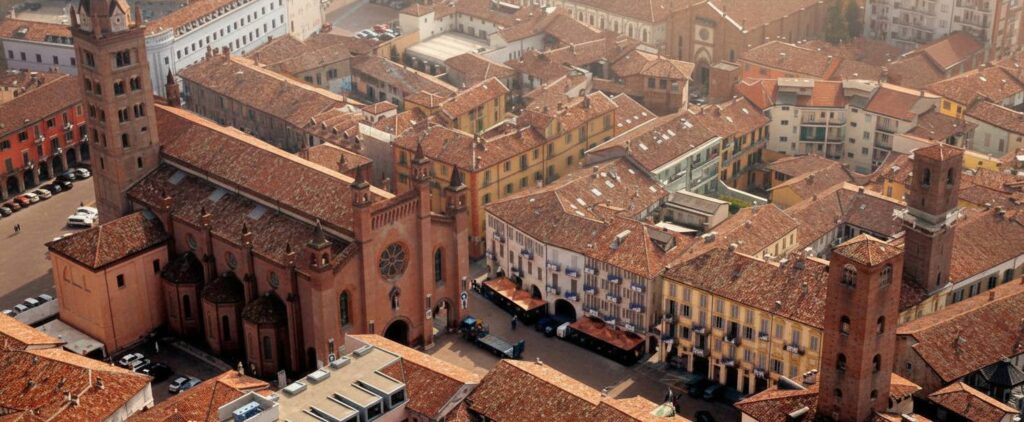
The heart of the Langhe and the White Truffle capital. Alba is the most strategic hub for wine lovers, located right between the Barolo and Barbaresco production zones.
Driving: Since Alba is surrounded by vineyards, a rental car offers maximum freedom. You can reach the village of Barbaresco in 15 minutes or Barolo in 20 minutes. The scenic drives through these UNESCO-listed hills are among the most beautiful in the world.
E-Biking: Alba is a major center for electric bike rentals. E-biking is an increasingly popular and eco-friendly way to hop between wineries in the Langhe, as the motor helps you conquer the steep, iconic slopes.
Taxi: Local taxis are available in Alba for short hops to nearby wineries (like those in Treiso or Neive), but it is essential to book your return trip in advance, as taxis are not easily “hailed” in the rural countryside.
Walking Tours: For those staying in the center, some wineries are actually located within walking distance of the old town, though most “Cru” vineyards require transport.
Asti
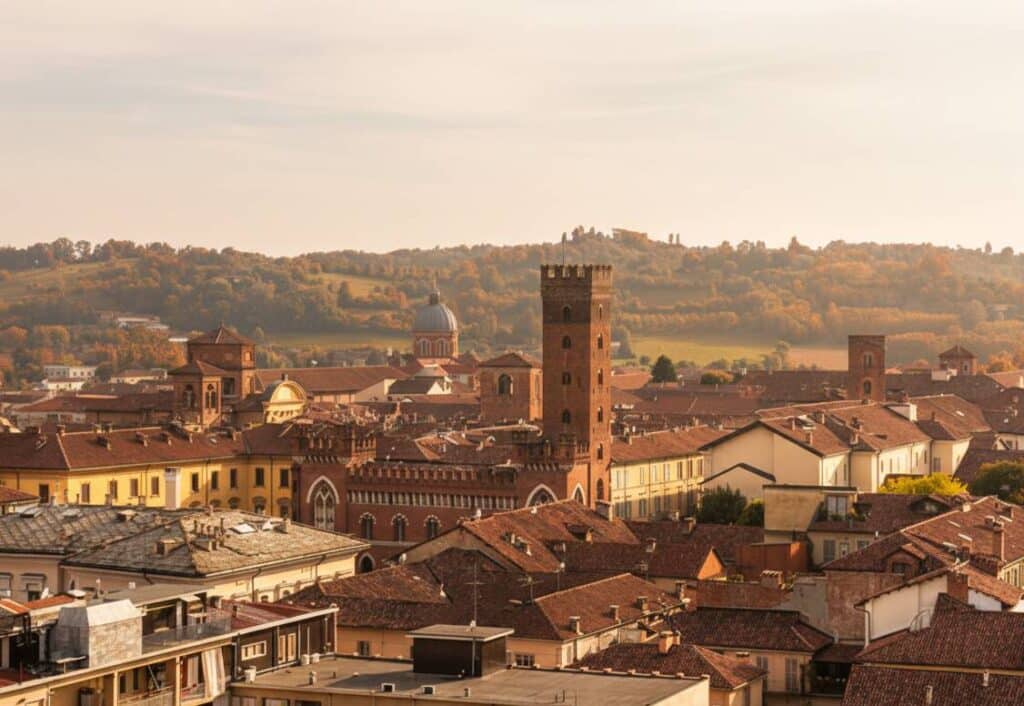
The hub for Barbera and Sparkling Asti Spumante. Asti is a historic city and the perfect starting point for exploring the Monferrato hills.
Public Transport: Asti is a major rail hub. You can easily take local buses to smaller wine villages like Nizza Monferrato or Canelli (famous for its “Underground Wine Cathedrals”). However, bus schedules can be sparse on weekends.
Driving: The roads around Asti are generally less steep than in the Langhe, making for a more relaxed driving experience through the Monferrato and towards the Gavi region in the south.
Guided Tours: Several operators specialize in “The Underground Cathedrals” tours, taking you to the historic UNESCO cellars where millions of bottles of sparkling wine are aged.
Stresa (Lake Maggiore)
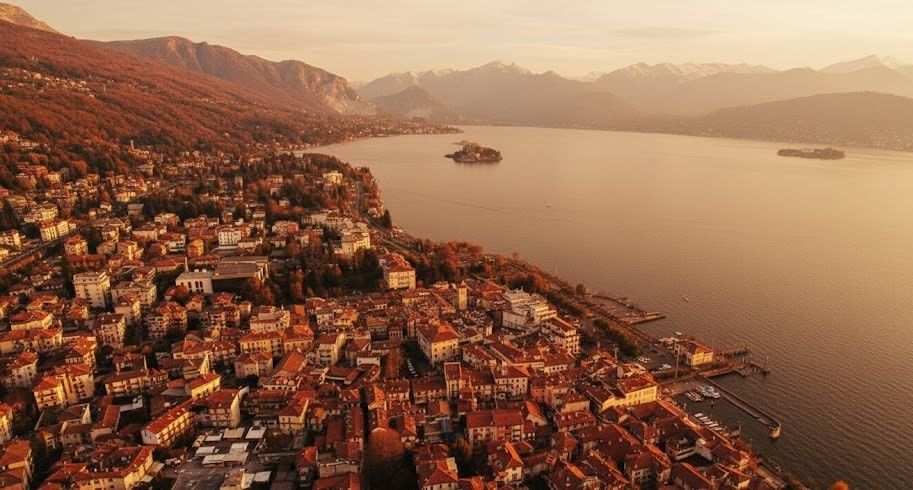
Access to the high-altitude wines of Alto Piemonte. While famous for its lakeside luxury, Stresa is the best base for visiting the northern vineyards of Ghemme and Gattinara.
Driving: A car is necessary to drive south from the lake to the volcanic soils of the Alto Piemonte wine regions (about 45–60 minutes). These northern Nebbiolos offer a different, mineral-driven profile compared to their southern cousins.
Private Tours: Boat-to-vineyard tours are a unique option here. You can enjoy the morning on the Borromean Islands and have a private driver meet you at the pier for an afternoon of wine tasting in the northern hills.
Advice
Regardless of your base, Piedmont is a region of small, family-run estates. “Walk-in” tastings are rare. Always use your transport to arrive at a pre-booked appointment time. tasting in the northern hills.