
Table of Contents
Sauvignon Blanc The Zesty and Aromatic Global Star
Sauvignon Blanc: A vibrant, pale straw-colored white known for its intense aromatics, piercing acidity, and signature notes of citrus, passion fruit, and fresh herbaceousness.
Sauvignon Blanc is one of the world’s most recognizable and critically important white grapes. It stands apart from its white wine peers due to its exuberant, high-impact aromatic profile and signature high acidity, delivering a uniquely crisp, dry, and refreshing experience. Celebrated for its lean, light to medium body, Sauvignon Blanc immediately satisfies the palate with its vibrant primary fruit flavors of lime and grapefruit, often intertwined with savory notes of fresh-cut grass and bell pepper. Whether it acts as the cornerstone of the great appellations of the Loire Valley or as the defining, electric white of New Zealand, Sauvignon Blanc is a thrilling, indispensable global benchmark for aromatic white wine.
Origin French Ancestral Roots and Name
Sauvignon Blanc is an indigenous French variety with historical roots firmly set in both the Loire Valley (where it achieves its pinnacle of elegance) and Bordeaux. Its name literally translates from the French words sauvage (“wild”) and blanc (“white”), a nod to its early origins as an untamed, indigenous vine in the southwest of France.
The Parentage/Genetic Lineage
DNA analysis confirms that Sauvignon Blanc is a natural cross between the red variety Cabernet Franc and an obscure white grape, Savagnin. This famous lineage is most relevant to its role in the wine world because Sauvignon Blanc itself crossed with Cabernet Franc in the 1700s to create one of the most important red grapes on earth: Cabernet Sauvignon.
Dominance in The Loire Valley:
Sauvignon Blanc holds its most intellectual prestige in the Loire Valley appellations of Sancerre and Pouilly-Fumé in central France. The grape thrives on the cool, limestone-rich soils (especially the Kimmeridgian clay-limestone and flint/silex), which slow the ripening process and enable the grape to retain its vital acidity and develop complex, savory, ‘gunflint’ mineral notes.
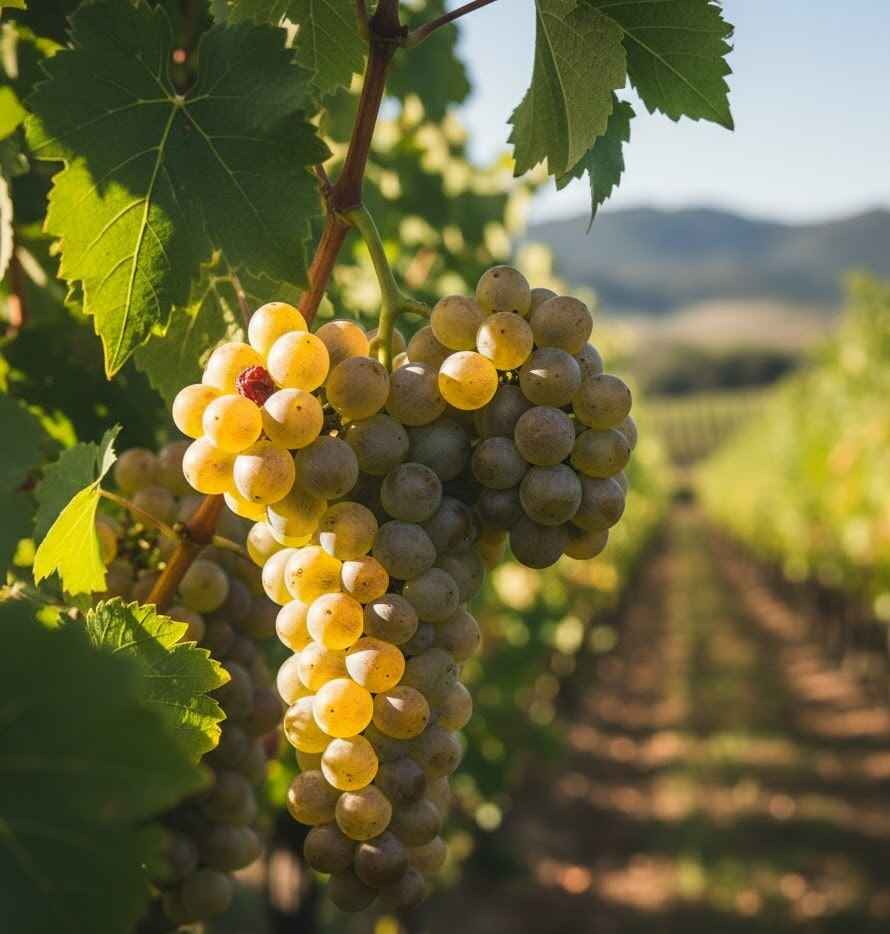
Characteristics of Sauvignon Blanc
Moderate Vigor and Early Ripeness
Sauvignon Blanc is a moderately vigorous vine that buds late but ripens early, demanding a careful balance of sun and moderate temperatures. The name itself, meaning “wild white,” alludes to its tendency to produce dense canopies that require management. Its early maturation means it is often one of the first varieties harvested, allowing it to flourish in cooler to moderate climates where it retains its signature freshness. Overexposure to heat can lead to over-ripeness, resulting in dull flavors and flat acidity.
Thick Skin and Aromatic Compounds
Unlike Sangiovese, Sauvignon Blanc has a relatively thick skin for a white grape, offering good disease resistance. This skin is rich in aromatic compounds, particularly methoxypyrazines, which are responsible for its distinctive “green” notes like grass, bell pepper, and asparagus. The resulting wine is typically a pale lemon-green color, and is generally low in tannins, though extended skin contact during winemaking can enhance texture and aging potential.
High Acidity and Soil Preference
Sauvignon Blanc is defined by its consistently high acidity (often referred to as “racy” or “crisp”), which provides a vibrant, zesty backbone and contributes to its refreshing quality. This acidity remains high regardless of the climate, although it can be softened in warmer areas. It is versatile but thrives on poor, well-draining soils which help to control vigor and concentrate flavor.
-
Chalky soils (like those in Sancerre and Pouilly-Fumé) often impart a notable mineral or flinty character.
-
Gravel and loamy soils (like those in Bordeaux and New Zealand’s Marlborough) are also highly effective, helping to maintain a balance of acidity and the grape’s intense aromatic profile.
Aromatic profile of Sangiovese Savory Fruit, Herbs, and Leather
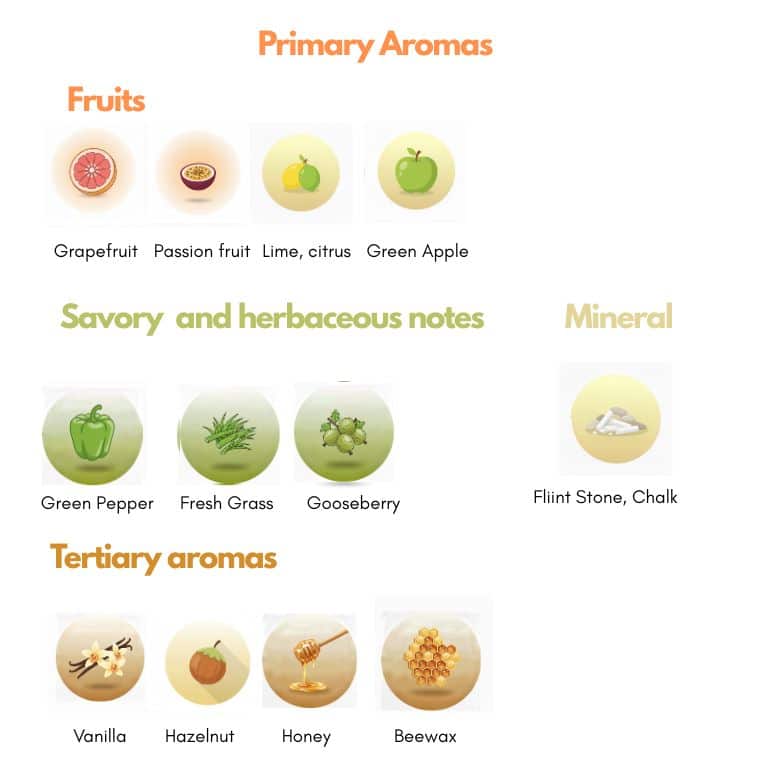
Sauvignon Blanc is prized for its intense, immediate vibrancy and its unique spectrum of herbaceous, green notes alongside bright fruit, all framed by its signature racy acidity.
Primary Flavors (Aromatic & Intense):
Herbaceous/Savory:
The hallmark of Sauvignon Blanc, derived from compounds called methoxypyrazines. Notes include: fresh-cut grass, green bell pepper, gooseberry, tomato leaf, and asparagus.
Fruit (Zesty to Tropical):
Characterized by compounds called volatile thiols (especially in New Zealand styles).like grapefruit, passion fruit,…
Cool Climate (Loire Valley/France):
Zesty citrus (lime, grapefruit), green apple, and subtle floral or mineral notes.
Moderate/Warm Climate (Marlborough/New Zealand):
More pronounced tropical fruit (passion fruit, kiwi, guava), alongside intense herbal notes.
Mineral:
Especially in classic French regions (Sancerre, Pouilly-Fumé), aromas of flint, wet stone, and chalk are common.
Tertiary Flavors (Evolved/Aged):
Aged/Oaked Styles:
While most Sauvignon Blanc is enjoyed young, barrel-fermented or high-quality examples (like premium Bordeaux Blanc or certain New Zealand/Californian styles) develop: Toast, vanilla, hazelnut, beeswax, and a creamy texture.
Aged Unoaked:
With extended aging, the fresh fruit can fade, and the wine may develop complex, subtle notes of lanolin, honey, or a vegetal character (peas, canned asparagus).
Structure:
Body:
Light to Medium-Bodied, with a crisp, refreshing, and clean texture. Oak aging will increase the perception of body and weight.
Acidity:
High to Very High (Racy/Zesty), providing the wine’s energy, brightness, and mouth-watering finish. This high acidity is a defining structural element.
Tannins
Virtually None (as it is a white wine), though subtle bitterness or grip can come from phenolics in the grape skins (more common in some New Zealand styles).
Aging Potential:
Most commercial Sauvignon Blanc is produced for immediate consumption and should be enjoyed within 1 to 3 years of the vintage to capture its peak aromatic freshness.
However, top-tier wines, such as certain oaked Bordeaux Blancs, premium Sancerre, or long-aged New Zealand styles (like Cloudy Bay’s Te Koko), have excellent aging potential and can develop complexity for 5 to 10+ years.
The Impact of Winemaking on Sauvignon Blanc Style Blend and Oak
Blending Partner/Role:
Sauvignon Blanc’s primary, historical role is as a blending partner in Bordeaux, most notably with Sémillon and occasionally Muscadelle. In this blend, Sauvignon Blanc is indispensable for providing the essential high acidity and vibrant aromatic lift to the richer, more textural Sémillon. This partnership is vital for both the region’s top dry white wines (Pessac-Léognan) and its legendary sweet wines (Sauternes), where the grape’s acidity balances the residual sugar.
The Use of Oak and Stylistic Spectrum:
The Traditional/Loire Style dictates a focus on pure varietal expression, which is achieved by fermenting and aging the wine exclusively in stainless steel tanks at cool temperatures. This preserves the delicate, zesty aromatics. The International/Ripe Style includes a movement, primarily from California (known as Fumé Blanc), where a portion or all of the wine is fermented or aged in new or neutral French oak barrels. This process adds texture and secondary flavors of cream and spice, resulting in a fuller, softer wine.
Regions for Sauvignon Blanc France (Loire Valley - Bordeaux) The Pinnacle
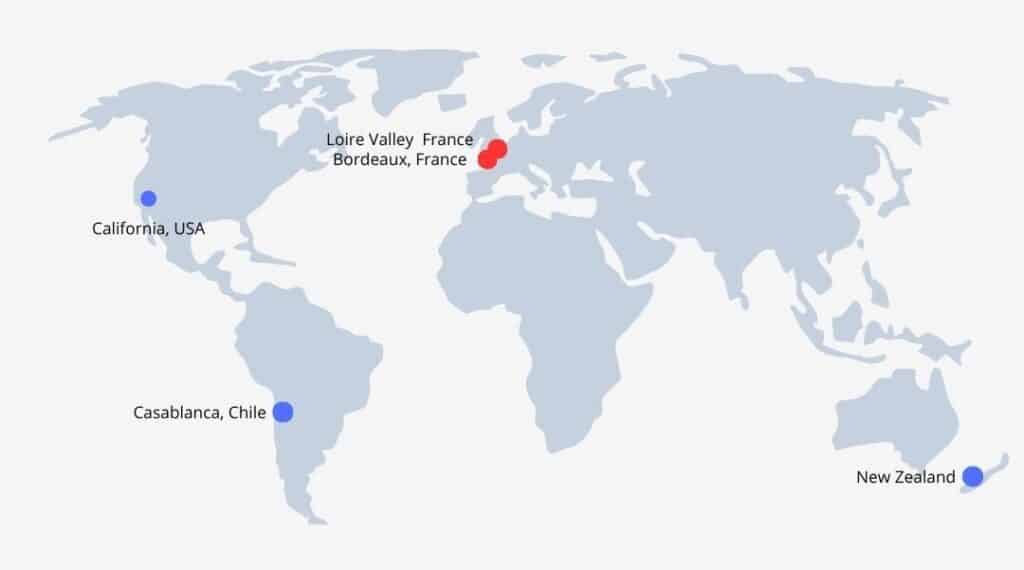
France (Loire Valley – Sancerre/Pouilly-Fumé): The Pinnacle
These appellations are considered the terroir ultimate expression of the grape, yielding elegant, mineral-driven, high-acid, single-varietal wines with pronounced notes of citrus, flint, and a refined herbaceousness.
New Zealand (Marlborough): The Modern Benchmark
The region that brought Sauvignon Blanc to global prominence. These wines are known for their signature intense, pungent, and instantly recognizable profile dominated by flavors of passion fruit, gooseberry, and a pronounced, aggressive grassy character.
France (Bordeaux – Graves/Pessac-Léognan): The Blending Partner
Here, it forms a crucial part of the region’s most complex and age-worthy dry white blends, alongside Sémillon. It provides the tension and freshness needed to balance the blend’s richness.
United States (California – Napa Valley): The Oaked Alternative
Often labeled “Fumé Blanc,” this style generally favors a richer, riper, and frequently oaked expression, focusing on tropical fruit notes, a fuller body, and a creamy texture that is immediately appealing to many consumers.
Chile, Casablanca and San Antonia’s Valley
The Casablanca and San Antonio Valleys, benefit from the Pacific Ocean’s cool climate and fog. These areas are known for producing world-class white wines with a unique minerality and freshness.
Sauvignon Blanc Food pairing and service The Versatile Zesty White
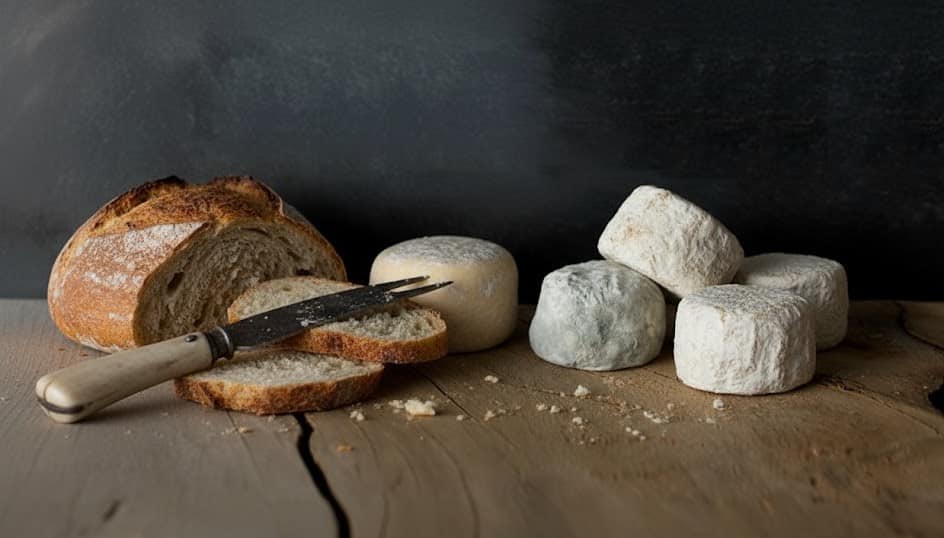
Goat cheese is the absolute pairing with the acidity of Sauvignon Blanc
The Classic Pairing: Acidity Meets Acidity
The absolute classic pairing is Goat Cheese (Chèvre), especially the tangy, fresh cheeses of the Loire Valley (e.g., Crottin de Chavignol). The wine’s high, tart acidity perfectly mirrors the tangy acid in the cheese, creating a harmonious balance, while the crisp texture effectively cuts through the cheese’s creamy richness. This is an example of a “mirroring” principle in food pairing.
Herbal and Green Notes
Sauvignon Blanc’s signature herbal (pyrazines) and bright fruit (thiols) aromas make it a flawless partner for dishes utilizing fresh green ingredients and herbs. The wine essentially serves as an extension of the dish’s seasoning.
-
Herbs: Dishes featuring pesto, dill, basil, tarragon, mint, or chives.
-
Vegetables: Difficult-to-pair green vegetables like asparagus, bell peppers, zucchini, or lightly dressed salads.
-
Sauces: Green sauces like Chimichurri or herbed vinaigrettes.
Seafood and Lean Proteins
The wine’s zesty, citrus-like acidity and medium-light body are perfect for cutting through the richness of seafood and complementing lean, white meats.
-
Seafood: Oysters, white fish (snapper, cod, halibut), and shellfish (mussels, clams) are enhanced by the wine’s refreshing lift.
-
Preparation: Best when prepared simply, such as grilled, steamed, or served with a citrus or herbal garnish.
-
Poultry/Pork: Lean chicken or pork dishes with a light, herbal, or citrus-based sauce.
Key Avoidance:
Overly sweet sauces, heavy cream-based dishes without an acidic counterpoint, and rich red meats.
Service Temperature:
Sauvignon Blanc should be served well-chilled to maintain its invigorating freshness, ideally between 8°C to 10°C (46°F−50°F).
Decanting:
Most Sauvignon Blanc is designed to be consumed young and fresh and is perfectly approachable straight from the bottle. Only complex, high-end, or heavily oaked examples benefit from a brief 15-to-30-minute decant to open up their texture and savory notes.
Challenges & Future Outlook
The greatest challenge facing Sauvignon Blanc today is the impact of a warming climate. As a highly aromatic grape whose character is reliant on the pyrazine compounds that develop in cooler conditions, rapid ripening can easily destroy its signature herbal intensity. This forces producers to invest heavily in canopy management and early harvesting to preserve the freshness that defines its appeal. Furthermore, the global success of the intense New Zealand style has sometimes overshadowed the subtle, age-worthy complexity of the Old World, leading to a need for continued consumer education on the grape’s impressive range.
Ready to Dive into the World of Sauvignon Blanc? Discover Our Tours! Don't just read about Gamay. come and taste the thrill!
ou’ve learned about Sauvignon Blanc’s crisp structure, vibrant flavor spectrum, and its crucial role in defining the white wine world. Now, it’s time to experience this electric zest in the cellar and the vineyard! We offer exclusive wine tours focused on the regions where Sauvignon Blanc truly shines. Journey to the high-acidity, limestone-rich fields of the Loire Valley (Sancerre) to experience the classic, mineral expression, or travel to the vibrant vineyards of Marlborough, New Zealand, to explore the ultimate modern, fruit-forward style.