

The Ultimate Guide to Spanish Wine: Regions, Grapes & Pairings
Spain’s winemaking is a vibrant tapestry woven from ancient traditions and modern innovation. From the sun-drenched plains of La Mancha to the windswept coastal regions, this country offers a diverse and captivating range of wines. To drink Spanish wine is to taste the history of a land shaped by diverse cultures and geography, a journey from rugged landscapes to elegant, world-class bottles of Southern Europe.
The History of Spanish Wine: From Roman Roots to Modern Excellence
Spain’s winemaking story is one of enduring tradition, shaped by unique geography and historical resilience. It’s a narrative of survival and adaptation, where indigenous grapes and ancient methods have thrived, creating a distinct and authentic wine identity.
Ancient Roots and Roman Influence
Winemaking in the Iberian Peninsula dates back thousands of years, with evidence of Phoenician and Greek influence from as early as 1100 BC. However, it was the Romans who truly transformed Spanish viticulture. They introduced advanced techniques, including pruning methods and trellising systems, and established commercial production on a large scale. The Roman presence, lasting over six centuries, solidified wine as a central part of the local economy and culture. They recognized the potential of Spain’s diverse climates and soils, planting vineyards in regions that remain prominent today, such as Andalusia and Catalonia. Amphorae and other artifacts discovered at ancient Roman sites confirm that wine was not just consumed locally but also exported throughout the Roman Empire. This period laid the groundwork for the future, establishing a deep-rooted viticultural heritage that would withstand the test of time. Even after the fall of the Roman Empire, the traditions they introduced persisted, preserved and passed down through generations, ensuring that wine remained an integral part of the Spanish identity.
Medieval Monasteries and the Reconquista
The legacy of Roman viticulture was sustained and expanded during the Middle Ages, largely through the efforts of monasteries and noble families. Monastic orders, particularly the Cistercians and Benedictines, played a crucial role in cultivating vineyards, refining winemaking techniques, and creating demand for wine, not only for religious purposes but also as a staple of the local diet. Monasteries served as centers of agricultural knowledge and innovation, experimenting with different grape varieties and vineyard layouts.
The stability provided by these institutions helped preserve Spain’s winemaking heritage during periods of political upheaval. The Reconquista, the long period of Christian kingdoms’ expansion, also played a crucial role. As Christian rule was re-established, new vineyards were planted, and winemaking knowledge spread. Spanish wines found a new purpose: they were fortified for long sea voyages, allowing them to be carried on ships to far-flung colonies. The most famous example is Sherry, which was fortified to survive the journey to England. This new market, particularly in Britain, became vital for the Spanish wine trade, solidifying the country’s reputation as a key player in the global wine industry.
knowledge but also pioneers, often selecting and cultivating the best grape varieties and vineyard sites. The Austro-Hungarian Empire later fostered a culture of meticulous winemaking, with royal courts and aristocrats commissioning fine wines, especially the legendary sweet wines of Hungary’s Tokaj region.
The Renaissance and Empire Era: Trade and Influence
With the collapse of the Roman Empire, the sophisticated infrastructure of viticulture began to decline. However, the Orthodox Church became the guardian of winemaking. Monasteries, particularly in what are now Greece, Serbia, and North Macedonia, meticulously tended vineyards to produce wine for religious services. This dedication ensured that winemaking knowledge not only survived but was refined and documented, preserving a vital part of the region’s agricultural heritage.
The Modern Era: Phylloxera and the Rise of Quality
The 19th and 20th centuries were a time of great challenge and transformation for Spain’s wine industry. The devastating phylloxera epidemic, a tiny insect that destroys vines, arrived in the late 19th century, wiping out vast swaths of vineyards and crippling production. While the rest of Europe grappled with this crisis, Spain was also severely impacted. However, a turning point came with the grafting of native Spanish vines onto disease-resistant American rootstocks, a technique that was successfully implemented to save the industry. This recovery was followed by periods of political instability, including the Spanish Civil War and the Franco regime, which initially focused on high-volume, low-quality production.
It wasn’t until the country’s transition to democracy in the late 20th century, and its subsequent entry into the European Union, that a major shift occurred. EU funding and new regulations encouraged producers to focus on quality over quantity, leading to significant investments in modern winemaking equipment and vineyard management. Today, this focus is enshrined in a modern appellation system, the Denominación de Origen (DO), which ensures quality and authenticity.
Spanish Wine Terroir Explained: Climate, Soil & Topography
Terroir, a concept encompassing the unique combination of climate, soil, and topography, is the defining force behind Spain’s wines. The country’s varied landscape, from the Atlantic coast to the inland plateaus and mountain ranges, creates a mosaic of distinct terroirs, each imparting a unique character to the grapes and the resulting wines.
Climate and Its Influence on Wine
Spain’s climate is predominantly influenced by three major zones. The Atlantic climate in the northwest, including regions like Rías Baixas, is characterized by cooling, moist air. This maritime influence creates a milder, wetter climate, ideal for producing fresh, high-acid white wines and elegant reds. In contrast, the vast interior plateau, the Meseta, experiences a continental climate, characterized by hot, dry summers and cold winters. Here, the intense heat ripens grapes to a high degree of concentration, resulting in bold, full-bodied reds. Finally, the southern regions and Mediterranean coast have a Mediterranean climate, with warm, dry summers and mild winters, producing ripe, fruit-forward wines. The diurnal shift—the difference between daytime and nighttime temperatures—is also a key factor. In many regions, the significant drop in temperature overnight helps the grapes retain acidity and aromatic complexity, balancing the ripeness achieved during the day. This is crucial for creating well-structured wines that are both powerful and elegant.
Soils and Topography: Terroir in Action
Spain’s landscape is a testament to its geological diversity, with ancient soils and dramatic topography shaping the character of its wines. Rioja, for example, is defined by its mix of clay, limestone, and iron-rich soils.
The chalky clay-limestone soils of Rioja Alavesa produce wines with high acidity and delicate aromas, while the iron-rich soils of Rioja Alta create wines with more structure and a deep color. This geological diversity contributes to the complex blends for which Rioja is famous. In contrast, the Priorat region in Catalonia is known for its dramatic, steep hillsides and unique licorella soil, a mix of black slate and quartzite. This soil’s poor water retention and heat-absorbing properties force the vine roots to penetrate deep into the ground, creating grapes with incredible concentration and minerality, resulting in powerful, full-bodied wines with a distinctive smoky character. In Ribera del Duero, the vineyards are planted on a mix of limestone, marl, and clay soils at high altitudes. This combination helps retain acidity and structure, while the temperature extremes contribute to the bold, intense character of the region’s Tempranillo-based wines. These regional differences highlight how Spain’s diverse geological makeup and varied terrain are fundamental to the expression of its wines, providing a powerful sense of place in every bottle.
Spain's Wine Classification System: A Guide to DOCa, DO & More
Spain’s wine classification system is a modern framework designed to protect and promote the quality of its wines. The top tier is the Denominación de Origen Calificada (DOCa), with only two regions, Rioja and Priorat, currently holding this distinction. Below this is the Denominación de Origen (DO), which mandates strict regulations on grape varieties, yields, and winemaking practices. At the base are the Vino de la Tierra (VT), which offers more flexibility, and Vino, a simple table wine. This hierarchy ensures that consumers can trust the authenticity and quality of Spanish wines.
Spain's Wine Regions Guide: Top Areas & Must-Try Wines
Spain’s winemaking is best understood through its distinct regions, each offering a unique expression of the country’s diverse terroir and grape varieties. The following guide provides an overview of the country’s main wine regions and their sub-regions.
Rioja (DOCa)
Located in north-central Spain, Rioja is the country’s most famous wine region. It is a historic area known for its age-worthy red wines, primarily made from Tempranillo, blended with Garnacha, Graciano, and Mazuelo. The region is divided into three sub-zones, each with a distinct character.
Rioja Alta:
Known for its traditional, elegant wines with balanced acidity and a focus on subtle red fruit and oak influence.
Rioja Alavesa:
Located in the Basque country, this area produces wines with notable acidity and a delicate, floral aroma.
Rioja Oriental:
The hottest and driest sub-region, producing fuller-bodied, fruit-forward wines, often with a higher proportion of Garnacha.
Ribera del Duero (DO)
Situated on the high-altitude plateau of Castilla y León, Ribera del Duero is a region that has risen to international acclaim for its bold, powerful red wines, almost exclusively from Tempranillo (locally known as Tinto Fino or Tinta del País). The extreme continental climate and high altitude contribute to wines with intense dark fruit, structure, and firm tannins.
Priorat (DOCa)
A small, mountainous region in Catalonia, Priorat is known for its dramatic, steep hillsides and unique licorella soil. This terroir produces incredibly concentrated, full-bodied red wines, primarily from Garnacha and Cariñena, that are dark, mineral-driven, and capable of long-term aging.
Penedès (DO)
Located in Catalonia, Penedès is a diverse region that produces everything from high-quality sparkling wines to light-bodied reds and whites. It is the heart of Cava production, a sparkling wine made using the traditional method, but also excels in producing still wines from both international and local varieties like Xarel-lo and Macabeo.
Rías Baixas (DO)
Found in the cool, moist northwestern region of Galicia, Rías Baixas is famous for its crisp, aromatic white wines made from the Albariño grape. The region’s close proximity to the Atlantic Ocean results in wines with high acidity, a refreshing character, and a distinct saline minerality.
Jerez-Xérès-Sherry (DO)
This historic region in Andalusia is famous for its fortified wines, collectively known as Sherry. The wines are made from Palomino, Pedro Ximénez, and Moscatel grapes, and their unique character comes from the solera system and flor yeast. Styles range from the bone-dry Fino and Manzanilla to the rich and sweet Oloroso and Pedro Ximénez.
La Mancha (DO)
The largest wine region in the world, La Mancha is located on the vast, arid plateau south of Madrid. Its primary grape is the white Airén, but the region is increasingly known for its quality red wines from Tempranillo and other international varieties. The wines are typically fruit-forward and approachable.
Cava (DO)
While Cava’s production is centered in Penedès, it is an appellation that covers multiple regions across Spain. This sparkling wine, made primarily from Macabeo, Parellada, and Xarel-lo, is produced using the traditional method, offering a high-quality, affordable alternative to Champagne.
Rueda (DO)
Situated in the heart of Castilla y León, Rueda is the key region for Verdejo, a grape that produces fresh, aromatic, and full-bodied white wines with a characteristic bitter finish. The high altitude and continental climate contribute to the wine’s notable acidity and expressive character.
Key Spanish Grape Varieties: A Guide to Tempranillo & Beyond
Spain’s viticultural landscape is defined by its wealth of indigenous grape varieties, many of which are found nowhere else in the world. These unique grapes are the foundation of the country’s diverse and compelling wine styles.
Signature White Grapes and Styles
Albariño:
A signature grape of the Rías Baixas region, it produces aromatic and crisp wines with vibrant notes of citrus, green apple, and a distinctive salinity. These wines are known for their high acidity and freshness.
Verdejo:
The star of the Rueda region, Verdejo offers elegant and structured white wines. It has a notable herbaceous quality and can develop complex notes of stone fruit, fennel, and a nutty finish with age.
Airén:
Predominantly grown in La Mancha, Airén is one of the most widely planted white grapes in the world. It creates a simple, fresh white wine with a neutral character, often used for blending or distillation.
Viura (Macabeo):
A key white grape in Rioja and Catalonia, it produces light-bodied wines with flavors of pear and floral notes. It is often blended to add freshness and is capable of producing full-bodied, oak-aged styles.
Signature Red Grapes and Styles
Tempranillo:
The most noble red grape in Spain, it is the cornerstone of premium red wines from Rioja, Ribera del Duero, and other regions. It yields deeply colored, full-bodied wines with intense aromas of red fruit, spice, and firm tannins.
Garnacha (Grenache):
Widely planted throughout Spain, particularly in Priorat and Aragón. It produces rich, full-bodied wines with flavors of ripe red fruit, and is often used in blends to add body and alcohol.
Monastrell (Mourvèdre):
A dominant grape in southeastern Spain, particularly in Jumilla. It thrives in hot, dry climates, producing deeply colored, robust wines with notes of blackberry, smoke, and a savory, earthy character.
Bobal:
A high-acid, deeply colored grape from the Utiel-Requena region. It creates wines with vibrant fruit flavors, a rustic character, and firm tannins, increasingly sought after for high-quality, modern reds.
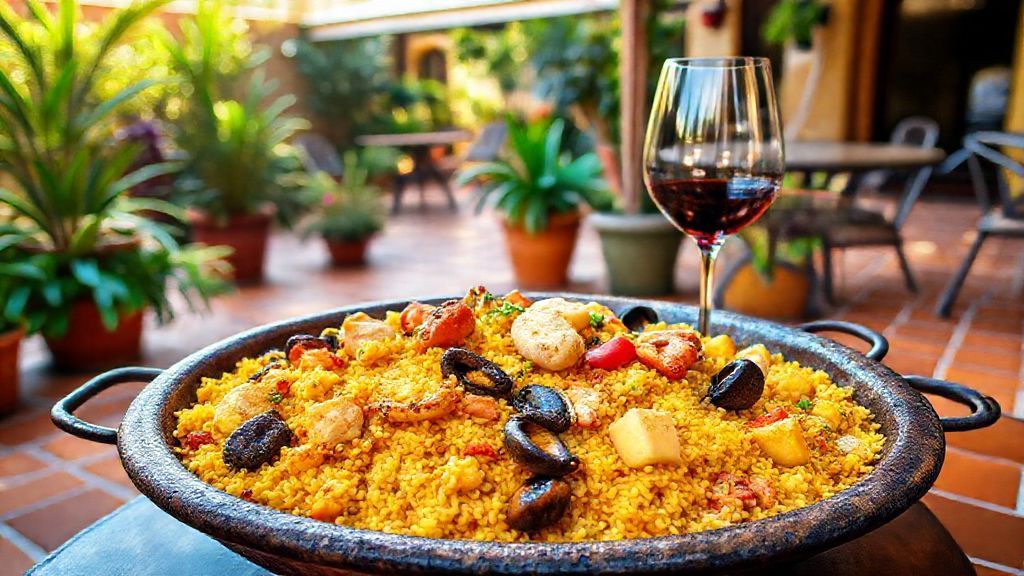
Paella Valenciana and red wine from Monastrell grape varietal are an excellent food and wine match
Spanish Wine and Food Pairing Guide: What to Drink with Tapas & Paella
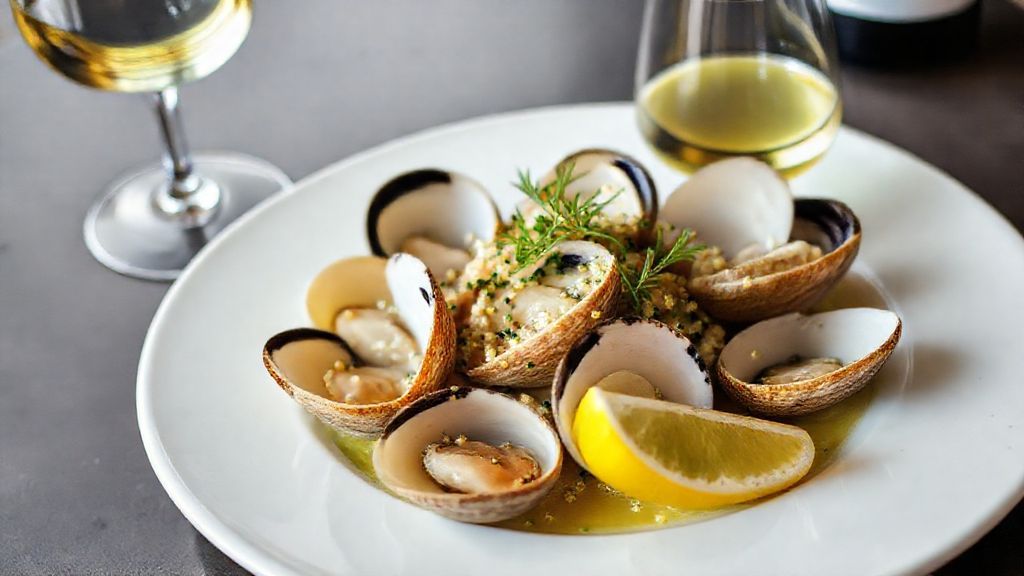
Clams and any seadfood will benefit from the sharp acidity of Galicia white wines from Albariño
The philosophy of Spanish wine and food pairing is rooted in a simple but profound principle: what grows together, goes together. Spain’s diverse regional cuisines have evolved over centuries alongside their local wines, creating perfect pairings that highlight the best of both. The key is to understand the interplay of flavors, textures, and acidity. A well-paired wine should elevate the dish, not overpower it, and vice versa.
The Art of Pairing: General Principles
Before diving into regional specifics, a few general principles can guide you. First, consider the weight of the wine and the food. A light-bodied wine, like an Albariño, pairs well with delicate fish, while a full-bodied Ribera del Duero needs a substantial red meat dish. Second, match the intensity of flavors. A dish with strong spices or a lot of garlic requires a wine that can stand up to it, like a bold Monastrell. Third, balance acidity.
High-acid wines cut through rich, fatty foods, cleansing the palate. A crisp Albariño is perfect with fried seafood, while a high-acid Rioja works well with fatty cured ham. Finally, remember that Spain’s culture of tapas encourages a mix-and-match approach. Sparkling wines like Cava are incredibly versatile, acting as a great palate cleanser and a bridge between different flavors.
Regional Pairings: A Culinary Journey
Northern Spain: Green Wines and Fresh Flavors
The Atlantic influence in the north of Spain, particularly in Galicia and the Basque Country, dictates a cuisine centered on fresh seafood, vegetables, and light preparations. The region’s wines, with their vibrant acidity and crisp character, are the perfect match.
Albariño (Rías Baixas):
The quintessential pairing for this zesty white is marisco (shellfish). A glass of Albariño with grilled scallops (vieiras a la plancha), razor clams (navajas), or a simple plate of steamed mussels is a classic. The wine’s bright acidity and saline notes echo the flavors of the sea, while its citrusy profile cuts through any richness. It also pairs beautifully with fresh fish like hake (merluza) or turbot.
Txakoli (Basque Country):
This slightly sparkling, bone-dry wine is a great aperitif but also a fantastic partner for pintxos (Basque tapas). Its high acidity and light fizz cleanse the palate, making it ideal with fried peppers (pimientos de Padrón), anchovies, and fresh cheese.
Inland Spain: Robust Reds and Hearty Dishes
The vast, arid plains of the central Meseta are home to Spain’s most powerful red wines and a cuisine of roasted meats, cured hams, and rich stews. The wines here are built to handle these bold flavors.
Tempranillo (Rioja and Ribera del Duero):
This is the ultimate pairing for cordero asado (roast lamb). The savory, earthy notes and firm tannins of a a Rioja Reserva or a Ribera del Duero Crianza stand up to the richness of the lamb, while the oak aging complements the roasted flavors. For a less intense dish, a younger, fruitier Rioja Joven works well with chorizo and other cured meats. The acidity in the wine cuts through the fat of the meat, creating a harmonious balance.
Garnacha (Aragón):
The ripe red fruit and spicy notes of a Garnacha pair wonderfully with pork dishes, particularly cochinillo asado (roast suckling pig). The wine’s juicy fruitiness complements the crispy skin and tender meat of the pig.
Mediterranean Spain:
Sun-Drenched Wines and Coastal Flavors
The Mediterranean coast from Catalonia down to Valencia and Murcia is a land of sun-ripened grapes and a cuisine based on rice, vegetables, and seafood.
Monastrell (Jumilla and Yecla):
This grape’s full-bodied, dark fruit character makes it an excellent match for flavorful rice dishes like paella valenciana (with chicken and rabbit). The wine’s robust tannins and spicy notes can handle the complexity of the saffron-infused rice and rich protein. It also works well with grilled vegetables and sausages.
Bobal (Utiel-Requena):
The rustic charm and vibrant acidity of Bobal make it a great pairing for rich, fatty pork dishes and hearty stews. The wine’s fruit-forward profile can also be a surprising but successful pairing for a variety of charcuterie.
Priorat (DOCa):
A powerful wine for a powerful dish. The intense, mineral-driven reds of Priorat are the perfect accompaniment to grilled red meats, game, and aged cheeses. The wine’s high alcohol and concentrated fruit can handle the boldest of flavors without being overwhelmed.
Southern Spain: Fortified Wines and Tapas
The wines of Andalusia are unique, with a wide range of styles from bone-dry to intensely sweet, and they are essential for pairing with the region’s diverse tapas culture.
Fino and Manzanilla Sherry:
These are the ultimate aperitifs. Their dry, nutty, and saline character makes them a perfect match for salty tapas like jamón ibérico, olives, and almonds. The crispness of the sherry cleanses the palate and prepares it for the next bite.
Amontillado and Oloroso Sherry:
As sherry ages and develops more oxidative notes, it pairs with richer, more complex dishes. Amontillado, with its nutty and caramel notes, goes well with roasted chicken or mushroom dishes. Oloroso, with its dark, savory character, is a fantastic partner for aged cheeses or roasted beef.
Pedro Ximénez Sherry:
This intensely sweet wine, with notes of raisins and figs, is the perfect dessert wine. It pairs beautifully with blue cheeses, rich chocolate desserts, or simply poured over vanilla ice cream.