
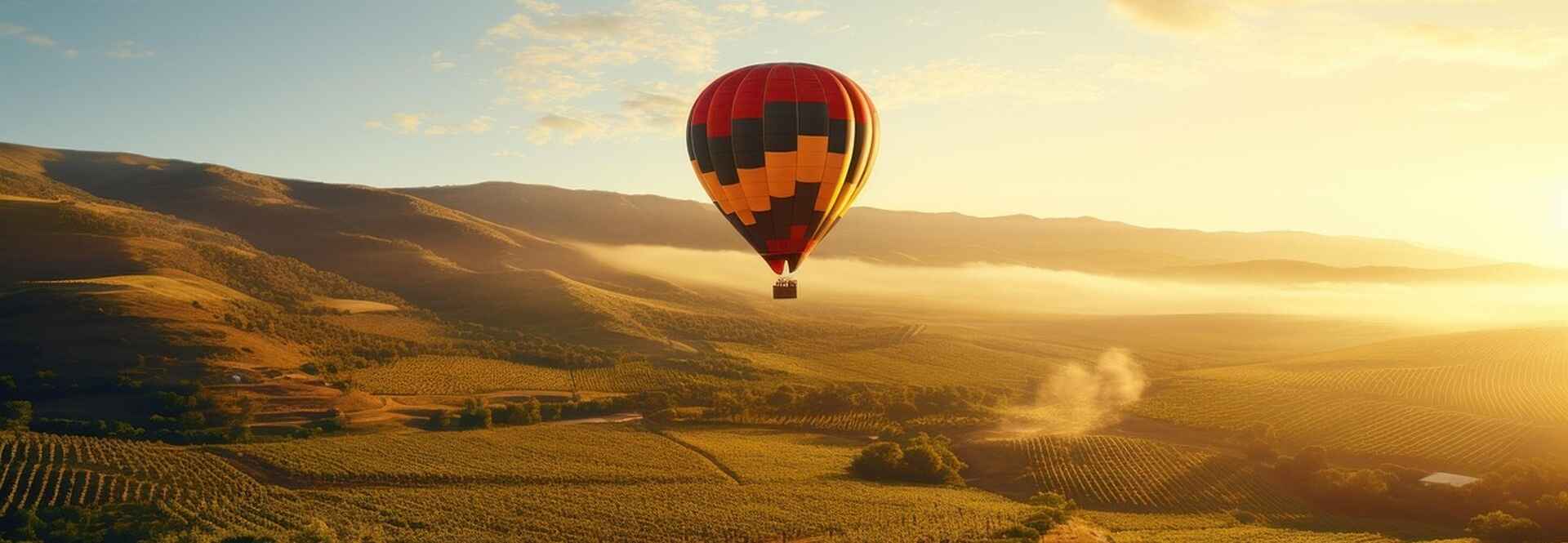
Denmark: The Cool-Climate Wines of the North wine guide
Welcome to Denmark, a rising star in the world of viticulture. Though it may seem an unlikely wine country, Denmark’s small but determined wine industry is producing distinctive and acclaimed wines that are capturing the attention of enthusiasts worldwide.
The modern Danish wine scene has flourished since the legalization of commercial wine production in 1999, with winemakers benefiting from climate change that has made the northern European climate more suitable for grape cultivation. Danish wines are still relatively rare, and their unique character is a direct result of the country’s cool climate and pioneering spirit.
A Deep Dive into Danish Wine History he Emergence of a Winemaking Culture in Denmark
The story of Danish wine is not a linear one, but a narrative marked by long periods of silence followed by sudden bursts of activity. While the modern industry is only a couple of decades old, the history of grapes in Denmark stretches back centuries, intertwined with trade, status, and climatic shifts.
The Viking Age and Beyond: Early Glimmers of Viticulture
Archaeological evidence suggests that grapes were present in Denmark as early as the Late Germanic Iron Age (around 500 AD) and the Viking Age (780-980 AD). Recent discoveries of charred grape pips at royal palace sites like Bulbrogård and Fugledegård, near Lake Tissø on Zealand, are the oldest of their kind found in Denmark. Strontium isotope analysis of one of these pips indicated it was likely of local origin, not imported.
This doesn’t definitively prove winemaking, but it does suggest that grapes were cultivated in Denmark during a period known as the Medieval Warm Period, when the climate was more favorable. The Vikings were renowned drinkers of beer and mead, but they also had a taste for wine, which they imported as a luxury good. It’s plausible that high-status individuals attempted to cultivate grapes to produce their own wine, a symbol of immense wealth and power.
During the medieval period, vineyards were known to exist, particularly in monasteries. A letter from Pope Gregory IX attests to a Cistercian monastery vineyard in Sorø in the 13th century. However, as the climate cooled during the “Little Ice Age” of the following centuries, grape cultivation became all but impossible. The tradition of winemaking in Denmark, if it ever truly existed on a large scale, faded into a distant memory.
The Rise of Fruit Wines: A Danish Specialty
While grape wine disappeared from the Danish landscape, the country developed a strong and lasting tradition of making fruit wines. The Danish climate is excellent for growing cherries, apples, and other berries, and for centuries, these were the source of the country’s homemade and commercial alcoholic beverages. Cherry wine, or kirsebærvin, became a particularly cherished Danish specialty, a tradition that continues to this day with award-winning producers like Frederiksdal. This legacy of fruit wine laid the groundwork for the modern industry, demonstrating that the Danish soil and climate could produce high-quality fermented beverages.
The Modern Revolution: From Home Hobby to Commercial Enterprise
The spark for the modern Danish wine industry was lit in the late 20th century. A handful of passionate individuals, undeterred by the country’s cold-climate reputation, began experimenting with new, hardy grape varieties. The production of grape wine, however, was illegal for commercial purposes until 1999, when EU regulations were revised. This was a pivotal moment. The year 2000 saw the European Union officially recognize Denmark as a commercial wine region, opening the door for these pioneering winemakers to sell their products.
The first Danish vintage to be sold on the commercial market was in 2001, and it sold out almost instantly. By 2006, the country had twenty registered vineyards, producing around 40,000 bottles of wine. The industry gained international prominence in 2007 when a Danish sparkling wine from Skærsøgaard Vin won a silver medal at a prestigious French wine competition, proving to the world that Denmark was a serious contender.
Since then, the industry has grown exponentially. By 2022, there were over 125 producers in Denmark, with the total area under vine doubling in recent years. This rapid growth, though from a small base, signifies a new era for Danish winemaking.
Key Grape Varieties
Danish winemakers primarily rely on hybrid grape varieties specifically bred to withstand cold climates and resist fungal diseases. These “PIWI” (Pilzwiderstandsfähige Rebsorten) grapes are the backbone of the Danish wine industry.
White Grapes
Solaris: This is the undisputed king grape of Danish viticulture. Solaris is an early-ripening, fungus-resistant green grape that thrives in Denmark’s cool climate. It’s used to produce a range of aromatic white wines and is a favorite for sparkling wine production. Solaris wines often have notes of tropical fruit, citrus, and a crisp, refreshing acidity. More than 60% of all Danish wine production is made from this grape.
Other varieties: While Solaris dominates, other white grapes like Ortega and Zala’s Pearl are also cultivated. Some winemakers are even experimenting with classic Vitis vinifera varieties like Chardonnay and Riesling in specific, favorable microclimates.
Red Grapes
Rondo: As the most planted blue grape in Denmark, Rondo is a crucial variety for red wine and rosé. It ripens early and provides a lot of color, producing red wines that can be reminiscent of Dornfelder, with notes of dark fruit.
Leon Millot: This variety is the second most planted blue grape and is often used for red wines. It’s known for its resistance to disease and ability to ripen well in cooler conditions.
Cabernet Cortis: A cross between Cabernet Sauvignon and Solaris, this variety is also being explored by Danish winemakers, particularly for rosés.
Danish wine regions
Denmark is officially divided into four main wine-producing regions, though vineyards are still scattered throughout the country. The most favorable conditions are often found along the coasts, where maritime influences moderate the climate and maximize sun exposure.
Jutland
This peninsula is home to some of Denmark’s most notable and oldest wineries. Wineries like Skærsøgaard Vin, the country’s first and most awarded winery, and Glenholm Vineyard are pioneers in the region. The area is known for its diverse terroir, with soils ranging from sandy to clay-rich.
Zealand
Located near the capital of Copenhagen, Zealand is the largest wine-producing area. Wineries here, such as Vesterhave Vingård, have gained acclaim for their high-quality wines, especially whites and sparkling wines. The region’s proximity to the coast creates unique microclimates that are ideal for viticulture.
Funen
The island of Funen, with its idyllic landscape, hosts several vineyards like Stokkebye Vingård, which supplies wine to some of Denmark’s finest restaurants. The maritime influence here is strong, which helps to create balanced and elegant wines.
Bornholm
This small, rocky island in the Baltic Sea also has a few burgeoning vineyards, taking advantage of its unique microclimate. The island’s granite bedrock and long hours of summer sunshine contribute to the distinct character of its wines.
Pairing food with danish wines
The distinct character of Danish wines makes them an excellent pairing for local cuisine. The high acidity and crispness of many Danish white and sparkling wines perfectly complement the country’s famously rich and flavorful dishes.
Solaris white wines are an ideal match for classic Danish smørrebrød, especially those topped with fish, shrimp, or pickled herring. Their bright acidity cuts through the richness of the fish and remoulade. They also pair wonderfully with mild cheeses and asparagus.
Danish sparkling wines made from Solaris are perfect as an aperitif or with seafood and oysters. Their clean, zesty profile and lively bubbles make them a refreshing choice.
Dry red wines from grapes like Rondo and Leon Millot pair well with traditional Danish fare like frikadeller (Danish meatballs), grilled sausages, and hearty stews. The wines’ lighter body and fruit-forward profile won’t overpower these dishes.
Fruit wines, especially the renowned cherry wines from producers like Frederiksdal, are incredibly versatile. The drier versions can be served with grilled meats, while the sweeter styles are a fantastic match for desserts like risalamande (Danish rice pudding with cherry sauce), dark chocolate, and blue cheese.
The future of Danish Wines
The Danish wine industry is still in its infancy, but the future looks bright. Climate change, which has been a major concern globally, has paradoxically created more favorable conditions for viticulture in Denmark. Warmer summers, milder winters, and a longer growing season have allowed winemakers to produce more consistent and high-quality vintages.
Danish winemakers are also at the forefront of the organic and sustainable wine movement. The country’s strict legislation on spraying and a general consumer preference for natural products mean that a large percentage of Danish vineyards are farmed organically.
The industry’s focus is shifting towards sparkling and white wines, which have seen a significant increase in quality and are now garnering international awards. The high acidity and fresh, fruity character of these wines are proving to be a winning combination. While Denmark may never rival the production volumes of traditional wine countries, its niche as a producer of cool-climate, high-quality, and characterful wines is firmly established.